The Wisconsin Backyard Birds That Begin Migrating In Early August
August still feels like peak summer, but Wisconsin’s backyard visitors clearly disagree. While humidity lingers and lawns stay green, certain feathered residents are already shifting into a different rhythm entirely.
This early exit catches almost everyone off guard. Fall hasn’t touched a single leaf yet, and the countdown toward departure has quietly begun in the branches above your yard.
Some head out alone under cover of night, while others gather in flocks so large they’re impossible to miss. The reasons behind this timing reveal something surprisingly strategic about survival instincts.
Let’s see which birds are at the beginning of their migration process.
1. Baltimore Oriole
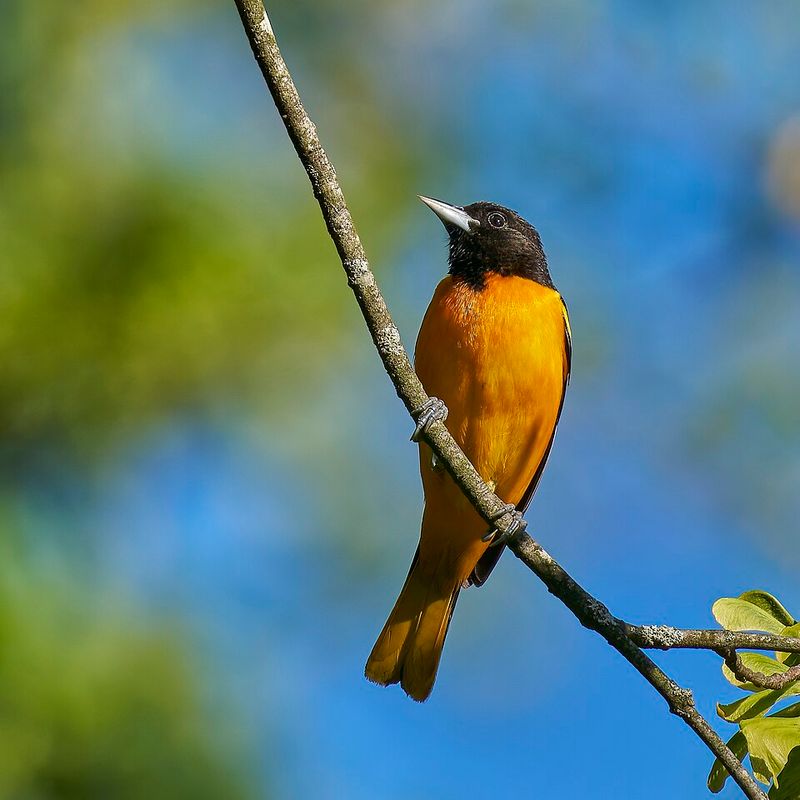
That flash of orange you spotted last week? It might have been a goodbye wave.
The Baltimore Oriole ranks among the very first backyard visitors to head south each year. By late July, adult males quietly start slipping southward before most of us even notice.
These birds are stunning, with bold orange and black plumage that practically glows in morning light. Females and young birds follow a bit later, making August a prime time to catch the whole family passing through.
Orioles prefer tall trees near open spaces, so backyards with mature oaks or elms are like rest stops for them. Putting out fresh orange halves or grape jelly feeders can actually slow them down long enough for a good look.
They have a rich, flute-like song that carries surprisingly far on a still morning. Once you learn it, you will hear it everywhere during these final summer weeks.
One fascinating detail is that Baltimore Orioles spend winters in Central America and northern South America. That means the bird at your feeder today is about to fly thousands of miles.
Backyard birders sometimes notice a sudden feeder slowdown days before the birds actually vanish. That quiet transition period is often the clearest early clue that departure is near.
Keeping a pair of binoculars near a window is a simple habit that pays off big this time of year. Spotting an oriole in early August is a small thrill with a bittersweet edge, a reminder that the season is already shifting beneath your feet.
2. Rose-Breasted Grosbeak
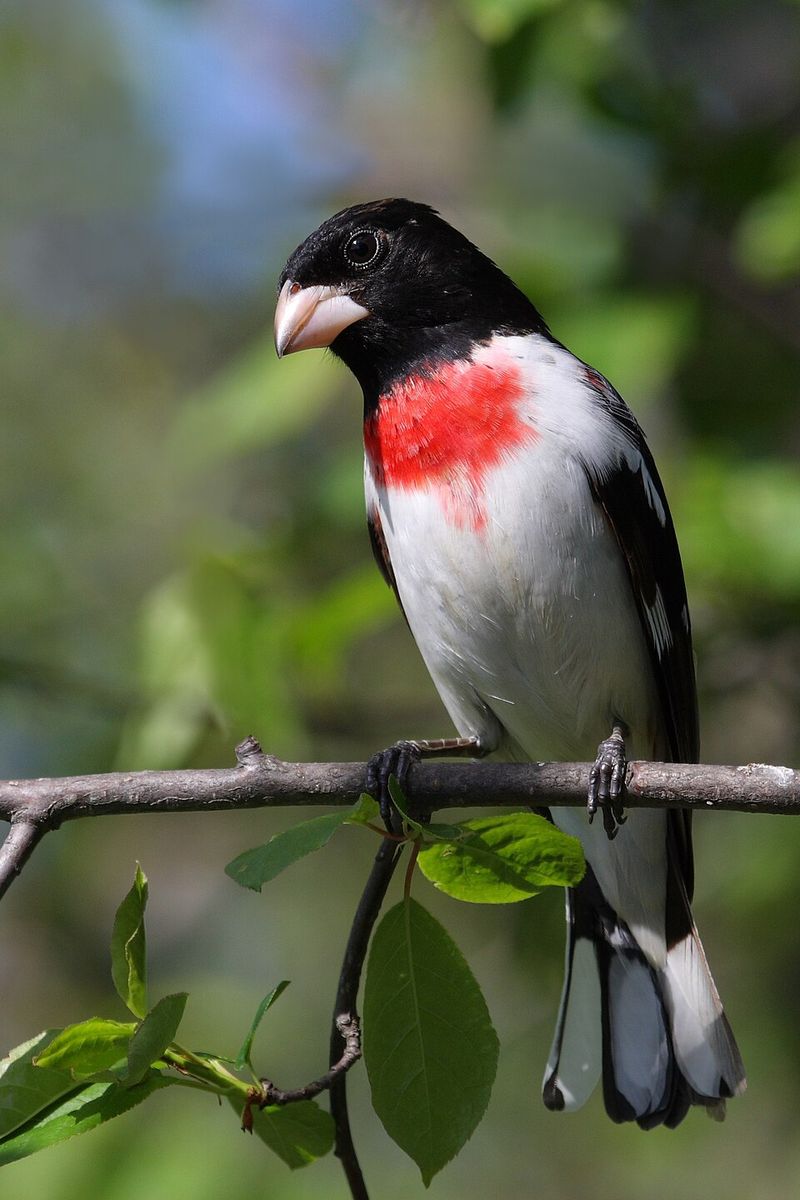
Picture a bird wearing a red bow tie to its own farewell party. That is basically the Rose-breasted Grosbeak in a nutshell.
Males sport a striking triangular red patch on their white chests, making them one of the most recognizable visitors in a Wisconsin backyard. Females are brown and streaky, almost like a large sparrow, but their thick beaks give them away instantly.
August marks the start of their southward push toward wintering grounds in South America. Adult males tend to leave first, while females and juveniles follow over the next few weeks.
These birds particularly love sunflower seeds, so a well-stocked platform feeder can turn your yard into a layover hotspot. Planting berry-producing shrubs also helps, since they fuel up on fruit before long flights.
Your Wisconsin Garden Changes Every Week. Your Plan Should Too.
Gardening in Wisconsin changes quickly throughout the season. Every Friday you’ll receive a simple weekly plan showing exactly what to plant, prune, fertilize, harvest, and protect so you never miss the right timing.
Rose-breasted Grosbeaks are known for their surprisingly melodic song, often compared to a robin that took singing lessons. Males actually sing while sitting on the nest, which is pretty unusual behavior for backyard birds.
One fun fact is that both parents share incubation duties equally, which is rare among songbirds. Watching a pair work together is a genuine treat for anyone lucky enough to have them nesting nearby.
Grosbeaks often travel through mixed flocks with other songbirds during this window. Spotting one usually means several other migrants are moving through the same patch of trees.
If you want to catch these beauties before they disappear for the season, check your feeders early in the morning. Missing the Rose-breasted Grosbeak’s exit feels like missing the last scene of a great movie.
3. Yellow Warbler
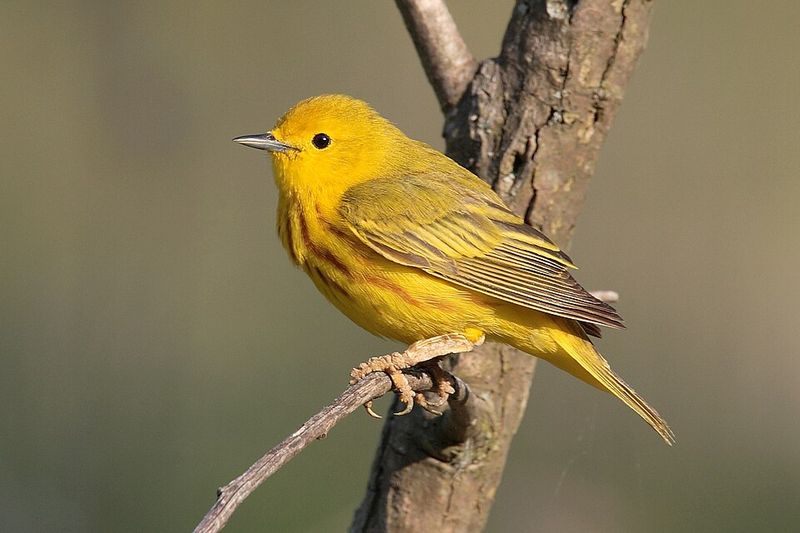
Sunshine with wings. That is the best way to describe a Yellow Warbler darting through your garden shrubs.
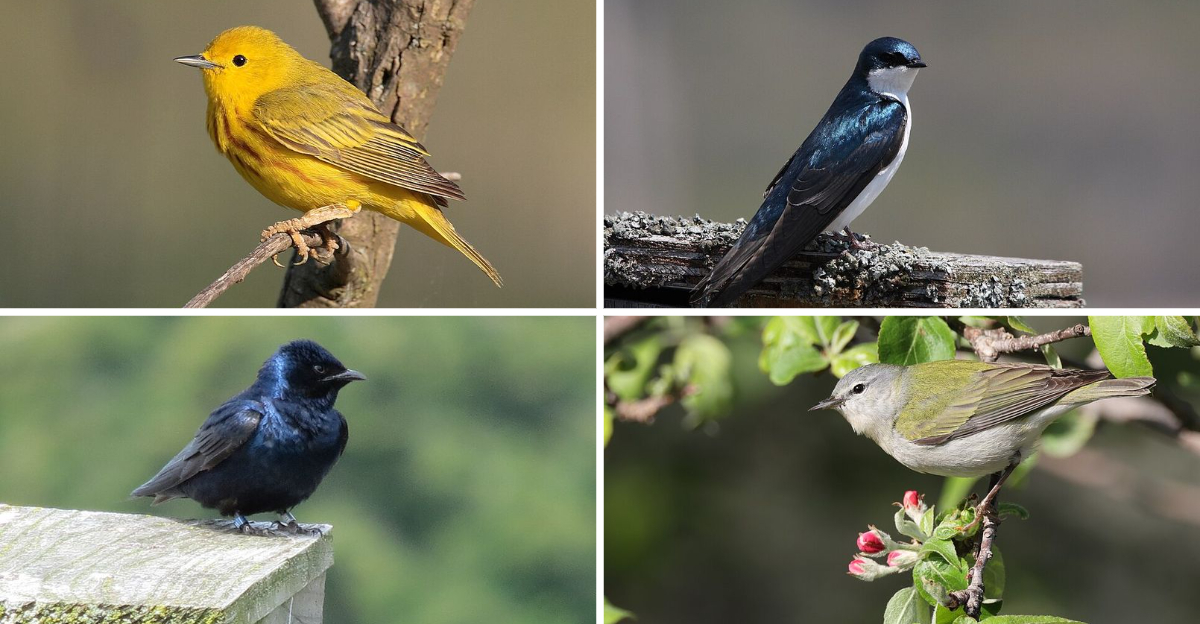
These small, golden birds are surprisingly easy to spot because of their all-yellow coloring. Males have rusty red streaks on their chests, adding just enough detail to make them look like tiny works of art.
Yellow Warblers are among the earliest warbler migrants in Wisconsin, often beginning their journey south in late July or early August. Their timing surprises many backyard birders who assume warblers wait until September.
They favor shrubby habitats near water, so yards with willows, alders, or garden ponds tend to attract them during migration. Planting native shrubs creates exactly the kind of layover environment they seek out on long flights.
These birds eat almost entirely insects, so skip the feeder and focus on habitat instead. A yard with diverse plantings naturally hosts the caterpillars and flies that fuel a warbler’s migration journey.
These birds are fascinating because they sometimes build a new nest floor on top of a cowbird egg to avoid raising an impostor chick. That kind of clever behavior from such a tiny creature is genuinely impressive.
Cooler nights in early August seem to nudge these warblers into action faster than daylight length alone. A sudden temperature dip can trigger noticeably quieter mornings within just a few days.
Their sweet, repetitive song sounds like “sweet sweet sweet, I’m so sweet,” which birders use as a memory trick. Catching one singing in your yard during early August is a small, joyful moment worth pausing for. The Yellow Warbler is one visitor you will genuinely miss once it disappears from the garden.
4. Tennessee Warbler
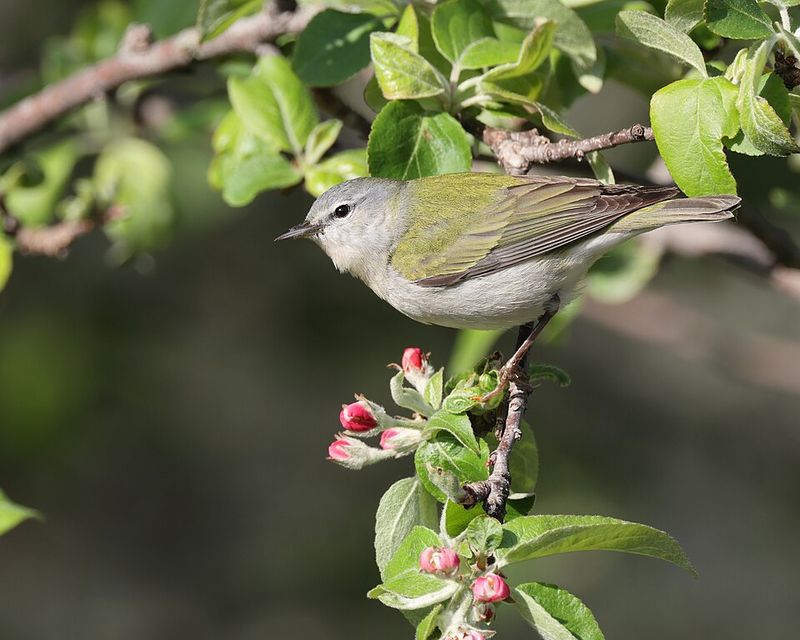
Do not let the name fool you. The Tennessee Warbler barely spends any time in Tennessee at all.
This species was named after where it was first described by naturalists, but it breeds much farther north in the boreal forests of Canada. By early August, it is already heading south through Wisconsin on its way to Central America.
Tennessee Warblers are small, compact birds with olive-green backs and a crisp white eyebrow stripe. They are not as flashy as some warblers, but once you know what to look for, they stand out in a crowd of migrants.
During migration, they frequently visit backyards with tall trees and dense shrubs. They are especially drawn to yards with spruce or fir trees, since those mimic the boreal habitat they call home in summer.
One quirky habit is their love of nectar during migration, which is unusual for warblers. Setting out an oriole feeder with sugar water might actually attract a Tennessee Warbler passing through your yard.
Because they blend so easily with other warblers, Tennessee Warblers are frequently undercounted during casual backyard birdwatching. Careful listening often reveals far more activity than a quick glance suggests.
Their song is loud and surprisingly forceful for such a small bird, described as a rapid three-part trill that almost sounds mechanical. Hearing one in August means migration is fully underway in your neighborhood.
Population numbers for this species can swing noticeably from year to year depending on breeding success up north. A strong breeding season often translates into unusually large numbers passing through Wisconsin the following August.
Tennessee Warblers tend to travel in loose flocks with other warbler species, so spotting one often means more are nearby. This understated traveler rewards patient observers willing to look closely.
5. Various Flycatcher Species
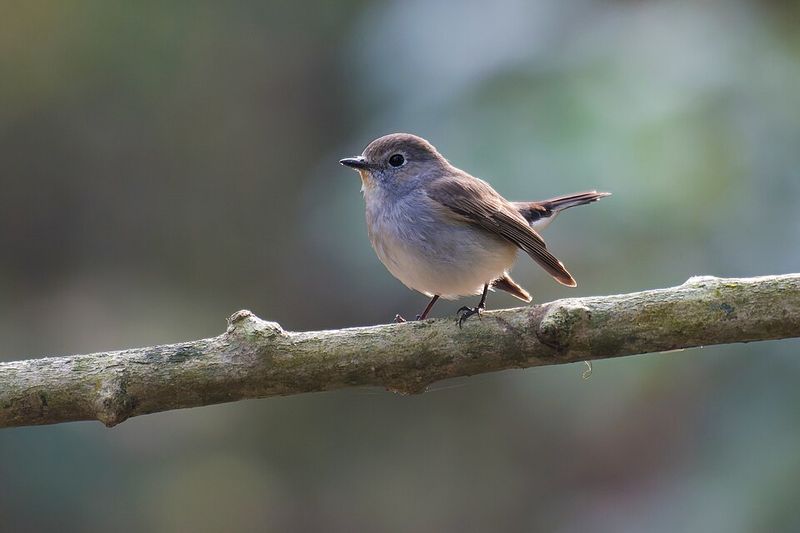
Flycatchers are the mystery guests of August migration. They look almost identical to each other, and even experts struggle to tell them apart.
Several species pass through Wisconsin backyards in early August, including Willow, Alder, Least, and Yellow-bellied Flycatchers. They all belong to the Empidonax group, a genus that drives birders mildly crazy with its near-identical appearances.
These birds are small and olive-brown with faint wing bars and eye rings. The safest way to identify them is by their calls, since each species has a distinct vocalization that cuts through the confusion.
Flycatchers favor woodland edges and shrubby areas near open ground. A backyard that borders a tree line or has a brushy fence row is exactly the kind of habitat they seek during stopovers.
They hunt by perching quietly, then launching out to snatch insects mid-air before returning to the same spot. Watching this behavior is oddly satisfying, like watching a tiny, feathered athlete run the same drill over and over.
Many flycatcher species are among the last songbirds to arrive in spring and among the first to head south in August. Their early departure is a reliable signal that migration season has genuinely begun.
Weather fronts moving through the Midwest can trigger sudden waves of flycatcher activity overnight. A calm morning after a cold front passes is often the best time to spot several species at once.
Recording calls with a phone can actually help separate these look-alike species after the fact. Comparing the recording to reference audio later often reveals which flycatcher was actually in the yard.
One interesting detail is that flycatchers migrate mostly at night, navigating by stars and magnetic cues. These quiet travelers are easy to overlook but deeply rewarding to find.
6. Purple Martin
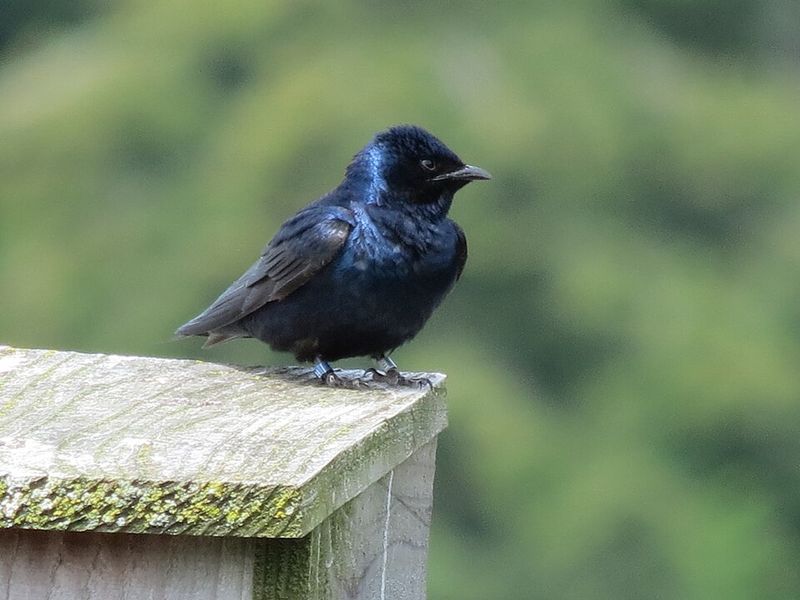
If you have a Purple Martin house in your yard, late July and early August bring a bittersweet annual ritual. The colony starts gathering, chattering loudly, and then one morning they are simply gone.
Purple Martins are North America’s largest swallow, with deep blue-purple iridescent plumage on adult males. Females and young birds are more muted, with pale bellies and dusky backs that blend into overcast skies.
These birds are almost entirely dependent on human-provided housing in the eastern half of the country. Landlords who maintain martin houses build real relationships with these birds, which return to the same site year after year.
Pre-migration staging is one of the most dramatic wildlife events you can witness from your own yard. Hundreds or even thousands of martins gather at communal roost sites before their long flight to South America.
They eat entirely aerial insects, catching dragonflies, beetles, and moths on the wing. A single colony can consume an enormous number of insects over a summer, making them genuinely helpful neighbors.
Colony numbers can shift dramatically overnight once staging begins in earnest. A housing site that held dozens of birds one evening may look nearly empty by the next morning.
Purple Martins face real challenges during migration, including unpredictable weather over the Gulf of Mexico. Supporting local colonies by maintaining quality housing actually contributes to the broader conservation of the species.
Some landlords track return rates year over year, noting which birds come back to the same compartment. Over time, this kind of record keeping turns a simple birdhouse into a genuinely rewarding long-term project.
The Purple Martin’s exit is the hardest one to watch without feeling something.
7. Tree Swallow
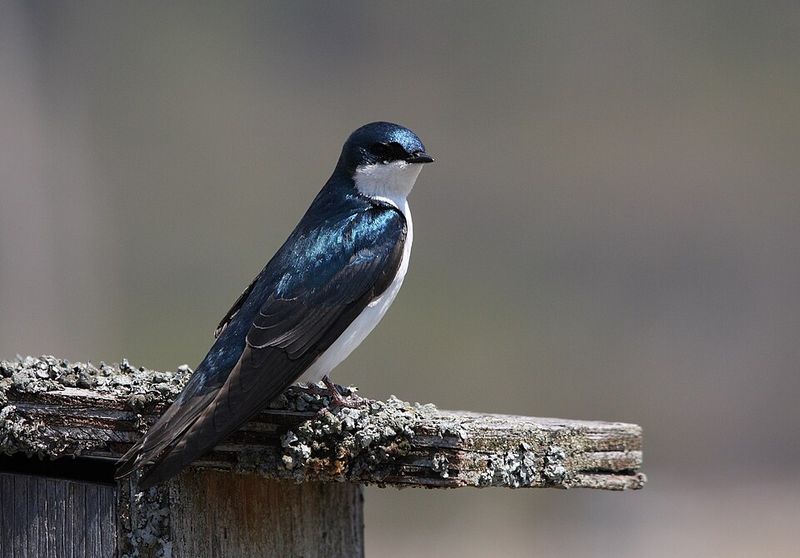
Tree Swallows seem to treat migration like a rolling party. They gather in enormous, swirling flocks that twist and turn over open fields in late summer.
These birds are gorgeous up close, with iridescent blue-green backs that shift color in different light. White bellies make them easy to spot against a blue sky as they wheel and bank with effortless precision.
August flocking behavior begins almost as soon as nesting wraps up, which is remarkably fast. A pair can go from eggs to empty nest box in about five weeks, then immediately join the southbound movement.
Tree Swallows are one of the few swallow species that can survive on berries when insects are scarce. This dietary flexibility lets them linger later than other swallows, sometimes staying into October in mild years.
Putting up a nest box near open water or a meadow is the single best way to attract them. Once a pair claims a box, they often return to the same one season after season, which feels like a small loyalty worth honoring.
Wetland edges and large open fields tend to host the biggest staging flocks in the region. Visiting these spots at sunset often offers the best chance to see swirling numbers in action.
The pre-migration flocks of Tree Swallows are genuinely breathtaking. Tens of thousands of birds can gather along lake shores and marshes, creating aerial displays that rival anything in nature.
Local birding groups often track these staging sites and share updates as flock sizes peak. Following one of these groups can help you time a visit for the most dramatic evening display.
Their departure marks a true seasonal turning point in the backyard calendar.