Before You Block A Ground Squirrel Burrow In California, Check For This Protected Bird First
That ground squirrel burrow may look like nothing more than a nuisance, especially when it appears near a garden bed, walkway, or foundation.
Before you seal it up, though, take a closer look at who might actually be using the space. In some California landscapes, abandoned or unused burrows can provide important shelter for other wildlife.
One small bird in particular may turn an ordinary-looking hole into something you need to handle carefully.
Burrowing owls can use ground squirrel burrows for nesting and shelter, and their presence can bring legal protections into the picture.
That means blocking an entrance without checking first could create a much bigger problem than the original burrow.
If you spot an unfamiliar bird nearby, pause before taking action. Knowing what to look for can help you protect wildlife, avoid unnecessary trouble, and deal with the burrow responsibly.
1. Burrowing Owls Can Use Abandoned Ground Squirrel Burrows
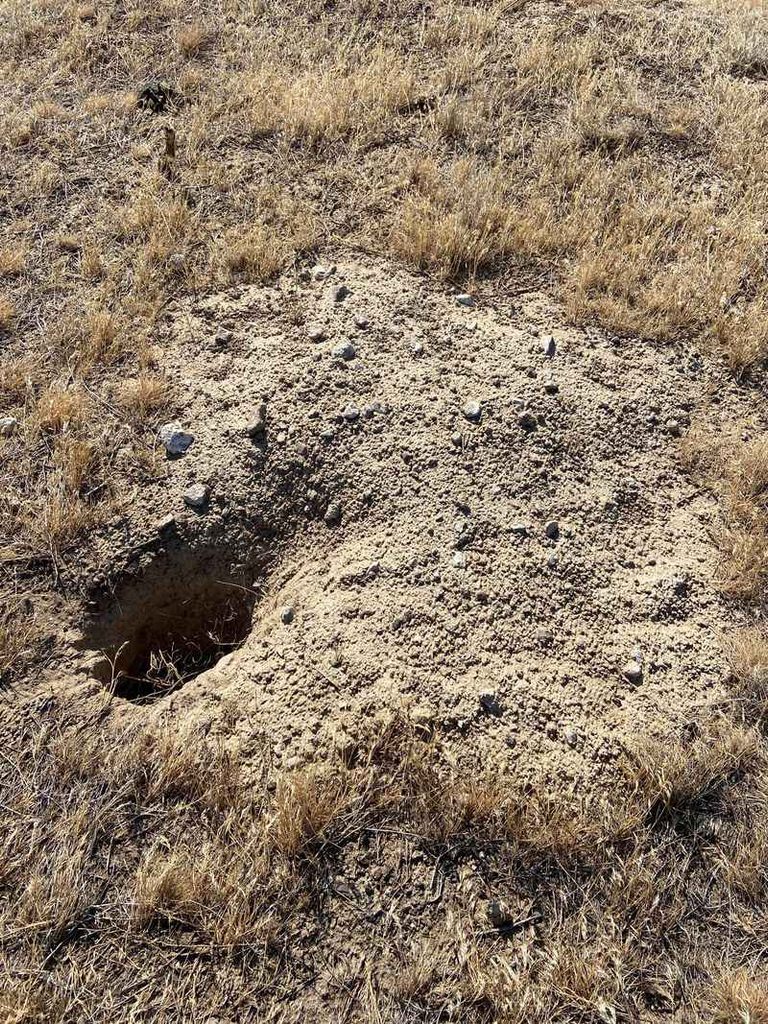
Ground squirrels do the hard digging, but they are not always the ones who benefit. Once a squirrel moves out, a burrowing owl may quietly claim the empty tunnel as its own.
These little birds cannot dig deep holes on their own. That is why they rely on the work of other animals, and squirrel burrows are a favorite choice across California grasslands and open fields.
Inside these tunnels, the owls find shelter from heat, wind, and hungry predators. They also raise their chicks underground, which keeps the babies safe until they grow strong enough to fly.
An empty-looking hole might not be empty at all. What seems like an old squirrel burrow could really be an active owl nest with eggs or young birds tucked deep inside.
Because these owls are protected under state and federal law, blocking their home can bring fines and legal problems. That is a big price for a quick shovel job.
So before you assume a burrow belongs only to squirrels, remember that many creatures share these tunnels. Taking a moment to check saves you stress and helps a special bird keep its shelter. A little patience protects both your peace of mind and California’s wildlife.
2. Look For An Owl Before Blocking The Entrance
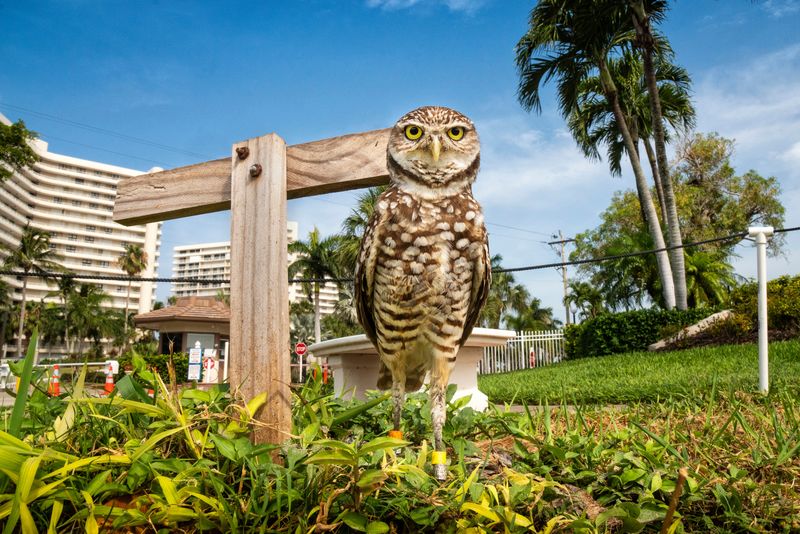
Rushing to seal a burrow is easy, but a quick pause can make all the difference. Taking a careful look first helps you avoid trapping a protected bird by mistake.
Give yourself a few minutes to watch the hole from a safe distance. Owls are shy, so standing too close can scare them back underground before you spot them.
Binoculars are your best friend here. They let you study the entrance without disturbing anything, and you can catch small movements you might otherwise miss.
Early morning and late afternoon are great times to watch. During these cooler hours, burrowing owls often perch near their tunnels and become easier to notice.
Keep an eye out for a small brown bird with long legs standing tall near the opening. If one appears, that burrow is off-limits for filling.
Your California Garden Changes Every Week. Your Plan Should Too.
Gardening in California changes quickly throughout the season. Every Friday you’ll receive a simple weekly plan showing exactly what to plant, prune, fertilize, harvest, and protect so you never miss the right timing.
Should you see nothing at first, check again on another day. Owls come and go, and one quiet moment does not always mean the burrow is empty.
By making this simple check a habit, you protect yourself from breaking the law. You also give these birds a fair chance to stay safe in their home. A short pause now prevents big regrets later, and it shows real respect for California’s remarkable wildlife.
3. Small Owls May Sit Near The Burrow During The Day
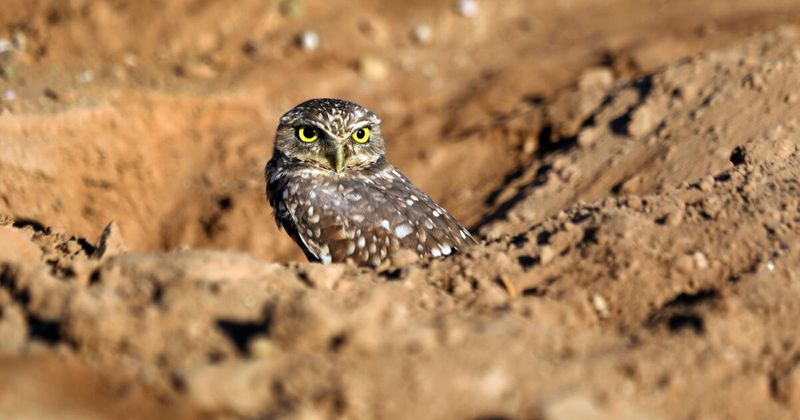
Most owls hide when the sun is up, but burrowing owls break that rule. These daytime birds often stand right out in the open near their tunnels.
You might spot one perched on a low mound, a fence post, or a small rock close to the burrow. They like to keep watch over their surroundings.
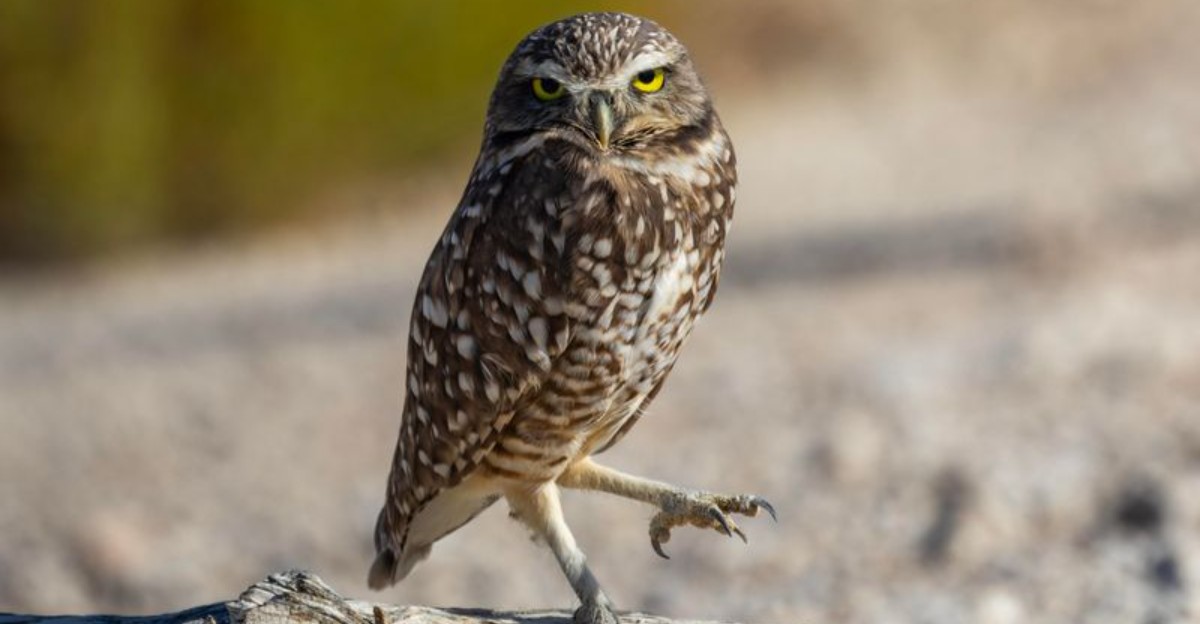
Their size can fool you. About as tall as a soda can, a burrowing owl is easy to mistake for a clump of dirt or a stick from far away.
Look closely for those long, skinny legs and bright yellow eyes. Once you notice them, the little bird becomes much easier to pick out from the ground.
Sometimes they bob their heads up and down when they feel curious or nervous. This funny little move is a helpful sign that an owl, not a squirrel, is nearby.
Seeing one during the day is actually a lucky gift. It gives you a clear warning that the burrow is being used and should not be touched.
Take your time and enjoy the sight if you find one. Watching these charming birds from a distance costs you nothing and helps keep their home undisturbed. A daytime owl is your clearest clue to leave that burrow completely alone.
4. White Droppings Can Appear Around The Entrance
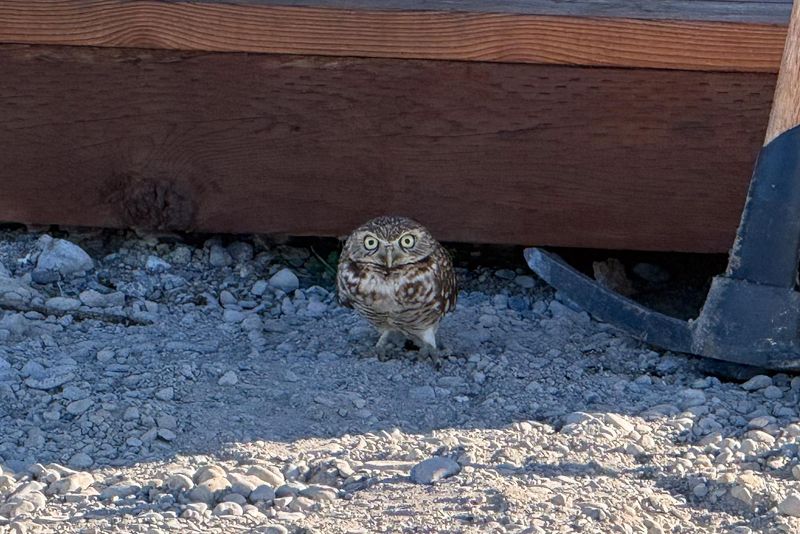
Sometimes the owl stays hidden, but it leaves behind clear signs. One of the easiest clues to spot is white droppings scattered around the burrow opening.
These pale, chalky marks stand out against the brown dirt. When you see them near a hole, a bird has likely been spending time there.
Squirrels do not leave this kind of mess at their entrances. So finding white streaks and spots points strongly toward a burrowing owl using the tunnel.
The droppings often build up over days or weeks. A larger amount usually means the owl has been living there for a while, not just passing through.
Fresh droppings look bright and wet, while older ones turn dull and dry. Checking their look can hint at how recently the owl visited the spot.
Before you decide a burrow is empty, kneel down and study the ground carefully. Small details like these tell a bigger story about who lives underground.
Spotting droppings does not require any special skill. Anyone can learn to notice them with just a little attention and patience.
Treat any white marks as a reason to stop and look harder. They are a simple, honest warning that a protected bird may call this burrow home, so leave it undisturbed until you know for sure.
5. Feathers And Pellets Can Be Another Clue
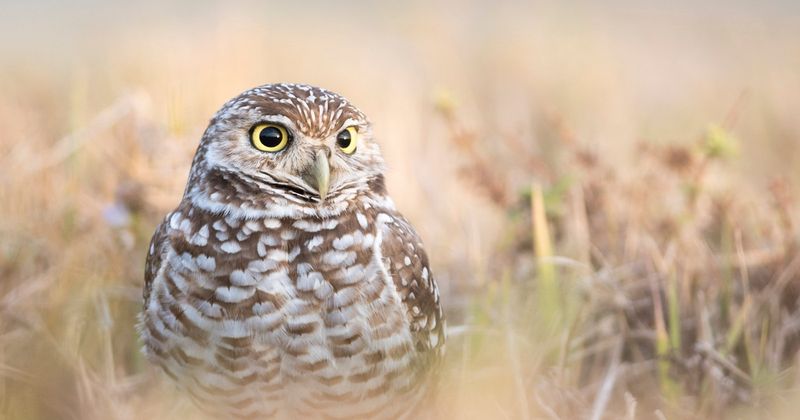
Owls leave more than droppings behind. Tiny feathers and small gray lumps called pellets often show up near a burrow they use.
Pellets are bits of bones and fur that owls cough up after eating. Finding these little bundles is a strong sign that a bird has been feeding nearby.
Look for them scattered right around the entrance or on nearby dirt mounds. Their rounded shape and grayish color make them fairly easy to recognize.
Feathers add another layer of proof. A few soft, brown-and-white feathers caught near the hole hint that a burrowing owl has been resting there.
Squirrels shed fur, but they never leave pellets. So spotting these coughed-up pieces points clearly toward an owl instead of a rodent.
You can gently look without picking anything up. Simply noticing these clues is enough to tell you the burrow deserves a closer, more careful check.
Combining signs makes your guess more certain. Droppings plus pellets plus feathers together paint a clear picture of an active owl home.
Should you find any of these near a hole, treat it as a warning to pause. Blocking that burrow could disturb a protected bird and land you in legal trouble. A minute of searching for these small clues can save both the owl and your peace of mind.
6. An Active Burrow Should Be Left Undisturbed
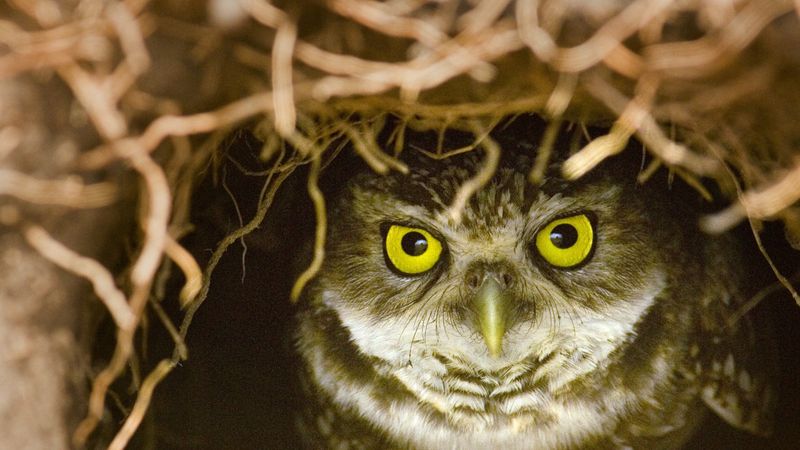
Finding signs of life changes everything. Once you know an owl is using a burrow, the right move is to step back and leave it completely alone.
Active burrows may hold eggs or young chicks deep inside. Blocking the entrance would trap them, which is both harmful and against the law in California.
Owls often stay in one burrow through their nesting season. This means the hole could be busy for weeks, even if you do not always see a bird.
Patience pays off here. Waiting until the owls finish nesting and move on lets you handle any squirrel issues later without breaking any rules.
Give the burrow a wide space when you work in your yard. Keeping equipment, pets, and foot traffic away helps the birds feel safe and stay put.
Should you feel unsure about timing, reach out to local wildlife officials. They can tell you when it is safe to act and what steps to take.
Respecting an active burrow is not just about following laws. It also gives a rare and charming bird the chance to raise its family in peace.
By choosing patience over a quick fix, you become part of the solution. Your careful choice protects wildlife and keeps your property in good standing with the law.
7. Ground Squirrel Control Can Affect Owl Habitat
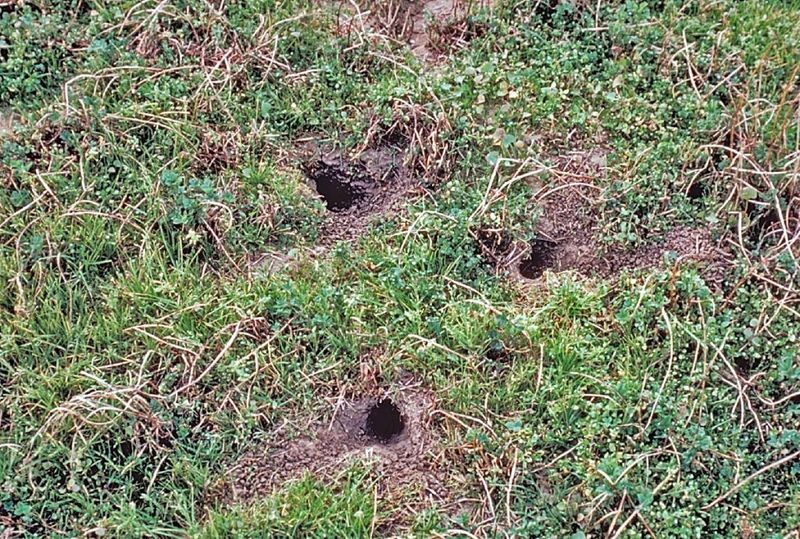
Squirrels and owls are linked in a surprising way. When people remove squirrels too quickly, they also erase the burrows owls depend on for shelter.
These birds cannot dig their own deep tunnels. Without squirrels around to create homes, burrowing owls slowly lose the safe spaces they need to survive.
Poisons used against squirrels bring extra danger. If an owl eats a poisoned rodent, that harmful substance can pass into the bird and harm it too.
Filling or flooding many burrows at once can wipe out an entire owl neighborhood. What starts as squirrel control can quietly damage a whole community of birds.
Thinking ahead helps a lot. Before starting any big control project, check the land for owl signs so you do not harm protected wildlife by accident.
Choosing gentler methods makes a difference. Fencing, habitat changes, and careful timing can manage squirrels while still leaving room for owls to live.
Working with wildlife experts is a smart step. They can guide you toward safe choices that protect both your property and the birds sharing it.
Balancing your needs with nature is possible. With a little planning, you can keep squirrels in check and still give burrowing owls a fair chance to thrive on the same land.
8. Do Not Fill A Burrow Without Checking First
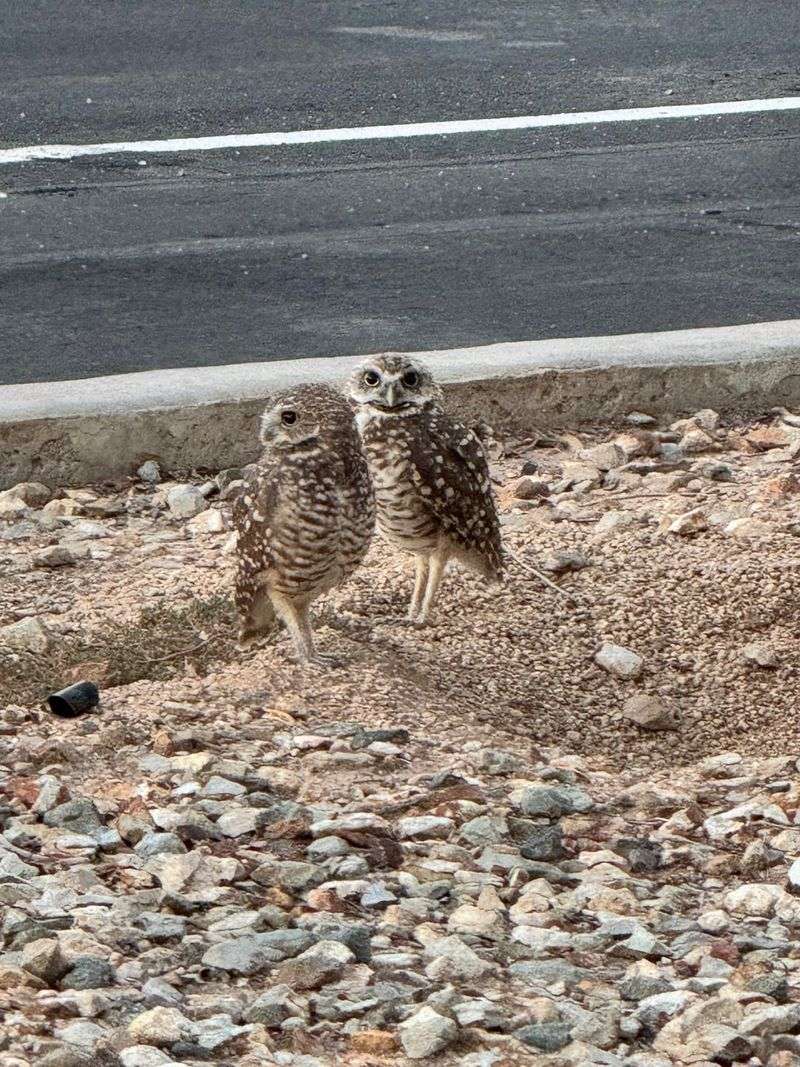
The simplest rule is also the most important. Never fill a burrow until you have taken the time to check for owls first.
A quick shovel job might feel harmless, but it can trap a protected bird underground. That small action could bring big fines and real harm.
Make checking a firm habit. Watching the hole, looking for droppings, and searching for pellets should always come before any filling begins.
Give it a few days of observation if you can. Owls do not always appear right away, so more than one look gives you a truer answer.
Should you spot any sign of a bird, stop completely. Waiting until the owls leave on their own is the safe and legal path forward.
When the burrow truly seems empty, confirm it with a local expert if you are unsure. A quick call can save you from a costly mistake.
Keeping a written note or photo of your checks is smart too. If questions ever come up, you have proof that you acted with care.
Following this one habit protects everyone. You avoid legal trouble, and a rare California bird keeps its home. Choosing to check first turns a simple task into a kind and responsible act that helps wildlife stay safe for years to come.