This Vine Is Being Banned In More California Counties
A fast-growing vine can look like an easy solution for covering a fence, softening a wall, or filling an empty corner. In parts of California, though, one familiar climber is drawing a very different kind of attention.
Its lush growth can escape gardens, smother nearby vegetation, and spread into natural areas where removal becomes difficult and expensive.
That is why more counties are restricting its sale, planting, or movement, even as it remains attractive to homeowners who have no idea it poses a problem.
The change can feel sudden, especially for gardeners who have grown it for years without noticing trouble. Yet local bans rarely happen because of appearance alone.
They reflect mounting concern about what the plant does after it leaves a backyard.
Before buying, sharing, or transplanting this vigorous vine, California gardeners should understand why officials are acting and what safer choices may offer the same effect instead.
1. It’s Looking Pretty While Taking Over Everything
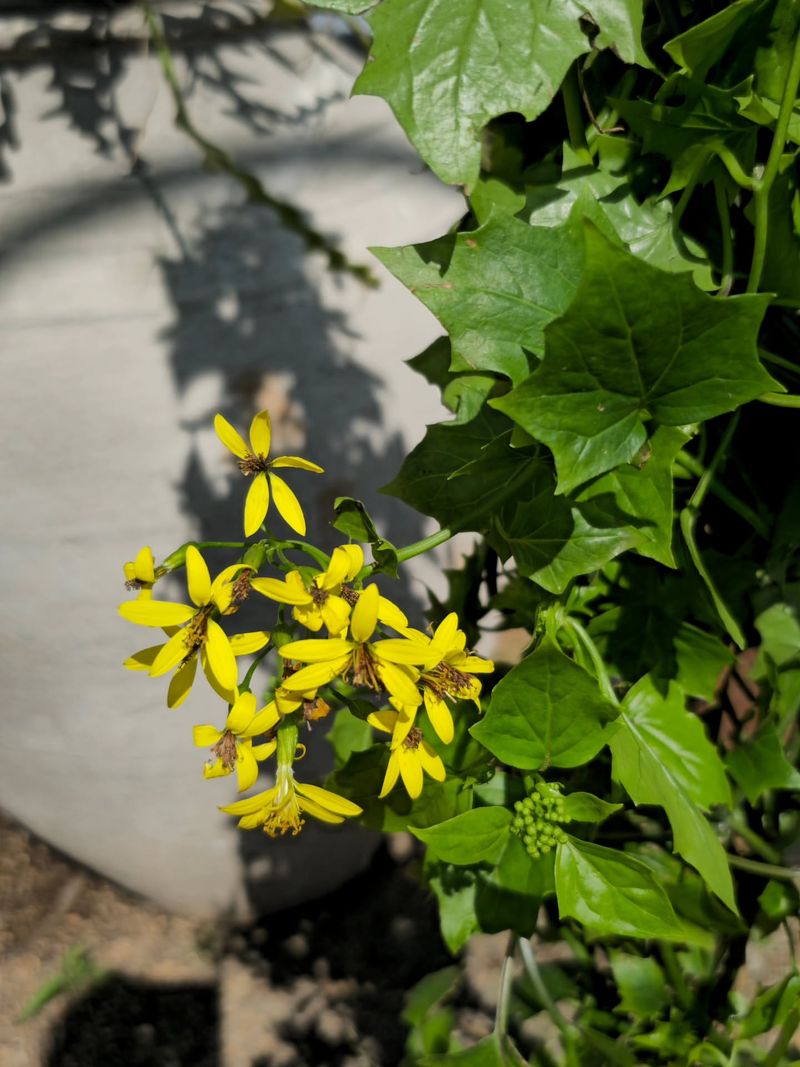
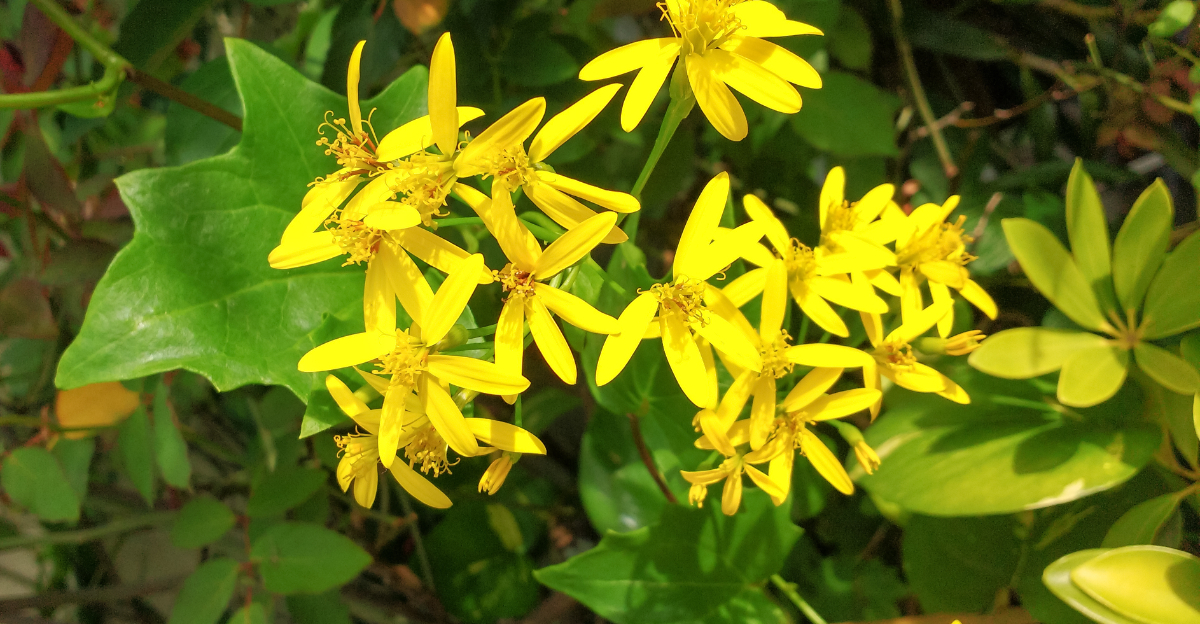
Few plants are as sneaky as Cape ivy. At first glance, it looks like a cheerful, leafy groundcover with small yellow flowers that bloom in winter.
Many people even mistake it for something worth keeping. That is exactly how it tricks so many homeowners and land managers.
Cape ivy spreads across the ground, climbs fences, and drapes over shrubs without asking for permission. It does not need rich soil or regular watering.
A mild climate and a little moisture are all it takes for this vine to get comfortable and start expanding.
What makes it especially frustrating is how attractive it appears in photos or from a distance. The round, waxy leaves stay green year-round, giving it a lush look even during dry seasons.
Neighbors sometimes admire it before realizing what it actually is.
Once people learn what Cape ivy does to the environment around it, that admiration fades quickly. It smothers native plants, blocks sunlight, and takes over large areas faster than most people expect.
Land managers across the northern and central coastal regions have watched it spread through parks, creek banks, and open spaces for years.
More counties are now listing it as a restricted or prohibited plant. The message is simple: Cape ivy may look pretty, but it is doing real damage to native landscapes all across the state.
2. The Fast-Growing Vine That Never Knows When To Stop
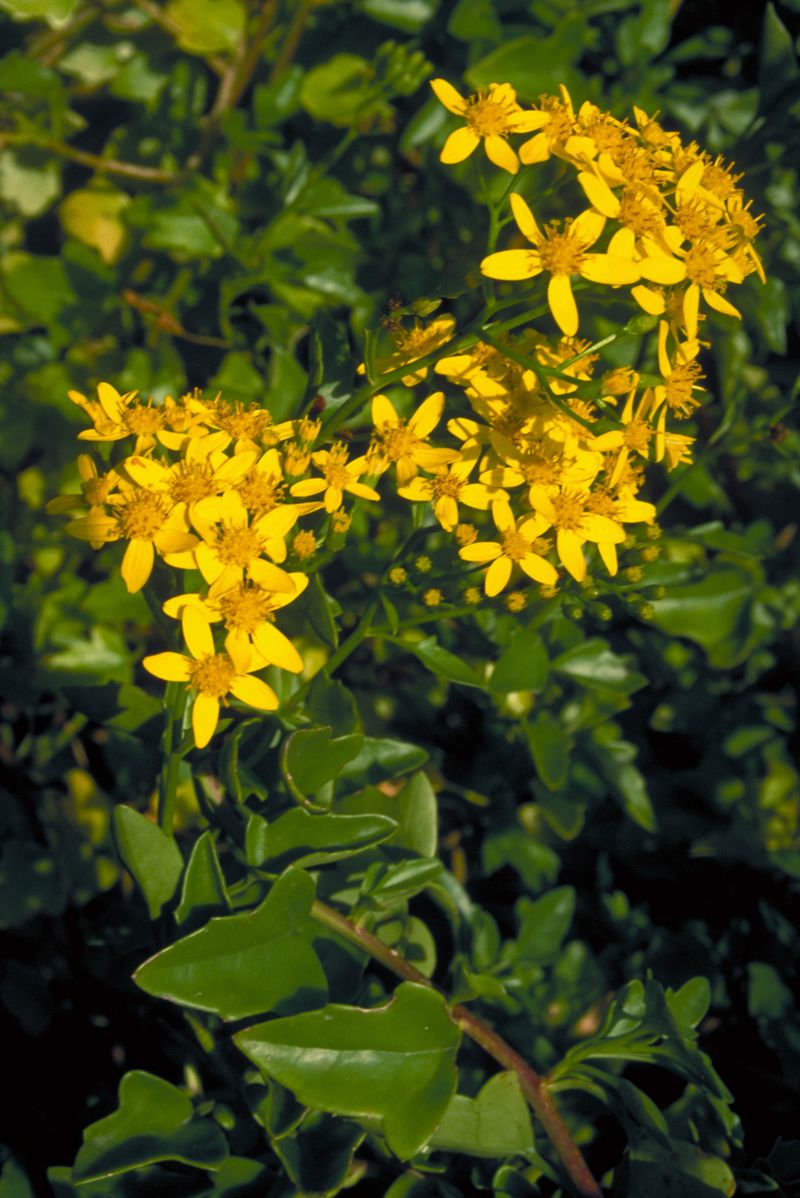
Speed is one of Cape ivy’s most alarming qualities. Under the right conditions, a single plant can spread several feet in just a few weeks.
That kind of growth rate makes it nearly impossible to manage without consistent effort and a solid plan.
Most invasive plants have a season where they slow down. Cape ivy does not really follow that rule.
It grows actively through fall and winter, which is the exact opposite of many native plants that go dormant during cooler months. That timing gives it a major advantage.
While native plants rest, Cape ivy keeps climbing. It moves across open ground, threads through shrubs, and works its way up into tree canopies.
Your California Garden Changes Every Week. Your Plan Should Too.
Gardening in California changes quickly throughout the season. Every Friday you’ll receive a simple weekly plan showing exactly what to plant, prune, fertilize, harvest, and protect so you never miss the right timing.
By the time spring arrives, it has already claimed new territory that was bare just months before.
Gardeners who turn their backs on a small patch for one season often return to find it has doubled or tripled in size. That is not an exaggeration.
People managing properties near creek beds or shaded slopes know this reality well.
County weed control programs have reported that Cape ivy can cover hundreds of square feet per plant in a single growing season. That number adds up fast across a whole neighborhood or nature preserve.
Stopping it early, before it gets a foothold, is always much easier than dealing with a full-scale infestation later on.
3. Trees And Shrubs Getting Buried Under Green
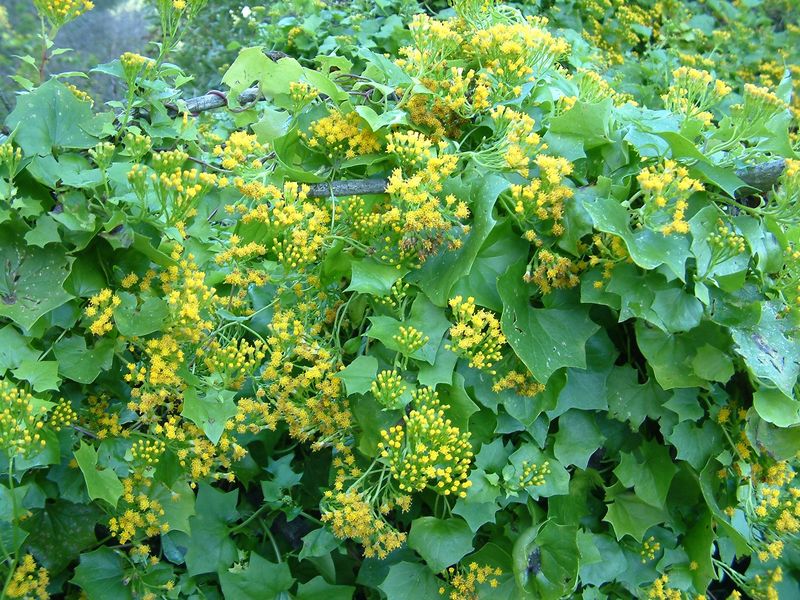
When Cape ivy reaches a tree or large shrub, it does not stop at the base. It climbs.
The vine uses surrounding vegetation as a support structure, working its way upward until entire branches are buried under a thick green layer.
That added weight is a real problem. Heavy vine coverage can stress branches, block airflow, and make trees more vulnerable during storms.
A branch that might have held up fine on its own can snap under the extra load of dense ivy growth.
Beyond the physical weight, there is the issue of light. Leaves need sunlight to produce energy, and when Cape ivy wraps around a tree or shrub, it intercepts that light before it ever reaches the plant underneath.
Over time, the covered plant weakens and struggles to grow new foliage.
Native shrubs are especially vulnerable because many of them grow slowly and cannot outpace the vine. Species like coyote brush, toyon, and coffeeberry have all been found smothered by Cape ivy in coastal preserves and open space areas.
Land managers in the northern and central coastal counties have documented widespread damage to native woody plants in areas where Cape ivy has gone unmanaged for several years.
Restoration teams sometimes spend months removing the vine before the plants underneath can even be assessed for recovery. The damage runs deeper than it looks from the outside.
4. Tiny Seeds Helping Cape Ivy Travel Farther
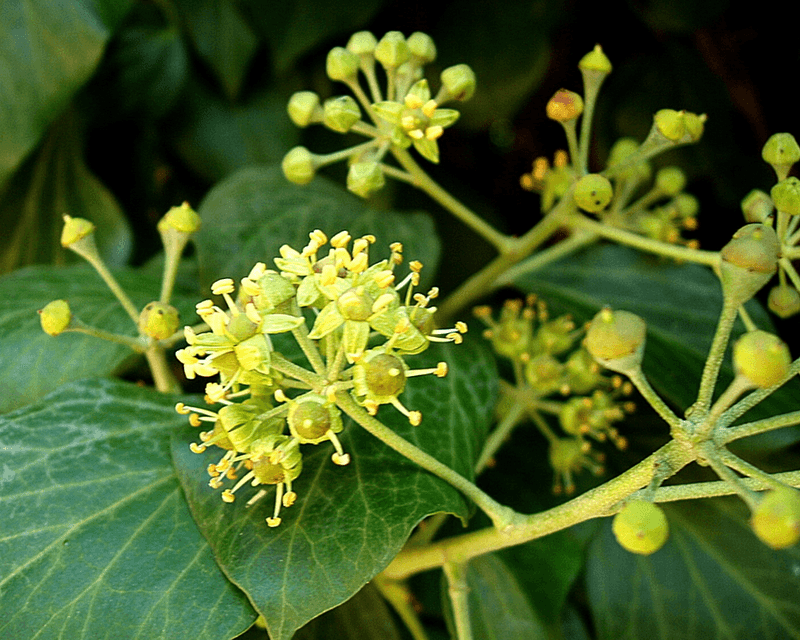
One of the reasons Cape ivy spreads so effectively is its seeds. Each small flower produces a seed topped with a feathery white tuft, similar to a dandelion.
That design is built for wind travel, and it works extremely well in the breezy conditions found along the coast.
A single mature plant can produce thousands of seeds in one season. When those seeds catch a gust of wind, they can travel surprisingly long distances.
New plants pop up in spots far from the original patch, making it hard to track where the vine will show up next.
Seeds also hitch rides on animals, shoes, and clothing. Hikers walking through an infested area can unknowingly carry seeds to a clean trail miles away.
Birds that land on seed heads may carry them even farther before dropping them in a new location.
Water plays a role too. Seeds that fall near creek banks or drainage channels can float downstream and take root along the water’s edge.
This is one reason Cape ivy is so commonly found along riparian corridors throughout the coastal and central regions of our state.
Understanding seed dispersal helps explain why removing a single patch does not always solve the problem. Seeds from nearby untreated plants can recolonize a cleared area within one growing season.
Controlling the seed source is just as important as pulling the plants already growing in the ground.
5. Coastal California Giving This Vine A Perfect Home
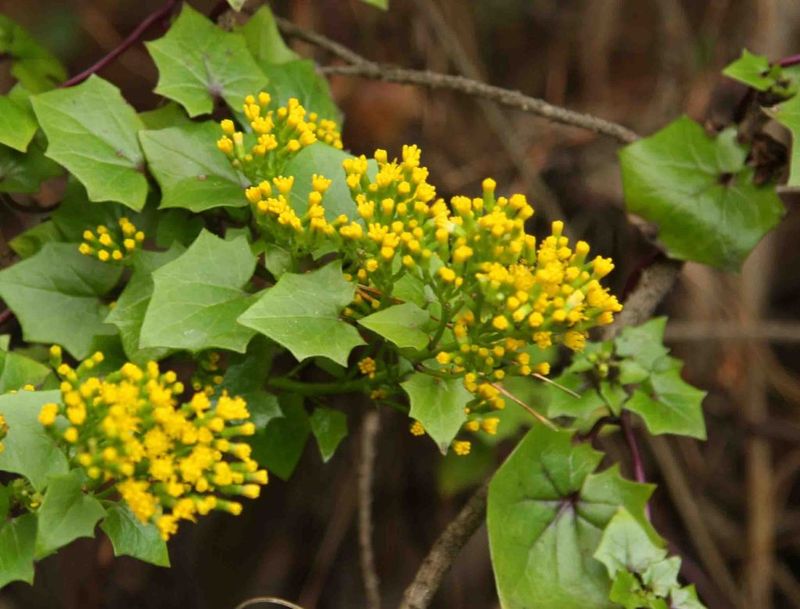
Not every invasive plant finds a perfect match in the places it invades. Cape ivy hit the jackpot when it arrived along the coast of our state.
The conditions here align almost perfectly with what this vine needs to thrive.
Mild winters, cool summers, regular fog, and moist soil create a growing environment that Cape ivy absolutely loves. It originally comes from the coastal mountains of South Africa, where the climate is surprisingly similar to what you find from Marin County down through Santa Barbara.
That familiarity makes it feel right at home.
The fog is especially helpful. On days when the sun does not dry out the soil, Cape ivy stays hydrated and keeps growing.
Many native plants are adapted to dry summer conditions and slow down when moisture is low. Cape ivy does not have that limitation in the same way.
Shaded canyons, moist creek banks, and north-facing slopes are among its favorite spots. These are also the same habitats where many of the most sensitive native plant communities grow.
That overlap is a big part of why conservationists are so concerned. As the vine spreads into protected open spaces and state parks along the coastline, resource managers face growing pressure to act.
More counties are adding Cape ivy to their noxious weed lists in direct response to how well it has settled into the coastal environment over the past few decades.
6. Why Cutting It Back Is Only Half The Battle
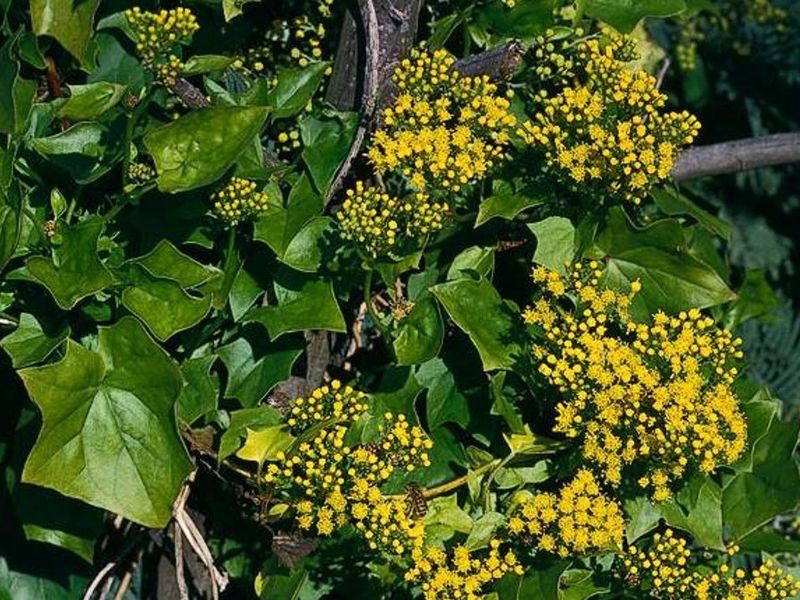
Plenty of people have grabbed a pair of clippers and gone to work on a Cape ivy patch, only to watch it grow back just as thick within a few weeks.
Cutting the vine back feels satisfying in the moment, but it rarely solves the problem on its own.
The reason is simple. Cape ivy stores energy in its roots and lower stems.
When you cut the top growth away, the plant draws on those reserves and pushes out new shoots quickly.
Without addressing what is underground, the visible results of all that cutting disappear fast.
Timing matters a lot when managing this vine. Cutting it before it sets seed can at least prevent new plants from spreading to nearby areas.
That step alone reduces the overall population over time, even if it does not eliminate the existing plants.
Many land managers recommend a combination approach. Cutting removes the bulk of the vine and reduces its ability to smother other plants right away.
Follow-up treatments, whether manual or otherwise, target the regrowth that comes from the root system left in the ground.
Volunteer groups working in coastal preserves often schedule multiple removal events at the same site throughout the year. One visit is rarely enough.
Repeat visits over two or three growing seasons are usually needed before a patch shows signs of real decline. Patience and consistency matter more than the effort put into any single removal day.
7. Roots And Stems Plotting A Sneaky Comeback
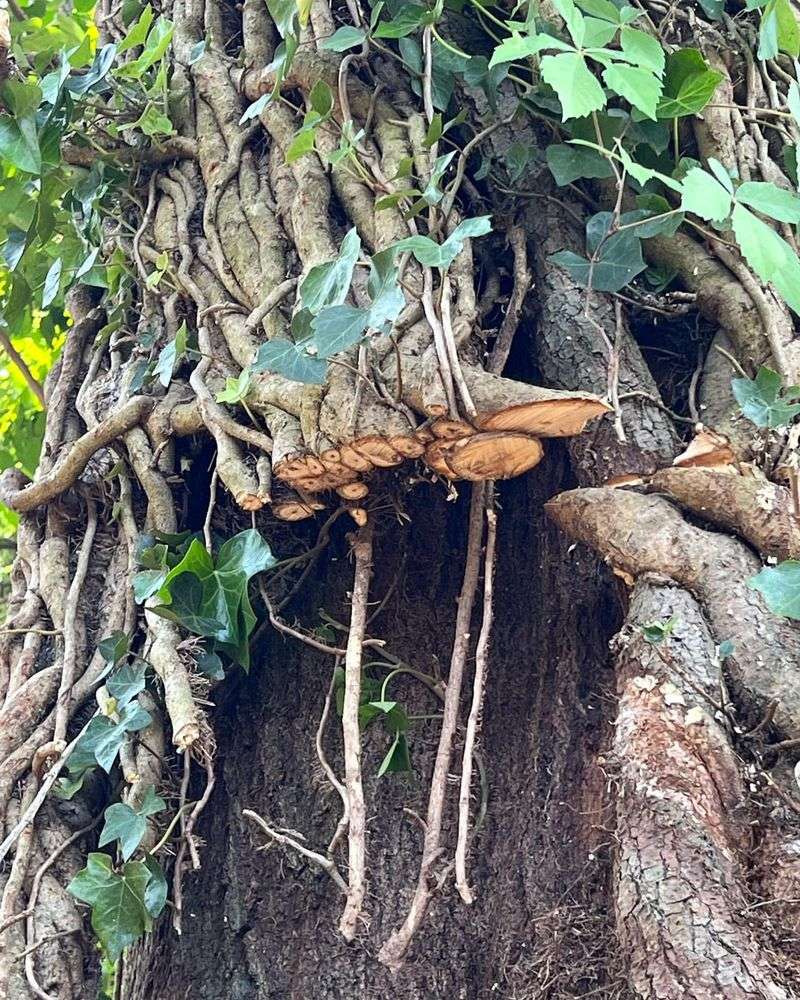
Here is something that surprises a lot of people when they first try to remove Cape ivy: even small pieces of the plant left in the soil can grow into new plants. The vine has a remarkable ability to regenerate from stem fragments and root segments.
This trait is known as vegetative reproduction, and it is one of Cape ivy’s most frustrating features.
Pull a stem out of the ground and accidentally leave a few inches behind, and those inches can produce new shoots within days.
The plant treats removal like pruning rather than a threat.
Stems that break off and fall onto moist soil can also take root where they land. This means that sloppy removal work can actually spread the plant further rather than reduce it.
Fragments need to be bagged and removed from the site, not left on the ground nearby.
Disposal becomes its own challenge. Cape ivy cuttings should never be composted in a standard backyard pile.
The heat generated in most home compost setups is not always high enough to destroy viable plant material. Pieces can survive and sprout when the compost is spread in the garden later.
Green waste programs that use industrial composting facilities are the safer option. Some counties provide specific guidance on how to dispose of invasive plant material properly.
Following those guidelines is one of the most important steps in making sure removal work actually sticks over time.
8. Native Plants Losing Light, Space, And Breathing Room
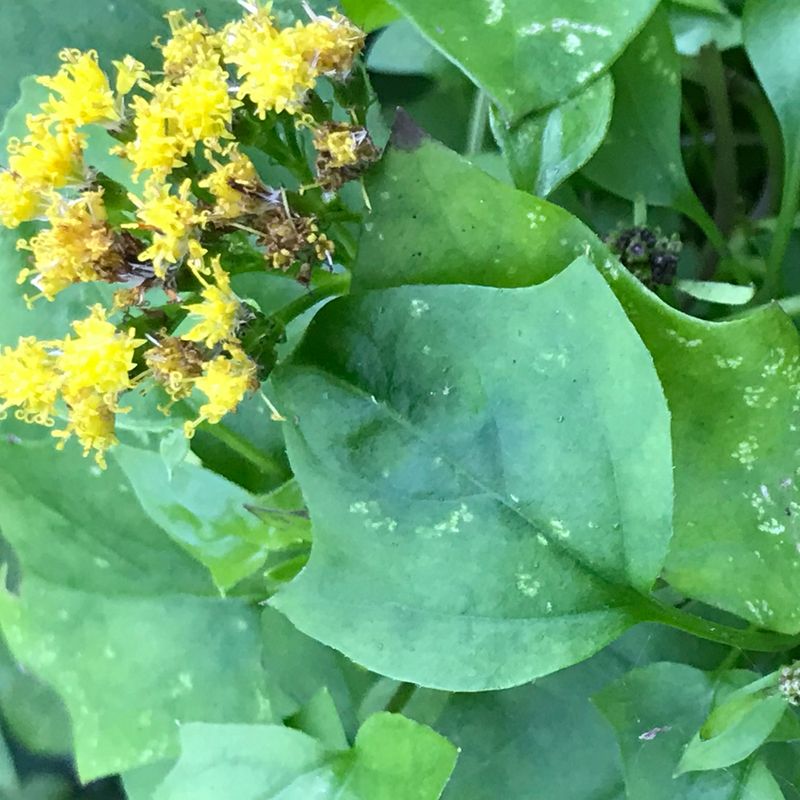
Every square foot that Cape ivy claims is a square foot that a native plant loses. That trade-off might sound small on a residential property, but across thousands of acres of coastal open space, it adds up to a serious ecological problem.
Native plants are not just pretty faces in the landscape. They support entire food webs.
Native bees, butterflies, birds, and small mammals depend on specific plants for food, shelter, and nesting.
When those plants disappear under a layer of Cape ivy, the animals that rely on them lose resources they cannot easily replace.
Light is often the first thing to go. Cape ivy grows dense enough to block sunlight from reaching the plants below.
Without light, photosynthesis slows, growth stalls, and plants gradually weaken. Seedlings trying to establish in the soil beneath a Cape ivy canopy rarely make it.
Space is the second issue. The vine spreads horizontally across the ground while also climbing vertically.
It occupies both layers simultaneously, leaving very little room for native groundcovers, shrubs, or young trees to get started.
Restoration ecologists working in affected areas often describe it as starting over from scratch. Once Cape ivy is cleared from a site, native seeds or transplants need to be established quickly before the vine reclaims the open ground.
Without that follow-up planting, all the removal work can be undone in a single season.
9. The Garden Waste Mistake That Spreads It Around
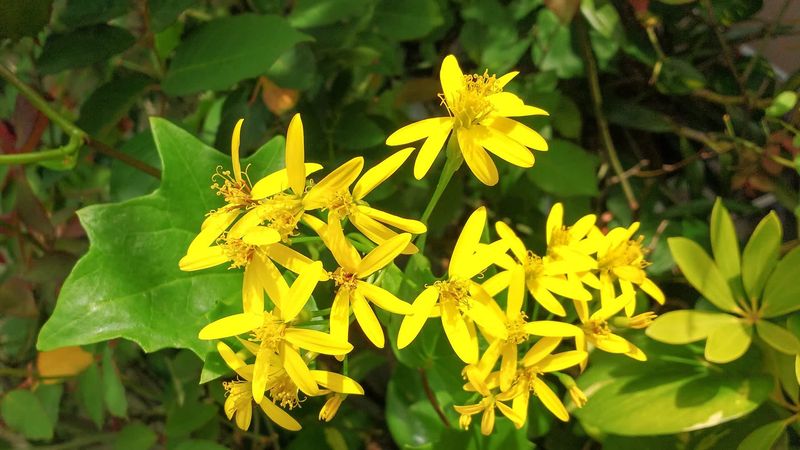
One of the most common ways Cape ivy jumps from private gardens into wild areas is through careless disposal of yard waste.
People trim their ivy, stuff the clippings into a bag or wheelbarrow, and dump them over a fence or down a hillside without thinking twice.
What seems like a simple cleanup task can introduce a fresh batch of viable plant material into a natural area. As mentioned earlier, Cape ivy stems can root wherever they land on moist soil.
A dumped pile of clippings on a creek bank is essentially a head start for a new infestation.
This happens more often than most people realize. Studies on invasive plant spread have consistently found that improper garden waste disposal is one of the top pathways for moving invasive species from urban gardens into wild landscapes.
Cape ivy is a textbook example of this pattern. The fix is straightforward. Clippings from Cape ivy or any other invasive plant should be placed in sealed bags and set out with regular trash for pickup.
Many municipalities also offer periodic hazardous or invasive plant waste collection events where residents can drop off problem materials safely.
Spreading the word in neighborhoods close to parks, preserves, and creek corridors is especially valuable.
A single informed neighbor who disposes of clippings correctly can prevent a new infestation from taking hold in a natural area that took years of volunteer work to restore.