The Meaning Behind A Skunk Digging Up Your Ohio Lawn Overnight
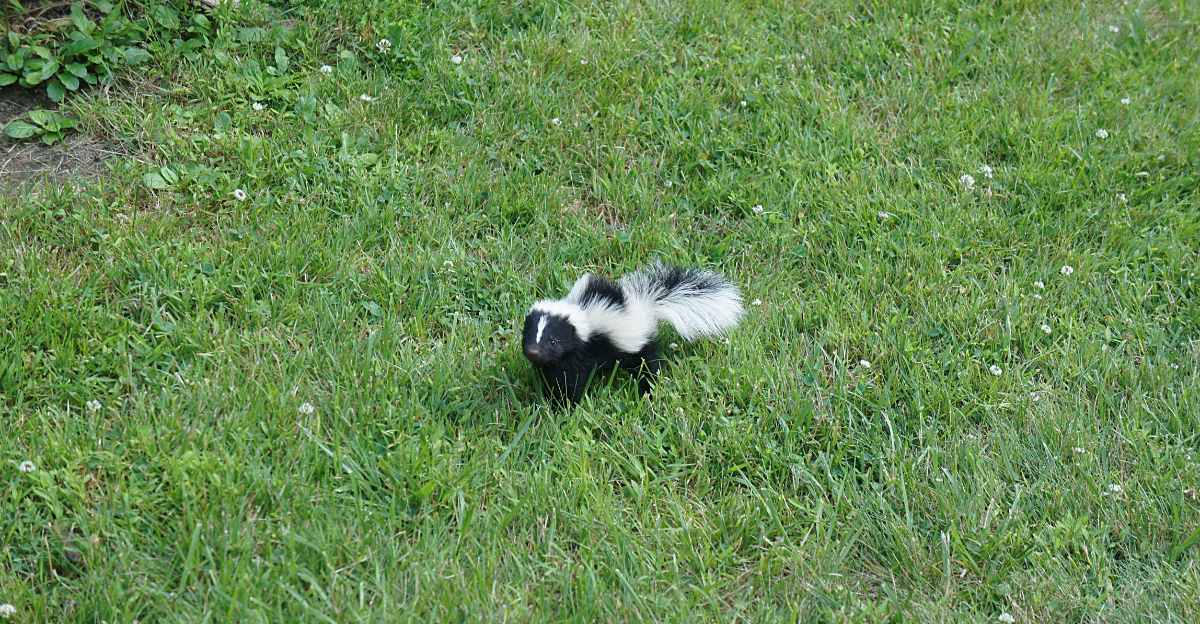
A skunk visited your Ohio lawn last night. The evidence is hard to miss.
Cone-shaped holes, overturned soil, excavations that appeared between dusk and dawn without any other explanation. Skunks do not dig randomly.
Every hole points to something specific happening just below the surface. A lawn that attracted one is telling a story about what is living in the soil underneath it.
Grub population, moisture level, thatch depth. All of it factors into why a skunk chose that particular lawn on that particular night.
The digging is not the problem. It is the symptom.
What the skunk found under the surface is the real issue. Until that gets addressed, the visits continue.
A skunk in an Ohio lawn overnight is inconvenient. It is also one of the more honest assessments a yard can receive about what is happening underground.
1. A Skunk Is Searching For Grubs Beneath The Grass
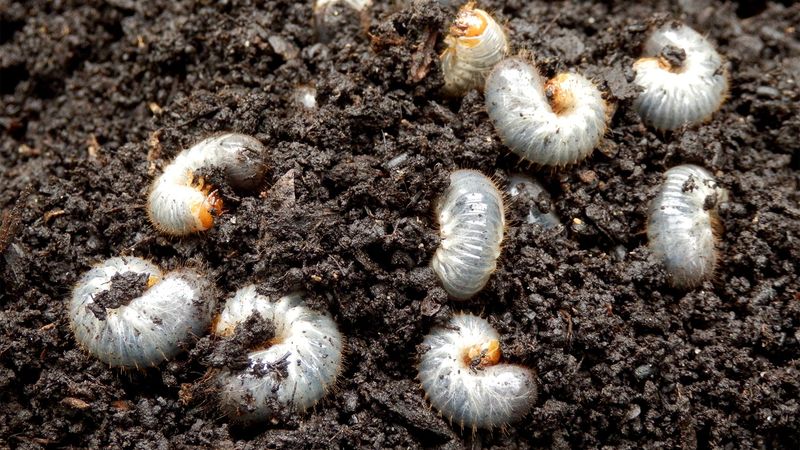
The disturbed grass you found this morning is the final clue in a feeding search that started several inches below the surface. Skunks root through soil to reach prey they can detect by smell, and white grubs rank among the most accessible targets in a lawn’s root zone.
White grubs are the larval stage of scarab beetles, soft-bodied and C-shaped, living just beneath the turf where they feed on grass roots.
Several beetle species produce white grubs, including Japanese beetles, masked chafers, and May or June beetles.
Assuming every grub belongs to one species can lead to poorly timed treatment, since different species reach vulnerable stages at different points in the season.
Soil temperature, moisture level, the grub’s life stage, and the specific beetle species all influence how close to the surface the larvae sit on any given night.
Skunk foraging is evidence that prey is accessible, not proof that the grub population has crossed a level that damages healthy turf in Ohio. Animals may locate and eat grubs before those grubs ever reach a number that causes root injury.
Inspect a section of sod before reaching for any lawn product. Lift a small square of turf, check the root zone carefully, and count what you find.
Let that count guide your next decision rather than the holes alone.
2. Freshly Turned Soil Reveals A Feeding Trail
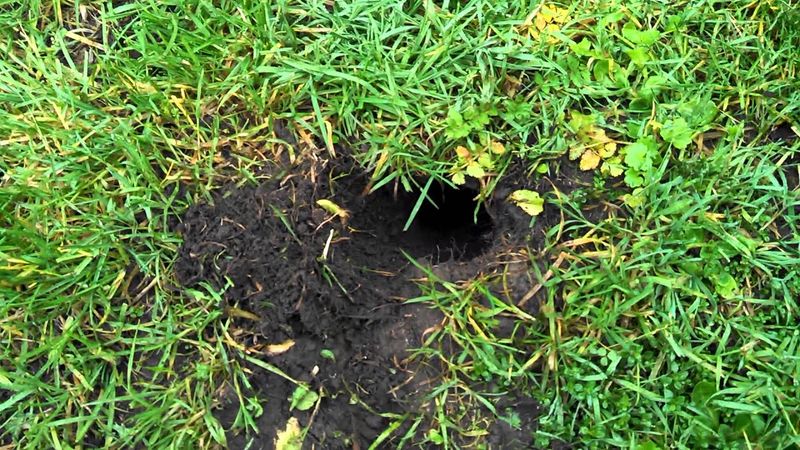
A line of fresh divots crossing the yard in an irregular arc is a clear sign. It shows a foraging animal moved from one promising patch to another during the night.
Rather than working one spot until it is exhausted, a skunk tends to probe, move a short distance, and probe again. That search pattern can leave a scattered trail of overturned turf, displaced thatch, and shallow openings with clean, fresh edges.
Dew, overnight rain, pets, mowing, and foot traffic can all alter or erase surface clues before you get a good look. Checking the yard at first light gives you the most complete picture of what the trail looks like.
The location of the damage can also add useful information. Irrigated sections, lawn edges near flower beds, strips beside pavement, and areas with a history of grub trouble are all worth noting on a simple sketch or photograph.
Your Ohio Garden Changes Every Week. Your Plan Should Too.
Gardening in Ohio changes quickly throughout the season. Every Friday you’ll receive a simple weekly plan showing exactly what to plant, prune, fertilize, harvest, and protect so you never miss the right timing.
Photographing the pattern before repairing or mowing is a practical habit. A photo preserves the spacing, direction, and density of the disturbances for later comparison if the activity continues on following nights.
One animal can create many separate openings during a single feeding session, so the number of holes does not reliably indicate how many visitors crossed the yard.
Reviewing any available security camera footage the next morning can help confirm the visitor without requiring you to be outside after dark.
3. Cone Shaped Holes Point To A Nighttime Visitor
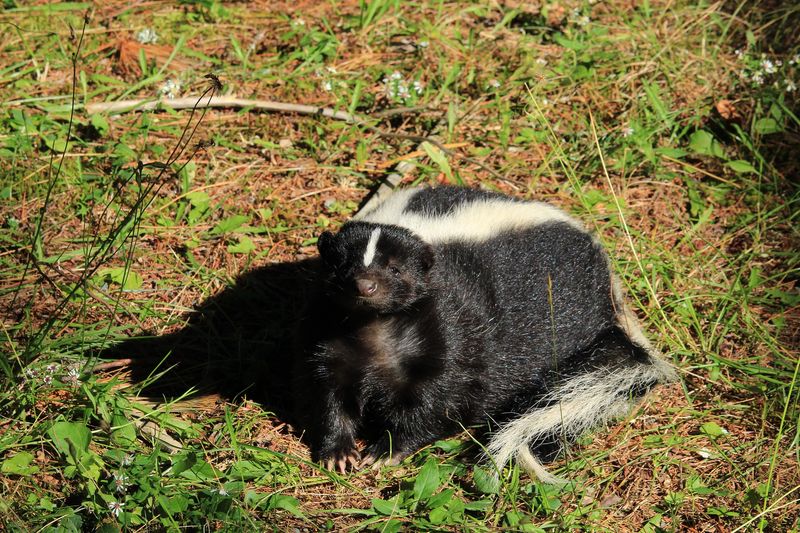
One clean-edged opening in the turf, roughly the width of a tennis ball and only a few inches deep, looks distinctive. It’s quite different from a broad rolled section or a raised tunnel ridge.
Skunk feeding holes are often described as shallow, cone-shaped depressions with relatively tidy edges. They’re created as the animal pushes its snout into the soil to reach prey.
No single measurement applies universally, but the overall impression is a neat, targeted probe rather than a large excavation.
Raccoons may pull back or roll larger sections of turf while searching for the same food, leaving a messier, wider disturbance.
Moles typically create raised ridges or surface tunnels as they move through the soil rather than leaving a series of open feeding divots.
Birds such as starlings may leave smaller, shallower peck marks spread across a wider area of disturbed surface. Comparing all of these features helps narrow the field before drawing a conclusion.
Hole shape alone cannot confirm the visitor with certainty. Odor near the area, paw prints in soft soil or mud, and camera footage all add useful evidence.
If you find loose turf near a hole, press it gently back into place after you have inspected the area. Avoid placing your hands into any opening or beneath lifted structures, since another animal could be sheltering nearby without any visible sign at the surface.
4. Moist Ground Makes Buried Prey Easier To Find
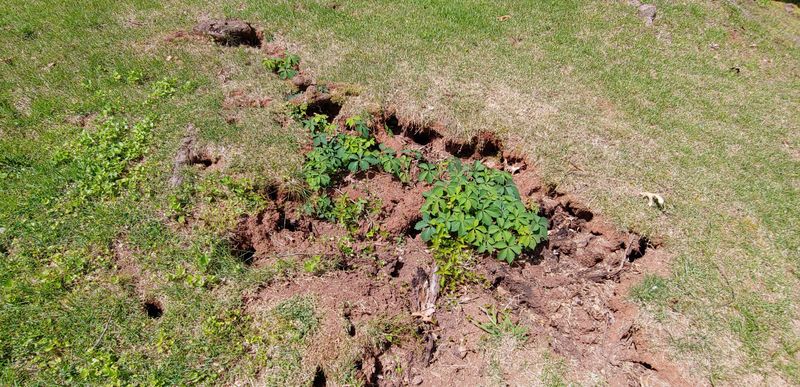
Soft ground after a soaking summer rain or a heavy irrigation cycle creates noticeably easier digging conditions for any animal searching below the surface.
When soil stays loose and moist near the root zone, a skunk can push through it with far less effort than it would need in dry, compacted ground.
That ease of access may concentrate foraging activity in recently watered sections of a yard.
Moisture also affects the creatures living in the soil. Earthworms move closer to the surface when the ground is wet, making them more reachable.
Beetle eggs and young larvae may respond to soil moisture as well, though the exact relationship varies by species and life stage. Treating all of these factors as one universal rule overstates what the research supports, since different prey respond to moisture in their own ways.
Frequently irrigated turf can attract egg-laying beetles under certain conditions, which may gradually build the prey population beneath the grass.
Poor watering habits that keep soil consistently saturated can also weaken grass roots and create other lawn problems unrelated to insects.
Ohio State University Extension recommends watering practices that match the grass type, soil conditions, and seasonal rainfall. This is better than following a fixed daily schedule.
Dry, compacted soil may push prey deeper or shift it to a damper section of the yard. This can explain why one patch draws repeated attention while a neighboring patch stays undisturbed.
5. Late Summer Foraging Brings Skunks Into Yards
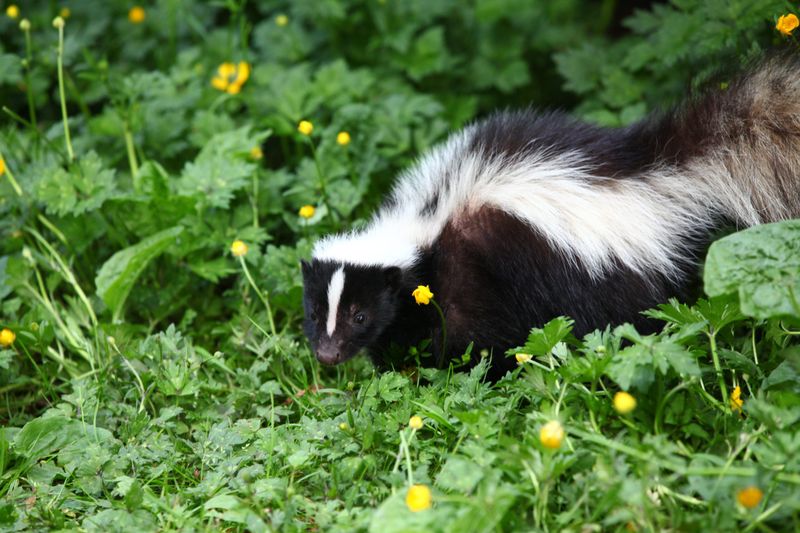
A lawn that stayed perfectly intact through spring and early summer can develop scattered holes almost overnight once late summer arrives. Seasonal timing matters here.
Several scarab beetle species lay eggs in Ohio turf during midsummer, and those eggs hatch into young grubs that begin feeding on grass roots in late summer and early fall.
Young grubs sit close to the root zone during this window, making them easier for a foraging animal to detect and reach.
Not all white-grub species follow the same calendar. Masked chafers and Japanese beetles tend to peak in egg laying during July, while May and June beetles operate on a longer, multi-year cycle.
Soil warmth and seasonal rainfall influence how quickly eggs hatch and how near the surface young larvae feed. Connecting the digging to a specific species requires more than observing the season alone.
Skunks in the state are known to increase foraging activity during late summer and fall as they build energy reserves before colder months arrive. Young skunks from that year’s litter may also be moving through neighborhoods during this period.
That’s according to wildlife guidance from the Ohio Department of Natural Resources. Seasonal feeding may continue for several nights or shift to a neighboring yard as conditions change.
Noticing when the activity begins and whether it follows a period of rain or irrigation can help you read the pattern more accurately.
6. One Reliable Food Source Can Prompt Return Visits
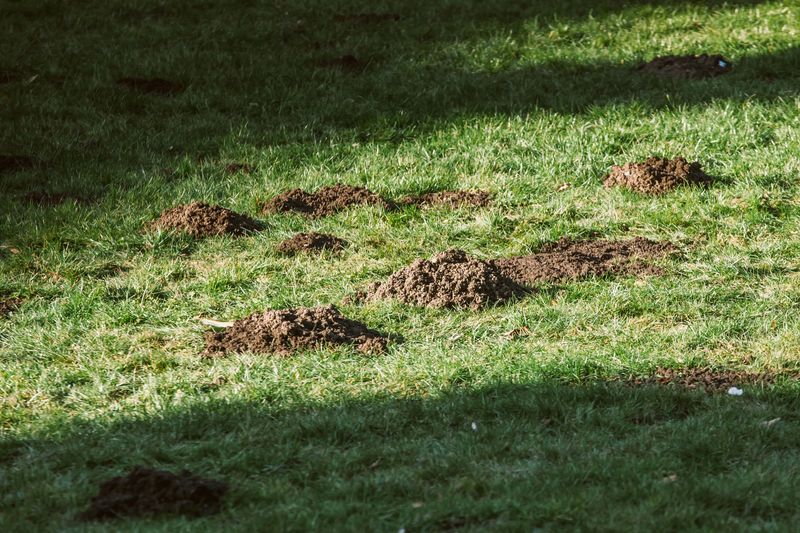
A second morning of fresh holes appearing right beside the spots you filled in the day before is a strong signal. It means the food supply beneath the grass has not been exhausted.
Any foraging animal that finds a reliable source of prey in one location has a clear reason to return. The same stretch of turf may be visited on consecutive nights until the accessible prey runs low or conditions shift.
Assuming the same individual returned each night overstates what the evidence shows. More than one animal may visit the same lawn, and different species can leave similar-looking disturbances.
Reviewing security camera footage is the most practical way to confirm who came back and how many times. Beyond buried prey, other yard features can encourage repeat visits.
Unsecured garbage, outdoor pet food left overnight, and spilled birdseed beneath feeders all provide reasons for a nocturnal animal to return. So do fallen fruit, accessible compost, and standing water.
Nighttime foraging is not the same as denning. Fresh holes each morning do not automatically mean an animal is living beneath your porch, shed, or deck.
Signs that may suggest a den include a persistent entrance hole near a structure and repeated movement from the same spot each evening.
If you suspect an animal has taken up residence near your foundation, contact a licensed nuisance wildlife professional rather than sealing the opening yourself.
An animal or dependent young could be inside, and closing the entrance without checking first can create a more serious problem.
7. Lawn Damage Does Not Always Signal A Grub Crisis
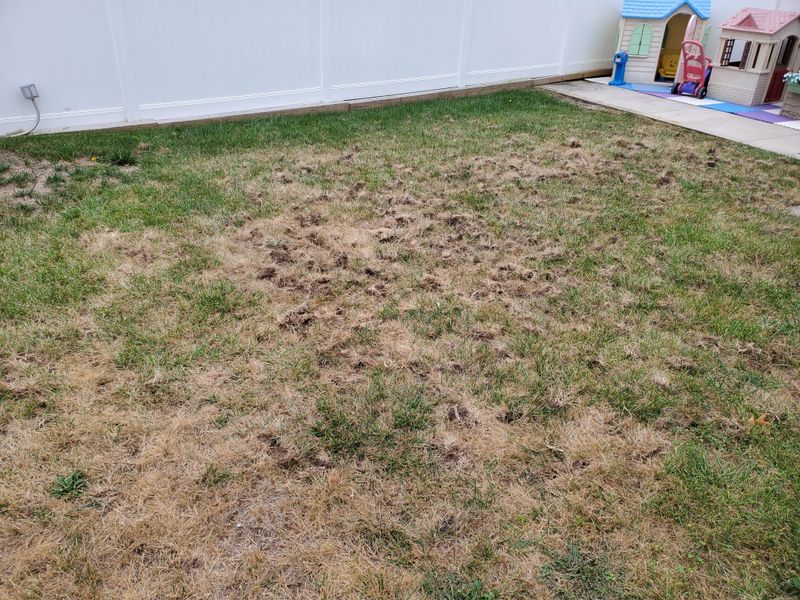
Reaching for a lawn product the moment fresh holes appear across otherwise healthy-looking grass is an understandable reaction, but it skips a step that matters. Animal foraging and turf damage caused by insects are connected but separate issues.
A skunk may detect and consume grubs before those grubs ever reach a population large enough to injure grass roots visibly.
Inspecting the turf yourself is a straightforward process. Ohio State University Extension recommends cutting three sides of a one-square-foot section of sod and folding it back carefully.
Then count the grubs visible in the top few inches of soil. Repeat this in several locations across the yard rather than relying on a single sample.
After counting, fold the turf back into place, press it down firmly, and water the area lightly to help it recover.
Action levels vary depending on the grub species present, the overall health of the grass, whether the lawn is irrigated, the time of year, and current regional guidance. No single grub count applies to every lawn in every condition.
Signs of actual root injury include grass that browns in irregular patches, thins without an obvious cause, or lifts away from the soil with almost no resistance.
Unnecessary insect treatment can affect earthworms, ground beetles, and other soil organisms that were not causing any problem.
Confirm the pest, verify the life stage, and check current extension guidance before choosing any course of action.
8. Smart Deterrents Can Stop The Overnight Digging

Removing the reward is more effective than trying to confront or startle an animal that is simply looking for food. Securing garbage cans with locking lids, bringing pet food indoors before dark, and cleaning spilled birdseed from beneath feeders all help.
So does gathering fallen fruit promptly and managing accessible compost bins, and together they reduce the reasons a nocturnal visitor would return to your yard.
Wildlife guidance from established animal management programs consistently supports food-source reduction as the first practical step.
Temporary lights, motion-activated sprinklers, and commercial repellent sprays may discourage a visiting animal for a short time. But results tend to vary and rarely last without ongoing maintenance.
No single device works reliably in every yard or for every animal. Mothballs, ammonia-soaked materials, bleach, and homemade chemical mixtures should never be used.
These substances can harm pets, children, beneficial insects, and the surrounding soil without providing consistent deterrence.
Pets should be supervised outdoors during periods of active nighttime foraging. Always give a visiting animal a clear path to move away from the yard without feeling cornered.
Exclusion barriers beneath decks, sheds, and porches can reduce denning opportunities, but only install them after confirming that no animal or young is currently inside.
Contact a licensed nuisance wildlife professional when an animal is denning near a building, behaving unusually, or creating a persistent safety concern.
If a person or pet experiences a bite, scratch, or direct saliva contact, reach out to a veterinarian or local public health authority right away.
Addressing the food source, confirming any lawn pest, and letting the visitor move on naturally is the most balanced path forward.