This Common Mulch Mistake Could Be Rotting Your Arizona Citrus Tree
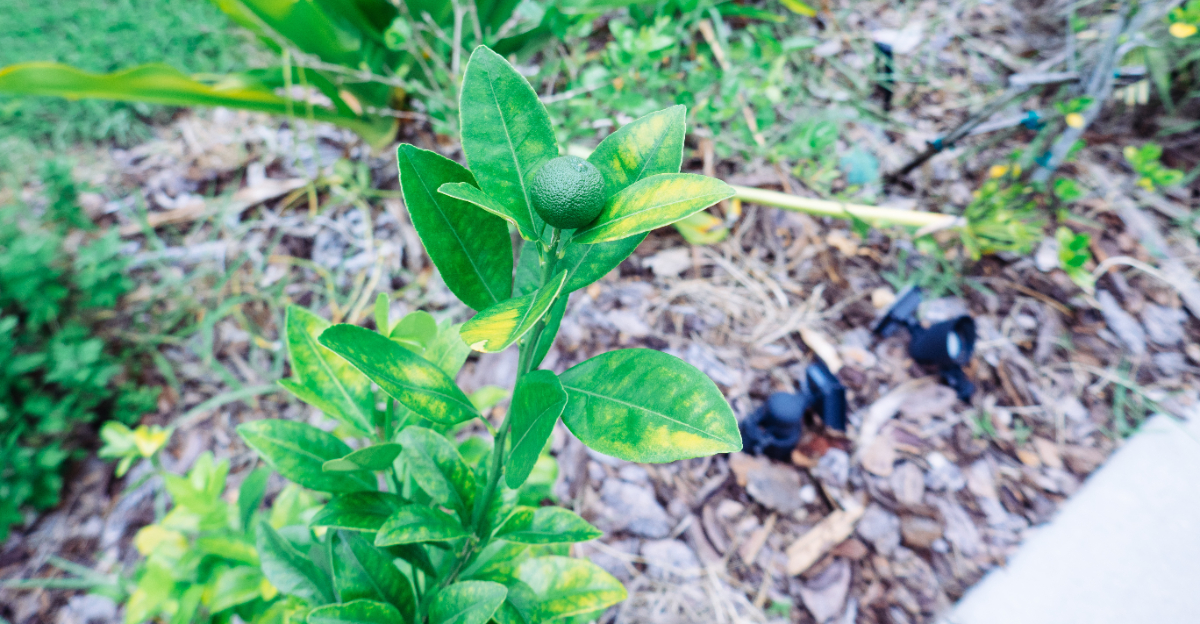
Your citrus tree can look healthy for weeks before the first real warning signs appear. By the time leaves start changing, the problem may already be growing below the surface.
Water is not always the reason a tree begins struggling. Something meant to protect the soil can quietly create the opposite result when it is used the wrong way.
Small habits around the base of a tree matter more than many homeowners realize. A simple mistake can hold extra moisture where it does not belong for far too long.
Arizona citrus trees face enough stress during the hottest months without adding another hidden problem. Paying attention now can save a lot of frustration later.
Take another look before adding more mulch this season.
One small change today can help keep your citrus tree healthier for years to come.
1. Piling Mulch Against The Trunk Can Cause Bark Rot
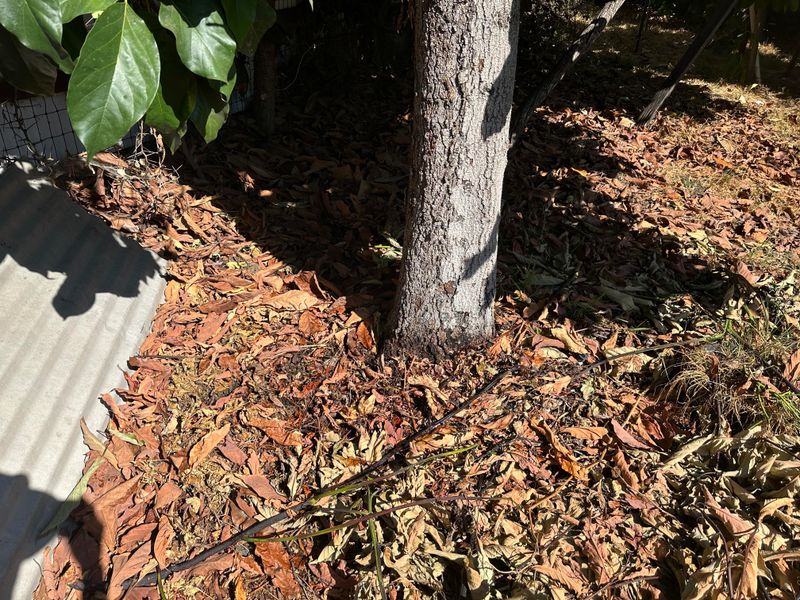
Bark rot is not dramatic at first. It creeps in slowly, hiding under a thick layer of mulch pressed right against the trunk.
By the time you notice something is wrong, damage may already be well underway.
Citrus bark was not built to stay wet for long periods. When wood chips or organic mulch sit directly against the trunk, they hold moisture against the bark.
That constant dampness softens the outer layer and opens the door to fungal problems.
Phytophthora is a common water mold that attacks citrus in warm, moist conditions. It spreads fast when bark stays wet.
Arizona summers bring intense heat, but watering routines can still keep the base of a trunk surprisingly damp if mulch is in the way.
Pulling mulch back from the trunk is a simple fix. Even a few inches of clearance can make a real difference.
Bark that gets air circulation has a much better chance of staying healthy.
Check the base of your tree the next time you water. If mulch is touching the trunk, that is worth addressing right away.
A small adjustment now can help you avoid a much bigger problem down the road.
2. Trapped Moisture Slows The Bark From Drying
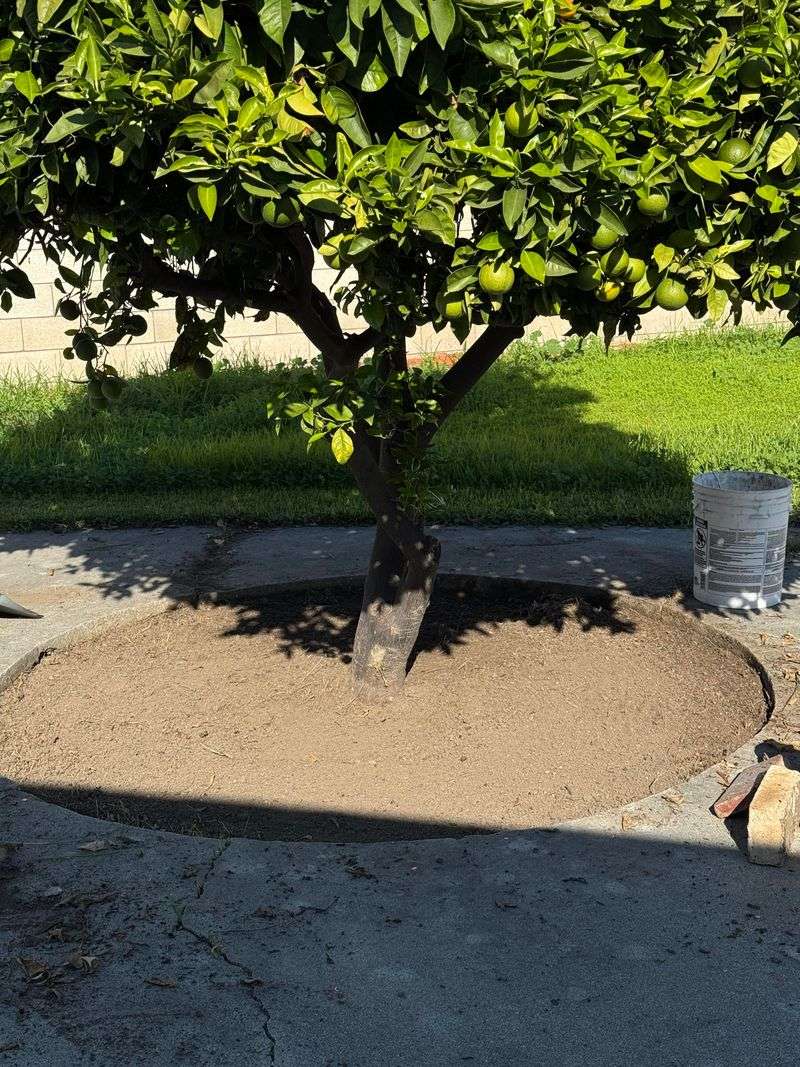
Moisture trapped under mulch does not evaporate the way it should. Sunlight cannot reach the soil surface when thick mulch sits on top.
That creates a damp zone right where you least want it.
Citrus roots need oxygen to function well. Soggy soil around the base of the trunk limits airflow in the root zone.
Over time, roots in waterlogged conditions can weaken, and the tree becomes more vulnerable to stress.
Bark needs dry periods between waterings. When mulch keeps the base consistently wet, the bark never gets a chance to breathe.
Fungal spores that would normally dry out and become inactive can instead find the perfect conditions to spread.
Watering schedules in hot, dry climates often lean toward more frequent sessions. That is understandable given the heat.
But adding heavy mulch on top of regular watering can tip the balance toward too much moisture at the base.
Letting the soil surface dry slightly between waterings is generally better for citrus health. Keeping mulch pulled back from the trunk helps that drying process happen faster.
Your Arizona Garden Changes Every Week. Your Plan Should Too.
Gardening in Arizona changes quickly throughout the season. Every Friday you’ll receive a simple weekly plan showing exactly what to plant, prune, fertilize, harvest, and protect so you never miss the right timing.
A dry trunk base is a much healthier trunk base.
3. Hidden Damage Can Go Unnoticed For Weeks
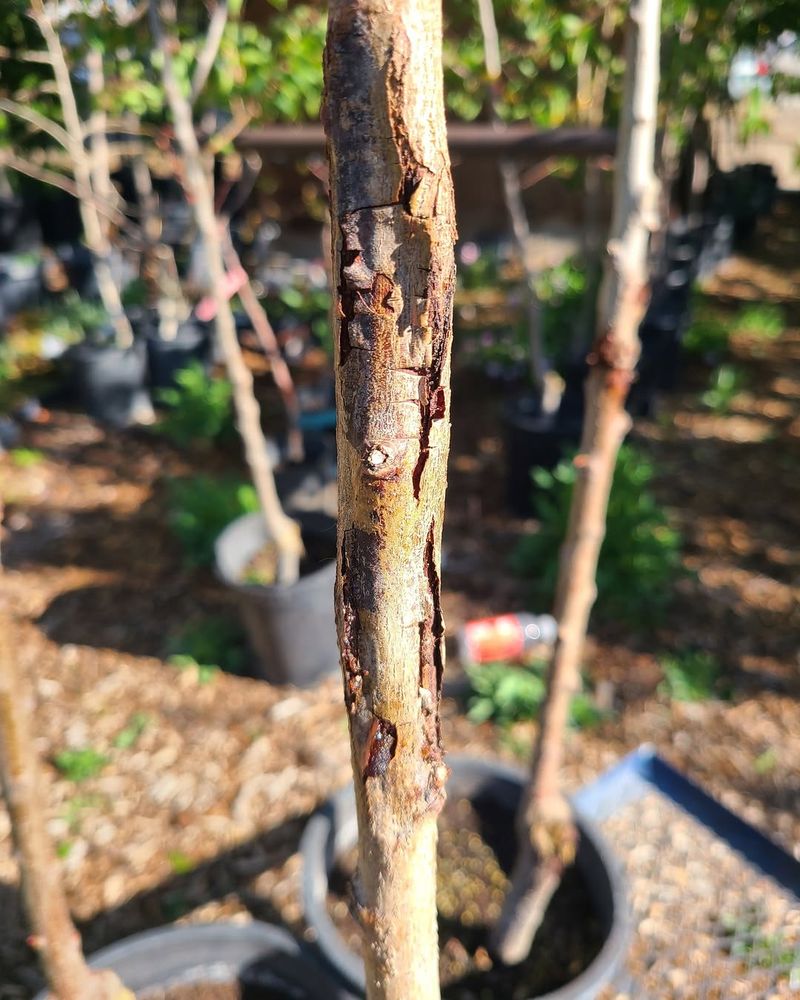
Bark damage under mulch is sneaky. You cannot see it without actually pulling the mulch back and looking.
Most people never check, which means problems can develop for weeks before anyone notices.
Early signs of bark rot include discoloration, soft spots, or a slightly sunken look on the trunk near the soil line. The bark may feel spongy when pressed gently.
These changes are easy to miss when mulch is covering the area.
Waiting until leaves turn yellow or fruit drops is waiting too long. By that point, the underlying issue has likely been building for a while.
Catching bark problems early gives you more options for managing the situation.
Make it a habit to pull back your mulch every few weeks and inspect the trunk base. Look for any unusual color changes, cracks, or soft patches.
A quick visual check takes less than a minute and can save you a lot of frustration later.
If you spot something that looks off, removing the mulch and allowing the area to dry out is a reasonable first step. Consulting a local extension service or certified arborist can help you figure out the best path forward based on what you are seeing.
4. Insects May Shelter Beneath Damp Mulch
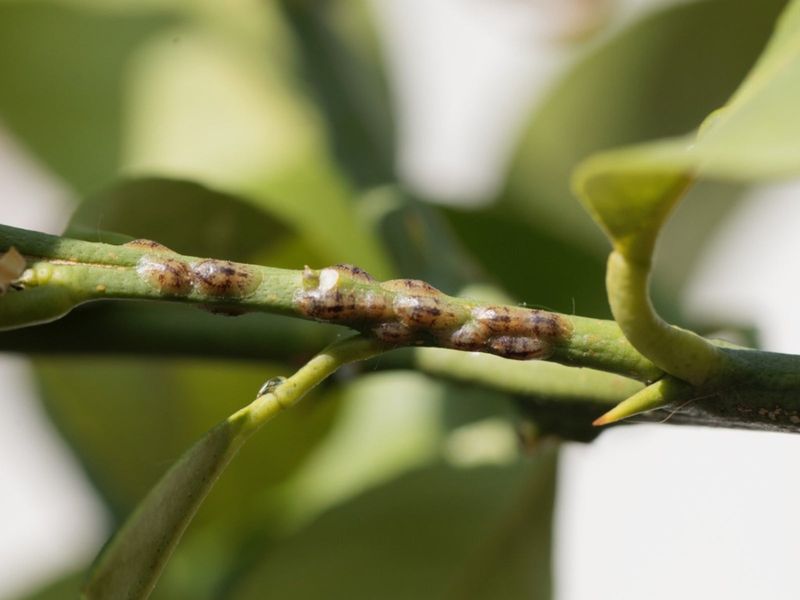
Damp mulch is practically a welcome mat for certain insects. Earwigs, beetles, and other moisture-loving bugs tend to gather in warm, wet spots.
Pressed against a trunk, that mulch gives them a sheltered place to feed and breed.
Some insects cause direct damage to bark. Others are less harmful on their own but attract predators that can disturb the root zone.
Either way, a pile of wet mulch against your tree is creating habitat you probably do not want so close to the trunk.
Termites are worth mentioning here. In Arizona, subterranean termites are active and can move through moist soil and organic material.
Wood-based mulches in direct contact with a tree trunk can provide a path for termites to reach the bark.
Keeping mulch dry and pulled back reduces the appeal for insects looking for shelter. It also makes it easier to spot pest activity before it becomes a larger issue.
Fewer hiding spots means fewer unwanted visitors near your tree.
Checking under your mulch regularly is a good habit regardless of what you find. Seeing what is living under there gives you useful information.
A healthy mulch setup should not be creating conditions that attract bark-boring pests or soil insects to the trunk.
5. Exposed Root Flare Improves Airflow Around The Base
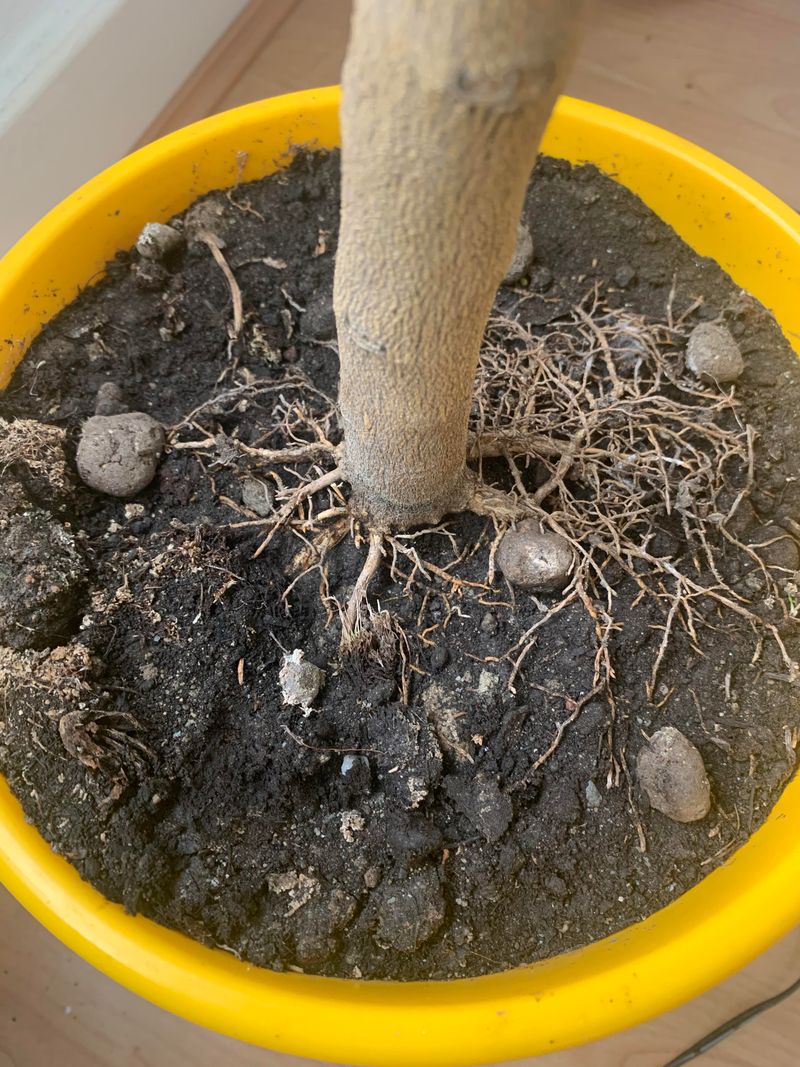
Root flare is where the trunk widens as it meets the soil. That spot is meant to be visible above ground.
Burying it under mulch cuts off airflow and keeps moisture locked against a part of the tree that needs to stay relatively dry.
When the root flare is exposed, air can move around the base of the trunk freely. Bark in that zone has a chance to dry between waterings.
That simple condition goes a long way toward reducing fungal pressure.
Many homeowners do not even realize the root flare exists until they start pulling mulch back. Sometimes it has been buried for years.
Trees can adapt to some degree, but a buried root flare is a long-term stressor that can affect overall health over time.
Uncovering the root flare does not require any special tools. Pull mulch back gradually and clear away any soil that has built up around the base.
You want to see the natural flare where the trunk begins to widen.
Once exposed, keep that area clear going forward. Mulch can still be used in the surrounding area to conserve moisture and regulate soil temperature.
Just make sure the flare itself stays visible and gets regular airflow. That one change can noticeably improve conditions at the base.
6. A Thin Mulch Layer Is Usually Enough
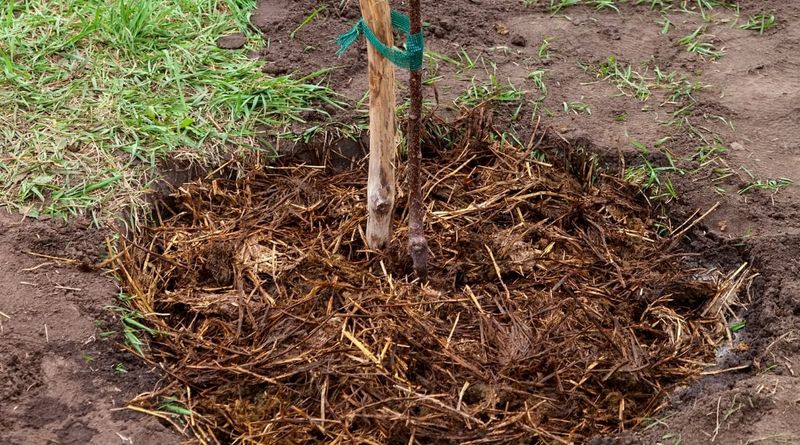
Bigger is not better when it comes to mulch depth. A thick layer might seem like it offers more protection, but it often creates more problems than it solves.
Two to three inches is generally considered a workable depth for citrus trees.
Thick mulch holds more moisture, takes longer to dry out, and creates a denser barrier against airflow. All of those factors work against the health of the trunk base.
Keeping the layer thin allows moisture to move more naturally through the mulch and into the soil.
Organic mulches like wood chips break down over time and add nutrients back to the soil. That is a genuine benefit.
But as they break down, they also compact and can trap even more moisture if the layer is too deep.
Check your mulch depth once or twice a season. If it has built up past three inches, rake some of it back.
Refreshing a thin layer is more effective than letting a thick one accumulate season after season.
Choosing the right mulch material also matters. Coarser wood chips tend to allow better airflow than fine bark or shredded material.
Either way, the depth and placement are more important than the specific type. Keep it thin, keep it pulled back, and let the tree base breathe.
7. Leave A Small Gap Around The Trunk
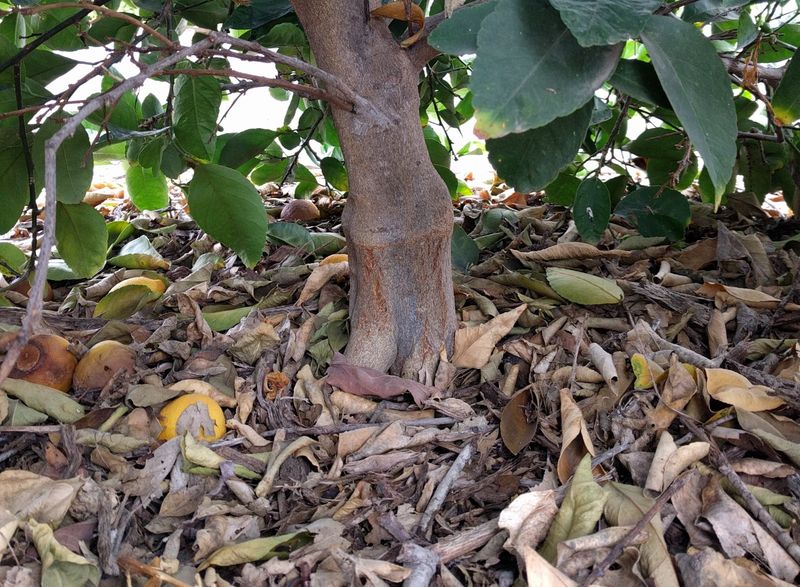
A gap between the mulch and the trunk is one of the simplest things you can do for your citrus tree. Aim for at least three to four inches of clear space.
That small buffer makes a noticeable difference in how much moisture stays in contact with the bark.
Think of it like leaving breathing room. Bark needs air circulation to stay healthy.
Mulch pressed right up against the trunk blocks that airflow and holds heat and moisture in a zone that should stay drier.
The gap does not need to be perfectly measured. A rough circle of clear ground around the trunk base is enough.
Rake mulch back whenever it creeps toward the trunk, which can happen after rain or irrigation shifts the material.
Spreading mulch in a wide, flat ring is the recommended approach. Start the mulch several inches out from the trunk and extend it a few feet into the surrounding soil.
That shape conserves soil moisture in the root zone without concentrating it at the trunk.
Homeowners across Arizona have seen improvements in tree health after making this one adjustment. It costs nothing and takes only a few minutes.
If your mulch is currently touching the trunk, pulling it back today is one of the most practical steps you can take right now.