The Arizona Plant That Keeps Blooming Through Extreme Heat With Very Little Water
Some plants seem to give up as soon as another heat wave rolls in. Others keep blooming as if the weather never changed.
Keeping flowers alive through a desert summer can feel like an impossible task. Constant watering is not something every homeowner wants or needs.
The good news is that not every beautiful plant demands endless attention. Some varieties are naturally built for long, dry stretches without losing their color.
Arizona landscapes prove every summer that the right plant can make all the difference. Choosing wisely often saves both water and effort without sacrificing a colorful yard.
Do not assume every flowering plant needs the same level of care.
One dependable bloomer continues putting on a show when many others begin slowing down, making it easy to see why it has become a favorite in desert gardens.
1. Blackfoot Daisy Stays In Bloom For Months
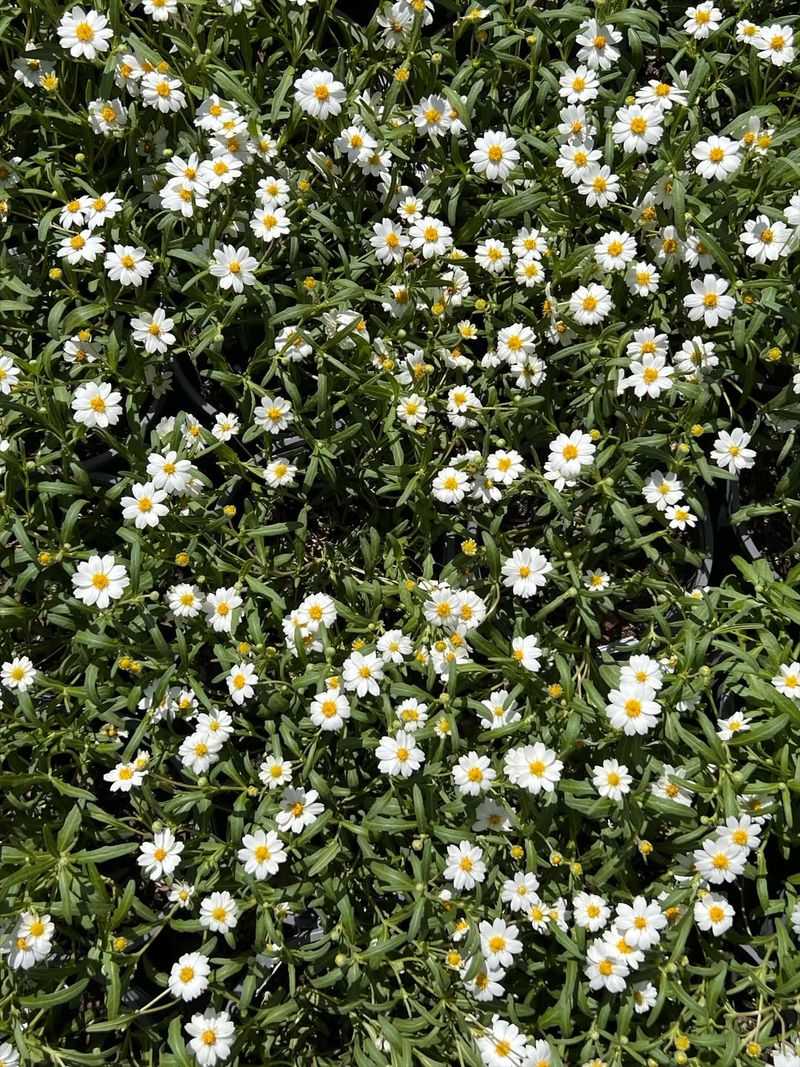
Few plants in the desert Southwest can match this kind of staying power. Blackfoot Daisy begins blooming in late winter when most gardens are still bare, and it keeps going well into fall without much encouragement.
That stretch covers roughly eight to nine months in warmer regions, though exact timing shifts with elevation and local weather patterns.
Blooms appear in waves rather than all at once. A flush of flowers opens, fades, and then another round follows a few weeks later.
That rhythm keeps the plant looking active and colorful for a surprisingly long time compared to many ornamental flowers that peak and then fizzle out fast.
Summer heat does not shut the plant down the way it does with many other flowers. Even when temperatures push past 100 degrees, Blackfoot Daisy continues producing buds.
Growth may slow slightly during the most intense heat, but blooming rarely stops altogether under typical desert conditions.
Gardeners in Arizona who have tried to grow traditional flowers through summer often end up frustrated. Blackfoot Daisy sidesteps that problem naturally.
Its long bloom season makes it one of the more reliable options for adding consistent color to a low-water landscape without relying on seasonal replanting or heavy maintenance. Results can vary depending on soil quality and sun exposure.
2. Full-Sun Locations Produce More Flowers
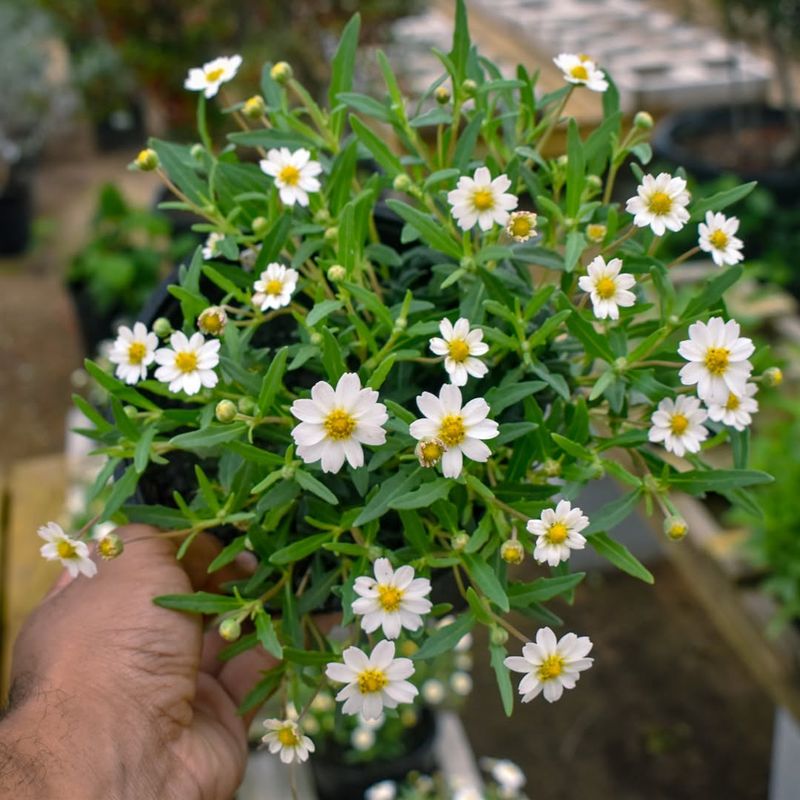
Sunlight is where this plant earns its reputation. Planted in a spot that gets six or more hours of direct sun each day, Blackfoot Daisy tends to bloom more heavily and hold its shape better than plants tucked into shady corners.
More light generally means more flowers, though soil and water conditions also play a role.
Partial shade is not ideal, but the plant can tolerate it. Expect fewer blooms and slightly looser growth when sun exposure drops below five hours daily.
In shadier spots, stems can stretch toward the light and the plant may look a bit leggy over time.
Rooftop gardens, south-facing slopes, gravel beds, and open patios are all solid placements. Any area that bakes in afternoon sun and dries out quickly between rain events suits Blackfoot Daisy well.
Reflected heat from walls or pavement does not seem to bother it much, which is a real advantage in urban desert settings.
Your Arizona Garden Changes Every Week. Your Plan Should Too.
Gardening in Arizona changes quickly throughout the season. Every Friday you’ll receive a simple weekly plan showing exactly what to plant, prune, fertilize, harvest, and protect so you never miss the right timing.
Choosing the right planting location from the start saves a lot of effort later. Moving an established plant is possible but disruptive.
Pick a spot with maximum sun exposure and fast drainage before you plant, and the Blackfoot Daisy will likely reward you with its best possible bloom output throughout its growing season.
3. Fast-Draining Soil Keeps Roots Healthy
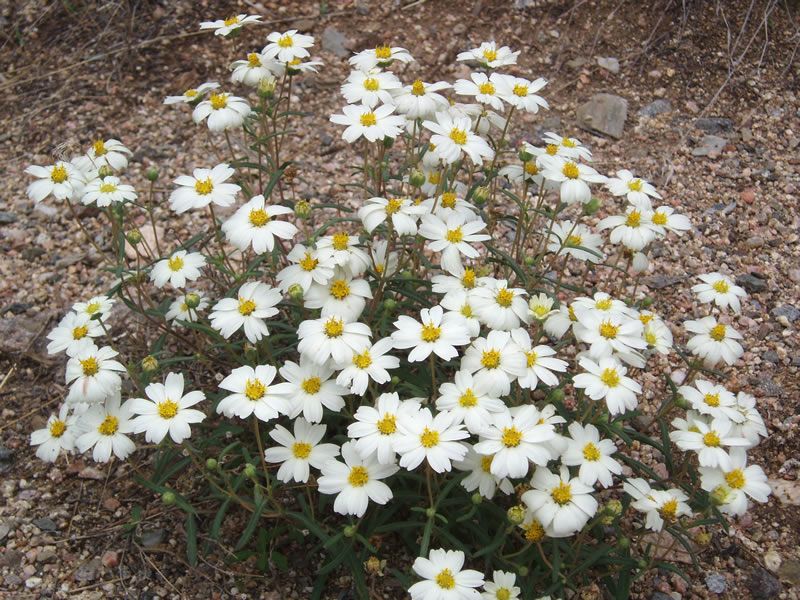
Standing water is one of the fastest ways to stress a Blackfoot Daisy. Roots sitting in soggy soil for extended periods can develop rot, and a rotting root system cannot support healthy growth or blooming.
Fast-draining soil is not just helpful for this plant, it is genuinely necessary for long-term success.
Rocky, sandy, or gravelly native soils common across the desert Southwest are naturally well-suited to Blackfoot Daisy.
If your soil is heavy clay that holds moisture for days after rain, mixing in coarse sand or decomposed granite before planting can improve drainage significantly. Raised beds also work well in problem areas.
Soil amendments should be done before planting rather than after. Working organic matter into dense clay can sometimes backfire by creating a bowl effect that traps water at the root zone.
Stick with mineral amendments like gravel or coarse sand for the best drainage results in desert garden settings.
Container planting is another option worth considering. Pots with drainage holes filled with a cactus or succulent potting mix allow precise control over moisture levels.
Just be aware that containers dry out faster, especially in summer heat, so occasional watering becomes more important. Monitoring soil moisture by touch is more reliable than following a fixed watering schedule.
4. Too Much Water Can Reduce Blooming
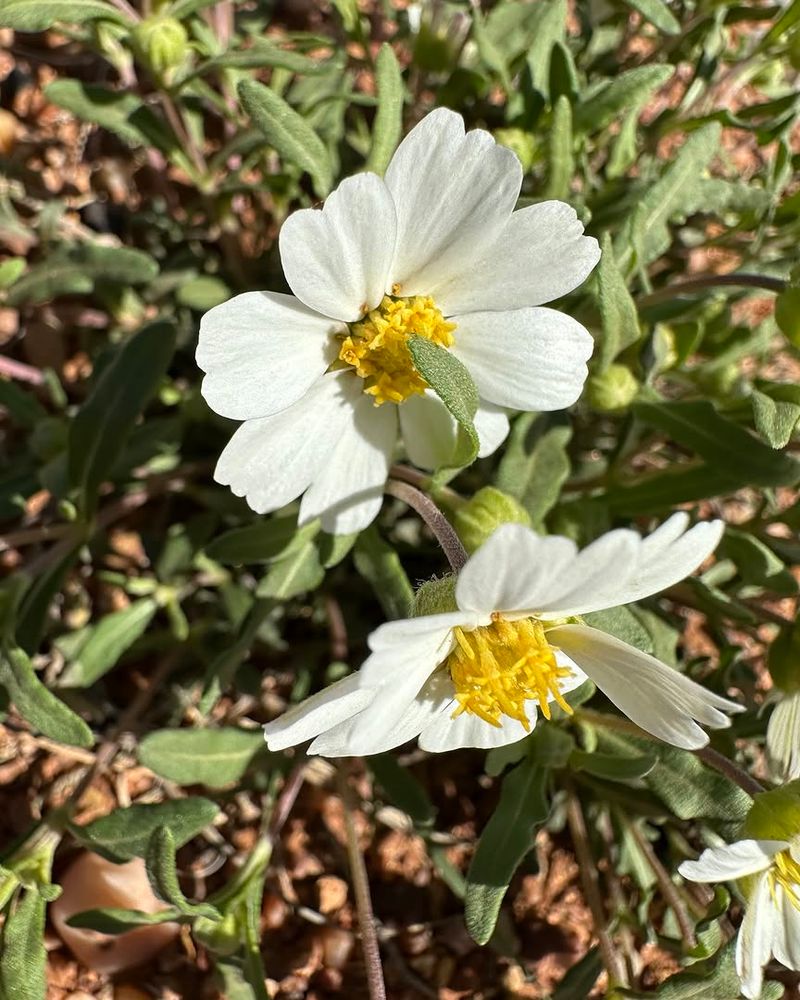
Overwatering is probably the most common mistake people make with Blackfoot Daisy. It seems counterintuitive, but giving this plant too much water can actually reduce the number of flowers it produces.
Wet roots change how the plant prioritizes energy, often pushing more growth into leaves and stems instead of blooms.
Once established, Blackfoot Daisy in Arizona gets through summer on minimal supplemental water. Rainfall alone sustains many plants through the monsoon season without any additional irrigation.
Outside of monsoon months, watering once or twice a month is often enough in hot, dry conditions, though sandy soils may need slightly more frequent attention.
Yellowing leaves, soft stems, or a generally droopy appearance are signs the plant may be getting more water than it needs. Cutting back on irrigation and improving drainage usually helps.
Recovery is possible in many cases, especially if the problem is caught early before root damage becomes severe.
Drip systems set to run on a vegetable garden schedule are not appropriate for Blackfoot Daisy. Frequent shallow watering encourages shallow roots and can keep soil wetter than the plant prefers.
If you use a drip system, consider putting Blackfoot Daisy on a separate zone with a much less frequent watering schedule.
5. Remove Faded Flowers To Extend Bloom Time
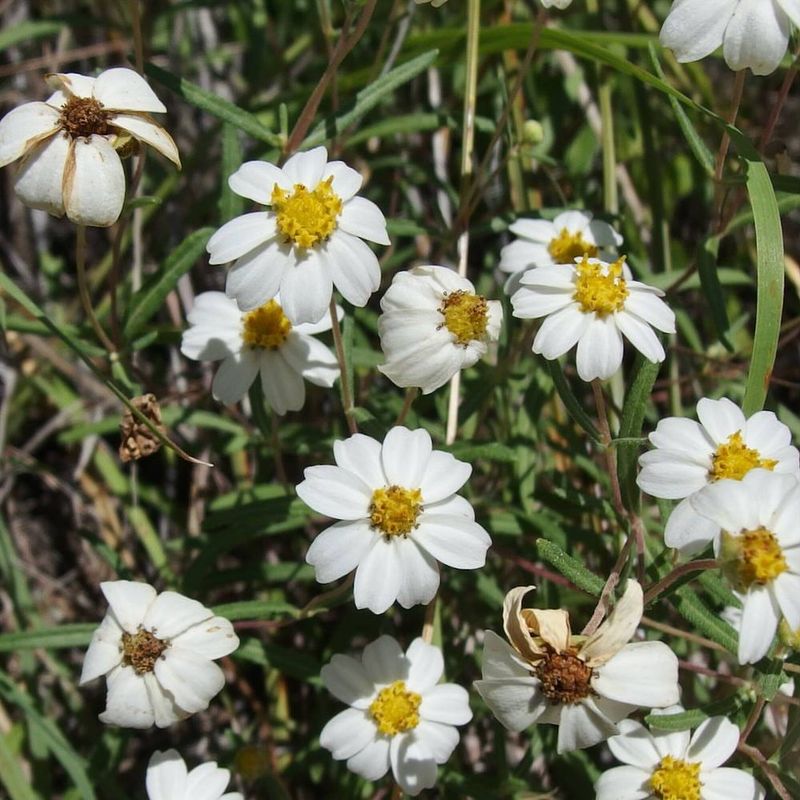
Deadheading sounds like extra work, but with Blackfoot Daisy it pays off quickly. Snipping off spent blooms before they go to seed redirects the plant’s energy back into producing new flower buds.
Regular deadheading can noticeably extend the blooming period, especially during late spring and early fall when conditions are favorable.
A pair of small scissors or hand pruners works fine. Cut the stem just below the faded flower head, back to the nearest leaf node or branching point.
Avoid leaving long bare stems sticking up above the foliage. Clean cuts heal faster and keep the plant looking tidy between bloom flushes.
Not everyone has time for deadheading, and that is fair. Blackfoot Daisy will still bloom without it, just possibly with slightly shorter bloom intervals between flushes.
If you let seed heads form, birds may visit the plant, which adds some wildlife interest to the garden even when flowers are sparse.
A light overall trim in late summer or early fall can also help refresh the plant before the cooler months bring a final round of blooming. Cutting back about one-third of the plant’s overall size encourages fresh branching and new bud formation.
Avoid heavy pruning in extreme heat, as recovering from a hard cut during peak summer stress takes more effort from the plant.
6. Established Plants Need Very Little Care
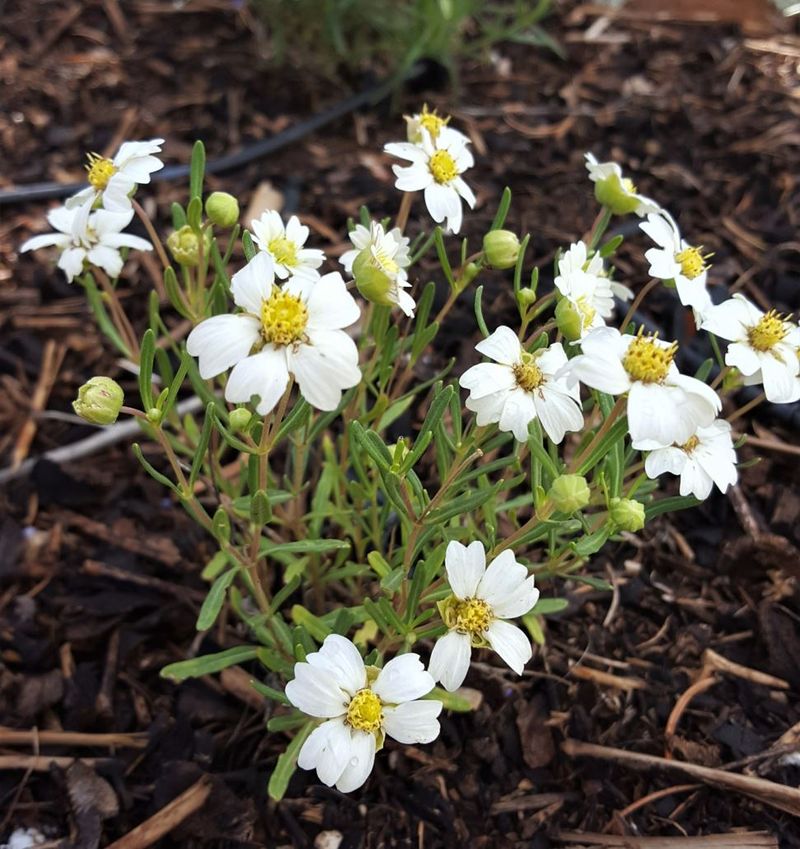
Getting a Blackfoot Daisy through its first summer takes a bit more attention than caring for an established plant. During the first growing season, roots are still spreading and building their network.
Watering every week or two during that period helps the plant settle in without stressing it. After that, care requirements drop significantly.
By the second year, most plants in the ground are self-sufficient under normal desert conditions. Rainfall, especially during monsoon season, usually provides enough moisture.
Fertilizer is rarely needed and can actually cause problems by pushing excessive leafy growth at the expense of flowers. Native desert soils are often lean enough to suit this plant perfectly.
Pest pressure tends to be low.
Aphids occasionally show up on new growth, but natural predators like ladybugs often manage them without any intervention needed.
Spraying with a strong stream of water is usually enough to knock off small infestations if they appear. Harsh chemical treatments are not typically necessary or recommended.
Long-term, a Blackfoot Daisy in good conditions can thrive for several years with minimal input.
Occasional light trimming, infrequent watering, and a sunny spot with fast-draining soil cover most of its needs.
7. Bees And Butterflies Visit The Blooms Often
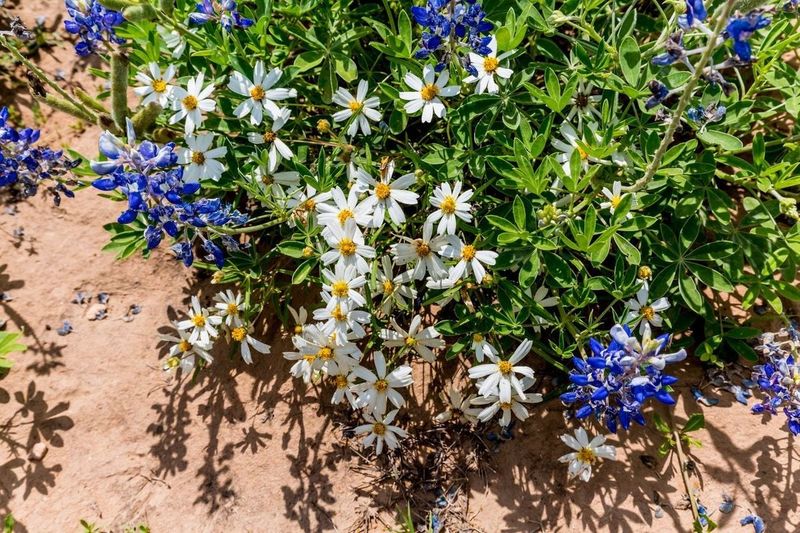
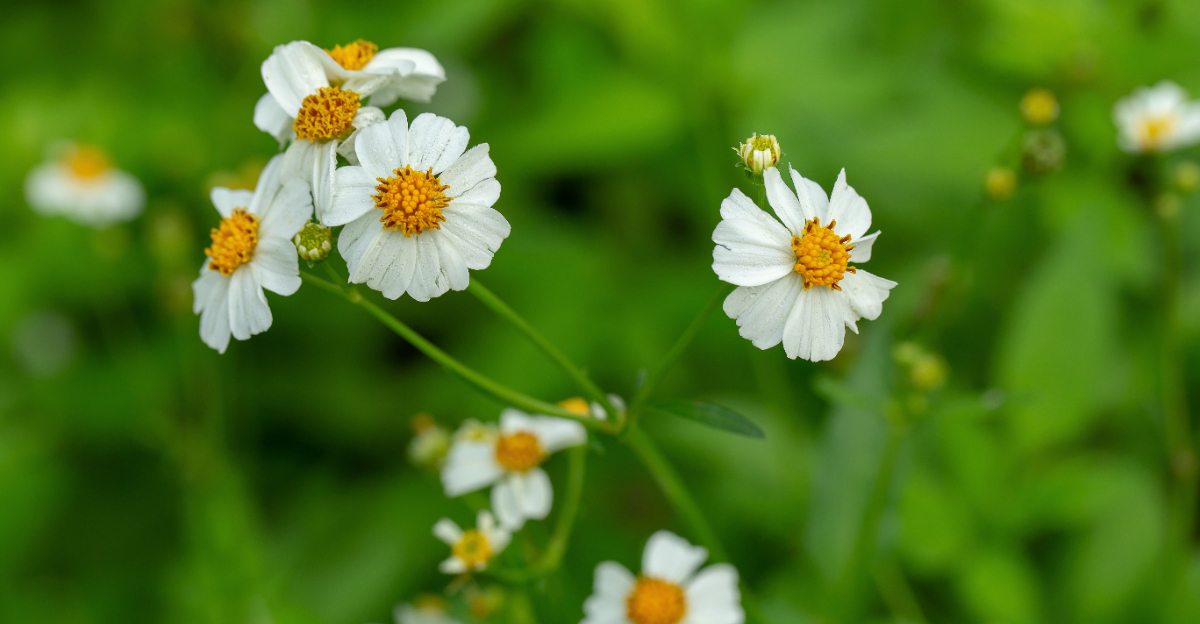
Watch a Blackfoot Daisy on a warm morning and you will likely see pollinators working the flowers within minutes. Bees are frequent visitors, drawn to the open yellow centers that make nectar and pollen easy to access.
Native bee species in particular seem to favor this plant, stopping by repeatedly throughout the blooming season.
Butterflies show up regularly too. Painted ladies, checkered whites, and various skipper species are among the butterflies commonly spotted nectaring on Blackfoot Daisy in desert gardens.
The plant’s long bloom season means it supports pollinators across a wider window than many short-season flowers can offer.
Adding Blackfoot Daisy to a pollinator garden alongside other native plants increases the overall value for wildlife.
Pairing it with desert marigold, globe mallow, or autumn sage creates a layered planting that attracts a broader range of bee and butterfly species. Variety in bloom time and flower shape helps support more diverse pollinator populations.
Avoiding pesticide use near Blackfoot Daisy helps protect the beneficial insects that visit it. Even products labeled as safe can harm bees if applied when flowers are open and pollinators are active.
Spot-treating specific problem areas rather than broad spraying is a more targeted approach.