What Georgia Azaleas Need This August To Bloom Their Best Next Spring
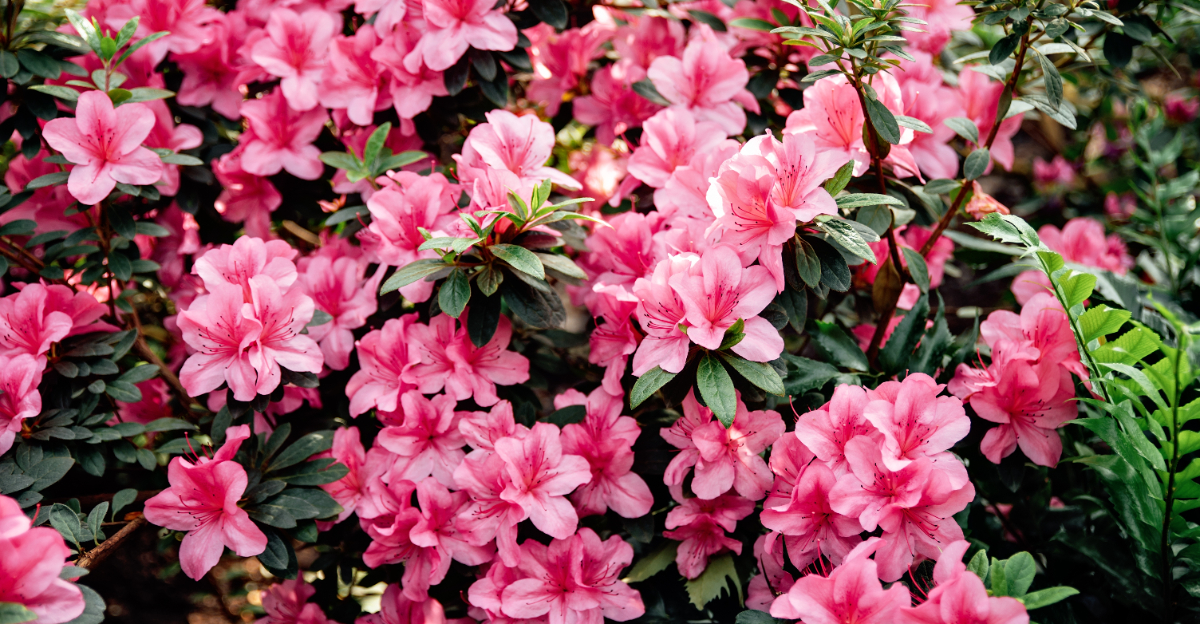
Azaleas may look finished for the year once their flowers are gone. That is exactly why so many homeowners stop paying attention too soon.
What you do during August can shape next spring long before the first cool days arrive. Small decisions now often have much bigger results later.
A healthy shrub is already preparing for its next season, even if nothing exciting seems to be happening above the leaves. The most important work is already underway.
August is an important month for azaleas in Georgia. Giving them the right care now helps protect the beautiful display they are already preparing.
A little attention today can save plenty of disappointment next year.
The difference between an average bloom season and an unforgettable one often begins long before spring ever arrives.
1. Water Thoroughly Before Flower Buds Finish Forming
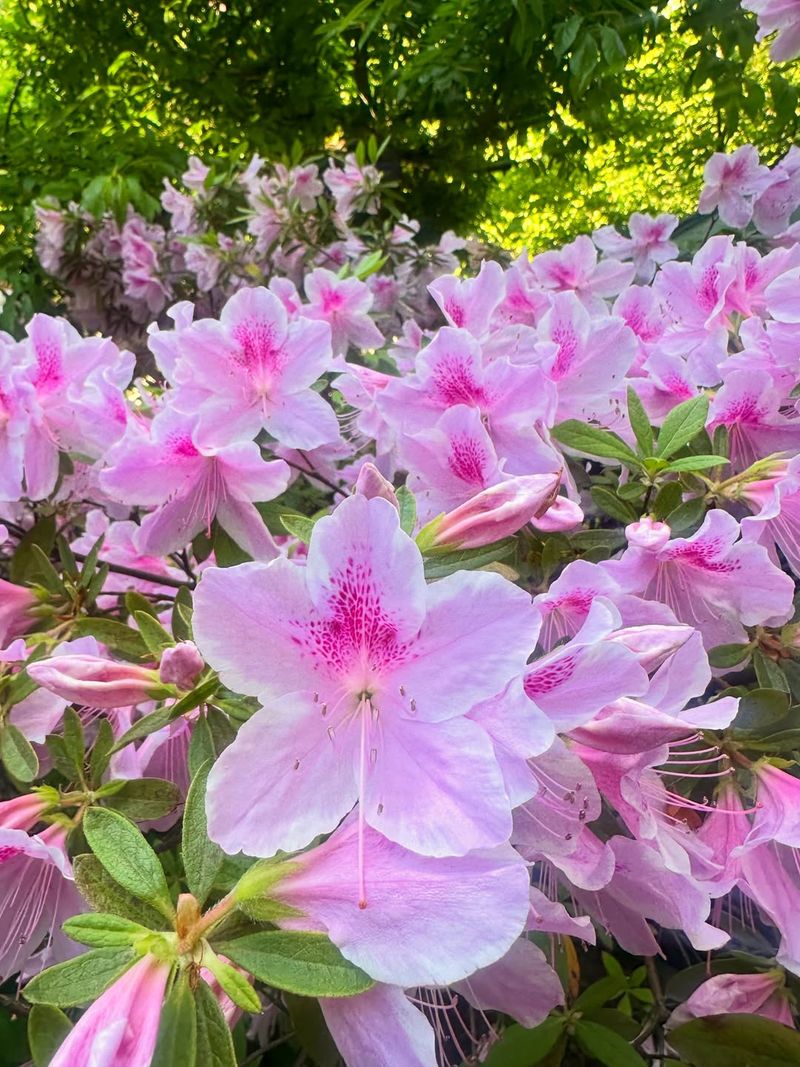
Bud formation is happening right now, and dry soil is the fastest way to interrupt it. Azaleas set their flower buds from midsummer through early fall.
If roots run short on water during this window, bud development can stall or buds may drop before spring.
Aim for about one inch of water per week. That goes for rainfall too, so check your soil before reaching for the hose.
Stick a finger two inches into the ground near the base of the plant. If it feels dry at that depth, water slowly and deeply rather than giving a quick surface rinse.
Shallow watering encourages roots to stay near the surface, which makes plants more vulnerable during dry spells. Deep watering pushes moisture down and encourages roots to follow.
A soaker hose works well around azaleas because it delivers water at ground level without wetting the foliage.
Wet leaves in humid summer weather can invite fungal issues. Water in the morning when possible so any splash on leaves has time to dry.
In Georgia, August often brings stretches of dry heat between storms. Keeping a consistent watering schedule through those gaps supports healthy bud development heading into fall.
2. Pull Weeds Before They Compete For Moisture
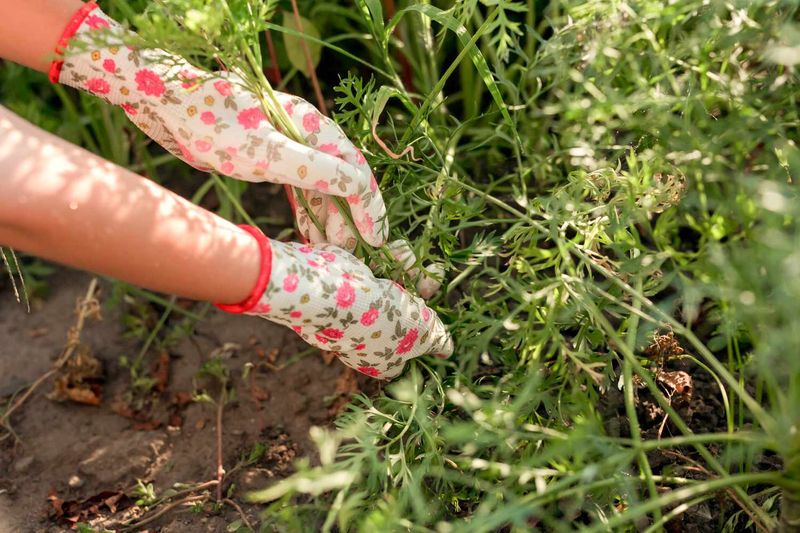
Weeds are quiet competitors. They pull water and nutrients from the same shallow soil zone where azalea roots live.
In August, when moisture is already limited, that competition matters more than most gardeners realize.
Azalea roots tend to spread wide and stay close to the surface. Weeds growing nearby tap into that same layer.
During dry stretches, every bit of soil moisture counts, and weeds can take a surprising share of it before your azaleas ever benefit.
Hand-pulling works well for most garden weeds around azaleas. Avoid deep cultivation tools near the base of the plant.
Digging or hoeing too close can cut shallow roots without you even knowing it. A gentle pull by hand, especially after a rain when soil is soft, removes weeds cleanly with less root disturbance.
Check the bed at least once a week in August. Weeds grow fast in warm soil, and a small problem turns into a bigger one quickly.
Getting ahead of them now also makes fall maintenance easier. Once weeds are cleared, a fresh layer of mulch will slow new ones from sprouting.
Your Georgia Garden Changes Every Week. Your Plan Should Too.
Gardening in Georgia changes quickly throughout the season. Every Friday you’ll receive a simple weekly plan showing exactly what to plant, prune, fertilize, harvest, and protect so you never miss the right timing.
Clean beds mean your azaleas get more of what they need without sharing it with plants that offer nothing in return.
3. Refresh Mulch To Protect Shallow Roots
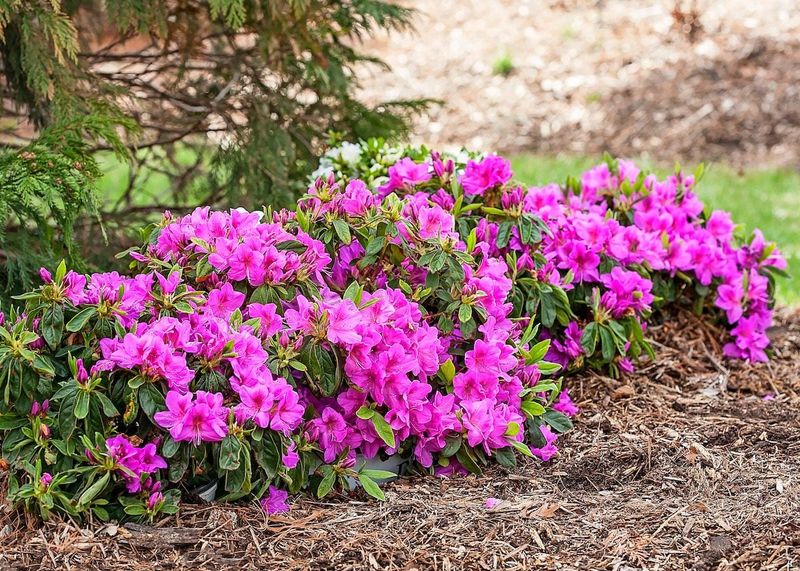
Azalea roots sit surprisingly close to the surface, sometimes within the top two or three inches of soil. That makes them easy to stress in August when ground temperatures climb and moisture evaporates fast.
A fresh layer of mulch acts like insulation. It keeps soil cooler during the hottest part of the day and slows moisture loss between waterings.
Pine bark, pine straw, and shredded leaves all work well around azaleas. These materials also break down gradually and add organic matter back into the soil.
Aim for two to three inches of mulch depth. Spread it out to the drip line of the plant if possible, which is roughly where the outer branches end.
Pull the mulch back a few inches from the main stem so it does not press directly against the bark. Mulch piled against stems can trap moisture and create conditions where rot or fungal issues develop over time.
If you already have mulch down from earlier in the season, check the depth before adding more. Mulch compacts and breaks down, so what started as three inches may now be closer to one.
Topping it off in August gives roots the buffer they need through the rest of summer and into fall, when bud development is still finishing up.
4. Skip Heavy Pruning Until After Next Spring’s Bloom
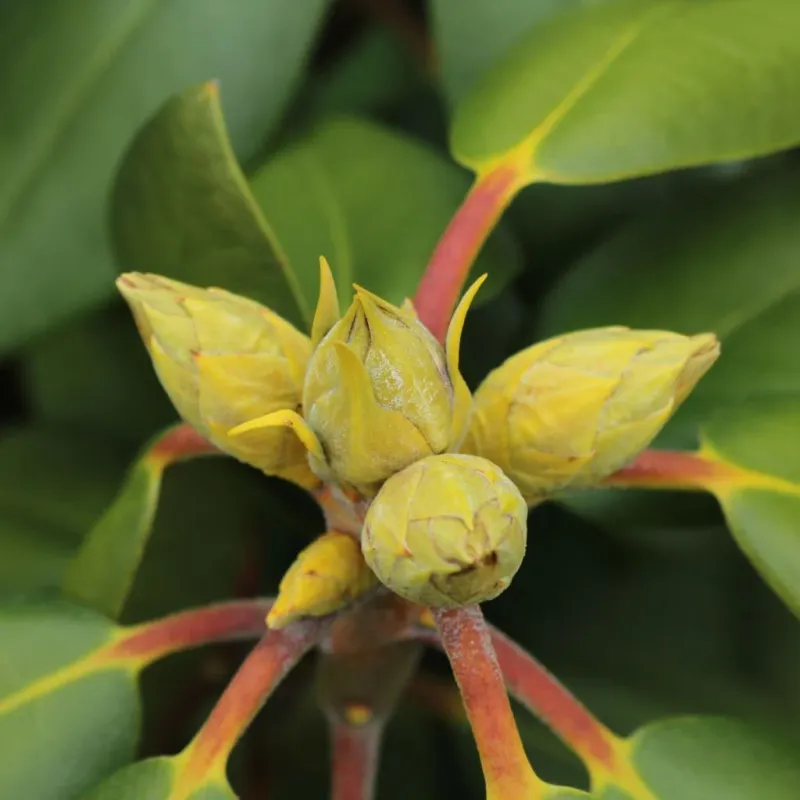
Reaching for the pruning shears in August feels tempting, especially when azaleas look a little overgrown after a full season of growth. Holding back is worth it.
Flower buds are forming on the tips of branches right now, and cutting those branches removes next spring’s blooms before they ever open.
Azaleas bloom on old wood, meaning the buds that will open in spring are set on growth that happened earlier in the year. Heavy pruning in late summer or fall removes those buds.
You may end up with a neatly shaped plant that produces very little color when spring arrives.
The best time for major shaping is right after spring bloom ends. That gives the plant the rest of the growing season to put out new growth, which will then carry next year’s buds.
Pruning at that point works with the plant’s natural cycle rather than against it.
In August, leave the shears alone unless you are dealing with a specific problem. A few inches of new growth on the outside of the plant is not a reason to cut.
Shape can wait. Blooms cannot be recovered once the buds are removed.
Patience now pays off with a full, colorful display next spring across yards throughout Georgia and the wider South.
5. Remove Damaged Or Broken Branches Only
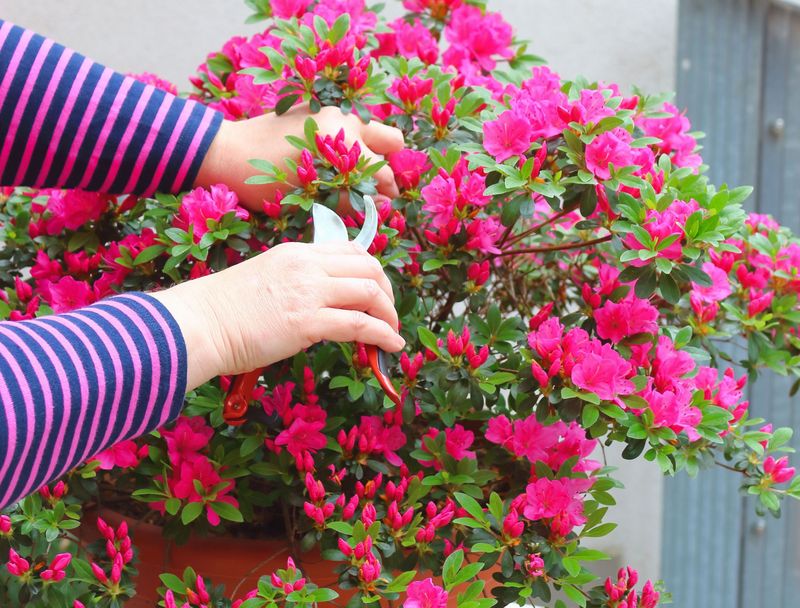
Not all pruning is off-limits in August. Damaged, cracked, or broken branches are worth removing now rather than waiting.
Leaving them in place can invite fungal problems and pests into the plant through the exposed wound.
Storm damage is common in late summer across much of the South. Wind, heavy rain, and the occasional strong storm can snap branches or leave them hanging at odd angles.
A clean cut at the base of a damaged branch is far better than letting that branch stay attached while it weakens.
Use sharp, clean bypass pruners for small branches. Dull blades crush rather than cut, which makes it harder for the plant to seal the wound.
Cut just outside the branch collar, which is the slightly raised area where the branch meets the main stem. Avoid cutting flush against the stem or leaving a long stub.
Keep cuts to the minimum needed. The goal is to remove what is clearly broken or unhealthy, not to reshape the plant.
One or two targeted cuts will not set back bud development the way a full pruning session would. After each cut, inspect the remaining branches for any signs of pest activity or unusual discoloration.
Catching a problem early in August gives you time to address it before fall arrives.
6. Apply Fertilizer Only If A Soil Test Recommends It
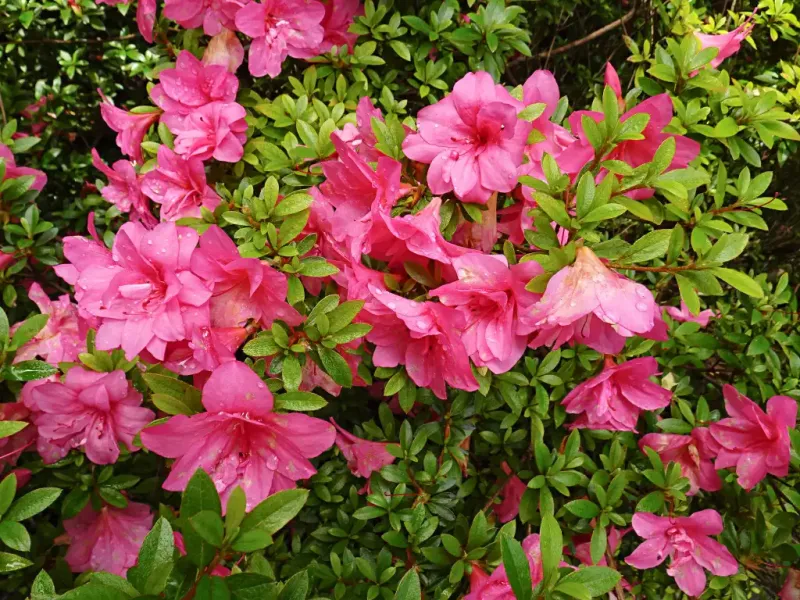
Fertilizing azaleas in August sounds helpful, but it can cause real problems if done without knowing what the soil actually needs. A push of nitrogen late in the season encourages tender new growth.
That soft, new growth is often not mature enough to handle the cooler temperatures that arrive in fall.
Immature growth heading into winter is more vulnerable to cold snaps. In Georgia, those freezes can arrive unexpectedly and catch soft new tissue off guard.
Stimulating that growth with fertilizer in August rarely improves bloom quality.
A soil test takes the guesswork out of the decision. Georgia’s county Extension offices offer affordable soil testing services.
The results will tell you the pH level and nutrient balance in your specific garden bed. Azaleas prefer a slightly acidic soil, generally in the 4.5 to 6.0 pH range.
If your soil falls outside that range, targeted amendments can help more than general fertilizer.
If your azaleas are growing steadily, holding their leaf color, and have been fed appropriately earlier in the season, they likely do not need anything added in August.
Healthy plants in balanced soil can move through bud development without extra input.
Feed only when a test points to a specific deficiency, and follow the recommended rate rather than estimating on your own.
7. Watch For Lace Bugs Before They Damage New Growth
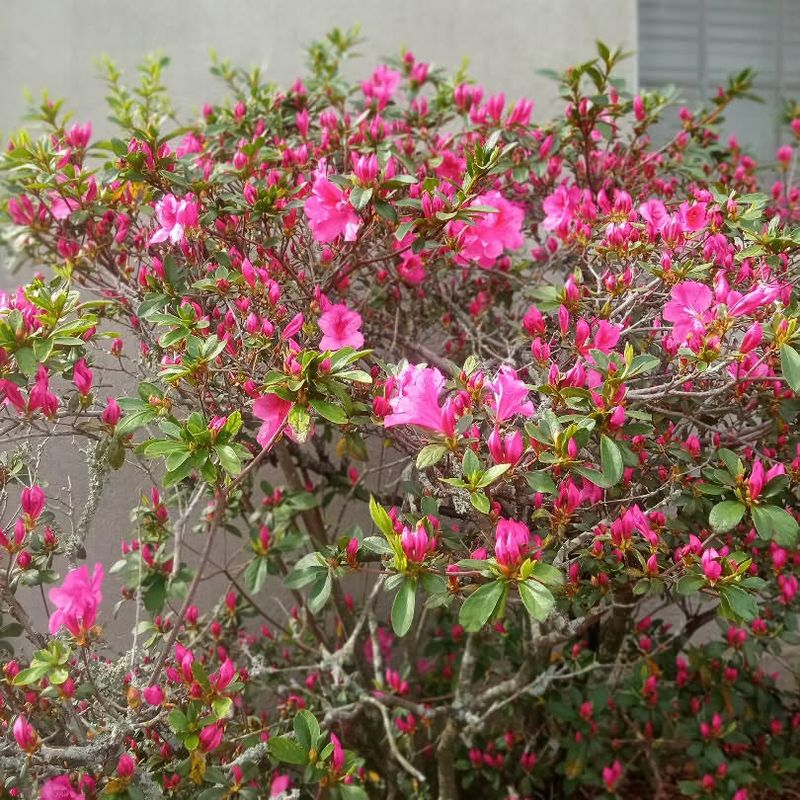
Lace bugs are small, but the damage they leave behind is hard to miss. Affected leaves take on a pale, washed-out, or stippled appearance on the upper surface.
Flip the leaf over and you will often see dark, tar-like specks along with the insects themselves, which have lacy-patterned wings.
August is a prime time for lace bug activity in the South. Heat and dry conditions seem to encourage population growth.
Plants that are already stressed from drought or poor soil tend to show more severe damage. Keeping plants well-watered and healthy is one layer of defense, though it does not prevent an infestation on its own.
Check leaves regularly through late summer. Catching a lace bug problem early gives you more options.
Light infestations can sometimes be managed with a strong spray of water directed at the undersides of leaves.
More persistent problems may call for insecticidal soap or horticultural oil, both of which are lower-impact options worth trying before reaching for stronger products.
Heavily shaded azaleas tend to attract fewer lace bugs than plants growing in full sun. If you have plants in a sunny spot that seem to struggle with lace bugs every year, that is worth factoring into your long-term garden plan.