7 Native North Carolina Plants That Handle Gutter Splash Zones Better Than Mulch Alone
Rainwater does not politely leave the roof.
It gathers speed, shoots through the gutter, and lands beside the house like a tiny weather tantrum. One minute that strip of soil looks dusty. The next, it is splashed, punched, flattened, and carrying half the mulch toward the sidewalk.
That spot is not a normal garden bed. It is a wet-dry roller coaster with bad drainage drama and surprise erosion.
Mulch helps for a while, then storms shove it aside, float it away, or pack it into a crust. Living roots can do something smarter. They grip soil, slow water, soften splash, and turn an awkward runoff strip into a bed that looks intentional.
The trick is choosing natives that match North Carolina moisture swings without sulking through summer heat.
So what belongs where roof runoff keeps hitting the same tired patch of ground?
Start with tough roots, flexible habits, and enough beauty to make the problem area look like it was planned all along.
Your foundation bed can finally breathe again.
1. Virginia Sweetspire Handles Repeated Wetting
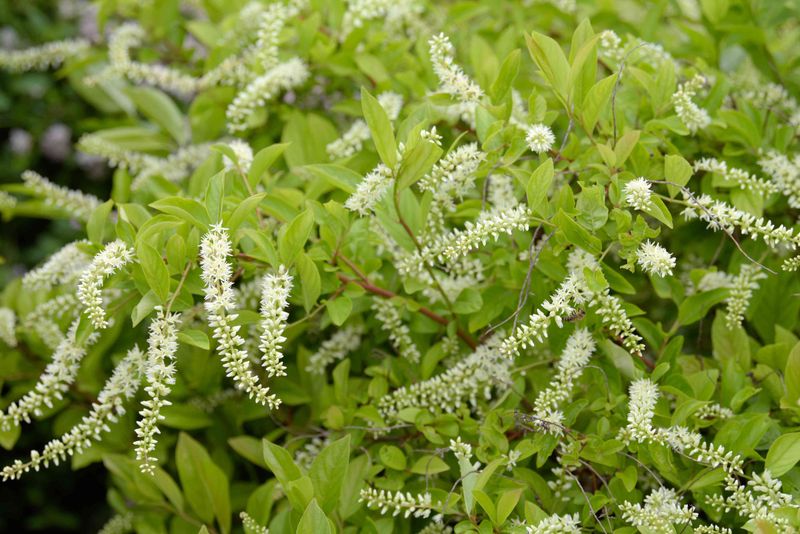
Virginia sweetspire is the shrub that makes a soggy corner look intentional.
This North Carolina native handles moist soil, periodic runoff, and the kind of repeated wetting that sends many foundation-bed shrubs into a sulk. In a gutter splash zone, that flexibility matters more than perfect manners.
The arching stems bring white, fragrant flower chains in early summer. Later, the leaves can shift into red, orange, and burgundy, which gives the bed a second act after the storms calm down.
Use it beside the downspout, not directly under the strongest blast of water. A heavy roof stream can batter young stems and expose roots before the shrub has settled in.
Set the plant at least 3 feet from the foundation. Mature sweetspire can reach 4 to 6 feet tall, and it may spread by suckers when it is happy. That habit helps hold soil, but it needs space.
Full sun brings stronger fall color. Partial shade still works, especially along the east or north side of a house.
Water new shrubs through the first season. After the roots settle, sweetspire can handle wet spells and short dry breaks with much less fuss.
This works like a living soil net. The roots hold the splash zone together while the top growth makes the whole problem area look polished instead of patched.
2. Southern Blue Flag Anchors Damp Soil

Southern blue flag looks too elegant for gutter duty.
Then it proves otherwise. This native iris thrives in moist to wet soil and forms rhizomatous clumps that help grip the ground where water keeps landing hard.
The violet-blue spring flowers bring the drama first. After bloom, the upright leaves keep working as a clean, vertical texture near the downspout.
That foliage is useful. It slows splash, catches sediment, and makes bare soil less likely to turn into a channel after every thunderstorm.
Place southern blue flag in a spot that stays reliably moist between rains. It is not the best match for sandy soil that dries out the day after a storm unless you improve the bed with compost and organic matter.
Your North Carolina Garden Changes Every Week. Your Plan Should Too.
Gardening in North Carolina changes quickly throughout the season. Every Friday you’ll receive a simple weekly plan showing exactly what to plant, prune, fertilize, harvest, and protect so you never miss the right timing.
Full sun gives the best flower show. Light afternoon shade can still work, especially in hotter parts of the state.
Space clumps about 18 inches apart. They will knit together over time without needing the whole area on day one.
Keep the crown out of the direct downspout blast. Position it slightly downslope or to the side so it catches sheet flow instead of taking the roof’s full slap.
Trim tired foliage at the end of the season to keep the bed tidy.
Southern blue flag gives damp soil a backbone, then adds flowers as if it did not just solve an erosion problem in fancy shoes.
3. Swamp Milkweed Fills Sunny Splash Zones

Swamp milkweed earns its spot where runoff meets sun.
This native perennial likes moist soil, but it also knows how to handle summer heat once established. That makes it a strong choice for sunny gutter splash zones that get soaked during storms and then dry between weather swings.
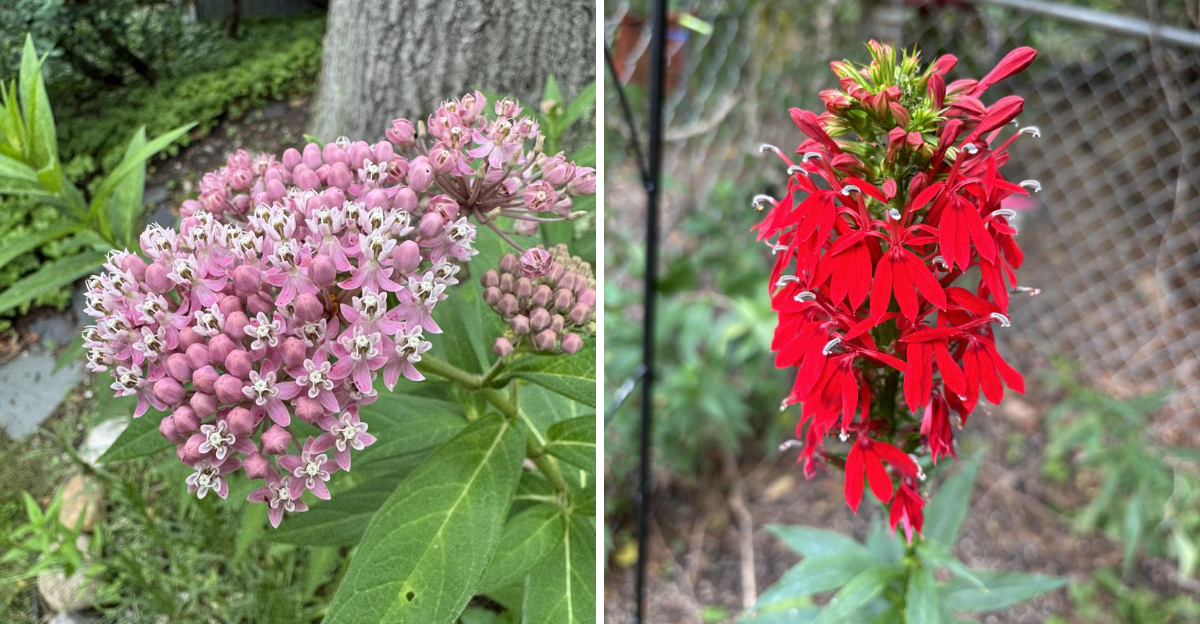
The rose-pink flower clusters appear in midsummer and can continue into early fall. Monarchs use milkweed as a host, and plenty of bees and butterflies visit the blooms.
That is the kind of bonus mulch cannot offer. Mulch holds soil for a while. Swamp milkweed holds soil and turns the splash zone into a small wildlife stop.
Place it where it gets at least 6 hours of sun. Too much shade can lead to weaker stems and fewer flowers.
Keep it slightly away from the downspout outlet. Direct force from roof runoff can bend or break young stems, especially during the first season.
Water new plants regularly until they establish. After that, they can handle moist spells and moderate dry stretches with better balance.
Swamp milkweed goes dormant in winter, so mark the crown before cleanup season starts. A small tag can save you from digging into the wrong spot in spring.
Cut old stems back to a few inches after they fade.
This gives a sunny runoff strip height, color, roots, and pollinator traffic without turning into a pushy thug.
4. Cardinal Flower Brightens Shady Runoff
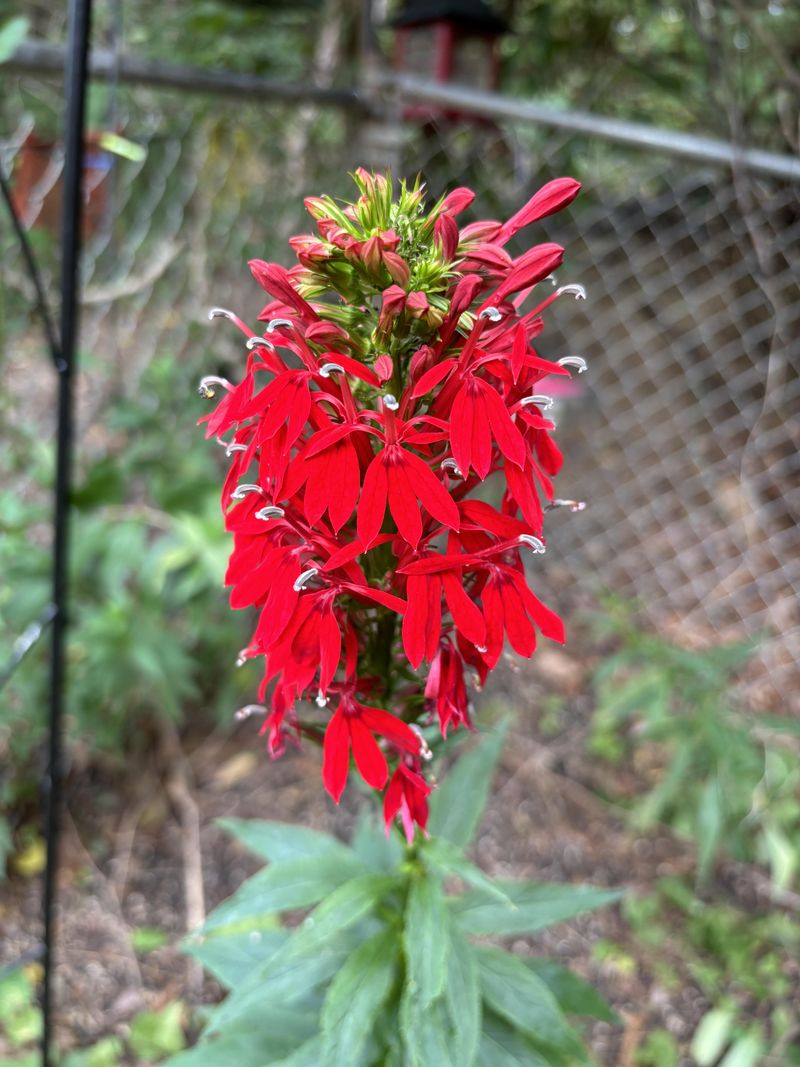
Cardinal flower brings serious color to the damp side of the house.
Those scarlet flower spikes look almost electric in midsummer, especially against dark mulch, wet soil, or shaded foundation beds. Hummingbirds often find them fast, which makes the whole splash zone feel suddenly more exciting.
This native prefers moist to wet soil with partial sun or partial shade. That makes it useful along north- and east-facing downspout areas where runoff lingers but afternoon sun does not bake the bed flat.
Give it steady moisture. Cardinal flower can handle brief wet spells, but the crown should not sit in stagnant water for days.
Drainage still matters, even in a runoff bed. You want damp soil that moves water along, not a sour puddle trapped against the house.
Space plants 12 to 18 inches apart in small groups. A cluster looks stronger than one lonely spike trying to carry the whole scene.
This perennial can be short-lived, so let some seed form. Also protect small offsets around the base, since they help the patch return.
Do not bury the crown under heavy mulch. A light layer of shredded leaves in late fall can protect it, but thick, soggy mulch may invite trouble.
Cardinal flower is perfect for the gardener who wants the gutter zone fixed without giving up beauty.
The water slows. The soil holds. The hummingbirds approve.
5. Cinnamon Fern Covers Cool Wet Ground

Cinnamon fern turns a damp corner into a woodland scene.
It suits cool, shaded splash zones where mulch keeps washing aside and sun-loving flowers look personally offended. In the right spot, this native fern grows broad, layered fronds that soften the foundation and cover bare soil beautifully.
The plant likes moist, acidic soil and performs best away from hot, reflective walls. A north-facing bed, shaded side yard, or damp corner near a downspout can suit it well.
Give it space. Mature cinnamon fern can reach 4 feet or more in good conditions, with fronds that need room to arch naturally.
Do not cram it tight against siding. Airflow still matters near the house, especially in wet areas.
The fibrous root system helps hold soil and reduce splash erosion. It does not stop a broken gutter or a downspout pointed straight at the bed, but it makes a well-managed runoff area much more stable.
Water new transplants during dry stretches in the first season. Once established, the fern handles periodic wetting and short dry spells, though long drought can brown the frond edges.
Let old fronds stay through winter if the bed looks natural enough for your taste. They help protect the crown.
Clear them in early spring before fresh growth unfurls.
Cinnamon fern is not loud. It is lush, calm, and very good at making a problem spot look like design.
6. Soft Rush Slows Fast Moving Water

Soft rush is basically a speed bump with roots.
Its upright green stems form dense clumps that can slow runoff, catch sediment, and interrupt water before it cuts a path through bare soil.
That makes it especially useful just beyond a downspout outlet, where fast water starts spreading across the bed.
This native handles moist to wet soil and can tolerate periodic flooding. It also works in full sun to partial shade, which gives gardeners room to use it on different sides of the house.
Place it at least 2 feet from the foundation and downspout hardware. Dense clumps can trap leaves and debris, and you still need access to clean the outlet.
Use it where water moves past, not where water sits forever. The goal is to slow flow while letting the bed drain.
Soft rush brings strong texture. The round stems stand upright through much of the year and look especially good beside broader leaves from sweetspire, iris, or swamp milkweed.
Divide clumps every few years in early spring if the center starts to thin. Divisions can fill other damp spots instead of buying more plants.
Do not let it block a drain, splash block, or maintenance path.
This plant does quiet infrastructure work in the garden. Not glamorous, maybe, but very effective.
And honestly, a plant that slows stormwater while looking tidy deserves more credit.
7. Switchgrass Holds Soil Beyond The Downspout

Switchgrass belongs just outside the wettest landing zone.
That edge area matters. Water hits near the downspout, then spreads outward and drops sediment as it slows. The soil a few feet away may swing from soaked after storms to dry and hot between rains.
Switchgrass can handle that transition. This native warm-season grass develops deep roots that help hold soil after surface mulch shifts, floats, or breaks down.
Give it full sun. Shade makes stems lean, and a leaning grass is not much help when the goal is structure.
Choose a compact cultivar for tight residential beds. Some switchgrass types can grow tall, and a flopping clump beside the house will not feel like a win.
Plant it beyond the strongest splash zone, where the roots can stabilize the outer edge of runoff. Three-foot spacing gives each clump room to mature without crowding.
The airy late-summer seed heads add movement, especially when storms pass and the whole bed still looks alive instead of beaten down.
Water new plants during the first season. After establishment, switchgrass can handle dry periods and occasional wet soil much better than many ornamental choices.
Cut the clump back in late winter before new growth starts. Leave the stems standing through winter if you like structure and bird cover.
Switchgrass is the anchor for the drier rim of the problem area.
It helps the whole runoff bed fade smoothly back into the rest of the garden.