Lazy Gardening Tricks That Save Time And Still Get Great Results In North Carolina
A few smart shortcuts can help North Carolina gardeners save significant time without sacrificing a productive, attractive garden. Mulching heavily reduces weeding time dramatically while also helping soil retain moisture during hot summer stretches.
Choosing native, low maintenance plants means less watering, fertilizing, and general upkeep compared to fussier ornamental varieties.
Grouping plants with similar water needs together allows for more efficient watering sessions instead of constantly adjusting for different requirements.
Setting up a simple drip irrigation system removes the daily task of manual watering altogether. Leaving some fallen leaves in garden beds naturally improves soil while cutting down on cleanup time.
Skipping unnecessary pruning on plants that don’t require it saves both time and reduces stress on the plants themselves. Planting perennials instead of annuals reduces the yearly replanting effort many gardeners take on unnecessarily.
These small adjustments add up to noticeably less work without compromising a beautiful, thriving garden.
1. Check Your Planting Zone Before You Buy
Picture this: you spend money on a beautiful flowering shrub, bring it home with excitement, plant it carefully, and then watch it struggle all winter long because it was never meant to survive your climate.
That one simple mistake costs time, money, and energy that could have been saved with a two-minute check before buying.
North Carolina spans multiple USDA hardiness zones, from Zone 5b in the mountains to Zone 8b along the coast, so knowing your exact zone matters more than most gardeners realize.
Your zone tells you which plants can handle the coldest temperatures in your area during winter. A perennial that thrives in Wilmington might completely fail in Asheville.
Before you buy anything, look up your zip code on the USDA Plant Hardiness Zone Map online. It is free, fast, and genuinely useful.
Once you know your zone, shopping for plants becomes much easier because you can immediately filter out options that will not survive.
Beyond your zone, check three more things before any plant goes into your cart: sunlight, soil type, and drainage. A shade-loving plant placed in full afternoon sun will struggle no matter how well you water it.
Sandy coastal soil drains fast, while clay soil in the Piedmont holds water and can suffocate roots. Matching your plant choices to what your yard actually offers, rather than what you wish it offered, is the single biggest time-saver in gardening.
You spend far less effort fixing problems when you avoid creating them in the first place.
2. Take A Quick Walk Through The Garden
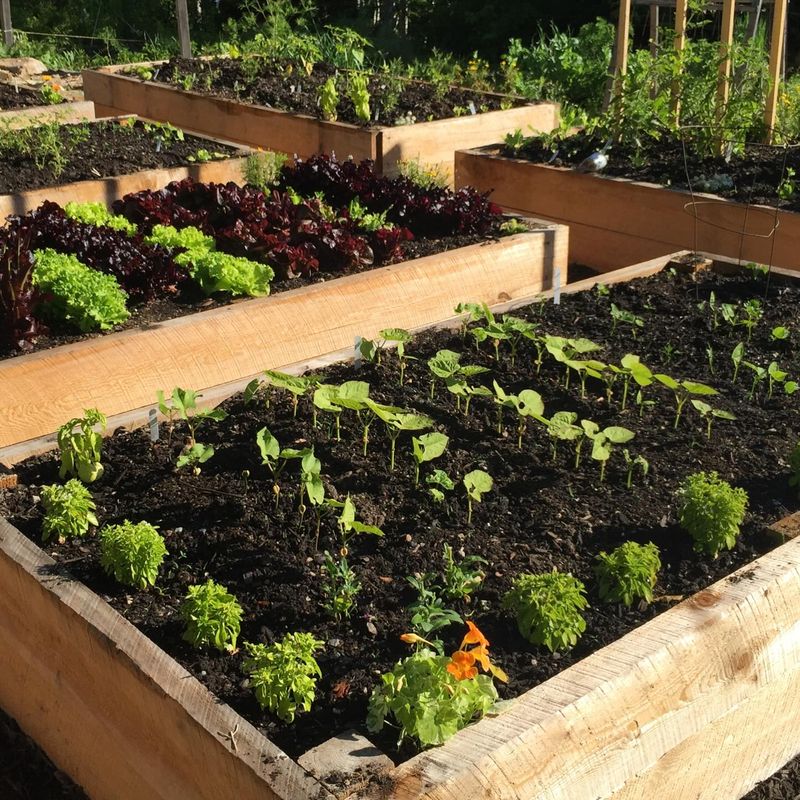
Most garden problems start small. A single weed seedling, a handful of aphids on one stem, a leaf with a strange yellow spot.
When you catch these things early, fixing them takes about thirty seconds. When you miss them for three weeks, they can turn into a real headache that demands hours of your time.
The good news is that one short walk through your garden each week is all it takes to stay on top of everything before it gets out of hand.
Your North Carolina Garden Changes Every Week. Your Plan Should Too.
Gardening in North Carolina changes quickly throughout the season. Every Friday you’ll receive a simple weekly plan showing exactly what to plant, prune, fertilize, harvest, and protect so you never miss the right timing.
Think of your weekly garden walk as a casual check-in rather than a chore. Bring a small bucket or bag with you so you can pull any tiny weeds you spot along the way.
Walk slowly and actually look at your plants, not just a quick glance from the porch. Flip a few leaves over, check the soil surface, and notice if anything looks wilted, chewed, or off-color.
You will be amazed at how much you notice when you slow down for just ten minutes. Catching pests early is especially valuable in North Carolina, where warm and humid summers create ideal conditions for insects and fungal issues.
Spotting a small group of caterpillars before they multiply means you can remove them by hand right then and there.
Noticing a drainage problem after a rain means you can fix it before it causes root issues. Your garden walk is the laziest and most effective maintenance habit you can build, and it costs you nothing but a few minutes of your time each week.
3. Mulch Now And Weed Less Later
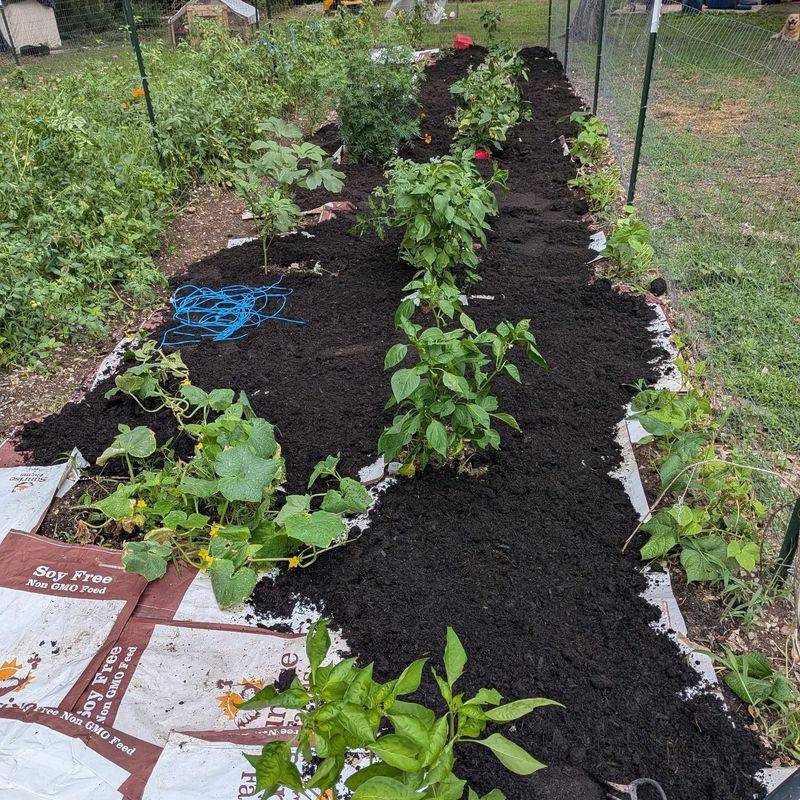
Few gardening habits pay off as generously as a good layer of mulch. Spread it once, and it quietly works for months, suppressing weeds, holding moisture in the soil, and slowly breaking down to improve your garden beds over time.
For North Carolina gardeners dealing with hot summers and dry spells, mulch is practically a necessity rather than just a nice touch. It keeps the soil cooler during summer heat and helps roots stay hydrated between watering sessions.
The key is getting the depth right. A layer that is too thin barely helps, while too much can suffocate plant roots and encourage rot.
Aim for two to three inches of organic mulch, like shredded hardwood, pine straw, or wood chips, around your plants.
Pine straw is especially popular in North Carolina because it is affordable, locally available, and works beautifully in both vegetable gardens and flower beds.
Keep mulch pulled back slightly from plant stems so moisture does not collect right at the base.
The weed suppression benefit alone makes mulching one of the most time-saving tricks in this entire list. Weed seeds need light to sprout, and a proper mulch layer blocks that light effectively.
You will still see a few weeds pop up now and then, especially near the edges of beds, but they will be far fewer and much easier to pull when they do appear. Refreshing your mulch once or twice a year is all the upkeep it needs.
That small investment of time upfront saves you from pulling weeds every single weekend all season long.
4. Soak The Soil Instead Of Watering Every Day
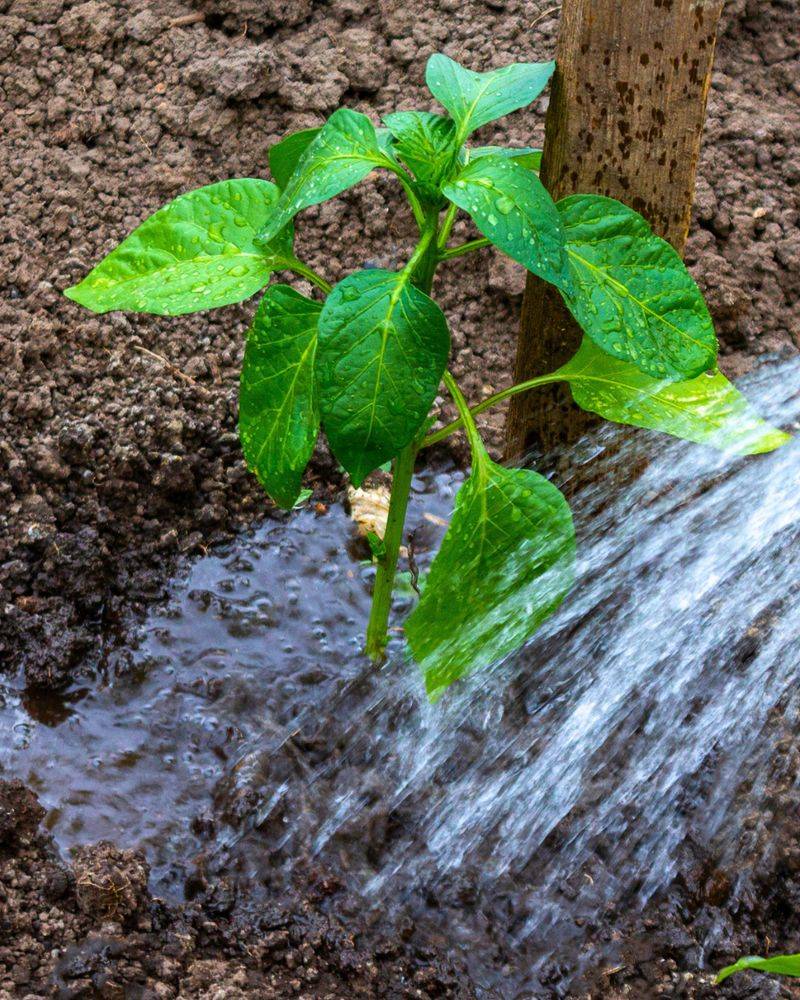
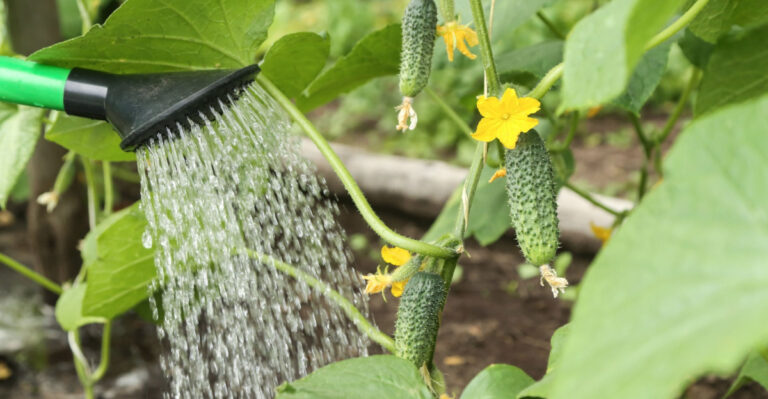
Watering every single day sounds responsible, but for most established garden plants, it is actually doing more harm than good. Frequent shallow watering trains roots to stay near the soil surface where they are more vulnerable to heat and dry spells.
Deep, thorough watering done less often encourages roots to grow downward into cooler, more stable soil, which makes plants stronger and more resilient over time. It also saves you a significant amount of time each week.
Before you reach for the hose, check the soil first. Push your finger about two inches into the ground near your plant.
If it feels moist, skip watering that day. If it feels dry, water slowly and deeply until the moisture reaches several inches down into the root zone.
A soaker hose or drip irrigation system makes this incredibly easy by delivering water directly to the soil at a slow rate, which reduces runoff and gives the ground time to absorb it properly.
North Carolina summers can be intense, but even during hot stretches, most established plants need watering only two or three times per week at most.
Newly planted seedlings and containers need more frequent attention, but once plants are settled in, backing off the watering schedule is perfectly fine.
Morning is the best time to water because it gives foliage a chance to dry out during the day, which reduces the risk of fungal problems that are common in humid North Carolina summers.
Watering smarter rather than more often is a genuine game-changer for your schedule and your garden health.
5. Put The Right Plant In The Right Place
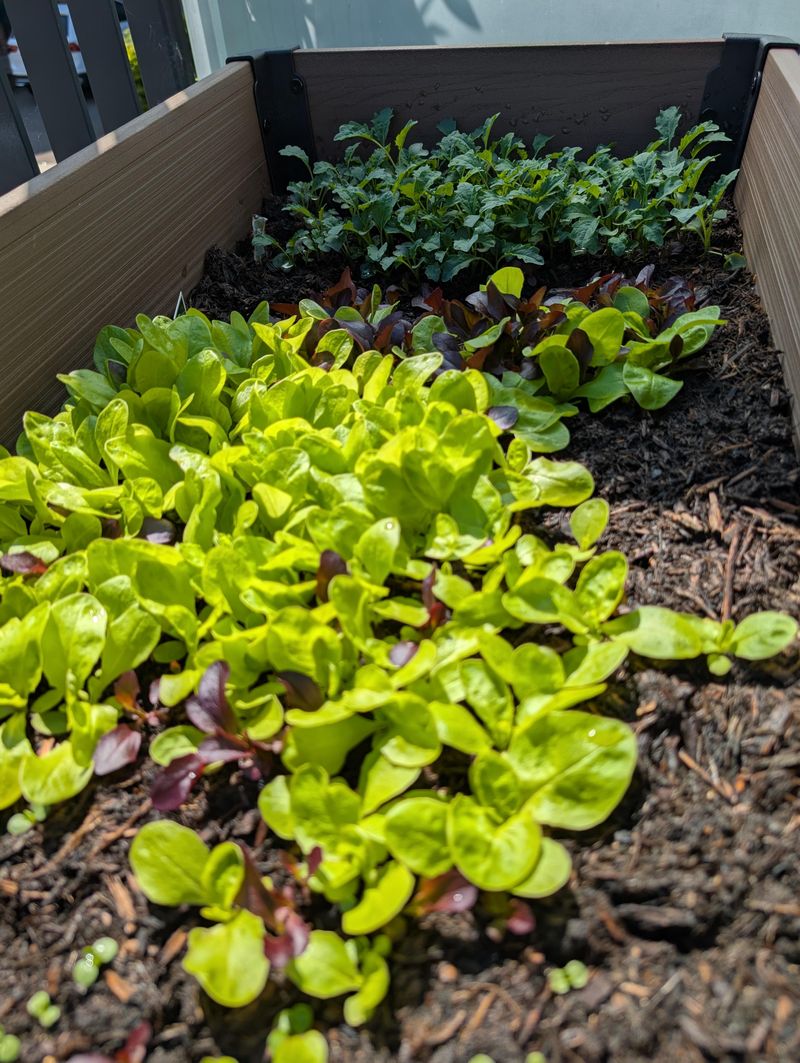
There is a classic gardening saying that gets repeated because it is genuinely true: right plant, right place. When a plant is matched well to its environment, it practically takes care of itself.
It grows at a healthy pace, resists pests, handles the local weather, and requires almost no extra attention from you.
When a plant is placed somewhere it does not naturally belong, you end up spending endless time watering, feeding, treating, and worrying about it, often with disappointing results anyway.
Start by honestly observing your yard before you plant anything new. Which spots get full sun all day?
Where does shade fall in the afternoon? Does water pool anywhere after a heavy rain, or does one area drain especially fast?
North Carolina yards vary enormously depending on whether you are in the mountains, the Piedmont, or the coastal plain, and each microclimate within your own yard matters just as much.
Taking notes over a few weeks gives you a clear picture of what each spot can actually support. Native plants are a wonderful option for low-effort gardening in North Carolina because they are already adapted to local conditions.
Options like beautyberry, native azaleas, switchgrass, and coneflowers thrive without much fussing because this is already their home territory.
Choosing plants suited to your specific light, soil, and moisture conditions means you spend your energy enjoying your garden rather than rescuing struggling plants.
Fewer replacements, fewer treatments, and fewer headaches add up to a whole lot more free time on weekends, which is exactly the goal of smart, low-effort gardening.
6. Test The Soil Before Adding Fertilizer
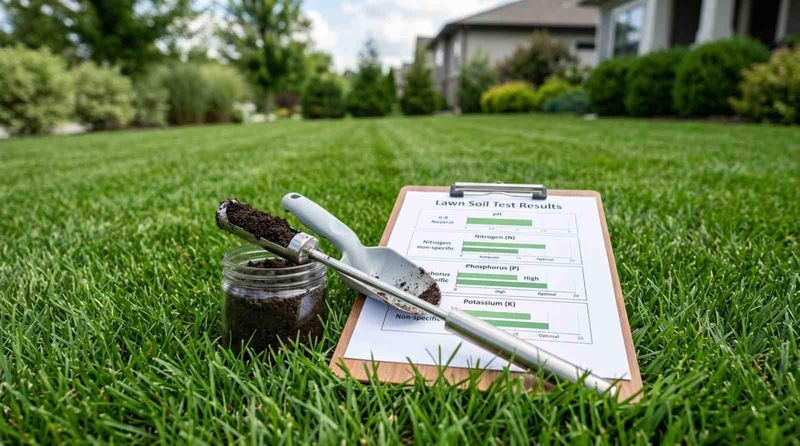
Adding fertilizer without knowing what your soil actually needs is a bit like taking medicine without knowing what is wrong. You might get lucky, but you might also make things worse while wasting money in the process.
Soil testing takes the guesswork completely out of fertilizing and tells you exactly what your garden needs, and just as importantly, what it does not need. For North Carolina gardeners, the state makes this incredibly easy and surprisingly affordable.
The North Carolina Department of Agriculture and Consumer Services offers soil testing through your local Cooperative Extension office for a very low fee, and sometimes even free during certain times of year.
You collect a small sample of soil from your garden, send it in, and receive a detailed report showing your soil pH, nutrient levels, and specific recommendations for your plants.
The report tells you exactly how much lime, nitrogen, phosphorus, or potassium to add, if any. Following those recommendations means you fertilize with precision rather than guessing.
Many North Carolina soils, especially in the Piedmont, tend to be acidic and low in certain nutrients, while others may already have more than enough of what you are tempted to add.
Over-fertilizing can actually harm plants, burn roots, and contribute to runoff that affects local waterways.
Testing once every two to three years keeps you informed without much effort. You save money by buying only what your garden truly needs, and your plants respond better because they are getting exactly the right support.
Soil testing is one of the smartest, laziest, and most effective habits any North Carolina gardener can adopt.
7. Pull Weeds While They Are Small
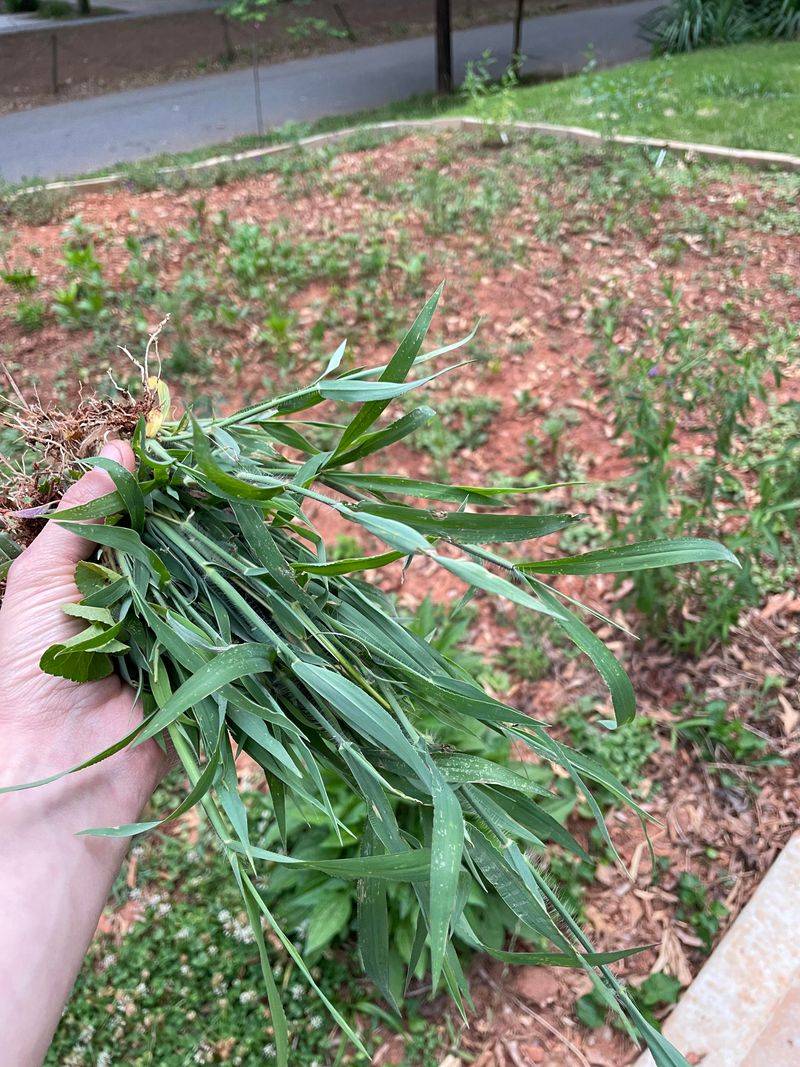
Young weeds are almost embarrassingly easy to remove. A tiny seedling with shallow roots comes right out with a gentle tug, especially when the soil is slightly moist from recent rain or watering.
That same weed left alone for a few more weeks develops a deep root system, spreads dozens of seeds, and suddenly becomes a serious project that takes real effort to manage.
Catching weeds while they are still small is one of the most satisfying and time-efficient habits in gardening.
Your weekly garden walk is the perfect opportunity to handle this. While you are already moving through the beds checking on your plants, pull any tiny weeds you spot along the way.
You do not need to set aside a separate weeding session if you stay consistent with this habit. Most weeks you will only find a handful of small ones, and removing them takes less than five minutes total.
The key is not letting them get comfortable enough to flower and set seed.
Timing matters more than most people expect. After a light rain or a morning watering session, soil loosens up and weed roots release much more easily.
Pulling weeds from dry, hard soil takes more effort and often leaves roots behind, which means the weed simply grows back. Keeping a hand weeder or a simple garden fork in your pocket during your weekly walk makes the process even faster.
North Carolina’s warm growing season means weeds can move quickly from seedling to seed-spreader, so staying ahead of them with regular small efforts is always easier than facing a major overgrowth later in the season.