The Lawn Mowing Mistake California Homeowners Should Avoid During Extreme Heat
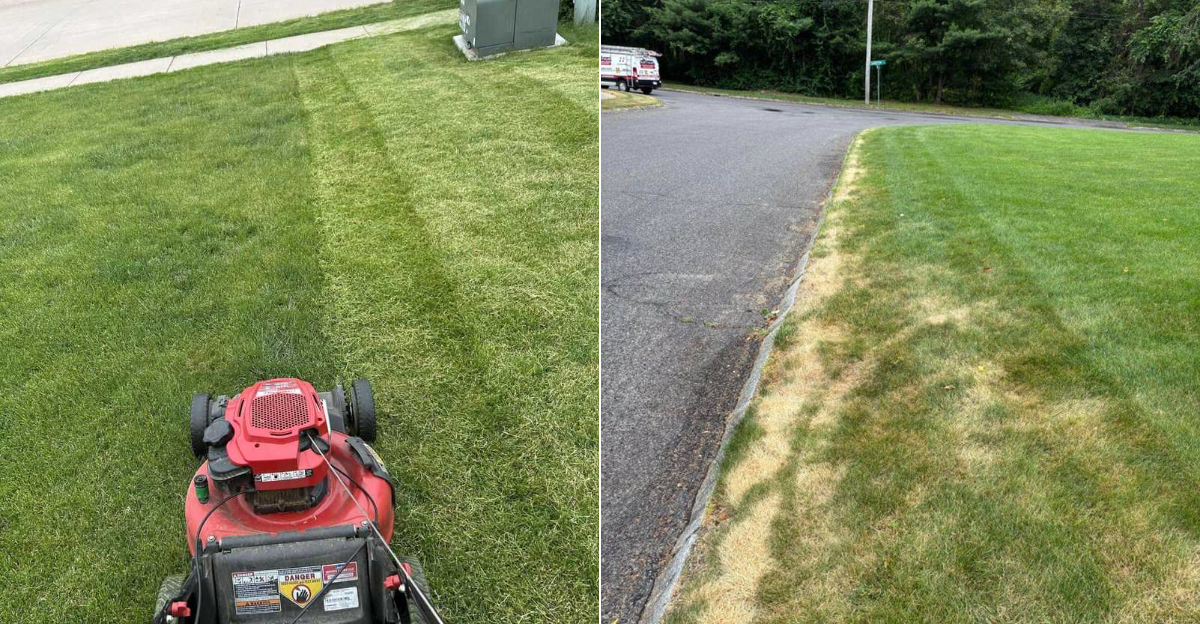
A freshly cut lawn can look satisfying, but mowing during a California heat wave can quickly turn that tidy habit into extra stress for your grass.
When temperatures spike, lawns already struggle to hold moisture, protect their roots, and recover from everyday wear.
One common mowing choice makes that job much harder, leaving the soil more exposed and the blades more vulnerable to scorching. The damage may not show up right away.
A lawn can look fine after mowing, then fade, brown, or thin out several days later as the heat continues.
Homeowners often respond with more water, but irrigation alone may not fix stress caused by the wrong cutting approach.
Timing, blade condition, and how much grass is removed all matter when the forecast stays brutally hot.
Before starting the mower, it helps to know which familiar habit can weaken your lawn just when it needs the most protection.
1. Mowing While The Grass Is Already Heat-Stressed
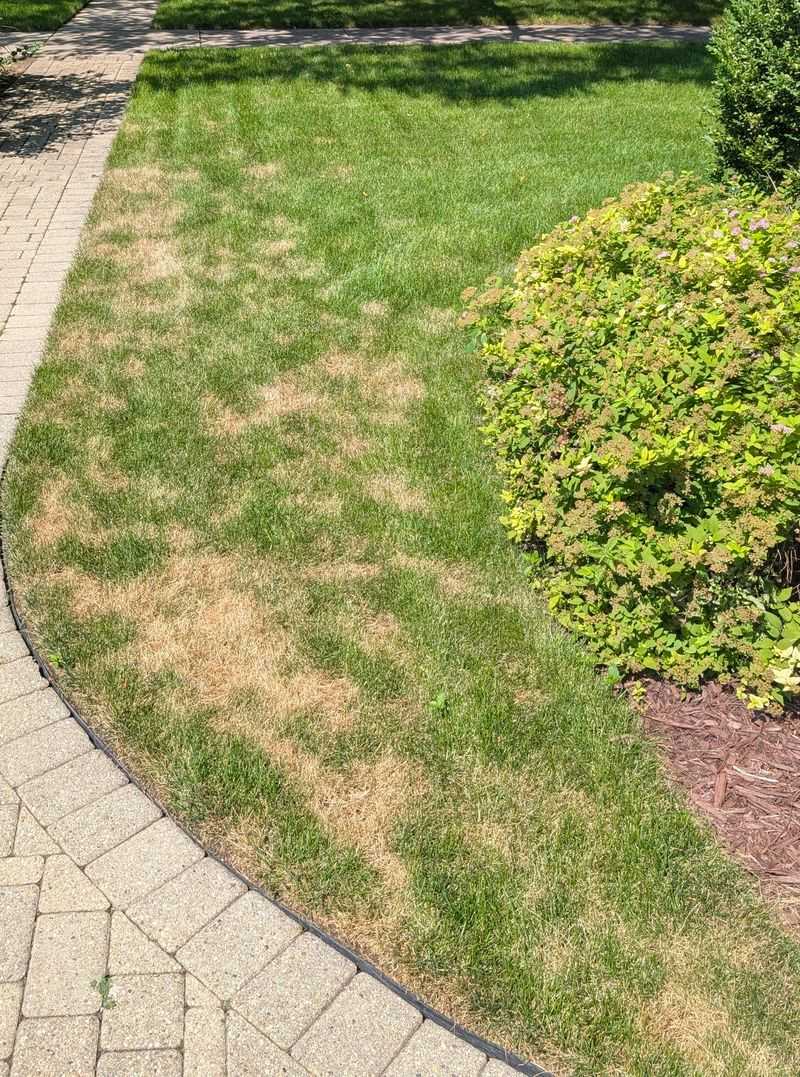
Heat-stressed grass is already fighting to survive. When the temperature spikes and your lawn starts looking dull, bluish-gray, or slightly curled, those are warning signs that your grass is struggling.
Mowing it at that moment is like kicking someone when they are down. Grass under heat stress has already slowed its growth. Its energy is focused on keeping roots alive, not recovering from a fresh cut.
Running a mower over stressed turf adds physical damage on top of the heat damage already happening.
The cut ends dry out fast, and the grass cannot heal the way it normally would in cooler weather.
Warm-season grasses like Bermuda and Zoysia handle heat better than cool-season types like fescue. But even tough grasses hit a wall when heat is extreme.
You can test if your lawn is stressed by walking across it. If your footprints stay visible for more than a few seconds, the grass is too stressed to bounce back easily.
Wait for a cooler morning or hold off mowing until temperatures drop. If your lawn looks rough and the forecast shows no relief, skip the mow for a week.
Letting it rest is far better than forcing a cut it cannot handle. Your grass will thank you once the heat breaks and it starts growing again.
2. Cutting The Lawn Way Too Short
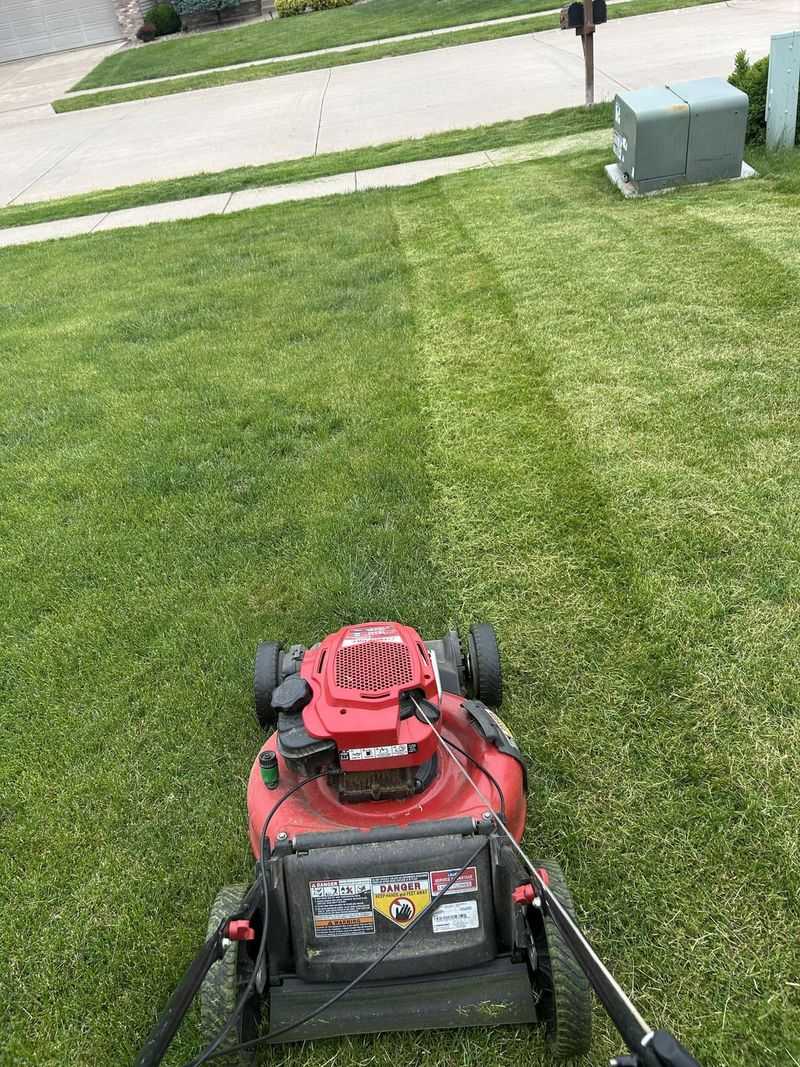
Cutting grass too short during a heat wave is one of the fastest ways to wreck a lawn. Many people think shorter grass means less mowing.
That logic makes sense in spring, but during extreme heat, it backfires badly.
Short grass has less leaf surface to absorb sunlight and produce food through photosynthesis.
When you cut too low, the plant loses its ability to feed itself at a time when it needs every bit of energy to cope with the heat.
The roots suffer most because they depend on the blades above to generate nutrients.
A good rule of thumb is to never remove more than one-third of the grass blade in a single mow.
For most lawns in California, that means keeping your mowing height between 3 and 4 inches during summer.
Your California Garden Changes Every Week. Your Plan Should Too.
Gardening in California changes quickly throughout the season. Every Friday you’ll receive a simple weekly plan showing exactly what to plant, prune, fertilize, harvest, and protect so you never miss the right timing.
Bermuda grass can handle a slightly lower cut, but even it should not be scalped during a heat wave.
Raising your mower deck is a simple fix that makes a big difference. Most mowers have easy height adjustments you can make in seconds.
Set it higher before summer arrives and leave it there until fall. Taller grass shades the soil, holds moisture longer, and stays healthier under pressure.
A few extra inches of grass height could be the difference between a green lawn and a crispy one by August.
3. Scalping Away Its Natural Sun Protection
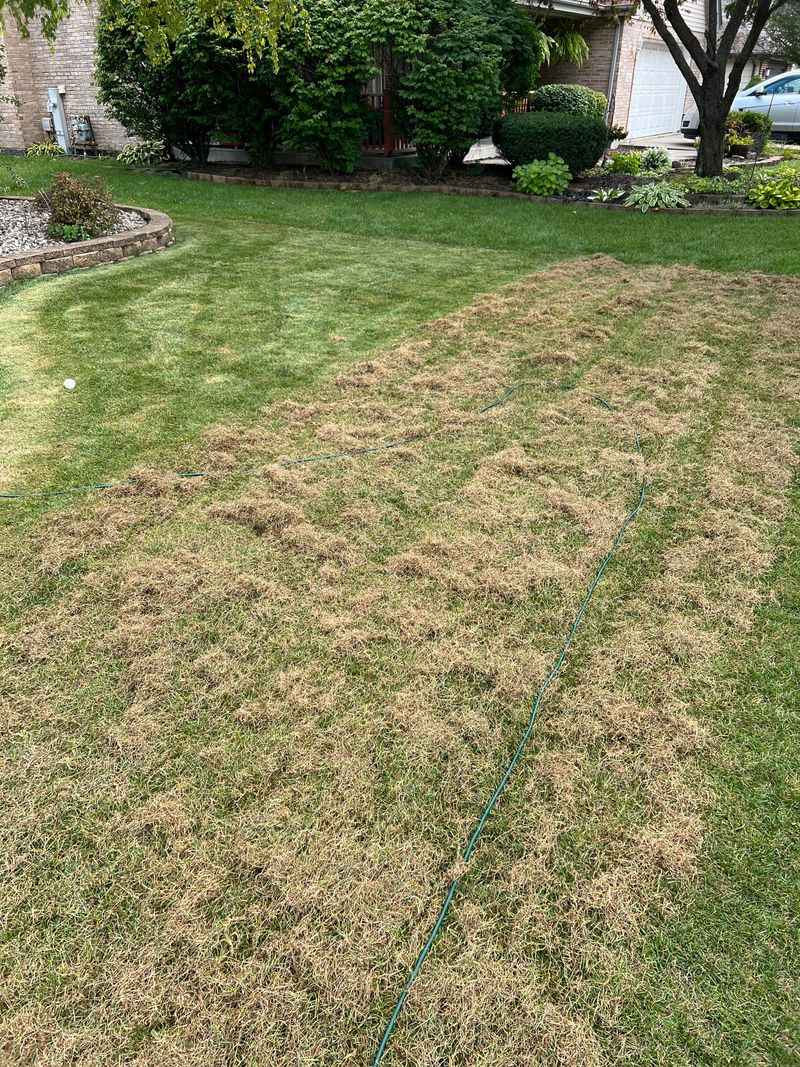
Scalping a lawn means cutting it so low that you expose the brown, woody base of the grass stems.
It strips away the green canopy that the grass uses to shade itself and protect the soil below. During a heat wave, that canopy is critical.
Grass blades act like tiny umbrellas. They block direct sunlight from hitting the soil surface, which keeps ground temperatures lower and slows moisture evaporation.
When you scalp the lawn, you remove that protection entirely. Soil temperatures can spike dramatically when exposed to direct sun, and roots sitting in superheated soil have a very hard time staying healthy.
In cooler months, some homeowners scalp their Bermuda lawns in early spring to remove damaged thatch and encourage new growth. That practice has its place, but it should never happen during summer heat.
Timing matters enormously when it comes to aggressive mowing techniques.
If you accidentally scalp a section of your lawn during a hot spell, water that area more frequently to help cool the soil. Avoid foot traffic on scalped patches.
Give the grass time to regrow its canopy before mowing again. Northern California tend to see more cool-season grasses that are especially vulnerable to scalping damage in summer.
Protect those lawns by keeping mower blades raised and mowing less frequently when the heat is at its worst.
4. Mowing During The Hottest Part Of The Day
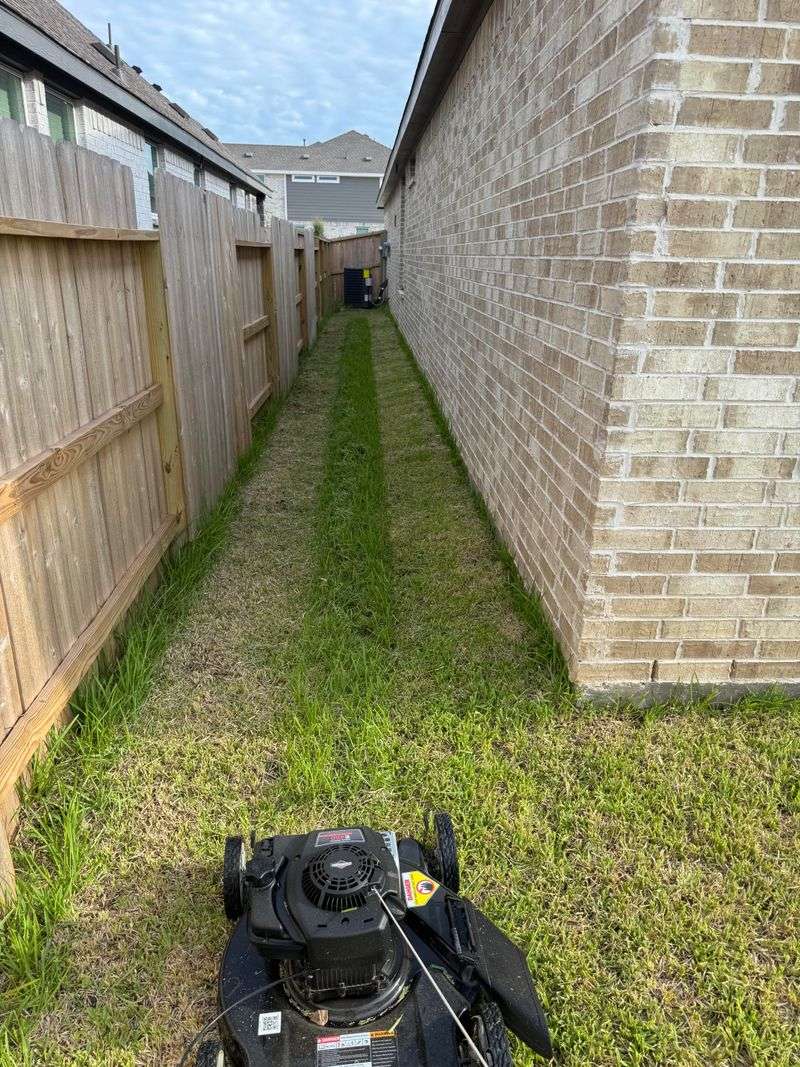
Noon to 3 p.m. is the worst possible window to mow your lawn during a heat wave. The sun is at its strongest, air temperatures are at their peak, and the soil is already baking.
Putting your mower to work during those hours stresses both you and your grass.
Freshly cut grass loses moisture through the exposed cut ends. In the middle of a hot afternoon, that moisture evaporates almost instantly.
The grass cannot replace lost water fast enough when temperatures are extreme and the sun is beating down directly overhead. The result is rapid wilting and browning along the cut edges.
Early morning is the best time to mow during summer. The air is cooler, the soil has had time to absorb overnight moisture, and the grass is more resilient.
Aim for before 10 a.m. if possible. Evening mowing is the second-best option, though cutting grass too late can leave it damp overnight, which sometimes encourages fungal growth.
Southern California summer afternoons regularly push past 100 degrees. Mowing in that heat is not just bad for the lawn, it is also risky for the person doing the mowing.
Protect yourself and your yard by shifting your mowing schedule to cooler hours. A simple time change in your routine can prevent a lot of damage to your grass over a long, hot summer.
5. Sending Freshly Cut Grass Into Survival Mode
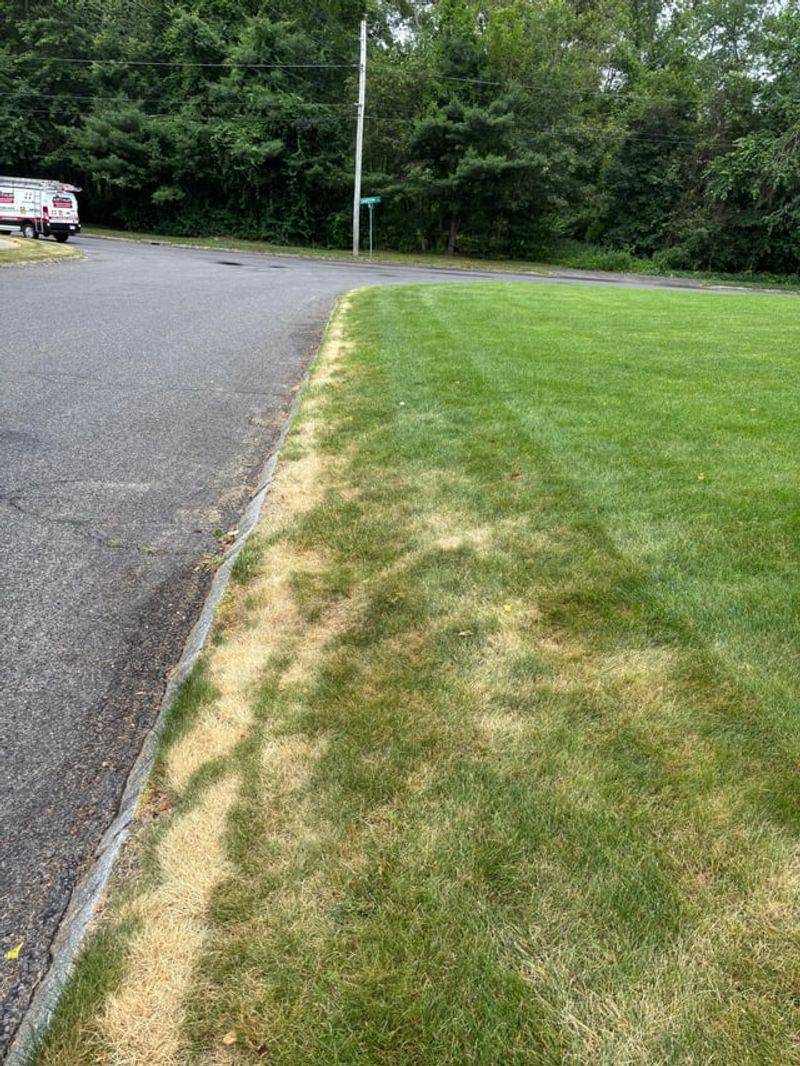
Every time you mow, you are wounding the grass. That is not a bad thing under normal conditions.
Grass is designed to recover from regular cutting. But during extreme heat, that recovery process gets interrupted in a serious way.
Right after mowing, the cut ends of each grass blade are open and vulnerable. Moisture escapes through those open tips quickly.
Under normal temperatures, the grass seals those cuts and bounces back within a day or two. During a heat wave, the sealing process slows down because the plant is already under stress.
It cannot repair itself as fast as it loses water.
When grass stays in that stressed, open-wound state for too long, it shifts resources away from growth and toward basic survival. Roots stop expanding.
Blade production slows. The lawn starts to look thin and patchy even if you are watering regularly.
That survival mode can last well beyond the heat wave if the lawn was pushed too hard during the worst of the heat.
One smart move is to water lightly after mowing during hot weather. Do not drench the lawn, but a short watering session within a few hours of mowing helps the grass recover faster.
It cools the soil slightly and gives the roots a small boost. Keeping the lawn in recovery mode as short as possible protects its overall health through the rest of the summer season.
6. Leaving Roots Exposed To Baking Soil
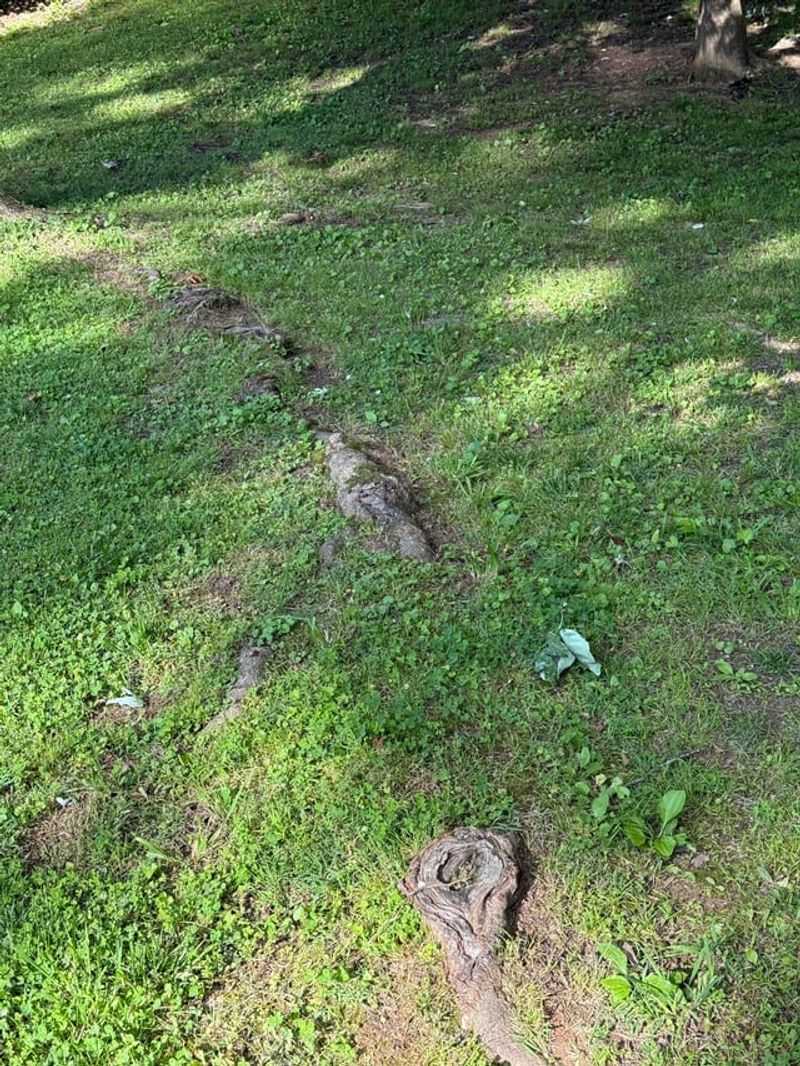
Grass roots are sensitive. They need moisture, moderate temperatures, and some protection from direct heat to stay healthy.
When mowing removes too much of the grass canopy, roots lose their shade cover and sit in soil that can reach scorching temperatures on a hot summer day.
Research has shown that soil temperatures just below the surface can climb 20 to 30 degrees higher than air temperature when exposed to direct sunlight. That kind of heat damages root cells and slows water absorption.
Roots that are struggling to absorb water cannot support healthy grass blades above ground, no matter how much you irrigate.
Keeping grass at a taller height during summer is the most effective way to protect roots from heat. Longer blades cast shade over the soil surface, which keeps ground temperatures significantly cooler.
That shading effect also slows evaporation, meaning your lawn stays moist longer between watering sessions.
Mulching grass clippings back into the lawn adds another layer of protection. Instead of bagging clippings, let your mower spread them across the surface.
They act like a thin layer of mulch, shading the soil and returning small amounts of nitrogen back to the roots.
In the dry, hot valleys of California, this simple habit can make a noticeable difference in how well a lawn holds up through the peak of summer heat without requiring extra irrigation.
7. Why Taller Grass Handles Heat Better
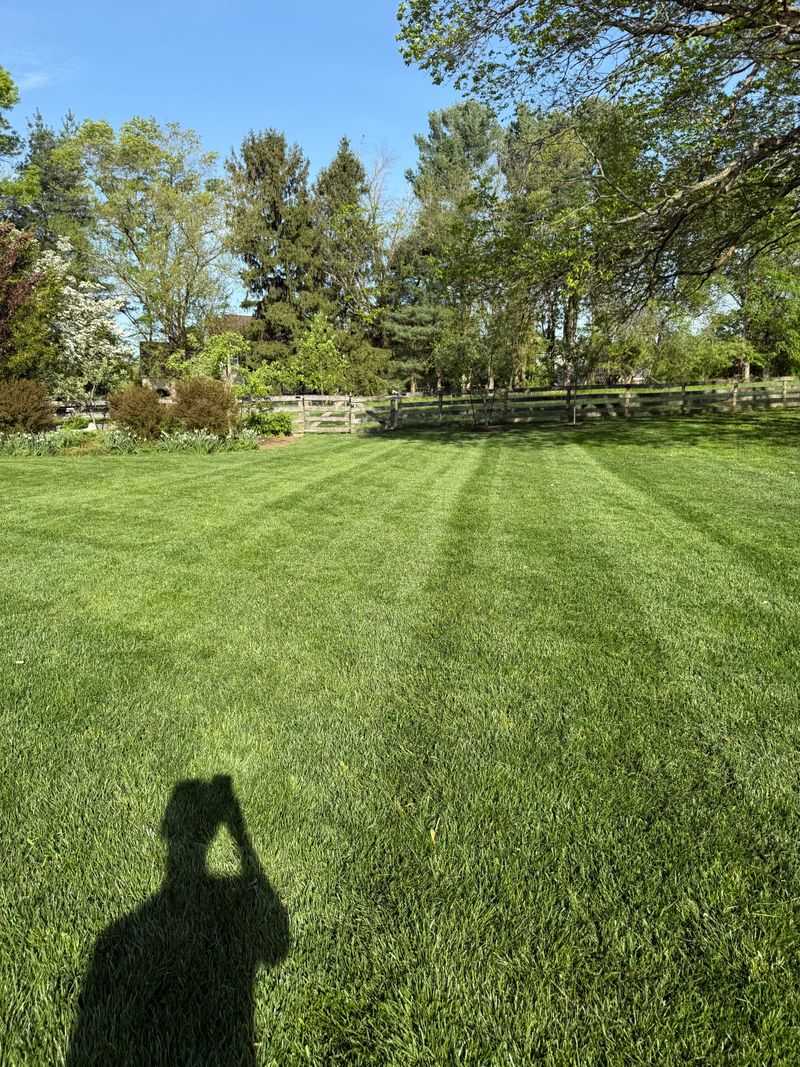
There is a reason lawn care experts consistently recommend raising your mower deck in summer. Taller grass is simply better equipped to handle heat.
It is not just a preference, it is backed by how grass biology actually works under stress.
Longer blades have more surface area to capture sunlight and produce food for the plant. More food means more energy available to cope with heat and drought.
Taller grass also shades its own root zone, keeping soil temperatures lower and reducing how much water evaporates between waterings. That means your irrigation efforts go further when grass is kept at the right height.
Most lawn care professionals recommend keeping grass between 3.5 and 4.5 inches tall during peak summer months in warm climates.
That range gives the lawn enough height to self-shade without getting so long that it becomes a habitat for pests or disease.
It is a sweet spot that balances protection with manageability.
Homeowners in the Central Valley and other hot inland areas of our state should be especially consistent about maintaining taller grass heights. Those regions see some of the most intense summer heat, and lawns there are under pressure for months at a time.
Raising the deck is a free, easy adjustment that requires zero extra products or tools. It is one of the highest-impact changes you can make to protect your lawn all summer long.
8. Dull Blades Making Heat Damage Even Worse
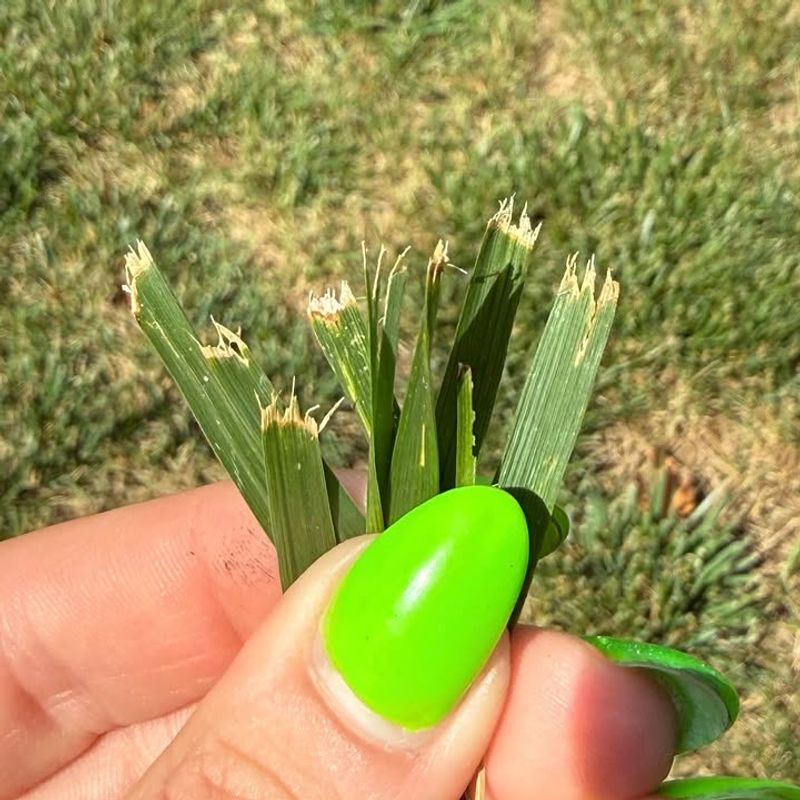
A sharp mower blade cuts grass cleanly. A dull blade tears it.
That difference might not seem like a big deal, but during a heat wave, torn grass blades are a serious problem that most homeowners overlook entirely.
When grass is torn rather than cut cleanly, the damage to each blade is much greater. The ragged edges lose moisture faster and take longer to heal.
Under normal temperatures, the grass can manage that extra stress. During extreme heat, it cannot.
Torn grass tips turn brown quickly, and that browning spreads down the blade if conditions stay hot and dry for several days.
Dull blades also put more strain on the grass plant overall. The mower has to work harder, and the grass gets yanked and pulled rather than sliced.
That mechanical stress on top of heat stress is a combination that weakens lawns fast. You might notice your lawn looks brown and ragged shortly after mowing even when you water consistently.
Sharpening your mower blade at least once per season is a basic maintenance step that pays off big. Many hardware stores offer blade sharpening services for a small fee.
You can also sharpen blades at home with the right tools. Before summer heat peaks, check your blade and replace or sharpen it if needed.
A clean cut heals faster, retains more moisture, and keeps your lawn looking its best even through the toughest weeks of the year.