The Ohio HOA Rule Most Homeowners Don’t Know About Native Plant Front Yards
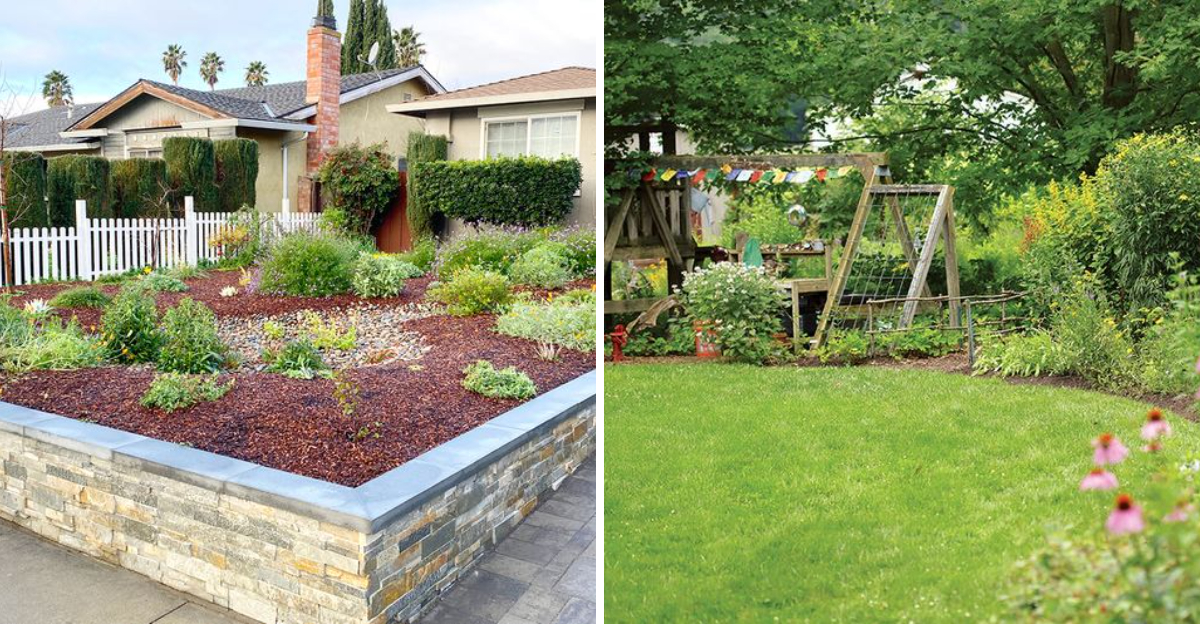
Ohio HOAs and native plant front yards have been at odds for long enough that most homeowners assume the HOA always wins. A violation notice arrives, the plants come out, and the conversation ends there.
That assumption is increasingly wrong, and Ohio law has something specific to say about it. Ohio passed legislation that limits what HOAs can prohibit when it comes to certain sustainable and native landscaping practices.
The details matter, the exceptions exist, and the homeowners who know the rule are having very different conversations with their HOA boards than the ones who do not.
A native plant front yard that triggers a violation letter is not automatically a battle lost.
It may be a battle the HOA was never legally positioned to win in the first place. Knowing where law currently stands on this changes how the next violation notice gets read and what happens after it arrives.
1. Native Plants Do Not Automatically Override HOA Rules
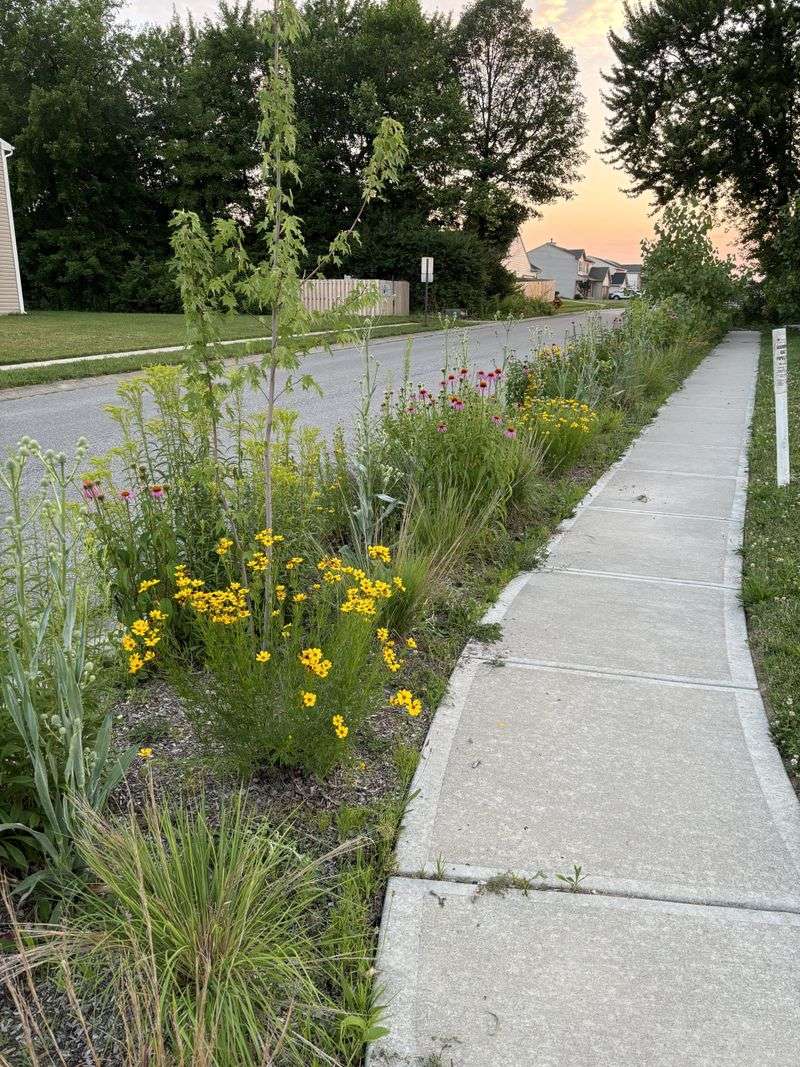
A carefully designed bed of coneflowers and native sedges can still draw an objection from a planned-community association. A plant’s native status does not automatically cancel a recorded landscaping restriction.
No blanket statewide exemption exists under current Ohio law that would give every homeowner the unrestricted right to replace a conventional lawn with native plantings.
An association may have enforceable standards addressing turf coverage, plant height, bed boundaries, and approved landscape plans. It may also cover maintenance, sight lines, architectural review, and changes visible from the street.
Not every community uses all of these restrictions. The specific declaration and any validly adopted rules control the analysis for each property.
The procedural protection worth understanding involves the enforcement assessment process. Before a planned-community board may impose an enforcement assessment, current law generally requires that specific written notice be provided to the owner.
That process does not prevent the board from requesting compliance. Preserve any notice you receive, photograph the planting from the street, and gather the current governing documents before taking further action.
Different documents and procedures may apply at different stages of enforcement. A courtesy reminder, a formal violation notice, a proposed assessment, and a lawsuit each represent different steps with different requirements.
2. Read The Recorded Covenants Before Replacing Your Lawn
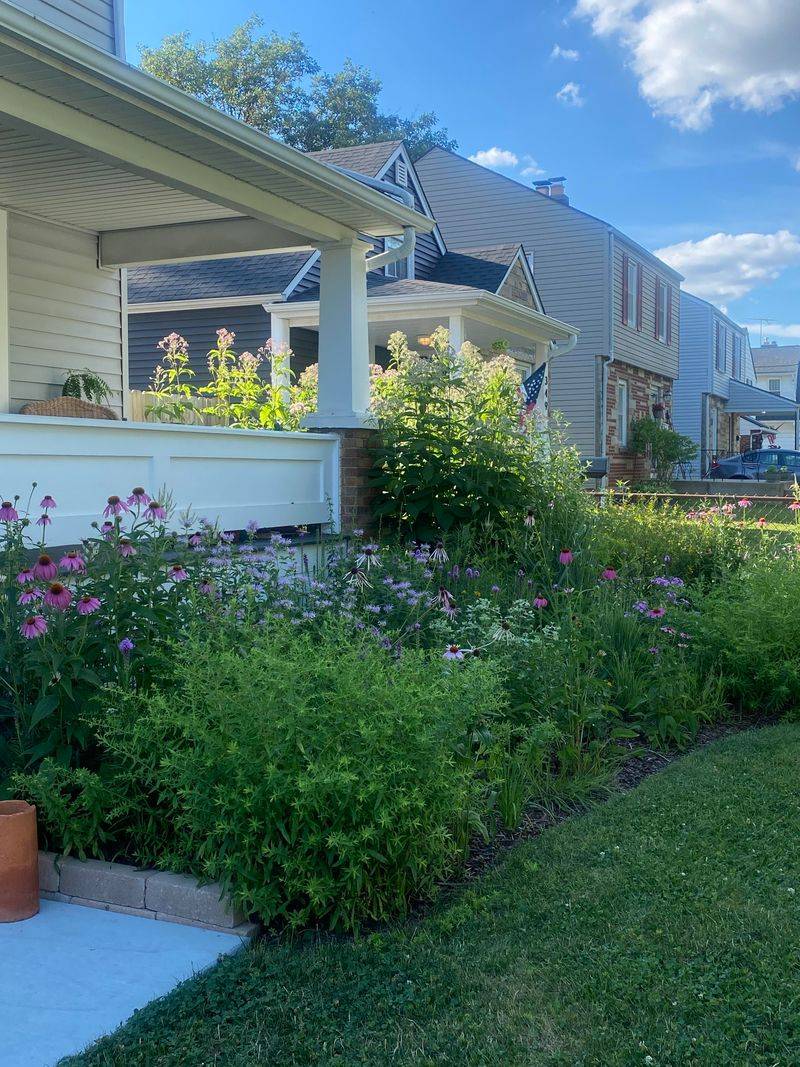
That thick closing packet sitting in a filing cabinet, or the folder of PDFs downloaded from a homeowner portal and never opened, deserves attention. Give it a careful review before any turf is removed.
The recorded declaration is the starting point for understanding what a planned community’s association can and cannot require. Amendments to the declaration may change older rules, so checking amendment dates and recording information matters.
The declaration may contain clauses addressing lawn requirements, minimum turf percentages, landscaping approval procedures, and planting-bed boundaries.
It may also cover height limits, maintenance standards, prohibited materials, and architectural-review requirements.
Not every declaration includes all of these, but any one of them could affect a front-yard conversion. The declaration may also grant the board authority to adopt more detailed rules, though a later rule generally cannot contradict the declaration itself.
Your Ohio Garden Changes Every Week. Your Plan Should Too.
Gardening in Ohio changes quickly throughout the season. Every Friday you’ll receive a simple weekly plan showing exactly what to plant, prune, fertilize, harvest, and protect so you never miss the right timing.
Preapproval may be required even when the selected species are native to the region. Silence from the board does not count as approval unless the governing documents say so.
Submit a scaled plan, plant list, mature heights, edging details, and a maintenance approach when an application is required.
Keep written copies of submitted plans and any approvals received, because informal copies from neighbors or online forums may be incomplete or outdated.
3. Make The Board Identify The Exact Landscaping Rule

A violation letter that uses a phrase like “unacceptable landscaping” without quoting any specific standard is a problem. It leaves a homeowner without enough information to respond accurately.
Asking for clarification is different from refusing to cooperate. A calm, written response requesting specific details is a reasonable and practical step.
Consider requesting the exact declaration provision, the bylaw or rule section, and the alleged condition.
Also ask for the date it was observed, the proposed correction, any relevant approval record, the amount of any proposed assessment, and the closing date for responding.
Not every item on that list is legally required to appear in a notice. But knowing which items are required under current law helps separate legally necessary information from simply useful information.
Vague terms can matter in a dispute. Words like “weeds,” “overgrown,” “unmaintained,” or “meadow” may be interpreted differently depending on the governing document or local ordinance.
A native plant can still fall within a definition of prohibited vegetation if the applicable document uses a broad term. Document intentional features such as edging, clear paths, plant labels, maintained sight lines, and removed unwanted growth.
The discussion should stay tied to the actual text of the rule rather than personal taste or general preferences about landscaping style.
4. Confirm The Rule Covers Your Private Front Yard
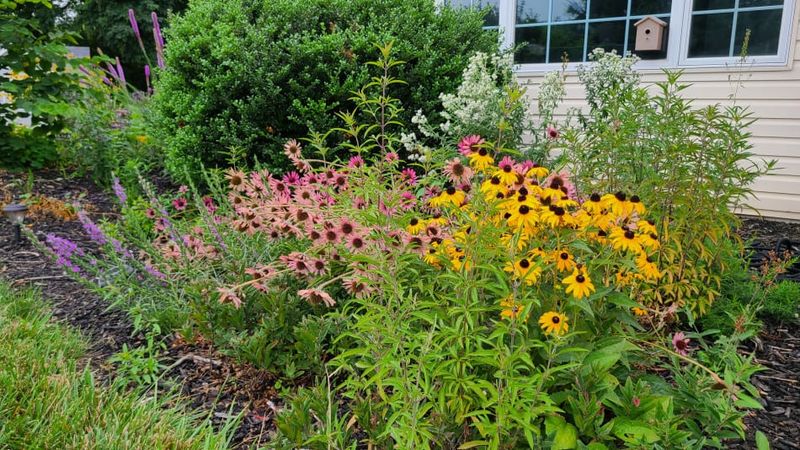
A survey line sometimes places part of the visible lawn outside the area a homeowner assumed was entirely private. Ownership and maintenance responsibility must be identified before a landscaping dispute can be properly evaluated.
A front yard can contain more than one legal category, and the difference between them affects who has authority over the space.
Plats, surveys, declarations, easements, and maintenance maps may help identify the relevant area.
An association may maintain or control areas that appear to belong to an individual house, but association maintenance does not automatically prove association ownership.
Ownership, maintenance responsibility, and architectural control are three separate concepts that may be assigned differently under the governing documents.
Municipal rights-of-way and utility easements add another layer. Plantings should not block sidewalks, fire hydrants, utility boxes, drainage swales, sight lines, access points, or required easements.
Exact clearance distances depend on applicable official rules, which vary by jurisdiction. A planting plan may need approval from more than one authority.
Do not remove plants immediately based on an uncertain boundary. Obtain the plat, recorded documents, or professional boundary assistance when the location of a planting is disputed.
Mark the planting area on a copy of the plat before proposing or defending the design.
5. Demand Written Notice Before An Assessment Is Imposed
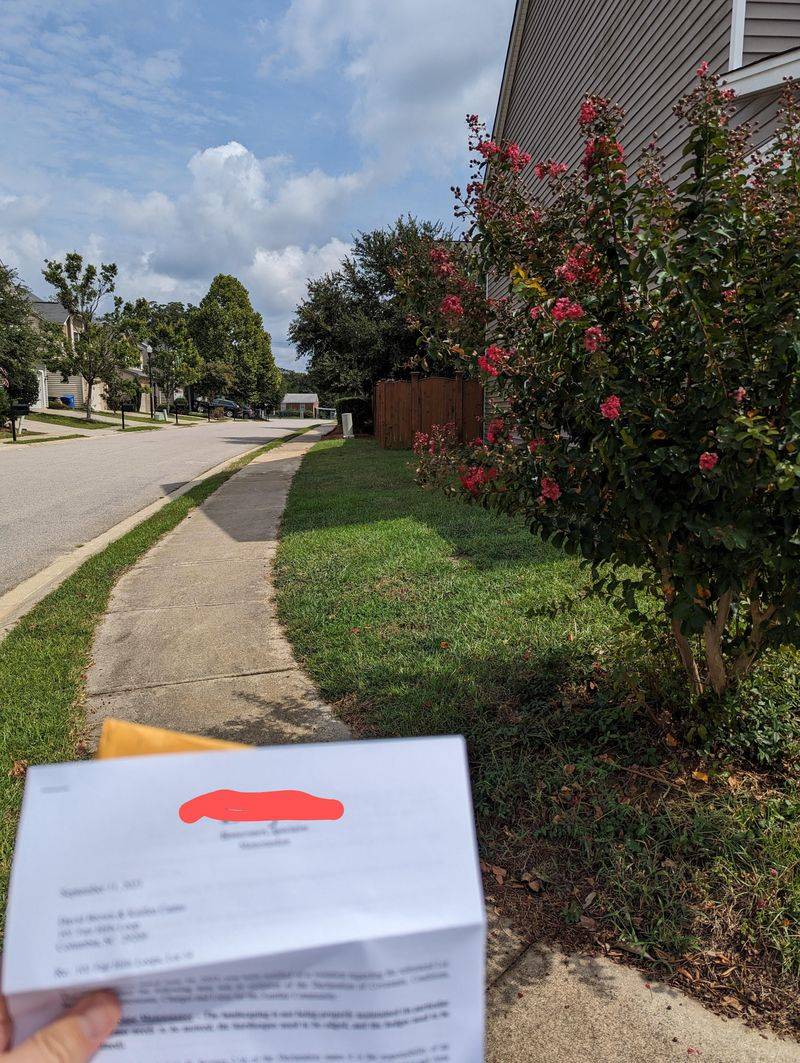
A verbal warning from a board member followed by a charge appearing on the owner’s account is not the process that current planned-community law generally requires.
Ohio Revised Code Section 5312.11 addresses the procedure that must occur before a planned-community board may impose an enforcement assessment on an owner.
The written notice should describe the alleged violation or property damage. It should identify the proposed charge or assessment amount.
It should explain the owner’s right to request a board hearing and describe the procedure for making that request. A reasonable cure date must be included when an opportunity to cure applies, though not every violation automatically triggers a cure period.
The statute’s conditional wording on this point should be read carefully.
An enforcement assessment is distinct from ordinary annual or special assessments used for common expenses. The board retains the ability to send warnings, request corrections, or seek other lawful remedies.
The notice requirement specifically concerns the step of imposing an enforcement assessment. Save the envelope, email header, delivery date, notice text, attachments, and account statement.
Respond in writing and address undisputed safety or maintenance issues when appropriate. A charge should not appear on an account without the process that current law requires being completed first.
6. Use The Cure Period To Refine The Planting
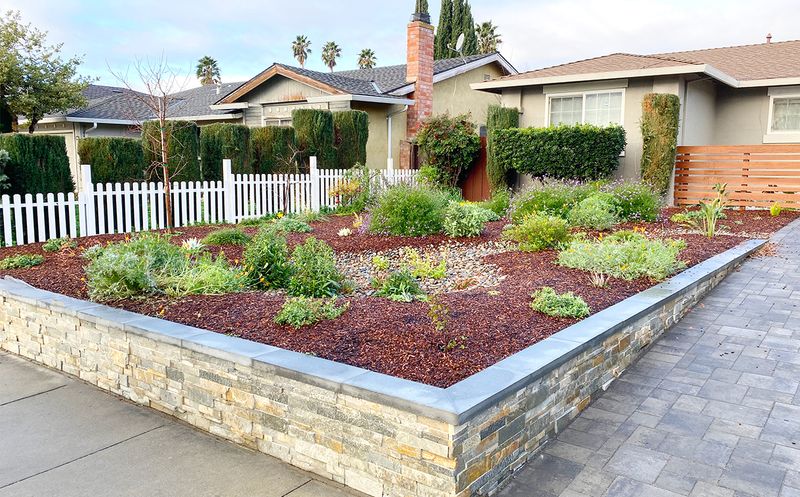
A short compliance window can still be used to preserve most of a landscape design if the owner acts with a clear plan. A notice may include a reasonable cure date when the statute’s cure provision applies.
Not every owner receives a cure opportunity, and the governing documents may address how continuing landscaping violations are handled.
Targeted corrections can make a meaningful difference. Adding a defined edge, removing volunteer weeds, cutting back plants that block a walkway, or relocating tall species from a sight line are all options worth considering.
So is restoring an approved border, adding a narrow mulch buffer, submitting a revised landscape plan, or replacing one disputed species. These steps do not guarantee compliance, but they demonstrate good faith and reduce the scope of the dispute.
Mature plant dimensions deserve attention. A small first-year perennial may exceed a height or width limit as it matures.
Authoritative plant profiles from sources like university extension programs are more reliable than nursery marketing language. They’re better for documenting expected form and seasonal behavior.
A native bed may appear sparse or uneven during dormancy. A written maintenance plan covering cutback timing, paths, labels, and winter structure can help address concerns about seasonal appearance.
Submit photographs and a written correction plan before the cure date expires.
7. Request A Hearing Within The Ten Day Window
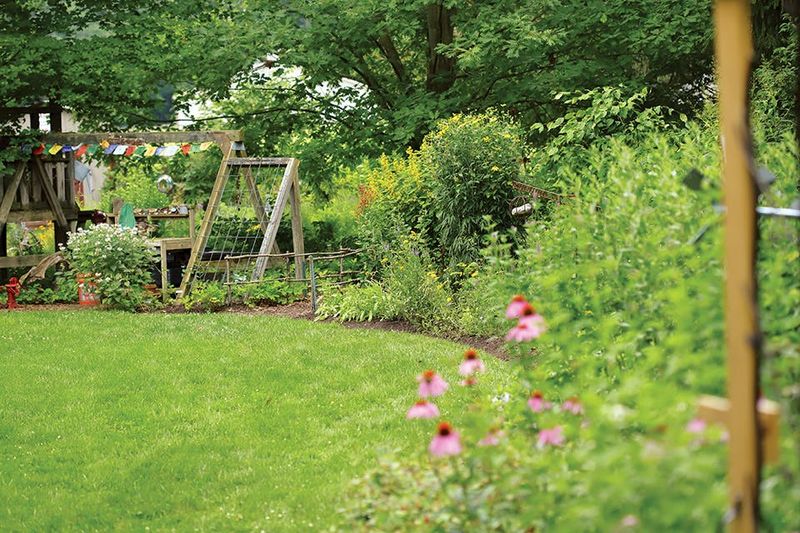
A closing date begins running the day an owner receives the formal enforcement notice. Under current planned-community law in Ohio, a written hearing request must generally be delivered no later than the tenth day after the owner receives the notice.
That period is calculated in calendar days based on the statute’s current wording, not business days. Individual closing date calculations should be confirmed with a licensed attorney.
Acting promptly is wiser than waiting until the final day. Missing the closing date may waive the statutory hearing right described in the current section.
It does not automatically eliminate every other legal option available to the owner, though. Verify the permitted method of delivering the request, because email may not be valid unless the statute, notice, or governing documents allow it.
Use a method that creates a reliable delivery record.
A concise hearing request should include the owner’s name, the property address, the notice date, and a clear request for a hearing. It should also include the disputed charge or violation description and a request for confirmation of receipt.
The board must provide advance written notice of the hearing date, time, and location, and the current statute specifies the minimum number of days required. An assessment generally may not be imposed before a properly requested hearing is held.
Consult a licensed attorney promptly when the amount, lien risk, or property right at stake is substantial.
8. Keep Native Beds Intentional And Code Compliant
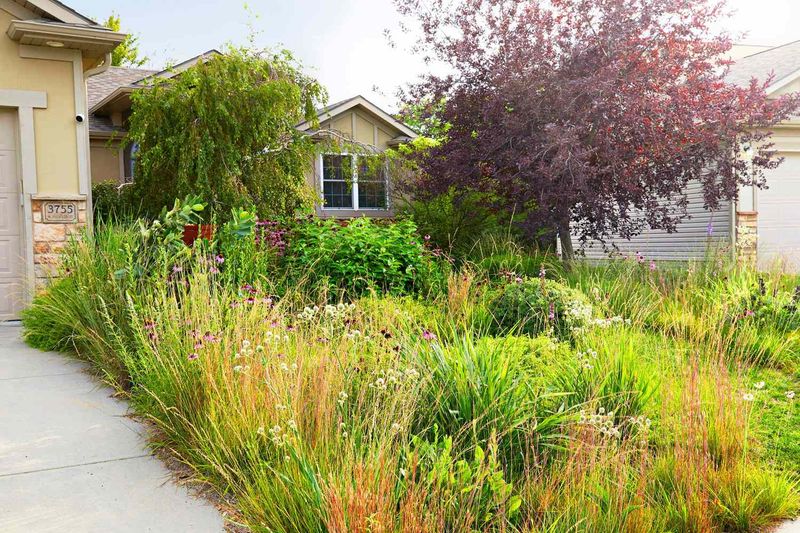
A front garden whose paths, edges, plant groups, and sight lines reveal deliberate care sends a clear message that the landscape is managed, not neglected. A native planting can still conflict with a valid rule or local code.
This happens if it blocks access, exceeds a height limit, spreads outside its bed, or remains unmanaged through the growing season.
Design features that make a planting easier to understand and maintain include defined edges, repeated plant groups, and clear paths.
Others include setbacks from sidewalks, open views near driveways, plant labels, seasonal cutback plans, removal of invasive plants, a simple maintenance schedule, and photographs documenting the intended design.
A formal appearance is not the only acceptable style, but visible structure helps distinguish a managed landscape from accidental overgrowth.
A few Ohio-native plants suitable for front-yard scale include purple coneflower (Echinacea purpurea) and wild bergamot (Monarda fistulosa). Others are blue wild indigo (Baptisia australis) and Pennsylvania sedge (Carex pensylvanica).
All should be sourced from reputable native plant nurseries using responsibly propagated stock. Local codes and association rules can change, so verify current requirements before expanding an existing bed.
Approval should be obtained in writing when governing documents require it, and approved plans, emails, and meeting decisions should be preserved.
A homeowner’s strongest position combines verified native plants, a documented design, careful maintenance, and timely use of the required process.