The Early Warning Signs A Wasp Nest Is Forming In Your California Garden Before It’s Too Late
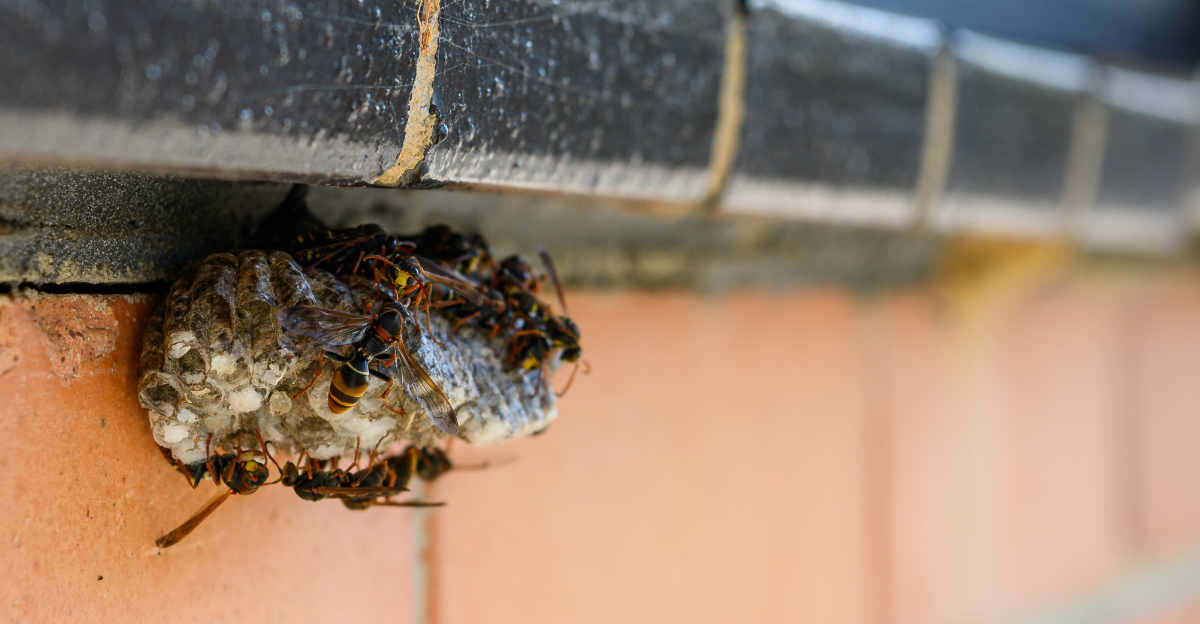
A few extra wasps circling the same corner of your California garden may be more than a passing summer nuisance.
Early nest activity often starts quietly, with repeated flight paths, brief disappearances into shrubs, soil gaps, sheds, or hidden spaces around outdoor structures.
At first, the insects may seem scattered and harmless, making it easy to ignore the pattern.
As the colony grows, though, traffic increases, defensive behavior becomes more noticeable, and a simple yard task can suddenly bring you much closer than expected.
The safest time to spot a developing nest is before it becomes large, active, and difficult to approach.
Paying attention to unusual buzzing, concentrated movement, fresh digging, or wasps carrying building material can provide valuable clues.
Before trimming, mowing, moving pots, or reaching into dense plants, watch the area carefully. Those small signs could reveal a hidden nest before an accidental encounter turns painful.
1. One Wasp Keeps Visiting The Same Spot
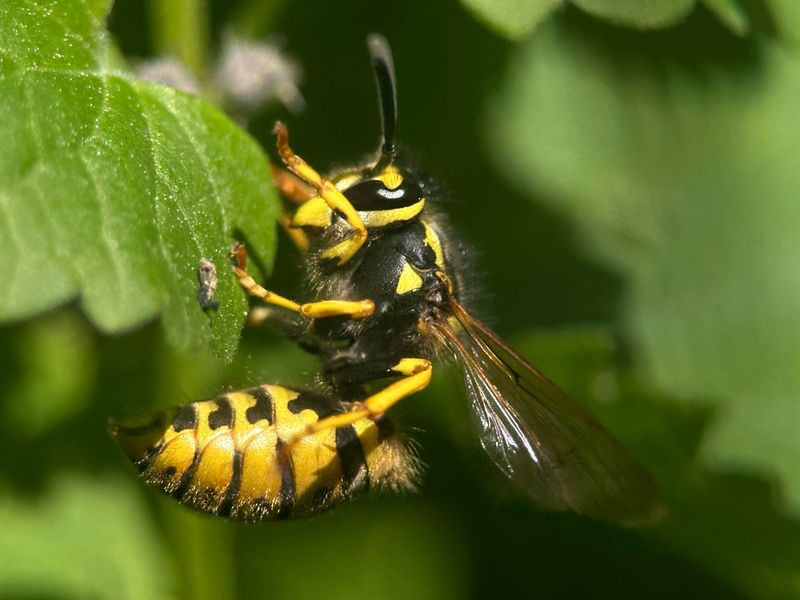
Pay close attention when you see one wasp coming back to the same place again and again. That is not random behavior.
Wasps are very deliberate creatures, and when a single wasp keeps returning to one specific spot, it is almost always scouting for a nest site.
Queen wasps do this in early spring. They fly around slowly, checking out sheltered areas like the underside of a porch railing, a hollow fence post, or even a gap behind a garden planter.
She is looking for a place that is dry, protected, and close to food sources.
If you spot a wasp hovering near the same corner of your shed, the same spot under a table, or the same section of your fence three or more times in a day, do not ignore it. That is your first real clue.
You still have time to act before a nest gets started.
Check the area carefully without getting too close. Look for tiny bits of gray papery material or a small cluster of cells about the size of a grape.
If you find anything like that, you have caught it very early. A pest control professional can remove early-stage nests quickly and safely.
Acting fast at this stage saves you a lot of stress later on.
2. Tiny Paper Cells Start Taking Shape
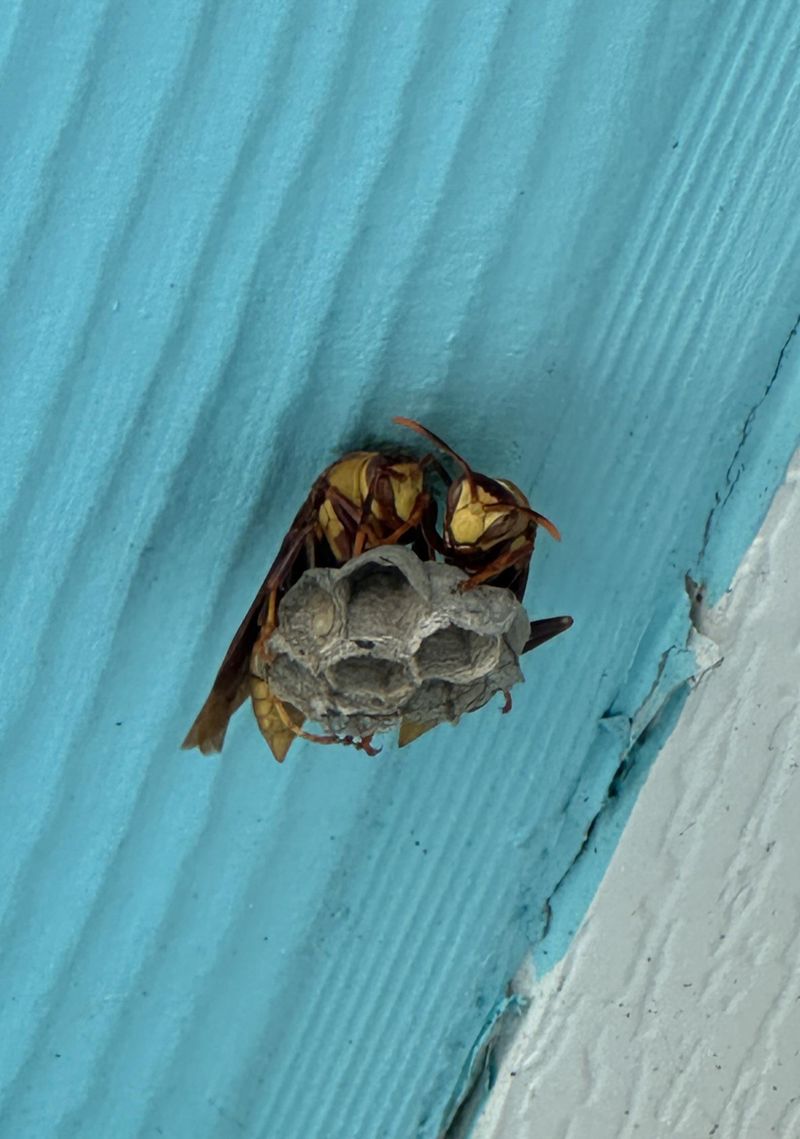
One of the clearest physical signs of a nest forming is the appearance of small paper-like cells. These cells look like a tiny honeycomb made of gray or brown papery material.
They are usually about the size of a quarter when you first notice them.
Wasps build their nests by chewing wood fibers and mixing them with saliva. The result is a lightweight, waterproof paper material that dries quickly.
Each cell is carefully shaped into a hexagon, which is the strongest shape for holding eggs and young wasps.
You might spot these early cells under a deck railing, behind a garden light fixture, or tucked into the corner of an outdoor storage box. They blend in easily with wood surfaces because of their grayish-brown color.
Your California Garden Changes Every Week. Your Plan Should Too.
Gardening in California changes quickly throughout the season. Every Friday you’ll receive a simple weekly plan showing exactly what to plant, prune, fertilize, harvest, and protect so you never miss the right timing.
Many homeowners walk right past them without realizing what they are looking at.
Check your garden structures regularly during spring and early summer. Run your eyes along the underside of shelves, roof edges, and fence rails.
If you find a small cluster of cells with no wasps around it yet, the nest is brand new. Northern California tends to see this activity begin as early as March.
Removing a nest at this stage is much easier and far less risky than waiting until it grows larger.
3. More Wasps Suddenly Patrol The Garden
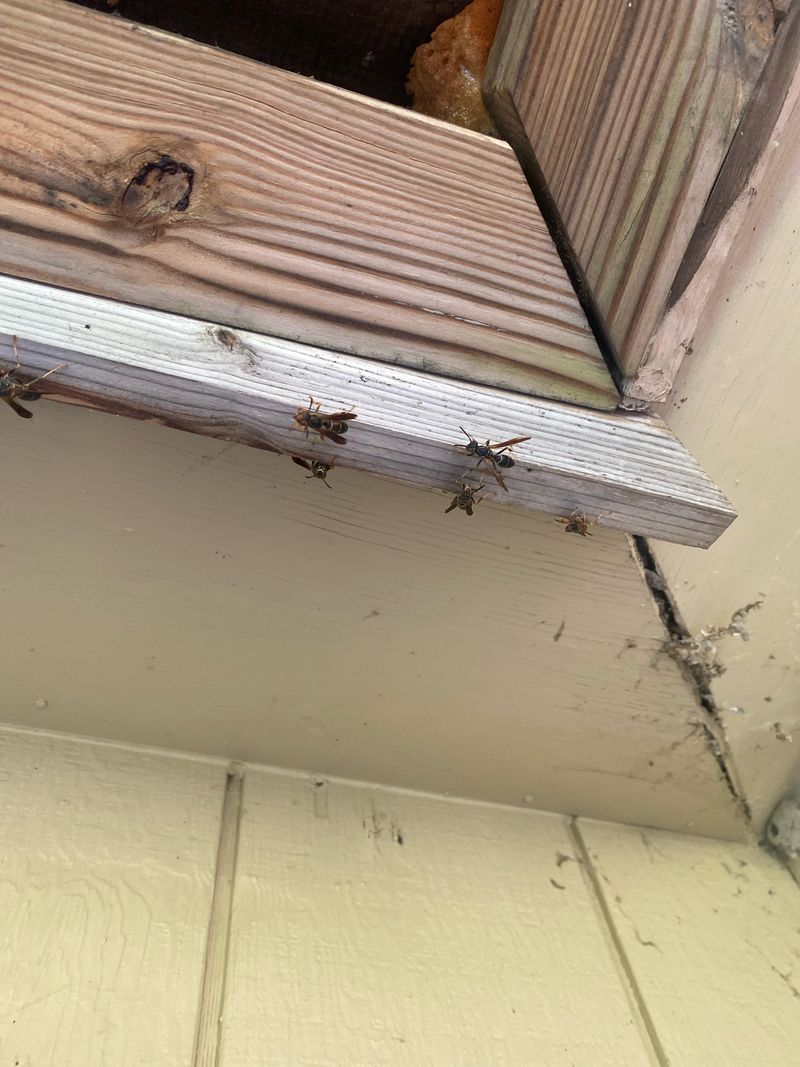
A sudden increase in wasp activity around your garden is a strong signal that a nest is nearby. You might notice two or three wasps one day, and then a dozen the next.
That kind of jump in numbers does not happen by chance.
As a nest grows, more worker wasps hatch and begin flying out to search for food. They patrol a set area around the nest, looking for insects, sweet liquids, and protein sources like meat or fish.
Your garden gives them plenty of options, especially if you grow fruit trees, have a compost bin, or leave pet food outside.
Watch for wasps flying in a repeated back-and-forth pattern. This is called patrolling behavior.
Worker wasps follow the same general flight paths when they leave and return to the nest. If you notice groups of wasps flying in a consistent direction, try following their path carefully from a safe distance.
Increased wasp numbers in summer are often brushed off as normal seasonal activity. But if you are seeing more wasps than usual in one specific area of your yard, trust your instincts.
A growing nest nearby is the most likely explanation. In warmer parts of California, colonies can grow quickly in just a few weeks.
Catching this surge early helps you respond before the colony becomes large and harder to manage safely.
4. Buzzing Picks Up Around Eaves And Sheds
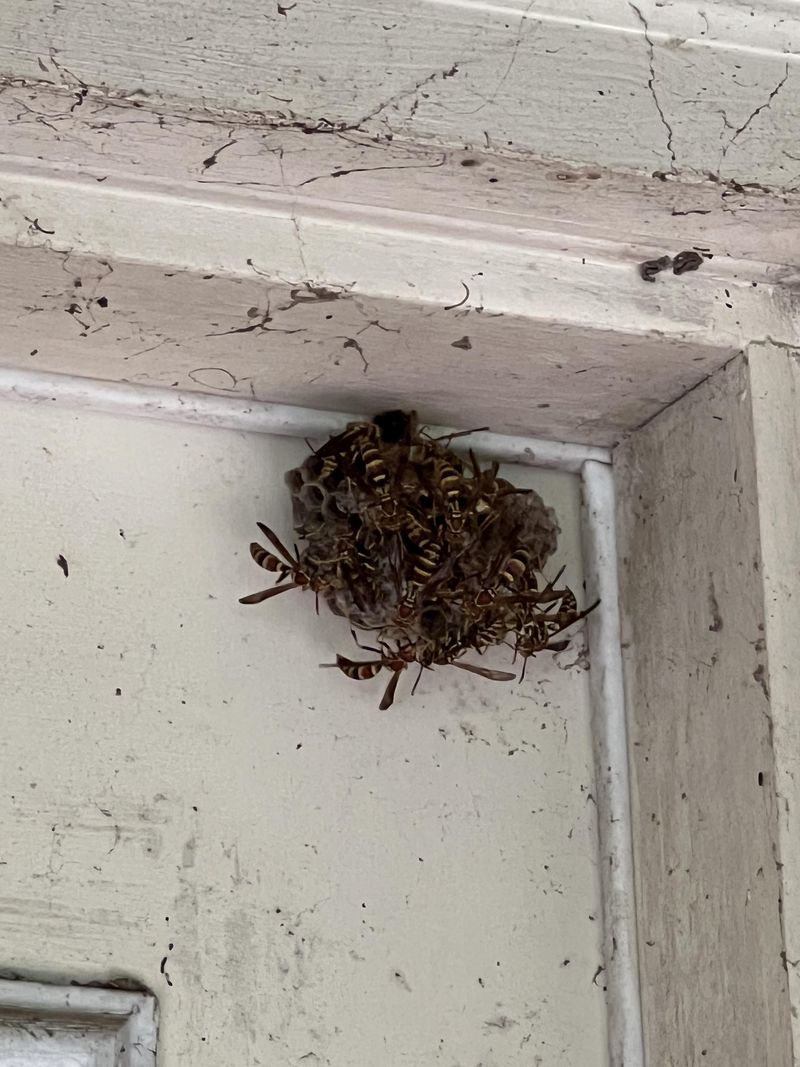
Sound can be one of your best early warning tools. When buzzing near your eaves, roof overhangs, or garden shed suddenly gets louder or more frequent, something is going on up there.
Wasps are not quiet builders, and a growing colony creates a distinct low hum that is easy to notice once you know what to listen for.
Eaves and sheds are favorite nesting spots because they offer shade, shelter from wind, and a dry surface to attach the nest. The underside of a roof overhang is especially appealing to paper wasps and yellow jackets.
They can build quickly in these spots, sometimes adding new layers to the nest every few days.
Stand quietly near your shed or along the side of your house during the late morning or early afternoon. That is when wasps are most active.
Listen for a soft, consistent buzzing sound coming from above. If the sound seems to be coming from inside the shed wall or from a gap in the roofline, a nest may already be forming inside a hidden space.
Do not try to poke around or look inside gaps without protection. Even a nest that is just a few weeks old can hold dozens of wasps that will defend it aggressively.
In Southern California, where temperatures stay warm longer, nests inside sheds can grow especially large. Call a professional if the buzzing seems to be coming from inside a structure.
5. Chewed Wood Shows Up On Fences And Posts
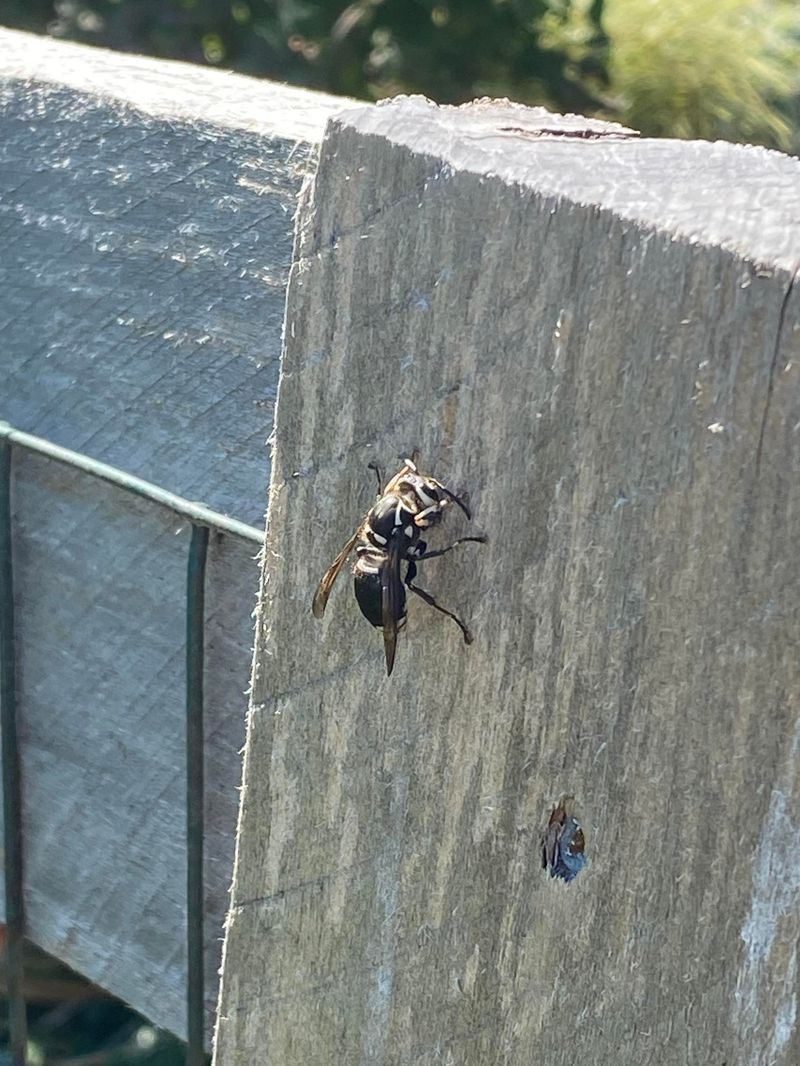
Here is something most gardeners never think to look for. Wasps actually chew wood to collect the fibers they need to build their nests.
If you start noticing rough, scraped, or slightly grooved areas on your wooden fence posts, garden furniture, or shed walls, wasps may be the cause.
The scraping marks are usually small and light in color because the wasp removes the weathered outer layer of the wood. Fresh wood underneath is lighter and easier to spot.
You might see several small scrape marks close together in one area, which is a sign that wasps are actively collecting material nearby.
This behavior is most common in spring and early summer when nests are being built or expanded. Older, untreated wood is a top target because it is softer and easier to chew.
Garden trellises, wooden raised bed frames, and old fence rails are all common spots where this damage shows up.
Walk around your garden and run your hand along wooden surfaces. Feel for rough patches or grooves that were not there before.
If you find fresh scrape marks, look up and around that area for a nest. The wasps are almost certainly building close to where they are collecting materials.
Treating or sealing bare wood can make it less appealing to wasps. This simple step can help discourage nest-building before it starts in your outdoor space.
6. Wasps Begin Disappearing Into Small Gaps
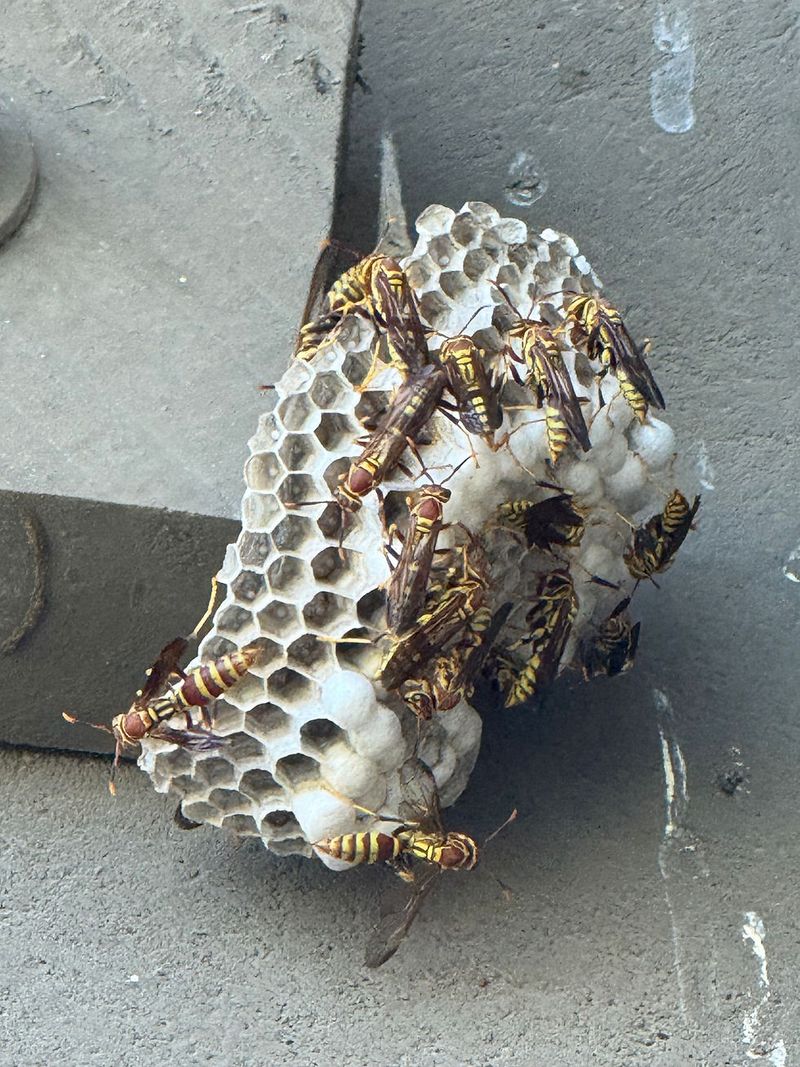
Watching where wasps go after they land is one of the most useful tricks for finding a hidden nest.
If you notice wasps flying toward a wall, fence, or garden structure and then disappearing into a small hole or gap, there is a very good chance a nest is forming inside.
Yellow jackets, in particular, love to build their nests inside enclosed spaces. They use gaps in fence panels, holes in retaining walls, cracks in stucco, and even spaces inside hollow fence posts.
Once inside, they build rapidly in the protected darkness, which means the nest can grow large before you ever see it from outside.
Spend a few minutes in your garden on a warm afternoon watching where wasps travel. Follow their flight paths with your eyes rather than moving around too much.
Look for wasps that hover briefly near a surface and then slip inside a small opening. You might need to watch the same spot for several minutes before you catch it happening.
Finding a gap that wasps are using regularly is a clear sign the nest is already underway inside. Do not seal the gap yourself while wasps are active.
Blocking the exit can cause the wasps to find another way out, sometimes into your home. Contact a pest control specialist who can treat the nest safely before sealing the entry point.
Acting quickly here prevents a much bigger problem later.
7. A Quiet Corner Turns Into A Busy Flight Path
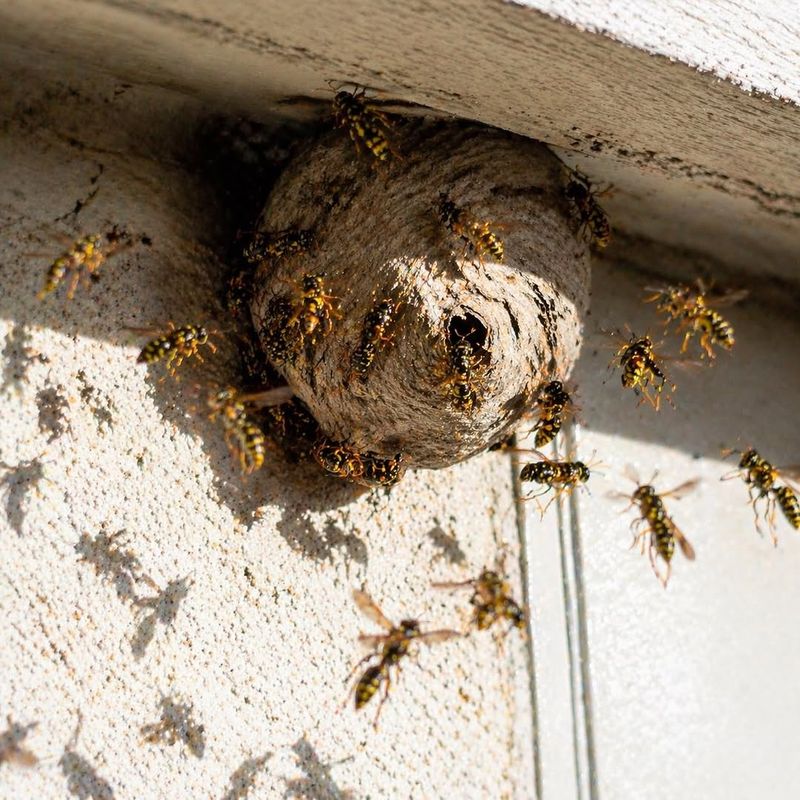
Some parts of the garden barely get any attention from insects for most of the year. So when a quiet corner suddenly becomes a hotspot of wasp traffic, something has changed.
A flight path forming in a previously calm area is one of the clearest signs that a nest has been established nearby.
Wasps that are returning to a nest fly in a fairly straight line once they get close to home. They fan out when searching for food, but they come back on a direct route.
If you start seeing wasps flying in and out of the same general area repeatedly, especially in a back-and-forth pattern, you are watching nest traffic in action.
Dense shrubs, overgrown hedges, and thick ground cover are all popular nesting spots. In coastal areas of California, where moisture keeps vegetation thick year-round, wasps often build low to the ground in hidden spots within plant clusters.
A garden that has not been trimmed recently gives wasps plenty of private real estate.
Try sitting quietly near the area for about ten minutes. Watch for wasps flying in from multiple directions and converging on one spot.
If you see that pattern, you have found the general location of the nest. Mark the area with a garden stake so you remember where it is.
Then contact a professional to handle removal safely. Never approach a confirmed nest on your own.
8. Garden Furniture Starts Getting Extra Attention
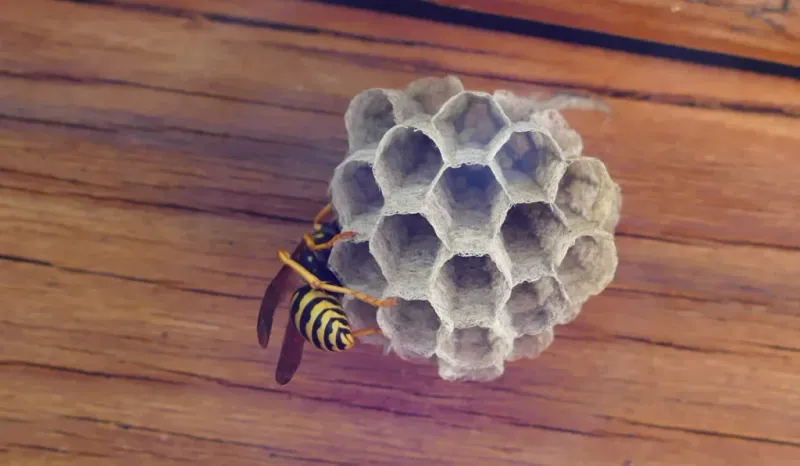
Outdoor furniture might not seem like an obvious nesting target, but wasps find it very appealing. The underside of a wooden picnic table, the hollow legs of a patio chair, or the gap between a cushion and its frame can all become a wasp’s idea of a perfect home.
When you start noticing wasps landing on your garden furniture more often than usual, especially on the undersides of tables or along the frame joints, take a closer look. Wasps inspect surfaces carefully before choosing a nest site.
Repeated visits to the same piece of furniture suggest they are seriously considering it.
Metal furniture is less attractive to wasps since it heats up quickly and does not offer wood fibers for building. But wooden furniture, wicker chairs, and even thick plastic furniture with hollow sections can all attract nesting activity.
Older furniture with cracks and crevices is especially at risk.
Check the underside of all your outdoor furniture at least once a week during spring and summer. Run a flashlight along joints, corners, and hollow sections.
If you find even a tiny cluster of cells, address it right away. You can also move furniture around occasionally to disrupt any early scouting activity.
Covering unused furniture with tarps or storing it in a closed shed during peak season can help reduce the chances of wasps choosing it as a nesting spot in your outdoor living space.