Why California Basil Turns Bitter In Late Summer And What To Do Before Fall
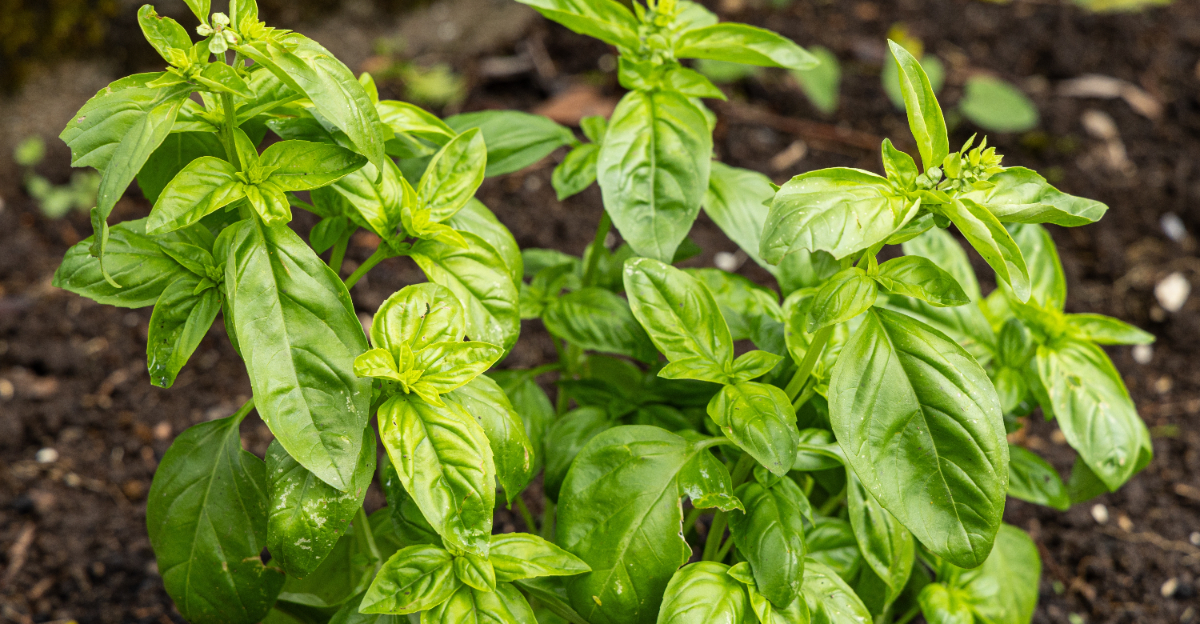
Late summer can be a glorious time for California gardeners, but basil sometimes decides to ruin the mood. One week, the leaves are fragrant, tender, and begging to be scattered over pasta.
The next, that same plant can taste noticeably sharper, leaving you wondering what changed while you were busy admiring your tomatoes.
It is especially frustrating because basil often looks perfectly usable at first glance. The plant may still be green, upright, and productive, yet something about the flavor feels different.
Sneaky herb, right? With fall approaching, that shift can make gardeners question how much longer their plants have left and what they should do before cooler weather arrives.
Late summer brings a mix of heat, changing daylight, plant maturity, and seasonal transition across California gardens. Those factors can influence basil in ways that are easy to miss until you take a bite.
Before you give up on your plant or yank it out early, it is worth understanding what late summer is signaling and how a few timely choices can help you make the most of the season.
1. Heat Stress Can Make Basil Taste Sharper
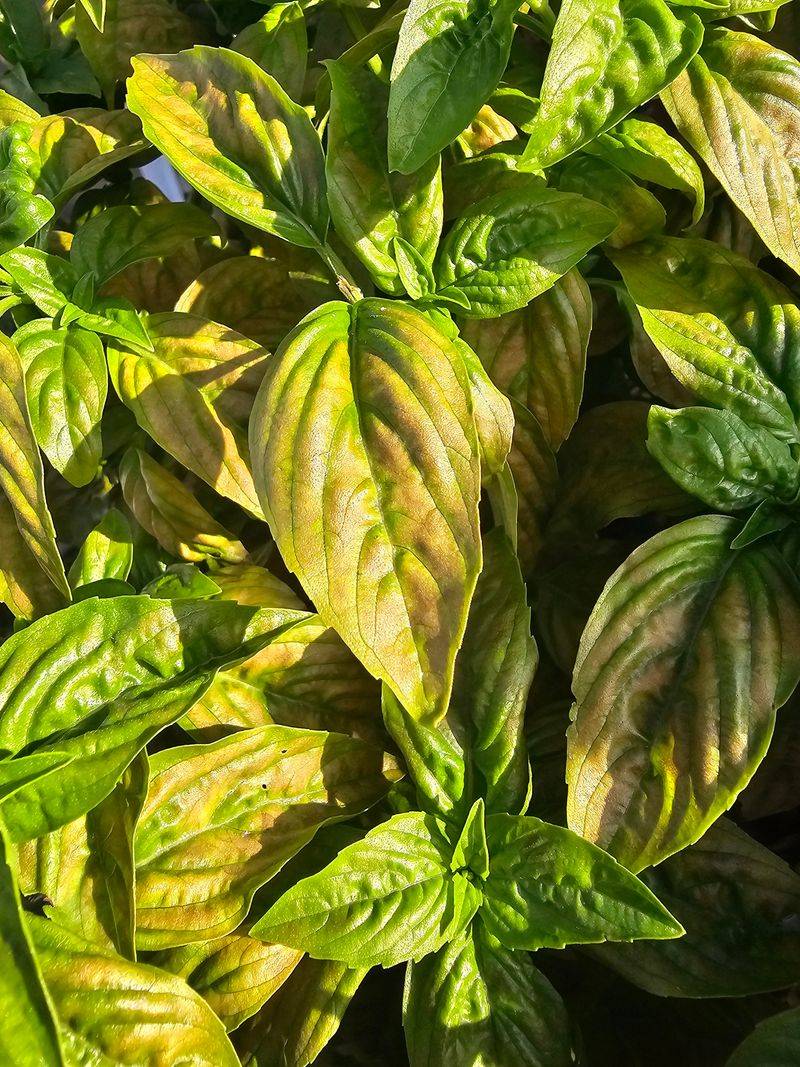
When the temperature climbs above 90 degrees, basil starts to struggle. The plant shifts its energy away from producing flavorful oils and focuses more on surviving the heat.
That shift is exactly what makes the leaves taste sharper and more bitter than usual.
Basil leaves contain natural compounds called volatile oils. These oils are what give the herb its sweet, slightly spicy aroma and taste.
But when a plant gets too hot, those oils change in both amount and balance. The result is a flavor that feels harsh on your tongue instead of fresh and bright.
Hot afternoons are the biggest problem. Soil heats up fast, roots get stressed, and the whole plant starts to react.
You might notice the leaves look slightly dull or feel a little limp during the hottest part of the day. That is a clear sign heat stress is setting in.
One easy fix is to water your basil in the early morning. This gives roots a good drink before the sun gets intense.
Mulching around the base of the plant also helps keep soil temperatures lower. A thin layer of straw or wood chips can make a real difference on hot days.
Keeping the plant as comfortable as possible during peak heat will protect those flavorful oils and keep your harvest tasting its best.
2. Flowering Plants Put Less Energy Into Tender Leaves
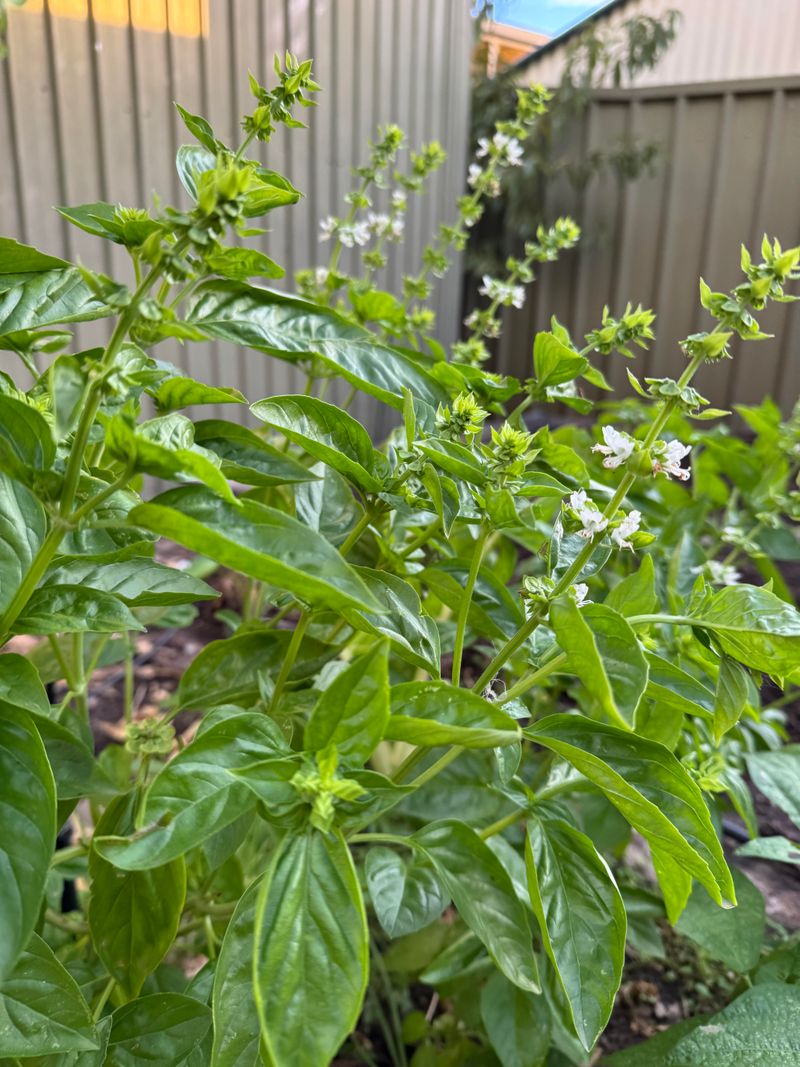
Once basil starts to flower, its priorities change completely. The plant is no longer focused on making lush, flavorful leaves.
Instead, it puts almost all of its energy into producing seeds. That is just how plants are wired, and basil is no exception.
You might notice the leaves getting smaller and thinner as the flowers open up. Those tiny leaves often taste more bitter and less sweet than the big, healthy leaves you picked earlier in the season.
The plant is essentially pulling resources away from leaf production to support flowering and seed development.
Your California Garden Changes Every Week. Your Plan Should Too.
Gardening in California changes quickly throughout the season. Every Friday you’ll receive a simple weekly plan showing exactly what to plant, prune, fertilize, harvest, and protect so you never miss the right timing.
This process is called bolting, and it happens faster in hot weather. Warm nights and long sunny days push basil into flowering mode much sooner than cooler conditions would.
Once the flowers open, the flavor change happens quickly and can feel like it came out of nowhere.
The simplest way to slow this down is to remove the flower spikes as soon as you spot them. Check your plants every few days during late summer.
Look for small, pointed buds forming at the tips of the stems. Snap them off with your fingers or use clean scissors.
Removing flowers redirects the plant’s energy back into leaf growth. You will notice softer and more flavorful leaves returning within just a week or two of regular bud removal.
3. Pinching Flower Buds Keeps The Flavor Fresher
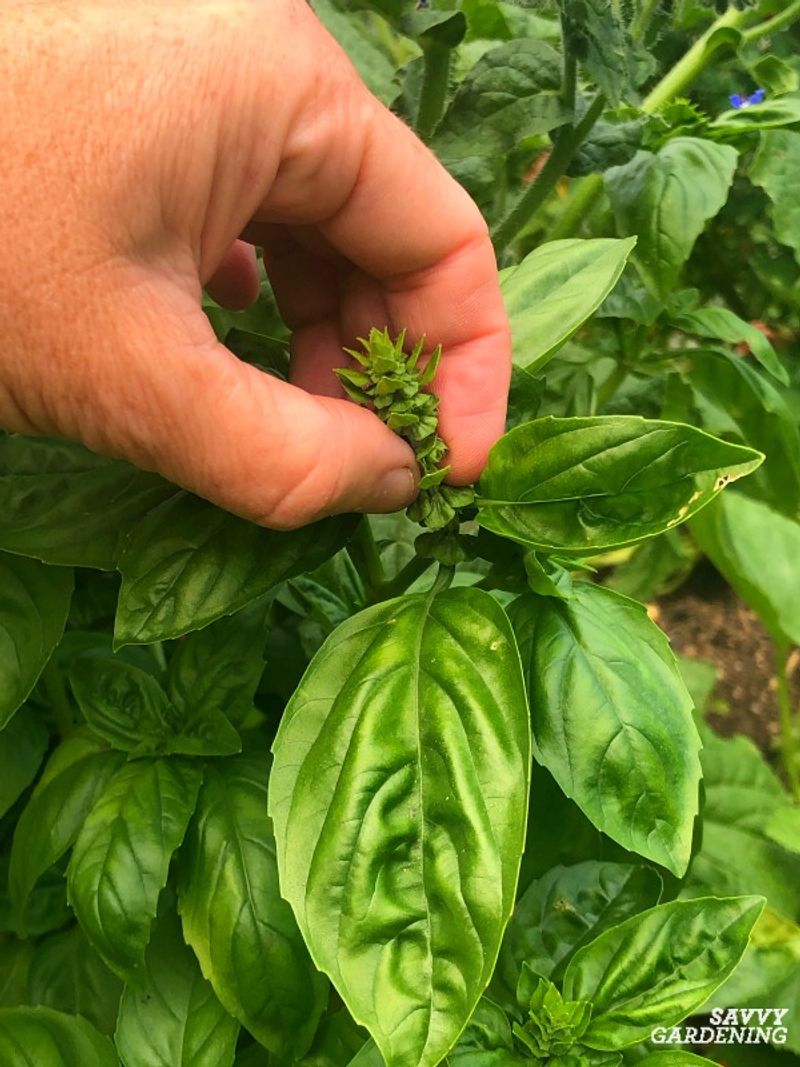
Pinching is one of the most effective habits a home gardener can build. It sounds simple because it is.
You just use your fingers to snap off the flower buds before they have a chance to open. Doing this regularly keeps basil in a vegetative state, which means it keeps making leaves instead of seeds.
Many gardeners skip this step because they do not realize how quickly buds appear. In late summer, buds can form and open within just a few days.
If you miss a week of checking, you might come back to find your whole plant in full bloom. At that point, the flavor has already started to change.
Making pinching part of your weekly routine is the key. Walk through your garden every three to five days and look at the top of each stem.
The buds are usually easy to spot because they look like small pointed clusters sitting above the newest leaves. Pinch just above a leaf node and the plant will branch out and grow two new stems in place of the one you removed.
Over time, this creates a bushier and more productive plant. More stems mean more leaves, and more leaves mean more harvests.
Fresh pinched plants also tend to stay compact, which makes them easier to manage in pots or small garden beds. Consistent pinching is one of the best ways to extend your basil season well into fall.
4. Older Leaves Can Taste Stronger Than New Growth
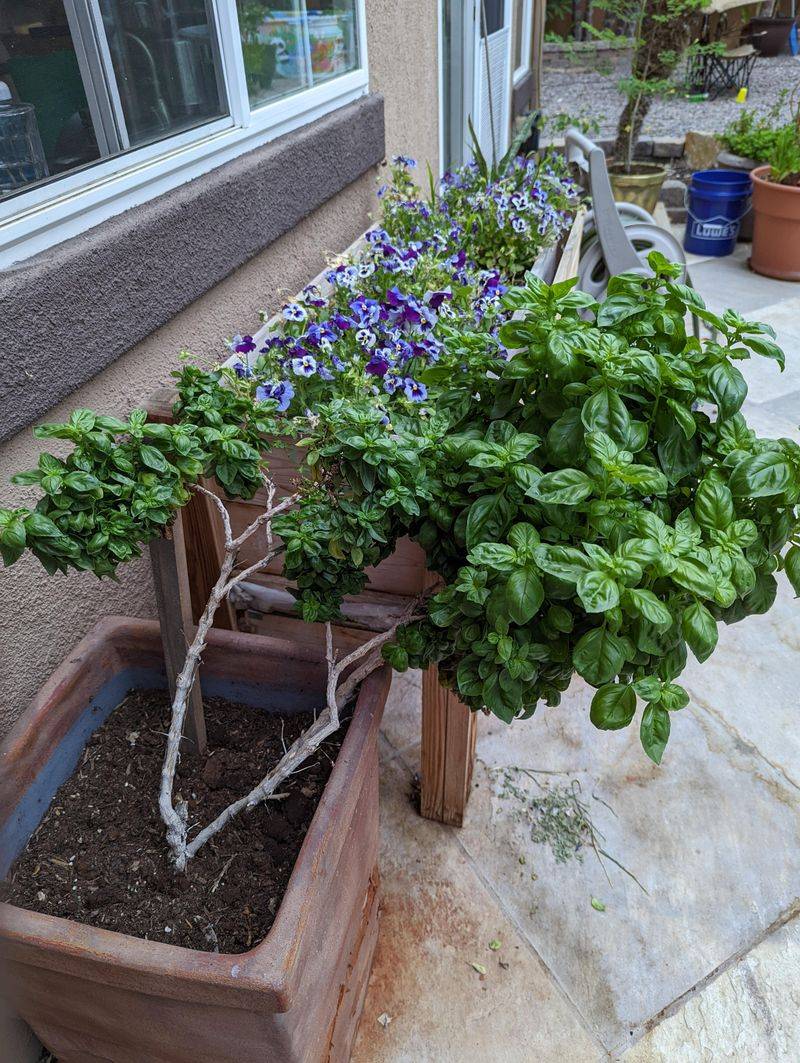
Not all basil leaves taste the same, even on the same plant. Older leaves that have been on the stem for weeks tend to develop a stronger, more intense flavor.
That intensity can tip into bitterness, especially when the plant is already under heat stress.
Young leaves, on the other hand, are usually tender and mild. They have a sweeter and more balanced flavor that most people prefer for cooking and fresh salads.
Picking from the top of the plant where new growth appears is always a good strategy during late summer.
Older leaves are often found lower on the stem. They are bigger, darker green, and sometimes slightly tougher in texture.
While they are not harmful to eat, they may not taste as pleasant when used fresh. They can work better in cooked dishes where the heat mellows out the stronger flavors.
One helpful habit is to remove older leaves during your regular harvest. Do not let them stay on the plant too long.
Clearing them out encourages the plant to push out fresh new growth from the top. Think of it like trimming a plant to keep it healthy and productive.
You are also removing some of the bitterness at the source by focusing on what the plant is currently producing rather than what has been sitting there for weeks. Fresh growth almost always tastes better in late summer.
5. Dry Soil Makes Late-Summer Basil Even Harsher
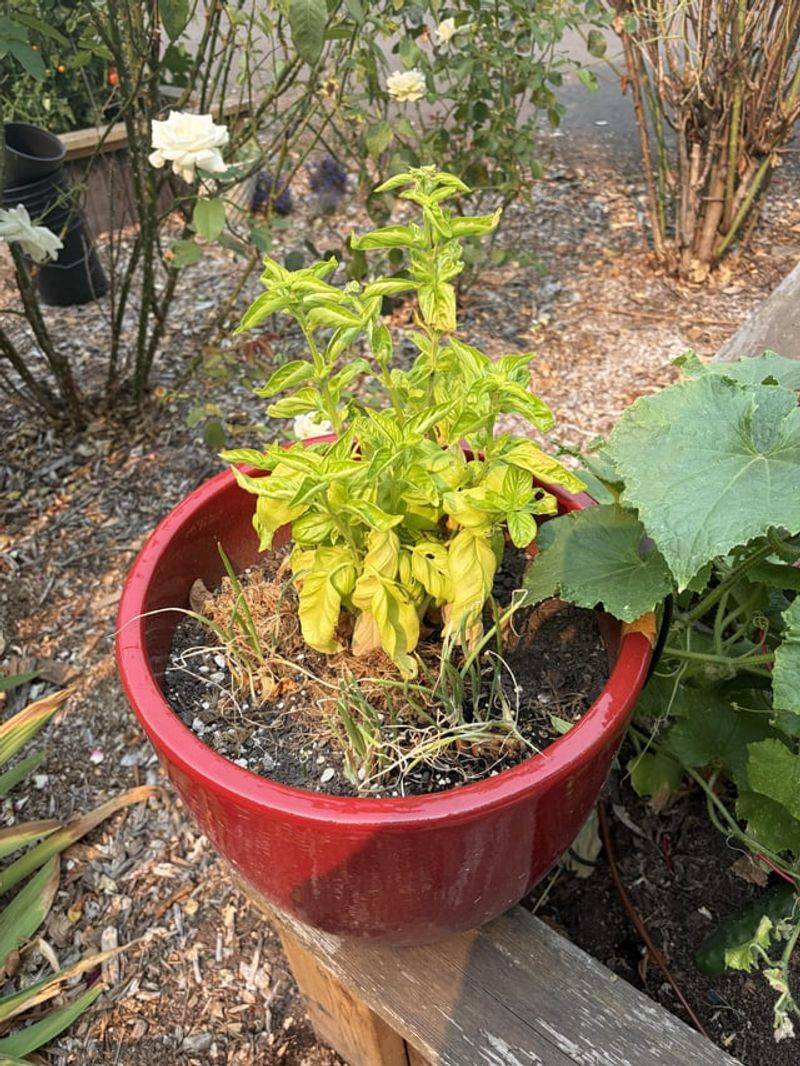
Water is one of the most overlooked factors in basil flavor. When the soil gets too dry, the plant goes into survival mode.
It holds onto whatever moisture it has and produces more concentrated compounds in its leaves. Those concentrated compounds often translate directly into a bitter taste.
Late summer in warm climates can be brutal for soil moisture. The sun bakes the ground fast, and evaporation rates are high.
Even if you watered yesterday, the soil near the surface can be bone dry by the next afternoon. Basil roots are not very deep, so they feel that dryness quickly.
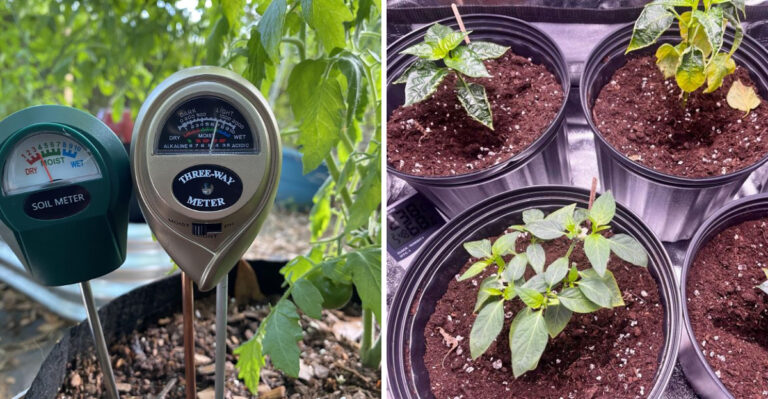
Checking soil moisture regularly is a good habit. Stick your finger about an inch into the soil near the base of the plant.
If it feels dry at that depth, it is time to water. Basil does best when the soil stays consistently moist but not soggy.
Waterlogged roots are just as problematic as dry ones.
Watering deeply and less frequently is better than watering lightly every day. A deep watering encourages roots to grow downward, which makes the plant more resilient during dry spells.
If you grow basil in containers, they dry out even faster than garden beds. Pots may need water every single day during a heat wave.
Keeping moisture consistent is one of the easiest ways to improve flavor and reduce bitterness in late summer basil.
6. Regular Harvesting Keeps Plants Producing Soft Leaves
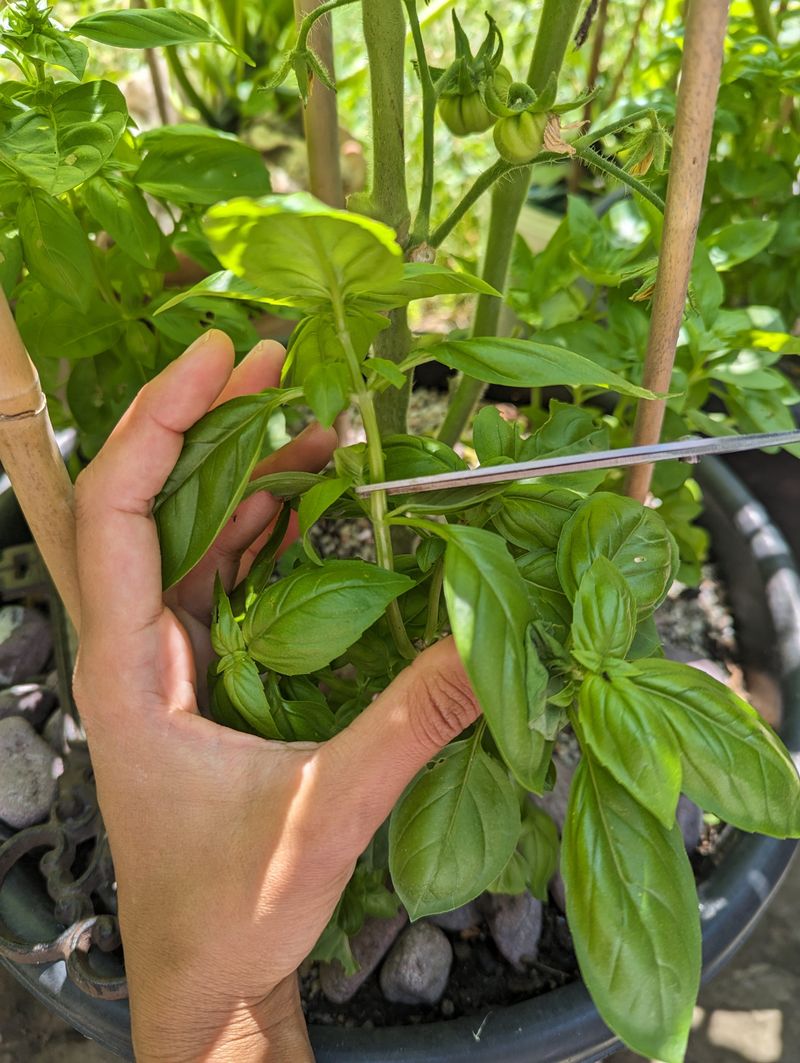
Harvesting basil often might feel counterintuitive, but it is actually one of the best things you can do for the plant. When you cut stems regularly, you signal to the plant that it needs to keep producing.
That keeps it in an active growth phase, which means more new leaves and fewer chances for bitterness to build up.
California gardeners wait until they need a big bunch of basil before picking any. The problem with that approach is that leaves sitting on the plant too long get older, tougher, and more bitter.
Regular small harvests are much better for both the plant and your kitchen.
Try to harvest at least once a week during late summer. Cut stems just above a pair of leaves, and the plant will send out two new branches from that spot.
Over time, this technique creates a full and bushy plant that keeps pumping out fresh growth. Avoid cutting more than one-third of the plant at one time, as that can stress it out.
Morning is the best time to harvest basil. The leaves are at their most flavorful right after a cool night, before the afternoon heat sets in.
The oils in the leaves are most concentrated in the morning hours. Harvesting at this time also gives the plant the rest of the day to recover and start regrowing.
Consistent harvesting is a simple habit that pays off in a big way by fall.
7. Cutting Back Leggy Stems Can Wake Up Fresh Growth
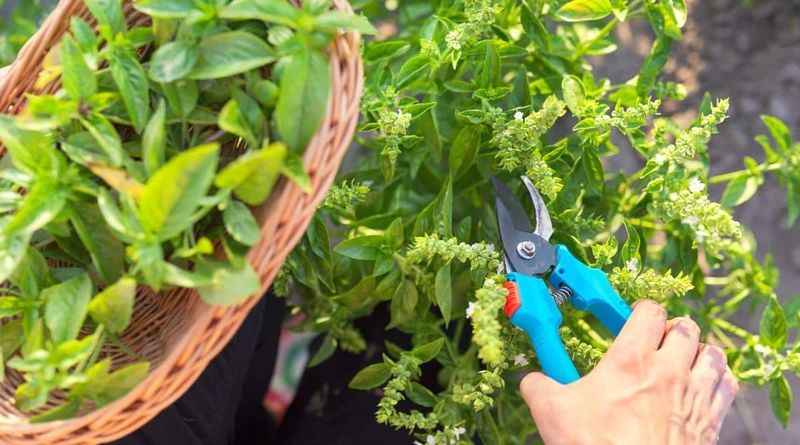
By late California summer, many basil plants start to look tall, stretched out, and a little scraggly. Those long, leggy stems are a sign the plant has been growing fast without much shaping.
Leggy growth usually produces smaller leaves with a more bitter taste because the plant’s energy is spread thin across too many stems.
Cutting back those overgrown stems might feel drastic, but it is actually a helpful reset for the plant. When you trim a leggy stem back to just above a healthy leaf node, the plant responds by pushing out fresh new side shoots.
Those new shoots produce the soft, flavorful leaves that taste best.
Use clean, sharp scissors or garden shears when cutting back stems. Dirty or dull tools can damage the plant and introduce disease.
Cut each stem back by about one-third to one-half, leaving at least two sets of leaves on the remaining stem. Do not cut all the way down to the base unless you are doing a full harvest.
After a good cutback, give the plant a thorough watering and a small dose of balanced liquid fertilizer. This helps fuel the fresh growth that follows.
You should start to see new shoots appearing within a week. By the time fall arrives, your plant will look fuller, healthier, and ready to produce a final round of flavorful leaves before the season ends.
Cutting back is a simple fix with a big reward.
8. Afternoon Shade Can Help During Brutal Heat
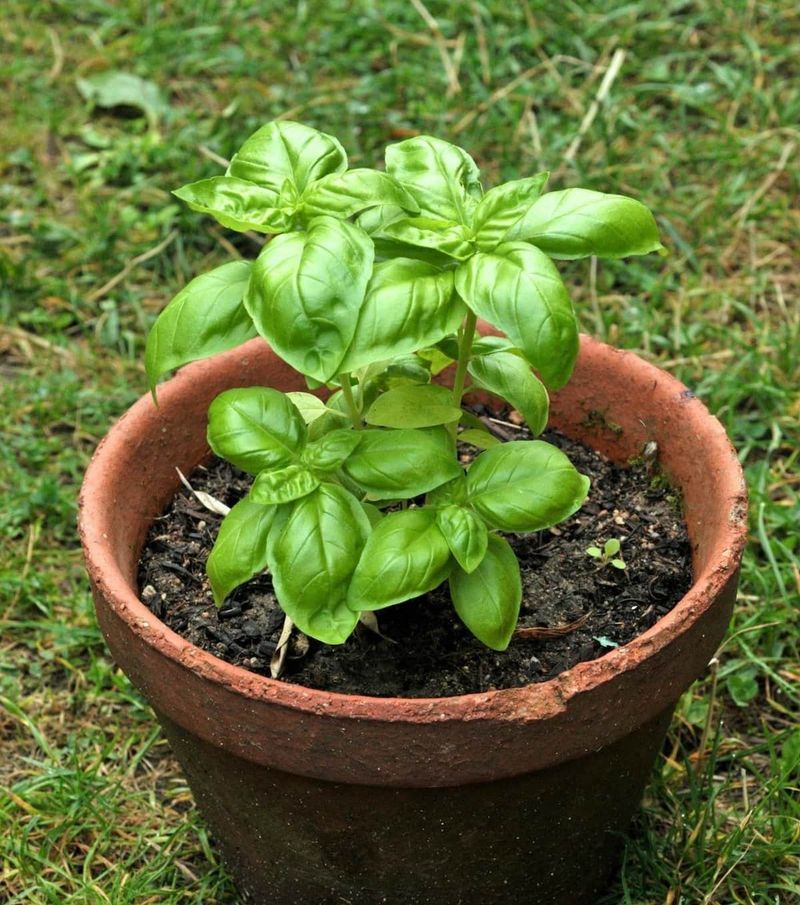
Full sun is great for basil in spring and early summer, but by late summer, too much direct afternoon sunlight can do more harm than good. When temperatures peak between noon and 4 p.m., intense sun exposure pushes the plant into stress mode fast.
A little strategic shade during those hours can make a surprising difference in flavor.
Shading basil in the afternoon does not mean putting it in a dark corner. The goal is to block the harshest rays while still letting the plant get morning sun and some filtered light.
Morning sun is gentler and helps the plant photosynthesize without overheating its leaves and roots.
There are several easy ways to create afternoon shade. You can move potted basil to a spot that gets natural shade from a fence, wall, or larger plant after noon.
For garden bed basil, a simple shade cloth draped over a small frame works well. These cloths come in different densities and are inexpensive to buy at most garden centers.
Even one or two hours of shade relief during peak heat can reduce stress and help the plant hold onto its flavorful oils longer. Gardeners in warm climates like those in Southern California often rely on this trick to keep their herbs tasting fresh well into September.
Protecting basil from brutal afternoon heat is a low-effort strategy that consistently delivers softer, sweeter leaves right up until the first cool nights of fall arrive.