The Real Reason Indiana Peonies Attract Ants Every Summer
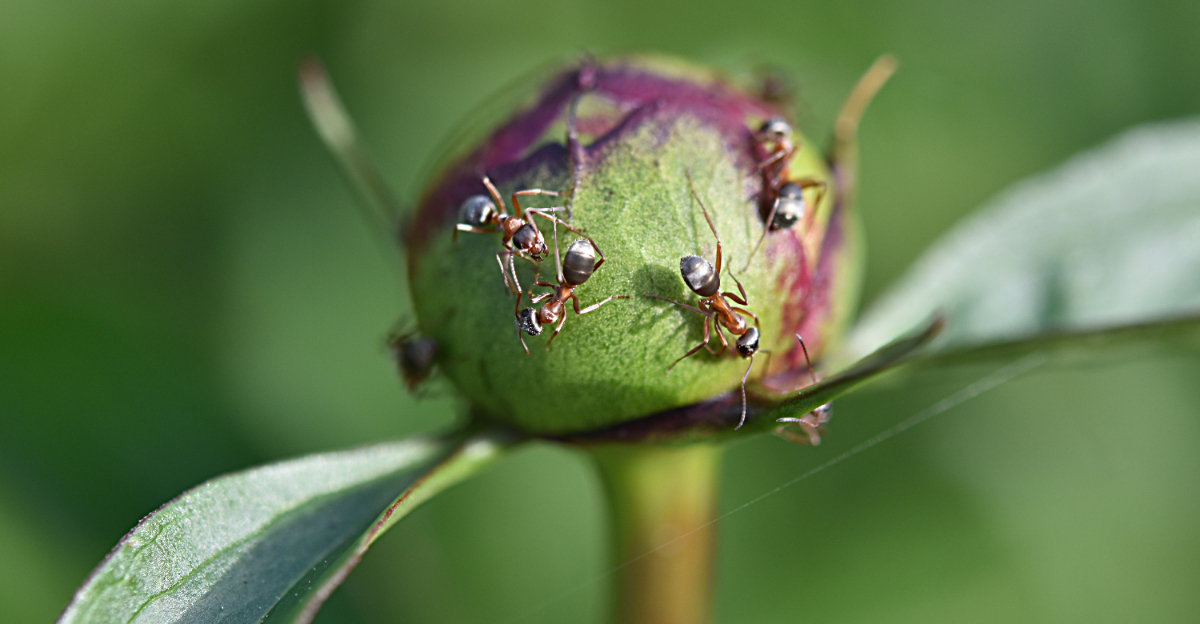
Every June, Indiana gardeners walk outside to find ants swarming their peony buds, and the first instinct is often to reach for a spray bottle. That instinct might be doing more harm than good.
What looks like a takeover is actually a quiet partnership that has been playing out in gardens for centuries, long before anyone thought to worry about it.
The truth involves sugar, timing, and a surprisingly clever survival trick that most people walk right past every single spring. Once you see it, those buds tell an entirely different story.
Stick around, because this odd little duo says more about how nature works than you might expect from something happening right in your own backyard.
Peony Buds Produce A Sugary Coating
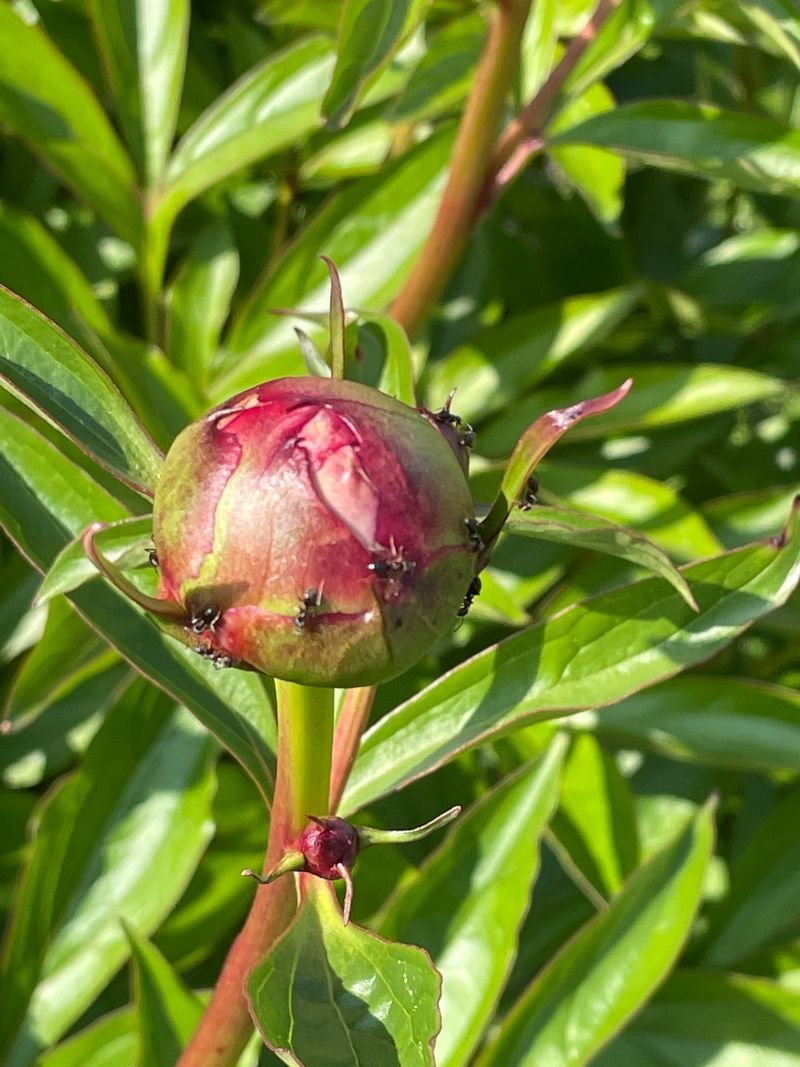
You notice ants on your peonies and immediately wonder what went wrong. Nothing went wrong at all, and the answer starts with the bud itself.
Peony buds produce a sweet, sticky substance called extrafloral nectar. This nectar coats the outside of the bud long before the flower opens.
Extrafloral nectar is not pollen, and it has nothing to do with pollination. The plant secretes it through tiny glands called nectaries, located right on the bud’s outer scales.
The sugar content in this nectar is surprisingly high. Ants can detect it from a distance and follow scent trails left by other ants who found it first.
This is not a sign of disease or stress in your peony plant. The nectar production is a natural and intentional part of how peonies operate each season.
Indiana gardeners often notice this activity picks up in late May and early June. That timing matches perfectly with when buds are swelling but not yet open.
The nectar disappears once the flower fully blooms. After that, the ants lose interest and move on to find food elsewhere in the yard.
Some gardeners mistakenly believe ants are needed to open peony buds. That old myth has been debunked, but the real reason ants show up is just as captivating.
Understanding this sugary coating explains everything about the annual ant parade on Indiana peonies every summer.
The Relationship Benefits Both Plant And Insect
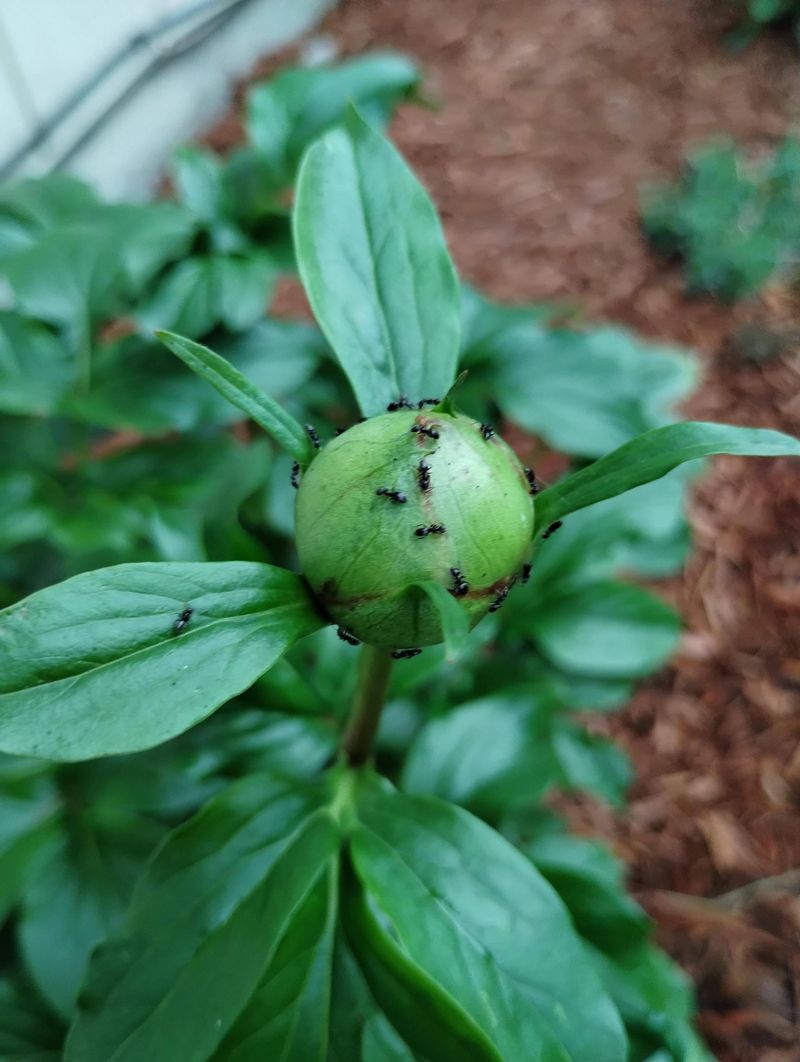
Nature rarely does anything for just one reason. The relationship between peonies and ants is a perfect example of two species helping each other survive.
Ants get an easy, reliable food source from the nectar. For them, a peony bud is basically a free meal delivered right at the start of summer.
Peonies get something valuable in return: protection. Ants are aggressive defenders of any food source they claim as their own.
When a caterpillar, aphid, or other small pest wanders too close to a nectar-covered bud, ants will chase it away. They are not being altruistic; they simply do not want competition near their food.
This behavior acts as a natural pest deterrent for the plant. Fewer chewing insects mean healthier buds and stronger blooms when the flower finally opens.
Scientists call this kind of arrangement a mutualistic relationship. Both parties benefit, and neither one is being harmed in the process.
Your Indiana Garden Changes Every Week. Your Plan Should Too.
Gardening in Indiana changes quickly throughout the season. Every Friday you’ll receive a simple weekly plan showing exactly what to plant, prune, fertilize, harvest, and protect so you never miss the right timing.
Peonies did not develop this trait by accident. Over thousands of years, plants that attracted ant defenders likely survived better and passed on their traits.
Indiana peonies have been benefiting from this arrangement for as long as they have grown in backyard gardens here. The ants you see every summer are part of a system that has been working quietly for a very long time.
Respecting this balance means your peonies and ants can do their jobs without any interference needed from you.
Ants Rarely Cause Any Real Damage
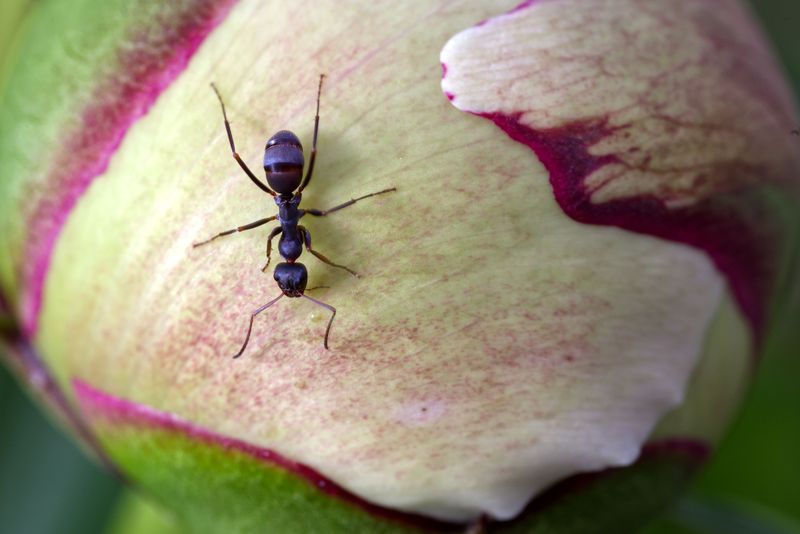
Here is the honest truth most gardeners need to hear: ants are not hurting your peonies. They are not eating the petals, damaging the roots, or spreading disease.
Their goal is the nectar, plain and simple. Once they collect what they came for, they leave the plant completely alone.
Ants do not bore into stems or chew through flower tissue. Their mouthparts are designed for collecting liquid food, not destroying plant material.
Some gardeners worry that ants will carry pests onto the plant. While ants do sometimes tend aphids for honeydew, that is a separate issue and not caused by peony nectar itself.
If you see ants and no aphids, you have nothing to worry about. The ants are simply feeding on nectar and providing that bonus pest-patrol service mentioned earlier.
Treating your peonies with pesticides to remove ants can actually backfire. Getting rid of the ants strips away your plant’s natural defense team right when it needs them most.
Many Indiana gardeners have grown peonies for decades without ever treating for ants. Their plants bloom beautifully every season without any chemical intervention.
The ants will disappear on their own once the blooms open and nectar production slows. Patience is genuinely the best strategy here, and it costs you nothing.
Trusting the process and letting nature handle the ant situation is always the smarter, safer approach for long-term peony health.
Signs Ant Activity Points To A Different Problem
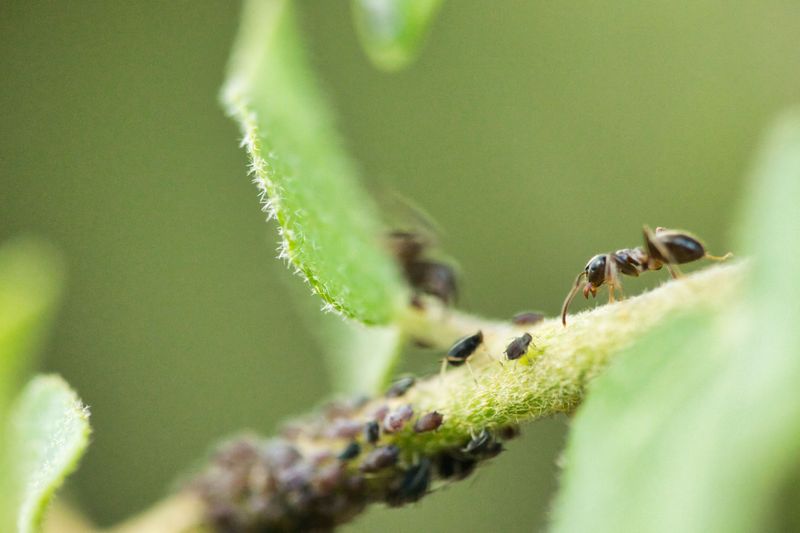
Most of the time, ants on peonies are harmless. But there are specific signs that tell you something else is going on beneath the surface.
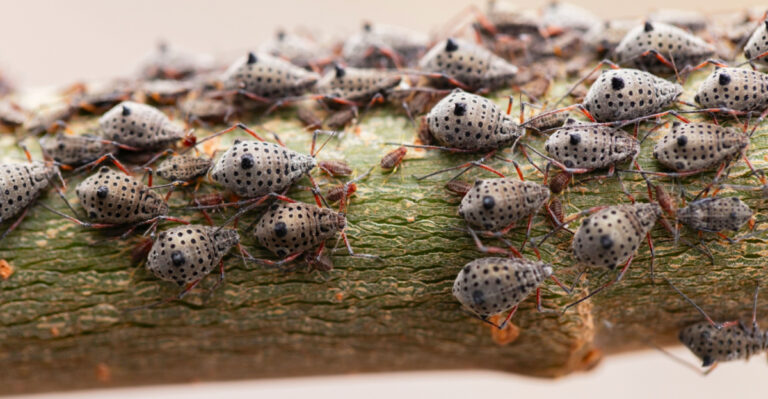
If you see ants clustered on stems rather than buds, look closer. Ants on stems often signal the presence of aphids, which ants actively protect for their sticky honeydew secretion.
Aphids are soft, tiny insects that cluster tightly on new growth. They weaken plants by draining sap, and a heavy infestation can stunt bud development before blooms even form.
Check for curling or yellowing leaves near ant activity. That kind of leaf distortion is a classic aphid symptom, not a reaction to ants themselves.
You might also spot a sticky residue on leaves below ant activity. That residue, called honeydew, is excreted by aphids and can attract sooty mold if left untreated.
Another red flag is seeing ants on your peonies after the blooms have fully opened. Once nectar production stops, ants have no reason to be there unless another food source appeared.
A sudden surge in ant numbers, far beyond what you saw in previous summers, also warrants a closer inspection. Normal nectar feeding brings a steady trickle of ants, not a massive swarm.
Catching an aphid problem early makes it much easier to manage with a simple water spray or insecticidal soap. Acting fast protects the rest of your summer blooms on Indiana peonies.
Simple Ways To Manage Heavy Ant Traffic
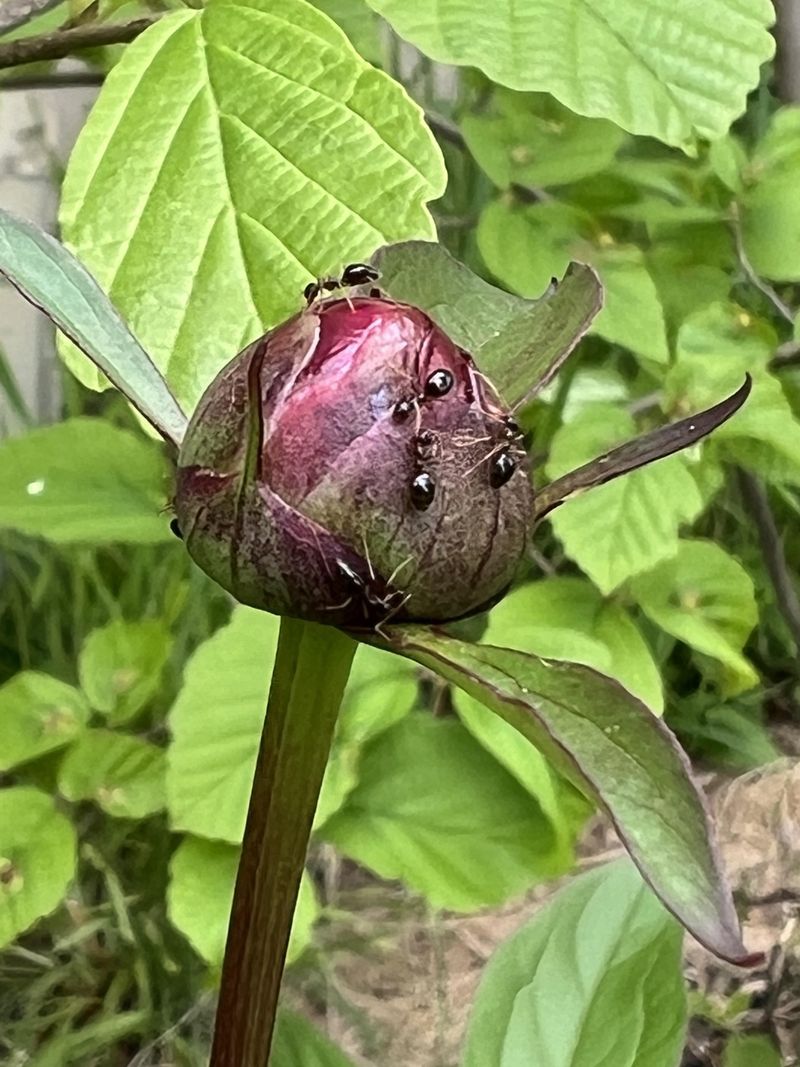
Some gardeners are fine with a few ants on their peonies. Others find the sight overwhelming and want a practical solution that does not harm the plant.
The easiest method is a gentle rinse with a garden hose. A soft stream of water knocks ants off the buds without damaging the flower or removing beneficial insects nearby.
Do this rinsing right before you cut blooms to bring indoors. Ants will not survive the trip inside if you shake the flowers and rinse them first.
Cinnamon sprinkled around the base of the plant acts as a natural ant deterrent. Ants strongly dislike crossing cinnamon powder, and it will not harm your peony’s roots or soil health.
Diatomaceous earth is another option worth trying around the plant’s base. It creates a barrier ants avoid without introducing any toxic chemicals into your garden beds.
Avoid sticky ant traps placed directly on stems. Those products can damage plant tissue and trap beneficial insects like ladybugs that actually help your garden thrive.
If you grow peonies in containers, elevating the pot on a stand with water-filled saucers underneath creates a natural moat ants cannot cross. It sounds fussy, but many gardeners find it effective.
Keeping the area around your peony free of other food sources, like fallen fruit or compost, also reduces overall ant traffic. Managing Indiana peonies well means working with nature, not constantly fighting against it.
Other Garden Plants Use The Same Nectar Trick
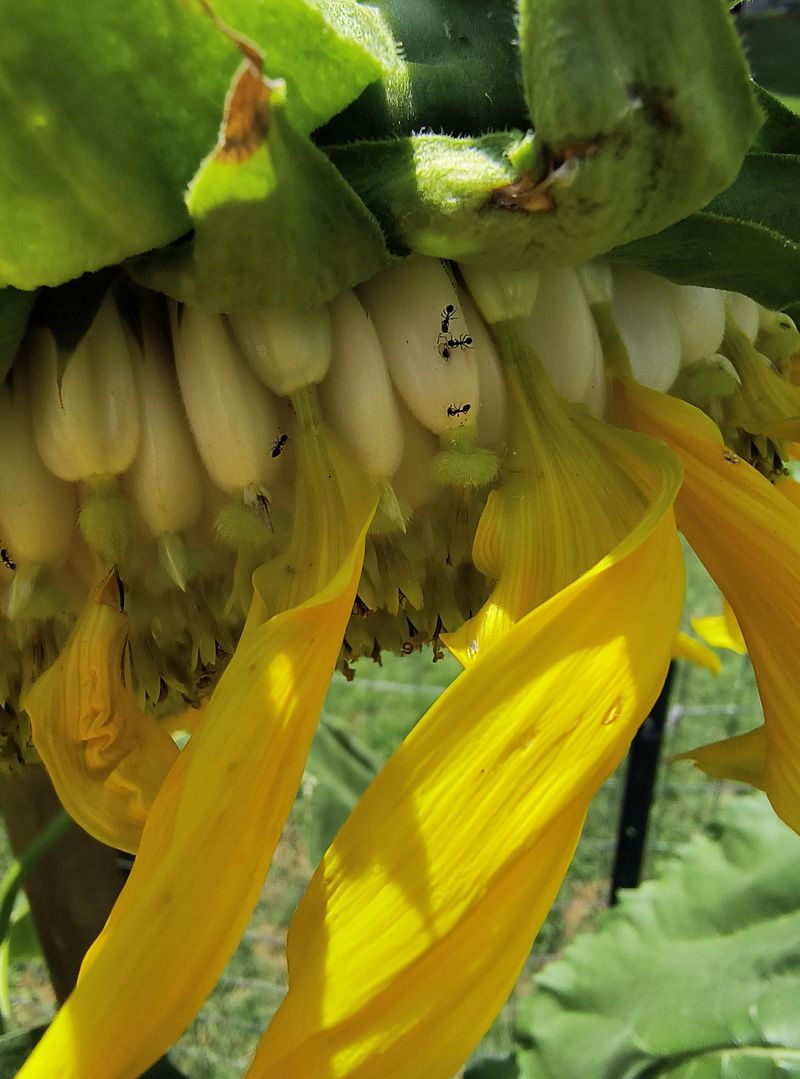
Peonies are far from the only plants using this nectar trick to stay protected. Extrafloral nectar shows up across many common garden species, more often than most gardeners realize, and once you notice it, you start seeing ant patrols everywhere.
Sunflowers, elderberry shrubs, and wild cherry trees all produce similar sugary secretions along their stems and leaf bases. Ants patrol these plants with the same steady loyalty they show peony buds each summer.
Partridge pea, a native wildflower found across Indiana meadows and prairies, relies on tiny nectar glands located along its leaf stalks. This keeps ants stationed nearby throughout most of the growing season, sometimes even after the flowers fade.
Bracken fern uses this same defense strategy, producing nectar at the base of each frond. Researchers have studied this relationship for decades because it shows up so consistently in forests and gardens alike.
Garden vetch and certain passionflower varieties tap into the same approach. The nectar pulls ants away from delicate blooms, reducing pressure from caterpillars and other leaf-chewing insects nearby.
Recognizing this pattern helps explain why ant trails often stretch across your whole yard, not just your peony bed. It is one small example of plants quietly working with nature to their advantage.