The Flowers Wisconsin Gardeners Should Collect Seeds From Right Now Before Fall Rains
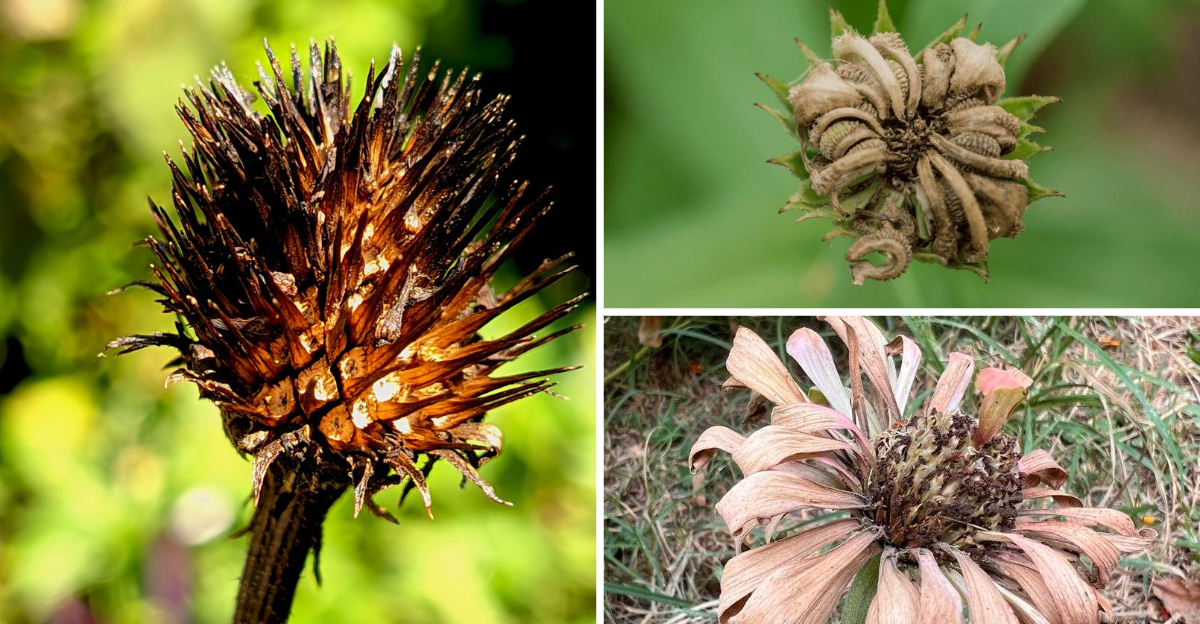
Your garden has been quietly building a fortune all summer, and most of it is sitting right there in those brittle brown pods nobody bothers to look at twice. Wisconsin’s short growing season makes this stash even more valuable than it looks.
The clock, though, is not on your side. One cold front rolling through with rain can turn a season’s worth of ripening work into mush overnight, and there is no undo button once that happens.
What makes this whole thing worth your attention is simple economics. A handful of dry pods can replace an entire spring shopping list, and the plants that made it through Wisconsin’s swings already proved they belong in your yard.
Some blooms in your yard are worth grabbing before anything else, each one holding its own reason to act fast.
1. Black-Eyed Susan
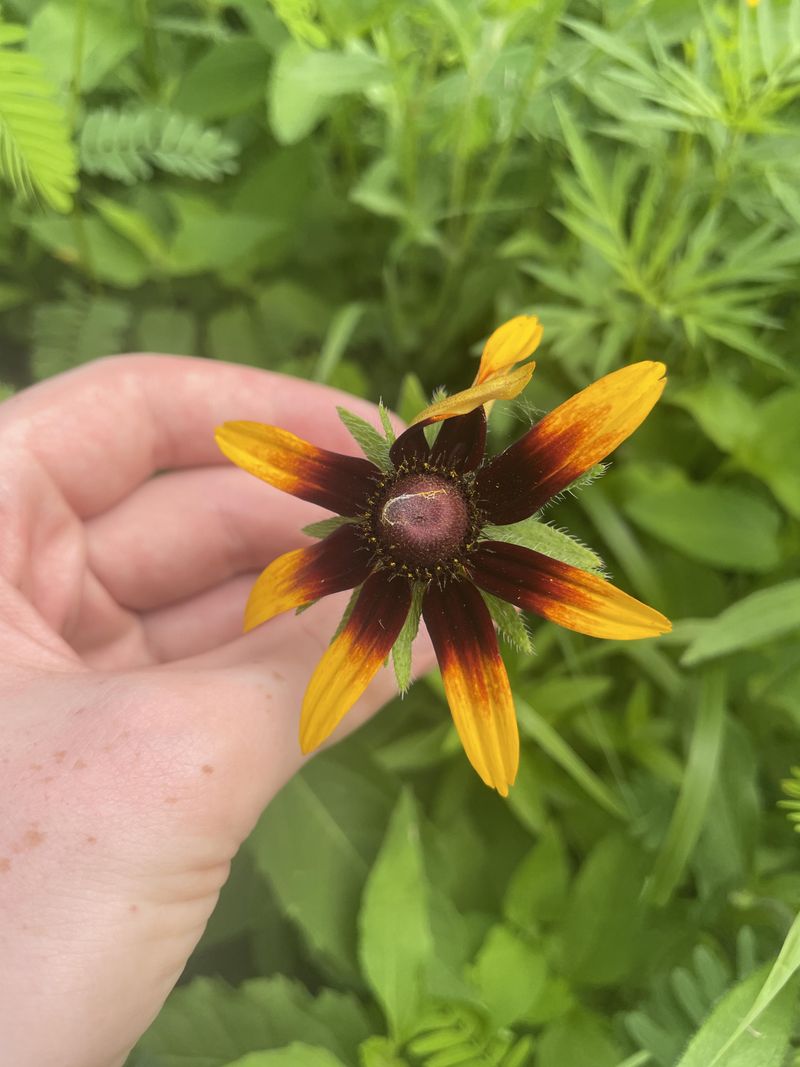
That golden burst of color you spotted all summer long? It is now your best seed source. Black-Eyed Susans produce hundreds of tiny seeds packed into their dark, spiky cone centers.
Grab them now before autumn rains knock them loose. Look for cones that have turned fully brown and feel dry to the touch.
Green or soft cones are not ready yet, so patience pays off here. Squeeze the cone lightly and seeds should fall out with almost no effort.
Snip the whole stem and drop it into a paper bag. Paper breathes, which keeps moisture from building up and ruining your harvest. Avoid plastic bags for fresh seed heads, since they trap moisture.
Spread the cones on a dry tray indoors for about two weeks. A warm kitchen counter or sunny windowsill works perfectly for this step. Shake the dried cones over a bowl to release the seeds.
Store cleaned seeds in a labeled paper envelope inside a cool, dark drawer. Black-Eyed Susans are native Wisconsin wildflowers, which means they are tough and reliable for next spring.
Collecting seeds from flowers Wisconsin gardeners love most, like this one, is both smart and deeply satisfying. One plant can yield enough seeds for several new plantings.
Share extras with neighbors or scatter them in a meadow patch for a naturalized look. This flower rewards every gardener who pays attention.
2. Purple Coneflower
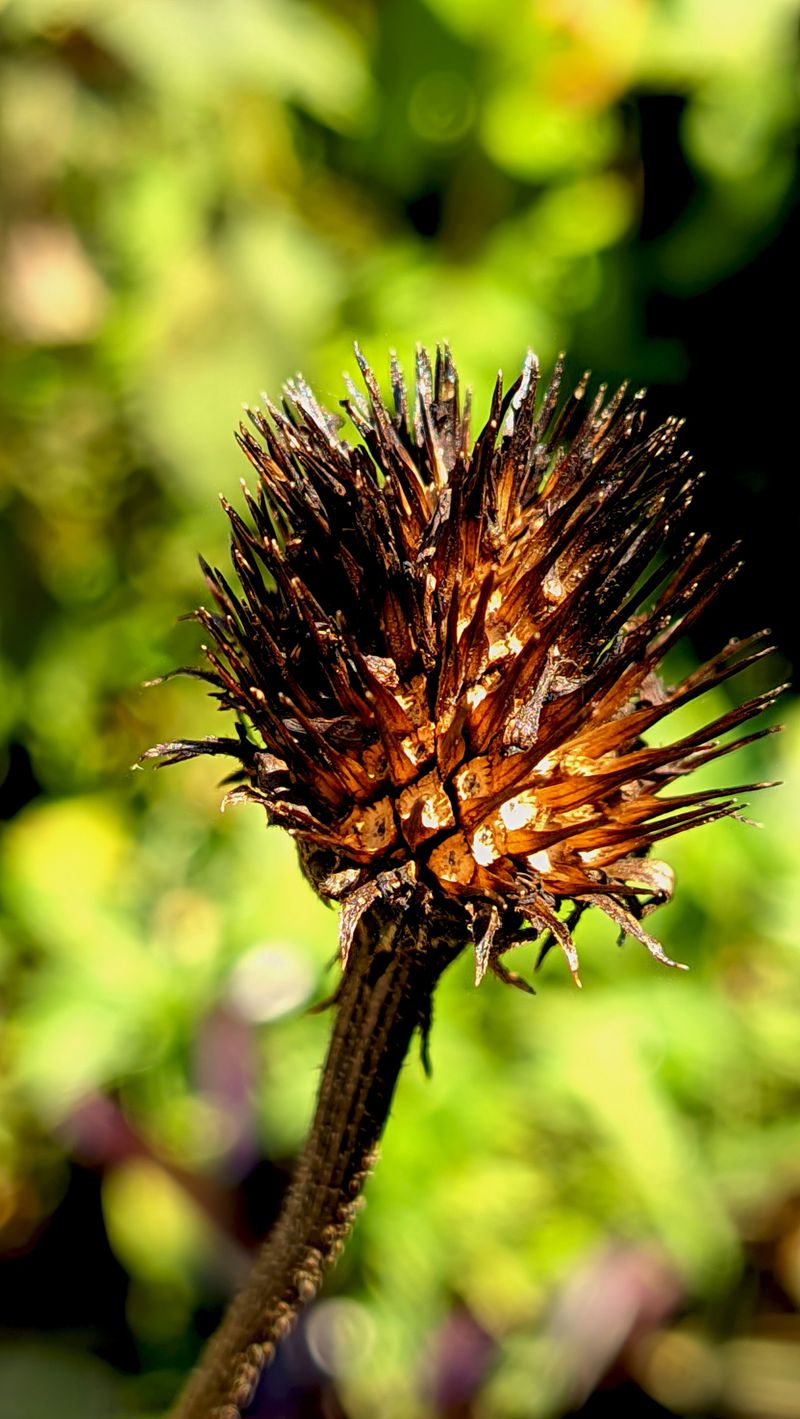
Purple Coneflower is practically begging you to take its seeds right now. The spiky bronze cones that replaced those lavender petals are packed with nutrition-rich seeds.
Birds already know this, which is exactly why you need to act fast. Watch for cones that look fully dried and dark brown all the way through.
A cone that still shows any green or soft texture needs more time on the plant. Timing matters more than most gardeners realize with this species.
Cut stems about six inches below the cone and shake them into a bucket. The seeds are small, dark, and slightly elongated with a pointed tip.
You will know you have good ones when they feel firm between your fingers. Separate seeds from the chaff by rubbing the cone over a fine mesh screen.
Your Wisconsin Garden Changes Every Week. Your Plan Should Too.
Gardening in Wisconsin changes quickly throughout the season. Every Friday you’ll receive a simple weekly plan showing exactly what to plant, prune, fertilize, harvest, and protect so you never miss the right timing.
What falls through is mostly debris, and what stays on top includes your viable seeds. A quick puff of air helps blow lighter material away.
Label your envelope with the variety name and collection date before sealing. Echinacea seeds often benefit from a cold stratification period before spring planting.
Pop your envelope in the fridge for 30 days in late winter to mimic natural conditions. This is one of the flowers Wisconsin gardeners should collect seeds from right now, before rains flatten those beautiful cones.
Echinacea self-sows readily, but saving seeds gives you full control over next year’s planting spots. Your future garden will thank you in purple.
3. Marigold
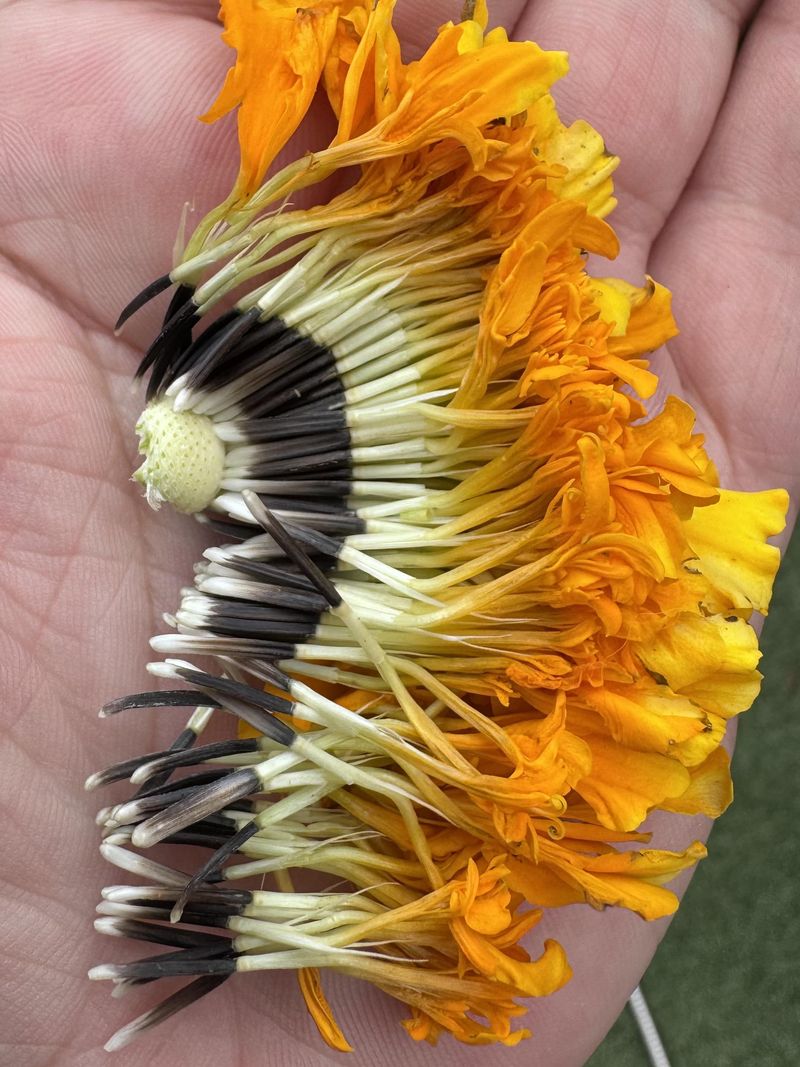
Marigolds are probably the easiest seed-saving win in any garden. Each spent flower holds a bundle of long, slender seeds that practically slide out with a gentle tug.
If you have never saved seeds before, start here and build your confidence fast. Wait until the flower base turns papery and tan, not green.
A green base means the seeds inside are still developing and will not germinate well next spring. Patience for a few extra days makes a huge difference in seed quality.
Pinch the dried flower head between your fingers and twist gently. The seeds will fan out like a little bouquet of arrows, each one dark at the tip and pale at the base.
That two-toned look tells you the seed is mature and ready. Lay seeds flat on a paper towel for one full week before storing.
Any leftover moisture causes mold, which ruins the whole batch. Dry seeds snap cleanly rather than bending when they are ready.
Marigolds come in so many colors and sizes that labeling each variety separately is worth the extra minute. French marigolds stay compact, while African types grow tall and bold.
Keeping varieties separate lets you plan your garden layout before spring even arrives. Among the flowers Wisconsin gardeners should collect seeds from right now, marigolds stand out for sheer abundance.
One single plant can easily produce more seeds than most gardeners need in a season. Sharing with friends turns one plant into a whole neighborhood of blooms.
4. Cosmos
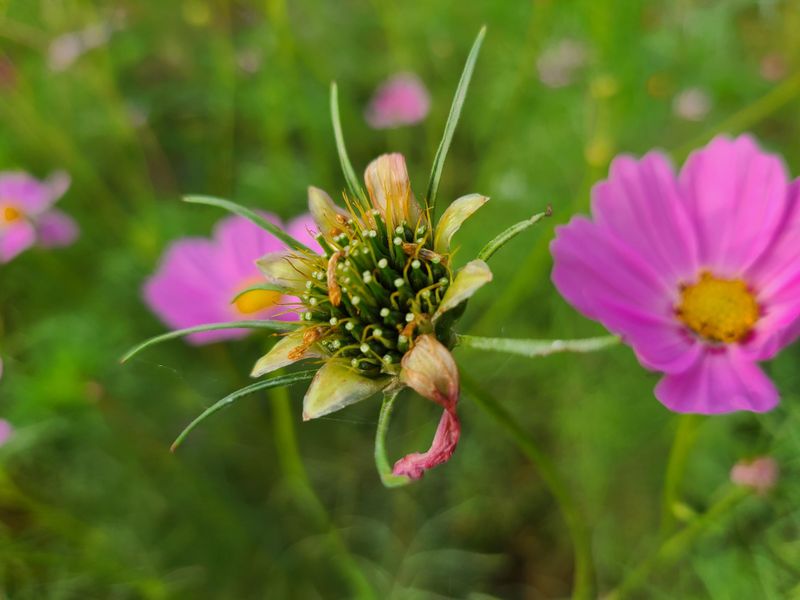
Cosmos seeds look like tiny needles clustered at the top of each faded bloom. Once the petals drop and the base dries out, those needle-like seeds are ready to harvest.
Miss the window and they scatter on their own with the first strong breeze. Run your fingers along the dried flower clusters and seeds will literally fall into your palm.
It feels almost too easy, like the plant is handing them over on purpose. That ease is part of what makes cosmos a garden favorite year after year.
Collect from as many different plants as possible to keep genetic variety strong. A single cosmos plant can produce dozens of blooms, each holding 10 to 20 seeds.
More variety means more color surprises when next year’s garden wakes up. Shake harvested seeds into a dry envelope right in the garden to save time.
No need for trays or screens with cosmos since the seeds are already clean and separate. A quick breath of air can blow away any loose chaff clinging to the bunch.
Cosmos thrive in poor soil, which makes them ideal for problem spots in the yard. They self-sow aggressively if you let even a few seed heads go, so saving seeds gives you control.
Decide where you want them before they decide for themselves. Among the flowers Wisconsin gardeners should collect seeds from right now, cosmos deliver the fastest reward.
Their feathery foliage and cheerful blooms return reliably from saved seed. Grab them today and your summer garden will burst with color.
5. Zinnia
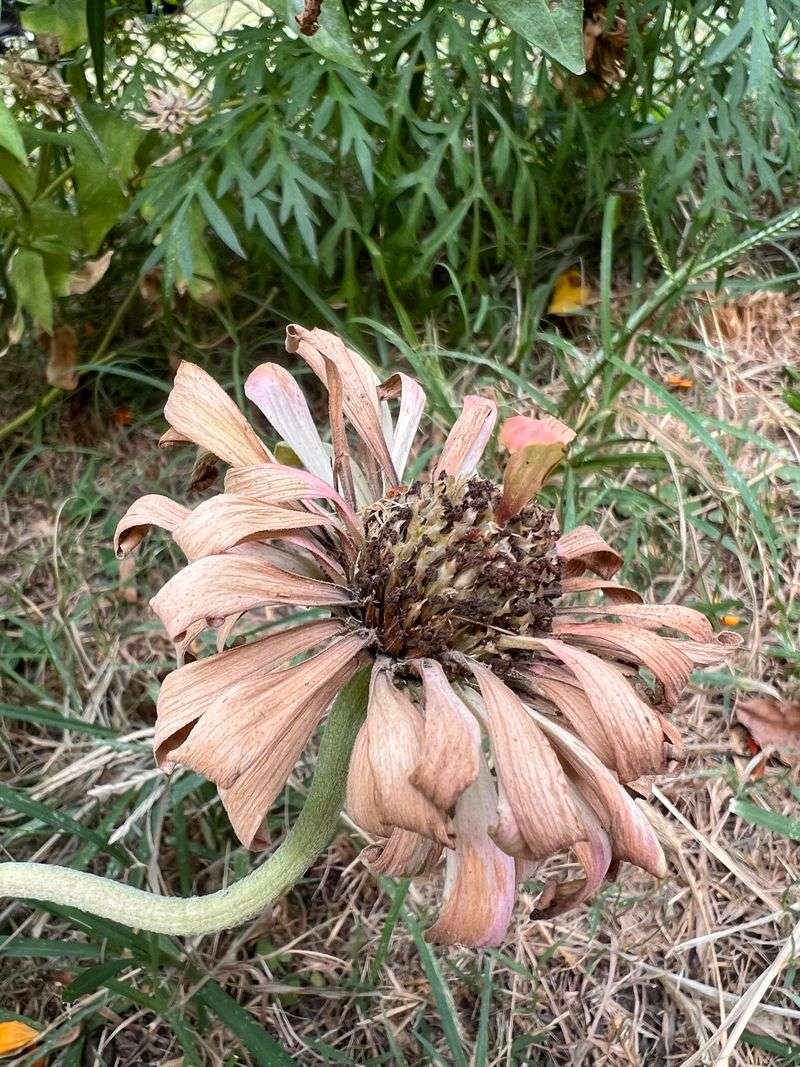
Zinnias are showoffs all summer, and they keep delivering right into seed-saving season. Each dried flower center holds dozens of arrow-shaped seeds in a tight, layered arrangement.
Pull the petals back on a spent bloom and you will find a little seed treasure chest underneath. Choose your best-looking plants to harvest from, since zinnia traits pass reliably to the next generation.
Bold color, strong stems, and big blooms are all worth preserving through careful seed selection. Skip plants that looked weak or disease-prone during the growing season.
Twist the dried flower head gently to loosen the seeds from the center. They will fan out in a starburst pattern, each seed shaped like a tiny arrowhead with a thin papery wing.
That wing helps them catch wind naturally, so work over a bowl to catch them all. Spread seeds on a dry paper plate for five to seven days before storing.
Humidity is the enemy of zinnia seeds, especially during warm fall afternoons. A fan set on low nearby speeds up drying without damaging the seeds.
Zinnia seeds stay viable for two to three years when stored correctly. Keep them in a cool, dry spot away from temperature swings.
A glass jar with a tight lid works even better than an envelope for long-term storage. Collecting seeds from flowers Wisconsin gardeners adore, like zinnias, means rarely buying the same packet twice.
These cheerful blooms come back stronger every year from saved seed. Start now and build your own private zinnia rainbow.
6. Bachelor’s Button
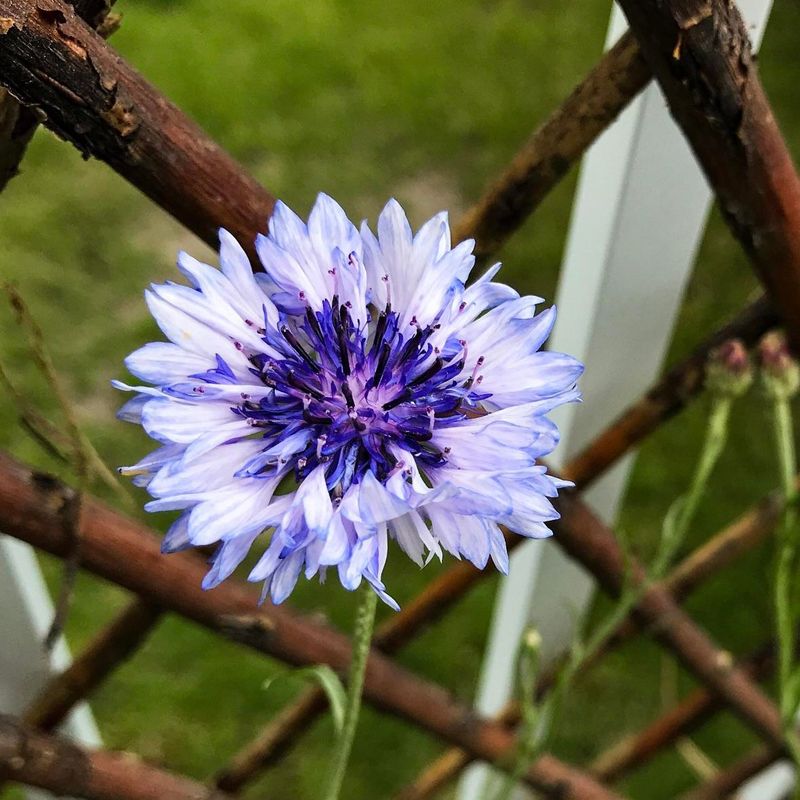
Bachelor’s Button has a hidden trick inside those fuzzy, dried flower heads. Each tiny seed comes attached to a feathery tuft that helps it drift on the wind.
Catch them before the breeze does, or they will plant themselves wherever they please. Dried Bachelor’s Button heads feel papery and crinkle slightly when you squeeze them.
That crispy texture is your signal that the seeds inside have fully matured. Soft or green heads still need more time, so check daily once blooms start fading.
Snip the entire stem and hold it upside down over a paper bag. Give it a few firm shakes and the seeds will tumble right out. The fluffy tufts make them float, so shake slowly to keep them inside the bag.
Separate the tufts from the seeds by rubbing them gently between your palms. The feathery bits will ball up and pull away, leaving clean seeds behind. A light breath of air blows the fluff off without losing the seeds underneath.
Bachelor’s Button seeds are surprisingly cold-tolerant and can even be sown in late fall for early spring blooms. Gardeners who know this trick get a head start on the season without any extra effort.
Tuck a few seeds directly into the ground before frost sets in. This charming old-fashioned flower deserves a spot in every Wisconsin cutting garden.
Its vivid blue color is rare among annuals, making it a standout in any bouquet. Save seeds now and enjoy that electric blue all over again next June.
7. Calendula
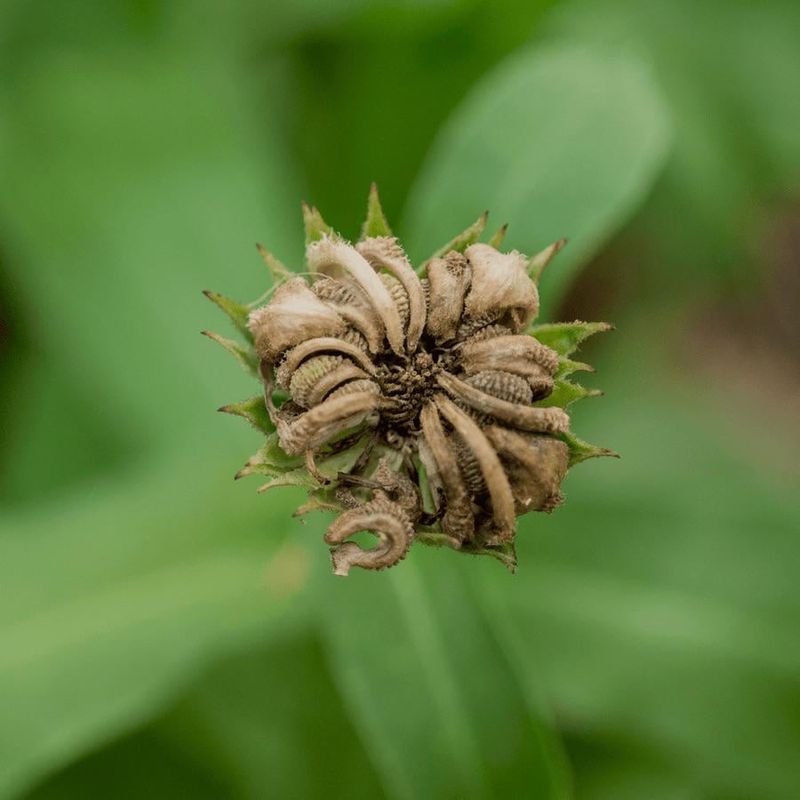
Calendula seeds look like tiny curved claws, and they are one of the most satisfying things to harvest in the fall garden. Each dried flower head holds a cluster of these crescent-shaped seeds arranged in a tight ring.
One spent bloom can yield 30 or more seeds without any trouble at all. Wait until the flower head closes up and the base turns fully tan and papery.
A calendula that looks like a shriveled little knot is perfectly ripe for picking. That closed, crinkled shape is nature’s way of protecting the seeds inside.
Rub the dried head between your fingers and the seeds pop free almost instantly. Collect them directly into a small bowl or paper bag as you work through the garden.
The curved shape makes them easy to spot against a flat surface. Calendula is also known as pot marigold, though it is a different plant entirely from true marigolds.
Herbalists have used it for centuries to soothe skin and make teas. Knowing a little history about your plants makes saving their seeds feel even more meaningful.
These seeds stay viable for up to five years when kept in a cool, dry location. That long shelf life makes calendula one of the most forgiving plants for seed saving beginners.
Even a slightly imperfect harvest can still produce a beautiful garden. Among the flowers Wisconsin gardeners should collect seeds from right now, calendula offers the best return on time invested.
Its cheerful orange and yellow blooms brighten any space from spring through hard frost. Save generously and plant boldly next season.
8. Sunflower
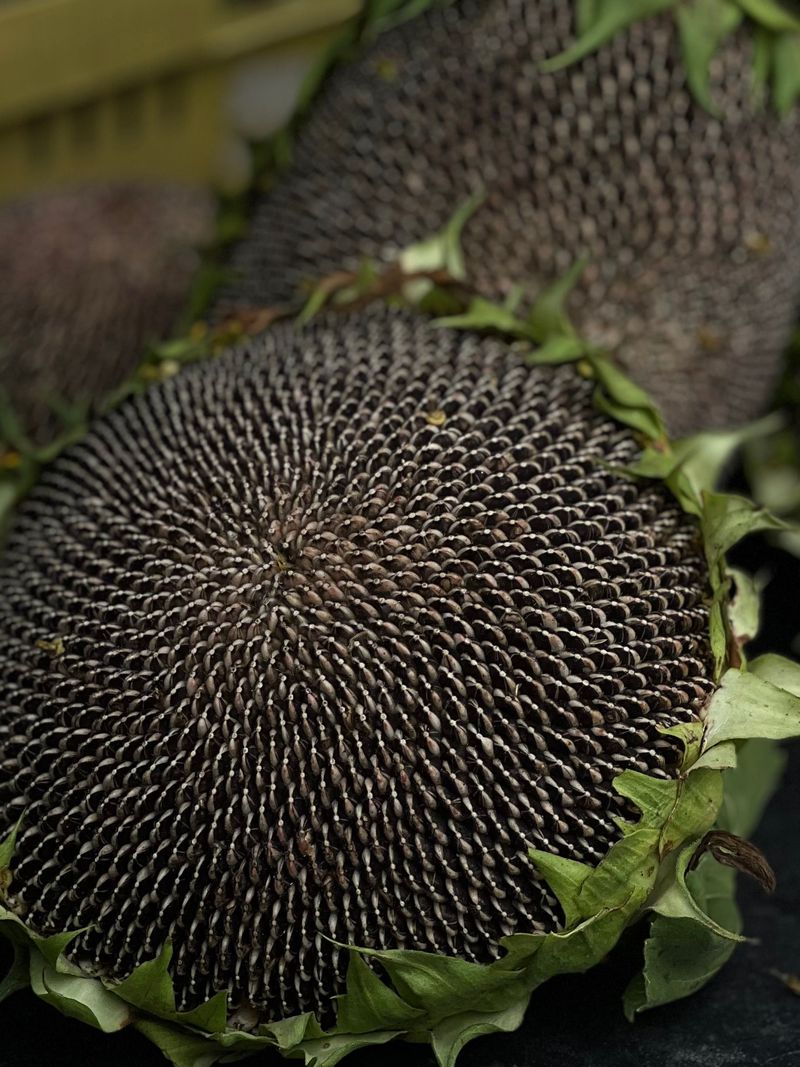
A dried sunflower head is basically nature’s own seed vault hanging right in your garden. Those tightly packed seeds arranged in a perfect spiral pattern are ready the moment the back of the head turns yellow-brown.
Waiting too long means birds can claim most of the seeds before you get a chance. Press your thumbnail against a seed in the center of the head to test for ripeness.
If it pops out with light pressure and feels firm, the whole head is ready. Soft or hollow seeds mean you need another week or so.
Cut the head with about a foot of stem attached and hang it upside down in a dry garage or shed. Air circulation prevents mold from forming on the densely packed seed surface.
Two to three weeks of hanging time finishes the drying process. Rub two dried heads together over a bucket to dislodge the seeds in bulk.
Hundreds of seeds can fall in just a few minutes using this old farmer’s trick. Sift out debris with a colander before storing your cleaned seeds.
Sunflower seeds from open-pollinated or heirloom varieties will produce plants that look just like their parents. Hybrid sunflower seeds, however, may surprise you with unpredictable results.
Check your seed packet from this year to know which type you planted. Collecting seeds from flowers Wisconsin gardeners grow in abundance, like sunflowers, closes the loop on a full growing season.
These seeds also double as bird food through the winter, so save more than you need. A generous harvest feeds both your garden and your backyard wildlife.