The Wisconsin Watering Mistake That Hurts Plants More Than the Heat Itself
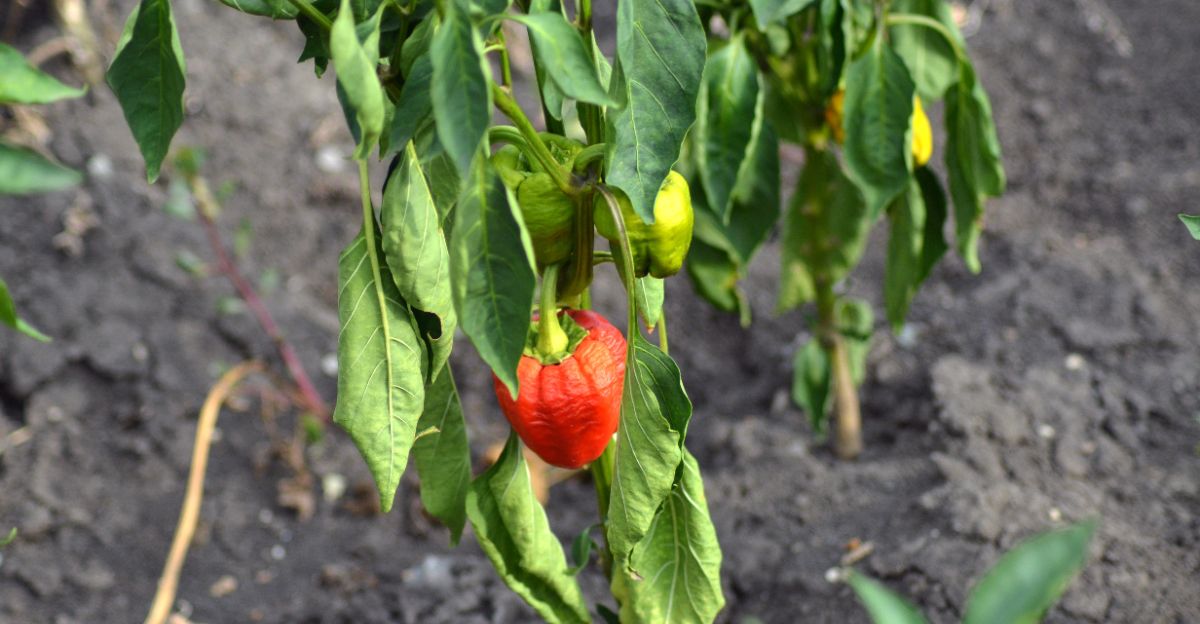
Most gardeners point straight to the weather when their tomatoes wilt by midday. But a garden hose can do more damage than a heat wave ever will. One small habit shapes everything happening beneath the soil, long before leaves ever show signs of stress.
That habit hides in plain sight, repeated almost every time the hose comes out. It quietly reshapes how roots grow and how well they hold up once real heat arrives. Most gardeners never notice it, since the damage builds slowly and shows up weeks later.
Disease often follows right behind it, spreading in ways that have nothing to do with rainfall. A garden that looks thirsty may actually be struggling from something else entirely.
Your plants don’t need more water. They need a smarter approach to giving it.
Frequent Shallow Watering Trains Roots To Stay Near The Surface
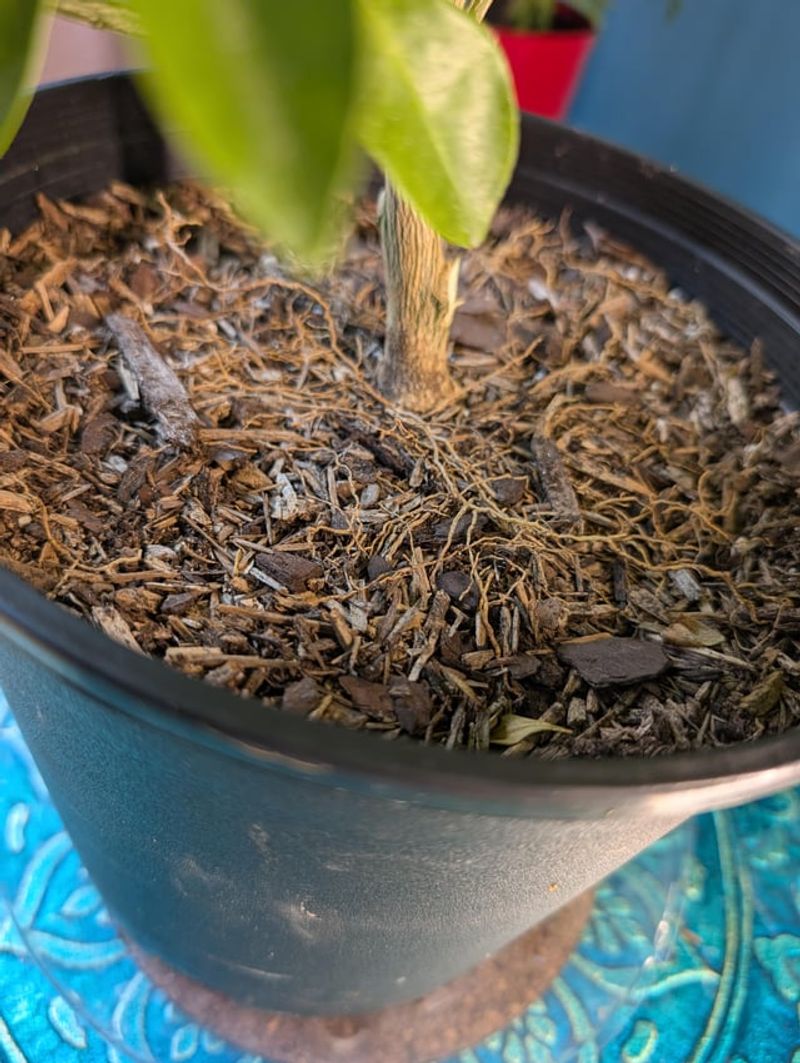
Roots are not lazy by nature. They go exactly where the water is.
When you sprinkle a little water on top every single day, roots learn fast. They cluster near the surface because that is where moisture consistently shows up.
This sounds harmless at first glance. But shallow roots create fragile plants that cannot handle stress.
Think of it like building a house on sand.
The structure looks fine until pressure hits, and then everything shifts. Surface roots are exposed to the harshest conditions in your garden. Soil at the top dries out first when temperatures rise.
A plant with shallow roots is essentially living on the edge every hot afternoon. One dry spell, and it has nowhere deeper to pull from.
Wisconsin summers can flip fast. A week of cool rain followed by a dry stretch will expose every shallow-rooted plant in your yard.
The watering mistake that hurts plants starts right here. Frequent shallow watering feels responsible, but it actually programs roots to stay vulnerable.
Gardeners who water a little every morning often notice their plants wilting by afternoon. They water more, and the cycle repeats.
Breaking this pattern starts with understanding what roots actually need. They need a reason to grow downward, and that reason is deep moisture.
Give water only at the surface, and you remove that reason entirely. Your plants respond by staying shallow, staying weak, and staying dependent on you every single day.
Shallow Roots Can’t Reach Moisture Once The Soil Dries Out
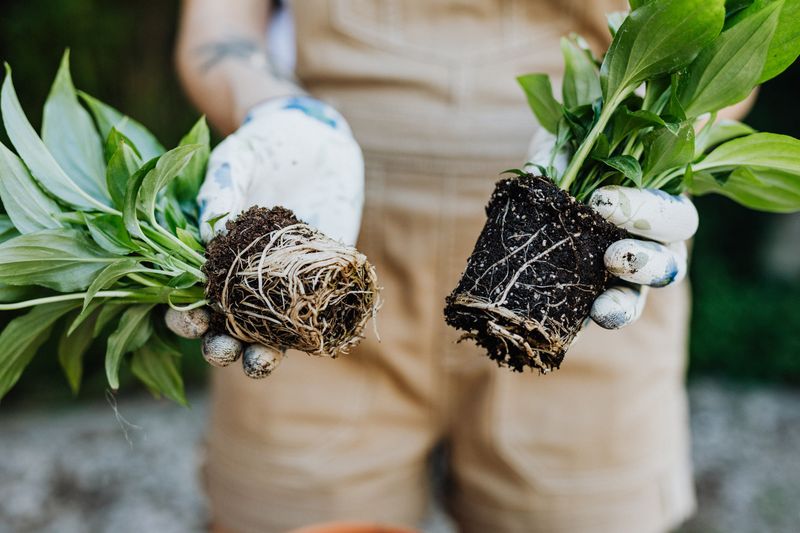
Picture your garden soil as a layered sponge. The top inch dries out in hours on a warm day.
Plants with shallow roots are stuck in that top layer. When it dries, they have nothing left to pull from.
Deeper soil holds moisture much longer. Even after three hot days with no rain, the soil eight inches down can still feel damp.
Plants with deep roots tap into that hidden reservoir. They stay hydrated while their shallow-rooted neighbors start to wilt.
This is not about luck alone. It largely comes down to where the roots have been trained to grow.
Your Wisconsin Garden Changes Every Week. Your Plan Should Too.
Gardening in Wisconsin changes quickly throughout the season. Every Friday you’ll receive a simple weekly plan showing exactly what to plant, prune, fertilize, harvest, and protect so you never miss the right timing.
Wisconsin clay soils hold moisture well at depth. Sandy soils drain faster, but even they retain more water below the surface than at the top. The difference between a thriving plant and a struggling one often comes down mainly to root depth.
Shallow roots also make plants more vulnerable during heavy rain. Water rushes across the surface instead of soaking in slowly.
Deep roots anchor plants better too. A strong root system holds soil in place and keeps the plant stable through wind and storms.
The watering mistake that hurts plants is not always visible above ground. You might not notice the damage until a dry week reveals exactly how shallow your plant roots actually went.
Fixing this means changing how water reaches the soil. Slow and deep usually beats fast and light.
Daily Light Watering Looks Helpful But Backfires Fast
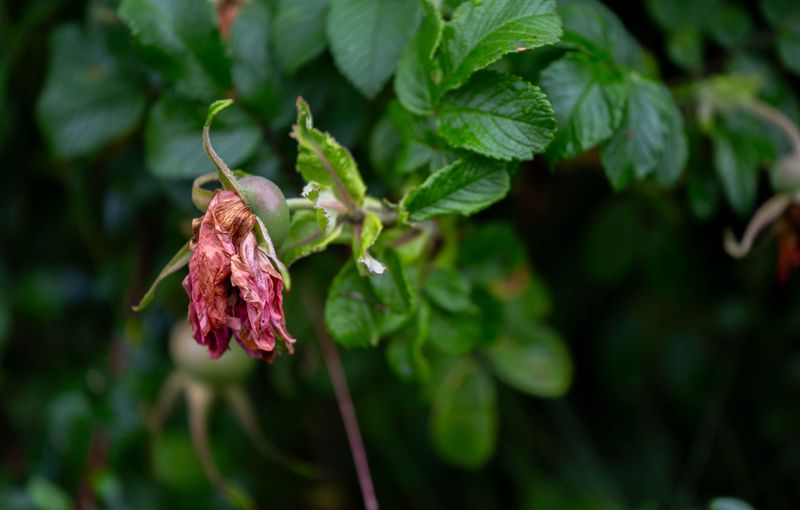
It feels like the right thing to do. You check on your garden every morning, give everything a quick drink, and feel good about it.
But that quick drink is often the problem. Light daily watering keeps only the very top of the soil wet.
Roots follow that moisture upward and outward. Over time, the whole root system clusters in the worst possible location.
The top inch of soil is one of the most unstable zones in your garden. It heats up, dries out, and gets disturbed by wind and foot traffic.
Plants living in that zone are often stressed. They look okay in the morning but droop by noon on warm days.
Daily watering also encourages certain fungal diseases. Wet soil surfaces combined with warm air create ideal conditions for root rot and mildew.
Wisconsin summers bring enough humidity already. Adding daily surface moisture on top of that creates a recipe for plant health problems.
Many gardeners notice their plants seem to need more water over time. That is not a coincidence. Shallow roots are less efficient at pulling moisture from the soil.
The plant ends up dependent on you for every single drop. Miss one morning, and it shows stress by afternoon.
Cutting back on frequency feels counterintuitive. But watering less often and more deeply actually gives plants more independence and more strength.
Your garden does not need you every morning. It needs you to water smarter, not more often.
Deep, Infrequent Watering Builds Real Drought Resistance
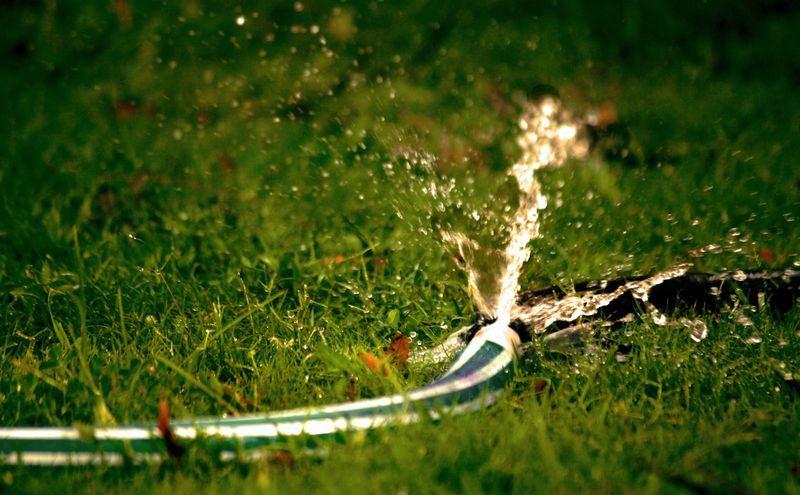
Watering deeply once or twice a week changes everything underground. Roots chase moisture downward and build a strong, wide network.
That network becomes the plant’s personal water storage system. Even when the surface soil bakes in July, deep roots keep pulling from cooler, wetter layers below.
Deep watering means getting moisture six to eight inches into the soil. A quick sprinkle never reaches that far.
Soaker hoses and drip irrigation are excellent tools for this. They deliver water slowly right at the base of the plant.
Slow delivery allows water to penetrate deeply instead of running off the surface. Your plants get more benefit from every gallon you use.
This approach also saves water over time. You end up using less total water because roots become efficient at finding and holding moisture.
Wisconsin gardeners who switch to deep watering often notice a real change within a few weeks. Plants look fuller, stand more upright, and handle heat much better.
The transformation is not magic. It is simply roots doing what they were designed to do when given the right conditions.
Deep watering also improves soil structure over time. Water moving slowly through soil carries organic matter downward and improves drainage and aeration.
The watering mistake that hurts plants is easy to reverse. Start watering longer and less frequently, and your garden will reward you quickly.
Strong roots are the foundation of a thriving plant. Build them from the ground up, literally.
Morning Watering Cuts Evaporation And Disease Risk
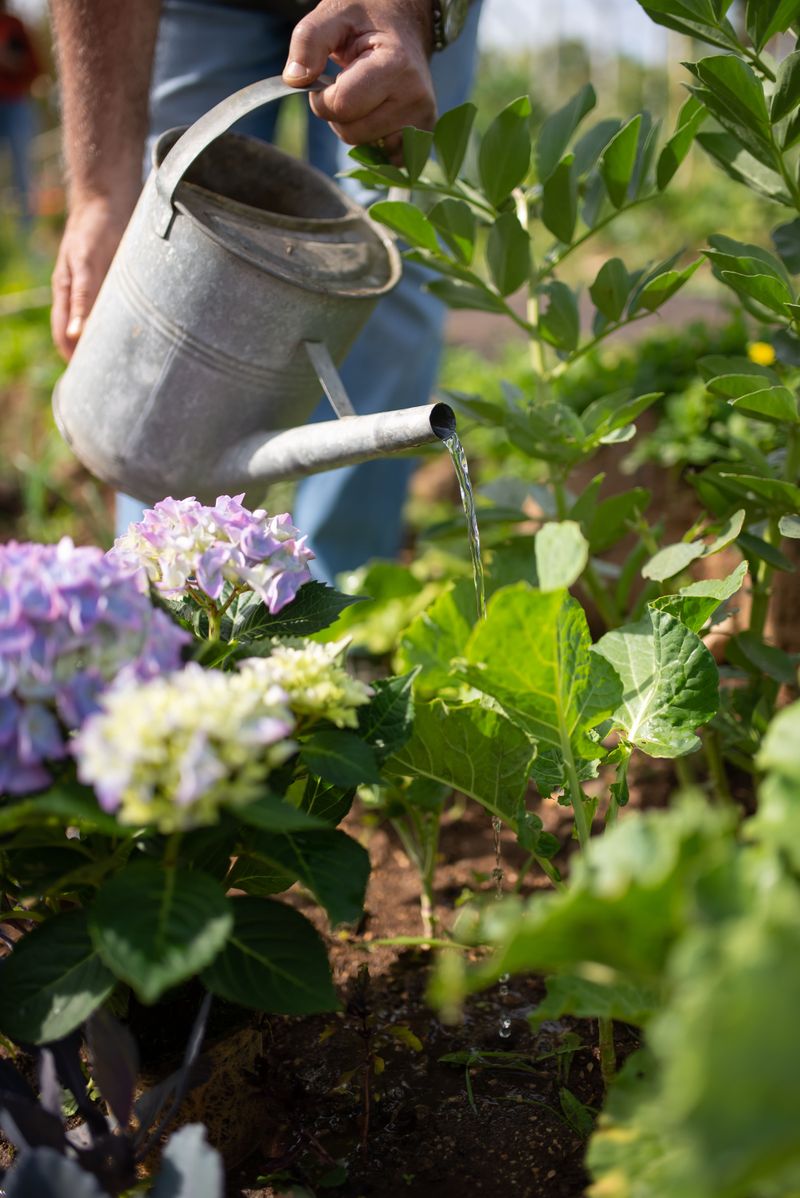
Timing your watering session is just as important as how much you apply. The hour you choose can make a noticeable difference in plant health.
Morning watering is the gold standard for a reason. Soil absorbs moisture better when temperatures are cooler and evaporation rates are low.
Water applied at midday often evaporates before roots can absorb it. You end up using more water for less benefit.
Evening watering leaves moisture sitting on leaves overnight. Wet foliage in warm, humid conditions is an open invitation for fungal disease.
Wisconsin summers are already humid enough without adding wet leaves to the mix. Powdery mildew and leaf spot spread much faster on consistently damp foliage.
Watering in the morning gives leaves time to dry before nightfall. Roots still get the deep soak they need, but the surface dries quickly in rising temperatures.
Morning watering also fits naturally into most daily routines. A slow, deep session before breakfast sets your garden up for the entire day.
Pairing morning timing with deep watering technique creates a powerful combination. Plants stay hydrated, roots grow downward, and disease pressure drops significantly.
Some gardeners use timers to automate their morning sessions. This removes the guesswork and keeps watering consistent even on busy days.
Consistency matters more than perfection. A reliable morning routine, even if imperfect, beats irregular watering at random hours of the day.
Your garden thrives on rhythm. Give it one, and it will reward you with a stronger harvest.
A Simple Soil Check Beats Watering On A Fixed Schedule
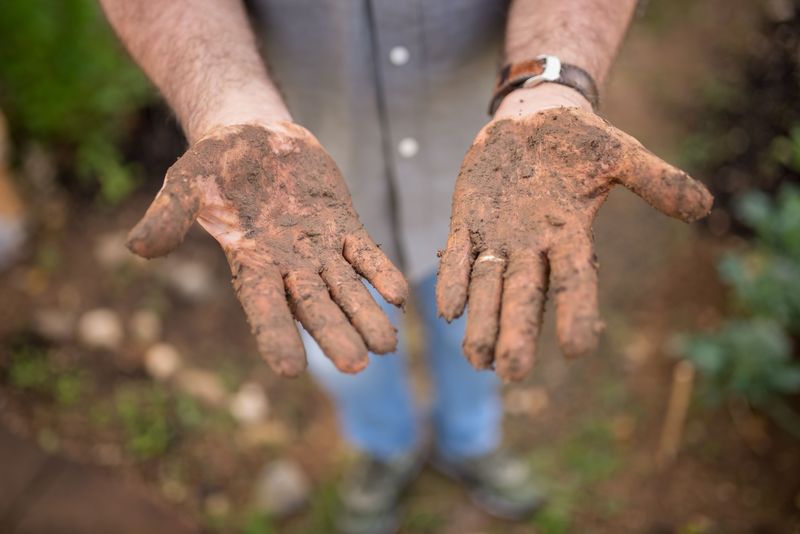
Calendars do not feel soil. Only your finger does. The most reliable watering tool you own costs nothing. It is the index finger you already have.
Push it two inches into the soil near your plant’s base. If it feels dry at that depth, your plant needs water now.
If it still feels damp, wait another day and check again. This simple test prevents both overwatering and underwatering at the same time.
Fixed schedules seem organized and smart. But plants do not follow calendars, and neither does rainfall or humidity.
A week of cloudy, cool weather in Wisconsin means your garden needs far less water than a hot, windy stretch does. The calendar cannot know that difference.
Overwatering is one of the most common causes of plant stress in home gardens. It deprives roots of oxygen by pushing much of the air out of the soil.
Roots need air just as much as moisture. Soggy soil leaves them starved for air even when surrounded by water.
The finger test keeps you honest. It grounds your watering decisions in real conditions rather than routine habit.
Moisture meters are another helpful option for gardeners who want more precision. They give a quick reading at various soil depths without much effort.
Either way, the goal is the same. Water when the plant needs it, not when the clock says so.
The watering mistake that hurts plants often comes down to assumption. Check the soil first, and you’ll make the right call far more often.