Where Iowa Chiggers Like To Hide And How They’re Different From Ticks
Redness spreads across your waistband before you even notice the itch. Chiggers move fast, and Iowa summers hand them endless opportunity. Ticks wait patiently for the right moment.
Neither pest behaves the way most people truly assume they do. Your skin becomes the target the moment you step into tall brush. Bumps cluster around tight seams, waistbands, and sock lines first.
Scratching only extends the discomfort and makes it linger longer. Iowa fields, shaded groves, and overgrown lawns hide both pests differently. Distance between chigger habitat and tick habitat matters more than you realize.
Understanding that difference changes how you protect yourself outdoors this summer. Every red bump tells a different story depending on the culprit.
Location determines whether you are dealing with chiggers or something else. Awareness now prevents days of relentless, uncomfortable itching later. You need to know exactly where each one hides before your next trip outside.
Tall Grass Harbors Large Clusters

Step into an unmowed field and you have just entered prime chigger territory. Tall grass is the single most reliable hiding spot for chigger clusters across Iowa.
Chiggers do not live on the grass blades themselves. They wait at the base and along the lower stalks, where humidity stays high and shade keeps the soil moist.
When a warm-blooded host brushes past, chiggers latch on quickly. They can transfer from grass to skin in seconds, making a short walk feel like a big risk.
Even brief contact with damp grass near a ditch or trail edge can leave multiple chiggers attached within minutes.
Ticks, by contrast, tend to climb higher on vegetation. A tick will often perch near the top of a stem, waiting to grab onto passing clothing or fur.
Chiggers stay low because they are tiny and fragile. Sunlight and dry air can dehydrate them fast, so the cool, humid base of tall grass is their comfort zone.
Mowing your lawn regularly is one of the best defenses you have. Grass kept short removes most of the shelter chiggers need to survive and thrive.
If you walk through tall grass anyway, tuck your pants into your socks. Applying permethrin to your clothing before heading out adds another strong layer of protection against where Iowa chiggers like to hide.
Shady Vegetation Provides Ideal Habitat

Shade creates ideal survival conditions for chiggers. Wherever the sun cannot fully reach, moisture lingers and temperatures stay cooler, creating exactly the conditions chiggers love.
Dense shrubs, low-hanging tree branches, and thick ground cover all qualify as prime shady real estate. Gardens with lots of leafy plants are especially attractive to these tiny mites.
Ticks also enjoy shaded areas, but they tend to favor the edges of wooded zones. Chiggers go deeper into the shade, clustering near the soil where leaf litter piles up.
One key difference is that ticks can survive in drier conditions than chiggers can. Chiggers are much more dependent on consistent moisture, which is why dense, shaded vegetation suits them so perfectly.
Your Iowa Garden Changes Every Week. Your Plan Should Too.
Gardening in Iowa changes quickly throughout the season. Every Friday you’ll receive a simple weekly plan showing exactly what to plant, prune, fertilize, harvest, and protect so you never miss the right timing.
Homeowners who keep shrubs trimmed and clear fallen leaves from garden beds will see far fewer chigger problems. Letting air and sunlight into your plantings makes those spots far less hospitable.
Berry patches and ornamental grasses near shaded fences are also common hotspots. Picking berries or weeding in those areas without protection is a fast way to collect unwanted passengers.
Wearing long sleeves and using an EPA-registered repellent before gardening makes a real difference. Understanding where Iowa chiggers like to hide in shaded spots helps you plan your outdoor activities more safely.
Overgrown Weeds Shelter Dense Populations

Weedy fence lines are unappealing to homeowners but attractive to chiggers. Overgrown weeds create a tangled, humid micro-environment that dense populations of chigger larvae call home.
Wild plants like goldenrod, thistle, and common ragweed grow thick and fast. Their overlapping stems trap moisture near the ground, giving chiggers the perfect breeding ground all summer long.
Ticks can be found near weedy areas too, but they are far less picky about plant type. Chiggers tend to concentrate specifically where plant stems are close together and the ground stays damp.
A weedy ditch along a country road in Iowa can hold a surprisingly dense population of chiggers. That may sound surprising, but most people don’t notice until after they’ve walked through the area.
Clearing weeds around the edges of your property is a smart seasonal habit. Removing that cover disrupts the moisture and shelter chiggers depend on to survive between feedings.
If full weed removal is not possible, a barrier of wood chips or gravel between weedy zones and your yard can help. Chiggers move slowly and do not travel far, so physical separation works well.
Spraying DEET on exposed skin before working near weedy areas adds meaningful protection. Recognizing these spots as part of where Iowa chiggers like to hide puts you one step ahead every time.
Woodpiles Create Moist Hiding Spots

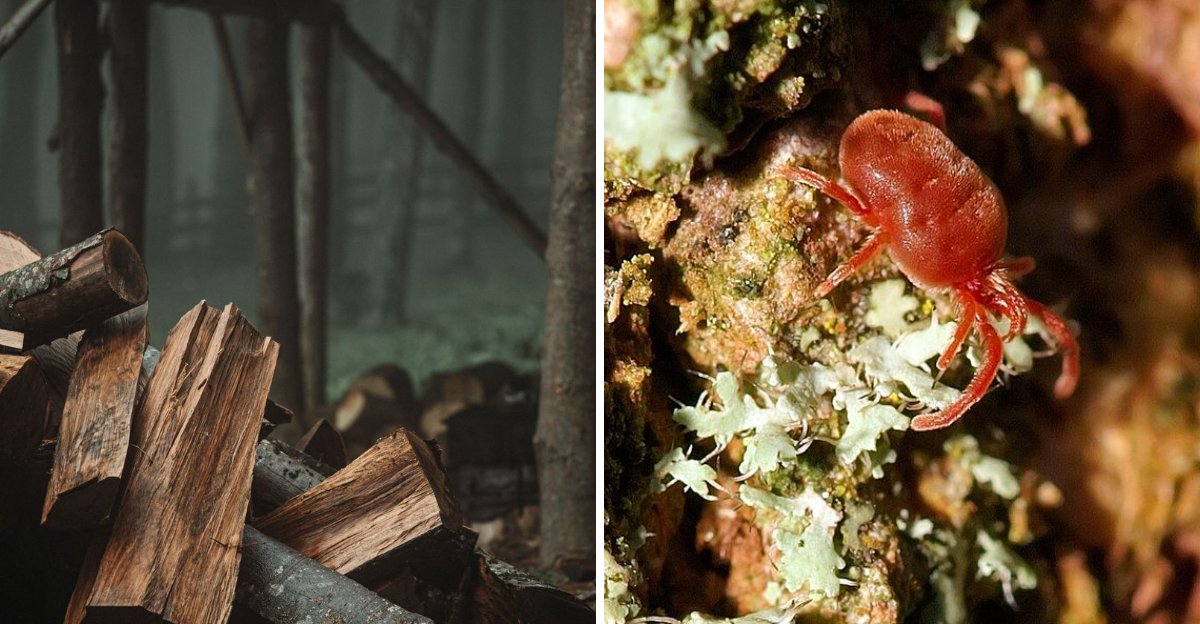
That neatly stacked woodpile by the back porch looks handy, but it can also shelter chigger populations. The dark, damp gaps between logs hold exactly the kind of moisture chiggers need to stay active.
Leaf litter and bark debris tend to accumulate at the base of woodpiles. That organic layer breaks down slowly, keeping the soil underneath consistently moist and cool throughout the warm months.
Ticks also hide in woodpiles, so this is one spot where both pests can coexist. The difference is that ticks are searching for a host to attach to for days, while chiggers just need a few hours of contact.
Moving your woodpile away from the house and off direct soil contact can reduce the problem. Setting logs on a rack or gravel base improves airflow and reduces the moisture chiggers rely on.
Wearing gloves and long sleeves when handling firewood is always a smart call. Checking your arms and legs after grabbing logs is a quick habit that prevents a lot of discomfort later.
Treating the ground around the woodpile with a yard spray labeled for mites adds an extra layer of defense. Products with bifenthrin are commonly used along the perimeter and may help reduce local populations.
Staying aware of where Iowa chiggers like to hide means paying attention to overlooked spots like this one. A few small changes around the woodpile go a long way.
Size Makes Chiggers Nearly Invisible
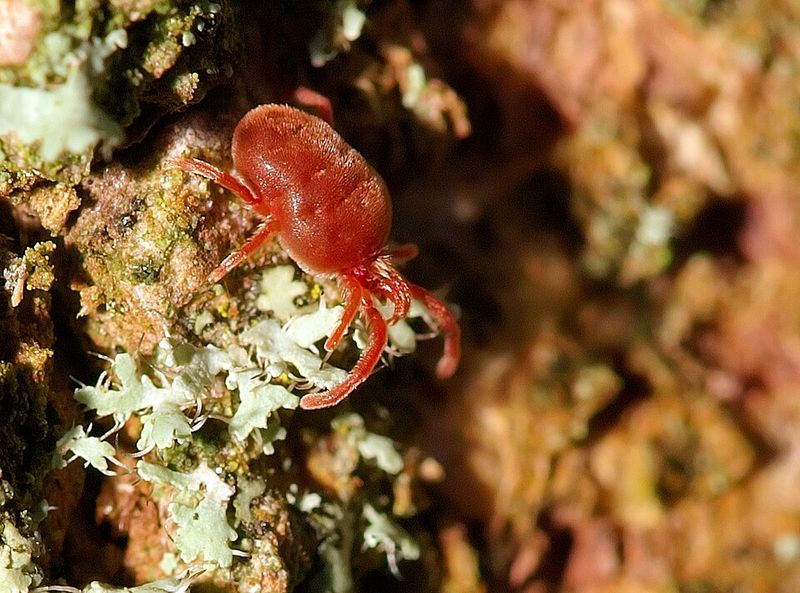
Chiggers are so small that most people never actually see one. Adult chiggers measure less than one millimeter, and larvae are even tinier, making them nearly impossible to spot without magnification.
Ticks, on the other hand, are visible to the naked eye even before they feed. An unfed tick looks like a small brown or black seed, and most people can spot one crawling on their skin.
That size difference changes everything about how each pest is detected. With ticks, you can do a body check and physically find them. With chiggers, you often only know they were there after the itching starts.
Chigger larvae are bright red or orange, which sounds like it would make them easier to see. But at their size, that color does not help much unless you are looking under a magnifying glass.
Because they are so hard to spot, chiggers often go unnoticed until hours after exposure. By then, the larvae may have already moved on, leaving behind their irritating digestive enzymes in the skin.
Showering immediately after outdoor activity is the most reliable way to remove chiggers before they cause problems. Scrubbing with soap and warm water dislodges them before they have time to settle in.
The near-invisibility of chiggers is one of the biggest differences from ticks. It is also one of the reasons knowing where Iowa chiggers like to hide matters so much for prevention.
Larvae Stage Causes The Irritation
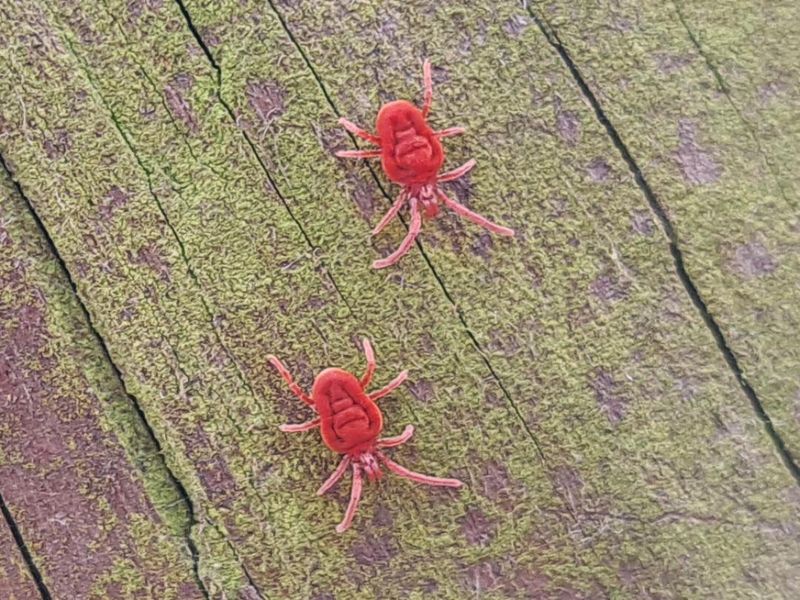
One common misconception about chiggers is that they burrow into skin, but they do not. Only the larval stage feeds on hosts, and it does not tunnel anywhere inside the body.
Chigger larvae attach to skin and inject a digestive enzyme that breaks down skin cells. The body reacts to that enzyme with intense itching, swelling, and those familiar red welts.
Ticks feed at every life stage, from larva to adult. That means a tick can bite you whether it is a tiny nymph or a fully grown adult, making them a persistent threat across the whole season.
Chigger larvae have six legs, which is actually one fewer pair than adult chiggers. After feeding, the larva drops off, molts, and eventually becomes an eight-legged adult that feeds only on plant material.
Adult chiggers are harmless to humans. They live in the soil and eat decaying plant matter, never seeking out warm-blooded hosts the way the larvae do.
This is a major behavioral difference from ticks, which actively seek blood meals throughout their adult lives. A tick can stay attached for days and transmit diseases during that time.
Chigger larvae feed for only a short window before dropping off. Understanding this larval behavior is key to understanding why chigger reactions feel so miserable, and why prevention matters more than removal.
Feeding Lasts Only A Few Days
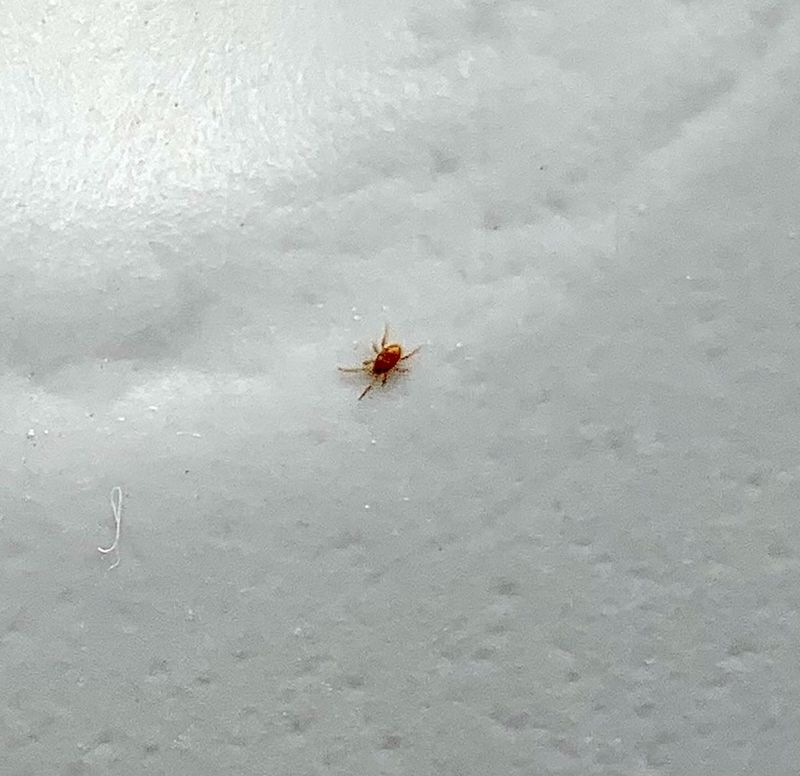
Chigger larvae do not linger. They feed for roughly one to three days before detaching and dropping to the ground to continue their life cycle.
Ticks are built for the long haul. A feeding tick can stay attached for three to ten days, slowly engorging with blood and potentially transmitting pathogens the entire time.
That shorter feeding window is actually one reason chiggers rarely spread disease to humans in the United States. They simply do not stay attached long enough to transfer most pathogens effectively.
Ticks carry serious illnesses like Lyme disease and Rocky Mountain spotted fever. Both of those conditions require time on the skin to transmit, which is why prompt tick removal is so critical.
With chiggers, the damage is mostly cosmetic and deeply uncomfortable. The itching from their enzyme injection can last one to two weeks, even after the larvae are long gone.
Scratching the bites can introduce bacteria and lead to secondary skin infections. Keeping the area clean and using an anti-itch cream helps manage symptoms without making things worse.
Knowing that chigger feeding is brief also explains why showering right after outdoor exposure is so effective. Catching them in that early window before they settle in is the simplest form of control.
This feeding difference is one of the clearest ways to understand where Iowa chiggers like to hide and how their behavior sets them apart from ticks.
Bites Cluster Around Tight Clothing
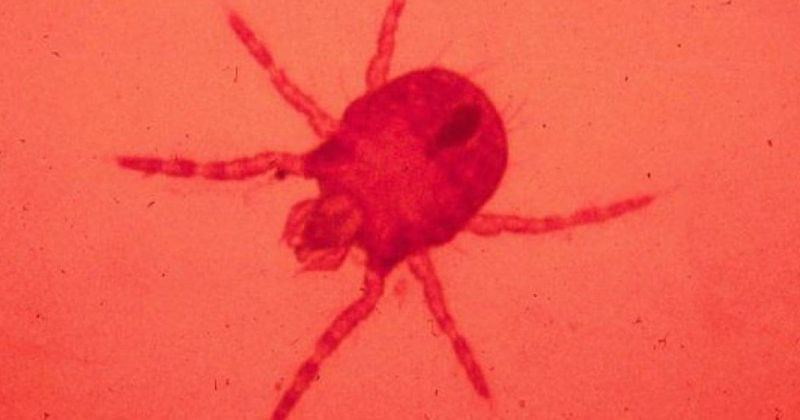
Chigger bites have a signature pattern that makes them easy to identify. They cluster right where clothing fits tightly against the skin, like waistbands, sock lines, and bra straps.
Chigger larvae move upward on the body until they hit a barrier. Tight clothing stops their progress, so that is exactly where they settle in and start feeding.
Tick bites do not follow this pattern at all. Ticks attach wherever they land and stay put, often choosing warm hidden areas like behind the knees or along the scalp.
Finding bites clustered along your waistband after a walk through a field is a strong sign that chiggers were the culprit. Scattered single bites in unusual places point more toward ticks.
Wearing loose-fitting clothing outdoors can reduce the clustering effect slightly, but chiggers are persistent. Tucking pants into socks and wearing long sleeves remains the most reliable physical barrier.
Applying repellent around sock tops, waistbands, and cuffs targets the exact spots chiggers are heading for. Treating clothing with permethrin before outdoor activity creates a longer-lasting barrier than skin-applied products alone.
Recognizing the clustered bite pattern is a useful diagnostic tool. It helps you confirm chigger exposure quickly and start appropriate treatment before the itching becomes difficult to manage.
Staying aware of where Iowa chiggers like to hide and how their bites behave gives you the confidence to enjoy summer outdoors without dreading every step into the grass.