Fuzzy Orange And Black Caterpillars Are Crossing Iowa Driveways With An Old Winter Prediction
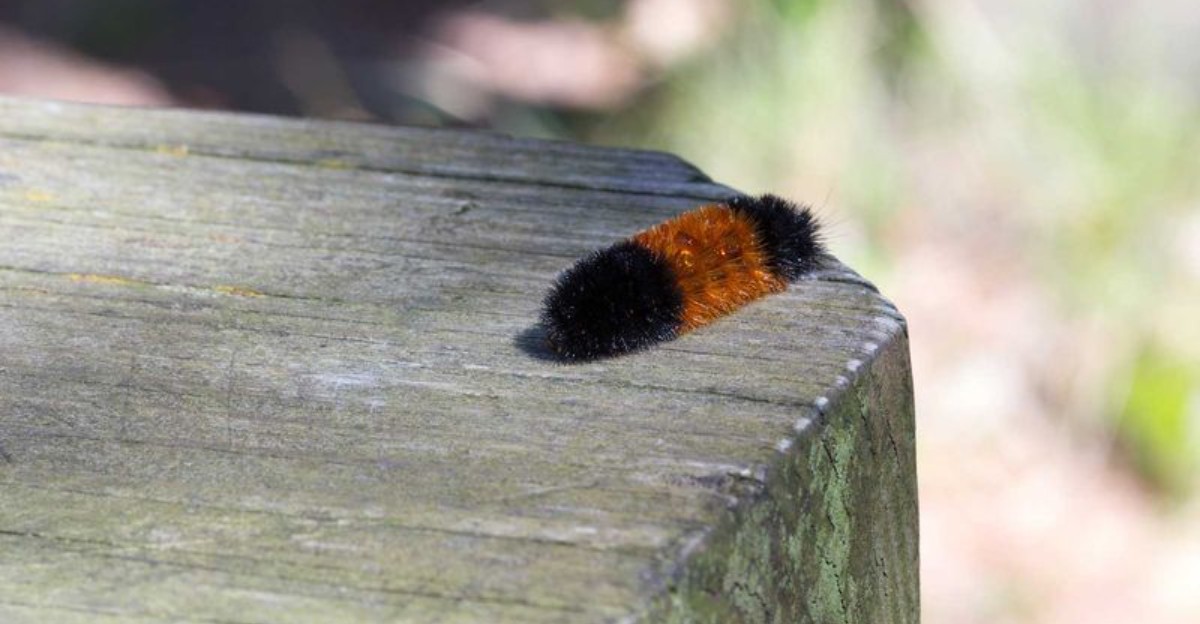
September mornings in Iowa carry a hidden signal many drivers overlook entirely. A tiny hitchhiker already crossed your path, moving with startling speed. Mornings turn crisp fast, and gravel roads fill with fuzzy travelers.
Banded caterpillars race across warm pavement before sunrise fades. Their black and rust stripes spark old debates about tough winters ahead. You watch them hustle, curious about that frantic pace.
Speed matters here, because cold weather closes in fast. Each caterpillar hunts for shelter under bark, leaves, or stone. Golden fields spread across Iowa while small travelers push toward safety.
Farmers notice them, drivers dodge them, curious minds question them. Wildlife experts explain the urgency behind this instinctive dash. Temperature drops trigger a biological alarm inside their bodies.
Grandparents still swear stripe patterns predict extreme cold. Skeptics remain unconvinced, yet the tradition continues. Real answers wait ahead, and you deserve the whole truth right now.
The Fuzzy Traveler Behind The Legend
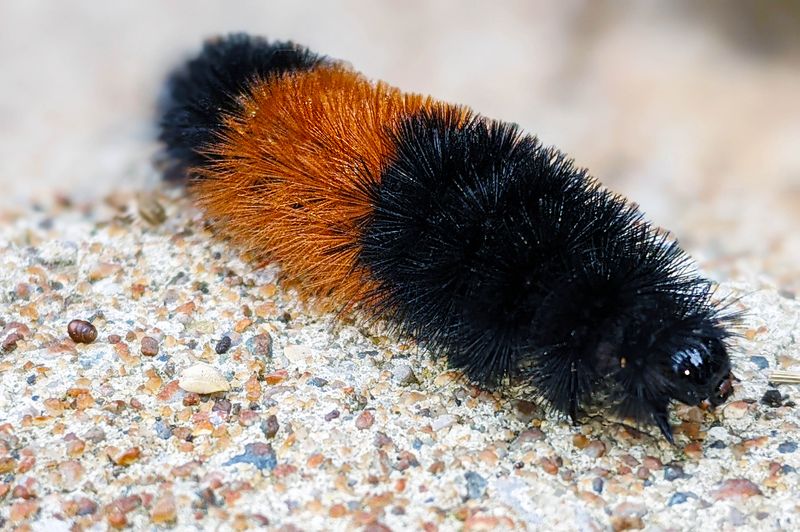
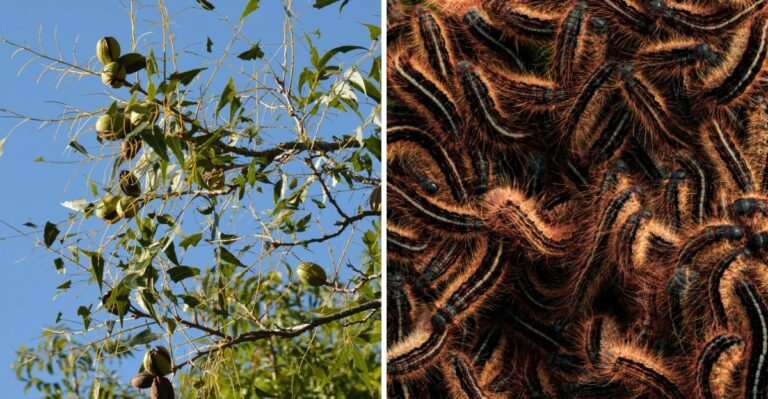
Picture a bristly little tube of black and rust, humping along a warm slab of concrete like it has somewhere important to be. That is the woolly bear, known to scientists as Pyrrharctia isabella.
The fuzzy stage you see in September is the larva of the Isabella tiger moth, a soft yellow-tan flier with modest spotting. Nobody writes folklore about the adult, which feels a little unfair.
Those stiff hairs are called setae, and they are not stingers. They give the caterpillar a prickly mouthful feeling that discourages hungry birds and makes handling harmless for people.
Touch one gently and it curls into a tight bristly circle, playing possum until the coast seems clear. Kids find this trick endlessly entertaining, and honestly, so do plenty of adults.
Body length runs around an inch to an inch and a half by fall. The color pattern sets black bands at both ends with a coppery orange section in the middle.
Iowa hosts these caterpillars in gardens, ditches, pastures, and roadside weed patches across the whole state. Their food list includes dandelion, plantain, clover, nettle, and assorted low-growing greenery that nobody misses.
Fun bit of history: the woolly bear became famous in the late 1940s and early 1950s. A curator named Howard Curran collected them at Bear Mountain and shared the stripe theory with reporters.
The story caught fire in newspapers and rolled westward into farm country. So the fuzzy crawler on your driveway carries a reputation earned decades ago in a very different state.
Why Driveways And Sidewalks Get So Busy In September

There is a reason you spot more of them on pavement than in the grass. Concrete and blacktop soak up September sunshine and hold heat, and a cold-blooded caterpillar warms up fast on a heated surface.
Warmth means faster muscles, and faster muscles mean quicker travel. A woolly bear can move surprisingly fast when it gets going, covering ground at a pace that seems unlikely for such a small creature.
The bigger reason for all the movement is house hunting. After spending summer eating and growing through several molts, these caterpillars leave their feeding areas to search for a winter shelter.
Your Iowa Garden Changes Every Week. Your Plan Should Too.
Gardening in Iowa changes quickly throughout the season. Every Friday you’ll receive a simple weekly plan showing exactly what to plant, prune, fertilize, harvest, and protect so you never miss the right timing.
They want leaf litter, loose bark, a crack under a rock, or the gap beneath a woodpile. Crossing your driveway is simply part of the commute from the weedy ditch to the brush pile by the fence line.
In Iowa, activity tends to peak sometime between September and October, shifting with the weather. A warm stretch after the first cool nights tends to send a wave of them marching at once.
Mornings and late afternoons bring the heaviest traffic, since midday can get too toasty on bare pavement. Cloudy, mild days often produce steady activity all afternoon.
Give a quick glance before backing out, especially on gravel lanes where they blend into the stones. Slowing down for a moment costs you nothing and spares a small traveler. Consider it a seasonal signal that fall has truly arrived in the neighborhood.
Counting The Stripes And Reading The Old Forecast
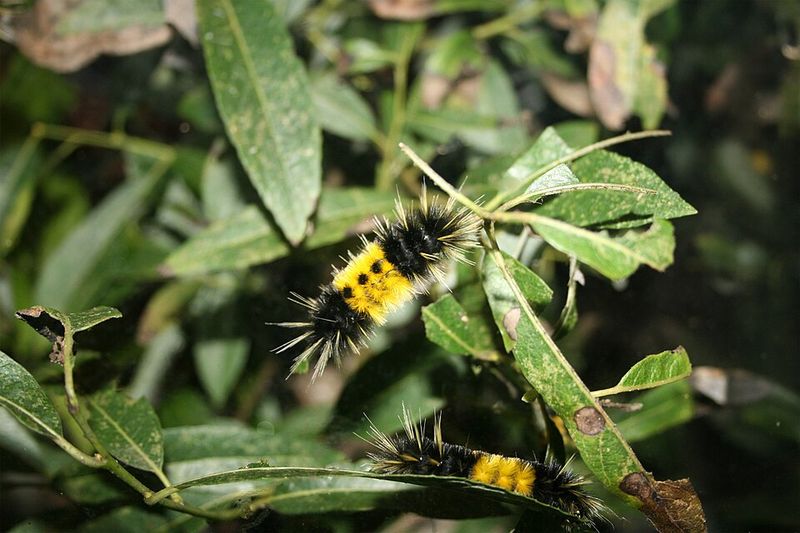
Here comes the part everybody wants to talk about. Folk wisdom says a wide rusty middle band means a mild winter ahead, while a narrow orange band with thick black ends warns of a long, snowy one.
Some versions add extra detail, claiming the head end predicts early winter and the tail end predicts late winter. Others say a caterpillar heading south is running from rough weather.
Iowa families have passed these readings down over kitchen tables and church potlucks for a very long time. Ask around at a small-town cafe and you will collect three or four versions before your coffee cools.
Scientists who studied the idea found the connection shaky. Dr. Curran himself treated his original counts as a lighthearted excuse for autumn outings with friends rather than serious research.
Later observations showed enormous variation between individual caterpillars gathered on the same day in the same field. That variation makes a reliable forecast tough to pull off.
Still, the tradition has staying power because it is fun, free, and gets people outdoors looking closely at nature. Few weather tools come with that kind of charm.
Try this with kids: collect readings from ten caterpillars over a week, write down the band widths, then compare notes when February rolls around. It won’t predict the weather, but it makes for a fun family tradition and a good lesson in how folklore works.
Keep a notebook year to year and the whole thing becomes a small backyard tradition worth continuing.
What Those Bands Actually Tell You
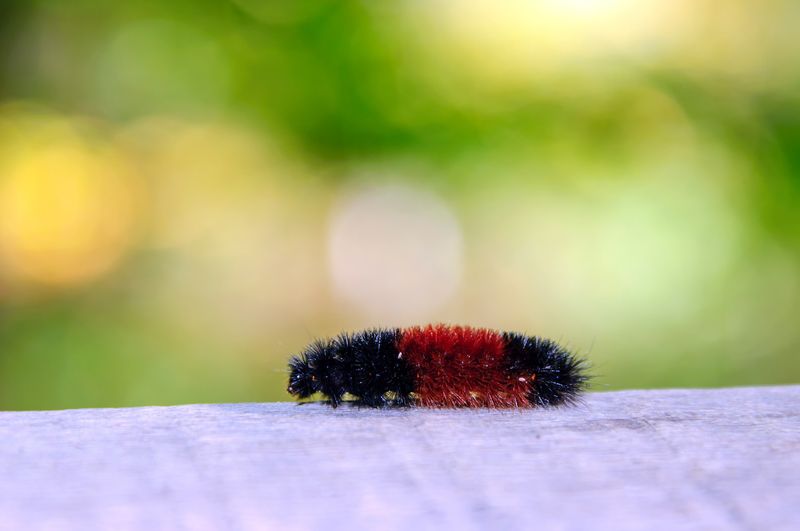
If the stripes are not forecasting blizzards, what are they doing? Research points backward rather than forward, meaning the bands reflect the season the caterpillar already lived through.
Woolly bears molt several times as they grow, and with each molt the orange section tends to widen. An older, well-fed caterpillar usually shows more rust and less black than a younger one.
That means a long, warm growing season with plenty of rain produces caterpillars with generous orange middles. A cool, dry summer that slowed their feeding leaves more black on display.
Moisture plays a role too, since damp conditions keep their favorite plants green and tender for longer stretches. Drought-stressed weeds mean slower growth and a different look.
Genetics add another layer of variation. Individual caterpillars from the same batch of eggs can end up with noticeably different proportions, which scrambles any tidy pattern.
So the fuzzy crawler on your step is more like a record of last summer in Iowa than a weather almanac for January. That is still a neat piece of information to carry around on your back.
Gardeners sometimes use the observation as a rough check on their own growing season. Plenty of orange might match up with the year your tomatoes went wild.
Look at a handful of caterpillars rather than one, and the range you find will make the point clearly. The variation between individual caterpillars is the real takeaway.
How Woolly Bears Survive A Frozen Winter
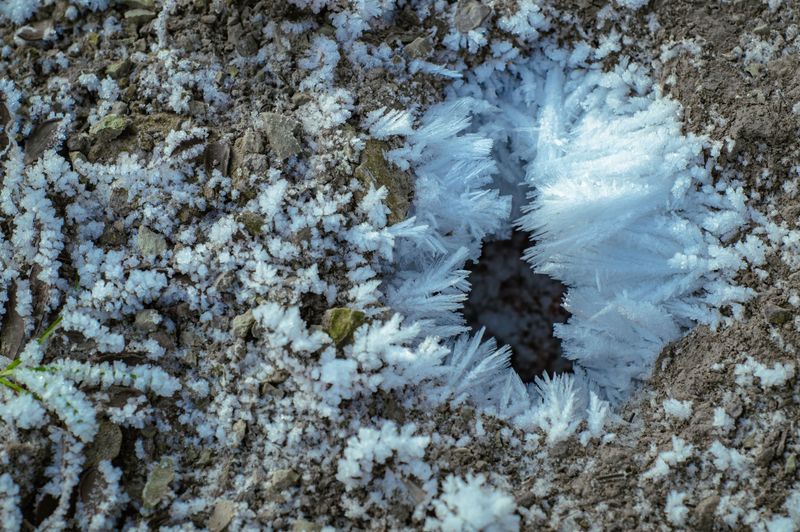
Forget the forecasting for a second, because the real story is far more impressive. Woolly bears spend the Iowa winter outdoors as caterpillars, tucked under leaf litter, curled tight, and frozen solid.
Their bodies produce a natural antifreeze compound called glycerol, which protects cells from damage when ice forms. Heart, gut, and blood flow all pause, and the caterpillar simply waits.
Related Arctic species take this to an extreme, freezing and thawing over many seasons before finally maturing. In the far north, a single caterpillar may need years to finish growing.
Come spring, Iowa woolly bears thaw out, wake up, nibble a bit more fresh greenery, then spin a fuzzy cocoon using their own bristles mixed with silk. A few weeks later the Isabella tiger moth emerges.
Adults fly at night from late spring into summer, drawn to porch lights and barn lamps. They lay clusters of eggs on host plants, and the cycle starts over.
Iowa sometimes sees more than one generation in a year, which may explain why smaller fuzzy caterpillars turn up in early summer too. The fall crop is the one that overwinters.
Knowing this changes how you look at your yard. That messy corner of leaves behind the garage is prime real estate for a creature planning to freeze on purpose. Not bad for an insect that fits on a quarter and survives entirely on its own.
Simple Ways Iowa Yards Can Welcome Them
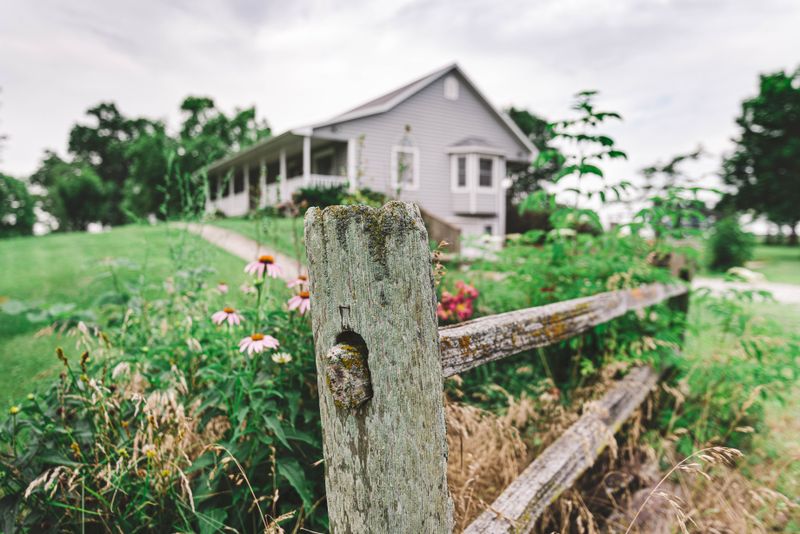
Helping woolly bears takes less effort than mowing. Leave a strip of fallen leaves along a fence, under shrubs, or at the base of trees instead of bagging every single one.
A modest brush pile in a back corner gives shelter to caterpillars, native bees, toads, and songbirds through the cold months. Stack a few branches and call it habitat.
Hold off on cutting perennial stems and prairie plants until spring warms up. Those hollow stalks and matted bases serve as winter apartments for a surprising number of small creatures.
Skip broad insecticide sprays on lawns and garden beds during late summer and fall. Woolly bears feed on weeds nobody cares about, so they are not causing trouble worth treating.
Found one on your sidewalk while the mower is running? Scoop it onto a leaf and set it in a shady, leafy spot a few feet away, facing the direction it was already headed.
Skip the jar habitat unless it is a short school project. These caterpillars do best outdoors where temperature and moisture stay natural.
Iowa gardeners who leave a few wild edges often notice more tiger moths at the porch light come June. Small changes add up across a neighborhood.
Point the fuzzy crawler out to a kid, count the bands together, then let it continue its journey. That little moment is a simple, meaningful way to connect with backyard nature.