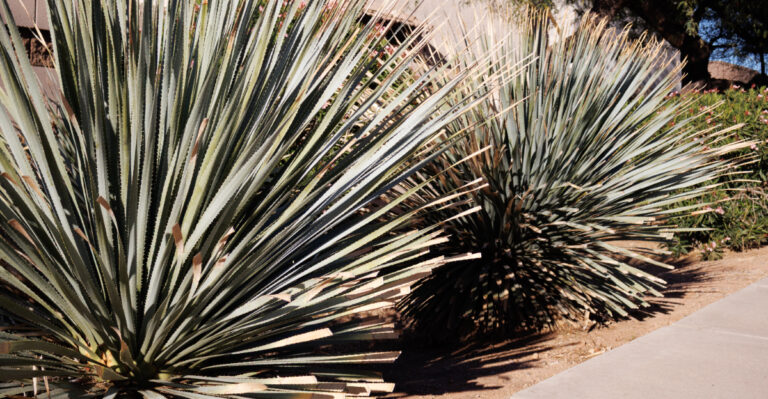
What It Really Means When Spiny Lizards Start Showing Up In Your Arizona Yard This Summer
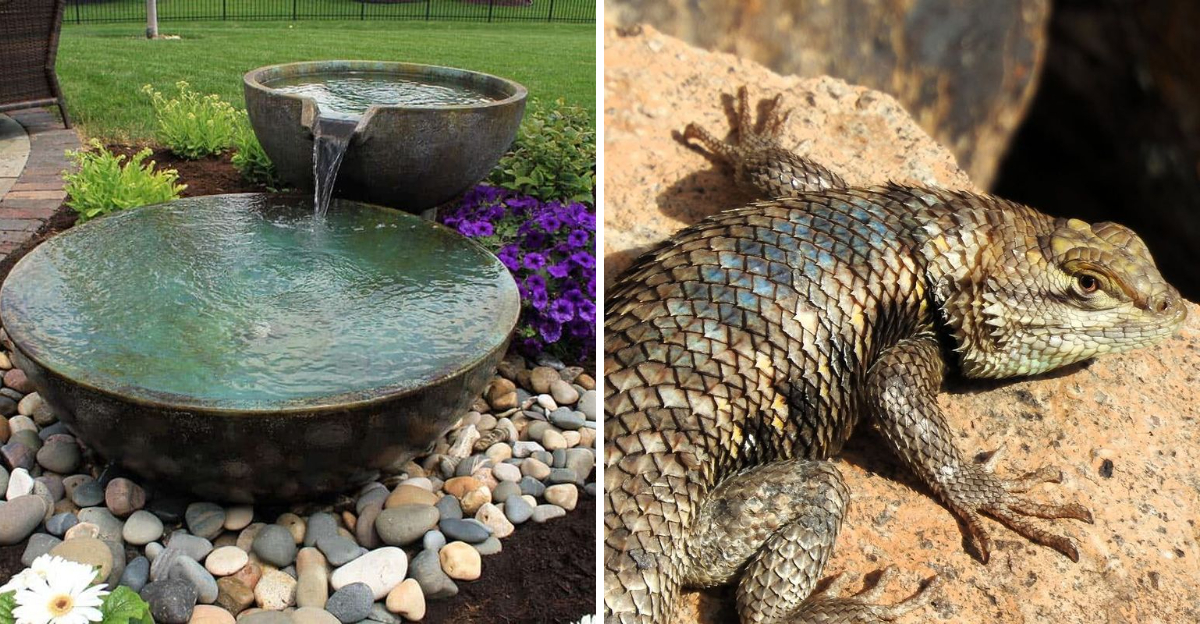
Spotting more spiny lizards around your yard can seem unusual at first. Arizona homeowners often notice them more often during the hottest part of summer for good reasons.
Their appearance is usually connected to changing conditions around your property. Paying attention to those clues can tell you more than you might expect.
Many homeowners assume these visits happen for no particular reason. In reality, your yard may be offering exactly what these lizards are looking for.
Take a closer look before trying to chase them away. Their behavior often says more about your yard than about the lizards themselves.
Summer is when these sightings become much more common. Understanding why helps you see your outdoor space in a different way.
The explanation is often simpler than most homeowners expect once you know what attracts them in the first place.
1. Your Yard Offers Plenty Of Insects To Eat
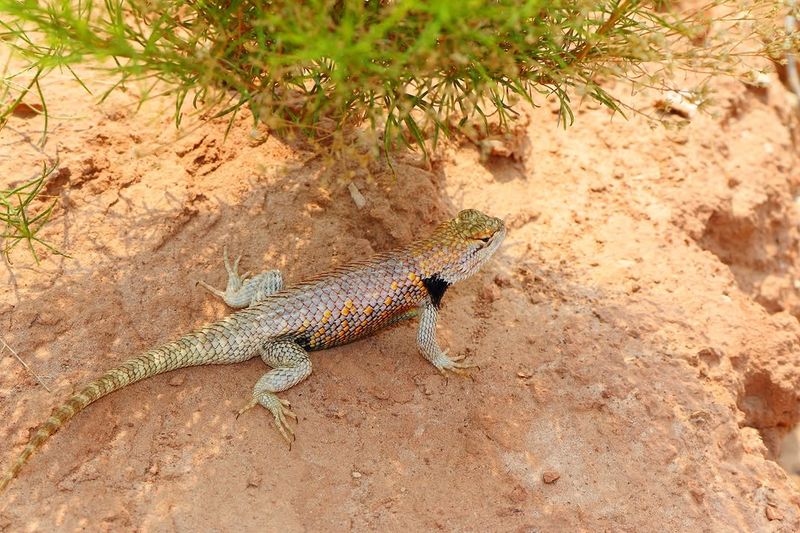
A yard full of bugs is basically a lizard buffet. Spiny lizards are active hunters, and they eat beetles, ants, grasshoppers, and other small insects that show up regularly in outdoor spaces.
If your yard has garden beds, compost, or outdoor lighting at night, you are likely attracting insects without realizing it. Lights pull in moths and gnats.
Compost draws beetles and flies. All of that insect traffic brings lizards looking for a meal.
Spiny lizards do not need you to feed them. Your yard is already doing that on its own.
Keeping native plants around can actually boost local insect populations, which gives lizards a more reliable food source.
Pesticides can reduce the insects lizards depend on, so if you spray regularly, you might notice fewer lizards over time. Cutting back on chemical use in parts of your yard could help maintain that natural food chain.
Lizards help manage pest populations too. Having them around means fewer beetles chewing on your plants and fewer ants marching through your garden.
2. Rocks And Walls Give Them Warm Basking Spots
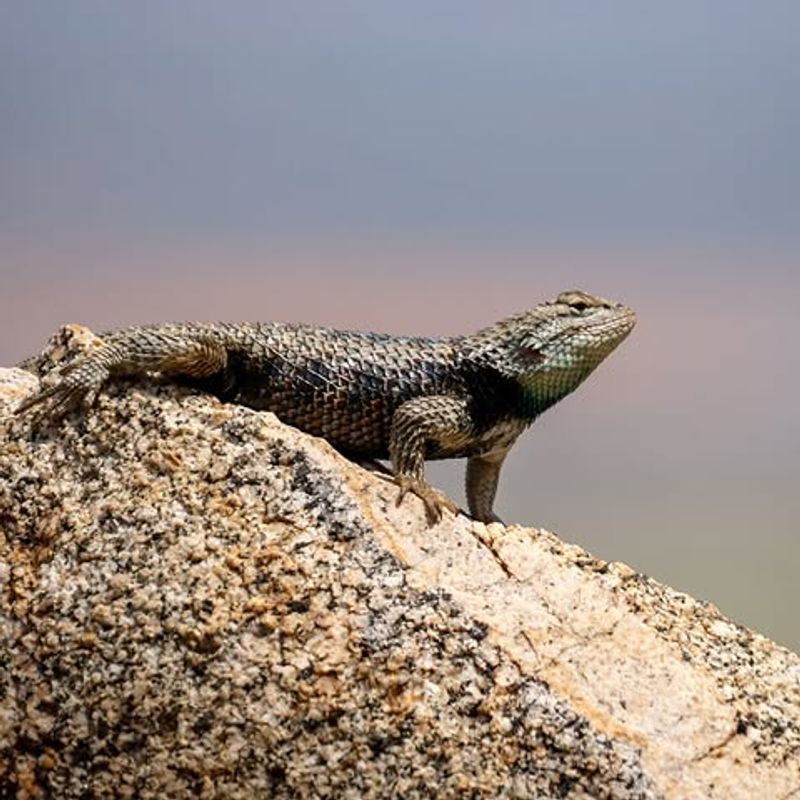
Rocks heat up fast under the Arizona sun, and spiny lizards know exactly how to use that. Basking on warm surfaces helps them regulate their body temperature, which they cannot do the way mammals can.
Block walls, stacked stones, flagstone paths, and concrete borders are all prime real estate for a lizard looking to warm up. You might spot one sitting completely still, soaking in the heat early in the morning before the day gets too hot.
Darker surfaces absorb more heat and tend to attract lizards more quickly. If your yard has a lot of dark rock or brick, expect to see them there first thing in the morning, especially during the warmer months.
Lizards do not stay on hot surfaces all day. Once temperatures peak in the afternoon, they move to shaded spots or retreat under rocks to cool down.
That shift in behavior is worth watching if you spend time outside.
Adding a few flat rocks to a garden corner can actually encourage lizards to visit your space more often. It gives them a reliable spot to warm up without having to compete for space on your main patio or walkway.
Your Arizona Garden Changes Every Week. Your Plan Should Too.
Gardening in Arizona changes quickly throughout the season. Every Friday you’ll receive a simple weekly plan showing exactly what to plant, prune, fertilize, harvest, and protect so you never miss the right timing.
3. Trees Provide Safe Places To Climb
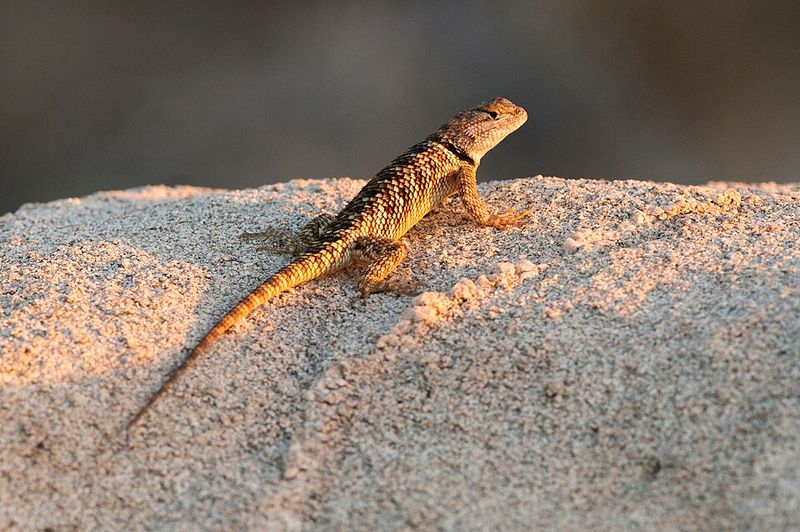
Vertical space matters to spiny lizards more than most people expect. Climbing trees gives them a quick escape route from predators and a better view of their surroundings at the same time.
Rough-barked trees are especially useful. Lizards grip textured bark easily, and they can scale a trunk in seconds when something startles them.
Smooth-barked trees are harder to climb and less likely to attract them.
In Arizona yards, mesquite, palo verde, and desert willow are common trees that spiny lizards seem to favor. These trees also attract insects, which adds another reason for lizards to hang around them regularly.
You might notice a lizard sitting high on a branch or near the top of a fence post. From that height, they can spot threats from a distance and react before a predator gets close.
It is a survival strategy that works well in open desert landscapes.
If your yard has mature trees, that is a strong draw for spiny lizards. Young or newly planted trees may not offer the same appeal yet, but as they grow and develop rougher bark, they become more useful habitat.
4. Thick Plants Offer Quick Cover From Predators
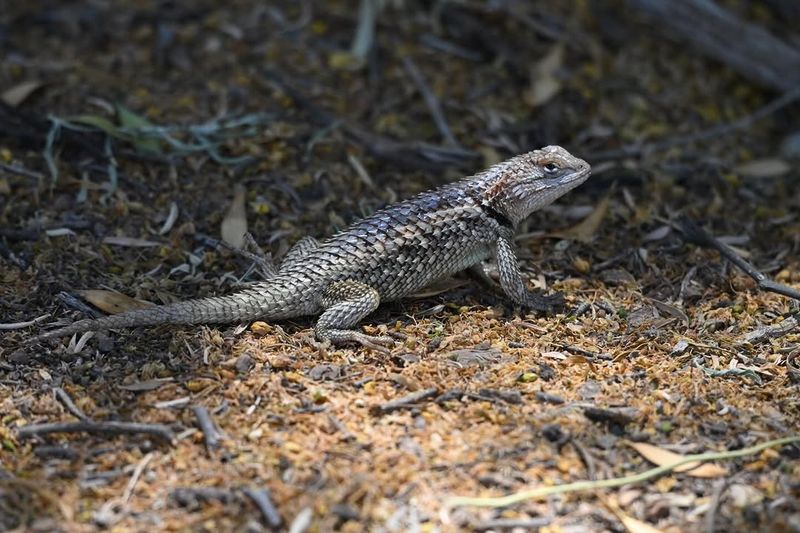
Dense ground cover is a lizard’s best friend when a hawk circles overhead. Thick plants give them a place to disappear fast, and that quick access to cover is a big reason they choose certain yards over others.
Shrubs, ornamental grasses, agave clusters, and low-growing native plants all create spots where a lizard can vanish in an instant. Hawks, roadrunners, and even neighborhood cats are real threats they deal with regularly.
Yards with open, manicured lawns offer very little protection. Lizards in those spaces are exposed and vulnerable, so they tend to stay near the edges where plants or structures offer some cover.
A yard with layered planting gives them much more confidence to move around.
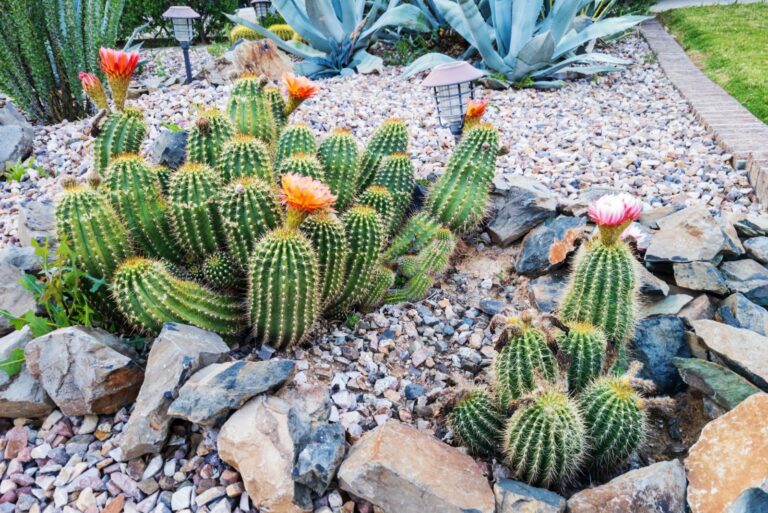
Native desert plants tend to work best because they grow in ways that match what lizards naturally look for. Spiny shrubs and low-branching plants create shaded pockets at ground level where lizards can rest without being easily spotted.
You do not need to let your yard go wild to support them. Even a few well-placed native shrubs near a rock or wall can create a habitat patch that lizards use regularly.
5. Water Sources Help During Hot Weather

Summer heat in the desert is no small thing, and lizards feel it just as much as people do. While spiny lizards get some moisture from the insects they eat, having a nearby water source can still be helpful during the hottest stretches of the year.
A shallow dish, a dripping irrigation line, or even a small puddle left after watering can attract lizards. They do not need much water at once, but access to it during extreme heat may help them stay more active and comfortable.
Bird baths work too, as long as they have a shallow area or a rock inside where a lizard can stand without being submerged. Deep water is harder for small reptiles to use safely, so keeping the water level low makes a real difference.
Changing water every day or two prevents mosquito breeding and keeps the source clean. Stagnant water is not ideal for any backyard wildlife, so a quick refresh is worth the effort.
Placing a water dish near rocks or shade gives lizards a safe spot to drink without feeling exposed. Lizards are cautious around open areas, and pairing water with nearby cover makes the setup much more appealing.
6. They Become More Active In Summer Heat
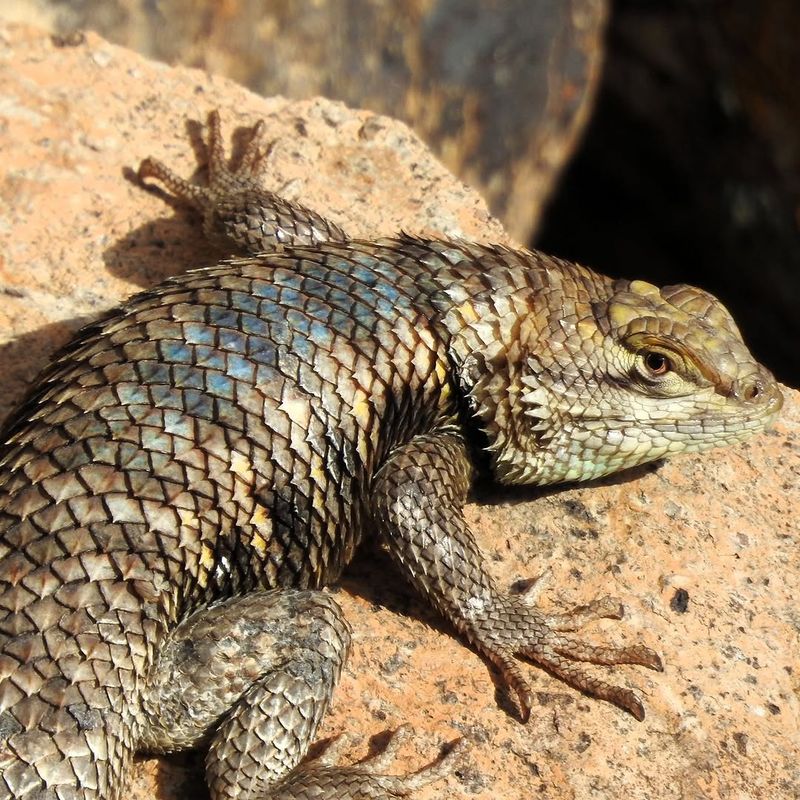
Seeing more lizards in summer is not a coincidence. Spiny lizards are most active when temperatures are warm, and summer in the desert gives them exactly the conditions they thrive in.
Early morning is their peak time. They emerge after sunrise to warm up, feed, and patrol their territory before the afternoon heat pushes them into shaded resting spots.
If you are outside in the morning, you are likely to spot several of them moving around at once.
Mating season also overlaps with summer activity. Males become more visible as they defend territory and display for females.
You might notice a male doing push-up movements on a rock or fence post. That is a territorial display, not a sign of distress.
Longer daylight hours give lizards more time to hunt and move around. More insects are active in summer too, which keeps lizards busier and more visible throughout the yard.
Warmer soil and air temperatures also make it easier for them to stay active for longer stretches each day.
Activity slows down during the hottest part of the afternoon, usually between noon and three. After that, they often come back out as temperatures ease slightly toward evening.
7. Most Spiny Lizards Are Harmless To Have Around
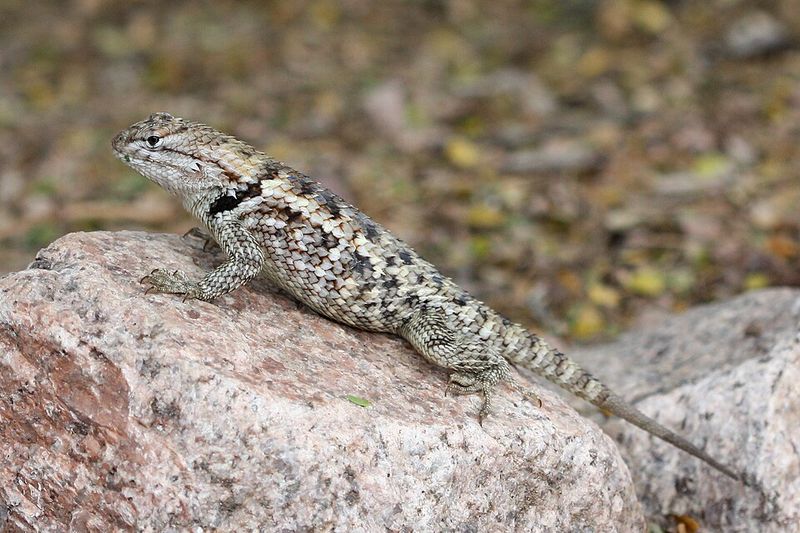
Spiny lizards look tougher than they are. Those small spines along their back might seem intimidating, but they are not aggressive toward people and are not venomous in any way.
If one runs across your foot or darts under a chair, that quick movement is a defensive reaction. Lizards startle easily and rely on speed to escape, not confrontation.
Giving them space usually means they go about their business without any issue.
Children and pets sometimes chase them out of curiosity. A lizard that loses its tail during a close encounter can regrow it over time, though the new tail may look slightly different.
Avoiding unnecessary handling is the best approach for both the lizard and the person.
Spiny lizards pose no known threat to gardens, structures, or pets. They do not chew on plants, burrow under foundations, or cause property damage.
Their presence is largely passive and often beneficial given how many insects they consume.
Some people in the Southwest actively encourage lizards to stay in their yards because of the natural pest control they provide. You do not need to do anything special to keep them around.