The Pennsylvania Fall Vegetables Worth Planting Before Labor Day
Pennsylvania gardens play a sneaky trick in late August.
The tomatoes still look busy. The basil still smells like summer. The sun still has enough bite to make planting cool-weather crops feel ridiculous.
Then September turns, the days shorten, and frost starts moving down the calendar faster than anyone wanted.
That is the little window that matters.
Right before Labor Day, the soil still holds enough warmth to wake seeds, but fall is close enough to finish the crop with cooler nights and better flavor.
Miss that moment, and some vegetables may stay small, leafy, or unfinished before cold weather cuts the season short.
The smartest fall garden does not wait for sweater weather. It plants while summer is still pretending it owns the place.
So which vegetables are worth tucking into Pennsylvania soil before the holiday weekend passes?
Start with quick roots, sturdy greens, and cool-season crops that know how to turn late-summer timing into October harvests.
1. Sow Beets For Sweet Fall Roots
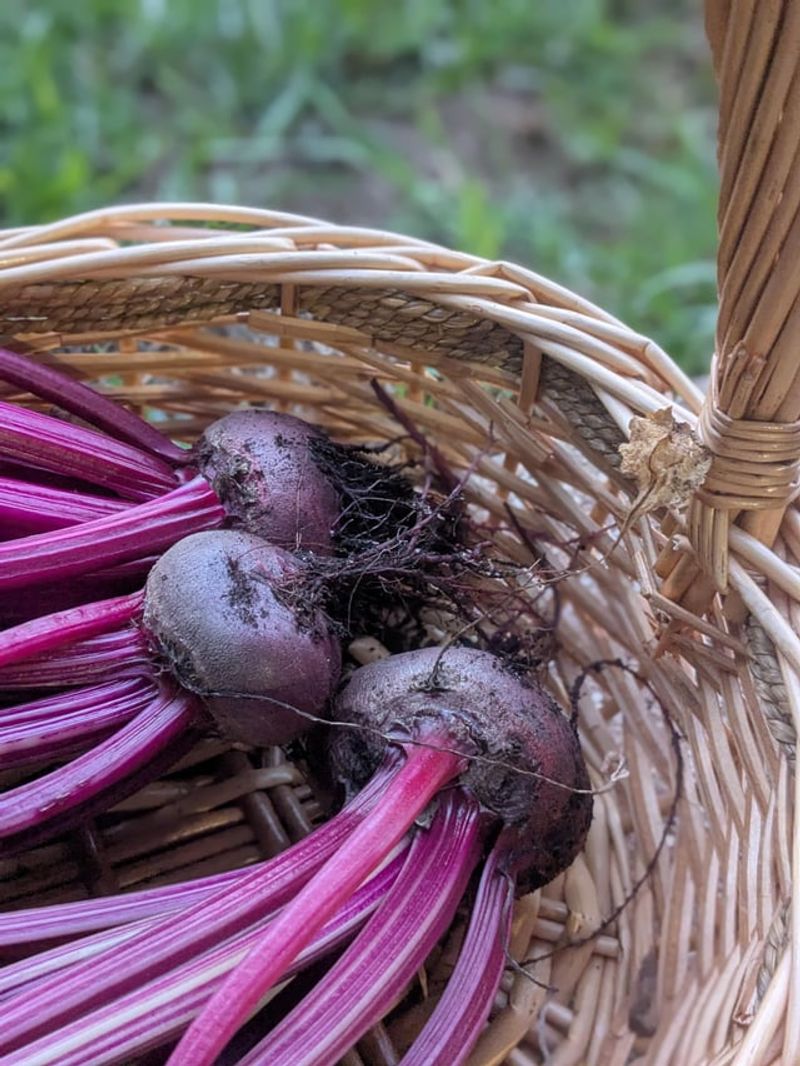
Beets are perfect for gardeners who want two harvests from one planting.
The roots get all the attention, but the greens are useful long before the bulbs size up. That makes a late-August sowing feel less risky, especially when the frost calendar starts breathing down your neck.
Direct sow seeds about half an inch deep in loose, moist soil. Space them close at first, then thin once seedlings reach a couple of inches tall.
Thinning feels wasteful until you remember those baby greens belong in salad, stir-fries, and quick sautés.
Do not skip the thinning. Crowded beet seedlings make skinny roots and a lot of disappointment.
Keep the seedbed evenly moist during germination. Late-August soil can crust fast after a hot, dry afternoon, and beet seedlings are not exactly built like tiny bulldozers.
A light layer of straw or shredded leaves can help hold moisture without smothering the row. In a sunny bed during a hot spell, temporary shade cloth can make germination less dramatic.
Harvest roots when they reach about 2 to 3 inches wide. Oversized beets can turn woody, and nobody plants fall vegetables for crunchy sadness.
Northern Pennsylvania gardeners should treat timing more seriously because frost arrives earlier there. Southern and southeastern gardens usually have a little more breathing room.
Fall beets reward steady moisture, quick thinning, and a gardener willing to harvest before perfection becomes toughness.
2. Set Broccoli Transplants Before The Window Closes
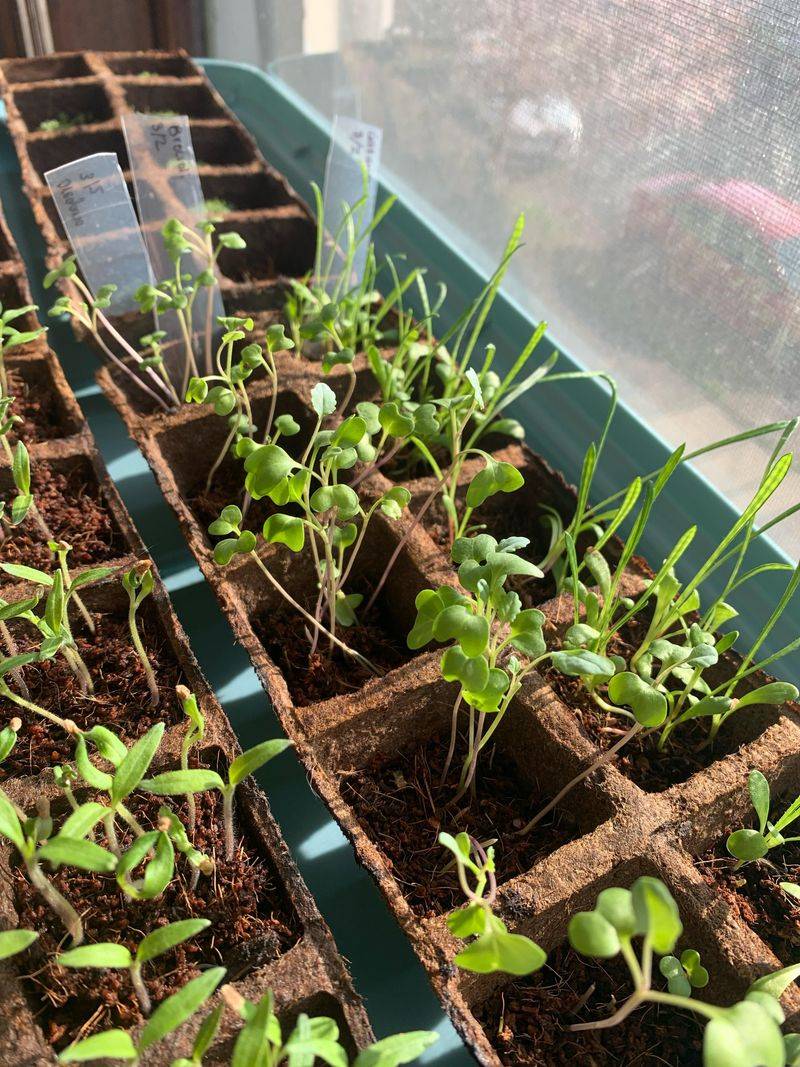
Broccoli needs a running start.
Seeds sown outdoors right before Labor Day may not have enough time to build strong plants and make full heads before frost.
Transplants are the smarter move now, especially healthy starts with sturdy stems, dark green leaves, and roots that are not circling the pot like they are trapped in a tiny vegetable prison.
Plant transplants deeply enough to steady the stem, then water them in well. The first week matters. A broccoli start that dries out in late-August heat can spend precious time recovering instead of growing.
Give plants about 18 inches of space. Crowded broccoli holds moisture in the canopy, invites disease, and makes scouting harder just when pests are still active.
Your Pennsylvania Garden Changes Every Week. Your Plan Should Too.
Gardening in Pennsylvania changes quickly throughout the season. Every Friday you’ll receive a simple weekly plan showing exactly what to plant, prune, fertilize, harvest, and protect so you never miss the right timing.
Use afternoon shade for the first few days if the forecast turns hot. A light cover or shade cloth can help new transplants settle without wilting through the worst part of the day.
Watch for cabbageworms. Flip leaves and look underneath, because caterpillars love hiding where gardeners do not bother looking.
Protect the center of the plant. Outer leaf damage is annoying. Damage near the growing point can cost you the head.
Once nights cool, broccoli usually starts acting much happier. That is why the timing works. August gets the roots going, and fall weather helps the head tighten.
Wait too long, and the plant may stay leafy, green, and deeply unhelpful.
3. Plant Cabbage For Cool Weather Heads
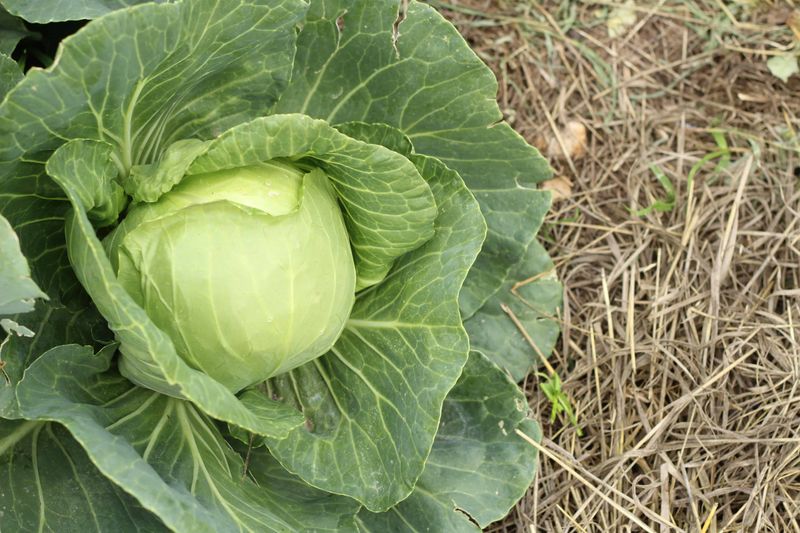
Cabbage is built for the cold side of the season.
That does not mean it can wait forever. A fall cabbage crop needs enough time to turn a leafy transplant into a firm head before hard cold arrives.
Right before Labor Day, the safest choices are compact, early-maturing varieties and strong transplants that can start growing immediately.
Give each plant enough room for the head you want. Smaller varieties can sit closer together. Larger heads need more space, more moisture, and more patience.
Tight spacing can produce smaller, uniform heads, which may be better for home gardens than one giant cabbage trying to take over the bed like it owns the deed.
Keep water steady as heads form. Dry soil followed by heavy rain can push cabbage toward splitting. Mulch helps keep the root zone more even during warm September stretches.
Row cover can be useful if pest pressure is high. Install it right after planting, not after cabbageworms have already moved in and signed a lease.
Lift the cover for scouting. Look for eggs, caterpillars, and early chewing before damage gets tucked deep into the leaves.
A light frost can improve flavor, but severe cold can still damage heads. Watch the forecast once the heads begin to firm up.
Cabbage rewards gardeners who plant early enough and keep conditions steady.
It is not flashy, but a solid fall cabbage head feels like a quiet victory in October.
4. Start Kale For A Long Harvest
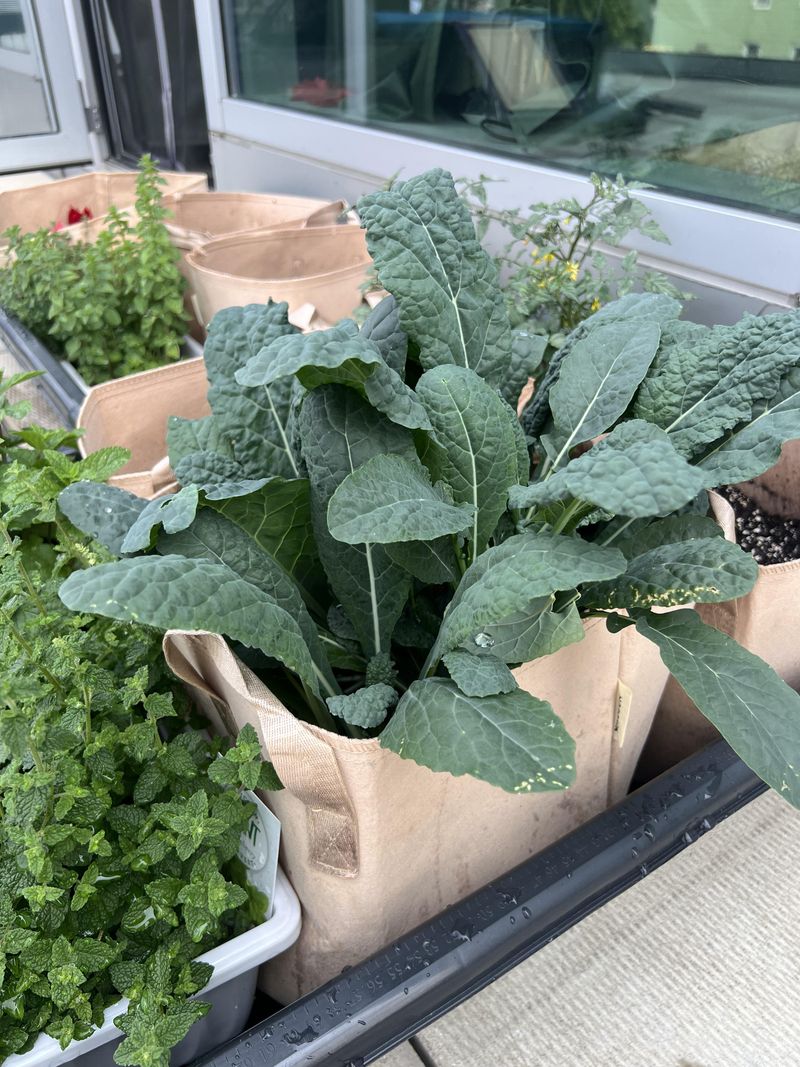
Kale is the fall vegetable that keeps giving.
It does not need to be harvested all at once, which makes it especially useful in Pennsylvania gardens. You can start picking outer leaves while the plant keeps pushing fresh growth from the center.
Set out transplants before Labor Day for the fastest results, or direct sow where the season is still long enough. In colder northern areas, transplants give you a safer path.
In milder southeastern gardens, late seedings can still produce tender leaves if fall stays forgiving.
Space plants 12 to 18 inches apart. Kale needs room to breathe, but it does not demand the space of a cabbage head.
Keep moisture steady during establishment. Young kale can handle cool weather later, but tiny seedlings still struggle when late-August sun dries the bed too fast.
Flea beetles may chew small holes in young leaves. Row cover helps most when it goes on early, before pests find the crop.
Harvest from the bottom up. Take the larger outer leaves and leave the growing center alone. That keeps the plant producing for weeks.
Cold improves the flavor. After light frost, kale can taste sweeter and less sharp, which is one reason fall leaves often beat summer leaves at the table.
Use frost cover later in the season to extend harvest. It may not carry plants through every Pennsylvania winter, but it can buy valuable extra picking time.
Kale turns a late planting into a long, steady harvest instead of one quick moment.
5. Add Collards For Cold Sweetened Leaves
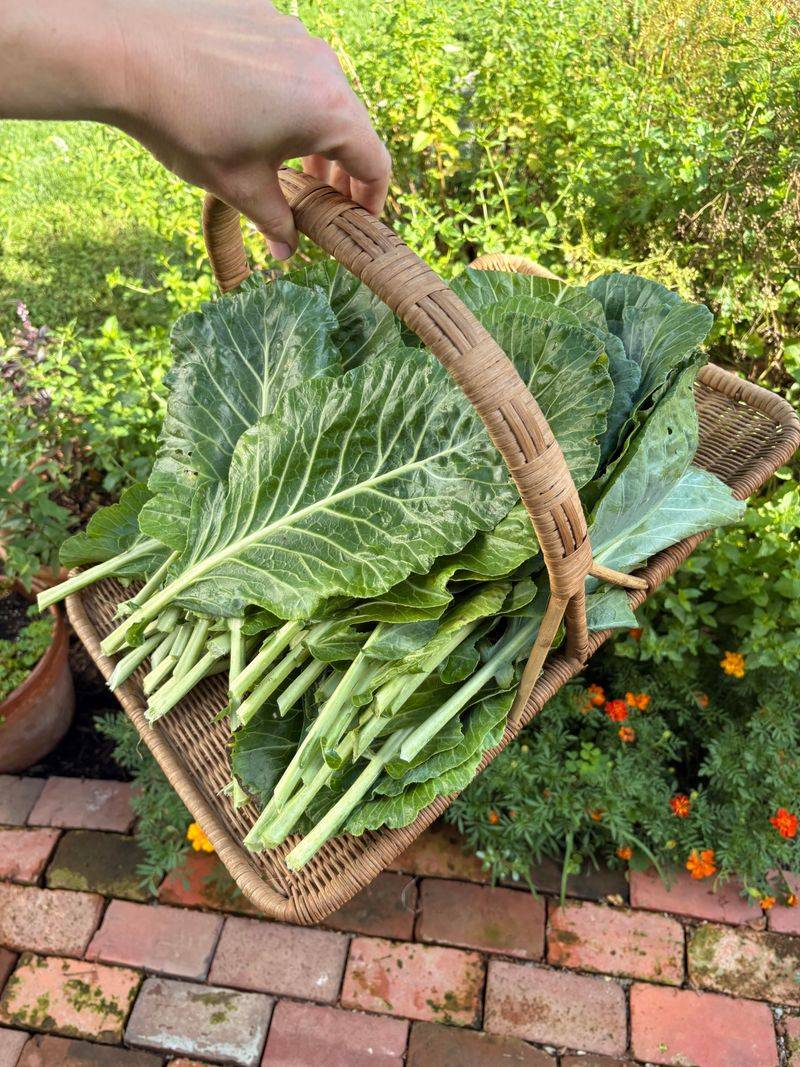
Collards are the sturdy cousin every fall garden needs.
They handle cool weather well, produce broad leaves over a long season, and taste better after chill settles into the garden. That makes them a strong pick before Labor Day, especially if you use transplants instead of starting from seed this late.
A young collard plant needs time to build leaf mass. Planting too late can leave you with small plants that survive but never produce much worth cooking.
Set transplants 18 to 24 inches apart. Collards need room for those wide leaves, and crowding makes harvesting awkward.
Give them rich soil and consistent water. Drought-stressed collards can turn tough, and fall gardeners deserve better than leathery greens after doing the timing right.
A light feeding at planting helps transplants push new growth before days shorten too much. Avoid overdoing nitrogen, since lush, soft growth can attract more pests.
Harvest lower leaves once they reach usable size. Keep the center intact so the plant continues producing.
Check leaf undersides for aphids and caterpillars. Collards can look clean from above while trouble gathers below like a secret meeting.
Knock small aphid colonies off with water or remove infested leaves early. Simple action works best before pests spread.
Cool weather gives collards their best flavor. The leaves become sweeter, sturdier, and more satisfying after the first chilly nights.
This is a fall crop with patience, backbone, and serious soup-pot potential.
6. Seed Kohlrabi For Fast Crunch
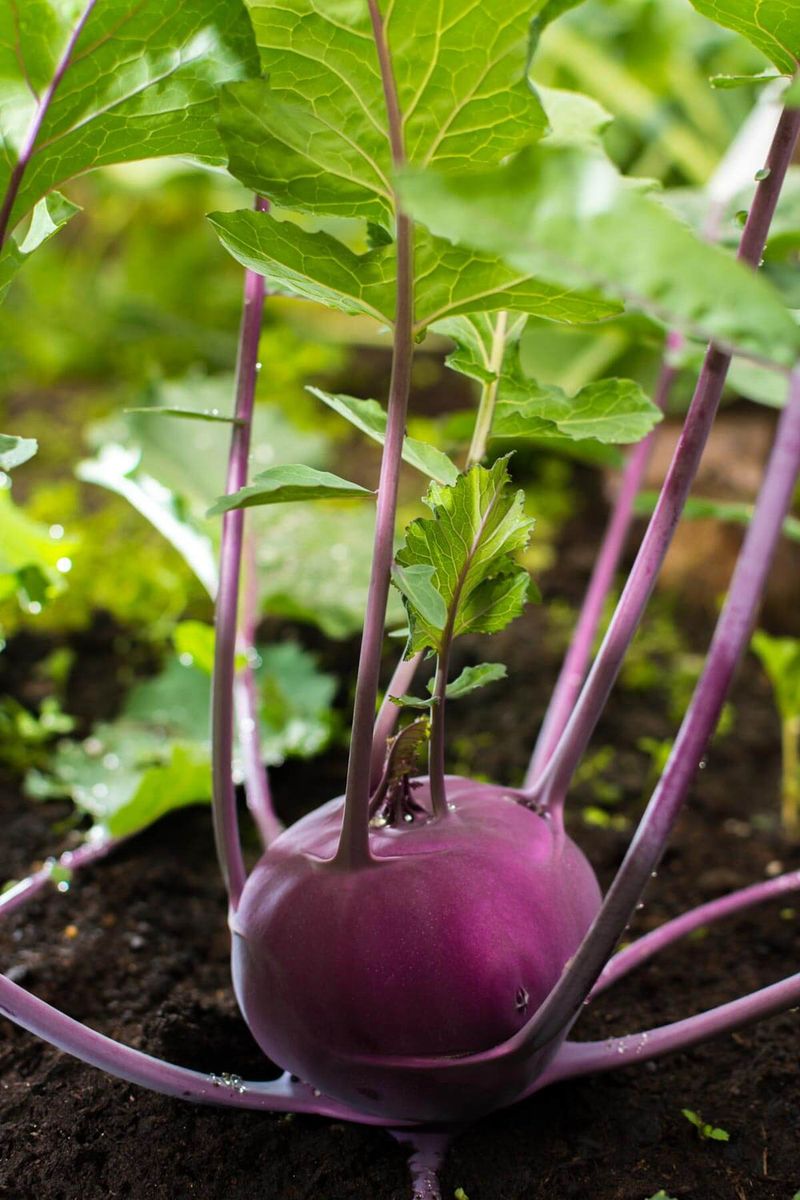
Kohlrabi looks strange, but it earns its space fast.
The swollen stem sits above the soil like a little garden spaceship, and the flavor lands somewhere between mild broccoli stem and crisp turnip. For Pennsylvania fall gardens, that speed is the real prize.
Many short-season varieties mature quickly enough for a pre-Labor Day sowing, especially in central and southern parts of the state. Northern gardeners should plant as early as possible or use transplants if available.
Sow seeds about a quarter inch deep in moist soil. Thin seedlings to about 6 inches apart once they are established.
Thinning matters here too. Crowded kohlrabi makes small, tough stems, and the whole point is crisp tenderness.
Keep water consistent. Dry spells followed by heavy watering can lead to woody texture or cracking. Mulch helps keep soil moisture more even during warm early fall days.
Plant in full sun if possible. A little light shade during hot germination weather can help, but too much shade slows growth.
Harvest when the swollen stems reach about 2 to 3 inches across. Bigger is not better with kohlrabi. Oversized stems can turn fibrous and lose that fresh crunch.
The leaves are edible too, so do not waste them if they look clean and tender.
Kohlrabi is perfect for gardeners who want something quick, useful, and a little odd in the best way.
Fall makes it crisp. Timing makes it possible.
7. Sow Lettuce In Light Afternoon Shade
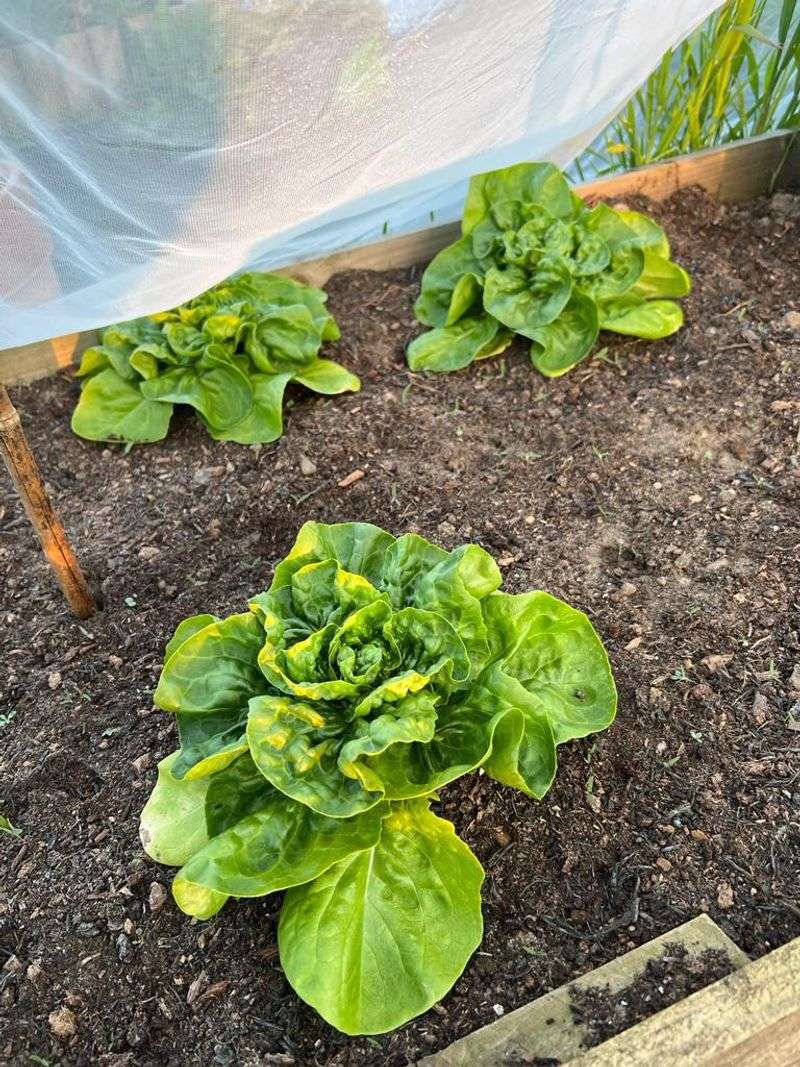
Lettuce needs help getting started in late summer.
The air may be cooling at night, but the soil can still be warm enough to make seeds stubborn. High soil temperatures can slow or block germination, which is why many Pennsylvania gardeners fail with fall lettuce before the plants even appear.
Shade is the trick.
Choose a spot with morning sun and light afternoon shade. A fence, trellis, taller crop, or shade cloth can cool the seedbed enough to help lettuce sprout.
Sow seeds very shallowly. Lettuce does not want to be buried deep. Press seed into the surface or cover with only the thinnest layer of fine soil.
Keep the seedbed evenly moist. Dry surface soil is one of the fastest ways to lose a late-summer lettuce planting.
Loose-leaf varieties make the most sense for fall. They mature faster than head lettuce and let you harvest young leaves before hard cold becomes an issue.
Sow small batches every 10 days in central and southern Pennsylvania if the forecast allows. Northern gardeners may get better results from one or two focused sowings instead of trying to stretch the season too far.
Watch for slugs once nights cool and moisture returns. They love the same damp conditions lettuce enjoys.
Harvest outer leaves when they reach usable size, or cut whole young plants for salad.
Fall lettuce does not need drama. It needs cool soil, gentle light, and a gardener willing to water the seedbed like it actually matters.