These Herbs Are Thriving In Arizona Gallon Buckets Right Now
Growing fresh herbs does not require a big garden. Right now simple gallon buckets are producing impressive results for many Arizona gardeners.
You can enjoy healthy harvests even if space is limited. The right herbs often settle in quickly and keep growing through the heat.
Do not overlook containers that seem too small. A smart planting choice can turn an ordinary bucket into something surprisingly productive.
Take another look before tossing those empty buckets away. They may become one of the hardest-working spots in your outdoor space.
Plenty of gardeners are discovering just how practical this simple idea can be. Small changes often lead to bigger rewards than expected.
Some herbs seem especially happy in gallon buckets this time of year, and you might be surprised by how they perform.
1. Lemon Verbena Loves Summer Heat
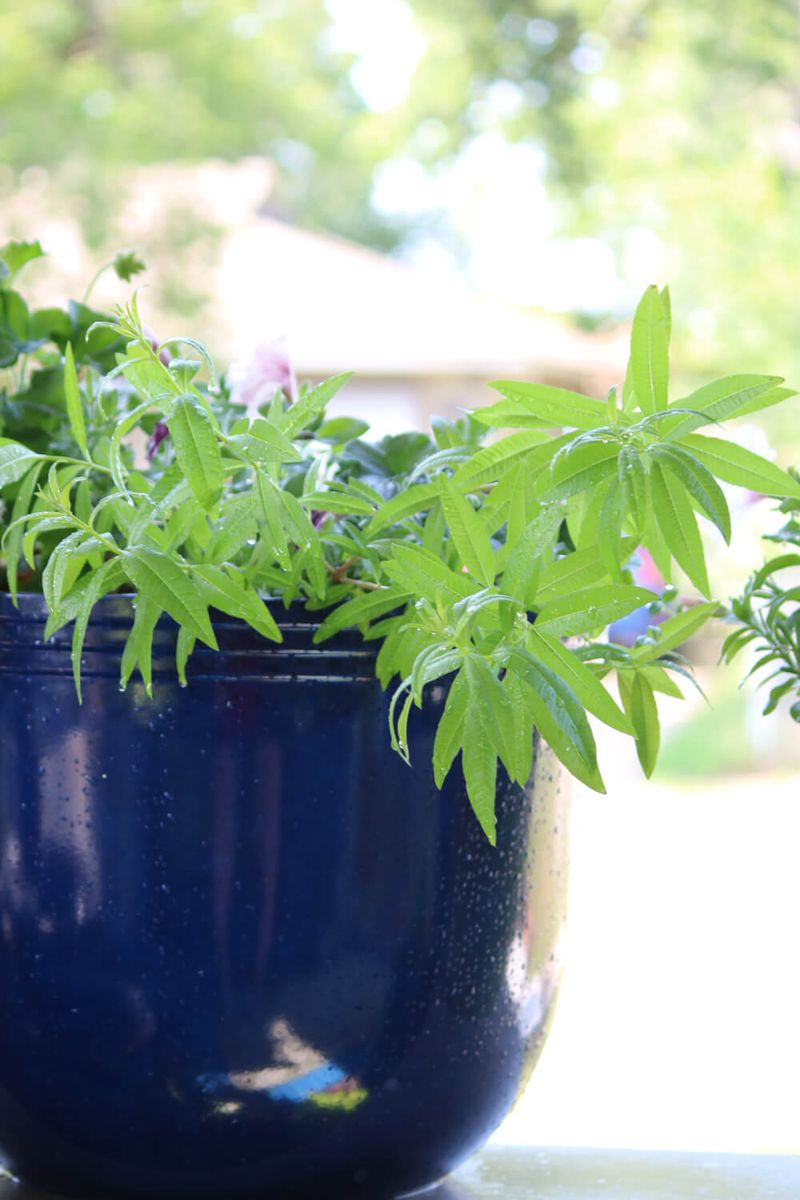
Few herbs smell as good as lemon verbena on a warm afternoon. Crush one leaf between your fingers and that sharp, clean citrus scent is immediate and strong.
It is one of the most rewarding herbs to grow in a hot climate.
Lemon verbena is native to South America and genuinely prefers heat. In Arizona summers, it tends to push out new growth steadily as long as it gets enough water.
A gallon bucket with well-draining potting mix suits it well.
Water deeply but let the top inch of soil dry before watering again. Overwatering is actually a more common problem than underwatering with this herb.
Root rot from soggy soil can set in quickly if drainage is poor.
Full sun for six or more hours works well for lemon verbena. It handles intense heat better than most leafy herbs.
The leaves may look a bit wilted during peak afternoon heat, but they usually bounce back by evening.
Use the leaves fresh in herbal teas, salad dressings, or desserts. Dried leaves hold their scent for months.
Pruning back leggy stems encourages the plant to stay compact and productive throughout the season.
Harvest the leaves regularly to encourage fresh growth and keep the plant looking full.
Once established, lemon verbena can provide fragrant leaves for many months with only simple, consistent care.
2. Curry Leaf Flourishes In Hot Weather
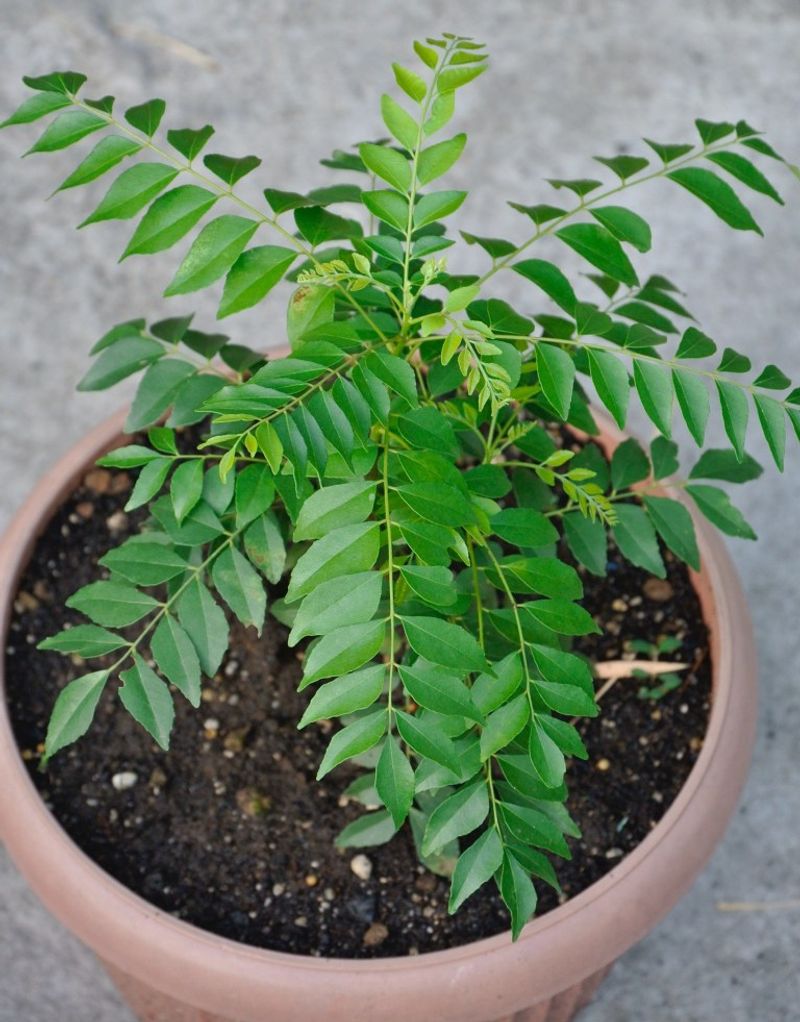
Curry leaf is not the same as curry powder, and that surprises a lot of first-time growers. It is a small tree native to India, and its fresh leaves carry a complex, nutty, aromatic flavor that no dried spice can replicate.
Hot weather is where curry leaf genuinely shines. It grows slowly in cooler months but picks up pace once temperatures climb past 90 degrees.
A gallon bucket gives it enough room to establish a modest root system while staying manageable.
Place it in a spot that gets strong morning sun and some afternoon protection if temperatures regularly exceed 110 degrees. In milder heat, full sun tends to suit it well.
Sandy or loamy potting mix with good drainage keeps the roots healthy.
Water regularly but avoid standing water at the bottom of the bucket. Curry leaf does not tolerate wet feet for extended periods.
Your Arizona Garden Changes Every Week. Your Plan Should Too.
Gardening in Arizona changes quickly throughout the season. Every Friday you’ll receive a simple weekly plan showing exactly what to plant, prune, fertilize, harvest, and protect so you never miss the right timing.
A drainage hole is non-negotiable with this plant.
Fresh leaves are used in South Indian cooking, added to hot oil at the start of a dish to release their flavor. Harvest individual stems rather than stripping the whole plant.
Consistent light harvesting tends to encourage steady new growth without stressing the plant.
With steady warmth and regular care, curry leaf gradually becomes fuller and more productive each season. Keeping it in a container also makes it much easier to move indoors if cooler weather is expected.
3. Holy Basil Keeps Producing New Leaves
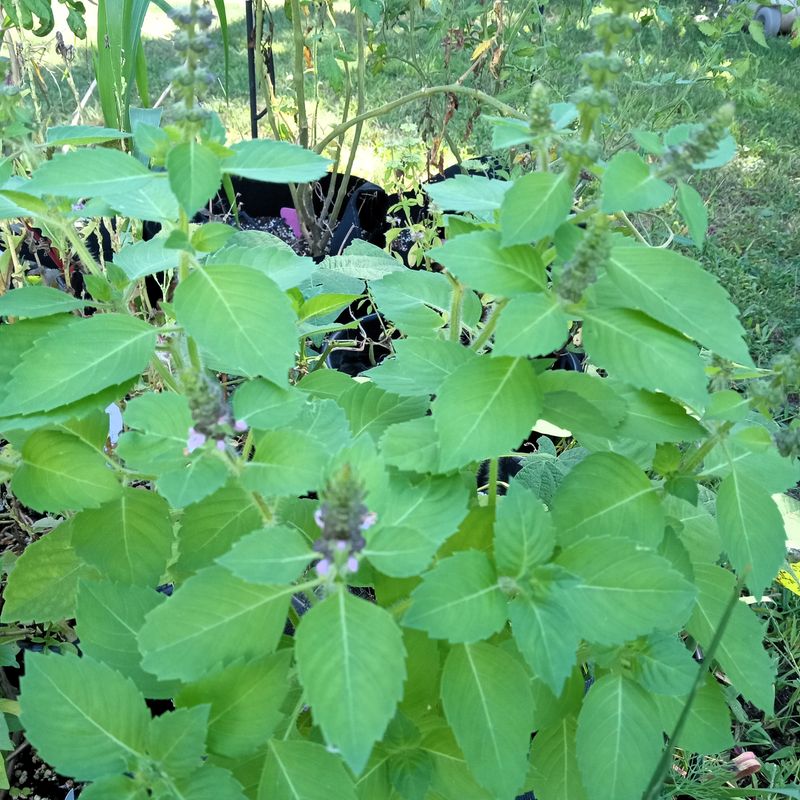
Holy basil, also called tulsi, is not the same as the sweet basil used in pasta sauce. It has a spicier, clove-like flavor with a slight pepperiness that makes it popular in Thai cooking and herbal teas.
Growing it in a bucket is straightforward.
What sets holy basil apart from other basil types is its heat tolerance. Sweet basil can bolt and turn bitter fast in intense desert heat, but holy basil tends to stay productive longer into the summer.
That makes it a better fit for hot climates.
A gallon bucket with quality potting mix and a drainage hole is all it needs to start. Full sun works well, though some afternoon shade can help during peak heat stretches.
Keep the soil evenly moist for best leaf production.
Pinch off flower buds as soon as they appear. Once holy basil flowers and goes to seed, leaf production slows noticeably.
Regular pinching keeps the plant focused on putting out fresh foliage.
Harvest by cutting just above a leaf node to encourage branching. Fresh leaves work well in stir-fries, herbal drinks, and soups.
Dried leaves lose some potency but are still usable. With consistent care, one plant can provide regular harvests for several months.
The fragrant leaves attract many pollinators when flowers are allowed to bloom later in the season.
Growing holy basil in a bucket also makes it easy to place it where it gets the right balance of sun and afternoon shade.
4. Cuban Oregano Fills Buckets Quickly
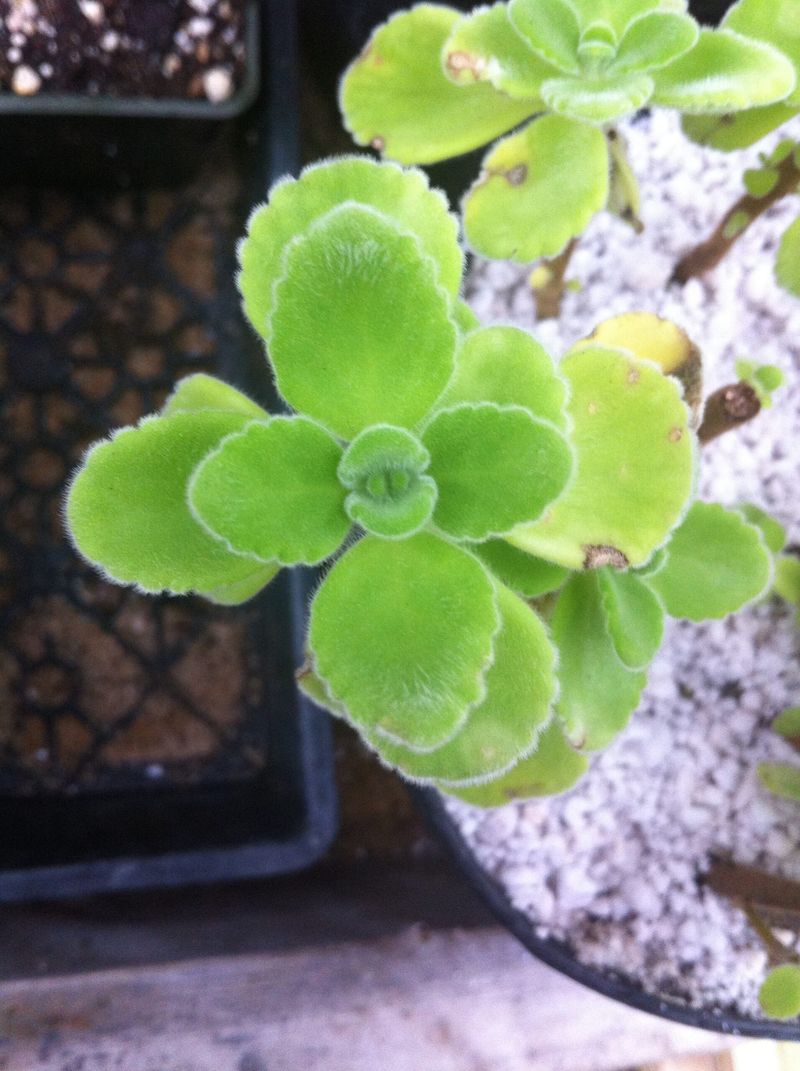
Cuban oregano looks nothing like the Mediterranean oregano most people picture. Its leaves are thick, fleshy, and slightly fuzzy, almost like a succulent crossed with an herb.
One sniff confirms it belongs in the oregano family, though the scent is stronger and more pungent.
Bucket growing suits Cuban oregano perfectly. It spreads fast and fills containers within a single season under warm conditions.
In Arizona summers, it puts out new stems regularly as long as it is not sitting in wet soil.
Drainage is the top priority with this plant. It is drought-tolerant once established and prefers to dry out slightly between waterings.
Overwatering is where most people run into trouble with Cuban oregano.
Full sun to partial shade works fine. It handles heat well and rarely shows signs of stress in temperatures that would wilt other herbs.
The thick leaves store moisture, which helps it manage hot afternoons.
Use the leaves fresh or dried in cooking. Cuban oregano works well in marinades, bean dishes, and meat rubs.
The flavor is more intense than dried Mediterranean oregano, so use it in smaller amounts. Snip stems regularly to keep the plant from getting too leggy and to encourage a fuller, more productive shape over time.
With very little maintenance, one healthy bucket can provide flavorful leaves throughout much of the growing season.
5. Society Garlic Stays Strong In Summer
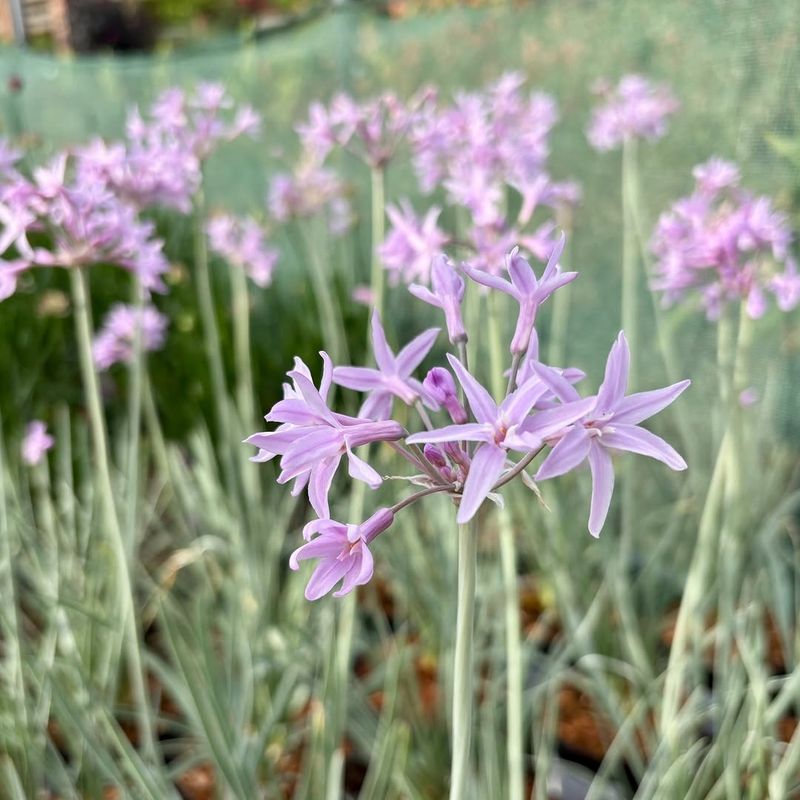
Society garlic earns its name from a fun old idea that eating it would not leave you with strong garlic breath in social situations. Whether or not that holds up, the plant itself is genuinely useful, attractive, and tough in hot climates.
Lavender-purple flowers bloom repeatedly through the warm season, making it one of the more visually appealing herbs to keep in a bucket on a patio. Long, strap-like leaves stay green and upright even during intense heat stretches.
It rarely looks ragged.
Society garlic prefers full sun and handles dry conditions better than many herbs. Water it consistently but allow the soil to dry out a bit between sessions.
It is more forgiving of missed watering days than moisture-sensitive herbs like basil.
Both the leaves and flowers are edible. Leaves carry a mild garlic flavor and work well chopped into salads, eggs, or savory dishes.
Flowers can be used as a garnish. The flavor is subtler than true garlic but still noticeable.
Divide and repot when the plant gets crowded in the bucket. Crowded roots can slow growth and reduce flowering.
A fresh bucket with new potting mix every year or so tends to keep the plant performing well through the season.
Society garlic is also valued as an ornamental because it combines edible leaves with long-lasting flowers in the same container.
6. Epazote Handles Desert Heat With Ease
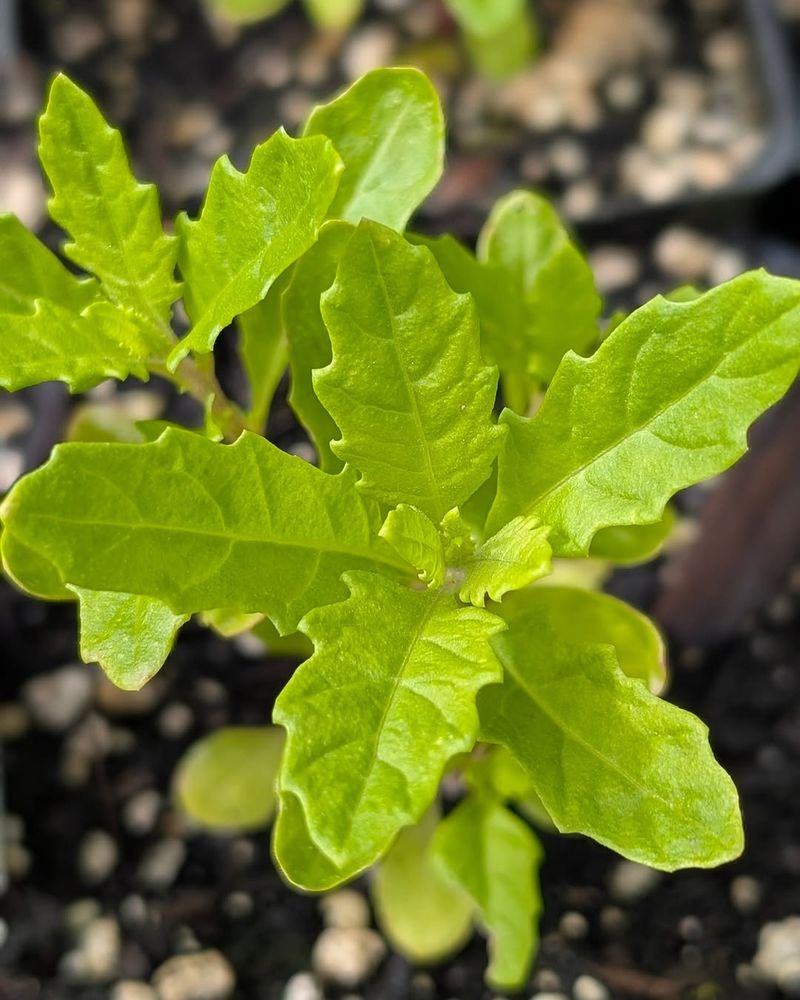
Epazote is a staple herb in Mexican cooking, especially in black bean dishes and quesadillas. If you have never cooked with it fresh, the flavor is hard to describe.
It is pungent, earthy, and slightly medicinal in a way that works surprisingly well with bold, savory food.
Hot and dry conditions suit epazote well. It is native to Central America and evolved in environments that are not too different from desert summers.
A gallon bucket with sandy or well-draining potting mix gives it a comfortable home.
Water moderately and let the top layer of soil dry between waterings. Epazote does not need constant moisture to stay productive.
In fact, slightly dry conditions often lead to more concentrated flavor in the leaves.
Full sun works well for this herb. It grows quickly once established and can get leggy if not trimmed back regularly.
Cutting stems back by a third every few weeks keeps the plant bushy and productive.
Harvest young leaves and tender stems for the best flavor. Older leaves tend to get stronger and more bitter over time.
Start seeds directly in the bucket since epazote does not always transplant well. With minimal care, this herb can provide steady harvests from late spring well into early fall across hot growing regions.
Allow a few plants to flower only if you want to collect seeds for the next growing season.
Otherwise, regular harvesting helps keep epazote compact and encourages fresh, tender growth.
7. Garlic Chives Keep Growing Through August
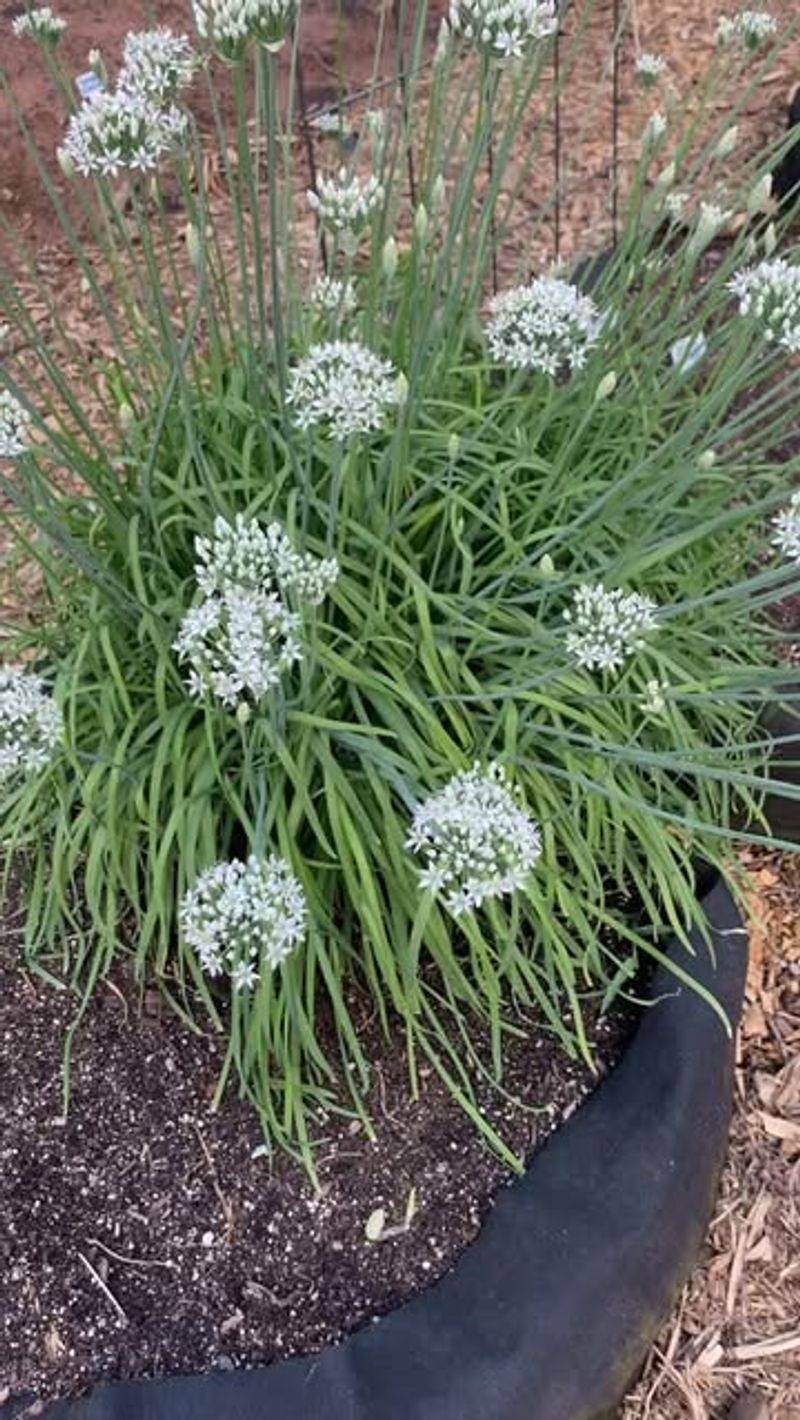
Most chives slow down or look tired by midsummer in hot climates, but garlic chives are different. Flat, strap-like leaves stay green and productive well into August when other herbs have already given up for the season.
Garlic chives have a mild garlic flavor rather than the onion taste of regular chives. That distinction matters in cooking.
They work well in dumplings, stir-fries, egg dishes, and as a finishing herb on soups or noodles.
A gallon bucket suits garlic chives well. They grow in clumps and do not spread aggressively like mint.
One clump can fill a bucket nicely over a season without overcrowding itself or needing frequent repotting.
Morning sun with some afternoon shade is a good setup, especially during peak summer heat. Full sun all day can cause leaf tips to brown in intense desert conditions.
A spot on the east side of a patio or under a shade cloth tends to produce healthier-looking leaves.
Water consistently since container soil dries faster than ground soil. Cut leaves down to about an inch above the soil when harvesting to encourage a fresh flush of new growth.
White flowers appear in late summer and are edible, with a mild flavor that works well as a garnish on finished dishes.
Dividing the clump every few years helps keep the plant vigorous and gives you an easy way to grow additional buckets of garlic chives.
8. Mint Grows Best With Afternoon Shade
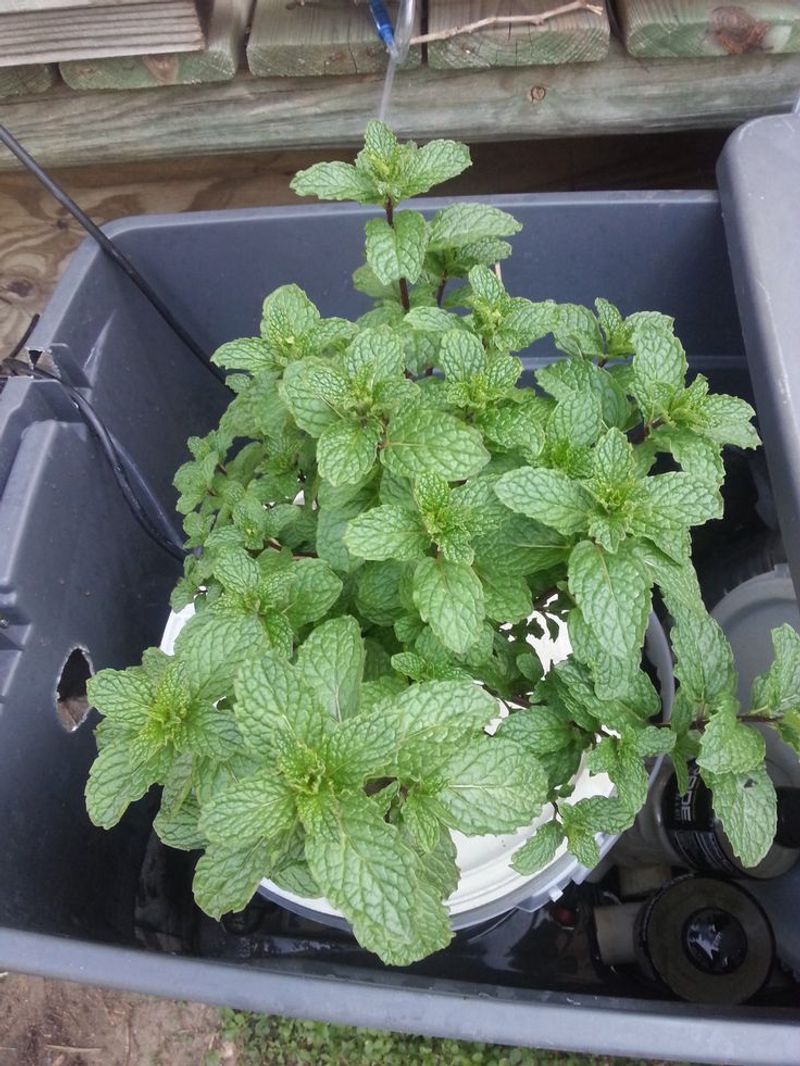
Mint is one of those plants that looks fragile but is actually tough when placed correctly. Put it in full sun all day in a desert summer and the leaves will scorch and curl fast.
Afternoon shade changes everything for this herb.
A gallon bucket works surprisingly well for mint because it limits how far the roots spread. Mint is a known spreader in ground soil, but a bucket keeps it manageable and focused.
Water it regularly since containers dry out faster than garden beds.
Morning sun from the east side of your yard is a solid spot. By noon, the plant should be getting some relief from direct rays.
A shaded porch overhang or a wall that blocks the west sun works well.
Spearmint and peppermint both do reasonably well in containers here. Keep the soil consistently moist but not soggy.
Letting it dry out fully between waterings tends to stress the plant more than help it.
Harvest frequently by snipping the top stems. Regular cutting actually encourages bushier growth instead of tall, leggy shoots.
Fresh mint in lemonade or tea is worth the small effort it takes to keep this plant happy.
Keep an eye out for flower buds if you want the best leaf flavor. Pinching them off helps the plant put more energy into producing fresh, tender leaves.
With the right spot and steady care, mint can keep producing through much of Arizona’s warm season.