The Arizona Wildflower That Actually Smells Like Chocolate
Not every plant earns attention because of its flowers. Some stand out because they surprise you in a way that few garden plants ever can.
One Arizona wildflower is famous for producing a scent that reminds many people of chocolate, even though there is nothing edible about it. If you have never noticed it before, you are not alone.
Most people focus on the bright blooms and completely miss what makes this plant so memorable.
The fragrance is strongest during the morning, making it worth stopping for a closer look if you grow one yourself or spot it in bloom. Before adding another flowering plant to your landscape, consider one that offers something unexpected.
This unusual native wildflower brings color, attracts pollinators, and adds a sweet scent that catches plenty of people by surprise.
1. Chocolate Flower Is The Plant Behind The Sweet Scent
Walk past a patch of these flowers before 10 a.m. and the scent hits you like a warm bakery. Berlandiera lyrata is the botanical name, but most people just call it the chocolate flower or chocolate daisy.
Native to the southwestern United States and northern Mexico, it grows wild in open grasslands, rocky slopes, and roadsides across Arizona and neighboring states.
What causes the chocolate smell? Compounds called sesquiterpene lactones are released from the flower’s disk, particularly in cooler morning air.
As the day heats up, the scent fades noticeably. So if you want the full experience, get outside early.
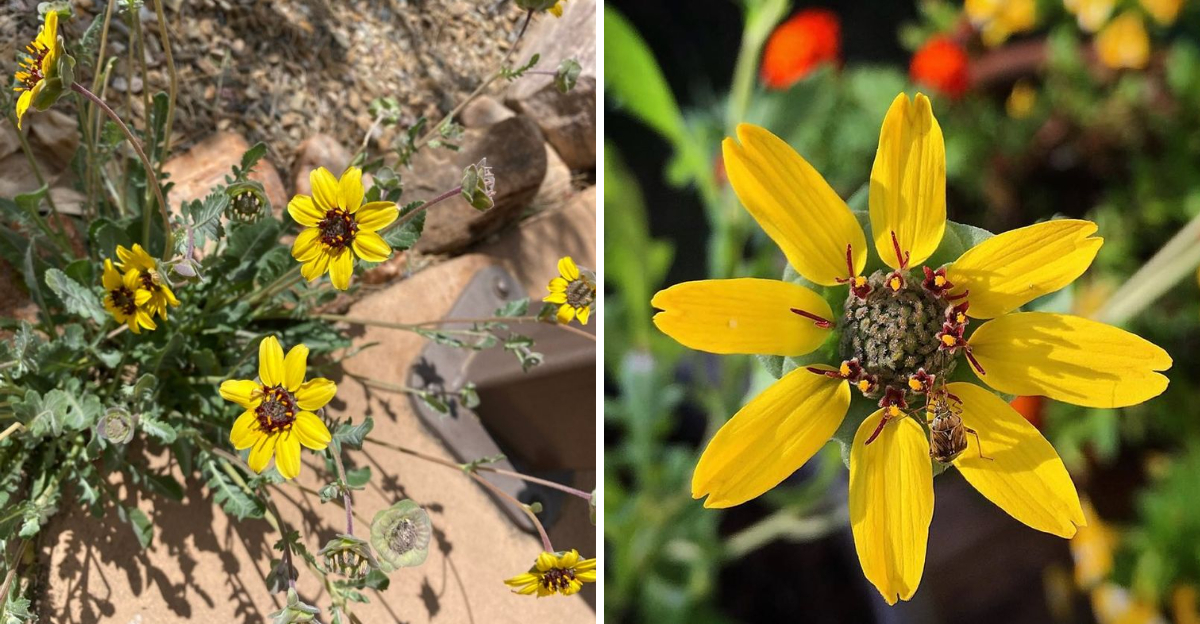
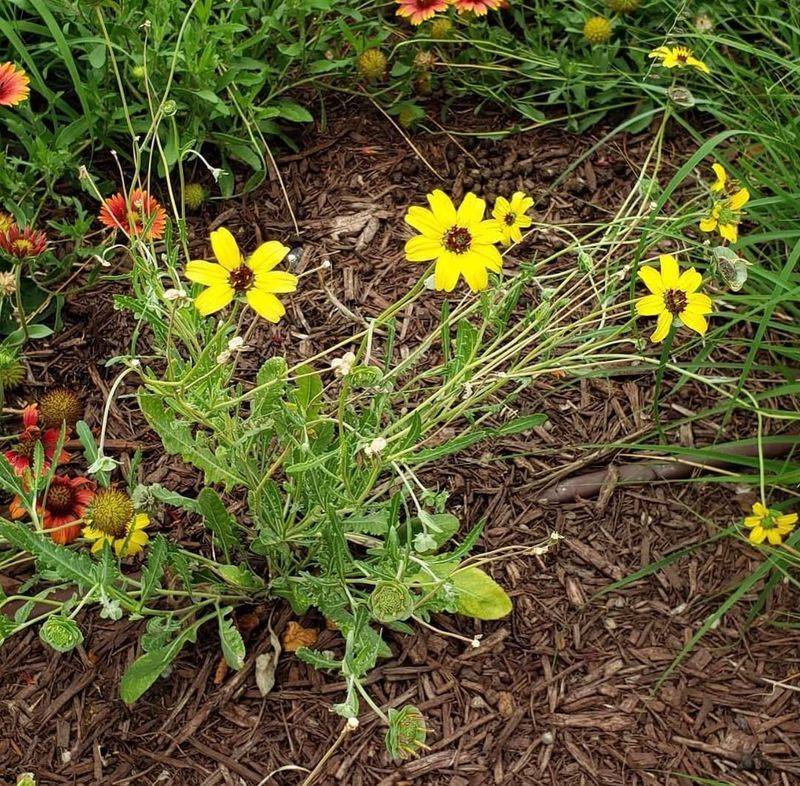
Visually, the plant produces cheerful daisy-like blooms with yellow ray petals surrounding a reddish-brown central disk. Flowers appear on long, slender stems above a low rosette of grayish-green, lobed leaves.
Plants typically reach 12 to 24 inches tall, depending on soil and water conditions.
Pollinators absolutely love this plant. Bees and butterflies visit regularly throughout the bloom season, which can stretch from late spring well into fall with the right care.
Beyond its beauty and fragrance, chocolate flower is considered a native wildflower, meaning it evolved to handle the heat, drought, and poor soils that challenge so many ornamental plants.
2. Choose A Location With Full Sun
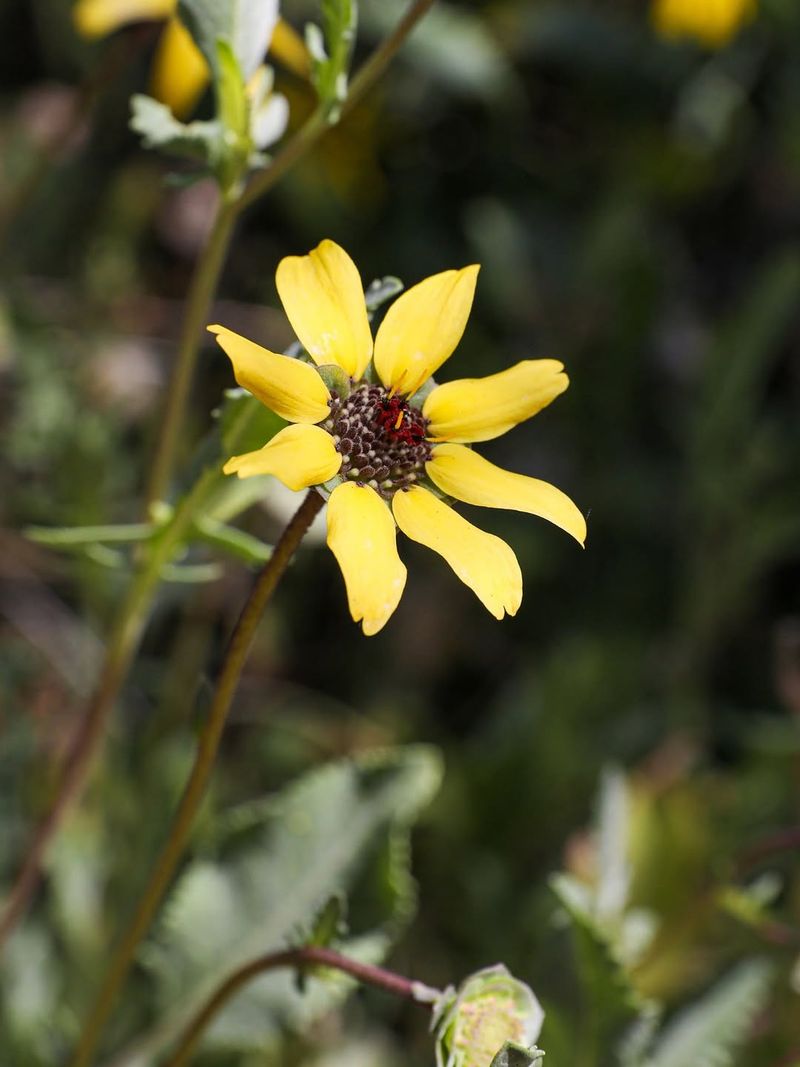
Shade is not this plant’s friend. Chocolate flower performs best with at least six hours of direct sunlight daily, and more is generally better in most growing conditions.
Plant it in a spot that receives unobstructed sun from morning through early afternoon, especially if you want reliable blooms across the full season.
In shadier spots, the plant tends to get leggy and produces fewer flowers. Stems stretch toward available light, and the overall shape becomes loose and floppy rather than compact.
Bloom production drops off significantly when sun exposure falls below four to five hours per day.
South-facing or west-facing beds work well in most home gardens.
Raised beds, slopes, and open garden borders all make solid choices as long as surrounding trees or structures do not block the sun for large portions of the day.
Check your site at different times before planting to get an accurate read on actual sun hours.
Your Arizona Garden Changes Every Week. Your Plan Should Too.
Gardening in Arizona changes quickly throughout the season. Every Friday you’ll receive a simple weekly plan showing exactly what to plant, prune, fertilize, harvest, and protect so you never miss the right timing.
Reflected heat from walls, pavers, or gravel mulch can actually benefit this plant. It evolved in open, exposed environments where temperatures run high and sunlight is intense.
Placing it near a south-facing stucco wall or a gravel-covered slope can mimic those natural conditions fairly closely.
3. Plant In Fast-Draining Soil
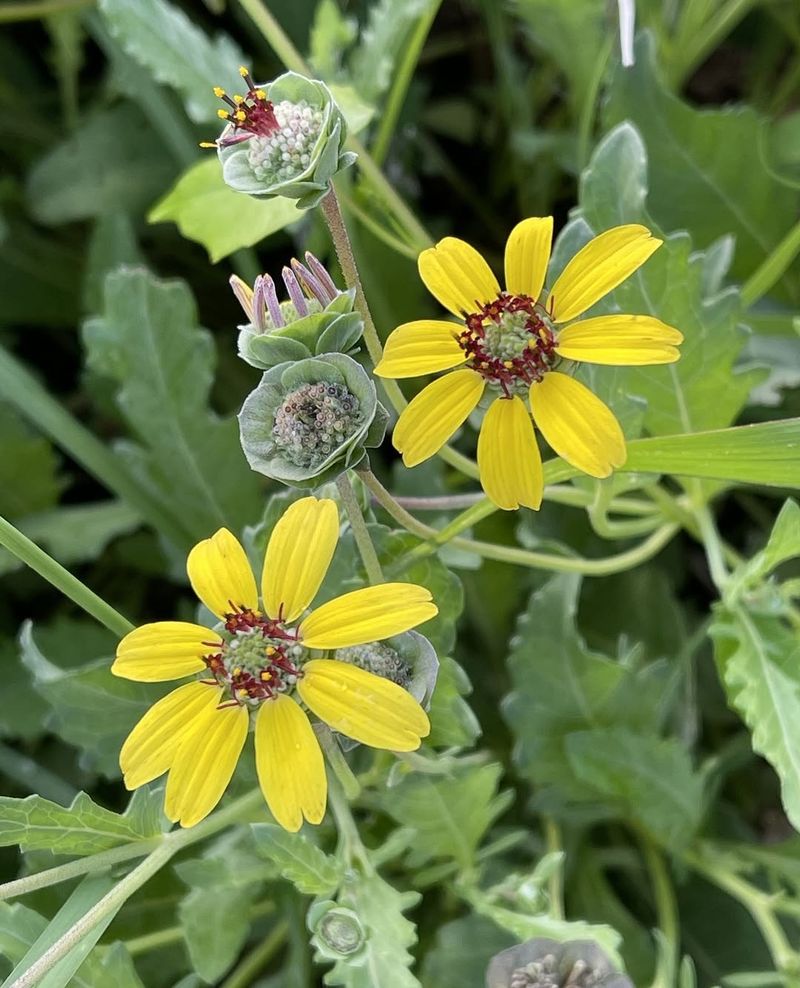
Soggy roots are the fastest way to lose a chocolate flower. Drainage matters more than fertility with this plant.
It evolved in rocky, sandy, and gravelly soils that shed water quickly rather than holding moisture around the roots for extended periods.
Standard garden soil that stays damp for more than a day or two after rain can cause root problems over time. If your native soil is clay-heavy or compacted, amend it before planting.
Mixing in coarse sand, decomposed granite, or perlite helps open up the structure and improve drainage considerably.
Raised beds are an excellent option for gardeners dealing with challenging native soil. Building a raised bed with a sandy loam mix gives you full control over drainage from the start.
Even a six-inch raised bed can make a meaningful difference in how well moisture moves through the root zone.
Soil pH matters somewhat too. Chocolate flower prefers a neutral to slightly alkaline pH, roughly in the 6.5 to 7.5 range, which aligns well with the naturally alkaline soils common across much of the Southwest.
Avoid planting in areas where organic matter has accumulated heavily, like old compost piles or low spots in the yard where debris collects.
4. Water Deeply While New Plants Become Established
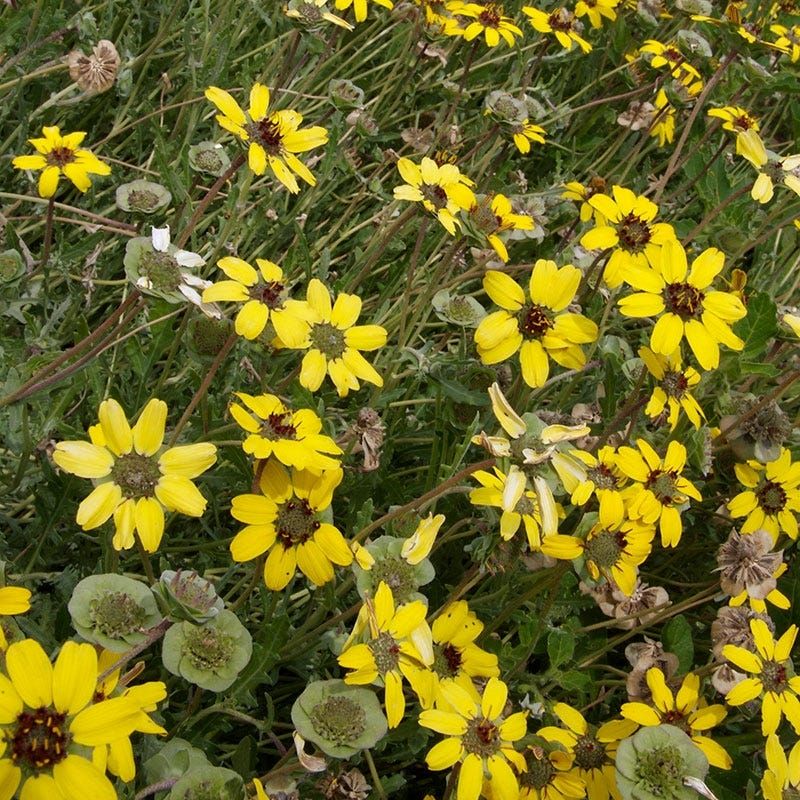
New plants need consistent moisture to send roots deep into the soil. Getting this right during the first growing season sets up the plant for long-term resilience.
Skip the shallow, frequent watering approach and focus on deep, less frequent sessions instead.
Deep watering encourages roots to follow moisture downward rather than staying near the surface. Surface roots are far more vulnerable to heat stress and dry spells.
A plant with a deep root system can access moisture from lower soil layers even when the top few inches are bone dry.
During the first four to six weeks after planting, water every three to four days depending on temperatures and rainfall. Let the top inch of soil dry out between sessions.
Stick your finger into the soil before watering to avoid adding moisture when the root zone is still adequately wet.
Watering in the early morning works better than watering midday or late evening. Morning watering gives leaves time to dry before nightfall, which can reduce the risk of fungal issues in humid stretches.
Midday watering loses more moisture to evaporation, especially in warm weather. As the plant matures over several months, gradually reduce watering frequency.
5. Avoid Overwatering Mature Plants
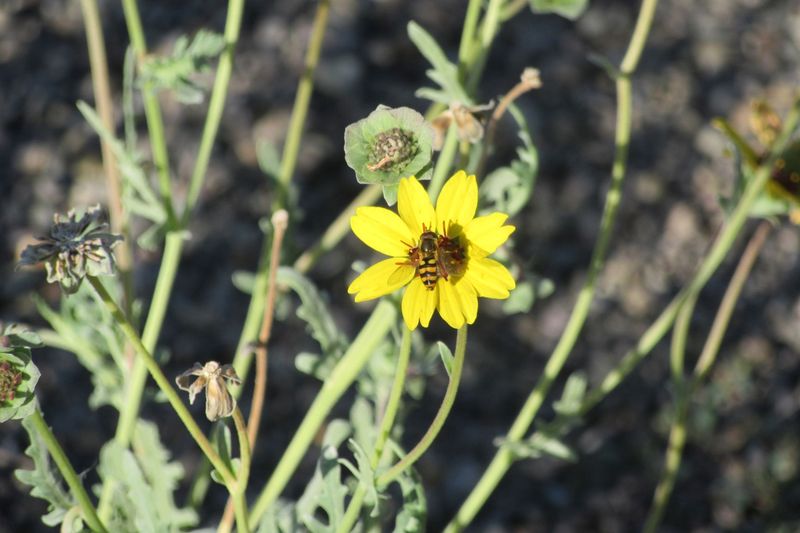
Once established, chocolate flower genuinely prefers dry conditions. Overwatering mature plants is one of the most common mistakes gardeners make with this species.
More water does not mean more flowers. In fact, excess moisture often leads to root stress, yellowing leaves, and reduced bloom production.
A mature plant growing in well-draining soil can typically get by on natural rainfall alone during cooler months.
In the hottest stretches of summer, supplemental watering every ten to fourteen days may help maintain bloom production, but this varies by location and soil type. Watch the plant rather than following a rigid schedule.
Signs of overwatering include yellowing lower leaves, soft or mushy stems near the base, and a general drooping appearance that does not recover after cooler evening temperatures arrive.
If you notice these signs, cut back watering immediately and check whether drainage is adequate in that spot.
Mulching around the base can actually complicate moisture management if the mulch holds too much water against the crown of the plant.
Gravel or decomposed granite mulch works better than wood chips for this species because it allows the soil surface to dry out more quickly between rain events or irrigation sessions.
6. Remove Spent Blooms To Encourage More Flowers
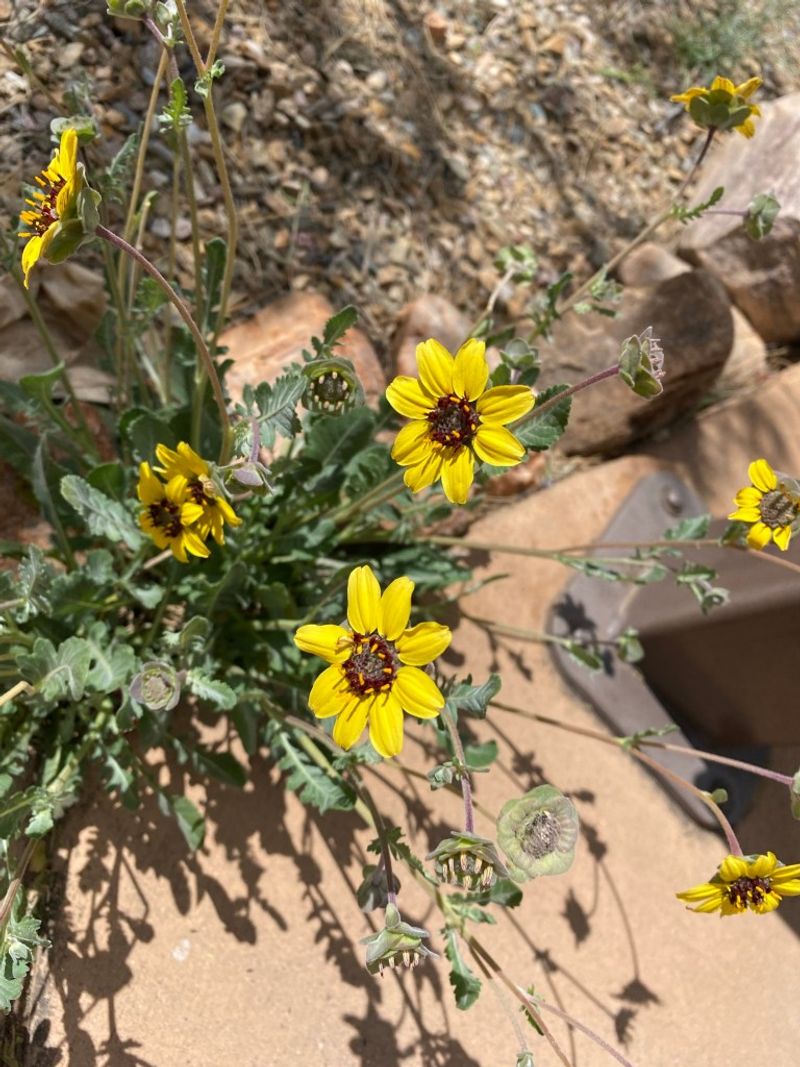
Deadheading sounds like extra work, but the payoff is worth it. Removing spent blooms signals the plant to redirect energy toward producing new flower buds rather than forming seeds.
During peak bloom season, this simple habit can noticeably extend the flowering period and keep the plant looking tidy.
Pinch or snip off faded flowers just below the base of the bloom head where the stem meets a leaf node. Sharp, clean pruners or even your fingernails work fine for this task.
Avoid tearing stems, which can leave ragged wounds that invite pests or disease in wet conditions.
Check plants every few days during the main blooming period. Flowers that are fully spent will look papery, brownish, and flat compared to fresh blooms.
Once the petals drop and the central disk begins to dry out, that bloom has finished its job and can be removed without any concern.
Not every spent flower needs to go. Leaving a few to mature into seed heads toward the end of the season gives you the option of collecting seeds or allowing natural reseeding into surrounding soil.
Strike a balance between encouraging new blooms mid-season and allowing some seed production as the season winds down.
7. Leave Seed Heads For Natural Reseeding
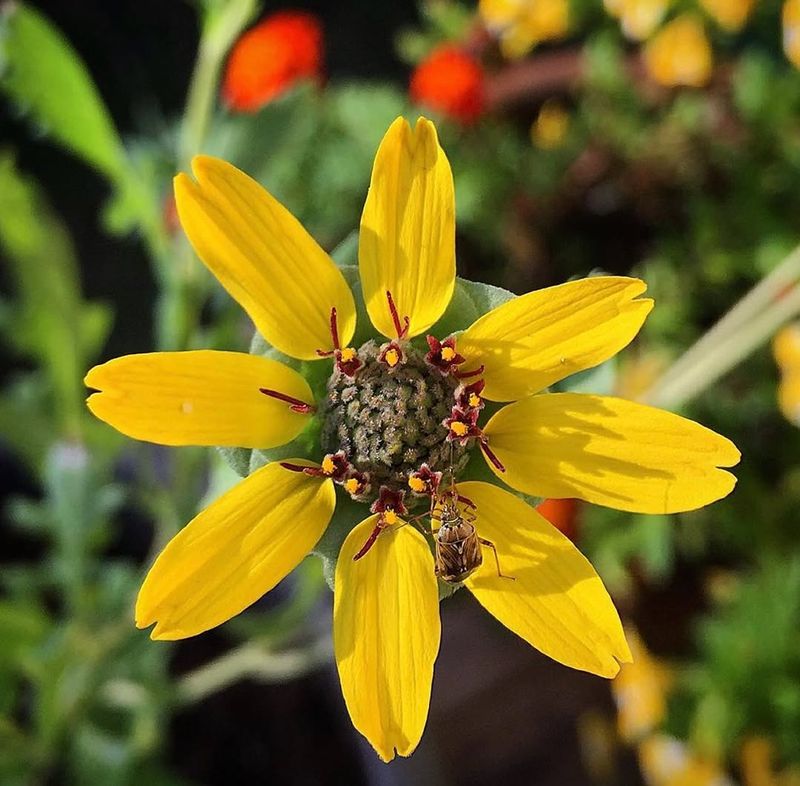
Toward the end of the growing season, resist the urge to cut everything back.
Seed heads left on the plant allow chocolate flower to self-sow into surrounding soil, giving you new seedlings the following spring without any extra effort on your part.
It is one of the most satisfying things about growing native wildflowers.
Seeds ripen inside the flat, round seed heads that form after the petals drop. When fully mature, the seeds are dark and papery, and they release easily with a light touch or a gust of wind.
Letting this process happen naturally means new plants can pop up in nearby spots, gradually filling in a bed or slope over multiple seasons.
If you want more control over where seedlings appear, collect seed heads before they fully shatter and scatter the seeds yourself in prepared soil. Store collected seeds in a cool, dry envelope until you are ready to plant.
Seeds generally germinate best with light soil contact and some moisture, so surface sowing in fall works well in mild-winter climates.
Seedlings that sprout naturally tend to be tough from the start because they germinate under real-world conditions suited to their environment. Thinning overcrowded seedlings in spring gives remaining plants enough room to develop properly.