Reasons Your Oregon Apple Tree Blossoms But Produces Almost No Fruit
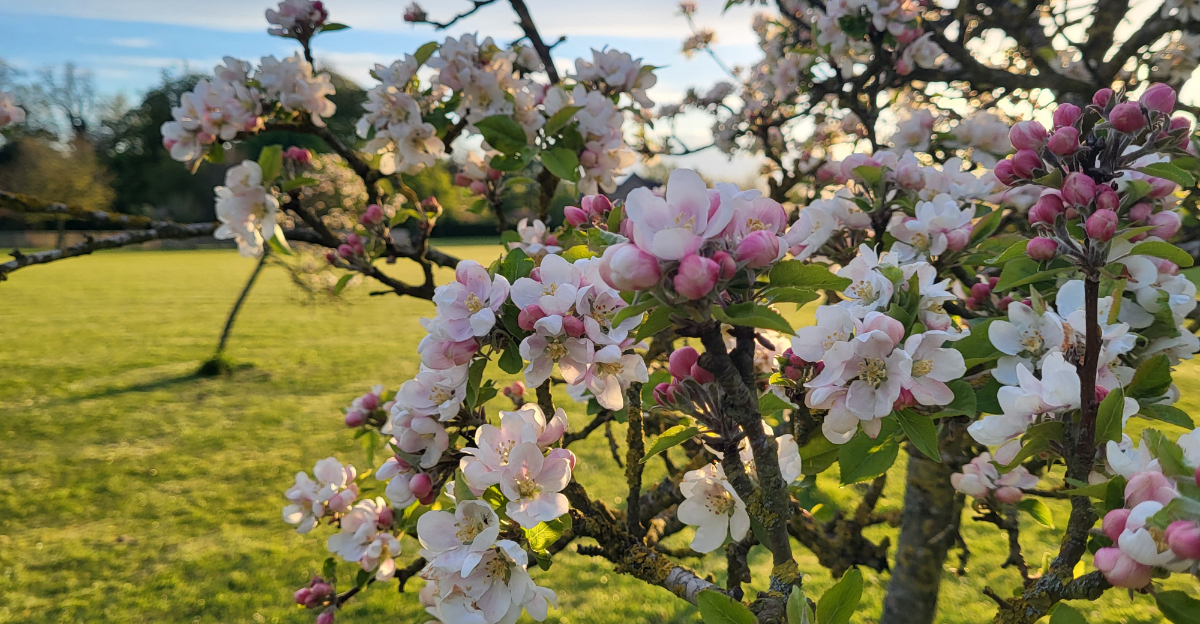
Every March, your Oregon apple tree turned into a spectacle of soft pink color, and neighbors probably stopped to admire it. That kind of bloom promises a heavy harvest.
Yet late summer tells a different story. The branches that once burst with flowers now hold only a handful of fruit, and something clearly shifted along the way.
This gap between blossom and basket trips up even seasoned growers across Oregon. Weather patterns, timing, and a few overlooked details can quietly derail an otherwise perfect season.
Rather than leaving you to wonder what happened, this piece breaks down the specific factors behind a disappointing harvest. Once you spot the pattern, next year’s outcome becomes far easier to control.
1. Cross Pollination Partners Are Missing Nearby
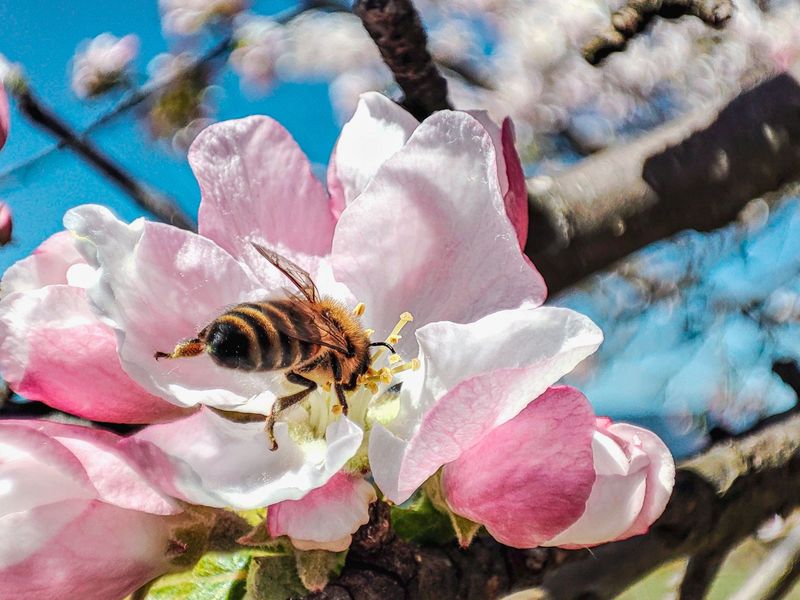
Most apple varieties cannot pollinate themselves, so without a second compatible tree nearby, your blossoms drop off without ever setting fruit. Cross-pollination from a different variety is what turns those blossoms into an actual harvest.
The pollen from one variety has to land on the blossoms of another for fruit to develop. Without that transfer, the flowers bloom beautifully and then fall to the ground with nothing to show for it.
Oregon orchards have long relied on planting two or more varieties close together. Honeycrisp, Fuji, Gala, and Gravenstein are popular choices, though Honeycrisp itself needs a strong pollen source rather than acting as one.
Planting compatible varieties within 50 feet of each other gives bees a reasonable flight path between the two. Check what variety you already have before buying a companion tree.
A quick call to your local Oregon State University Extension office can point you to the best match. Crabapple trees also make excellent pollinators and bloom around the same time as most apple varieties.
Even one crabapple planted nearby can meaningfully boost your fruit set. Neighbors with apple trees might also be providing some pollen, though that is not always reliable.
Planting a second tree is one of the fastest ways to solve low fruit production, and results often show up the very next season. Your tree is not broken, it just needs a friend.
2. Frost Damage Hits Blossoms Before Bees Arrive
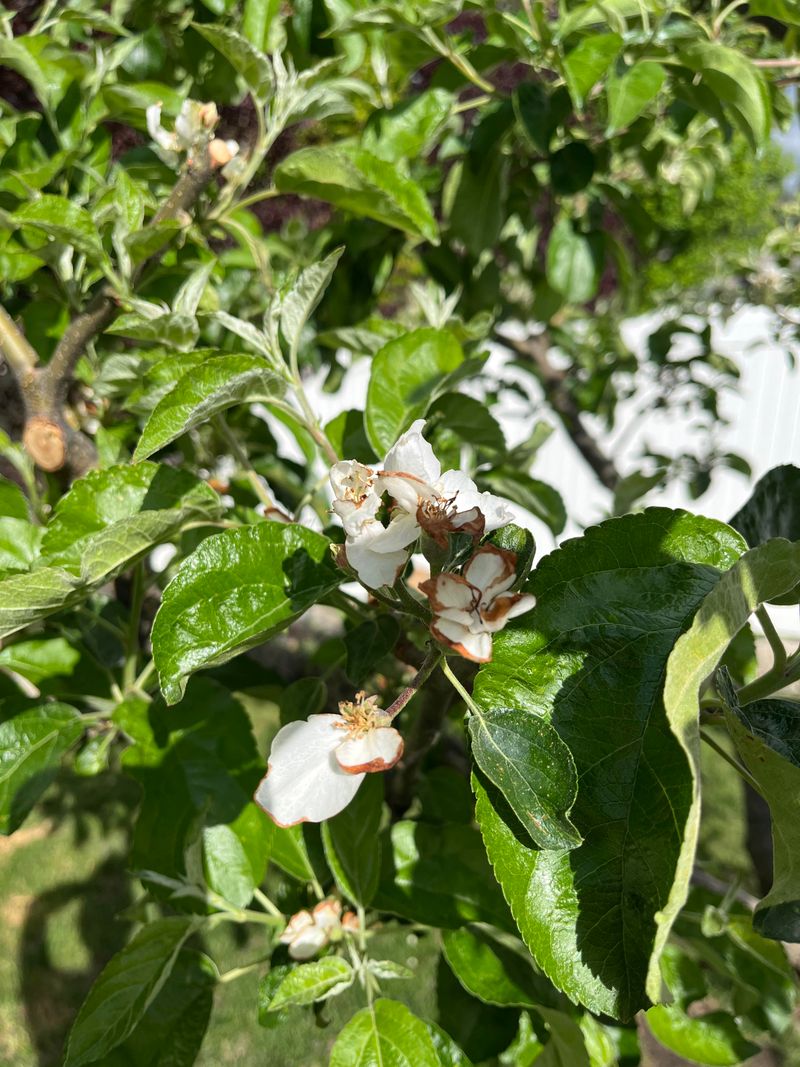
Spring in Oregon is unpredictable. One warm week tricks your apple tree into blooming early, and then a cold snap rolls in and undoes it.
Frost damage is one of the most common reasons for low fruit production. Apple blossoms are surprisingly fragile once they open.
Temperatures below 28 degrees Fahrenheit for even a couple of hours can destroy the reproductive parts inside the flower. The petals may still look pink and pretty, but the center has already stopped functioning.
You can spot frost damage by gently pulling open a blossom and looking at the center. A healthy center is pale yellow or green.
A frost-damaged center turns dark brown or black, which means no fruit will form from that flower. Oregon’s Willamette Valley sees late frosts well into April, sometimes even early May.
Your Oregon Garden Changes Every Week. Your Plan Should Too.
Gardening in Oregon changes quickly throughout the season. Every Friday you’ll receive a simple weekly plan showing exactly what to plant, prune, fertilize, harvest, and protect so you never miss the right timing.
Gardeners in higher elevations near the Cascades face even longer frost seasons. Knowing your specific frost dates helps you plan better each year.
Covering your tree with frost cloth on cold nights can protect blossoms during vulnerable periods. Floating row covers or old bedsheets work in a pinch for smaller trees.
Larger trees are harder to protect, but even partial coverage over the most-bloomed sections helps. Some apple varieties are bred to bloom later, which naturally avoids the worst frost windows.
Asking your local nursery about late-blooming options is worth the conversation. Timing and temperature together determine if your blossoms survive long enough to become fruit.
3. Excess Nitrogen Fertilizer Favors Leaves Over Fruit
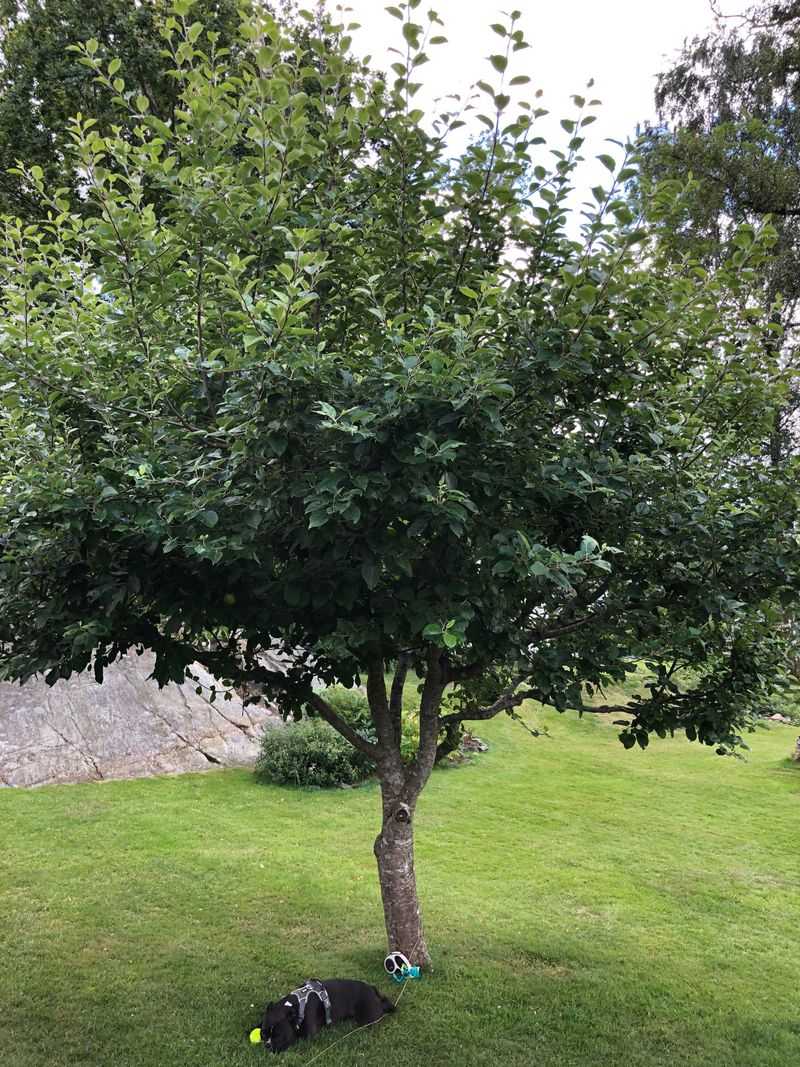
More fertilizer does not always mean more fruit. In fact, too much nitrogen is one of the easiest ways to accidentally undercut your apple harvest.
Your tree ends up looking full and green but producing almost nothing edible. Nitrogen is the nutrient that pushes leafy growth.
When you give an apple tree too much of it, the tree channels its energy into leaves and shoots instead of fruit. The result is a lush, bushy tree with nearly bare branches come harvest time.
Lawn fertilizers are a common culprit in home gardens. If you fertilize your grass near the tree’s root zone, the roots absorb that nitrogen too.
Many homeowners do not even realize their lawn care routine is feeding the tree at the wrong time. A soil test is the smartest starting point before adding any fertilizer.
Oregon State University Extension offices offer affordable testing kits that show exactly what your soil needs. You might find your soil already has plenty of nitrogen and needs something else entirely.
If your tree is producing more than a foot of new shoot growth per year, that is a sign it is getting too much nitrogen. Healthy, fruit-producing apple trees grow about 6 to 12 inches of new wood annually.
Anything beyond that suggests an imbalance worth correcting. Switching to a low-nitrogen or balanced fertilizer in late summer can help shift the tree’s focus back to fruiting.
Patience is part of the process. One season of adjusted feeding can noticeably change what you harvest next year.
4. Poor Pollinator Activity During Cool Wet Spring Weather
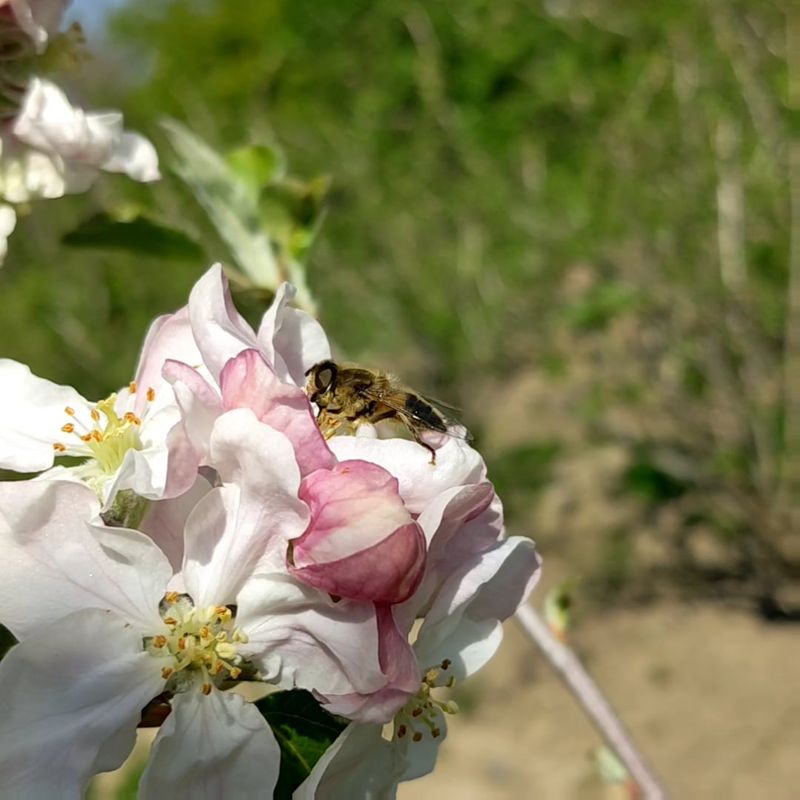
Bees do not like rain, and that has real consequences for your apple harvest. Oregon springs are notoriously wet and cool, which keeps pollinators grounded exactly when your tree needs them most.
Honeybees and native bees are the main workers that transfer pollen between apple blossoms. When temperatures drop below 55 degrees Fahrenheit, most bee activity slows dramatically.
A cold, rainy bloom period can mean almost zero pollination even if you have two healthy trees side by side. Apple blossoms are only receptive to pollen for about 5 to 7 days after they open.
If that window falls during a stretch of wet weather, the opportunity passes without enough pollinator visits. This is one of the hardest problems to fix because the weather is not in your control.
What you can control is how attractive your yard is to pollinators throughout the season. Planting early-blooming flowers like crocuses, dandelions, and fruit tree companions helps build and keep local bee populations.
A healthy local bee community is more likely to fly out on marginal weather days. Mason bees are especially useful in the Pacific Northwest because they fly in cooler, wetter conditions than honeybees.
Installing mason bee houses near your apple tree gives you a backup pollinator workforce built for Oregon weather. They are easy to attract and require very little maintenance.
Some growers hand-pollinate blossoms using a small paintbrush on especially cold or rainy days. It takes patience, but it works. Your harvest is worth the extra effort on a drizzly April morning.
5. Biennial Bearing Causes Alternating Heavy And Light Years
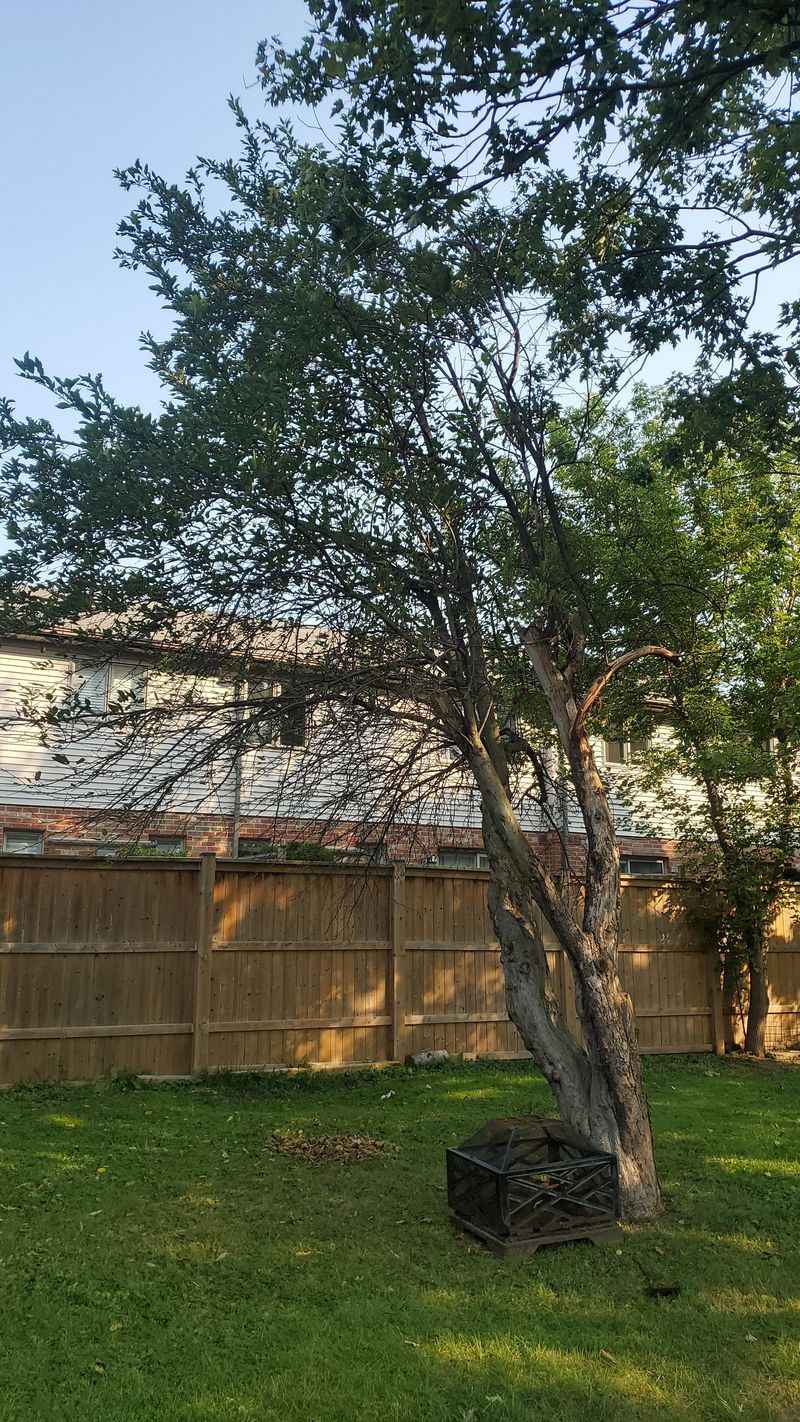
Last year your tree was overflowing with fruit. This year there is almost nothing. Sound familiar?
Biennial bearing is a natural cycle where apple trees alternate between heavy and light production years. It catches many Oregon growers off guard every time it happens.
During a heavy crop year, the tree puts so much energy into producing fruit that it does not have enough resources left to form flower buds for the following spring. The next year, bloom is sparse and so is the harvest.
It becomes a frustrating on-and-off pattern. Certain apple varieties are more prone to biennial bearing than others.
Honeycrisp is a well-known example, as are some older heritage varieties popular in Oregon’s growing regions. If your tree consistently alternates between feast and famine, variety tendency is worth researching.
The fix is called fruit thinning, and it works surprisingly well. When you remove excess fruit early in the season, around late May or early June, you reduce the tree’s workload during the heavy year.
That leftover energy goes into forming buds for next season’s bloom instead. Thin fruit when they are about the size of a marble, leaving one apple per cluster and spacing them about 6 inches apart on the branch.
It feels wasteful at first, but the long-term payoff is a more consistent annual harvest. Many experienced Oregon orchardists consider thinning a non-negotiable step.
Breaking the biennial cycle takes two to three seasons of consistent thinning. Stick with it and your tree will reward you. Steady harvests beat the unpredictable swings of boom-and-bust years.
6. Young Trees Have Not Reached Fruiting Maturity Yet
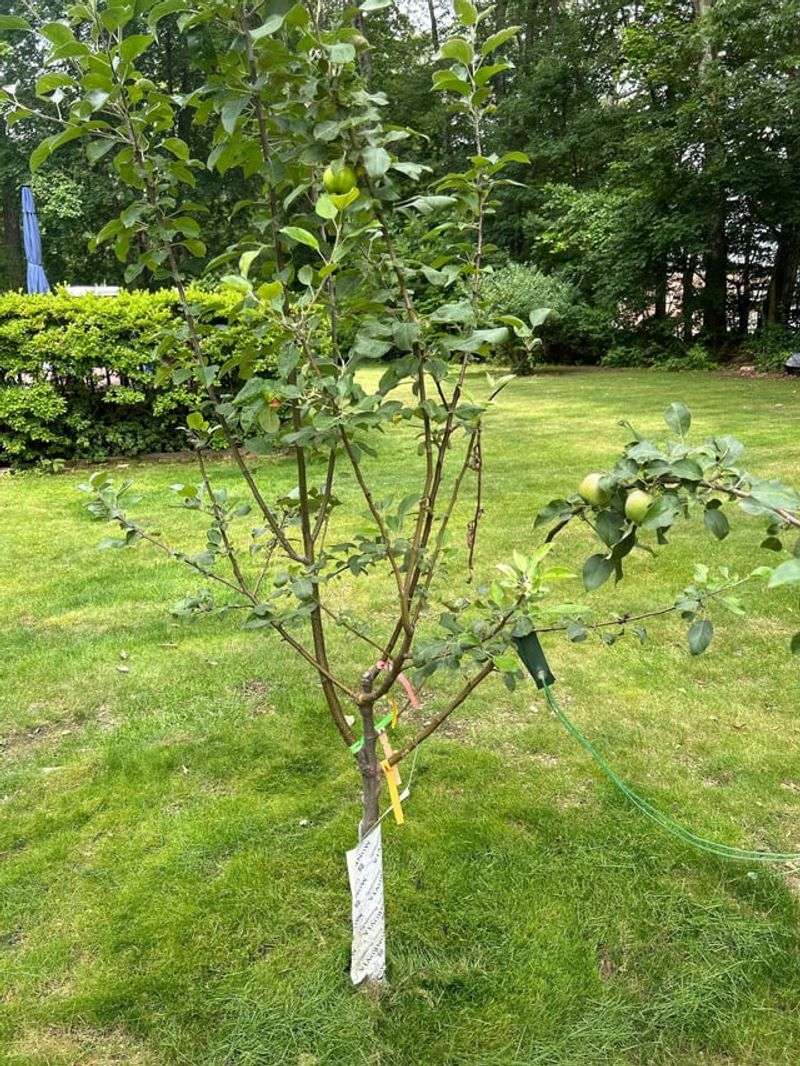
Patience is genuinely hard when you planted that tree three years ago and still have not tasted a single apple. Young trees are not slackers.
They are just busy building the root system and branch structure they need before shifting energy toward fruit production. Most apple trees grown on standard rootstocks take 4 to 8 years to produce a meaningful harvest.
Dwarf and semi-dwarf varieties on special rootstocks can fruit in as little as 2 to 3 years. Knowing your rootstock type helps set realistic expectations from the start.
Trees purchased from nurseries in Oregon are often grafted onto size-controlling rootstocks like M.9 or M.26. These smaller trees tend to bear fruit earlier than full-sized trees.
Ask your nursery about the rootstock when you buy, and save the tag so you have the information later. A young tree that blooms but drops its flowers without setting fruit is often just not ready.
The tree is testing the process but has not built enough stored energy to carry fruit to maturity. Removing the blossoms in the first two or three years actually helps the tree focus on root development.
Fertilizing correctly during the early years speeds up the maturation process without pushing excessive leafy growth. A balanced fertilizer applied in early spring supports steady, healthy development.
Avoid heavy pruning in the first few years, which can delay fruiting further. Once a young tree crosses the maturity threshold, production picks up quickly.
Year four or five often brings a small but exciting first harvest. That first apple off your own tree tastes better than anything from a store.
7. Overcrowded Branches Block Light From Reaching Blossoms
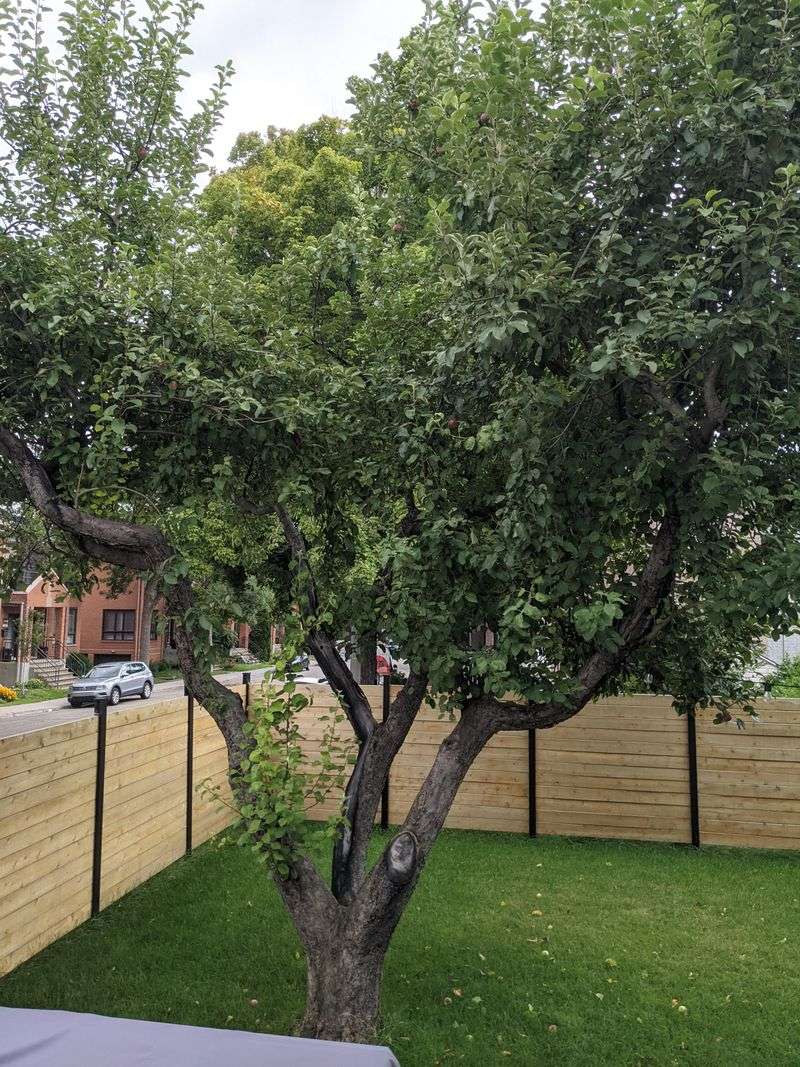
Sunlight is not optional for apple production. It is the engine that drives everything from blossom formation to fruit ripening.
When branches grow too thick and tangled, the interior of the tree becomes a shadowy mess that cannot produce well. Apple trees need full sun on their fruiting wood to set and develop fruit properly.
Branches buried in shade produce fewer flower buds and often drop what little fruit they do set before it matures. The outside of the tree may look fine while the inside is struggling.
Oregon’s mild, moist climate encourages vigorous shoot growth, which means trees here can get out of hand faster than in drier climates. An unpruned tree can double its branch density in just a few seasons.
Regular pruning is not optional. It is essential maintenance in this region.
The goal of pruning is to create an open, airy canopy where sunlight reaches every branch. Orchardists often describe the ideal shape as being able to throw a hat through the canopy without it getting stuck.
That openness translates directly into better fruit production. Prune apple trees during late winter while they are still dormant, ideally in February or early March before buds swell.
Remove crossing branches, water sprouts, and any limb that crowds the center. Make clean cuts just outside the branch collar to promote proper healing.
Even one good pruning session can dramatically improve your harvest the following season. Light changes everything inside that canopy. Give your blossoms the sunshine they need, and the fruit will follow.
8. Inadequate Watering During Fruit Set Stresses The Tree
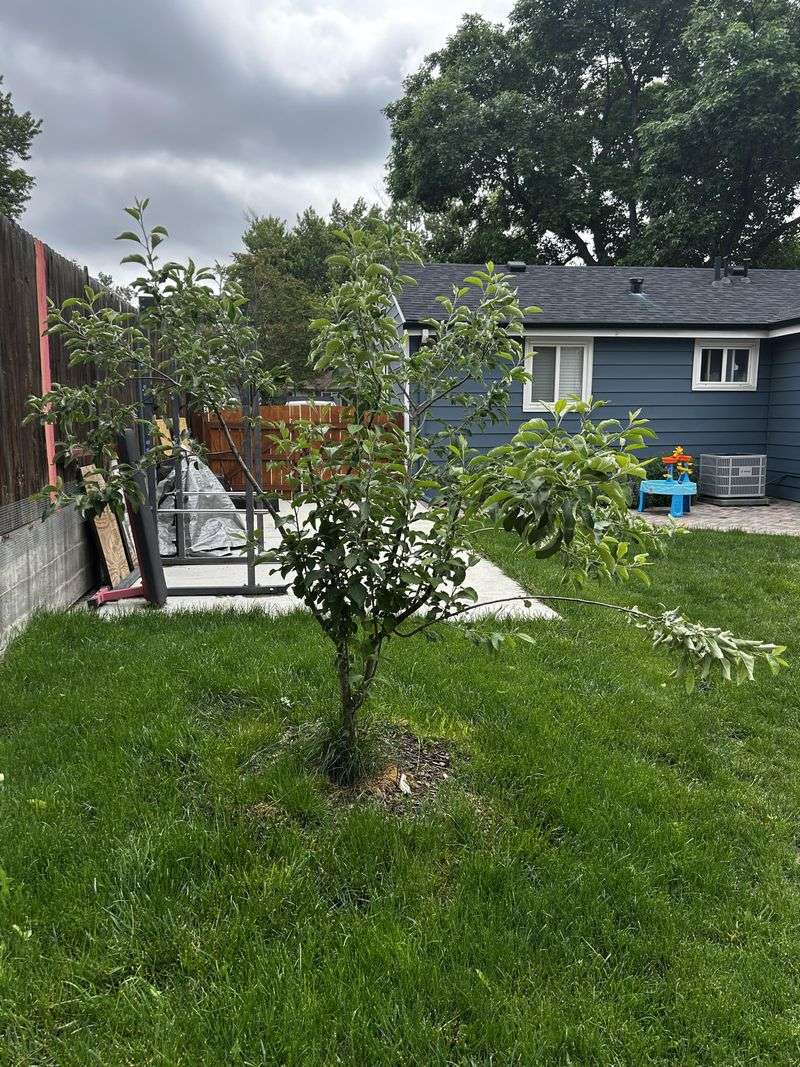
Water stress during fruit set is like pulling the rug out from under your harvest. The tree responds to drought conditions by dropping developing fruit before it matures, which is a survival mechanism that costs you the entire crop.
Fruit set happens in late spring and early summer, right after the blossoms are pollinated. During this period, the tree is working hard to develop tiny fruitlets into full-sized apples.
Consistent soil moisture during these weeks is critical to keeping that process on track. Oregon summers can turn surprisingly dry after a wet spring, especially east of the Cascades.
Even in the Willamette Valley, July and August can go weeks without meaningful rainfall. Relying on rain alone during summer is a common mistake that leads to disappointing harvests.
Apple trees need about an inch of water per week during the growing season, more during hot stretches. Deep, infrequent watering is better than shallow daily watering because it encourages roots to grow deeper into the soil.
A deep root system handles dry spells much better than a shallow one. Drip irrigation systems are an excellent investment for home orchardists in Oregon.
They deliver water directly to the root zone with minimal waste and can be set on a timer to maintain consistent soil moisture. Mulching around the base of the tree also helps retain moisture between watering sessions.
Check soil moisture by pushing a finger 2 to 3 inches into the ground near the tree. Dry soil at that depth is a signal to water immediately.
Keeping your tree hydrated during fruit set is one of the most impactful things you can do for your Oregon apple harvest.