This Georgia Shrub Looks Harmless But Is More Toxic Than Most Gardeners Realize
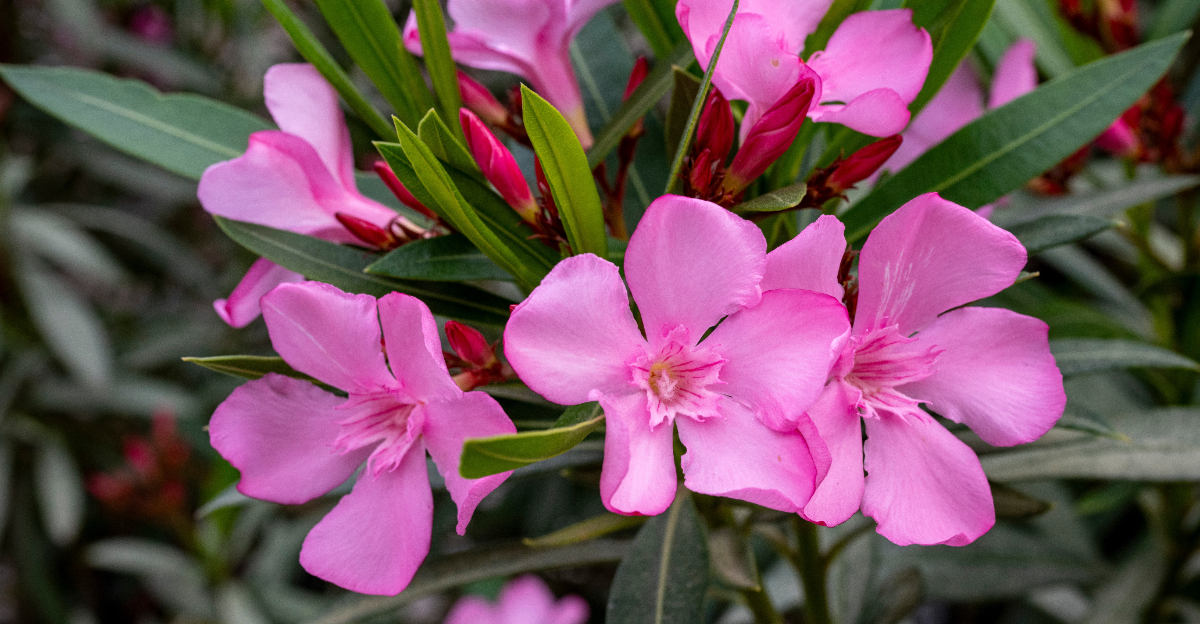
A shrub does not have to look dangerous to deserve your attention. Some of the most harmful plants growing in residential landscapes are also some of the most attractive.
Bright flowers, colorful berries, and healthy leaves can make any plant seem completely harmless. That first impression is not always the right one.
Plenty of homeowners never question the shrubs already growing around their homes. They simply enjoy the color without realizing there is another side to the plant.
One well-known shrub is still a familiar sight in Georgia despite being far more toxic than many expect. Its popularity often hides an important fact.
Taking a closer look is always worth your time.
Knowing exactly what is growing in your yard can help you avoid an unpleasant surprise later while making more informed planting decisions in the future.
1. Oleander Contains Toxic Compounds In Every Part Of The Plant
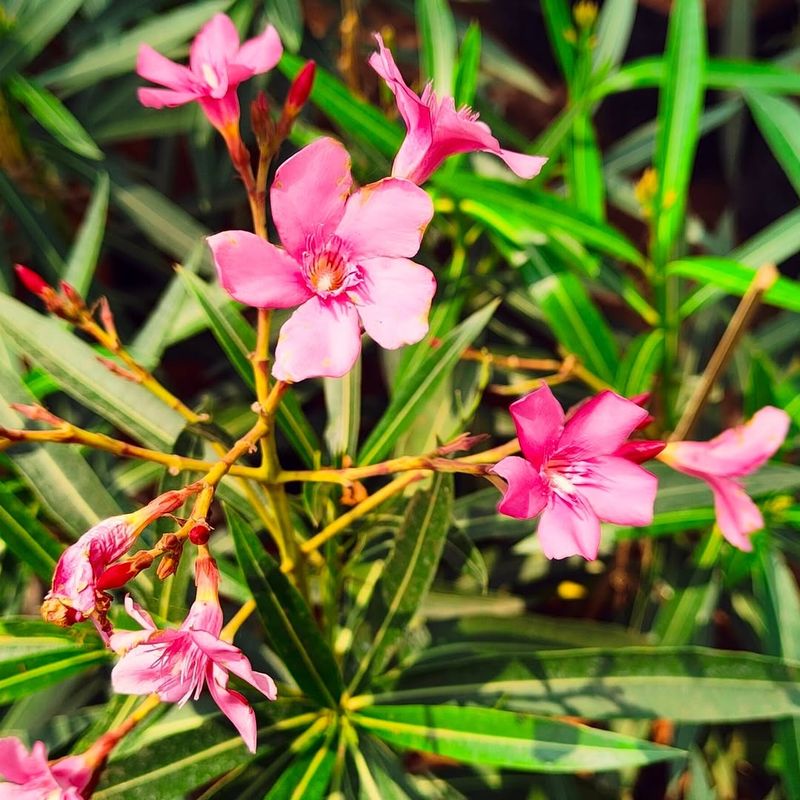
Most gardeners focus on how a plant looks, not what it holds inside. Oleander carries toxic compounds called cardiac glycosides in its leaves, stems, flowers, roots, and even the sap.
Not a single part of this shrub is safe to handle carelessly or ingest.
Cardiac glycosides interfere with heart muscle function. Even a small amount can cause serious symptoms in humans and animals.
Children and small pets face the highest risk because they weigh less and are more likely to touch or mouth plant material.
Burning oleander clippings is also dangerous. Smoke from burning branches can carry irritants that affect the eyes, throat, and lungs.
Gardeners in Georgia who burn yard waste should keep oleander cuttings completely separate.
Sap from cut stems can irritate skin on contact. Wearing gloves during any pruning or handling session is a smart habit.
Wash hands thoroughly after working near the plant, even if you wore gloves.
Understanding the full scope of oleander toxicity helps you make smarter decisions in the garden. Recognizing the risk does not mean you need to panic.
2. Bright Flowers Can Hide A Serious Toxicity Concern
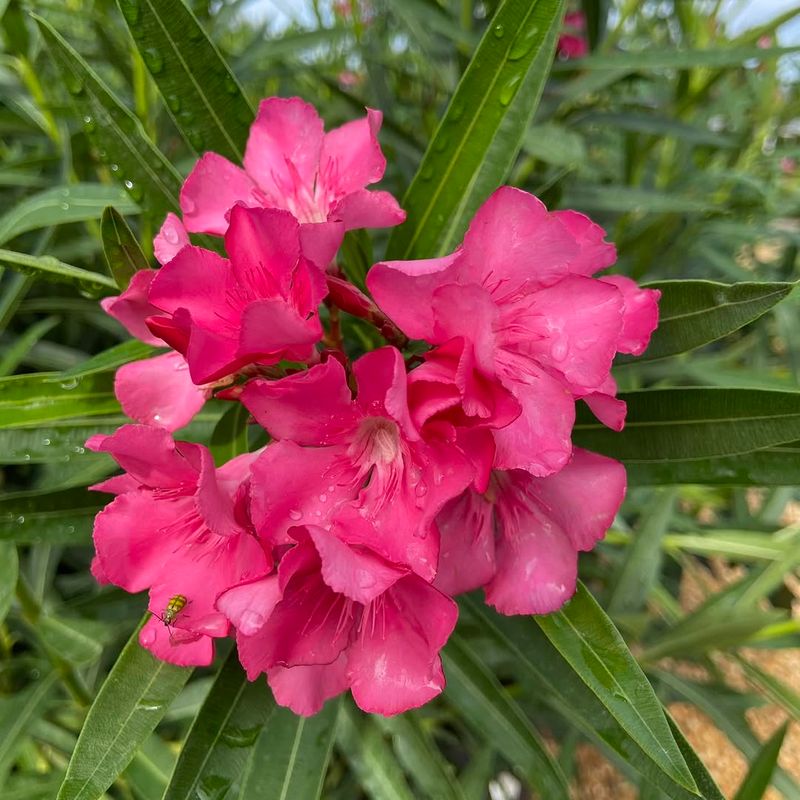
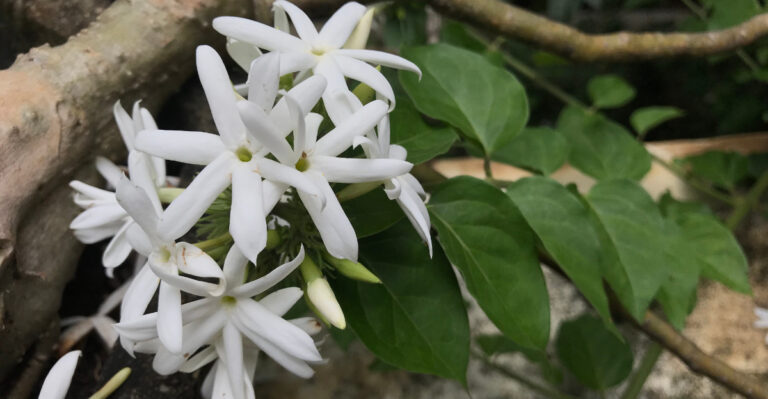
Pretty plants can be misleading. Oleander blooms in shades of pink, red, white, and yellow, and those flowers are genuinely stunning.
Neighbors admire it, visitors compliment it, and new gardeners often plant it without doing much research first.
Attractive flowers attract curious hands. Kids are drawn to bright colors, and toddlers sometimes put plant material in their mouths without warning.
Even older children who know better may brush against branches during outdoor play.
The flowers themselves contain the same toxic compounds found throughout the rest of the plant. Picking blooms without gloves puts sap directly on your skin.
If you then touch your face or food, that contact becomes a real concern.
Pollinators like bees visit oleander regularly, but honey produced from oleander-heavy areas has occasionally been linked to concerns about grazing exposure. If you keep bees near oleander hedges, it is worth talking to a local apiarist about placement.
Visual appeal does not signal safety. A shrub can be breathtaking and still require careful handling.
Your Georgia Garden Changes Every Week. Your Plan Should Too.
Gardening in Georgia changes quickly throughout the season. Every Friday you’ll receive a simple weekly plan showing exactly what to plant, prune, fertilize, harvest, and protect so you never miss the right timing.
Taking a moment to learn about what grows in your yard before planting can save a lot of worry later.
3. Keep Fallen Leaves And Clippings Away From Pets
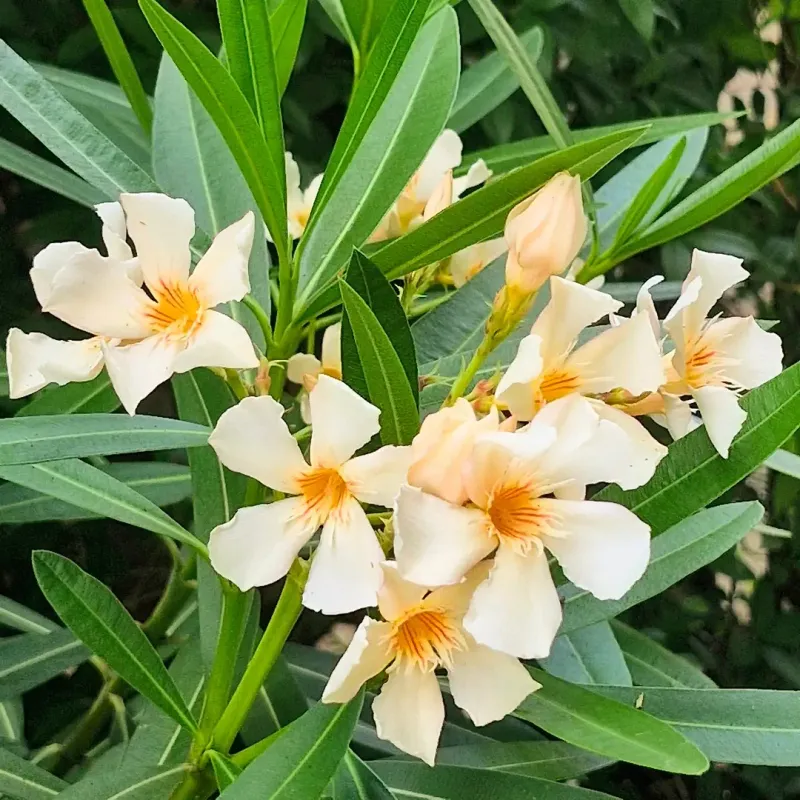
Pets explore the world with their noses and mouths. A curious dog or cat sniffing around the base of an oleander shrub can easily ingest fallen leaves without you noticing.
Oleander leaves remain toxic even after they have dried out and fallen to the ground.
Cats are less likely to chew on plants than dogs, but they still groom themselves after walking through garden beds. Sap or plant residue on their paws can transfer to their mouths during grooming.
Small exposures repeated over time can still cause problems.
Raking up fallen leaves regularly under oleander shrubs is one of the most practical steps a pet owner can take. Do not leave clippings in a pile near areas where pets roam.
Bag them and place them in a sealed trash container right away.
If your pet shows signs of drooling heavily, vomiting, weakness, or irregular movement after being in the yard, contact a veterinarian promptly. Time matters in these situations.
Bring a sample of the plant if you can do so safely.
Fencing off oleander shrubs from pet areas is worth considering. A simple garden barrier can limit access without removing the plant entirely.
4. Dispose Of Plant Material Carefully After Pruning
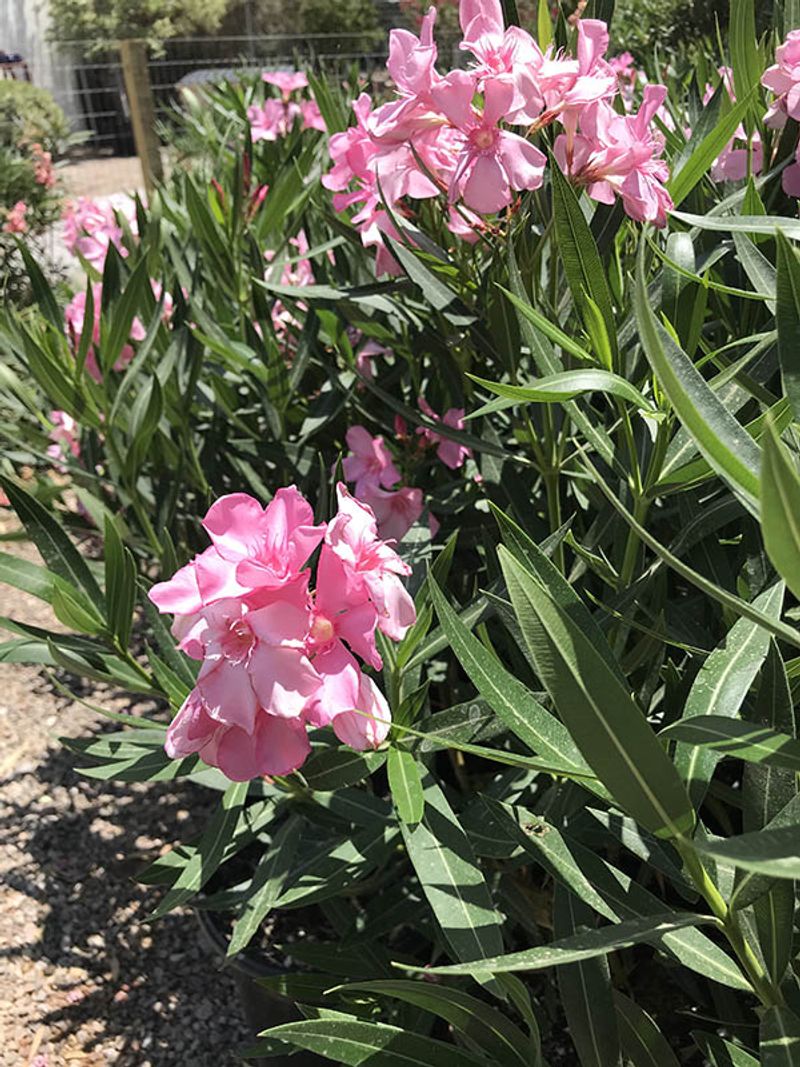
Pruning oleander is a normal part of keeping it shaped and healthy, but what you do with the trimmings matters just as much as the pruning itself. Tossing clippings into an open compost pile is not a safe option.
Oleander material does not break down harmlessly like most garden waste.
Composting oleander is risky because the toxic compounds can persist in decomposing material. Animals that dig through compost piles, including neighborhood wildlife, could be exposed.
Children who play near open compost bins face similar risks.
Sealed trash bags are the most straightforward disposal method for most homeowners. Double-bagging the clippings adds an extra layer of protection.
Check with your local waste management service about guidelines for toxic plant material in your area.
Some Georgia counties have specific drop-off locations or guidelines for hazardous yard waste. A quick call to your local extension office can point you in the right direction.
Following local guidance protects both your household and the broader community.
After bagging up clippings, wash your gloves and tools before putting them away. Sap can cling to pruning shears and transfer to your hands the next time you use them.
A simple rinse with soap and water handles this well.
5. Handle This Shrub With Extra Care During Maintenance
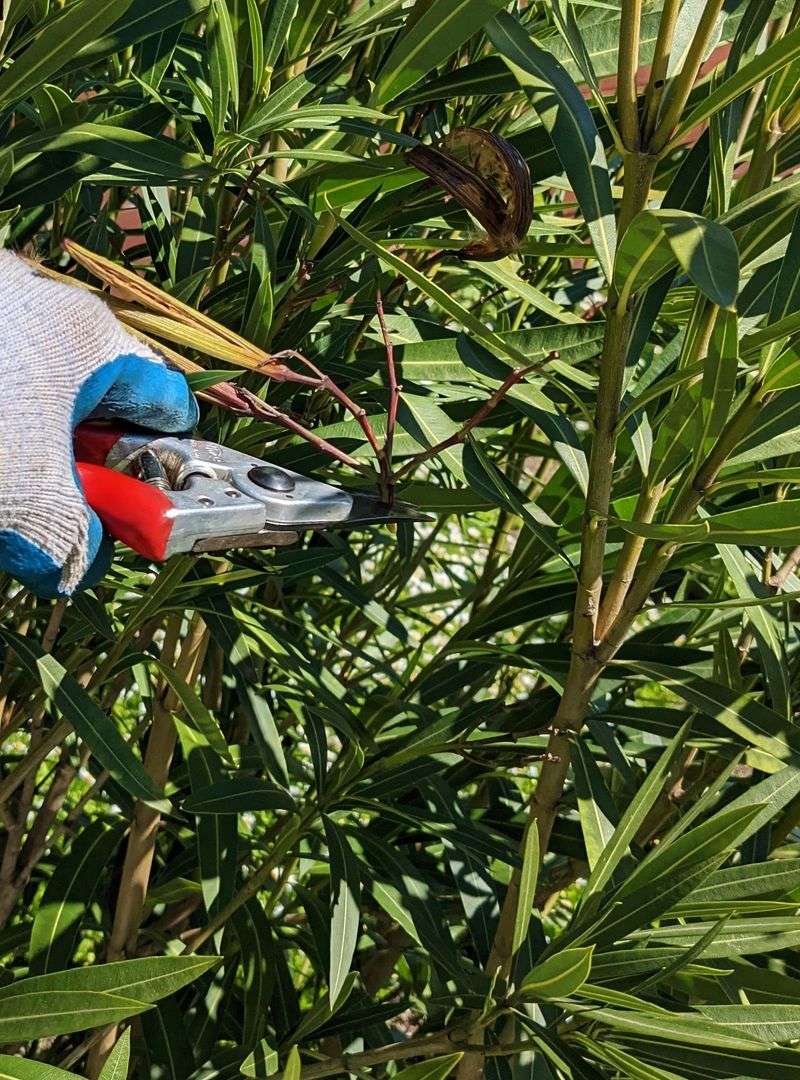
Touching oleander without protection is an easy mistake to make, especially for gardeners who work quickly. Sap from cut stems can irritate the skin and cause redness or a mild rash in sensitive individuals.
Eyes are particularly vulnerable if you touch your face after handling the plant.
Wear gloves every single time you work with oleander. Thick rubber or nitrile gloves offer better protection than thin garden gloves.
Long sleeves add another layer of coverage and help prevent accidental sap contact on your arms.
Eye protection is worth using during heavy pruning sessions. Sap can flick unexpectedly when cutting thick branches.
Safety glasses are inexpensive and easy to keep in your garden tool bag for quick access.
After pruning, do not wipe your face with your hands or gloves before washing up. Remove gloves carefully, turning them inside out as you pull them off.
Wash your hands with soap and water before moving on to anything else.
Tools used on oleander should be cleaned before storing or using on other plants. Sap residue on shears can transfer to healthy plants or your hands on the next use.
A quick wipe with a damp cloth followed by a rinse works well for most garden tools. Consistent habits make maintenance safer over time.
6. Place Oleander Away From High Traffic Areas
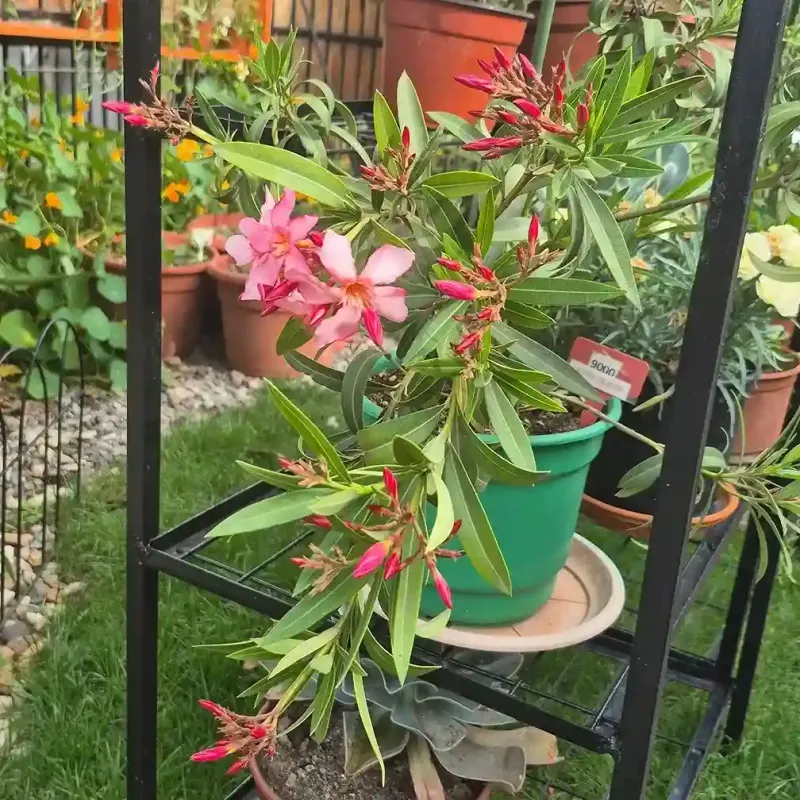
Where you plant oleander matters as much as how you care for it. Shrubs placed near driveways, front walkways, or play areas increase the chance of accidental contact.
People brush against plants constantly without realizing it, especially in tight spaces.
Back corners of the yard or along back fencing tend to work better for oleander placement. Fewer people pass through those areas regularly.
That natural distance reduces incidental contact without requiring any extra effort on your part.
Avoid planting oleander near vegetable gardens or herb beds. Falling leaves or sap runoff during rain can potentially reach edible plants nearby.
Keeping a clear buffer zone between oleander and food-producing areas is a reasonable precaution.
School gardens, community plots, and shared outdoor spaces in Georgia should approach oleander placement with extra thought. Volunteers and visitors may not be familiar with the plant or its risks.
Clear labeling and physical separation help manage that concern in shared settings.
If oleander is already established in a high-traffic spot, you have options. Adding a low garden border or decorative fencing can redirect foot traffic without removing the plant.
Signage is another simple solution that raises awareness without requiring major landscaping changes.
7. Choose Safer Flowering Shrubs As Replacements
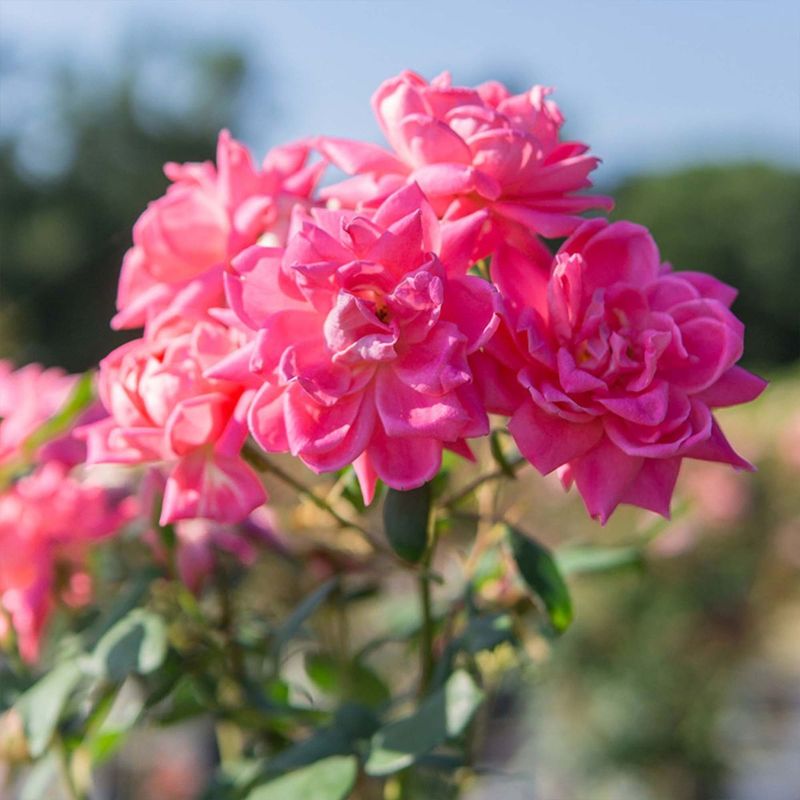
Removing oleander and replacing it with something safer does not mean sacrificing beauty. Plenty of flowering shrubs offer great color, attract pollinators, and require minimal maintenance without the same toxicity concerns.
Knock Out roses are a popular choice across the region. They bloom repeatedly through warm months, tolerate heat well, and hold up through summer without constant attention.
Standard roses require more care, but Knock Out varieties are genuinely low-maintenance.
Native azaleas bring soft spring color and support local wildlife. They thrive in the local climate and soil conditions, especially with some afternoon shade.
Many cultivars are available in pink, white, and coral tones that rival oleander’s visual appeal.
Butterfly bush attracts hummingbirds and butterflies through summer and fall. It grows quickly, handles heat well, and produces long flower spikes in purple, white, and pink.
Just check local invasive species guidance before planting, as some varieties spread aggressively in certain regions.
Loropetalum, also called Chinese fringe flower, offers year-round interest with burgundy foliage and delicate pink blooms. It handles Georgia heat and humidity without much fuss.