This Pruning Mistake Costs You Next Year’s Lavender Blooms
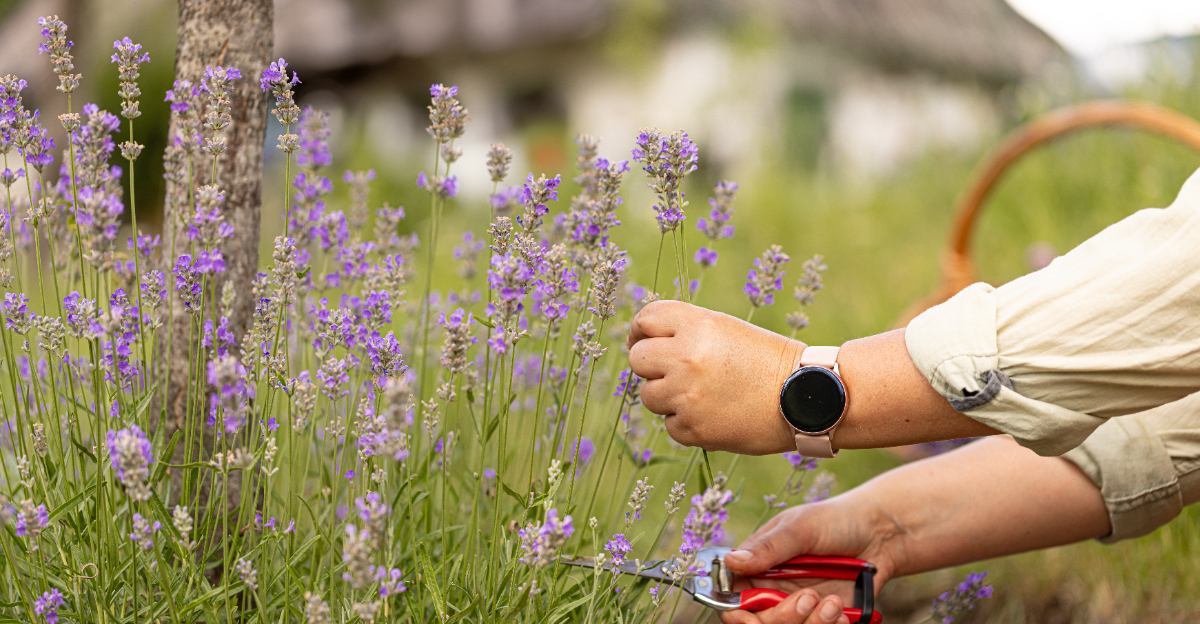
A single wrong cut can quiet your lavender for a full year. Gardeners repeat this mistake every single spring. They trim too deep, slicing into old woody stems. Suddenly, flowers fail to return and only bare stalks remain.
Nobody warns you how delicate that woody base truly is. Timing decides everything, long before shears ever touch a branch. Wait too long, and new growth simply refuses to appear.
Cut too early, and frost stalls your plant instantly. Careful growers learned this lesson through slow trial and error. Precision matters more than enthusiasm when shaping lavender.
Each snip either builds next year’s blooms or limits them. Confidence without knowledge turns pruning into a costly guess. Momentum stays alive when you understand why timing matters.
Nothing about healthy lavender happens by accident or luck. Every cut writes next year’s story ahead of time. You need to see what happens after this cut.
Why Pruning Timing Matters For Next Year’s Blooms

Pruning lavender at the wrong time means missing a narrow window. The opportunity has passed before you even realize it.
Lavender sets the foundation for next year’s blooms shortly after it finishes flowering. If you prune too late in the season, you interrupt that process entirely.
The plant needs time to push out fresh green shoots before cold weather arrives. Those new shoots are what carry next spring’s flower buds.
Prune after the first frost and those tender new shoots never get a chance to harden off. They stay weak, exposed, and vulnerable all winter long.
Timing also affects how well the plant bounces back from being cut. A lavender pruned in late summer has weeks of warm growing days ahead to recover.
One pruned in October or November has almost none. The window closes fast, especially in northern gardens where fall arrives early.
Most gardeners think of pruning as a fall chore, something to do when the garden is being put to bed. For lavender, that instinct works against you.
Treating this plant like your other perennials is exactly where the pruning mistake begins. Lavender plays by its own rules, and learning those rules changes everything.
The Woody Growth Mistake: Cutting Below The Green Growth
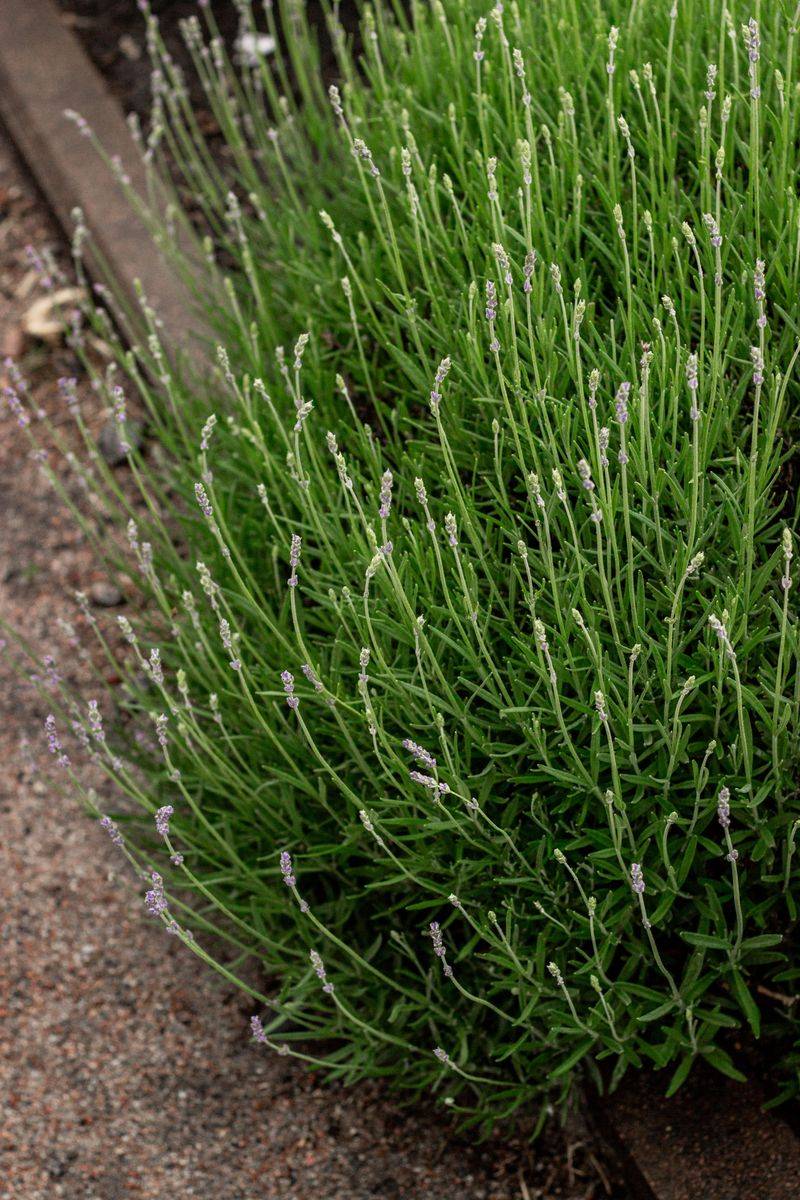
Here is the mistake that prevents your blooms before they even start. Cutting into the old, woody base of a lavender plant is the number one pruning error home gardeners make.
Lavender stems are split into two very different zones. The top portion is green, flexible, and packed with life. The lower section is brown, stiff, and almost bark-like.
That woody zone cannot regenerate new growth the way most plants can. Once you cut into it, that branch will rarely produce new growth again.
Unlike roses or shrubs that bounce back from hard cuts, lavender lacks that ability. The woody base simply will not push out new shoots from old, brown wood.
Gardeners often cut deep because the plant looks scraggly or overgrown. The instinct to tidy things up is completely understandable, but with lavender, it works against the plant.
The pruning mistake here is confusing lavender with plants that tolerate aggressive cutting. Lavender needs a lighter touch, focused only on the green, leafy growth above the woody zone.
A good rule of thumb is to never cut lower than where you can see green leaves or shoots. If you see only brown wood, you have already gone too far.
Even one season of cutting too deep can leave a plant significantly weakened. Protecting that green zone is the single most important thing you can do for your lavender’s future.
Late-Season Pruning And Winter Damage Risk
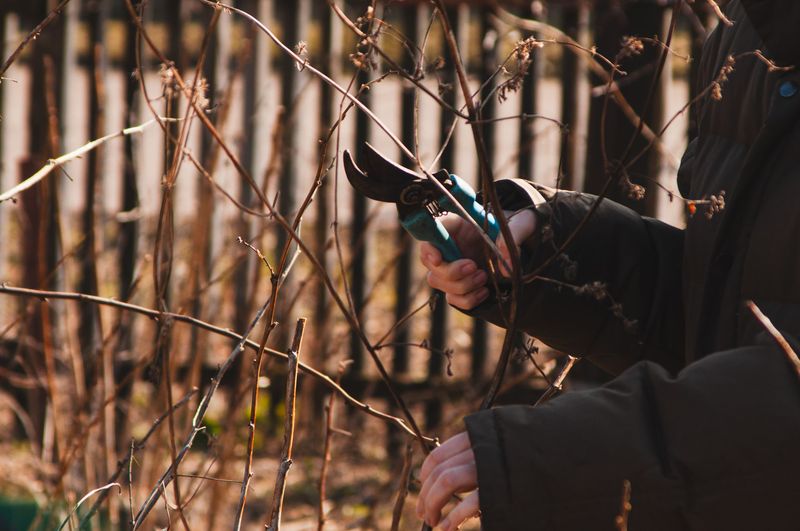
Pruning lavender in late fall feels productive, but it sets the plant up for a rough winter. Fresh cuts made in October or November leave new growth exposed to freezing temperatures.
When you prune, the plant responds by pushing out tender new shoots. Those shoots are soft, full of moisture, and completely unprepared for a hard freeze.
Cold air hits that new growth and causes cell damage almost immediately. What looked like healthy recovery after pruning can decline into soft, damaged stems by January.
Late-season pruning also removes the protective buffer that older stems provide. That slightly shaggy, overgrown look actually helps insulate the plant’s crown during cold snaps.
Gardeners in colder climates need to be especially careful about this. In some regions, zones 5 and 6 can see frosts as early as mid-September, which can leave little recovery window after a late cut.
Even in warmer areas, cutting too late disrupts the plant’s natural hardening process. Lavender gradually toughens its stems as temperatures drop, and pruning can interrupt part of that process.
A plant that has been late-pruned may survive winter but come back weak and sparse. Sometimes the full effect isn’t visible until bloom season, when flowering is noticeably reduced.
Avoiding this timing mistake is one of the simplest ways to protect your lavender. Hold the shears once summer heat fades and let the plant coast into winter on its own terms.
The Best Time To Cut Is Right After Flowering
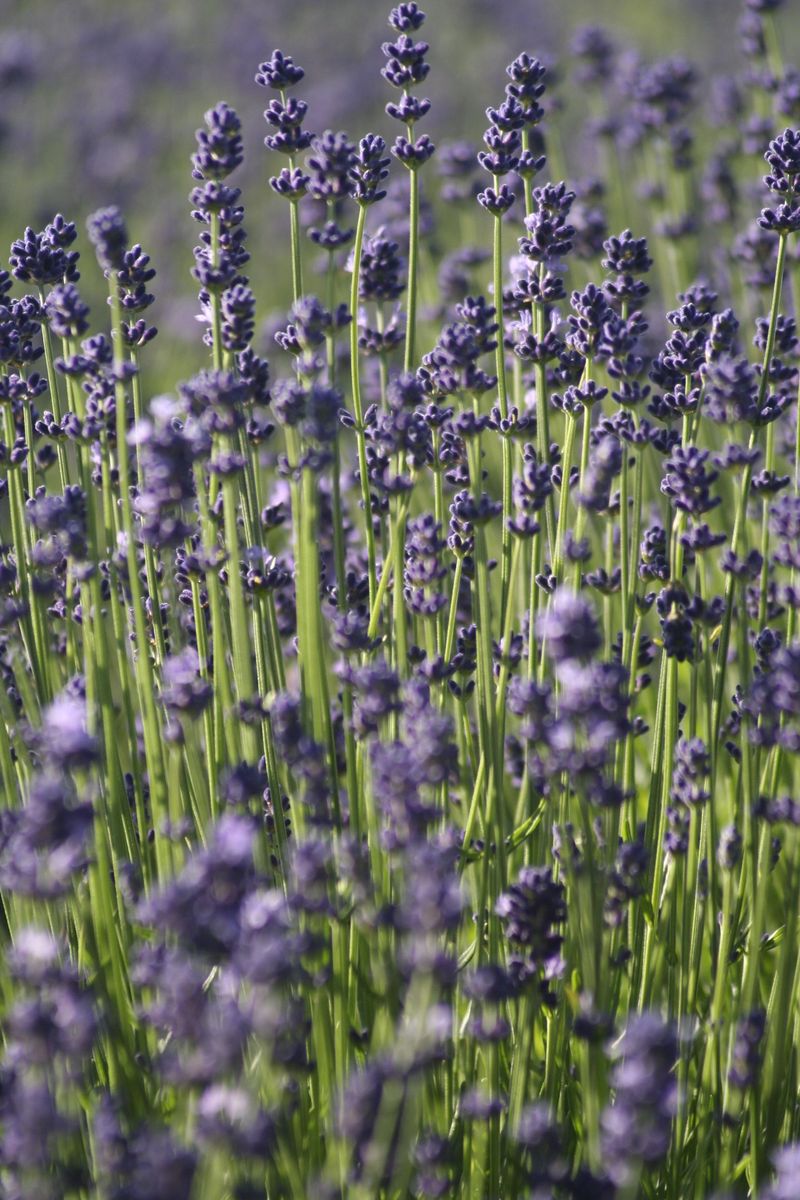
Timing your cut right after flowering is the simplest upgrade you can make to your lavender routine. Most English lavender varieties finish blooming between late June and early August, depending on your region.
That post-bloom window is your sweet spot. The plant has just finished its big energy push, and it is ready to redirect resources toward new vegetative growth.
Pruning at this stage gives lavender the maximum amount of time to recover before cold weather shuts things down. New shoots have weeks to develop and harden off naturally.
You will also encourage some varieties to produce a second flush of blooms later in the season. That is a bonus most gardeners do not expect the first time they try correct timing.
Look for the moment when most of the flower spikes have faded and gone dry. You do not need to wait for every single bloom to drop before picking up your shears.
Act while the stems are still somewhat green and pliable. Waiting too long means the spent stalks become brittle and harder to cut cleanly.
Pruning right after flowering also prevents the plant from putting energy into seed production. Redirecting that energy back into the foliage creates a denser, healthier plant overall.
Think of this timing as a gift you give your lavender. One well-timed cut in summer can mean the difference between a full display next year and a reduced flowering season.
How To Prune Lavender Correctly
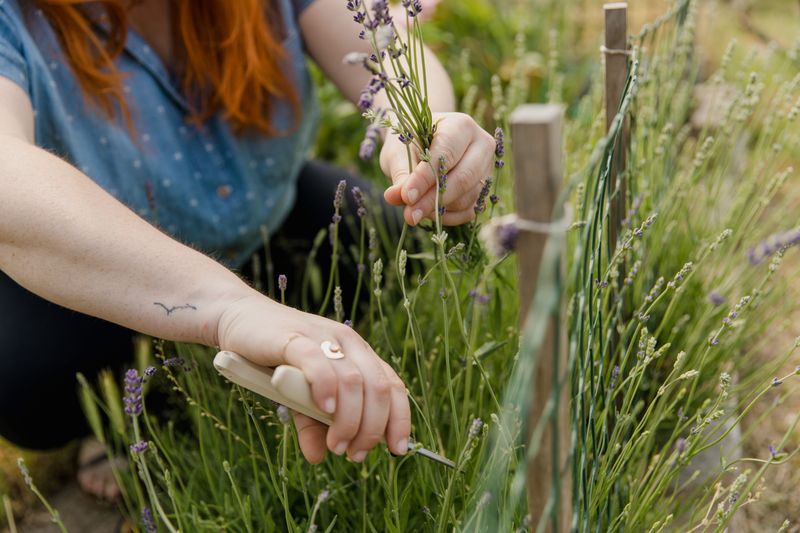
Grab a clean pair of bypass pruners before you touch the plant. Dirty or dull blades can crush stems and introduce disease, which can compromise the plant’s health.
Start by identifying the green growth zone on each stem. Look for the lowest point where you can still see small green leaves or shoots emerging from the stem.
That lowest green point is your stopping boundary. Make your cut about one-third of the way down the green growth, never below it.
Work your way around the plant, cutting all the spent flower spikes and the top portion of each stem. Aim for a rounded, dome-like shape when you step back and look at it.
That dome shape is not just about looks. It helps the plant shed rain and prevents moisture from pooling in the center, which can cause crown rot over time.
Remove all the trimmed material from around the base of the plant. Old stems and leaves left on the ground can harbor pests and fungal spores that overwinter and reinfect next season.
After pruning, give the plant a light feeding with a low-nitrogen fertilizer. You want to support root development, not push a surge of leafy growth right before winter.
Water lightly if conditions are dry, but avoid soaking the soil. Lavender roots prefer to stay on the drier side, and soggy soil after pruning can cause more harm than the shears ever could.
Reviving Overgrown Or Woody Lavender Plants
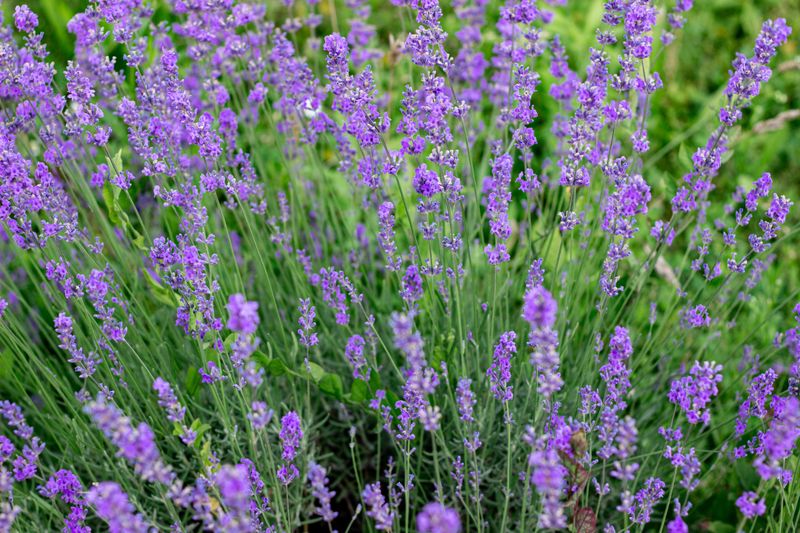
An overgrown lavender plant is not a lost cause, but it does need patience and a smart approach. Trying to fix years of neglect in one aggressive cut will almost always backfire.
The key to reviving a woody plant is a gradual, multi-year approach. Spread the recovery over two or three seasons instead of trying to reset everything at once.
In the first year, prune back about one-third of the oldest, woodiest stems. Cut them as low as you can while still staying above any visible green growth.
This opens up the plant’s center to light and air without shocking the root system. Lavender roots are sensitive, and a sudden loss of too much top growth can stress the whole plant.
The following season, repeat the process on another third of the old wood. By the end of year two, the plant often looks dramatically more full and productive.
In year three, address the remaining old stems and do a standard post-bloom trim across the whole plant. By this point, most lavenders have pushed out enough new growth to look genuinely healthy again.
Some very old plants with completely hollow or empty centers may not fully recover. If the crown shows no signs of green growth after two seasons of gradual pruning, replacement is likely the most practical path.
Reviving a struggling lavender takes time, but the reward is worth it. A plant that once looked finished can fill back in beautifully with the right pruning technique applied year after year.