Why Cutting Back Ohio Goldenrod In August Costs You Your Best Fall Color
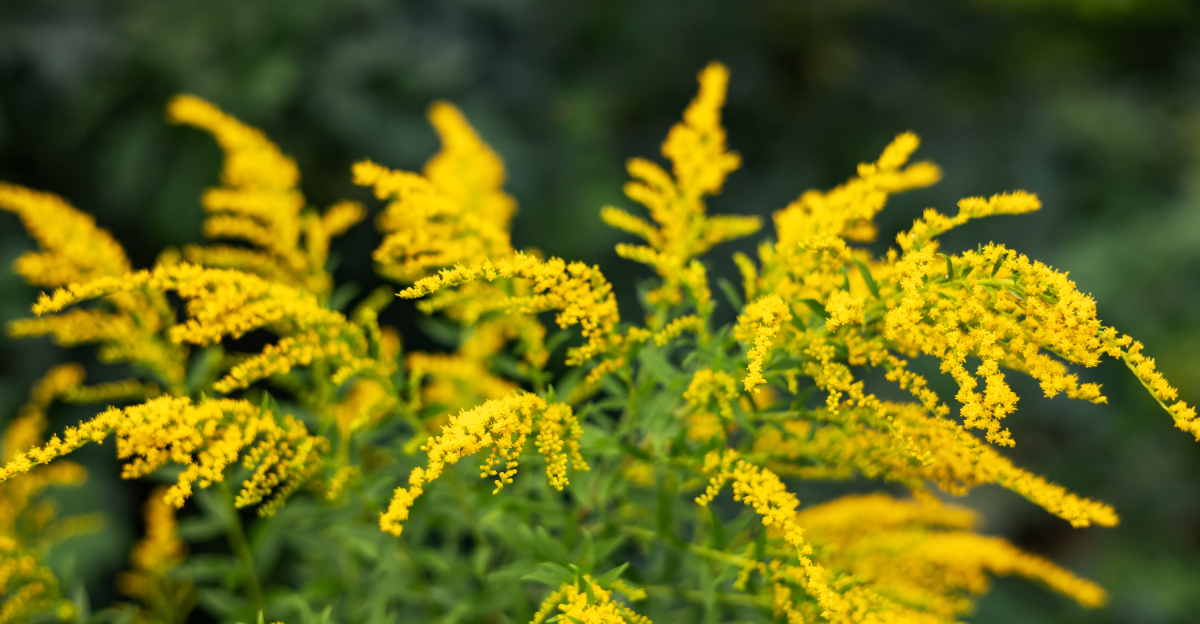
Goldenrod in August looks like it is getting out of hand. Tall, sprawling, pushing past whatever boundary seemed reasonable when it went in.
The instinct to cut it back before it takes over the bed is understandable and arrives at exactly the wrong moment. August is when goldenrod is building toward the best display of its entire season.
The stems that look excessive right now are the ones carrying the blooms that will define the bed in September and October. Cut them now and the fall color that goldenrod is known for does not happen.
The plant redirects, produces sparse late growth, and delivers a fraction of what it was days away from showing. Goldenrod does not need August intervention.
It needs August patience. The gardeners who give it that patience are rewarded with one of the strongest native fall displays an Ohio yard can produce.
1. August Cuts Remove Blooms Before They Open
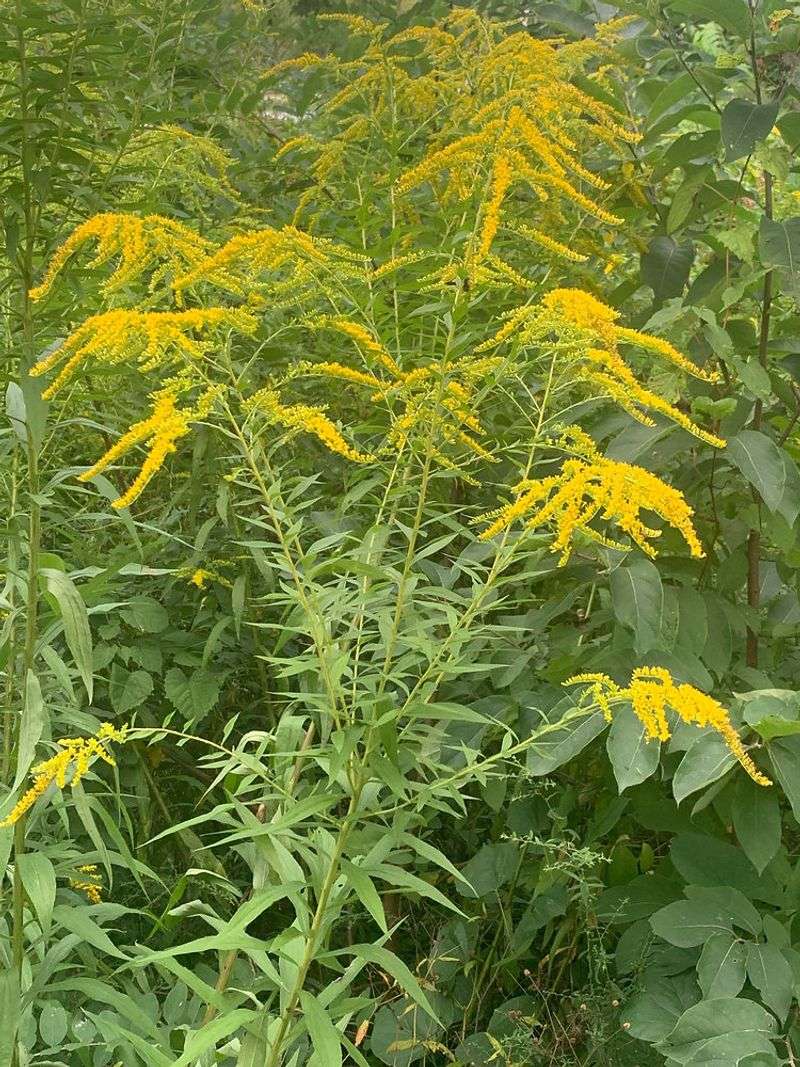
Pruning shears hovering near a stem that looks completely green can be misleading. That stem may already be holding tightly packed flower clusters near its tip, just waiting for the right moment to open.
Ohio goldenrod species, such as Solidago ohioensis and Solidago speciosa, typically form their flower clusters at or near the ends of stems. That’s different from along the lower portions.
Cutting below those developing buds removes the part of the plant that would have produced your fall color. The result depends on how low you cut, which species you have, the bud stage at the time of cutting, and whether any side shoots remain below the cut.
Some stems may still produce a reduced display from lower side branches. Others may not bloom at all that season from the cut stem.
A plant that shows no open flowers in August is not necessarily behind schedule. Many goldenrod species are simply still preparing to bloom.
Inspect the stem tips closely before cutting. Look for small, rounded, or tightly packed green clusters beginning to form.
If you see that kind of growth, pause your routine cutting right there. Confirm whether flower buds are present before removing any healthy stem.
That quick check can save weeks of color you would otherwise lose.
2. Developing Buds Hold Your Best Fall Color
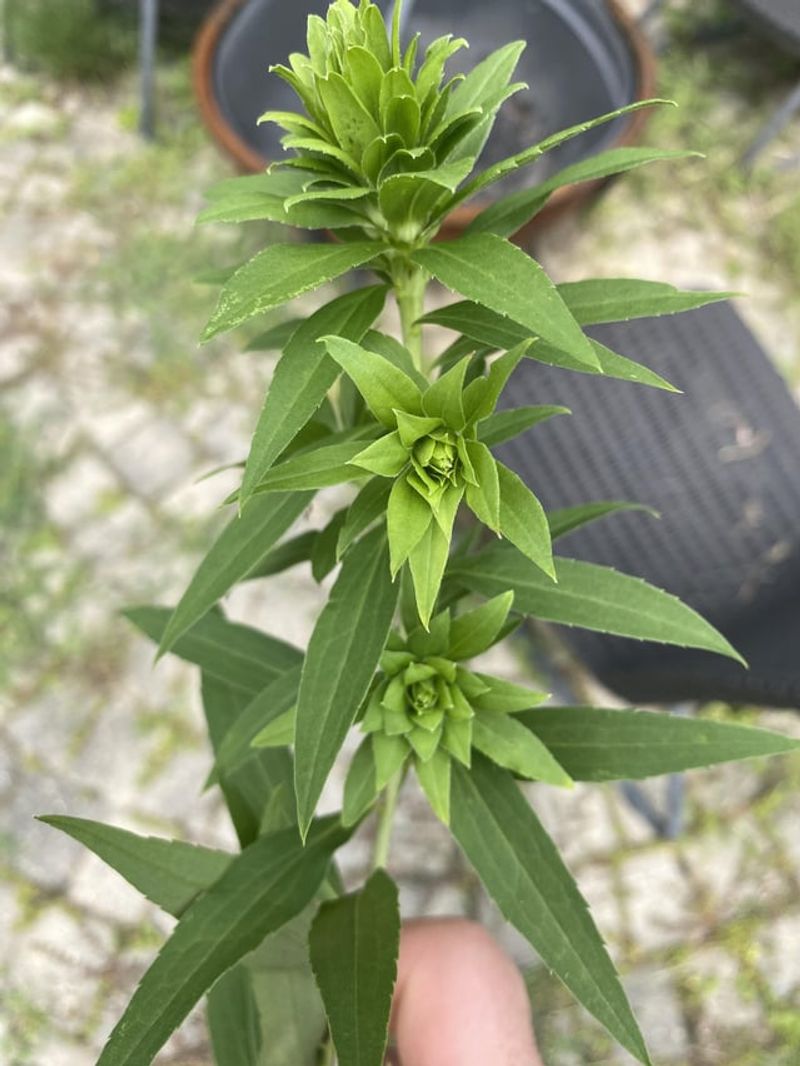
Small green clusters beginning to gather near the ends of mature goldenrod stems are easy to overlook. They blend right into the foliage at first glance.
Those clusters are the early stage of the flower plumes that will eventually open into the bright golden-yellow display that many gardeners look forward to each fall.
Not every goldenrod species produces the same shade of yellow or blooms at the same height. Solidago speciosa, for example, tends to produce upright, showy plumes, while other species may have more arching or branching flower clusters.
Buds that formed earlier in the season may still need several more weeks before they open fully. Sunlight, moisture, plant age, and late-season weather all play a role in how quickly that happens.
Your Ohio Garden Changes Every Week. Your Plan Should Too.
Gardening in Ohio changes quickly throughout the season. Every Friday you’ll receive a simple weekly plan showing exactly what to plant, prune, fertilize, harvest, and protect so you never miss the right timing.
Across much of Ohio, late summer tends to be the window when many goldenrod species shift from green growth to active bud development. As earlier-blooming summer plants begin to fade, goldenrod’s color becomes more noticeable in the landscape.
That timing makes the late flowers especially valuable in the garden. Leaving healthy budded stems intact gives them the weeks they need to finish developing.
Removing them in August means trading your most vivid fall display for a cleaner look that the plant never asked for.
3. Save Height Control For Early Summer
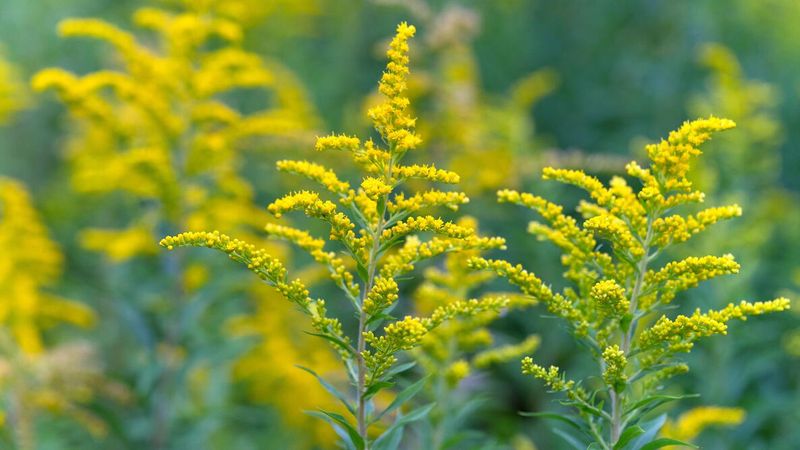
A spring garden calendar marked with a note about goldenrod height is a small habit that pays off all season. Early summer is the better window for shaping tall-growing goldenrod species before flower buds begin to develop.
Cutting or pinching stem tips during late spring or early summer may encourage branching and result in a shorter, more compact plant form by the time fall arrives.
That does not mean you will automatically get denser flowers or stronger stems. Results vary by species, growing conditions, and how much of the stem was removed.
The key point is that the useful window for height control typically closes well before August. By midsummer, many goldenrod stems are already building toward bloom.
Cutting them back at that stage is more likely to delay flowering or remove buds than to improve the plant’s shape.
If you missed the early-summer window this year, use this season as a chance to take notes. Record how tall your plants grew, when they began showing bud clusters, and whether any stems leaned.
That information helps you plan a better approach next spring. Compact species or naturally shorter goldenrod types may not need height control at all.
Before reaching for shears on a taller plant, check whether it is a species or cultivar that genuinely benefits from early shaping, rather than the straight native form.
4. Support Leaning Stems Instead Of Shortening Them
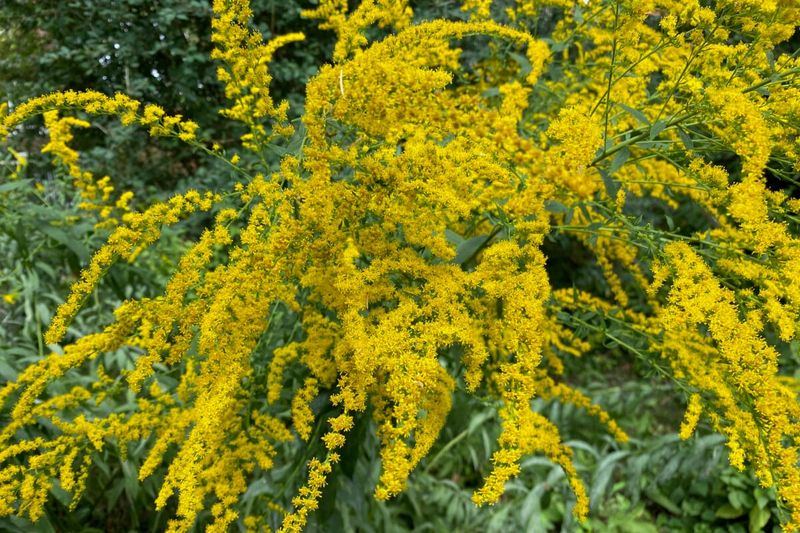
A flower-heavy clump beginning to tip across a path or press into a neighboring plant is a common late-summer sight. The natural reaction is to shorten those stems, but cutting them in August often means removing buds that are just weeks away from opening.
Leaning can happen for several reasons, including heavy rain, reduced sunlight, rich soil, crowding, or simply the plant’s natural growth habit.
Not every leaning stem signals a weak or struggling plant. Many goldenrod species grow tall and naturally tend to arch as flower clusters gain weight.
A discreet stake, a ring support, or soft garden ties looped around a group of stems can hold them upright without removing a single bud. Avoid tying stems too tightly, and keep ties away from the flower clusters themselves so the blooms can open freely.
The goal is to keep paths clear and neighboring plants safe without forcing goldenrod into an unnatural shape. A few stems may still need removal if they are broken at the base or create a genuine safety issue.
That is a reasonable exception. For healthy stems that are simply heavy with developing buds, support is a far better option than shortening.
Adding a simple stake now takes only a few minutes and preserves the fall color display you have been waiting for all season.
5. Remove Only Broken Or Diseased Growth
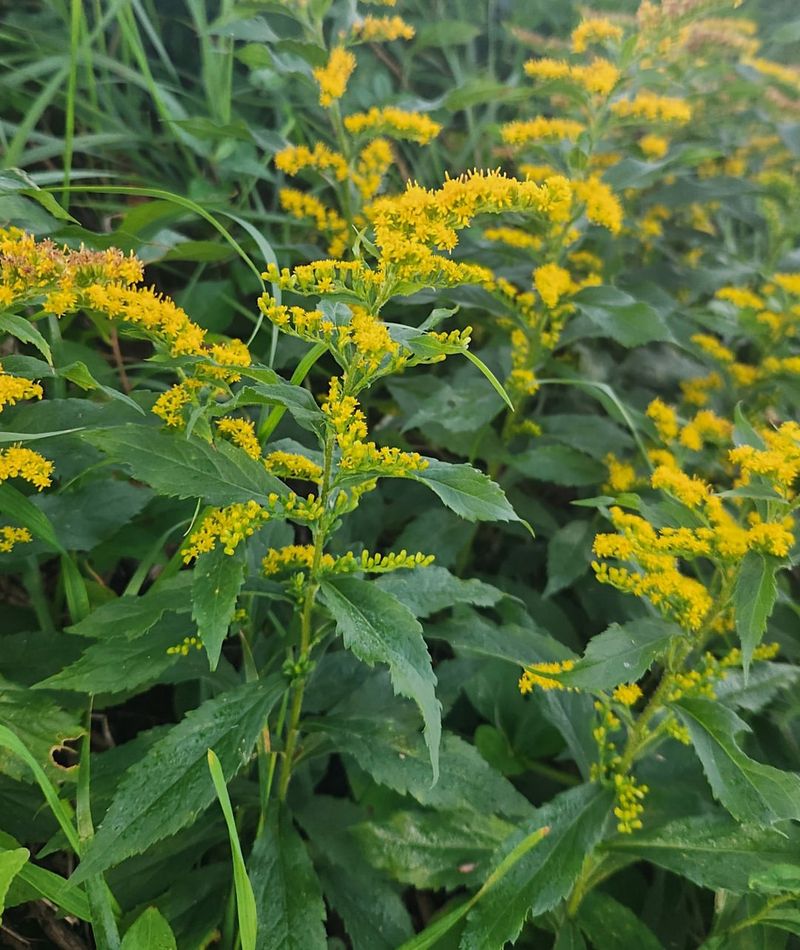
One damaged stem standing apart from an otherwise healthy clump is the kind of growth that actually warrants attention in August.
A stem that snapped in a storm, bent at an awkward angle, or shows clear signs of confirmed disease can be removed at a suitable branch point or near the base.
That type of targeted removal is different from cutting back the entire plant.
Spotting a brown leaf or a few dark spots does not automatically mean disease is present. Drought stress, insect feeding, natural aging, and root stress can all produce symptoms that look similar to disease.
Jumping to a diagnosis without more information can lead to unnecessary cutting. If you are unsure what caused the damage, take clear photos of the affected area and contact your local extension office or a plant diagnostic clinic for guidance.
If diseased tissue is confirmed, follow current extension guidance on how to handle the clippings. Infected material should not go into a home compost pile unless you have confirmed it is safe to do so.
Clean your pruning tools between cuts to avoid spreading any problem to healthy stems. A quick wipe with a clean cloth and a rinse with water is a sensible habit.
Removing only what is genuinely damaged keeps the rest of your goldenrod intact and on track for its fall display.
6. Keep Water Steady While Flowers Develop
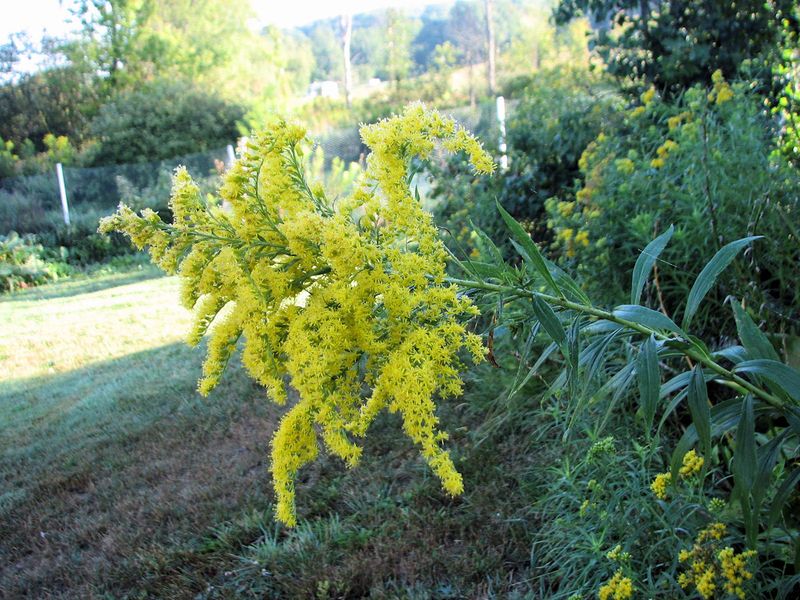
Dry soil beneath a clump carrying unopened flower clusters is a quiet problem that can slow bud development right when the plant needs resources most. Established goldenrod species vary in how much drought they can handle.
Some native species are well adapted to dry or lean soils, while others prefer consistent moisture during the growing season. Treating all of them the same way can lead to poor results.
Judging soil moisture from the surface alone is not reliable. The top inch of soil can look dry while the root zone below still holds adequate moisture.
Press a finger or a narrow tool a few inches into the soil near the plant’s base to get a more accurate read. If the soil feels dry at that depth, slow and targeted watering applied near the root zone is a good response.
Avoid keeping the soil constantly saturated, since poor drainage can create its own set of problems for roots.
A layer of mulch around the base of the plant can help retain soil moisture and moderate temperature during hot Ohio August weather. Keep mulch a few inches away from direct contact with the crown to allow air circulation.
Skip fertilizer as a shortcut for producing more flowers. Extra nutrients at this stage are more likely to push leafy growth than to improve the bud clusters already forming on your stems.
7. Leave Late Blooms Ready For Pollinators
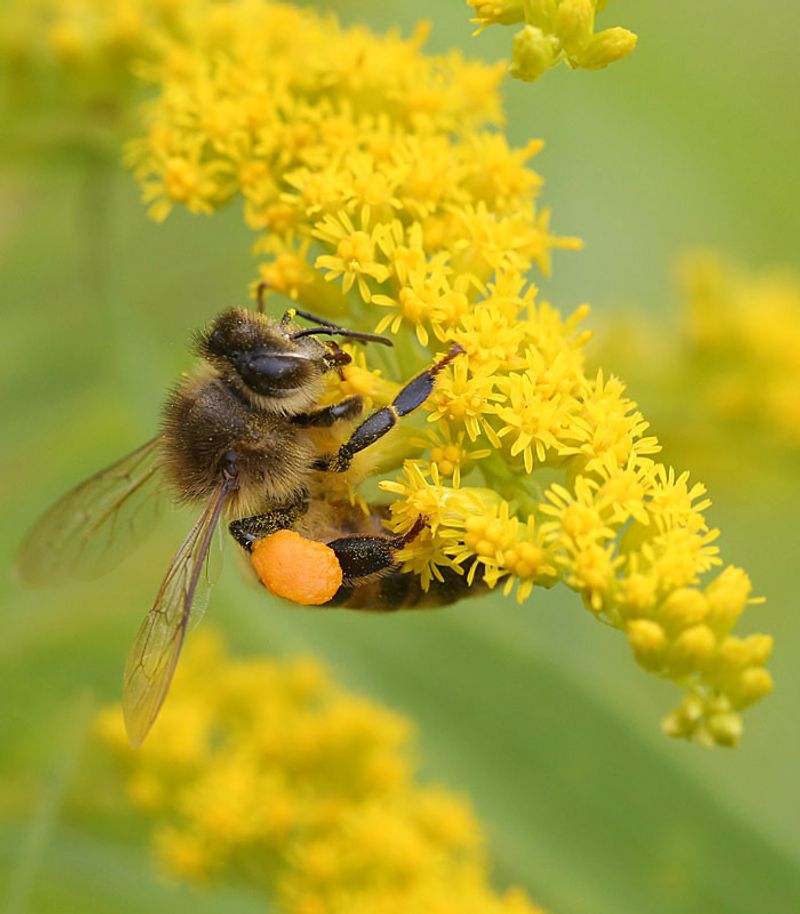
Bees, butterflies, and various flies moving across newly opened goldenrod flower clusters are a familiar and welcome sight in late-season Ohio gardens. Goldenrod can provide nectar and pollen to a wide range of native bees and other beneficial insects.
It does this during a period when many other flowering plants have already finished for the year. Preserving those unopened buds in August extends the garden’s flowering season by several weeks.
Goldenrod pollen is heavy and sticky, which means it is carried mainly by visiting insects rather than by wind. This is an important detail because goldenrod is sometimes blamed for fall allergy symptoms.
Those symptoms are actually caused by ragweed, which blooms at the same time and does release its pollen into the air. The two plants are not related, and goldenrod is not a significant source of airborne pollen.
Keeping that distinction clear matters for how you manage your garden.
Avoid applying pesticides to open goldenrod flowers unless a confirmed pest problem requires treatment. If treatment becomes necessary, correct identification of the problem and full compliance with the product label are essential.
Broad applications near open blooms can harm visiting insects that are not the target of the treatment. Cutting the plant back before blooms open removes the resource entirely.
Leaving healthy budded stems intact gives pollinators the late-season food source they may visit regularly once the flowers open.
8. Let Seed Heads Carry The Display Into Winter
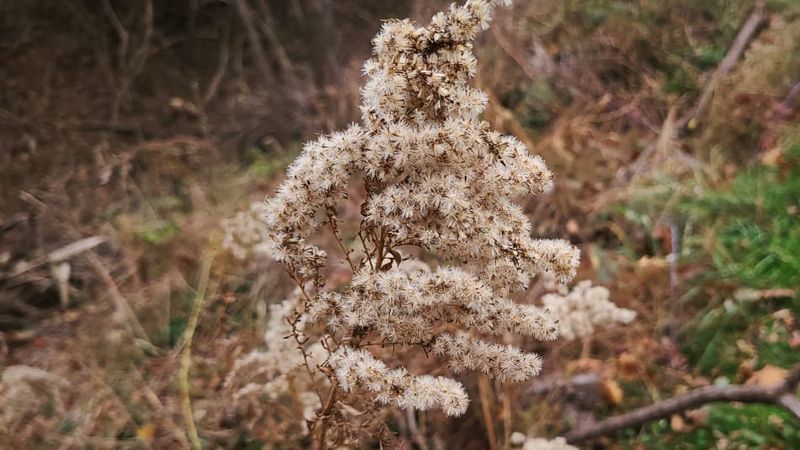
Faded goldenrod flowers beginning to form pale, textured seed heads mark a quieter but still valuable stage of the plant’s season. After the yellow color fades, the stems hold upright clusters of small, feathery seed heads that catch light.
They add structure to the Ohio garden long after most perennials have gone unremarkable. That standing form can be a practical reason to delay cleanup into late fall or early winter.
Some bird species, including small finches, are known to visit goldenrod seed heads in search of seeds. The degree to which birds use a specific planting depends on the species, location, and what other food sources are nearby.
Standing stems also provide shelter and overwintering sites for some beneficial insects. Spreading behavior differs among goldenrod species, so self-sowing is not a concern with every type.
Check the growth habit of your specific species before assuming it will spread broadly.
Delayed cleanup is a personal choice based on garden style, plant health, and your own wildlife goals. Leaving confirmed healthy stems through winter is a reasonable option for many gardeners.
Confirmed diseased material should not be left in place regardless of the season. When you do decide to cut stems back in late winter or early spring, you can compost healthy material or bundle dry stems for the yard waste bin.
That timing leaves the seed heads available through the coldest months before new growth begins.