The September Move That Decides If Your Ohio Asters Bloom Their Fullest
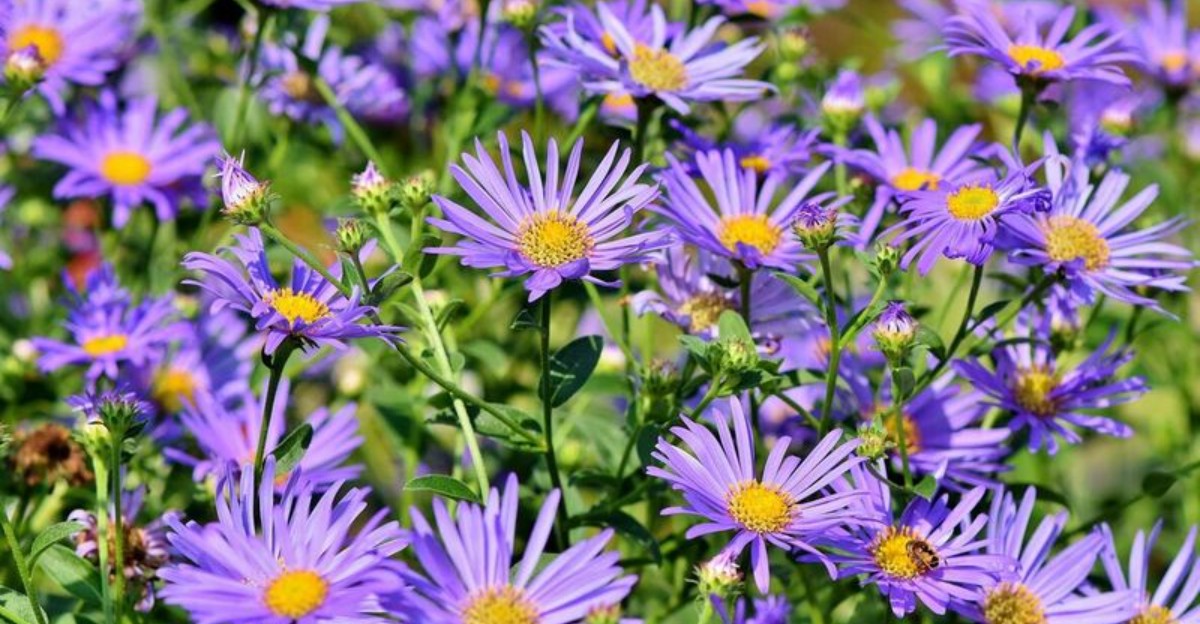
September in Ohio smells like cut grass, warm dust, and the first faint curl of neighborhood woodsmoke. Most of the garden looks tired and dusty by now, yet the best act has not started.
Some fall bloomers fill out with color so thick that neighbors slow down on the sidewalk to stare. Others manage a handful of tired flowers, shrug, and quietly clock out for the year.
The gap between those two yards rarely comes from luck, fancy fertilizer, or some secret heirloom variety. One quiet choice, made during the first two weeks of September, shapes most of what happens next.
Plenty of gardeners skip it because the air turned cool and the season felt basically finished. Out in the beds, though, your plants are writing their grand finale, and they left you notes.
Deep Root Watering At Bud Set

Ohio asters decide their bloom count in September, long before the first purple petal shows up. Right now, each stem is stacking tiny buds, and it needs steady water to finish the job.
A deep soak at the base, roughly one inch each week, is the move that matters most. Water slowly so moisture reaches eight inches down instead of running off the dry surface.
Ohio Septembers often turn stubbornly dry, with warm afternoons and rainfall that skips whole neighborhoods. Plants short on water respond by dropping buds, trading a full display for plain survival.
Stick a finger two inches into the soil before you drag out the hose each time. If it feels dry and crumbly, soak the root zone until the ground stops drinking.
Morning watering works best because leaves dry quickly and fungal problems lose their favorite damp window. Aim the water low, keeping the spray off the flowers, buds, and crowded lower foliage.
New England and New York asters, both common in Ohio yards, drink more than gardeners expect. Their roots sit shallow, so a few hot days can undo a week of progress.
Mulch holds that moisture in place, so two inches of shredded bark stretches every watering. Leave a small gap around the stems so the crown stays dry and disease free.
Keep the routine going right through bud color, then ease off once the flowers open fully. That single habit separates a thin sprinkle of blooms from a solid wall of violet.
The Narrow September Window In Ohio Gardens
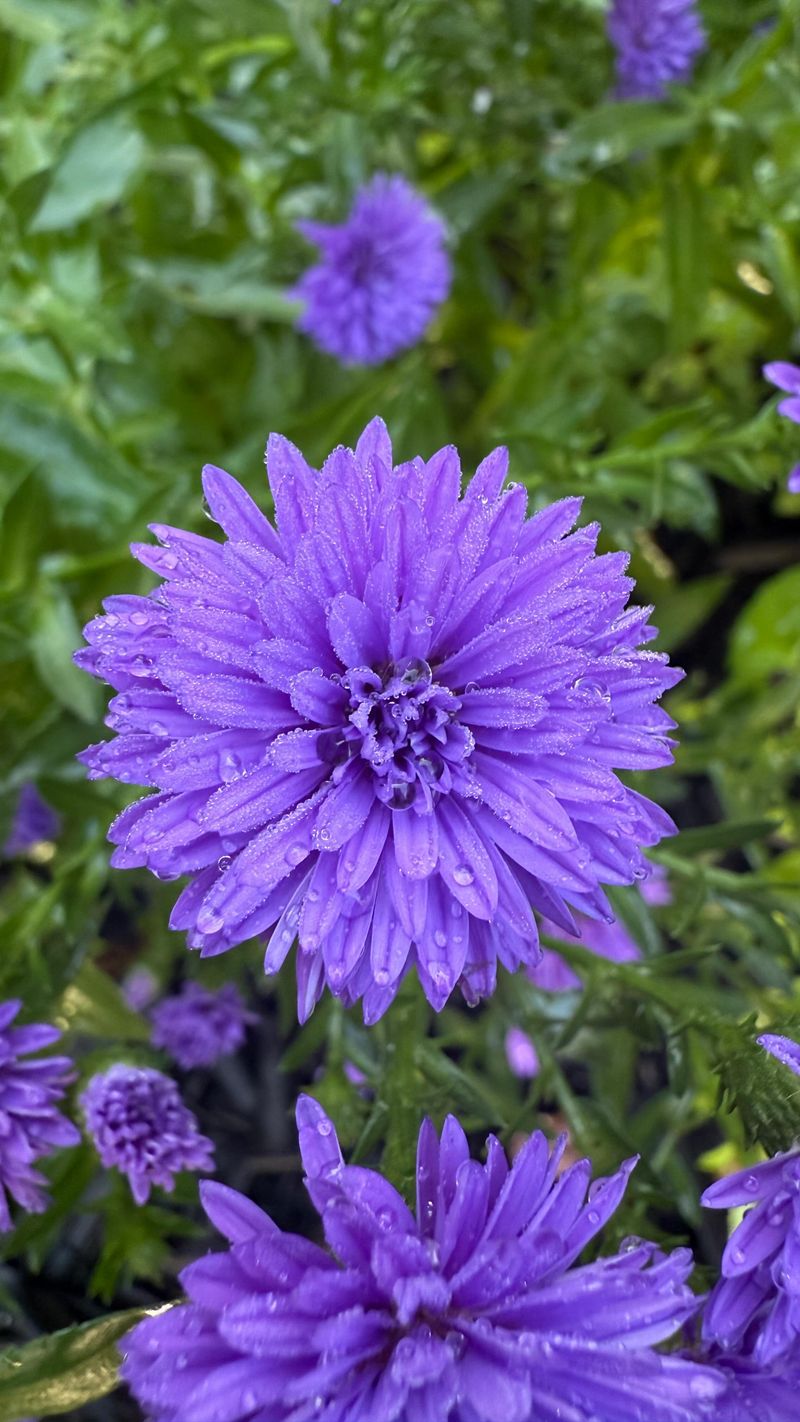
Timing turns an ordinary watering can into a bloom booster, and Ohio hands you a narrow window. From late August through mid September, buds form fast and water shortages leave permanent gaps.
Asters set flower buds once nights cool and daylight shortens, usually right after Labor Day. Whatever moisture they get during those two weeks shapes how many buds actually survive.
Ohio weather rarely cooperates, since September often brings warm afternoons and long dry stretches between storms. Cleveland, Columbus, and Cincinnati gardens can easily go a week or more without meaningful rainfall in September.
Keep a cheap rain gauge near the bed and check it every Sunday morning. Anything under one inch means you owe the plants a slow, thorough soak.
Your Ohio Garden Changes Every Week. Your Plan Should Too.
Gardening in Ohio changes quickly throughout the season. Every Friday you’ll receive a simple weekly plan showing exactly what to plant, prune, fertilize, harvest, and protect so you never miss the right timing.
Frost timing matters too, with northern Ohio usually seeing first frost in early October. Plants watered well through September push their peak show before that cold arrives.
Late September watering still helps, though it mostly extends bloom rather than adding new buds. The buds are already counted by then, so earlier effort earns bigger rewards.
Cooler nights also slow evaporation, so water sticks around longer than it did in August. That makes September soaking efficient, giving you more bloom for less time with the hose.
Mark your calendar for September first as a simple reminder to start the soaking routine. Two or three deep waterings beat daily sprinkles that barely dampen the mulch.
Gardeners who nail this window often see blooms lasting into the last week of October. Those who wait watch the same plants finish tired and thin by Halloween.
Shallow Sprinkling And Other Costly Slips
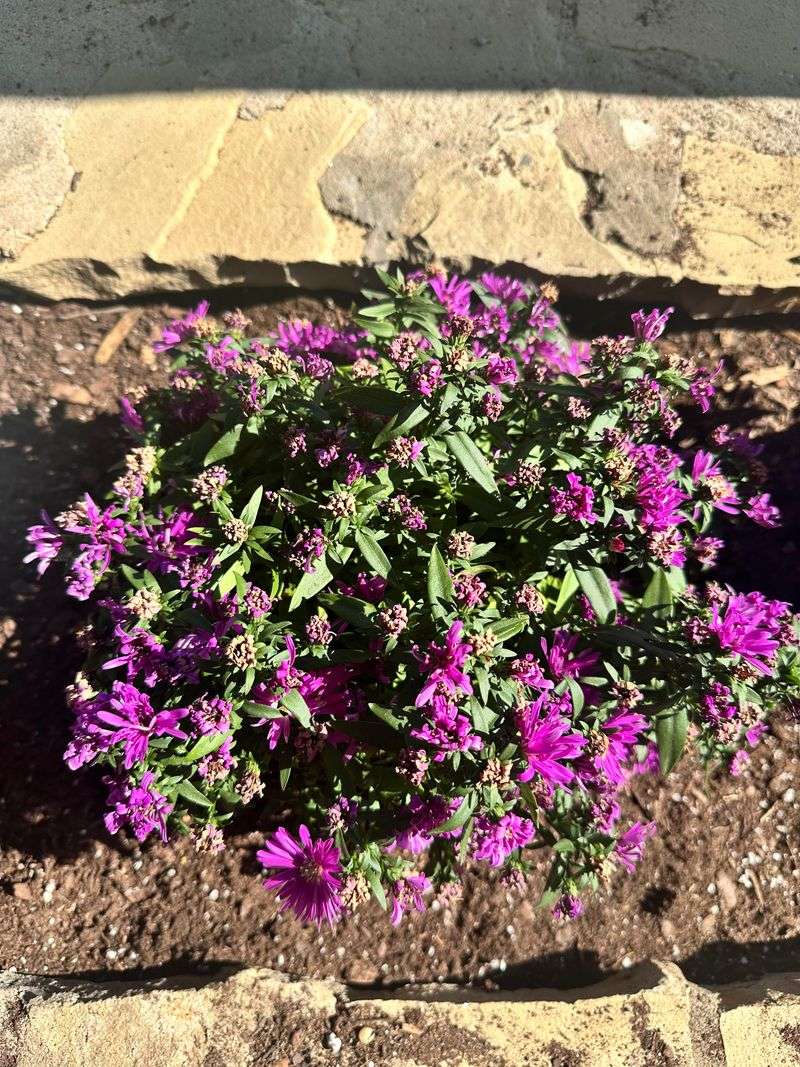
Five minutes with a spray nozzle feels helpful, but it mostly waters dust and disappointment. Shallow sprinkling keeps roots near the surface, where heat and dryness hit them hardest.
Plants trained on light watering build weak, shallow roots that panic during warm spells. Panicked asters drop buds first, because flowers cost more energy than leaves do.
Overhead sprinklers cause a second problem by soaking leaves that stay damp all evening. Powdery mildew loves those conditions and spreads fast through crowded Ohio flower beds.
Another common slip involves ignoring plants tucked under eaves, trees, or wide porch overhangs. Rain skips those spots, so the soil stays dry even after a real storm.
Some gardeners also stop watering the moment temperatures drop into the seventies. Cooler air feels like relief, yet the soil can still be bone dry underneath.
Swinging between drought and flooding stresses roots and causes lower leaves to yellow and drop. Steady moisture beats dramatic rescue missions every time in a September garden.
Watering at night seems clever during a heat wave, though it invites damp trouble. Morning sessions give leaves hours of sunshine to dry off properly.
Fertilizing heavily in September counts as a mistake too, since nitrogen pushes soft leafy growth. Skip the feeding and put that effort into consistent water instead.
Check your habits honestly this week, because small routines decide the size of the display. One lazy shortcut in September shows up clearly in October’s flower count.
A Long Soak And Mulch Reset
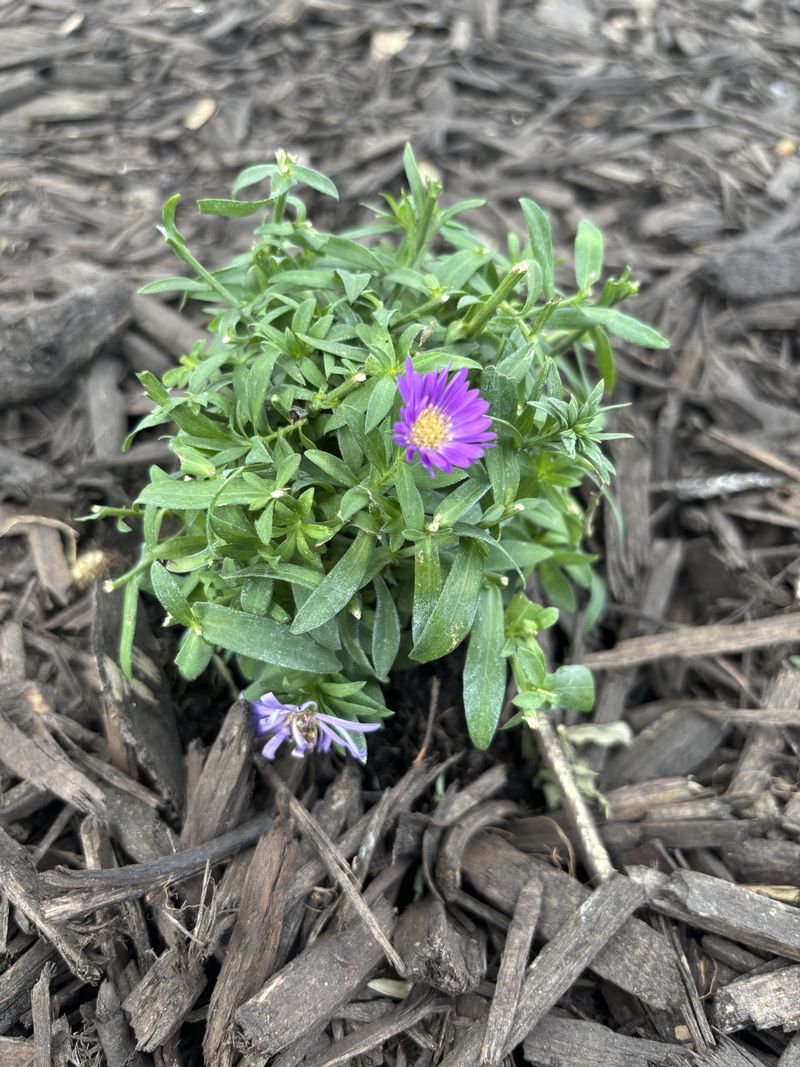
Suppose your asters already look droopy and the lower leaves have gone crispy brown. Recovery is still possible, and it starts with one long, patient soak at the roots.
Set a hose on a slow trickle at the base for twenty or thirty minutes. Move it around the clump so every side of the root ball gets moisture.
A soaker hose snaked through the bed does the same work without any supervision. Run it forty minutes twice a week and let the water sink in deeply.
Spread two inches of shredded bark or chopped leaves once the ground is wet. Mulch slows evaporation, cools roots, and cuts your watering chore roughly in half.
Trim away browned lower leaves so air moves freely through the crowded stems. Cleaner airflow reduces mildew and lets sunlight reach the developing flower buds.
Resist the urge to fertilize a stressed plant, since roots cannot use it well. Water first, wait a week, and judge the results before adding anything else.
Container plants recover faster when you soak the whole pot in a tub of water. Ten minutes of bottom watering rehydrates soil that has pulled away from the sides.
Flopping stems can be gathered loosely with soft twine or supported by a hoop. Upright plants catch more light, and more light means more open flowers.
Give the bed five or six days of steady care before judging the comeback. Perked leaves and swelling buds mean the fix worked, so keep the rhythm going.
Fuller Clusters And Color Into Late October
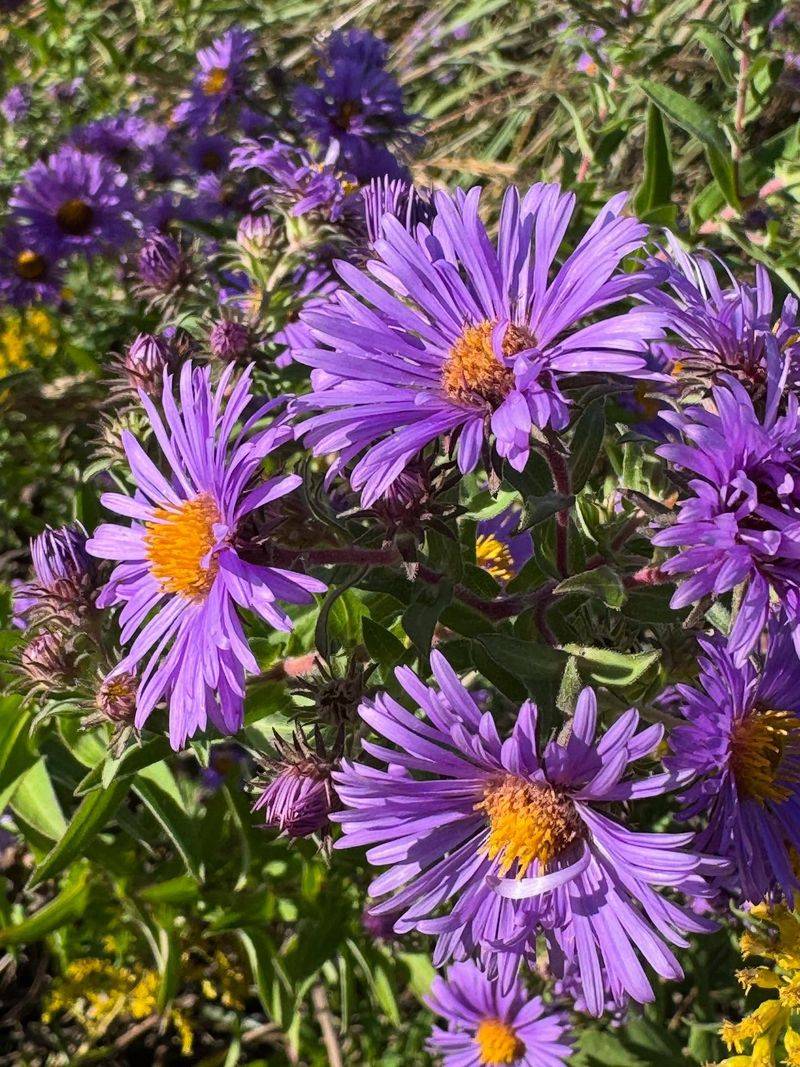
Picture a mound of violet flowers so dense you can barely spot a single leaf. That thick, quilted look comes from buds that were not forced to drop.
Well watered plants hold their lower leaves, which keeps the whole clump looking lush. Thirsty ones go bare at the bottom and wear flowers like a thin hat.
Bloom length changes dramatically too, stretching four weeks instead of a quick ten days. Ohio gardens can stay colorful from late September straight through the first light frosts.
Monarch butterflies passing through Ohio depend on late nectar during their long southern trip. A full aster patch becomes a roadside diner for them and for tired bumblebees.
Flower color often looks richer on hydrated plants, with deeper purples and cleaner whites. Stressed stems produce smaller, paler blooms that fade quickly in afternoon sunshine.
Cut stems from well watered plants also last far longer in a kitchen vase. Expect a week of indoor color instead of two sad, wilting days.
Strong September growth feeds the roots, which matters for next year’s plant size. Healthy crowns come back thicker each spring, giving you more stems for very little extra effort.
Seed heads left standing afterward feed goldfinches and juncos through the cold months. A generous bloom season quietly turns into a winter bird feeder.
Neighbors tend to notice the difference immediately, especially along fences and mailbox beds. That October wall of purple is simply the payoff for a few September soakings.
Fall Care Habits For Next Season’s Buds
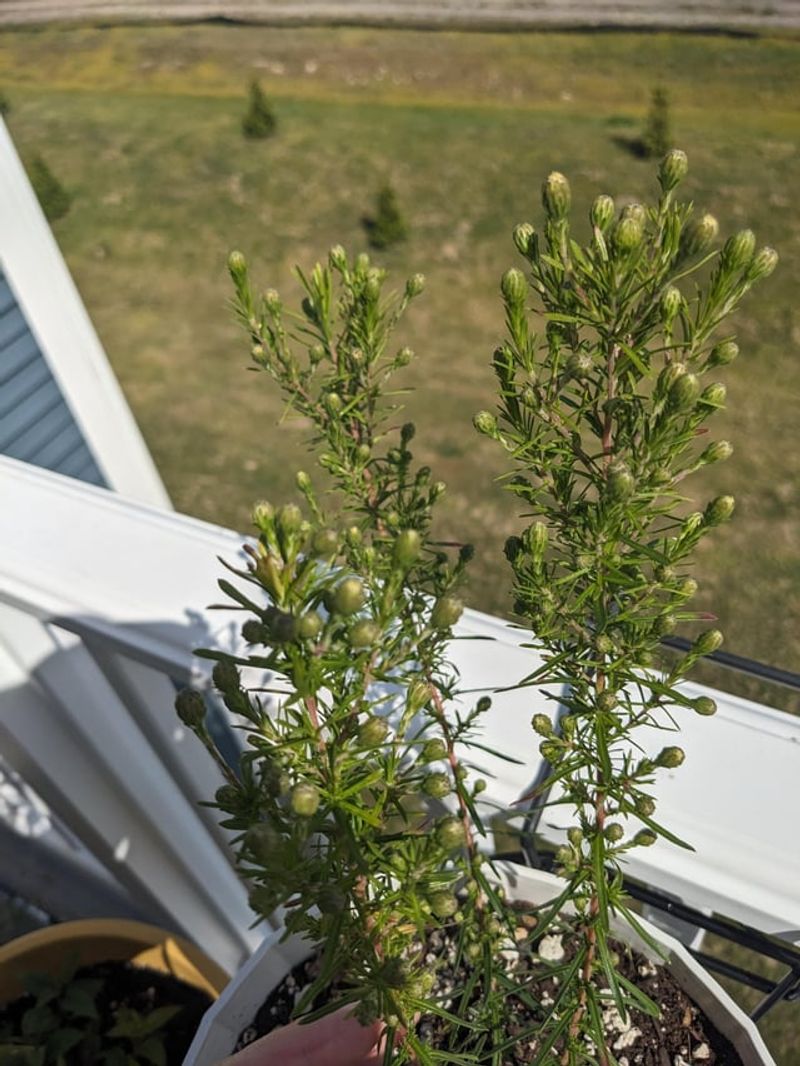
Good bloom years start with choices made long before September ever arrives. Placement, spacing, and soil prep decide how thirsty your asters will be later.
Plant asters where they get six hours of sun and room for air to move. Crowded plants compete for water, and competition shows up in the flower count.
Work compost into heavy Ohio clay so it holds moisture without turning into soup. Improved soil buffers dry weeks and reduces how often you need the hose.
Divide clumps every three years in spring, since old centers grow woody and weak. Fresh divisions build better roots and handle September dryness with much less fuss.
Pinch stems back by a third in early June and again around the Fourth of July. Shorter, bushier plants carry more buds and flop far less during autumn storms.
Leave mulch in place year round, refreshing it each spring before the heat builds. That single layer saves water, blocks weeds, and protects shallow roots from temperature swings.
Water new plantings deeply their first two autumns to build roots that reach downward. Established asters then sail through dry spells that would wreck a shallow rooted clump.
Keep notes on your phone about rainfall and watering dates through the whole summer. Patterns become obvious after one season, and next September gets much easier.
Cut stems back in late fall or leave them standing for birds and winter interest. Either choice works, as long as spring finds the crown healthy and uncrowded.