Oregon Container Plants Built For Wet Winters And Dry Summers That Come Back Fuller Every Year
A container that survives one Oregon season is useful. One that returns thicker, stronger, and better-looking each year is worth building around.
The challenge is finding plants that can handle months of rain without sulking in soggy soil, then face summer dryness when pots heat up and moisture disappears fast.
Many popular choices tolerate only one side of that equation, leaving gardeners to replace tired roots, scorched foliage, or winter-damaged growth every spring.
Tougher perennials follow a different rhythm. Their roots settle in, their crowns expand, and each new season brings more texture, color, and presence than the last.
Success still depends on drainage, pot size, and smart placement, but the right plants make container gardening feel far less temporary.
These resilient picks prove that an Oregon patio can stay lively through wet winters, dry summers, and many seasons of growth.
1. Heuchera Filling Pots With Bigger Foliage Every Year
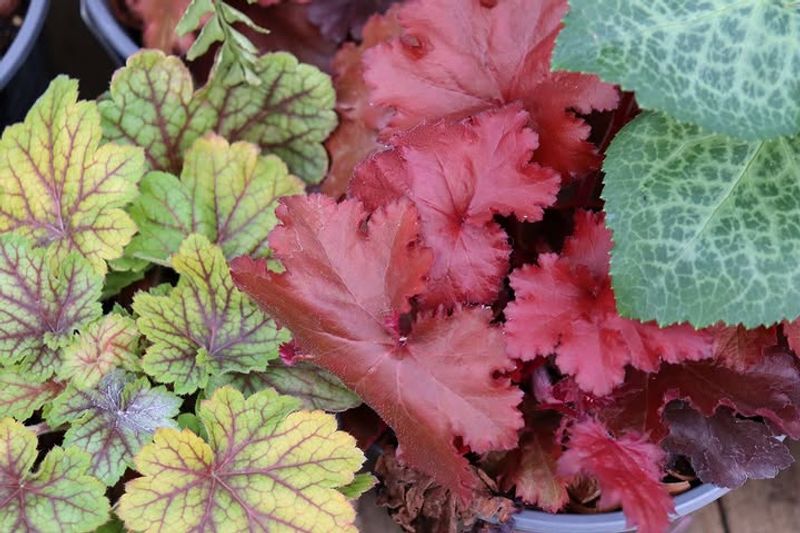
Few plants put on a color show quite like Heuchera does in a container. Also called coral bells, this low-growing perennial comes in shades of deep burgundy, caramel, lime green, and even silver.
Every spring, it pushes out new leaves that are bigger and bolder than the year before.
Heuchera handles our wet winters without rotting as long as the pot has good drainage holes. The roots are tough and compact, which makes them ideal for container life.
During summer dry spells, a deep watering once or twice a week keeps the foliage looking crisp and full.
One of the best things about growing Heuchera in pots is how easy it is to divide. Every two to three years, you can split one plant into three or four smaller ones and fill new containers for free.
Place it in partial shade for the richest leaf color. Full sun works in cooler spots, but afternoon shade helps it stay vibrant during hot July weeks.
Pair it with a trailing plant like sweet potato vine for a pot that looks professionally designed. Heuchera also attracts hummingbirds when its tall, delicate flower stalks appear in late spring.
It is a true workhorse plant that earns its spot on any patio year after year.
2. Hellebores Making Winter Containers Look Expensive
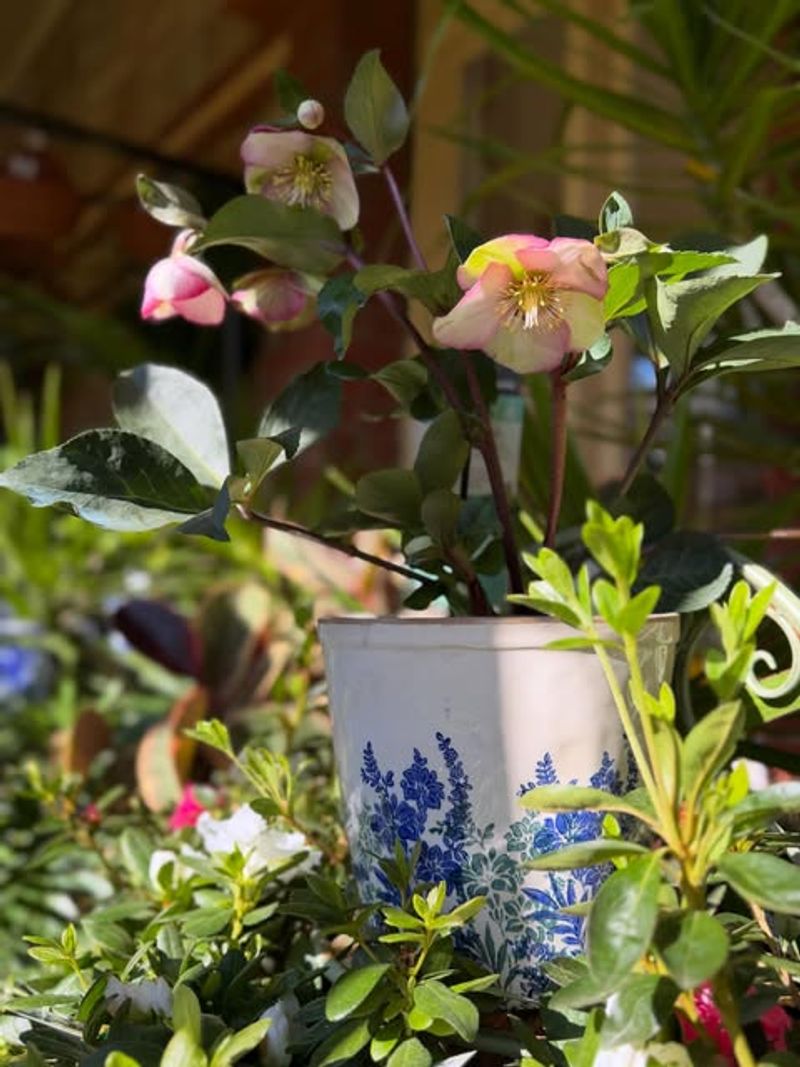
When everything else in the garden looks bare and soggy, Hellebores are putting on their best show.
These remarkable plants bloom from late winter into early spring, often pushing flowers up through frost and cold rain.
Oregon gardeners who spot them in a neighbor’s pot always want to know what they are.
Hellebores thrive in containers because you can control the soil mix easily. Use a rich, well-draining blend with some compost worked in.
They prefer partial to full shade, which makes them perfect for covered patios or north-facing entryways that struggle with other plants.
Over time, a single Hellebore plant will spread into a fuller, more impressive clump right inside its pot. By the third or fourth year, the container looks like it belongs at a high-end garden shop.
The flowers nod downward, so try raising the pot on a small stand so you can admire the colors underneath. Shades range from creamy white and soft pink to near-black and spotted varieties.
Your Oregon Garden Changes Every Week. Your Plan Should Too.
Gardening in Oregon changes quickly throughout the season. Every Friday you’ll receive a simple weekly plan showing exactly what to plant, prune, fertilize, harvest, and protect so you never miss the right timing.
After blooming, the glossy foliage stays attractive all the way through summer. Cut off old leaves in late winter before new growth starts to keep things tidy.
They are slow to establish but incredibly long-lived, making them one of the best container investments you can make for a shady outdoor space.
3. Bergenia Handling Rainy Pots Without Falling Apart
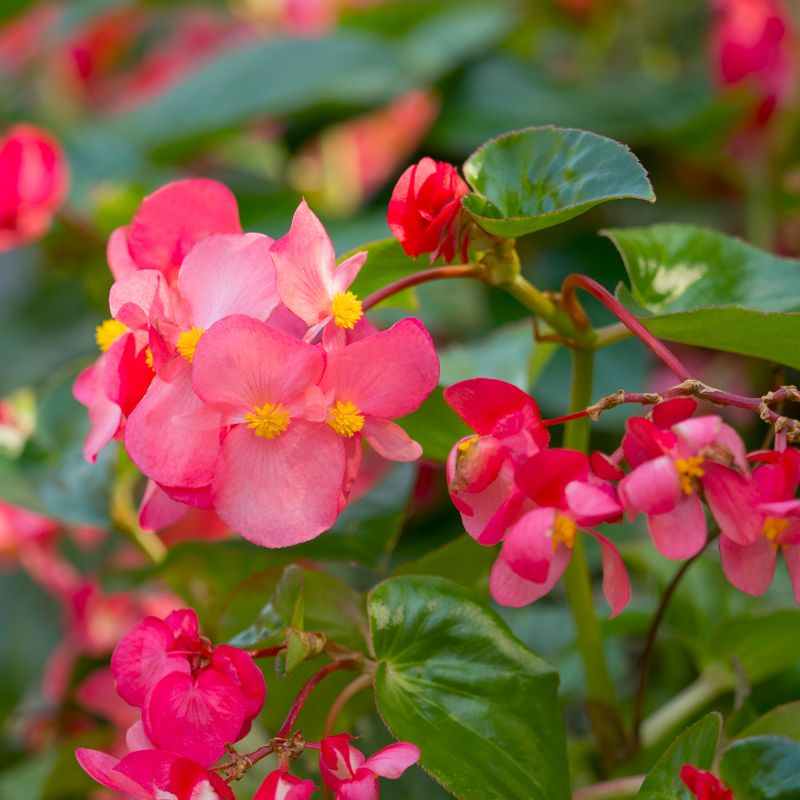
Big, bold, and practically indestructible, Bergenia is the kind of plant that makes you look like an expert gardener with almost no effort. Its large, rounded leaves are glossy and thick, almost like rubber.
When temperatures drop in fall, those leaves turn gorgeous shades of red and bronze that last all winter long.
Standing water and soggy soil bother most plants, but Bergenia takes it in stride. It handles the long, wet winters in our region without skipping a beat.
The roots are dense and sturdy, anchoring the plant firmly even during heavy windstorms. Good drainage still helps, so mix in some perlite when potting it up.
Come late winter or early spring, clusters of bright pink or white flowers appear on thick stems above the foliage.
Those blooms often arrive before anything else in the garden wakes up, which makes Bergenia a real conversation starter.
During dry Oregon summers, it slows down but does not struggle. A good soak every week or so keeps it looking respectable even during August heat waves.
Bergenia works beautifully as a single specimen in a wide, shallow pot. It also pairs well with ferns or ornamental grasses for a layered container look.
Divide it every few years and you will always have more plants than you need. It is one of the most reliable choices for containers in our climate.
4. Hardy Geraniums Spilling Over The Edges By Summer
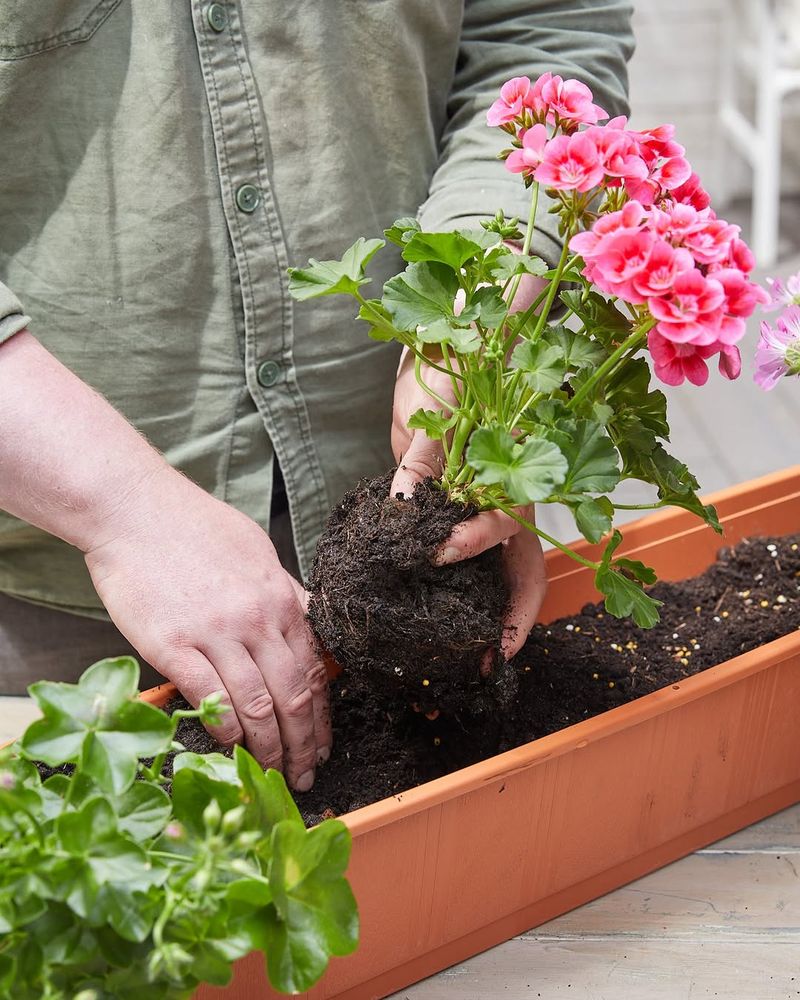
By midsummer, a well-established hardy geranium in a pot looks like it is trying to escape. The stems cascade freely over container edges, covered in small but cheerful flowers in shades of purple, pink, blue, and white.
Unlike the tender annual geraniums sold in spring, these come back reliably every single year.
Hardy geraniums, also called cranesbills, are naturally suited to the Pacific Northwest. They love cool, moist springs and can handle summer dry spells once established.
In containers, they fill in quickly and create a lush, informal look that feels relaxed and welcoming on any porch or deck.
Cutting them back hard after the first flush of blooms encourages a second round of flowers in late summer. Some varieties, like Rozanne, bloom almost continuously from late spring through fall without much fuss.
Use a container that is at least 12 inches wide so the roots have room to spread. A slightly gritty, well-draining mix works best since wet, heavy soil can cause the crown to rot over winter.
Full sun to partial shade suits most varieties well. In shadier spots, the plants tend to stretch a bit more but still perform well.
One plant can fill a medium pot completely within a single growing season. By the second year, you may need to divide it and start a second container, which is a nice problem to have.
5. Japanese Forest Grass Getting Fuller In Shady Containers
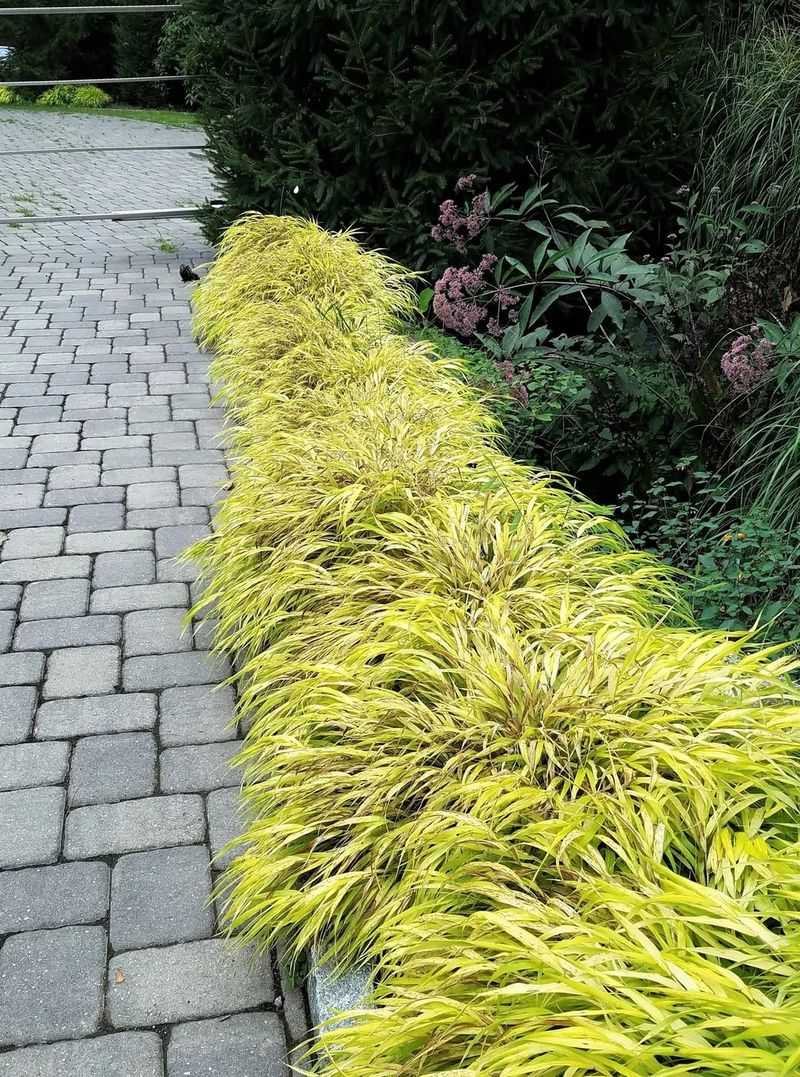
There is something almost meditative about watching Japanese forest grass move in a breeze.
The long, arching blades cascade like a waterfall from the pot, creating a soft and elegant look that suits both modern and cottage-style outdoor spaces.
It is one of the most graceful grasses you can grow in a container.
Hakonechloa macra, as it is botanically known, is a slow starter. The first year, it might look modest.
But by year two and three, it fills the pot with dense, flowing foliage that makes the original planting look tiny. Patience pays off big with this one.
The golden-green or pure gold varieties brighten up shady corners where most plants struggle. Morning light brings out the best color, especially on varieties like Aureola and All Gold.
Afternoon shade protects the blades from scorching during hot summer weeks. Keep the soil consistently moist during the growing season, but make sure the pot drains well in winter.
Soggy roots during cold months can weaken the plant over time. A top dressing of compost in early spring gives it a nutrient boost right when it needs it most.
Japanese forest grass also looks stunning when planted alone in a simple, dark-colored container that lets the foliage take center stage. It is a conversation piece that gets better looking with every passing year.
6. Evergreen Carex Keeping Pots Lush Through Winter
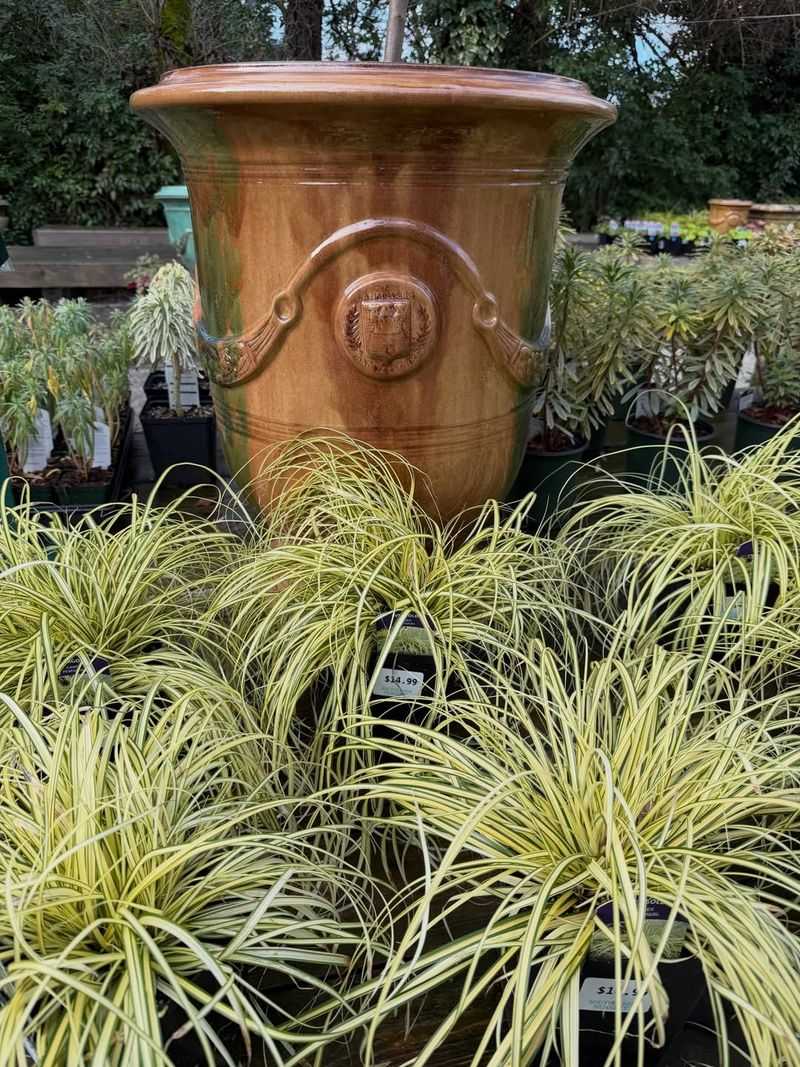
Most ornamental grasses go dormant and look scraggly through winter, but Carex is a different story.
This evergreen sedge holds its color and form through the coldest, wettest months, making it one of the most dependable container plants for the Pacific Northwest.
It looks good on the day you plant it and keeps looking good twelve months later.
Carex comes in a wide range of colors, from warm bronze and coppery tones to cool blue-green and bright chartreuse. The blades are narrow and arching, giving containers a soft, textured look that pairs beautifully with broader-leaved plants like Bergenia or Heuchera.
One of the biggest advantages of growing Carex in pots is how forgiving it is with water. It tolerates both wet winter soils and drier summer conditions, which makes it almost perfectly matched to our seasonal weather patterns.
It prefers partial shade but grows well in full sun if watered regularly during summer. Divide the clumps every two to three years to keep them vigorous and to multiply your supply.
Varieties like Carex testacea and Carex comans are especially popular for containers because of their warm, coppery hues. Carex is also a great filler plant when you want to build a mixed container with multiple species.
It anchors the arrangement visually and fills in gaps while the showier plants do their thing. Few plants offer this much reliability with this little effort.
7. Sedum Shrugging Off Dry Soil And Hot Patios
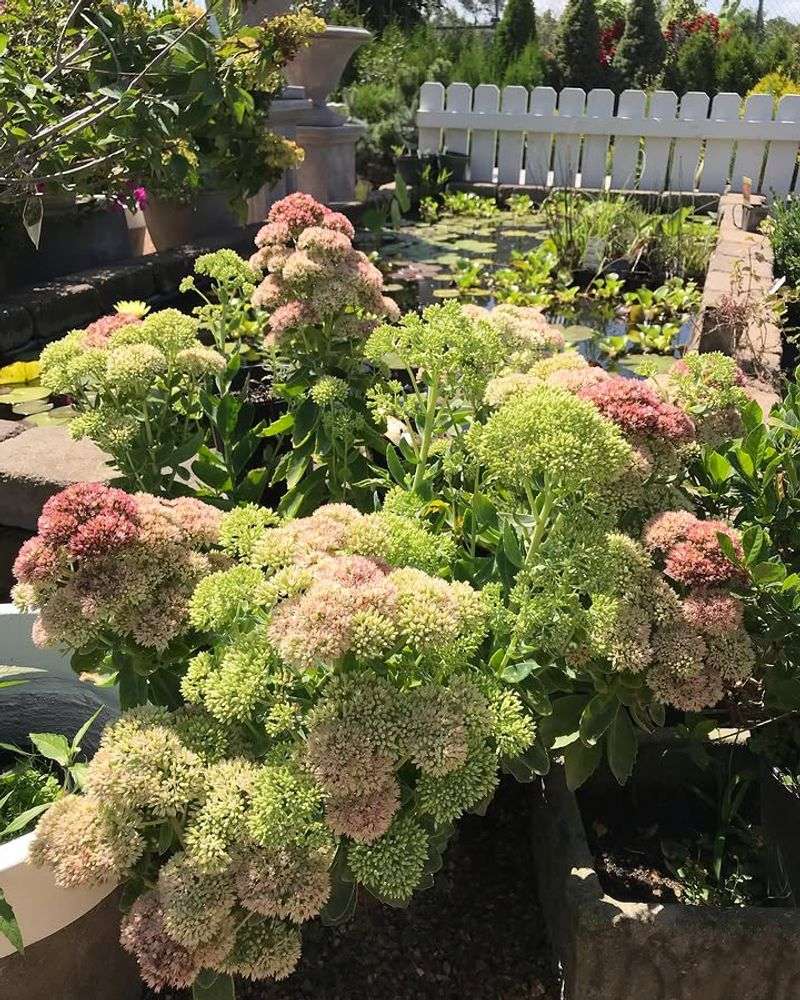
Hot pavement, blazing afternoon sun, and weeks without rain are no match for a well-placed Sedum.
This succulent perennial stores water in its thick, fleshy leaves and keeps right on growing even when the soil in the pot feels bone dry.
For south-facing patios and sun-baked decks, it is hard to beat.
Sedum, also known as stonecrop, comes in both low-growing and upright forms. The low types spread into a dense mat and soften pot edges beautifully.
The upright varieties, like Autumn Joy, grow into sturdy clumps that produce large, flat-topped flower heads in late summer and fall.
Those flower heads start out soft green, turn dusty pink, and then deepen to a rich rusty red as the season progresses. Even the dried seed heads look attractive through winter, which gives the container visual interest long after the blooms fade.
Sedum handles our wet winters surprisingly well as long as the pot drains freely. Standing water is the one thing it cannot tolerate for long.
Use a gritty, sandy mix to ensure fast drainage, and elevate the pot slightly if your patio tends to pool water.
Fertilize lightly in spring to encourage strong growth, but avoid overfeeding since too much nitrogen makes the stems flop over.
Sedum is also incredibly easy to propagate. A single stem cutting placed in a new pot will root and grow into a full plant within one season.
8. Dwarf Conifers Giving Containers Year-Round Structure
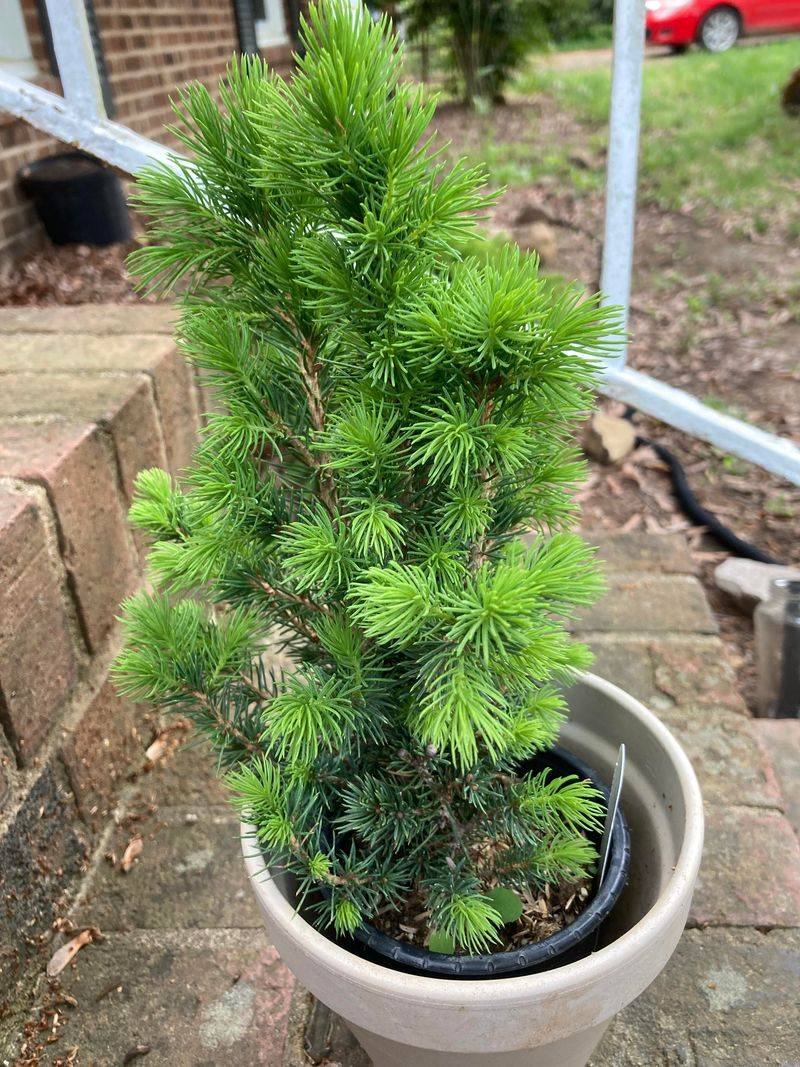
A container without structure can look a little lost, especially during the months when flowers are not in bloom. Dwarf conifers solve that problem completely.
These slow-growing evergreens hold their shape all year long and give any pot a sense of permanence and intention that other plants simply cannot match.
Varieties like Dwarf Alberta Spruce, Blue Star Juniper, and Tiny Tim Arborvitae stay compact enough for container life while still making a visual impact.
Their dense, layered foliage looks equally good in January rain and July heat, which makes them incredibly versatile for year-round container displays.
Because they grow slowly, dwarf conifers actually improve with age rather than outgrowing their pots too quickly. After five or six years, a well-tended specimen becomes a true focal point in any outdoor space.
Use a large, heavy container to provide stability since these plants can get top-heavy as they mature.
A mix of quality potting soil with added pumice or coarse sand improves drainage and prevents root rot during wet winters.
Water regularly during dry summers since container soil dries out faster than garden beds. A slow-release fertilizer applied in early spring gives the plant steady nutrition throughout the growing season.
Pair a dwarf conifer with trailing plants around the base to soften the container edges. The combination of structured height and flowing greenery creates a polished, professional look that holds up through every season of our unpredictable weather.
9. Creeping Thyme Softening Pot Edges Without Much Water
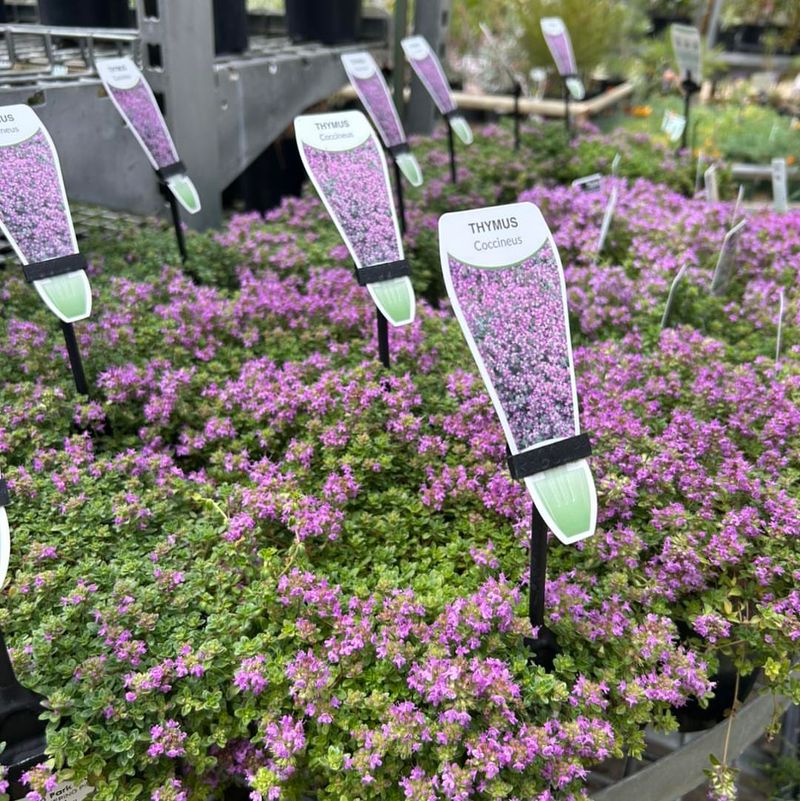
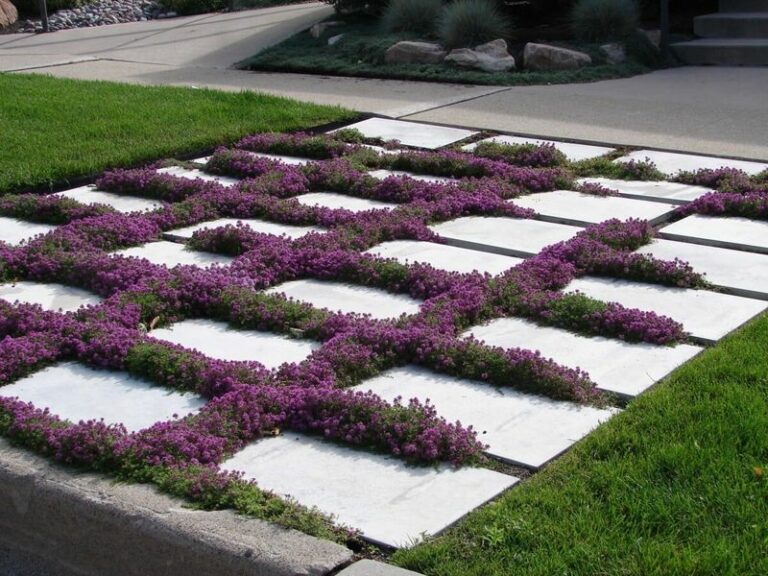
Creeping thyme might be small, but it brings a surprising amount of charm to a container. The tiny leaves are fragrant and aromatic, releasing a pleasant herbal scent whenever you brush past the pot.
In late spring and early summer, the plant practically disappears under a blanket of tiny pink or purple flowers.
For sunny, dry spots on a patio or deck, creeping thyme is one of the most practical choices you can make.
It asks for very little water once established and actually prefers lean, gritty soil over rich, moist mixes. Overwatering is the one thing that will set it back.
As a trailing edge plant, it softens the hard lines of a pot beautifully. It cascades downward in a relaxed, natural way that looks effortless.
Pair it with upright plants like dwarf conifers or ornamental grasses for a container that has both height and a flowing base. After blooming, give it a light trim to keep the growth dense and tidy.
New shoots fill in quickly and the plant comes back fuller each spring. Creeping thyme is also surprisingly cold-hardy.
It handles freezing temperatures and wet winter conditions without much trouble as long as the pot drains well.
Bees absolutely love the flowers, so placing a pot near a seating area adds a lively, buzzing energy to the space during summer.
It is one of those plants that rewards you far beyond what you put into it.
10. Ornamental Kale Adding Bold Color To Fall And Winter Pots
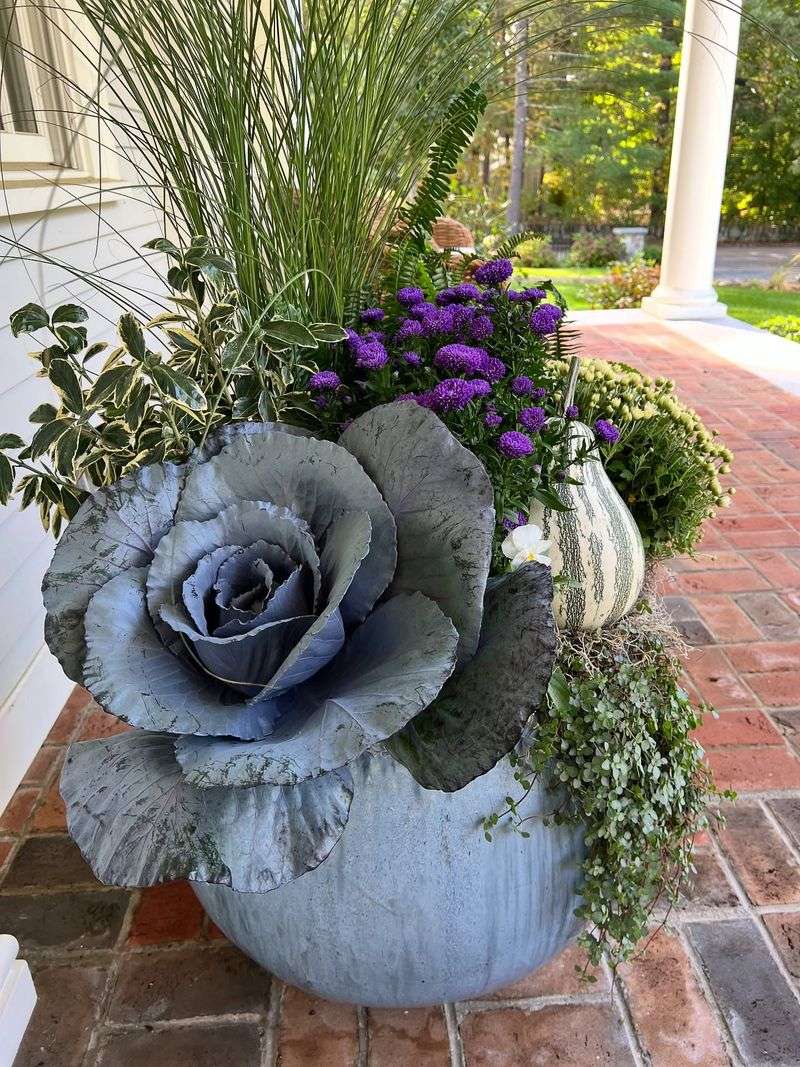
When summer flowers fade and the rain starts to return, ornamental kale steps in and takes over.
The bold rosettes of ruffled leaves in shades of deep purple, creamy white, and blue-green look almost too dramatic to be real.
Cold weather actually intensifies the colors, making the plant look better in November than it did in October.
Ornamental kale is grown as a cool-season annual in most containers, but it performs so well through fall and winter that it earns its place on this list.
In our mild coastal and valley climates, it often lasts from September all the way through February or even March.
Choose the largest rosette size you can find at the nursery for the most impact. A single large plant centered in a wide pot looks stunning on its own.
For a fuller arrangement, group three plants of different colors together in one oversized container. They thrive in full sun but handle partial shade reasonably well.
Keep the soil evenly moist but not waterlogged since soggy roots weaken the stems over time. Avoid overhead watering directly into the center of the rosette to prevent rot during wet weather.
Feed lightly with a balanced fertilizer in fall to support strong leaf color through winter. When spring arrives and the plant starts to bolt and flower, replace it with warm-season plants.
The bright yellow flowers that appear before you remove it are actually a cheerful bonus.