The Maryland Shrubs To Prune This August And The Ones To Leave Alone

August in Maryland turns your backyard into a slow cooker, and your shrubs are stuck right in the middle of it. But stepping away from the pruning shears isn’t laziness right now, it’s strategy.
Some shrubs are quietly setting up next year’s show, tucking away the buds that will burst into color come spring. Grab your loppers at the wrong moment and you’ll snip off that entire performance before it even starts.
Other shrubs, though, are practically begging for a trim this month. Leave them untouched and they’ll sprawl into an overgrown mess that fights you all season long.
One wrong snip now, one disappointing spring later. Let’s make sure that doesn’t happen to you.
Crape Myrtle
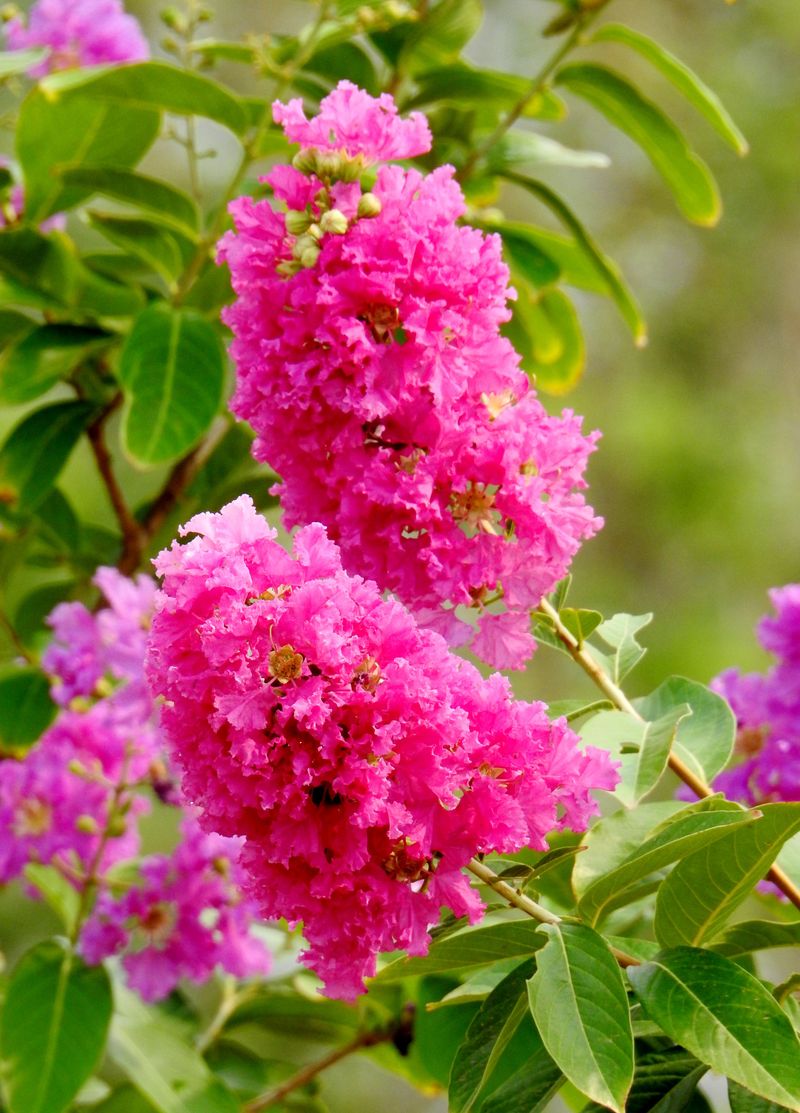
Crape myrtles keep blooming through the worst of the heat, and light trimming of spent blooms in August can coax out a second flush of color. Stick to clean, sharp bypass pruners and snip just below the faded cluster, nothing more.
These shrubs handle Maryland’s humidity better than most, but cutting back the top growth entirely leaves them weak and produces awkward regrowth. A little restraint now means a fuller flush of color before the season turns.
Crape myrtles are drought-tolerant once established, so they handle August heat better than most shrubs. Their bark is stunning year-round, peeling in soft, cinnamon-colored layers that add texture to any yard.
A deep soak once a week helps crape myrtles push out that second round of blooms without stalling in the heat. Watering at the base rather than overhead also keeps the foliage drier and less prone to powdery mildew.
Watch for aphids and the sticky residue they leave behind, which can attract sooty mold on the leaves. A strong spray of water from the hose knocks most of them off without reaching for anything harsher.
Avoid cutting the entire top of the shrub back hard, a common but damaging pruning mistake. That approach weakens the structure and produces uneven, knobby regrowth.
Light, strategic pruning in August keeps your crape myrtle healthy and happy. A well-timed snip now means more color before the first frost hits Maryland.
Butterfly Bush

Few shrubs attract as much winged traffic as the butterfly bush, with its long, cone-shaped blooms acting like a landing strip for pollinators. Trimming off spent blooms in August is not just allowed here, it is strongly encouraged for keeping the show going.
Spent flower spikes turn brown and scraggly fast in summer heat. Cutting them back to the next set of leaves pushes the plant to produce fresh blooms almost immediately.
Butterfly bushes are vigorous growers, so do not be shy with your pruners in August. Removing one-third of a spent stem is perfectly safe and actually benefits the plant’s overall energy.
Keep in mind that butterfly bush is considered invasive in some Mid-Atlantic states. Snipping off faded blooms religiously in August actually helps prevent unwanted self-seeding across your property and neighboring areas.
Your Maryland Garden Changes Every Week. Your Plan Should Too.
Gardening in Maryland changes quickly throughout the season. Every Friday you’ll receive a simple weekly plan showing exactly what to plant, prune, fertilize, harvest, and protect so you never miss the right timing.
Choose sterile or low-fertility cultivars like “Buzz” or “Lo and Behold” if you want to be a responsible gardener. These newer varieties bloom just as beautifully without spreading aggressively into wild spaces.
Deep watering once or twice a week keeps blooms coming through the hottest stretches of August. A light mulch layer locks in that moisture and keeps weeds at bay.
Pairing this shrub with coneflowers or salvia stretches the pollinator buffet well beyond its own blooms. Grouping a few color varieties together makes for a striking display.
Your pollinators will thank you for every fresh spike you coax out of this shrub. August maintenance on butterfly bush is one of the most rewarding tasks in the summer garden.
Panicle Hydrangea
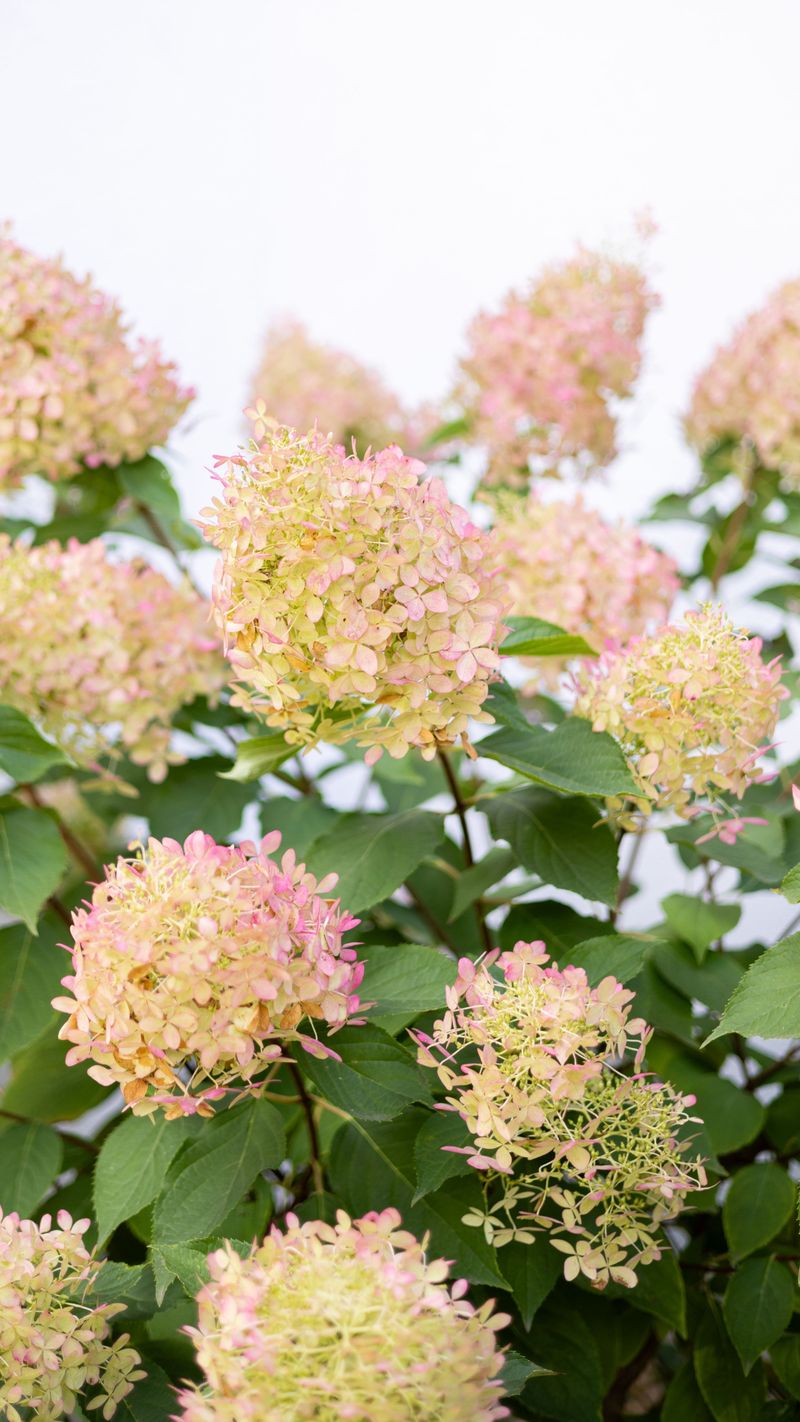
Panicle hydrangeas are the overachievers of the hydrangea world, blooming reliably every summer on new wood they grew that same year. Because they set buds on current-season growth, August pruning is not going to rob you of next year’s flowers.
Light shaping in August is totally fine for panicle types like “Limelight” or “Quick Fire.” You can remove crossing branches or trim back overly long stems without any guilt whatsoever.
Hold off on fertilizing by early August, since new soft growth may not harden off before the first frost.
However, save the heavy structural pruning for late winter or very early spring before new growth emerges. That timing gives the plant its best shot at producing the biggest, most impressive bloom clusters possible.
Panicle hydrangeas turn from white to pink to a dusty antique rose as summer fades into fall. Many gardeners leave the dried flower heads on through winter because they look stunning covered in frost or snow.
These shrubs can handle full sun better than their bigleaf cousins, making them a smart choice for open, exposed Maryland yards. They are also more drought-tolerant once established, which matters a lot during hot August stretches.
Knowing your hydrangea type before grabbing the pruners makes all the difference. A panicle hydrangea rewards your August attention, while other types respond very differently to the same approach.
Rose Of Sharon
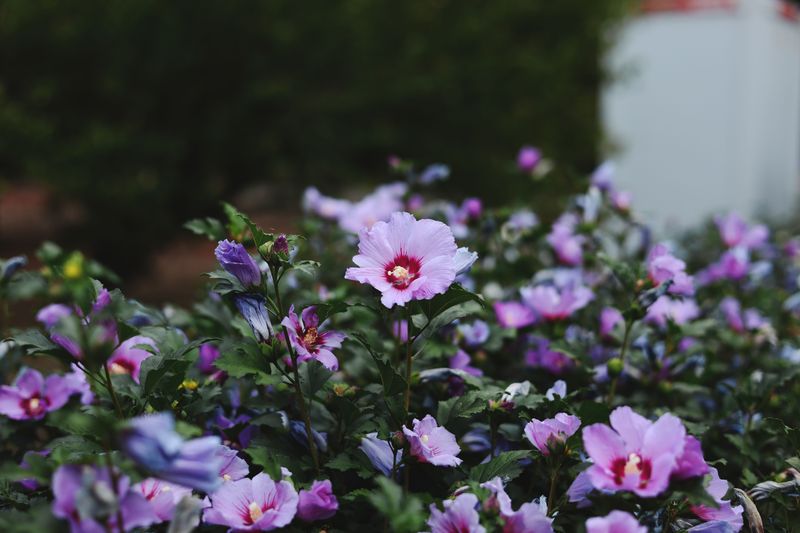
Rose of Sharon is the late-summer star that earns its keep when most other flowering shrubs have already called it quits. These tough, upright shrubs bloom on new wood, which means August pruning will not cost you this season’s flowers.
You can safely trim back any overly long or wayward branches right now to keep the shape tidy. Light pruning in August encourages the plant to redirect energy toward the blooms already forming on current stems.
Removing spent flowers is also a smart August move because Rose of Sharon self-seeds aggressively. One mature shrub can self-seed generously, and your garden beds may fill with seedlings by next spring if you are not careful.
Snipping off faded blooms before they go to seed gives you control over where this plant spreads. It is a simple step that saves hours of weeding down the road.
A layer of mulch around the base helps the roots stay cool and cuts down on how often you need to water. Established plants can handle short dry spells, but consistent moisture keeps the blooms coming steadily through August.
Rose of Sharon thrives in the heat and humidity that Maryland summers dish out relentlessly. Its roots are tough, its blooms are generous, and it asks for almost nothing in return for a good show.
Pruning this shrub in August is one of those tasks that feels almost too easy. A few well-placed cuts keep it beautiful, manageable, and ready to perform again next season.
Azalea
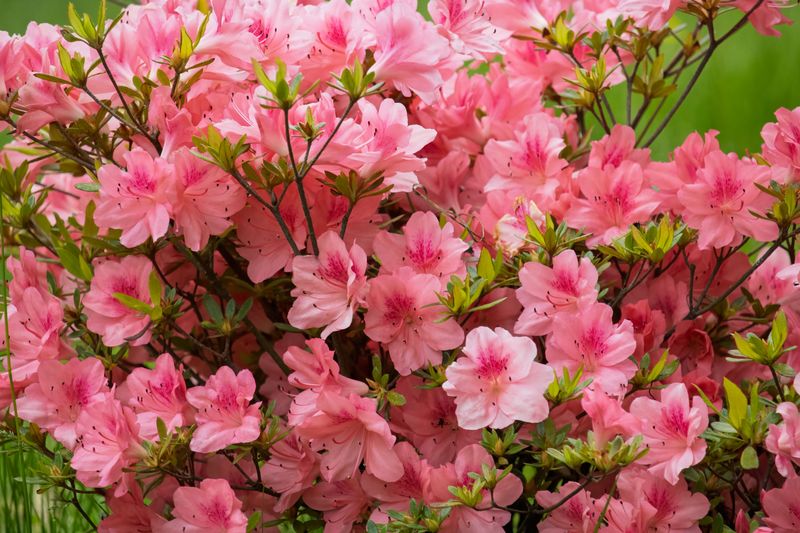
Azaleas are beloved across Maryland for their jaw-dropping spring color, but they have a secret that catches many gardeners off guard. By mid-summer, azaleas have already begun forming next year’s flower buds deep inside their leafy branches.
Pruning an azalea in August means you are almost certainly cutting off those buds before they ever get a chance to bloom. That is why August is firmly on the “leave it alone” list for azaleas.
If your azalea needs shaping, the window for that work closes shortly after the spring bloom fades, usually by late June at the latest. Pruning right after flowering gives the shrub the rest of the growing season to set new buds safely.
In August, the best thing you can do for an azalea is water it deeply during dry spells and add a layer of mulch around the base. Both steps protect the shallow roots from the brutal late-summer heat that Maryland serves up generously.
Watch for lace bugs in August, which are tiny insects that cause a silvery, stippled look on the leaves. Treating early with insecticidal soap keeps the foliage healthy heading into fall.
Resist every urge to grab the pruners near your azaleas this month. Patience now is what separates a spectacular spring display from a disappointing, flowerless shrub next April.
Forsythia
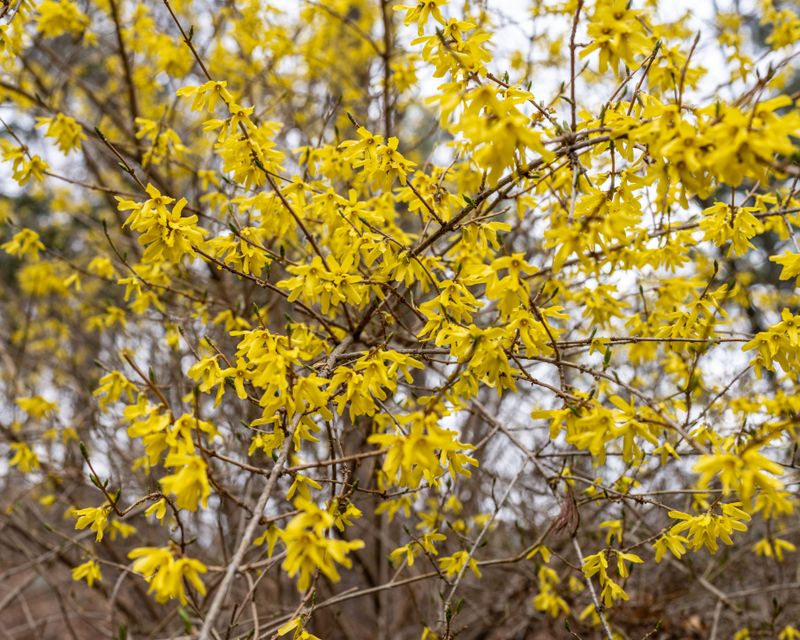
Forsythia is the first real sign of spring in Maryland, exploding into a cloud of yellow blooms before most trees even think about leafing out. That early show comes from buds that form during the summer months, including August.
Cutting into a forsythia in August is a fast track to a flowerless spring, and nobody wants that after a long, gray winter. Put the pruners away and let this shrub do its quiet, important work of bud development this month.
The right time to shape a forsythia is immediately after it finishes blooming in spring, usually in late March or April in Maryland. Pruning right after bloom gives the shrub a full growing season to produce next year’s flower buds on the new growth.
Forsythia can get big and rangy if left untouched for years, so that post-bloom pruning window really matters. Cutting out the oldest, thickest stems at the base every few years keeps the plant vigorous and full of fresh, blooming wood.
In August, your only job with forsythia is to make sure it has enough water during dry weeks. A stressed shrub in summer will produce fewer blooms next spring, so a slow, deep watering goes a long way.
Mark your calendar for next spring and walk away from the forsythia this month. Your patience will pay off in a spectacular yellow display when March finally turns the corner.
Lilac
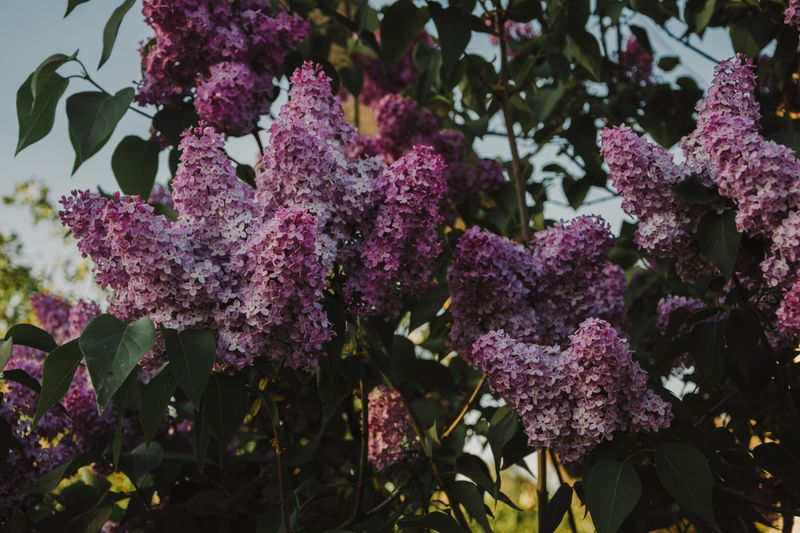
Lilacs carry a kind of nostalgic magic that almost no other shrub can match, with their heavy, sweet fragrance practically pulling you across the yard. But that dreamy spring performance depends on buds that are quietly forming right now in August.
Pruning a lilac in August is one of the most common garden mistakes Maryland homeowners make. Those cuts remove exactly the wood that would have produced next May’s blooms.
Like forsythia, lilacs need to be pruned right after they finish flowering in spring, typically in late April or May in Maryland. That timing allows the plant to grow new shoots all summer long, and those shoots are where next year’s flowers live.
Lilacs also benefit from the removal of old, thick canes every few years to keep the center open and airy. This renewal pruning is best done gradually over three years so you avoid shocking the plant all at once.
In August, check your lilac for powdery mildew, a common fungal issue that shows up as a white, chalky coating on the leaves. Good air circulation around the shrub helps prevent it, and removing any affected leaves keeps the problem from spreading.
Lilacs reward a patient gardener more than almost any other shrub in the landscape. Skip the August pruning, and you will be rewarded with armfuls of fragrant blooms come spring.
Bigleaf Hydrangea
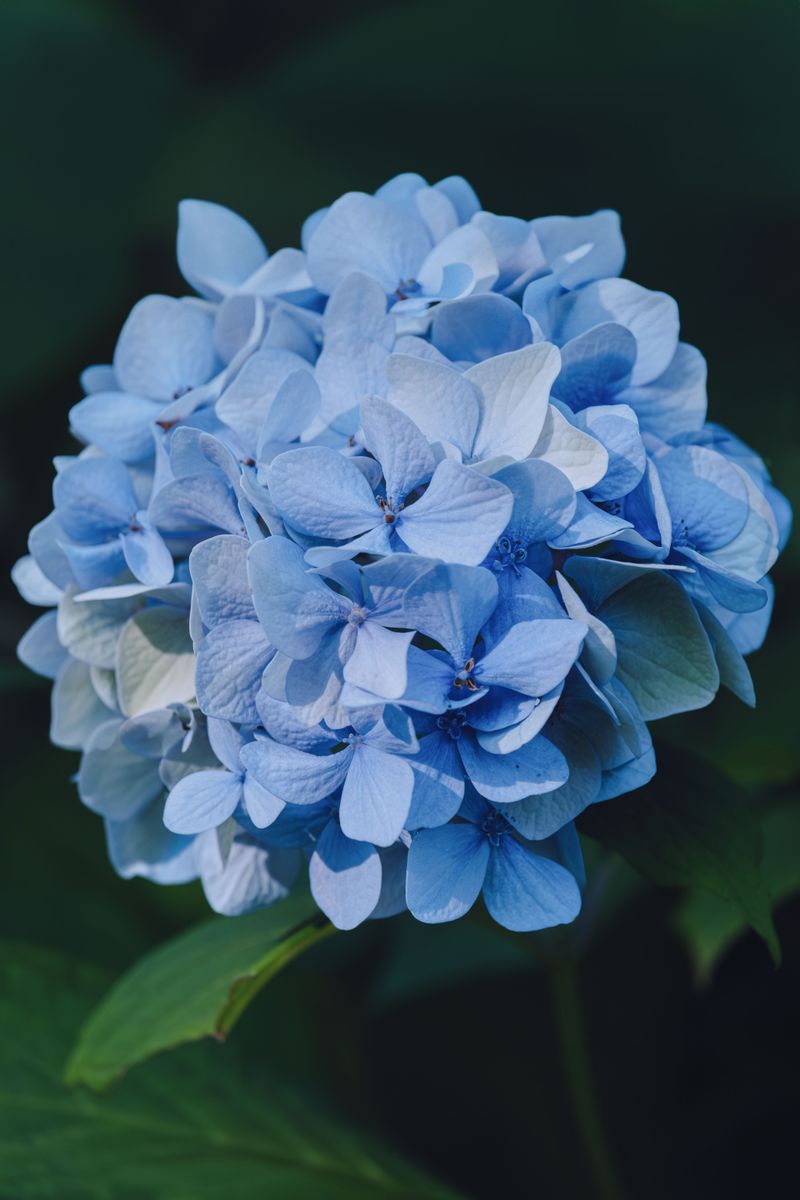
Bigleaf hydrangeas are the ones with big, round mophead blooms or delicate lacecap flowers that make every garden look like a watercolor painting. They’re also the hydrangeas most commonly pruned at the wrong time, leading to years of disappointment.
Most traditional bigleaf hydrangeas bloom on old wood, meaning the buds for next summer’s flowers are already set on this year’s stems. Pruning now in August removes those buds, and you will stare at a green but flowerless shrub all next season.
The Maryland shrubs to prune this August do not include your classic bigleaf hydrangeas. Leave them alone and focus your pruning energy on the shrubs that actually benefit from a late-summer trim.
If your bigleaf hydrangea looks tired or stressed in August, give it a deep watering and a layer of fresh mulch instead of reaching for the pruners. Protecting those old stems through winter gives you the best shot at a spectacular bloom show next June.
Some newer reblooming varieties like “Endless Summer” can handle a bit more flexibility, but even these benefit from minimal August interference. When in doubt, do less and let the plant tell you what it needs.
Understanding the Maryland shrubs to prune this August versus the ones to leave alone starts with knowing your hydrangea type. Get that one detail right, and your entire garden rewards you with seasons of stunning, reliable color.