Why Checking Your Pennsylvania Hanging Baskets Today Prevents Weekend Heat Shock
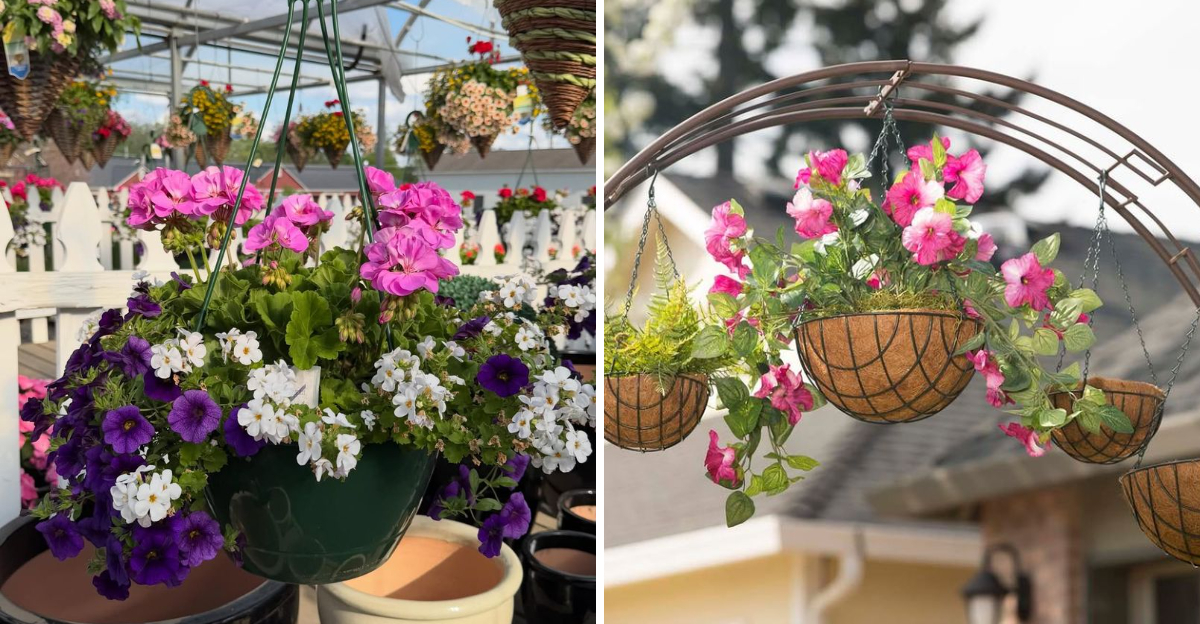
Pennsylvania heat can turn a hanging basket from gorgeous to dramatic in one afternoon.
The trouble starts quietly. A petunia still looks cheerful from the porch. A fuchsia still has flowers. The leaves are not drooping yet, so everything seems fine.
Then Saturday heat rolls in, a breeze picks up, and the potting mix dries faster than anyone expected. By evening, the basket is limp, stressed, and suddenly much harder to rescue.
Hanging baskets live in a tougher world than garden beds.
Air moves around every side. Roots have limited soil. Sun hits the pot directly. Water drains fast. A plant that looked comfortable this morning can hit the edge of heat shock before the weekend is halfway over.
That is why today’s check matters.
So why does checking your Pennsylvania hanging baskets before the weekend heat prevent trouble?
Because it catches hidden dryness, builds a moisture reserve, reduces heat exposure, and keeps roots working before the hottest hours arrive.
1. Basket Weight Reveals Hidden Dryness Before Heat Hits
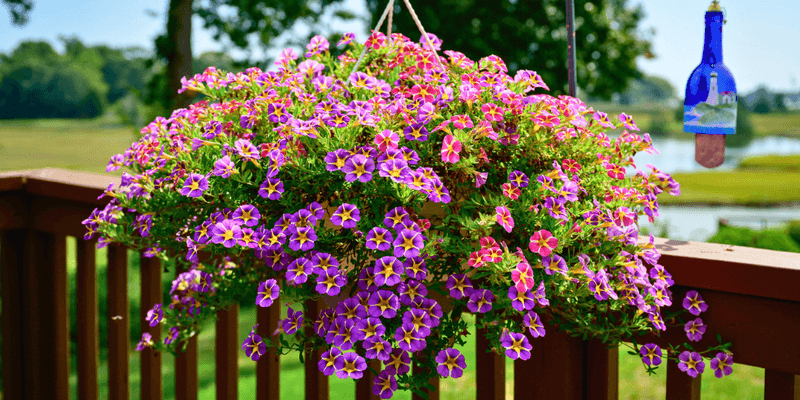
A hanging basket can lie to your eyes.
From below, the flowers may look bright and the leaves may look upright, but the root ball inside the basket can already be too dry.
Potting mix, especially peat-based mix, can dry unevenly. The surface may look acceptable while the center is running out of moisture fast.
Weight tells the truth sooner.
Lift each basket gently from the hook or support it from below. A well-watered basket feels solid and heavy. A dry one feels oddly light, almost hollow for its size.
Once you learn the difference, it becomes one of the fastest ways to judge risk before a hot weekend.
Do not assume all baskets need the same care. A basket in full afternoon sun may dry much faster than one under a porch roof.
A basket exposed to wind may lose moisture faster than one in a sheltered corner. A lush, mature basket packed with roots and flowers may be thirstier than a younger one with fewer stems.
That is why every basket deserves its own lift.
Start with the lightest baskets. They are already closer to stress, even if they still look fine. Give those a deep watering first and consider moving them to a cooler spot before the heat peaks.
This check takes only a few minutes, but it helps prevent the most common weekend surprise: a basket that seemed fine on Friday and collapsed by Saturday afternoon.
Weight is not fancy. It is practical, quick, and honest.
When heat is coming, that honest signal can save the whole basket.
2. Deeper Soil Checks Catch A Dry Root Ball
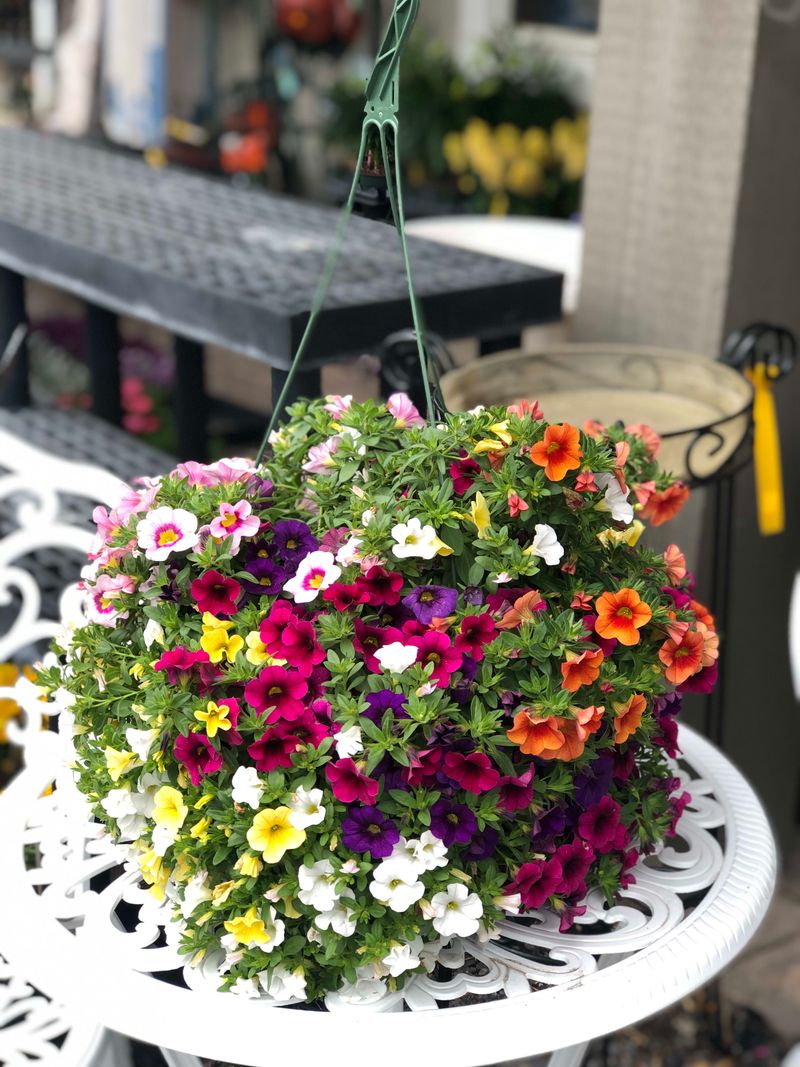
The top of the soil is not enough evidence.
A hanging basket may have a dry crust on the surface while the middle still holds moisture. It can also fool you the other way, with a slightly damp top layer and a dry, tight root ball hiding underneath.
That second situation is especially dangerous before a hot weekend.
Your Pennsylvania Garden Changes Every Week. Your Plan Should Too.
Gardening in Pennsylvania changes quickly throughout the season. Every Friday you’ll receive a simple weekly plan showing exactly what to plant, prune, fertilize, harvest, and protect so you never miss the right timing.
Push your finger at least an inch into the mix near the center of the basket. The center matters because roots are packed there, and that is where heat stress often begins.
The rim can dry first, shrink away from the pot, and create channels where water runs straight down the sides without soaking the root zone.
That gap between soil and pot wall is a warning sign.
When potting mix pulls away from the edge, a quick watering may look successful because water pours from the drainage holes.
But much of that water may have bypassed the roots entirely. The basket drips, the gardener stops watering, and the plant stays thirsty.
For crowded baskets, use a wooden skewer, chopstick, or pencil. Push it into the center, wait a few seconds, then pull it out.
If it comes out dry and clean, the root ball needs water. If it feels cool and slightly damp, the basket has more time.
Root-bound baskets need special attention. When roots fill most of the pot, there is less mix left to hold water. Those baskets can dry dramatically fast in July and August.
A deeper check today tells you which baskets are already on the edge.
That knowledge helps you water before the heat shock starts, not after the leaves collapse.
3. Morning Soaks Build A Moisture Reserve
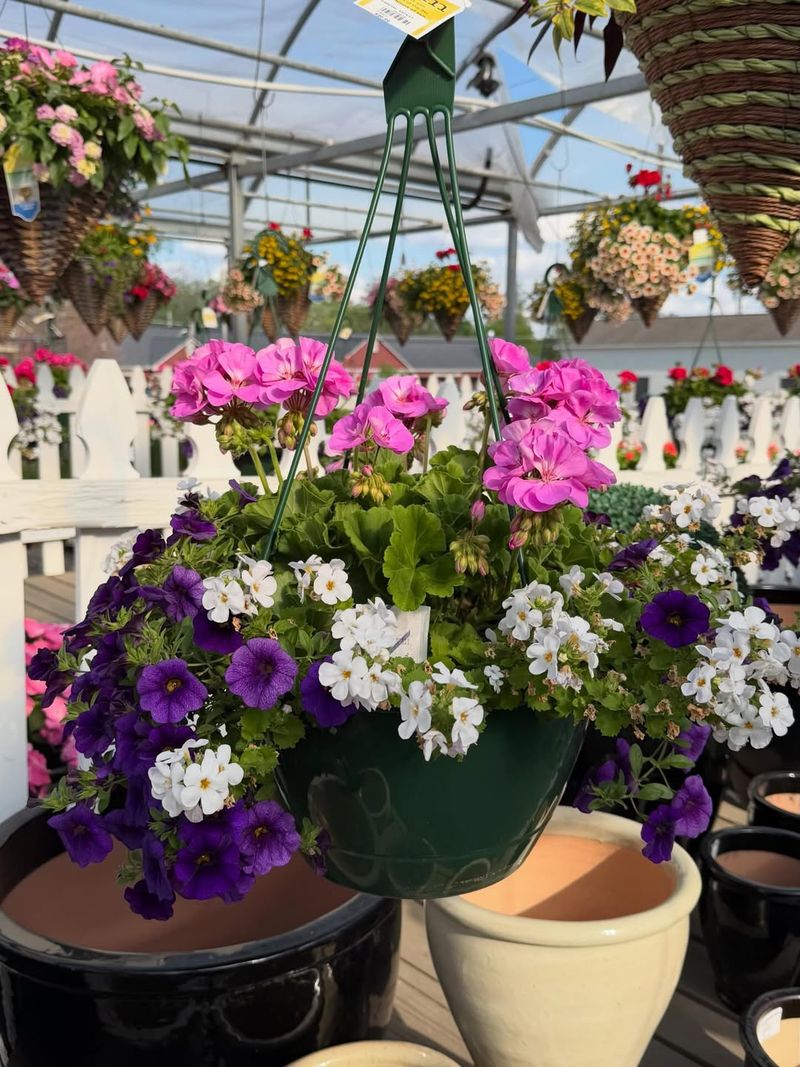
A quick splash is not enough before a hot Pennsylvania weekend.
Dry hanging baskets need a real soak. The goal is not to wet the top layer and feel productive. The goal is to refill the whole root zone so the plant has moisture available when afternoon heat, sun, and wind start pulling water out fast.
Water slowly until a steady stream runs from the drainage holes. Then pause for a few minutes and water again.
That second pass matters. Dry peat-based potting mixes can resist water at first. The first watering may soften the surface and begin opening the mix back up.
The second watering often does the deeper work, reaching the roots instead of racing around them.
Morning is the best time for this job. Early watering gives plants a full moisture reserve before the hottest part of the day. It also gives wet foliage time to dry, which helps reduce disease risk compared with watering late in the evening.
Try to finish before the sun gets intense, ideally early enough that the basket is rehydrated before heat builds.
Take the basket down if needed. Watering overhead while trying not to drip on porch furniture often leads to cautious, shallow watering. It is better to set the basket over a lawn, driveway edge, or garden bed and water thoroughly until drainage runs clear.
A deeply watered basket will feel much heavier when you rehang it. Make sure the hook, chain, and bracket can handle that weight.
Heat shock often happens when roots run out of water faster than leaves can adjust.
A morning soak gives the plant a buffer before the weekend tries to drain it dry.
4. Free Drainage Keeps Roots From Suffocating
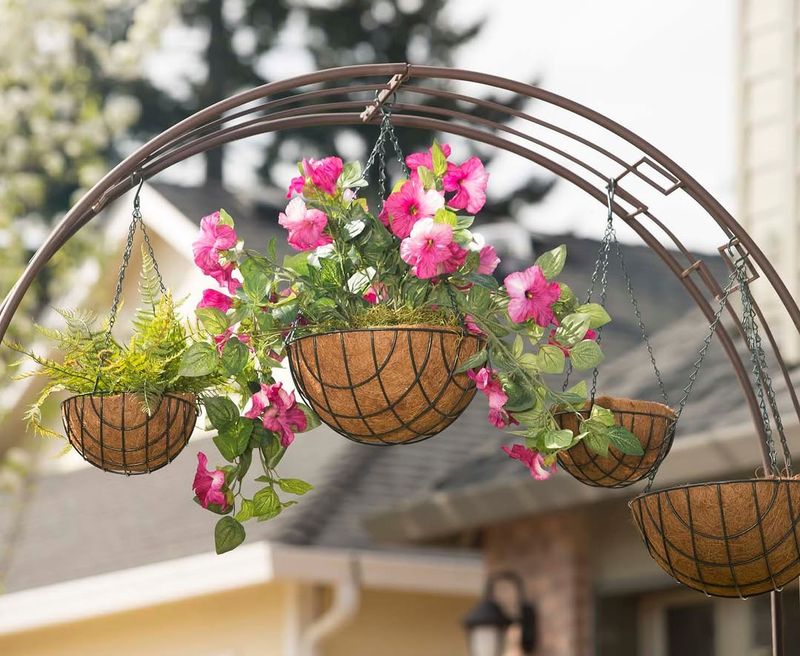
Watering well does not mean trapping water in the basket.
Roots need both moisture and oxygen. If the basket cannot drain, the root zone turns soggy, air disappears from the mix, and the plant becomes stressed in a completely different way.
A waterlogged basket can wilt too, which makes gardeners think it needs more water when the roots are actually struggling to breathe.
That is why drainage belongs on the pre-heat checklist.
After watering, watch how the basket drains. Water should move through the mix and out the holes. If it pools on top for more than a minute or two, the drainage holes may be blocked, the mix may be compacted, or roots may have filled the bottom too tightly.
Check the holes carefully. Roots, old soil, moss liners, plastic inserts, or decorative wraps can restrict flow. A pencil, skewer, or small stick can gently clear blocked holes from below.
Saucers and cachepots can cause trouble too. They catch runoff, which seems helpful during heat, but standing water can wick back into the pot and keep the bottom layer too wet. Empty saucers after watering, especially before a humid weekend.
Good drainage also protects against the mistake of watering lightly to avoid drips. Some gardeners hold back because baskets hang over railings, furniture, or porch floors. That habit leaves the root ball chronically dry.
Move the basket, water fully, let it drain, then rehang it.
A healthy basket should be soaked and then allowed to drain freely. That pattern leaves the roots hydrated but not suffocated.
Before a heat wave, both parts matter.
Too dry causes collapse. Too wet weakens roots. Free drainage keeps the balance.
5. Cool Hose Water Prevents Root Shock
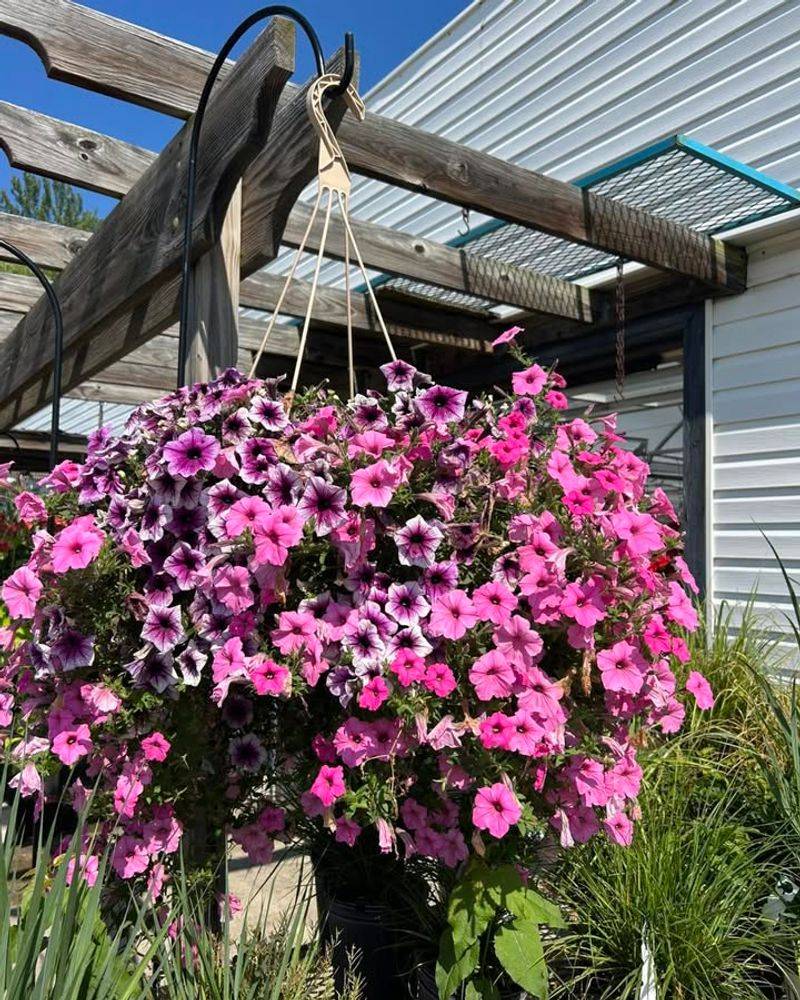
A hose sitting in summer sun can become a hidden problem.
The water trapped inside may get surprisingly hot, especially if the hose is dark, coiled on pavement, or stretched across a sunny patio.
Directing that first hot rush into a hanging basket can stress roots and foliage right when the plant needs relief.
Before watering, flush the hose.
Run water onto the lawn, driveway, or an empty part of the garden until it feels cool to the touch. This may take 30 seconds or more depending on hose length and sun exposure. Once the water temperature feels comfortable, then aim it at the basket.
Fine roots do most of the water uptake, and they are sensitive. A sudden blast of hot water into an already warm potting mix can add stress instead of solving it.
In a small hanging basket, the root zone has little insulation compared with the ground, so temperature swings hit harder.
Foliage can suffer too. Hot water splashed over leaves and blooms can cause spotting, wilting, or extra stress, especially when the plant is already near its limit.
Store hoses in shade when possible. A covered hose reel, shaded wall, or light-colored hose can reduce heat buildup. But even with better storage, flushing is still smart before a hot weekend.
This step feels almost too simple, which is why it gets missed.
Gardeners focus on how much water the basket needs and forget to ask what temperature that water is when it first leaves the hose.
Cool water supports recovery. Hot hose water adds another shock.
Run it out first, then water the roots.
6. Afternoon Shade Cuts The Heat Load
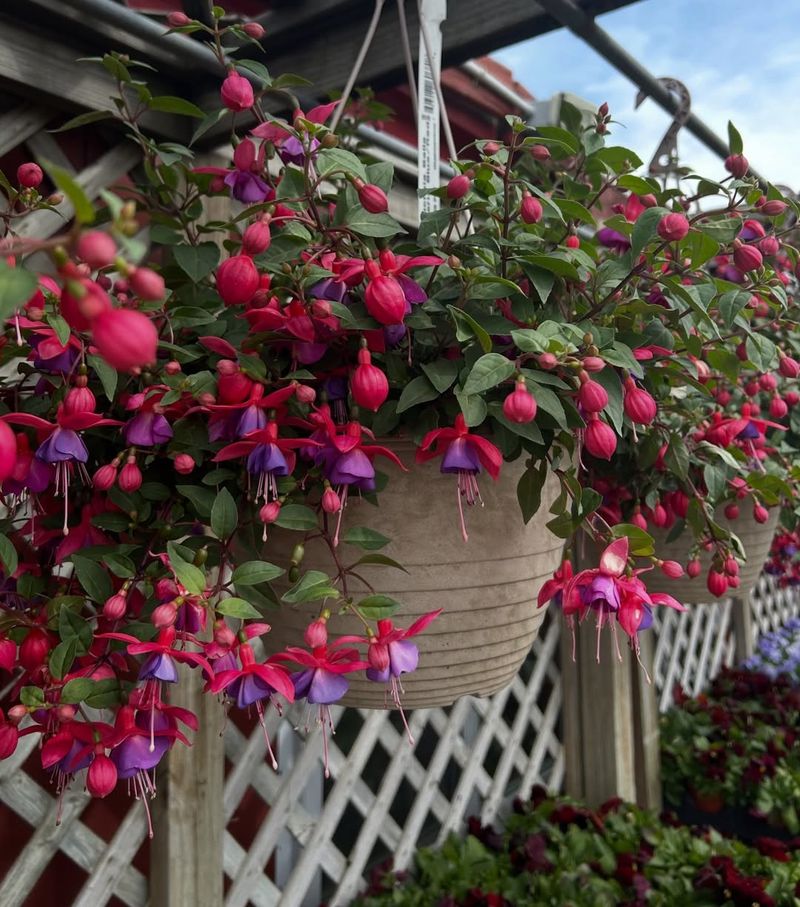
Sometimes water is not enough. A hanging basket in brutal afternoon sun can lose moisture faster than roots can replace it.
Add reflective siding, brick, porch railings, concrete, or a west-facing exposure, and the basket may be sitting in a heat pocket that feels much hotter than the forecast.
Moving the basket today can prevent tomorrow’s collapse.
The shift does not have to be dramatic. A few feet under a porch roof, into bright shade, behind a larger container, or beneath a tree canopy can reduce stress significantly.
The goal is to protect baskets during the most punishing hours, usually early to late afternoon.
Morning sun is often easier on flowering baskets. Afternoon glare is the problem.
Watch your yard between noon and 4 p.m. Notice which hooks stay exposed and which spots get filtered shade. Move the most vulnerable baskets before the heat arrives, not after leaves are already limp.
Wind matters too. A breezy location dries baskets quickly even if temperatures are not extreme. A sheltered shaded spot can reduce both heat and water loss.
Do not move baskets into deep, stagnant shade for days unless the plant tolerates it. Most flowering annuals still need light and airflow. The best emergency spot is bright shade with gentle air movement.
When rehanging, check the hardware. A fully watered basket is much heavier than a dry one, and a windy weekend can strain weak hooks or brackets.
Shade is not giving up on blooms. It is buying the plant time.
Reducing the heat load for a day or two can help baskets keep flowers, leaves, and roots functioning until the weather eases.
7. Light Trimming Preserves Recovery Leaves
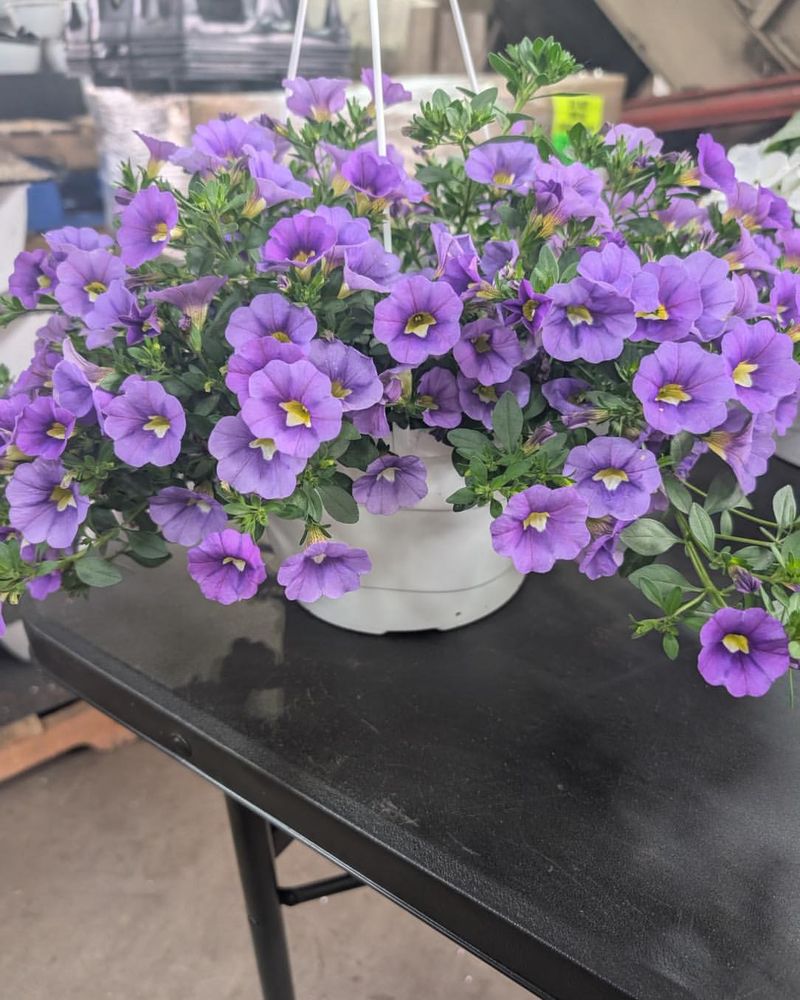
A heat-stressed basket can look like it needs a haircut.
Brown edges, limp stems, spent blooms, and collapsed flowers make the whole plant seem worse than it may be. The instinct is to cut hard and start fresh. That can backfire before a hot weekend.
Leaves are recovery tools.
A plant needs healthy foliage to make energy, shade the root zone, and rebuild after stress. Removing too much at once can weaken the basket right when it needs every functioning leaf it has.
Trim only what is clearly beyond saving. Broken stems, brown dry tips, mushy growth, or completely collapsed sections can come off. Make clean cuts just above a healthy leaf node or branching point.
Leave green leaves that still have firmness, even if they look tired. Many wilted stems can recover after deep watering and shade. Flowers that look defeated in the morning may perk up by evening if the roots receive moisture in time.
Deadheading spent blooms is usually fine. It can reduce the plant’s energy demand and keep the basket looking cleaner. Just do not combine deadheading with a severe cutback right before extreme heat.
Wait 24 to 48 hours after rehydration before deciding what truly needs pruning. Plants often look very different once the root zone is moist again and temperatures drop.
Hold fertilizer until recovery is obvious. Feeding a stressed basket can push tender growth that needs more water than the plant can support during heat.
Light trimming helps. Heavy cutting creates another job for the plant.
Before weekend heat, preserve the leaves that can still work.