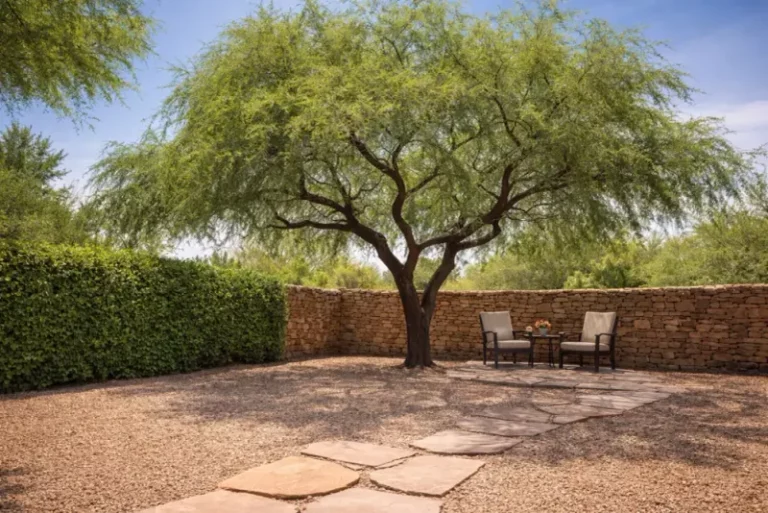
This Arizona Shade Tree Barely Needs Any Yard Cleanup
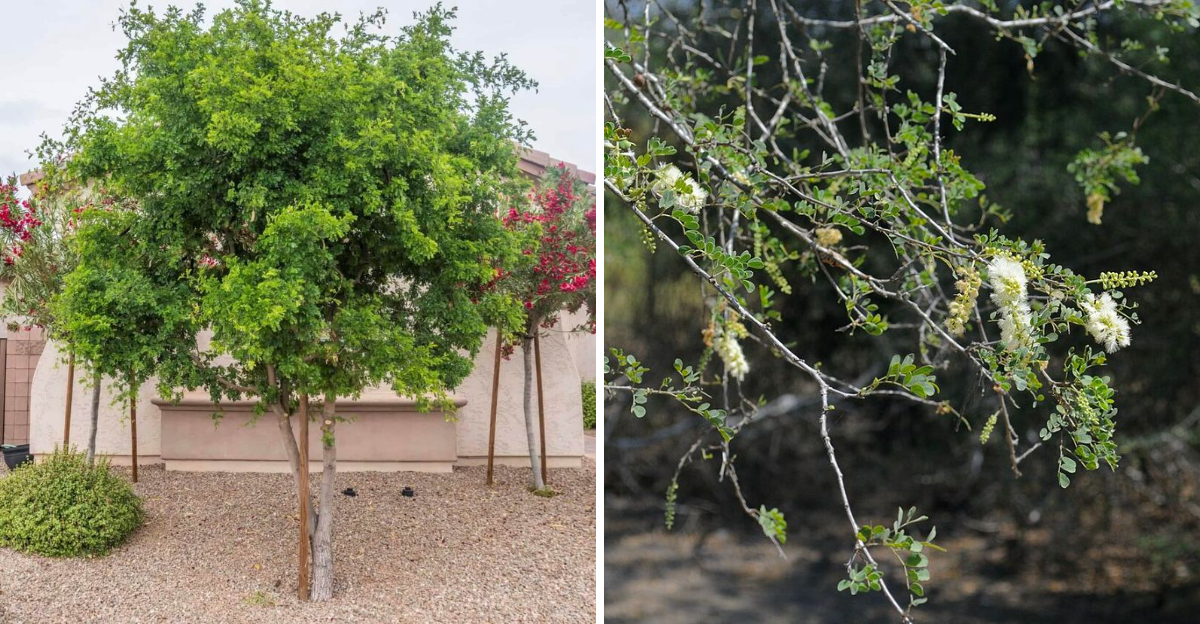
Cleaning up leaves, seed pods, and fallen branches can take more time than many homeowners expect. Some trees create extra work long after the summer heat begins to fade.
It is easy to focus on how fast a tree grows or how much shade it provides. What ends up on the ground deserves just as much attention before planting.
Some shade trees stay surprisingly tidy even through the hottest months. That makes them a welcome choice for anyone who wants a beautiful yard without constant cleanup.
Many landscapes in Arizona are moving toward lower-maintenance trees for exactly that reason. The right choice can save time year after year.
A cleaner yard starts with a smarter planting decision.
One dependable shade tree stands out by offering generous cover without leaving a constant mess behind.
1. Texas Ebony Drops Less Litter Than Many Shade Trees
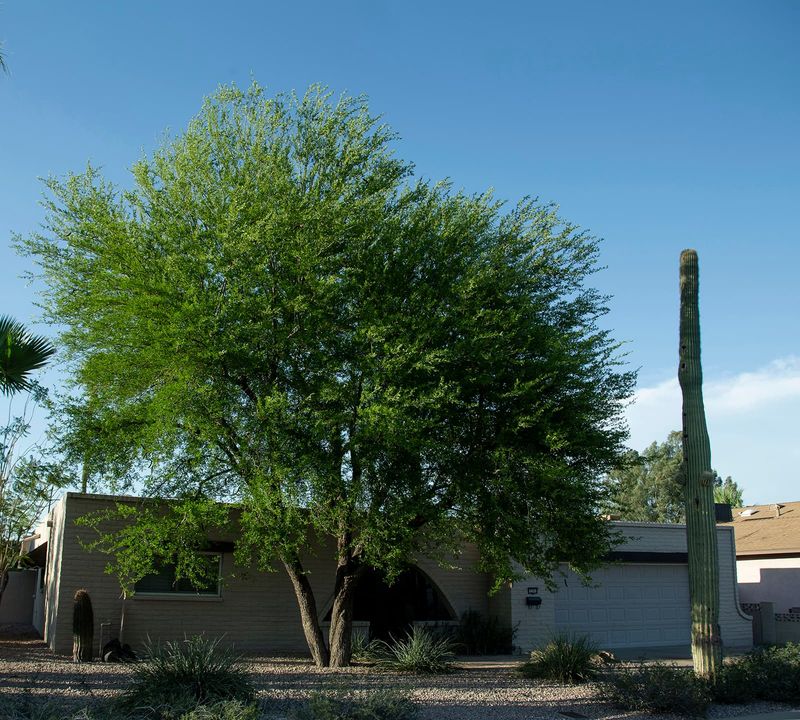
Yard cleanup is one of the most overlooked factors when choosing a shade tree. Texas Ebony stands out because it sheds far less debris than most popular shade trees in hot climates.
Leaves stay on the tree for most of the year. When they do fall, they are small and tend to break down quickly in dry soil without leaving thick piles behind.
Seed pods do form on mature trees. They are woody and compact, not the kind that scatter across a yard or clog gutters with bulk.
Compared to something like a mulberry or cottonwood, the difference in ground litter is noticeable.
Those trees drop heavy loads of material that require frequent raking or blowing.
Texas Ebony keeps things tidy by nature. Its growth habit is dense and upright, which means fewer broken branches falling during mild wind events.
Homeowners in Arizona and other desert regions often mention this as one of the main reasons they chose it. Less mess means more time enjoying the yard instead of cleaning it up.
Keeping realistic expectations still matters. No tree is completely litter-free, and occasional debris will land around the base.
2. Evergreen Leaves Provide Shade Throughout The Year
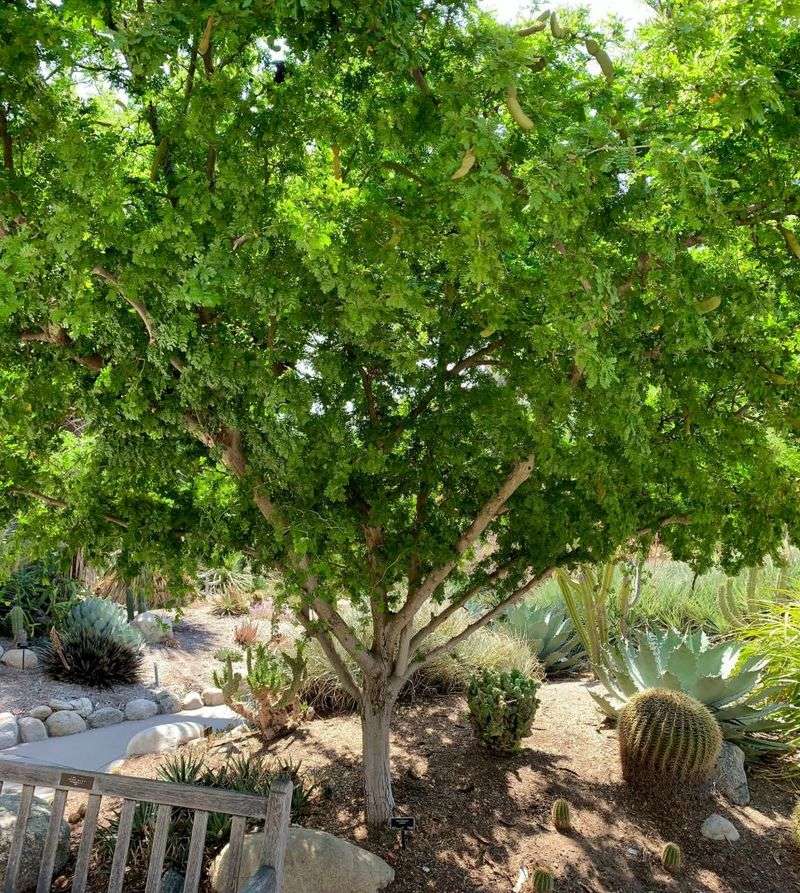
Shade in July is expected from most trees. Shade in January is where Texas Ebony earns serious respect.
Unlike deciduous trees that drop their leaves in fall, Texas Ebony holds onto its foliage through most of the year. In mild desert winters, it stays green and full without much interruption.
That consistency matters for homeowners who rely on shade to cool outdoor spaces. A patio or parking area under a Texas Ebony stays shaded even during cooler months when the sun sits lower in the sky.
The leaves themselves are small and pinnate, meaning they grow in pairs along a central stem. That structure creates a fine-textured canopy that filters light without blocking it out entirely.
Filtered shade is actually preferable for many outdoor situations. Sitting under a tree that lets in a little light feels more comfortable than sitting under one that creates complete darkness.
Energy savings are another benefit worth mentioning.
Trees that provide year-round shade on the west or south side of a home can help reduce indoor temperatures during warm months, which may lower cooling costs depending on placement and conditions.
Your Arizona Garden Changes Every Week. Your Plan Should Too.
Gardening in Arizona changes quickly throughout the season. Every Friday you’ll receive a simple weekly plan showing exactly what to plant, prune, fertilize, harvest, and protect so you never miss the right timing.
Evergreen performance in a desert setting is not something every tree can offer.
3. Full Sun Helps It Grow Strong And Healthy
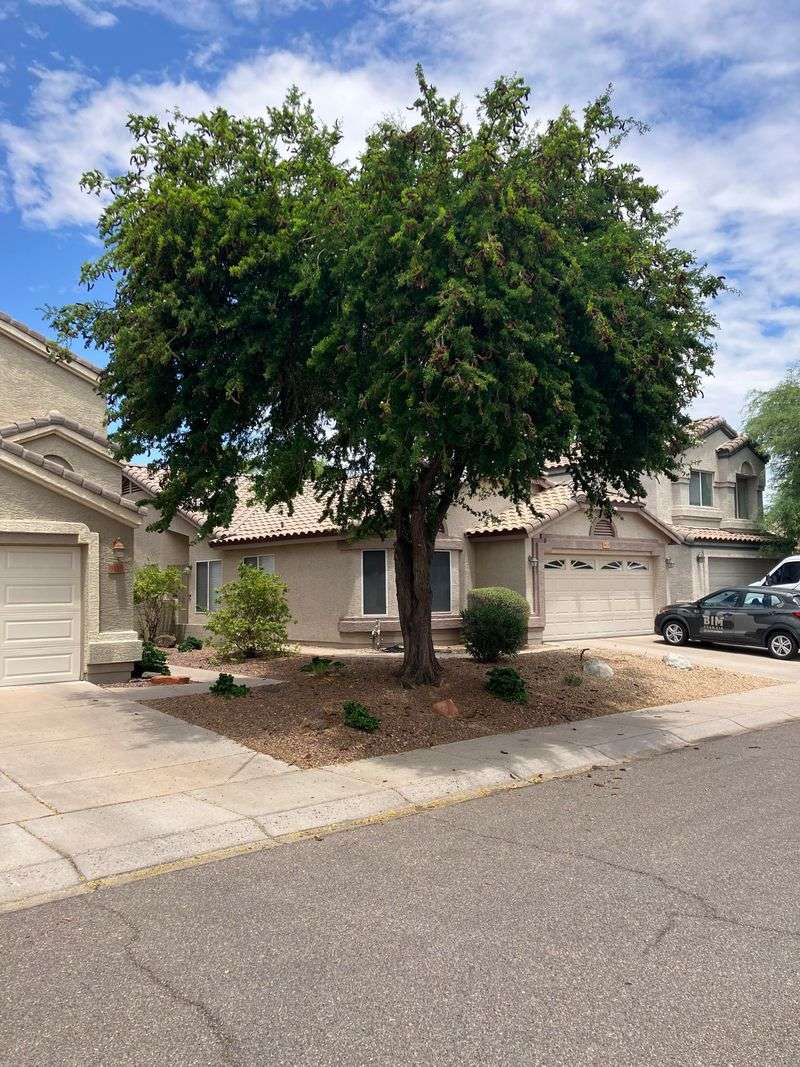
Some trees struggle in intense heat and direct sun. Texas Ebony actually prefers it.
Full sun exposure, meaning six or more hours of direct sunlight per day, is ideal for this tree. Planting it in a shaded spot can slow its growth and reduce the density of its canopy over time.
Hot, open locations where other trees might wilt are exactly where Texas Ebony tends to perform best. Parking strips, south-facing yards, and open desert lots are all solid placement options.
Strong sun encourages compact, dense growth. Trees grown in lower light sometimes develop a looser, leggier structure that provides less effective shade and looks less attractive in a landscape setting.
Reflected heat from pavement or block walls is another factor many desert gardeners deal with. Texas Ebony handles that kind of radiant heat better than many ornamental trees, making it useful near driveways or along south-facing walls.
Growth rate in full sun tends to be moderate. Expect gradual, steady progress rather than rapid shooting.
That pace actually works in your favor since slower-growing trees often develop stronger wood and a more durable branch structure.
Placing this tree where it gets maximum sun exposure sets it up for long-term success.
4. Regular Water Helps Young Trees Get Established
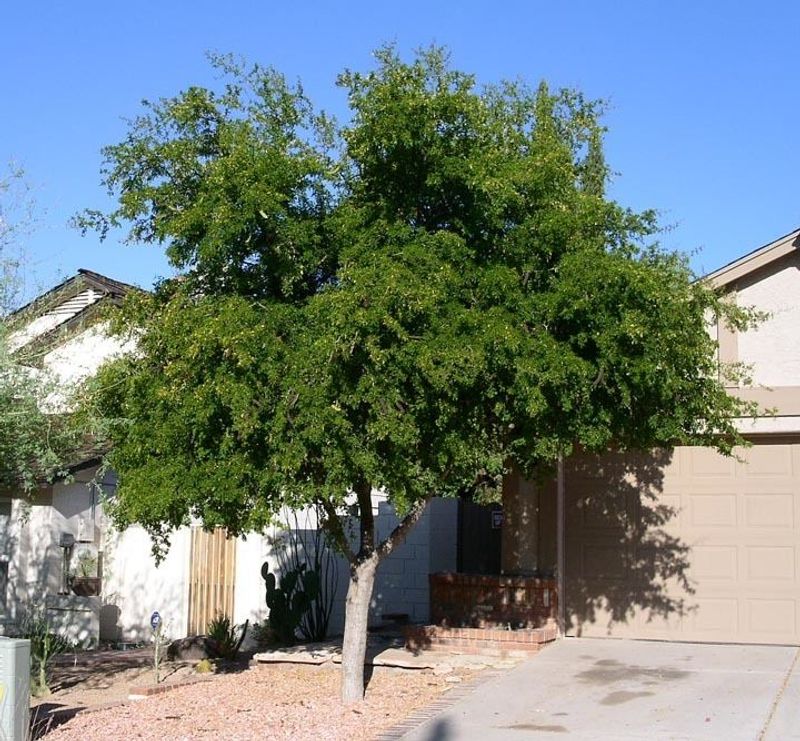
Drought tolerance is a long-term trait, not a starting point. Young Texas Ebony trees need consistent watering to build a strong root system in their first years.
Right after planting, water deeply two to three times per week depending on heat levels. The goal is to keep the soil moist several inches below the surface without creating standing water around the base.
As weeks pass, gradually reduce watering frequency. Slowly stretching the time between sessions encourages roots to grow deeper in search of moisture, which builds long-term drought resilience.
During summer heat spikes, even established young trees benefit from extra water. If temperatures stay above 105 degrees for several days in a row, check soil moisture before skipping an irrigation cycle.
Mulching around the base of a young tree helps retain moisture between waterings. A two to three inch layer of wood chips or gravel slows evaporation and keeps root-zone temperatures more stable.
Avoid shallow, frequent watering. Short bursts of water only wet the top inch or two of soil, which trains roots to stay near the surface instead of going deep.
Shallow roots make trees more vulnerable to heat stress and instability.
Most Texas Ebony trees reach a solid level of drought tolerance within two to three years when watered correctly during establishment.
5. Light Pruning Encourages A Strong Branch Structure
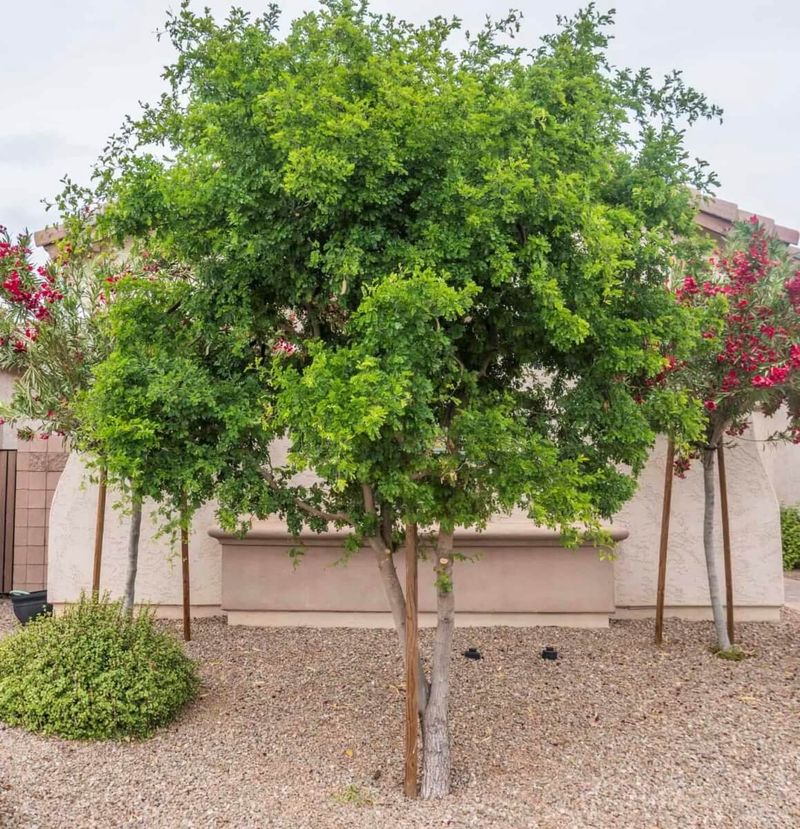
Pruning is not something Texas Ebony demands often. But a little strategic trimming early on makes a real difference in how the tree looks and holds up over time.
Focus early pruning on removing crossing branches, low-hanging limbs that block walkways, and any shoots growing inward toward the center of the canopy.
Keeping airflow open through the canopy helps reduce moisture buildup and promotes healthier growth.
Texas Ebony naturally has a multi-trunk or shrubby growth habit when young. If you want a more traditional tree form with a single trunk and raised canopy, start shaping it in the first two to three years before the wood hardens significantly.
Sharp, clean tools matter more than people realize. Dull blades crush stems rather than cutting them cleanly.
Crushed tissue heals more slowly and can invite pests or fungal issues in humid conditions.
Late winter or early spring is generally a good time to prune, before the main flush of new growth begins. Avoid heavy pruning during extreme summer heat when the tree is already managing stress from high temperatures.
Texas Ebony does have small thorns on its branches. Wearing thick gloves and long sleeves during pruning protects against scratches that can come from reaching into the canopy.
Keeping pruning sessions light and infrequent is the right approach. Heavy cutting is rarely needed and can set back growth significantly when done without a clear reason.
6. Well Drained Soil Keeps Roots Healthy
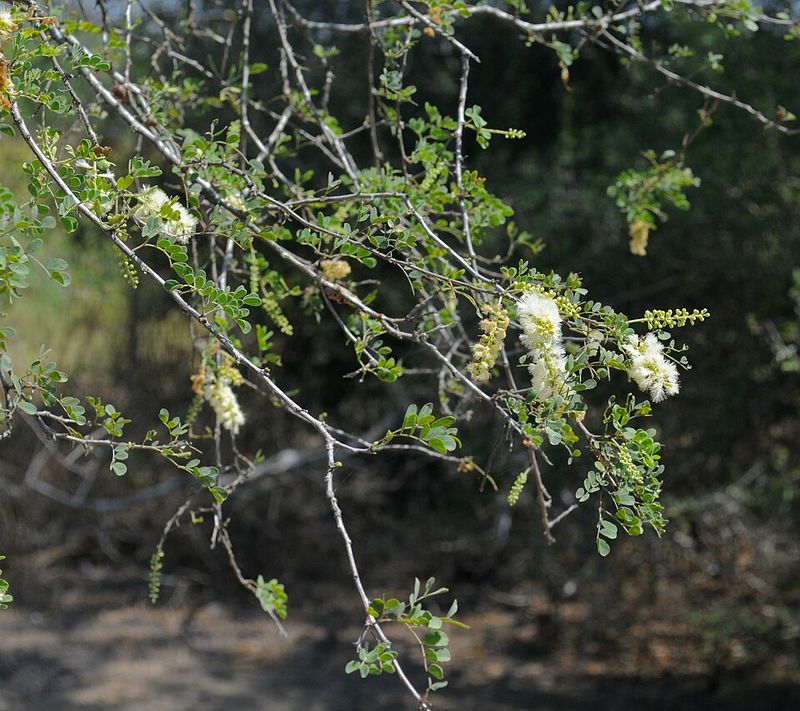
Roots sitting in soggy soil is a problem for most desert-adapted trees, and Texas Ebony is no exception.
Well-drained soil allows water to move through quickly after rain or irrigation. Roots get the moisture they need without staying wet for extended periods, which can lead to root rot and structural weakness over time.
Native desert soils in Arizona and surrounding regions are often rocky, sandy, or caliche-heavy. Texas Ebony handles these conditions reasonably well, though extremely compacted or waterlogged clay soils can create challenges.
If your yard has clay-heavy soil, amending the planting area with coarse gravel or decomposed granite can improve drainage noticeably. Raised planting mounds are another option that works well in spots where water tends to pool.
Avoid planting in low-lying areas where runoff collects after heavy rain. Even a drought-tolerant tree can suffer if its root zone stays saturated for days at a time.
Soil drainage also affects how often you need to water. In fast-draining soil, water moves through quickly and irrigation schedules need to account for that.
In slower soils, watering less frequently prevents moisture buildup at the root level.
Testing drainage before planting is a simple step. Dig a hole about twelve inches deep, fill it with water, and watch how long it takes to absorb.
7. Once Established It Needs Very Little Care
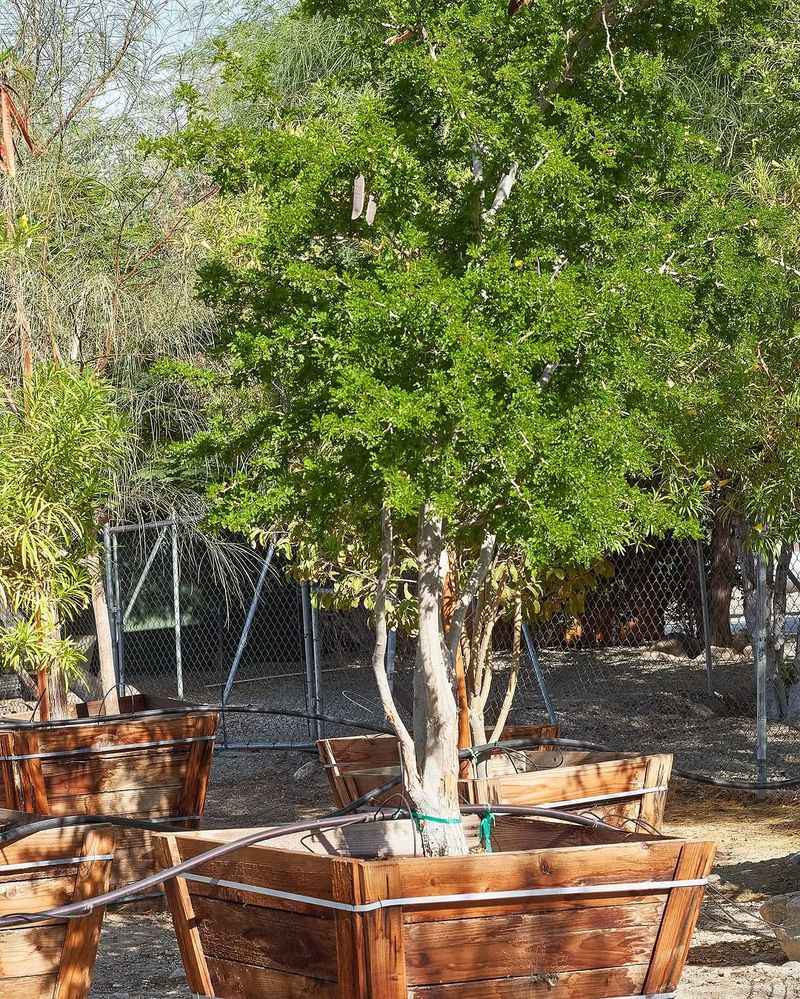
Once a Texas Ebony tree settles in, the workload drops sharply. That is one of the biggest reasons it fits so well into low-maintenance desert landscapes.
Established trees can handle long dry spells without supplemental irrigation in many cases. Rainfall patterns vary by location, so occasional deep watering during prolonged dry stretches is still a reasonable practice in most desert settings.
Fertilizer is rarely needed. Desert soils often provide enough nutrients for this tree to grow at its natural pace.
Over-fertilizing can actually push excessive soft growth that is more vulnerable to wind and pest pressure.
Pest pressure on established Texas Ebony tends to be low. Minor insect activity may appear occasionally, but healthy trees in well-suited conditions usually manage without intervention.
One of the practical advantages of this tree in the Southwest is that it fits naturally into gravel or decomposed granite landscapes. No lawn to irrigate beneath it, no thick mulch rings to maintain, just a clean, low-effort setup.
Canopy size stays manageable over many years. Texas Ebony grows to roughly 25 to 35 feet in height under good conditions, which is large enough to cast meaningful shade without overwhelming a typical residential lot.
Choosing the right tree from the start reduces long-term maintenance more than any other decision.