What To Do If A Banned Plant Is Already Growing In Your California Yard
Discovering that a plant in your yard is banned can be unsettling, especially when it has been growing there for years without causing obvious trouble.
The first impulse may be to pull it out immediately, but that can sometimes spread seeds, roots, or plant fragments beyond the original spot.
Local rules also vary, so the right response depends on where you live and how the plant reproduces. In some cases, careful removal is recommended.
In others, homeowners may need guidance on disposal or replacement before touching it. The important thing is not to ignore the problem or handle it like an ordinary weed.
A plant can look contained while quietly moving into nearby open space. Once you confirm what is growing, a measured plan can protect your property and the surrounding landscape.
The next steps are usually straightforward, but taking them in the wrong order may make removal much harder.
1. Confirming The Plant Is Actually On The Banned List
Not every unfamiliar plant in your yard is automatically a problem. Before you do anything else, take a breath and check whether your plant is actually banned.
California has a list called the CalEPPC or the Cal-IPC Invasive Plant Inventory, and it ranks plants by how harmful they are to local environments. You can find this list online through the California Invasive Plant Council website.
Use a plant identification app like iNaturalist or PlantNet to get a better look at what you are dealing with. Take clear photos of the leaves, stems, flowers, and any seeds.
Then compare those photos to official descriptions. Apps are helpful, but they are not always 100 percent accurate, so cross-check with a second source.
Your local UC Cooperative Extension office is another great resource. They can help you confirm the plant species for free or at very low cost.
County agricultural commissioners also keep records of regulated plants in your area. Some plants are banned statewide, while others are only restricted in certain regions.
Knowing exactly which category your plant falls into helps you understand what you are legally required to do. Rushing into removal before confirming the species can lead to unnecessary work or, worse, accidentally spreading something harmful.
Take the time to be sure before taking action.
2. Stopping It From Flowering Or Making Seeds
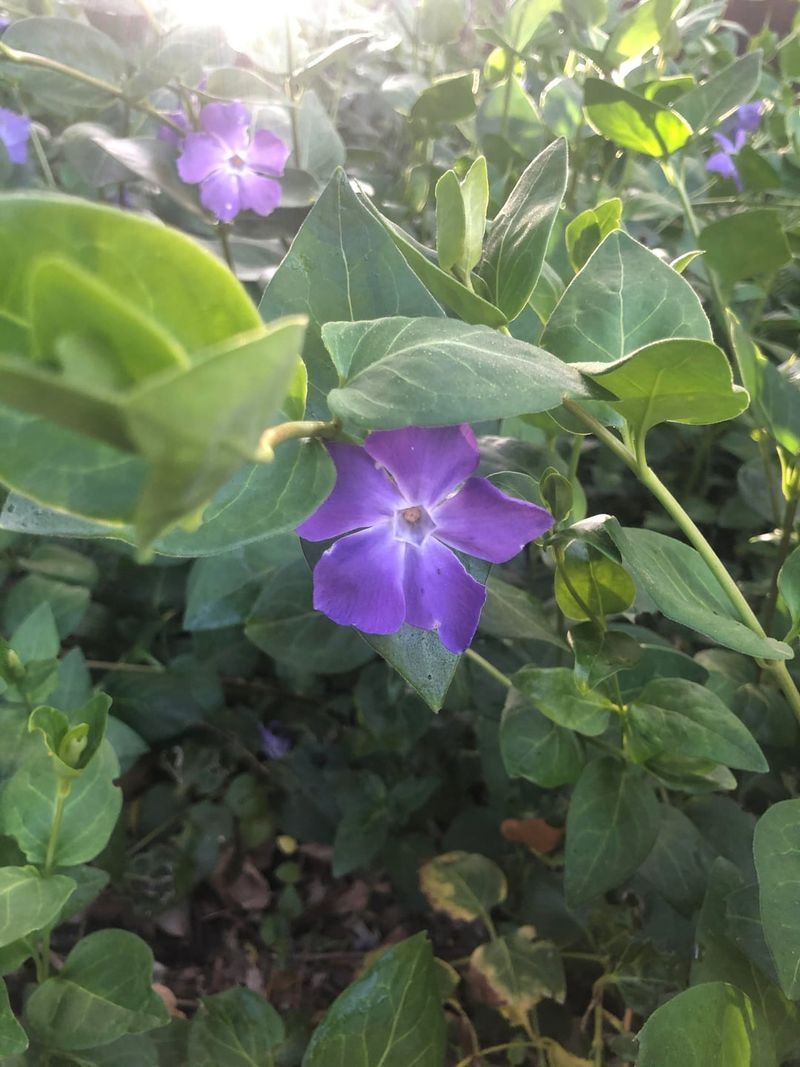
One of the fastest ways a banned plant spreads is through its seeds. If your plant is already blooming or getting close to it, stopping that process quickly is one of the smartest moves you can make.
Seeds can travel by wind, water, birds, or even on your shoes, so cutting off the supply before it starts matters a lot.
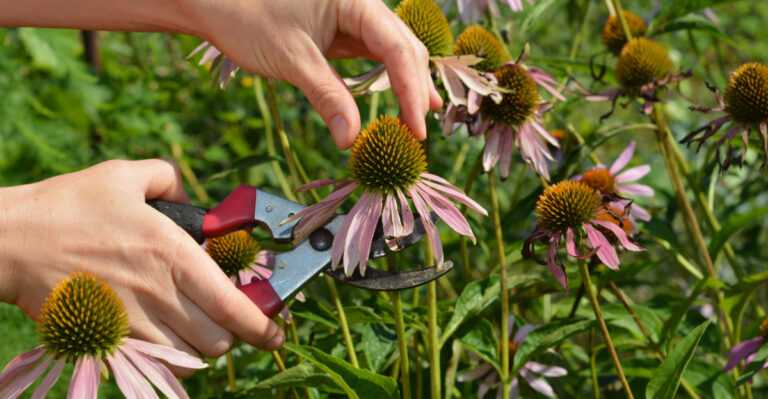
Put on gloves and use clean garden shears to remove any flower heads or seed pods you can see. Do this carefully and slowly so you do not shake loose seeds onto the ground.
Place the cuttings directly into a sealed plastic bag as you go. Do not let them pile up on the soil surface.
Your California Garden Changes Every Week. Your Plan Should Too.
Gardening in California changes quickly throughout the season. Every Friday you’ll receive a simple weekly plan showing exactly what to plant, prune, fertilize, harvest, and protect so you never miss the right timing.
Some invasive plants can produce seeds very quickly once they start flowering, so timing is everything. Check the plant every few days during the growing season.
Even a small number of seeds left behind can lead to dozens of new plants the following year. Removing flowers does not remove the plant itself, but it buys you important time to plan a proper removal.
Think of it as hitting the pause button on the plant’s ability to cause more trouble. This step is especially important if your plant is near a fence line, a drainage area, or any open space where seeds could travel far from your yard.
3. Keeping Cuttings Out Of The Compost Pile
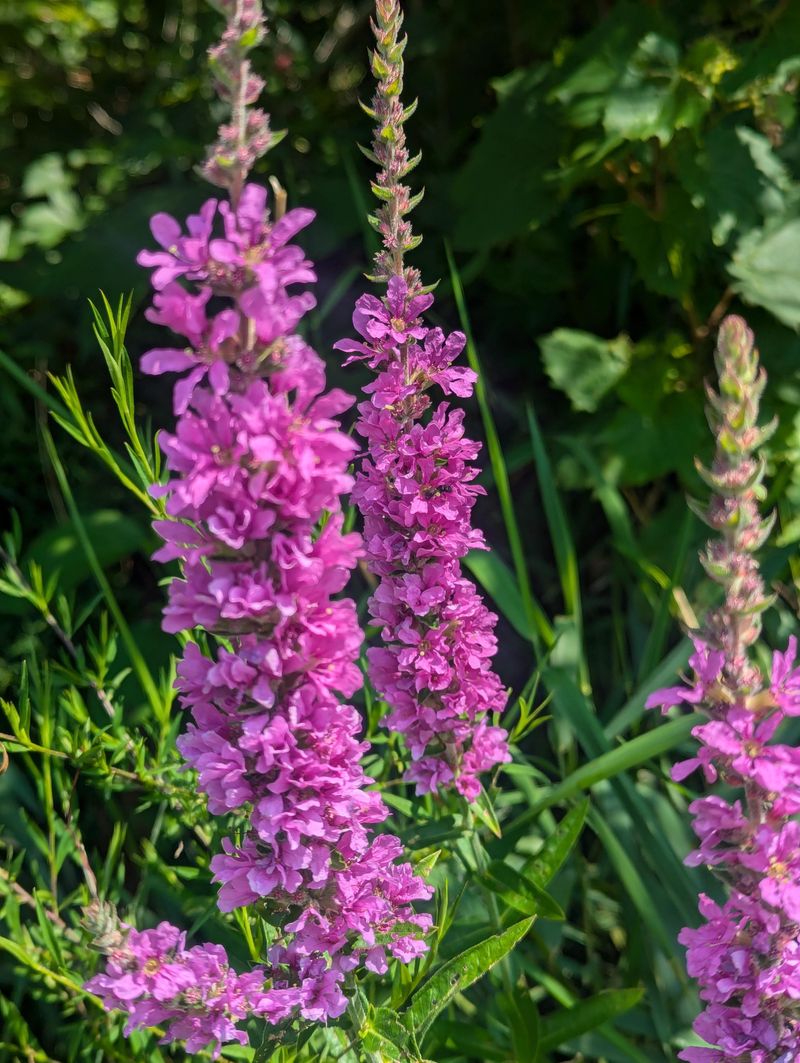
Tossing invasive plant cuttings into your compost bin seems like the eco-friendly thing to do, but it can actually backfire badly. Many banned plants can regrow from stem cuttings or seeds even after they have been cut.
Compost piles do not always get hot enough to fully break down plant material, especially in home setups.
If seeds or viable stem pieces survive in the compost, they can end up spreading right back into your garden when you use that compost later. That means all your hard removal work could be undone in one spreading session.
It is a frustrating cycle that is easy to avoid if you know the risk upfront. Instead of composting, bag the cuttings in heavy-duty plastic bags and seal them tightly.
Most California green waste programs accept invasive plant material in sealed bags, but check with your local waste management service first since rules vary by county.
Some counties have specific drop-off locations for invasive species. Never leave cuttings in an open pile on the ground, even temporarily, because they can still root or release seeds while sitting there.
Treating invasive plant waste as carefully as you would treat any other hazardous material is the right mindset to have. A little extra care at this stage prevents a much bigger headache down the road.
4. Bagging Plant Waste Before It Escapes Again
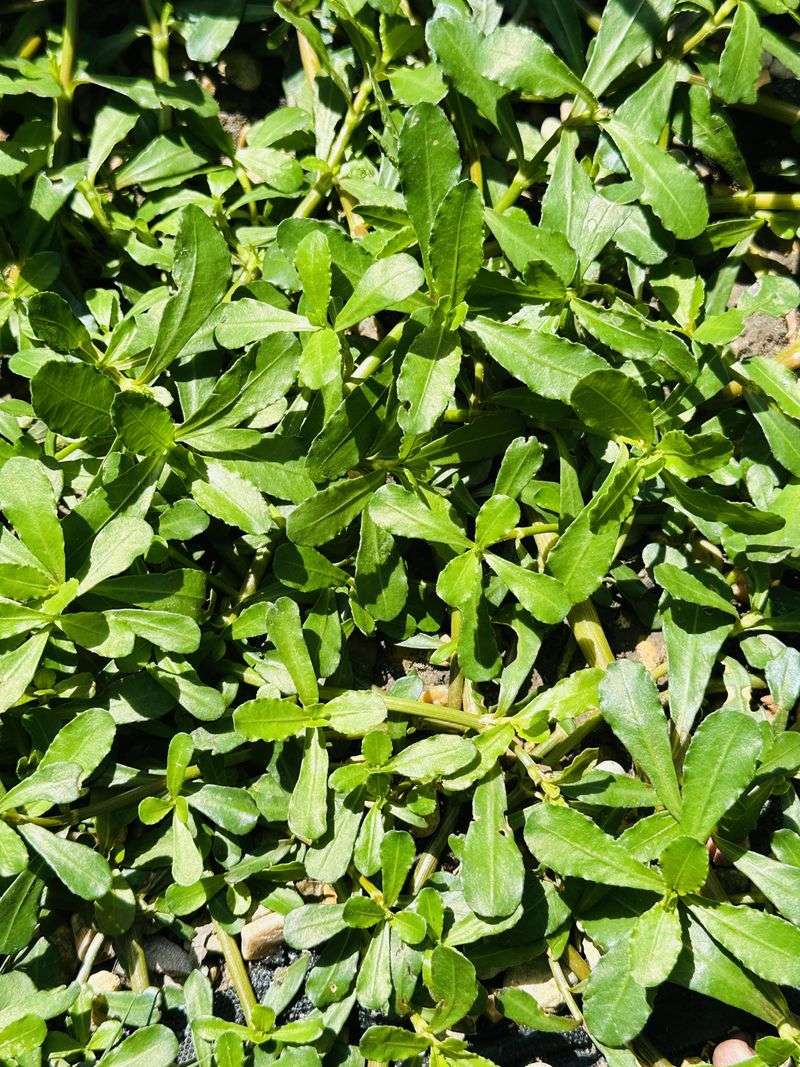
Every piece of an invasive plant that leaves your hands without being properly contained is a potential new problem. Roots, stems, leaves, and seeds can all contribute to spreading the plant beyond your yard.
Proper bagging is one of the most important physical steps in the entire removal process.
Use thick, heavy-duty garbage bags rated for yard waste. Double-bagging is a good idea for plants with sharp thorns or those known to be especially persistent.
As you remove material, place it directly into the bag rather than setting it aside on the ground. Seal each bag as soon as it is full so nothing can escape during transport.
Label the bags clearly if your local waste service requires it. Some counties want you to write the species name on the bag so workers know what they are dealing with.
Check your county’s green waste guidelines before leaving bags at the curb, since some invasive species require special handling or cannot go in regular yard waste bins.
If you are unsure, call your local waste management office and ask directly.
Never dump bagged material in a park, open field, or along a roadside. Even sealed bags can be torn open by animals, releasing plant material into areas where it could take hold and cause serious problems for native plants and wildlife.
5. Digging Out Roots Without Spreading Pieces Around
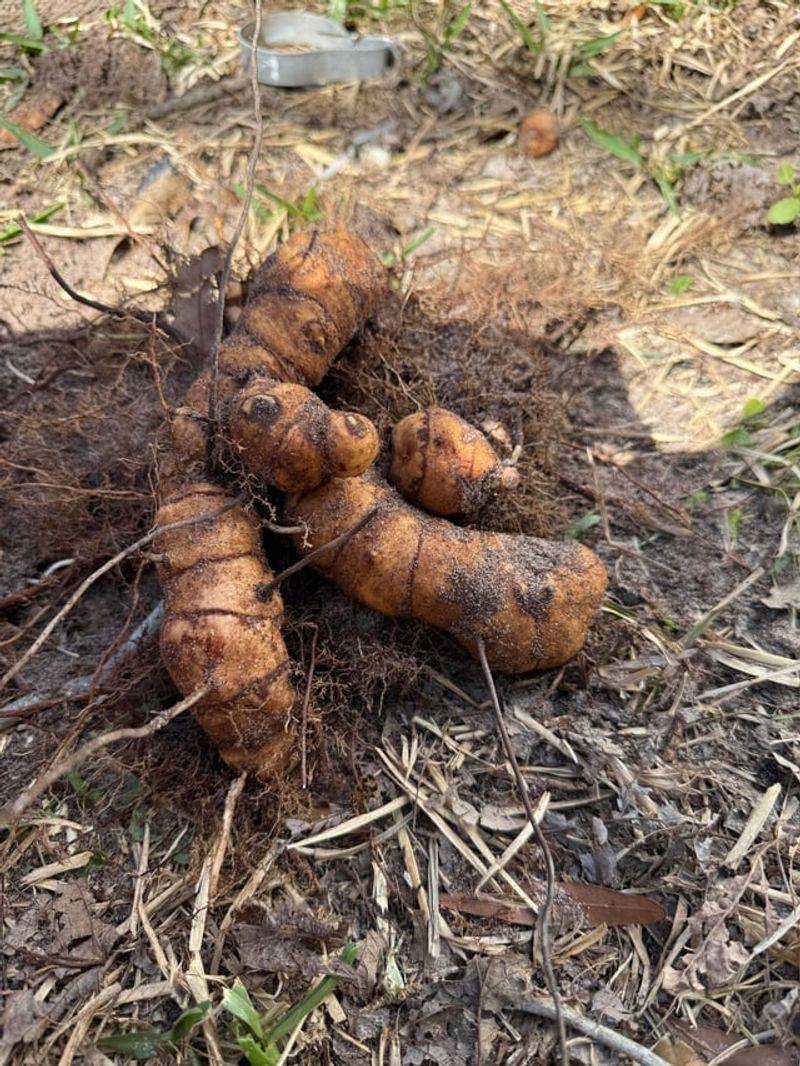
Getting rid of the above-ground parts of a banned plant is only half the battle. Many invasive plants have root systems that can regrow even after the top has been removed.
Some roots go surprisingly deep, while others spread wide just below the soil surface. Knowing how your specific plant roots can help you plan a smarter removal.
Use a sturdy garden fork or spade rather than just pulling by hand. Pulling can snap roots and leave pieces behind in the soil.
Work slowly around the base of the plant, loosening the soil in a wide circle before lifting. Try to get the entire root ball out in one piece if possible.
As you dig, place root pieces directly into a bag right away. Do not pile them on the soil nearby, because even a small root fragment can regrow into a new plant if left in contact with moist ground.
Some plants, like fennel or Cape ivy, are especially good at regrowing from fragments, so be extra careful with those. After removal, inspect the hole and the surrounding soil for any remaining pieces.
A flashlight can help you spot small root bits in the soil. Filling the hole with a layer of mulch after removal can help suppress any tiny regrowth you might have missed.
Patience and thoroughness during this step save a lot of repeat work later.
6. Checking Nearby Beds For Sneaky New Shoots
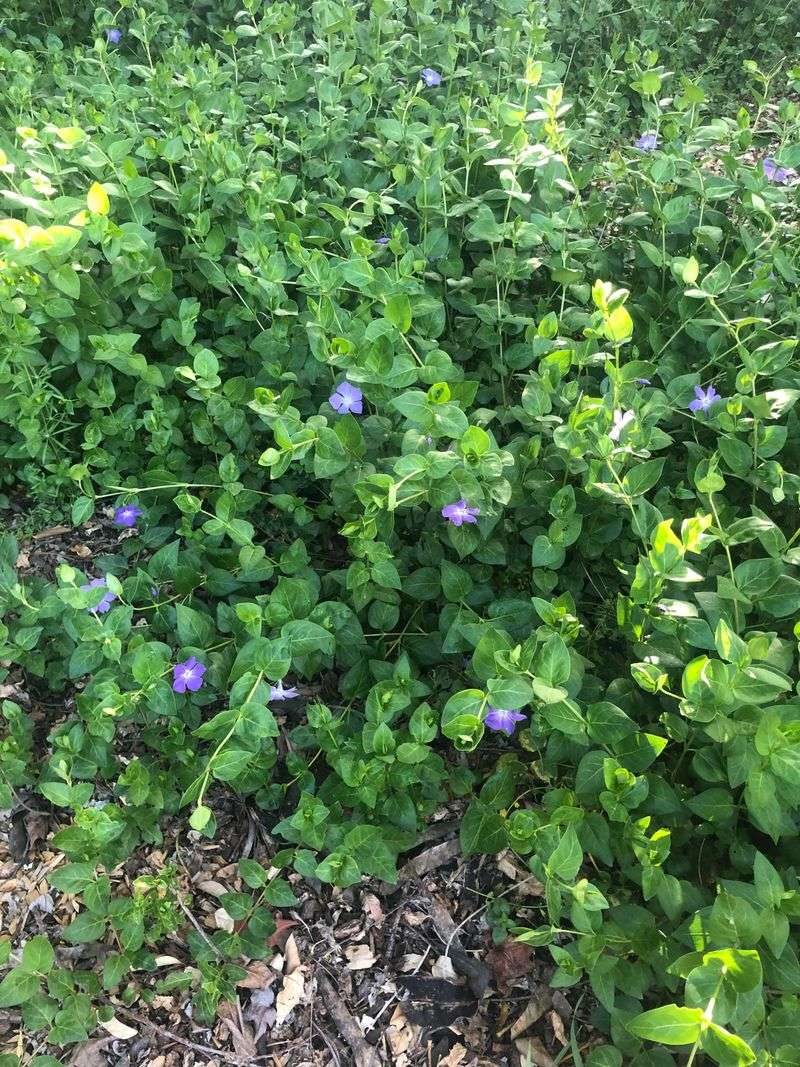
Banned plants are rarely polite enough to stay in one spot. While you are focused on removing the main plant, new shoots can be quietly popping up in nearby beds, along fences, or even in your lawn.
Catching these early makes removal much easier than waiting until they are fully established.
After removing the main plant, do a thorough sweep of the surrounding area. Get low to the ground and look carefully between other plants.
Some invasive species send out underground runners that can travel several feet before surfacing. Others drop seeds that sprout nearby within just a few weeks.
Check your yard at least once a week for new growth in the weeks following removal. Early sprouts are much easier to pull by hand than mature plants with developed root systems.
Keep a small trowel with you during your checks so you can dig out anything suspicious right away. Make a simple map or take photos of where the original plant was located.
This helps you focus your monitoring on the highest-risk areas. If you have garden beds that are close to where the banned plant was growing, consider pulling back any mulch to inspect the soil underneath.
Invasive shoots sometimes hide beneath mulch layers before breaking through. Staying alert for several months after removal gives you the best chance of catching any regrowth before it becomes a new problem.
7. Avoiding Herbicide Guesswork Around Other Plants
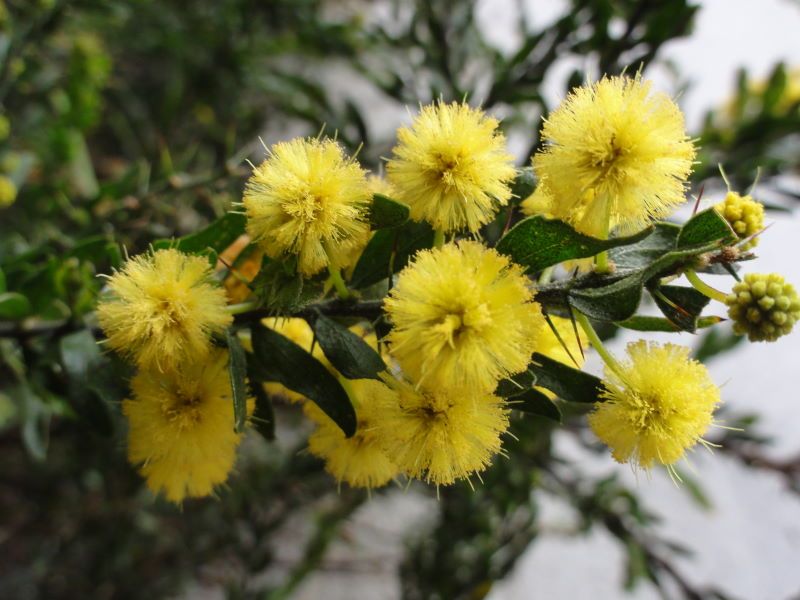
Reaching for a bottle of herbicide might seem like the quickest fix, but using the wrong product or applying it carelessly can cause serious damage to your other plants, your soil, and even nearby water sources.
Not every herbicide works on every invasive plant, and some can linger in the soil long after application.
California has strict rules about which herbicides can be used near waterways, in residential areas, and around food gardens.
Using a product incorrectly, or using a restricted one without proper certification, can lead to fines.
Always read the entire label before applying anything, and follow the directions exactly as written.
If you are not confident about which product to use, contact your county’s agricultural commissioner or a licensed pest control adviser. These professionals can recommend the right herbicide for your specific plant and situation.
They can also tell you how to apply it safely without harming your other garden plants or the surrounding environment.
Some invasive plants respond better to manual removal than to herbicide, especially if they are located near edible plants or water features.
Herbicide should be a thoughtful choice, not a first instinct. Taking a few extra days to get the right advice before applying any chemical product is always worth it.
Your garden, your neighbors, and local wildlife will all be better off for it.
8. Calling The County Before Moving Anything
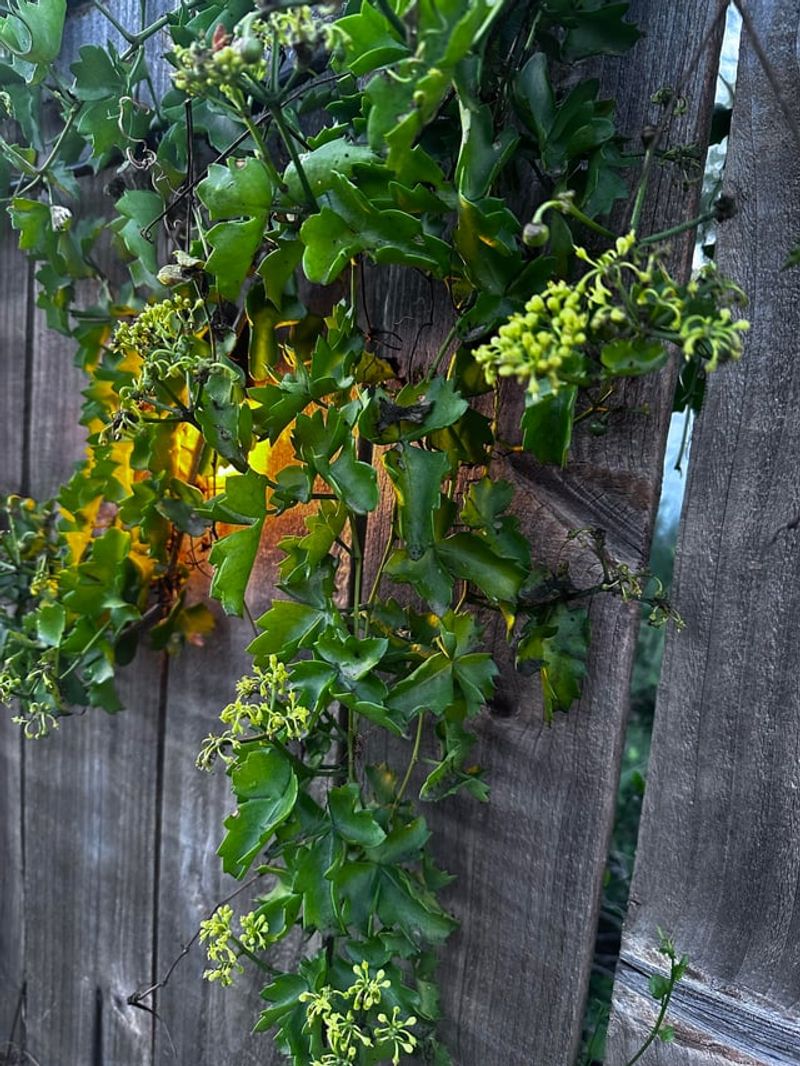
Before you load up your car with bags of invasive plant material or haul a large root ball to a disposal site, make a quick call to your county office.
Moving certain banned plant species without following proper protocols can actually spread the problem further, and in some cases it may even be against the law.
California counties have different rules about transporting invasive plant material. Some require that all material be double-bagged and sealed.
Others have designated drop-off sites or require you to schedule a special pickup. Your county agricultural commissioner’s office is the right place to start.
They handle plant regulation and can walk you through the local rules quickly.
Calling ahead also gives you a chance to report the plant’s presence. Some counties maintain records of where invasive species are found, which helps them track how far a plant has spread across the region.
Your report could help a neighbor or a nearby park avoid the same problem. County staff can also point you toward local resources, like free removal programs or master gardener volunteers who can offer hands-on help.
Many homeowners are surprised to find that their county already has a system in place for exactly this situation.
A five-minute phone call can save you hours of confusion and help you stay on the right side of local regulations while doing the right thing for your community.
9. Replacing It With A Better-Behaved Lookalike
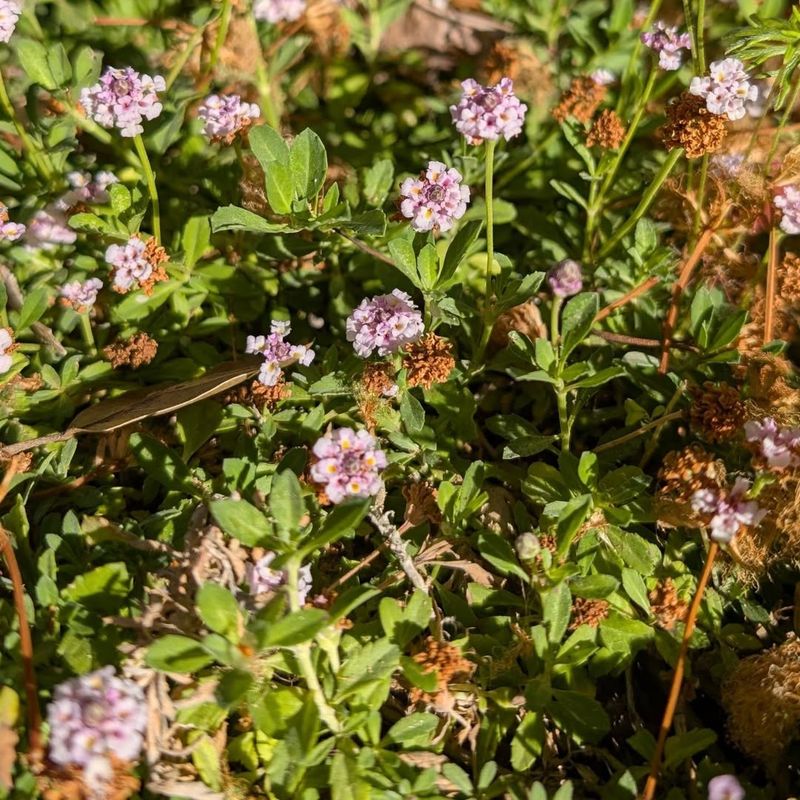
Once you have removed the banned plant, the bare spot it leaves behind is actually an opportunity.
Filling that space with a well-chosen native or non-invasive plant helps prevent the banned species from returning and gives your yard something beautiful and responsible to grow into.
California has a rich variety of native plants that are both attractive and easy to care for.
Think about what drew you to the original plant in the first place. Was it the height? The flowers? The way it filled a corner of the yard?
There are native California alternatives that can match almost any look or function. For example, native grasses like blue oat grass can replace invasive ornamental grasses.
California lilac, or ceanothus, offers similar fullness to many banned shrubs without the risks.
Visit a local native plant nursery and describe what you are looking for. Staff at these nurseries are usually very knowledgeable and enthusiastic about helping homeowners make smart plant choices.
The Theodore Payne Foundation and many local chapters of the California Native Plant Society offer plant sales and advice.
Choosing a native replacement also supports local pollinators, birds, and other wildlife that depend on plants they have evolved with over thousands of years.
Your yard can still look lush and full without causing harm to the broader environment around you. That is a win for everyone involved.