These Pepper Varieties Love California Heat And Keep Producing Into Summer
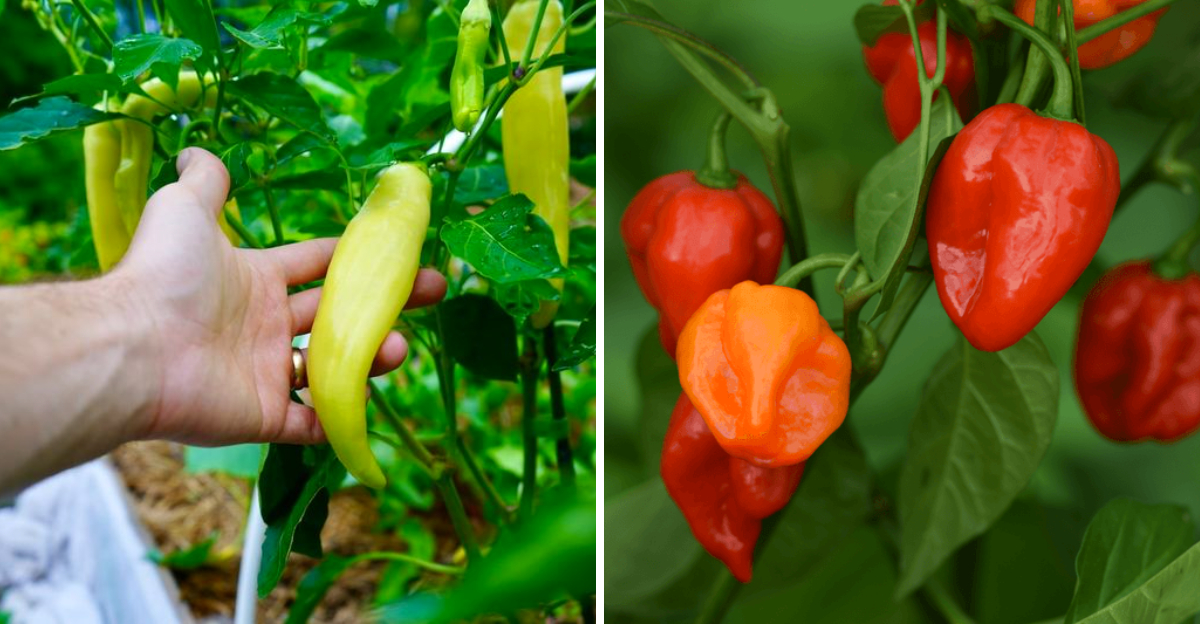
Let’s take a moment to appreciate the pepper. While half the vegetable garden is dramatically wilting the second a heat wave rolls in, peppers are out there soaking up every last bit of sunshine like they absolutely planned it this way.
And in California, where summers can get seriously intense, that kind of attitude is exactly what you want in a garden plant. The thing is, not all peppers handle heat the same way.
Choose the right variety and you are looking at a plant that produces generously through the hottest months of the year without skipping a beat.
Choose the wrong one and you might find yourself with a lot of flowers and not much else.
The good news is that California gardeners have some fantastic options, and picking the right pepper for a hot sunny garden is easier than you might think.
1. Anaheim Peppers Keep Producing In Heat
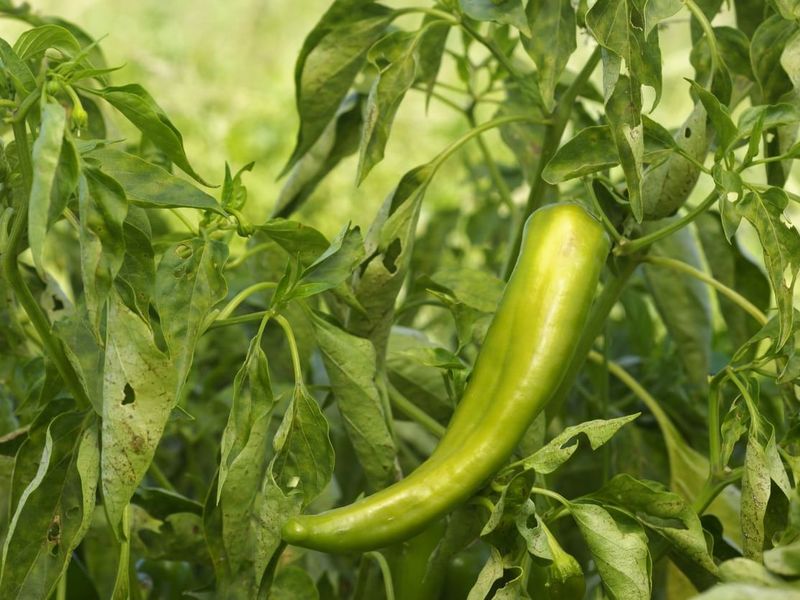
Hot garden beds along California’s inland corridors are where Anaheim peppers tend to show their best qualities.
These long, mild chiles originated in the Southwest and have become a staple in home gardens because they handle warm soil and strong sun without slowing down fruit production significantly.
Plants stay bushy and upright through the summer months, which makes them easy to manage in raised beds and backyard rows.
Anaheim peppers typically reach about six to eight inches long and mature from green to red if left on the plant. Many gardeners harvest them green for roasting, stuffing, or making chiles rellenos.
Picking regularly encourages the plant to keep flowering and setting new fruit rather than putting all its energy into ripening a few pods.
Watering consistently matters a lot during peak summer heat. Dry spells can cause flower drop, which cuts into your harvest.
Mulching around the base of the plant helps hold soil moisture and keeps roots from overheating on the hottest afternoons. In most California climates, Anaheim plants started in spring can produce well into early fall with reasonable care.
2. Jalapeños Thrive As Temperatures Rise
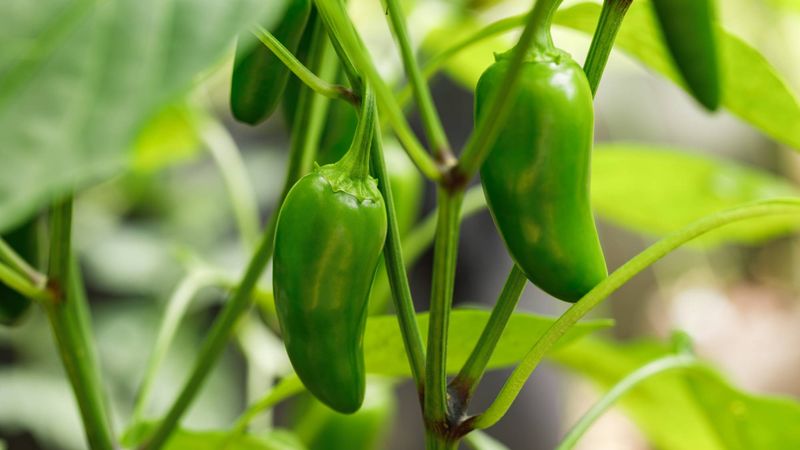
Few peppers feel more at home in a California summer garden than the jalapeño. Walk through any neighborhood with backyard vegetable plots and you will likely spot those glossy dark green pods hanging from compact, well-branched plants.
Jalapeños are widely grown across California because they set fruit reliably in warm weather and keep producing over a long stretch of the season without much fuss.
The plants stay relatively compact, which makes them a solid choice for containers on patios or smaller raised beds where space is limited. They respond well to consistent watering and a bit of balanced fertilizer through midsummer.
If plants start looking pale or yellow, a light feeding often brings them back to strong production quickly.
Jalapeños mature green but will turn red if left on the plant, and red jalapeños tend to be slightly sweeter with a bit more heat. Harvesting regularly keeps the plant in production mode rather than letting it focus on seed development inside mature pods.
Your California Garden Changes Every Week. Your Plan Should Too.
Gardening in California changes quickly throughout the season. Every Friday you’ll receive a simple weekly plan showing exactly what to plant, prune, fertilize, harvest, and protect so you never miss the right timing.
Gardeners in California’s warmer inland zones often find that jalapeños planted in April or May can produce well through September and sometimes beyond, especially with steady irrigation and good drainage.
3. Serranos Stay Productive In Summer Heat
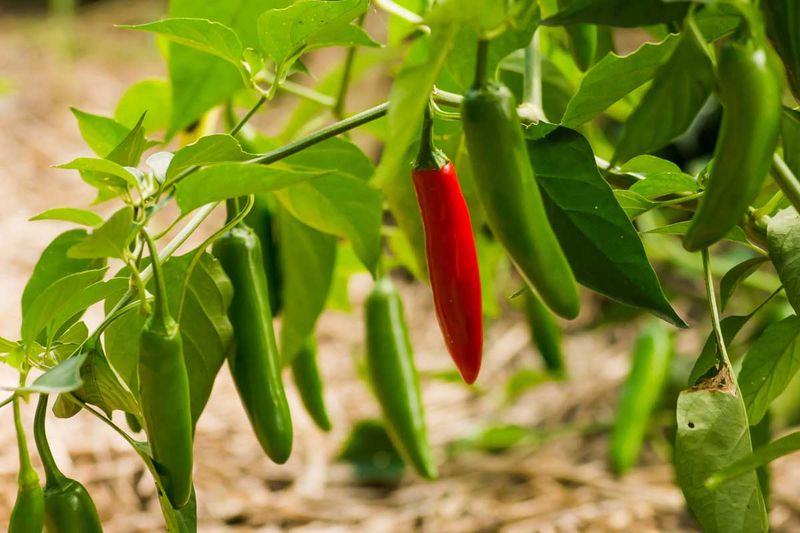
Smaller hot peppers often outperform larger varieties when California heat really builds, and serranos are a good example of that pattern. These slender, thin-walled peppers come from Mexico and carry noticeably more heat than jalapeños.
They tend to set fruit steadily through warm weather, which makes them a reliable option for gardeners who want a continuous supply of fresh hot peppers from midsummer onward.
Serrano plants grow upright and branch out as the season progresses. They do well in containers, raised beds, and in-ground plots as long as drainage is reasonable and watering stays consistent.
Like most hot peppers, serranos tend to be fairly forgiving when temperatures spike, but they still appreciate regular moisture to prevent blossom drop during extreme heat events.
The flavor is bright and grassy with a clean, sharp heat that many cooks prefer for fresh salsas, pico de gallo, and hot sauces. Pods ripen from green to red, and both stages are usable in the kitchen.
Gardeners who grow serranos often mention that the plants stay productive longer than expected, sometimes carrying fruit well into September in warmer inland areas with continued watering and occasional light feeding throughout the summer months.
4. Cayenne Peppers Love Hot Weather
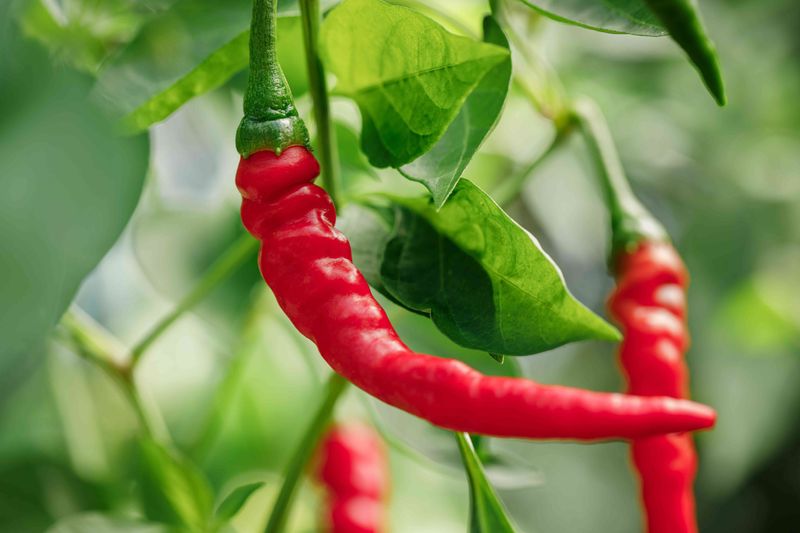
Long rows of cayenne peppers turning red in a warm California backyard are a satisfying sight by late summer. Cayenne is one of those pepper varieties that genuinely seems to enjoy heat, pushing out slender pods consistently as temperatures climb.
The plants grow tall compared to many other pepper types, often reaching three feet or more by midsummer, and they benefit from light staking in windy spots.
Cayenne peppers carry significant heat and are widely used dried and ground into powder, added to hot sauces, or used fresh in cooking. Drying them is simple in warm, dry summer air.
Many gardeners string the ripe red pods together and hang them in a shaded, well-ventilated spot to dry naturally over several weeks.
Production tends to be generous when plants receive steady water and full sun. California’s long warm season gives cayenne plants plenty of time to cycle through multiple flushes of fruit from summer into early fall.
Thin-walled pods dry down faster than thick-walled varieties, which is part of what makes cayenne so practical for home preserving.
Keeping up with harvests encourages the plant to keep flowering rather than slowing production once a full load of ripe pods weighs down the branches.
5. Habaneros Handle High Heat Well
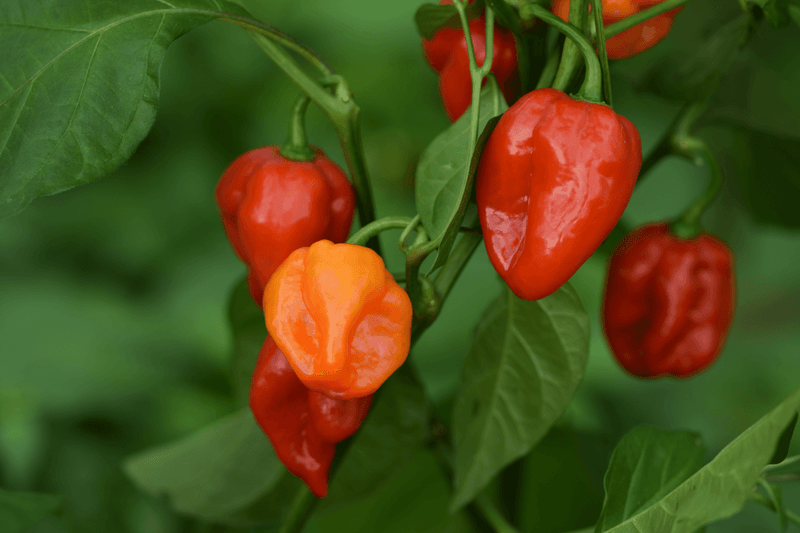
Picking a habanero off the vine in a California backyard on a hot August afternoon feels like a small, fiery reward for patient gardening.
Habaneros are known for intense heat and fruity, citrus-like flavor, and they tend to thrive in warm climates where long growing seasons give the pods time to mature fully.
California’s warmer inland regions and valley areas can be well suited to habanero production.
These plants take a bit longer to start producing than jalapeños or serranos, but once they get going they can be quite generous. Starting seeds indoors in late winter or early spring gives habaneros the head start they need to produce well before summer ends.
Transplanting into warm soil after the last frost risk has passed sets them up for a strong season.
Habaneros prefer steady moisture and do not respond well to extended dry spells, which can cause flower drop or poor fruit set. In drier summer months, consistent drip irrigation or hand watering makes a real difference.
Pods ripen from green through orange or red depending on the variety, and the flavor deepens noticeably as they reach full color.
Wearing gloves when harvesting or handling habaneros is a practical habit worth developing early in the season.
6. Banana Peppers Keep Harvests Coming
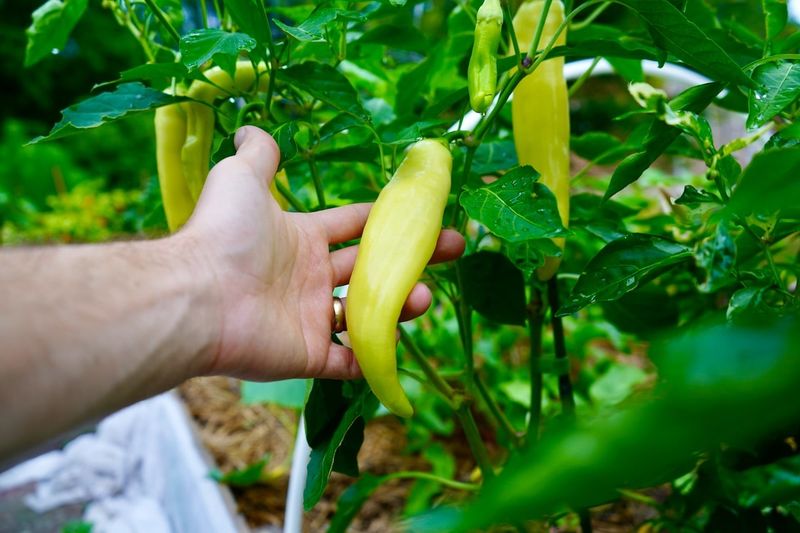
Summer harvest baskets in California often include a generous pile of pale yellow banana peppers, and it is easy to see why they stay popular with home gardeners.
Banana peppers are mild, crisp, and versatile in the kitchen, and the plants tend to produce steadily through warm weather without requiring a lot of extra attention beyond regular watering and the occasional harvest session.
The pods are long, tapered, and bright yellow when ripe, though they will eventually turn orange and red if left on the plant. Many gardeners prefer them harvested yellow for pickling, sandwiches, and salads.
The mild heat level makes them approachable for people who enjoy the flavor of peppers without the intensity of hotter varieties.
Banana pepper plants stay fairly compact and work well in raised beds and large containers on patios and decks. They appreciate full sun and consistent soil moisture, especially when temperatures climb above 90 degrees in inland areas.
Mulching the soil surface helps reduce moisture loss during hot afternoons. Picking pods regularly as they reach full size keeps the plant in production mode and prevents the branches from getting weighed down by oversized fruit.
With steady care, banana pepper plants can produce reliably from early summer through September in many California growing areas.
7. Shishitos Stay Reliable Through Summer
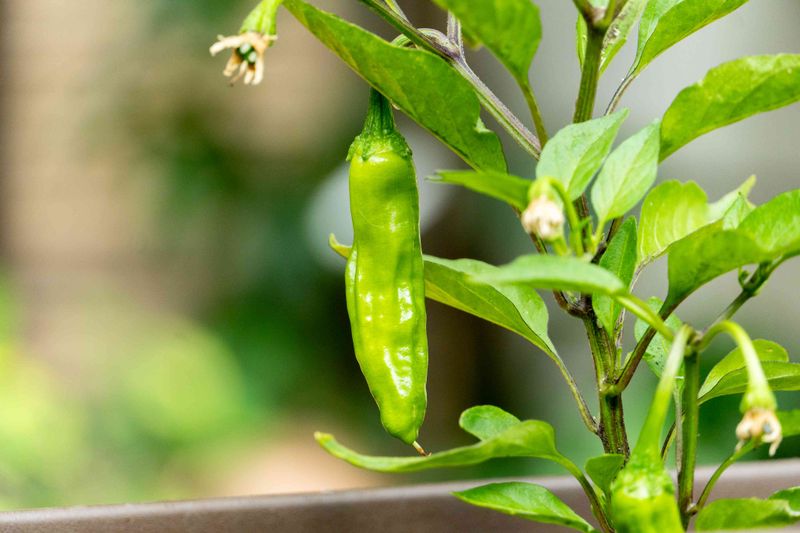
Trendy in restaurant kitchens but equally at home on a patio, shishito peppers have earned a loyal following among home gardeners who want something a little different in their summer harvest.
These small, thin-walled Japanese peppers are mild most of the time, though about one in ten pods carries a surprising kick, which makes snacking on blistered shishitos a fun experience.
Shishito plants tend to be compact and well-branched, making them well suited to container growing on patios and balconies where space is limited. They produce clusters of slender green pods that are typically harvested before they turn red.
In California’s warm summers, shishito plants can push out new pods at a satisfying pace when watered consistently and given full sun.
Blistering shishitos in a hot cast iron pan with a bit of oil and flaky salt is one of the easiest and most satisfying ways to use them. The thin walls cook quickly and the flavor becomes slightly sweet and smoky.
For gardeners who enjoy cooking with what they grow, shishitos offer a nice change from the usual summer pepper lineup.
They tend to stay productive through the warmer months without demanding a lot of extra care beyond good drainage and steady irrigation during dry summer season.
8. Carmen Peppers Produce For A Long Season
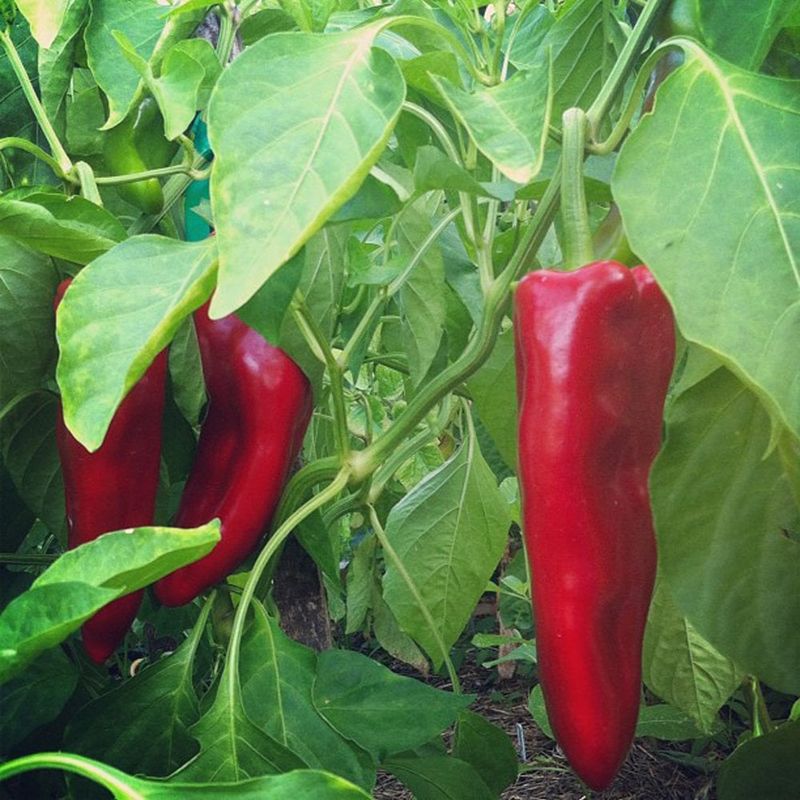
Watching a Carmen pepper plant load up with tapered red pods through a long summer is one of the more rewarding experiences a home gardener can have.
Carmen is an Italian sweet pepper variety that has become popular in California gardens because it ripens reliably even in warm conditions and offers excellent flavor with thick, juicy walls.
The pods are shaped like a horn, tapering to a point, and they ripen from pale green to a deep, glossy red. Carmen peppers are sweet with no heat, which makes them appealing for raw eating, roasting, and grilling.
The thick flesh holds up well on the grill and develops a rich, caramelized flavor when roasted in the oven.
Carmen plants grow vigorously when given full sun and consistent moisture. They can benefit from light staking as the season progresses and the branches fill with fruit.
In California’s inland valleys where summer days are long and warm, Carmen peppers tend to produce over an extended stretch of the season. Starting plants early in spring gives them enough time to establish before peak heat arrives.
Regular harvesting encourages new flowering and helps the plant maintain steady production rather than slowing down once a full set of pods has reached maturity.
9. Corno Di Toro Keeps Flavor Coming
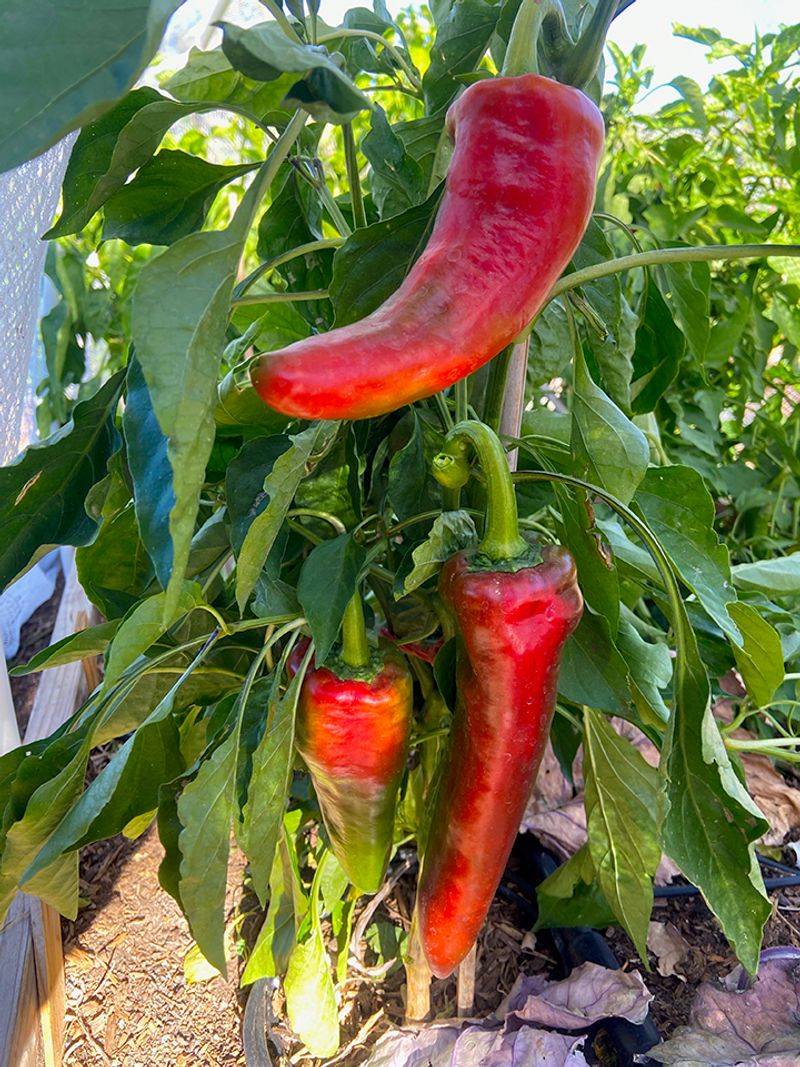
The name translates to bull’s horn in Italian, and one look at the long, curved pods explains why.
Corno di Toro is a traditional Italian sweet pepper that has found a welcoming home in California gardens, particularly in areas where warm summers and dry heat mimic the Mediterranean climate these peppers evolved in.
The flavor is sweet, slightly fruity, and noticeably richer than many standard bell pepper varieties.
Plants grow tall and produce generous clusters of elongated pods that ripen from yellow-green to red or yellow depending on the variety. Both color types offer excellent flavor, and many gardeners grow one of each to add visual variety to summer harvests.
The thin walls make these peppers easy to roast whole, and the skin peels off cleanly after a few minutes under a broiler or over an open flame.
Corno di Toro plants appreciate deep, consistent watering during dry summer months, especially in sandy or fast-draining soils.
They tend to set fruit steadily through warm weather and can keep producing into early fall in many California growing zones.
Giving plants a layer of mulch and a balanced fertilizer application at midsummer can help sustain production during the longest, hottest stretch of the California growing season.
10. Marconi Peppers Do Well In Warm Weather
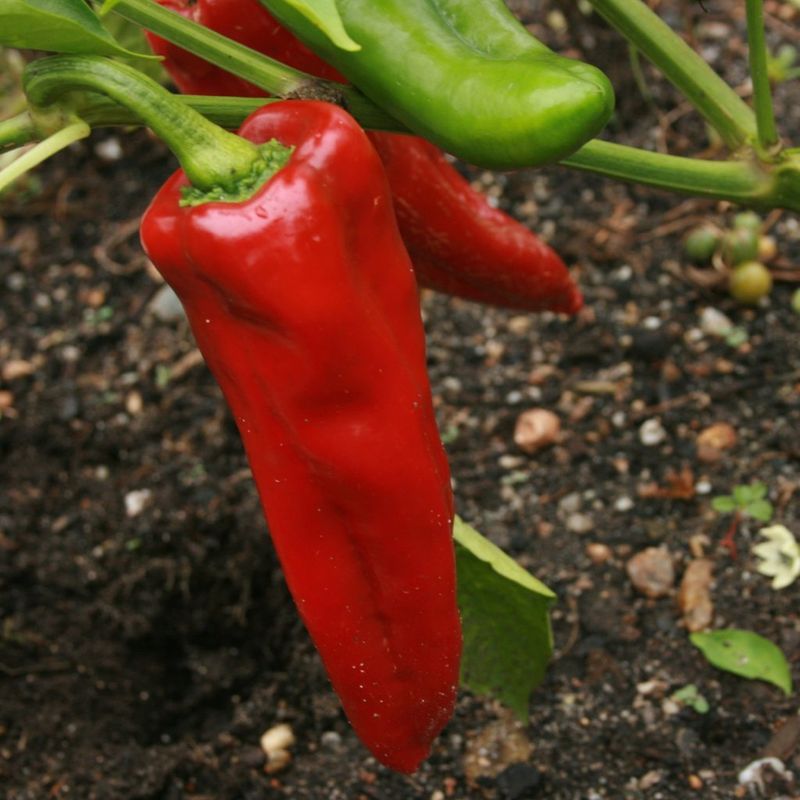
Some gardeners describe Marconi peppers as one of the most satisfying sweet peppers to grow in a warm-summer garden, and the flavor backs that up.
Marconi is a large, elongated Italian heirloom pepper with thick, sweet walls and a mild, almost candy-like richness when fully ripe.
The pods can reach eight inches or more in length and ripen from green to a deep red that looks striking in the garden and on the plate.
These plants tend to grow vigorously in California’s warm inland areas and respond well to full sun exposure and steady irrigation. Like other large sweet peppers, Marcoris can benefit from staking as the branches fill with heavy pods through midsummer.
Consistent soil moisture reduces the risk of blossom end problems and helps pods develop evenly without stress-related interruptions.
Marconi peppers are especially popular for roasting and grilling because the thick flesh softens beautifully and the sweetness intensifies with heat.
They also work well stuffed and baked, sliced raw into salads, or eaten straight off the plant when fully ripe.
Starting plants early in the season gives gardeners the best chance of seeing a full, productive summer harvest from Marconi before cooler fall temperatures eventually begin to slow the plants down toward the end of the season.