Here’s How Kansas Homeowners Can Tell Mole Holes From Vole Holes
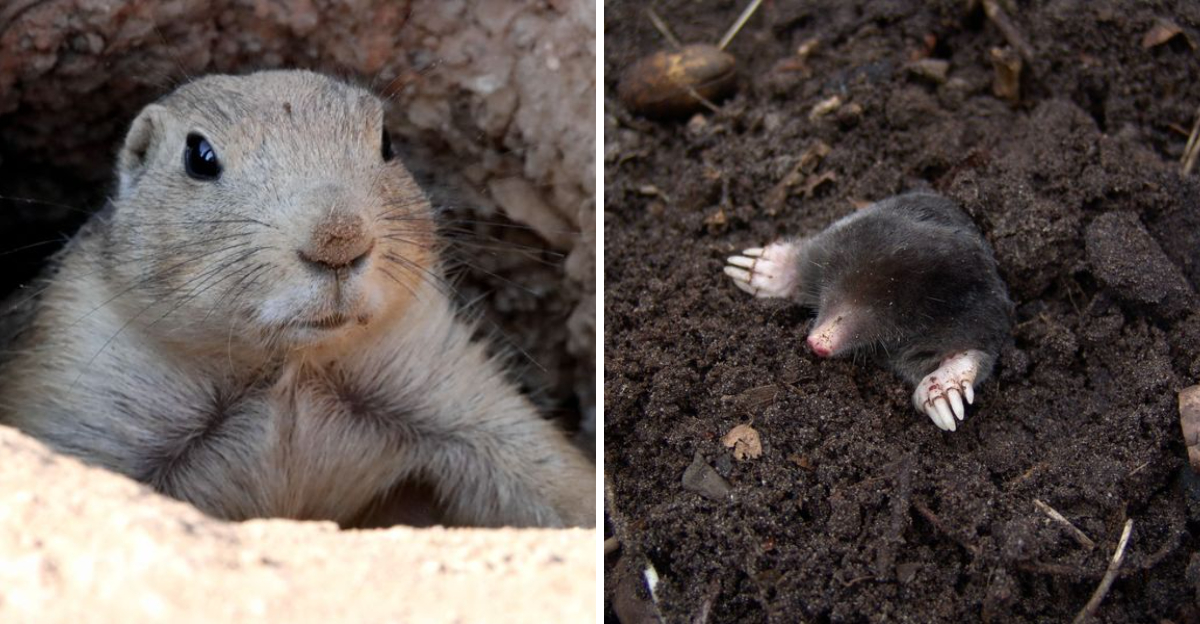
Overnight change greeted you, and the ground now looks noticeably disturbed. Dirt mounds rise beside narrow tunnels stretching across your damaged lawn.
Confusion sets in fast when you spot nearly identical calling cards. Moles and voles behave differently, yet you’ll see closely similar damage. Kansas homeowners like you face this confusion every single season.
Tunnels crisscross beneath your grass while trails wind slowly through thinning patches. Neither pest waits for your permission, and neither reveals its signature instantly.
Distinguishing raised ridges from clean round holes helps you win much faster. Backyards across Kansas look different depending on which visitor moved in.
Guessing wastes your money on wrong traps, wrong bait, and wrong repellents. Patterns exist though, and you can learn exactly what moved through.
Clear signs let you separate each culprit from its counterpart instantly. Ignoring these clues now can cost you more time, more money, and ongoing frustration.
1. Check For A Volcano-Shaped Mound
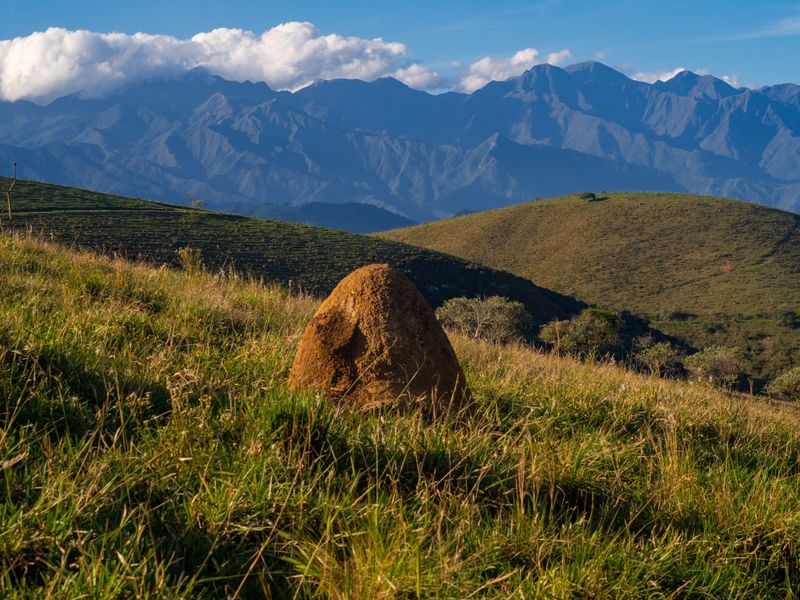
That cone of dirt in your yard is not random. Moles push soil straight up as they tunnel underground, creating a classic volcano shape.
The mound sits high in the center and fans outward at the base. It looks almost like a small mound of freshly displaced soil.
Voles do not build these raised mounds at all. Their activity stays low and flat, with no dramatic pile of soil above ground.
A mole mound often measures around four to six inches tall, though this can vary. The soil inside is loose, freshly turned, and often darker than the surrounding turf.
If you press the center gently, the dirt gives way easily. That soft texture confirms something was digging hard just below the surface.
Voles prefer to move along the top of the ground or just barely beneath it. They leave shallow grooves, not raised cones of displaced earth.
Spotting a volcano-shaped mound is one of the fastest ways to confirm mole holes versus vole holes in your lawn. The shape alone tells a clear story.
Once you see one of these mounds, check the surrounding area for more. Moles rarely stop at just one tunnel, and the damage often spreads quickly.
2. Look For Flat, Cleared Soil
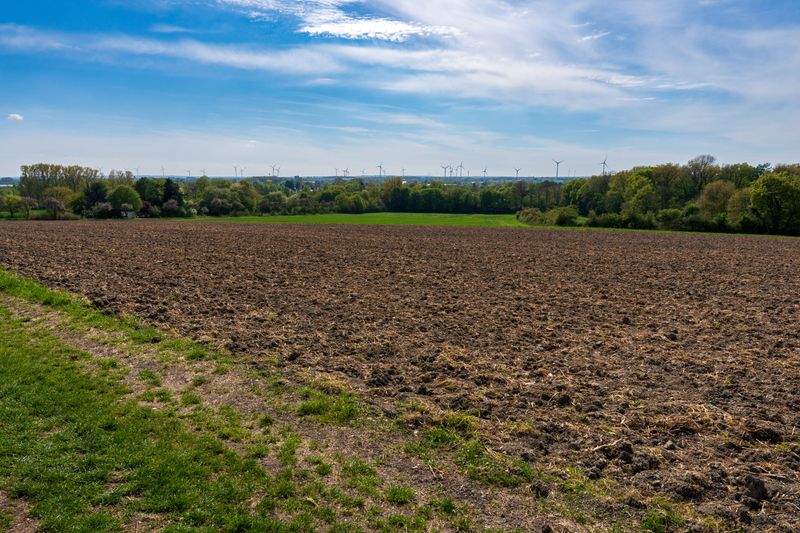
Flat ground with cleared soil near grass edges is a vole calling card. These small rodents clear away debris around their openings to move in and out fast.
Unlike moles, voles do not push soil upward into mounds. Their entrances sit nearly flush with the ground, blending into the lawn.
You might notice a small patch of bare dirt surrounded by chewed grass. That clearing is the vole’s front door, kept tidy for quick escapes.
Moles never bother clearing the surface like this. Their energy goes into pushing soil upward, not sideways along the ground level.
Flat, cleared patches often appear along fence lines, garden borders, and the edges of mulched beds. Voles love these protected corridors for travel and feeding.
The bare soil around a vole opening is usually packed down from repeated use. You can sometimes spot tiny footprints pressed into the dirt if you look closely.
Your Kansas Garden Changes Every Week. Your Plan Should Too.
Gardening in Kansas changes quickly throughout the season. Every Friday you’ll receive a simple weekly plan showing exactly what to plant, prune, fertilize, harvest, and protect so you never miss the right timing.
Mole holes versus vole holes often come down to this one detail. A mound means mole; a flat cleared patch means vole.
If you find these flat openings, check nearby plant roots for gnaw marks. Voles feed underground on roots and bulbs, leaving plants wilted without obvious cause.
Catching this early sign saves your garden before the damage spreads any further into your beds.
3. Notice Raised Surface Ridges
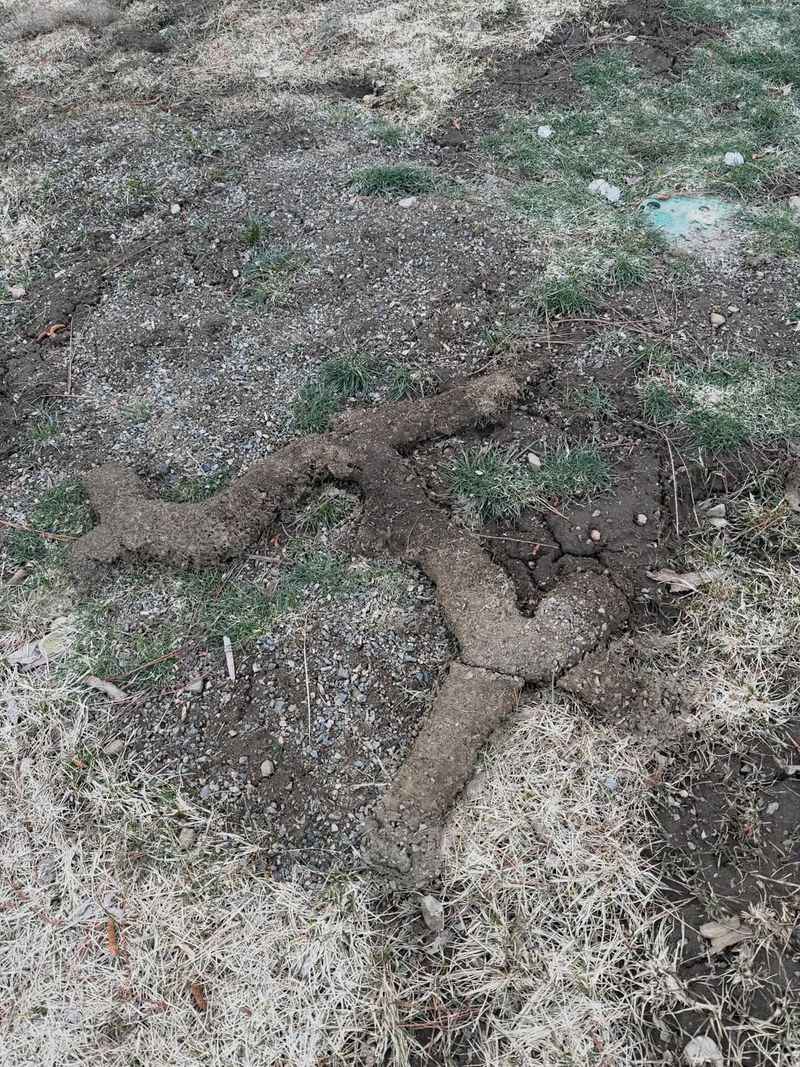
Walking across your lawn and feeling a spongy ridge underfoot is a common sign worth checking. Those raised lines running through your grass are mole tunnels built just below the surface.
Moles create two types of tunnels. Deep tunnels are for living, and shallow tunnels are for hunting earthworms near the surface.
The shallow ones push the turf upward into long, winding ridges. You can press them down with your foot, but they usually pop back up within days.
Voles do not create these underground ridges. Their tunnels are either on top of the soil or barely scratched into the surface layer.
A mole ridge can stretch several feet in a single line before curving or branching. Following the ridge often reveals a whole network spreading across the yard.
These ridges are easiest to spot in the morning when low sunlight casts shadows across the lawn. The angle of light makes the bumps stand out clearly.
Grass along the ridge often turns yellow or brown because the roots have been lifted away from the soil. The plants dry out fast once contact with the ground is broken.
Identifying raised surface ridges is a key step in telling mole holes from vole holes. This sign points directly at mole activity with little room for doubt. Once ridges appear, tunnel systems tend to expand over time, so timely action helps.
4. Compare Hole Size And Width
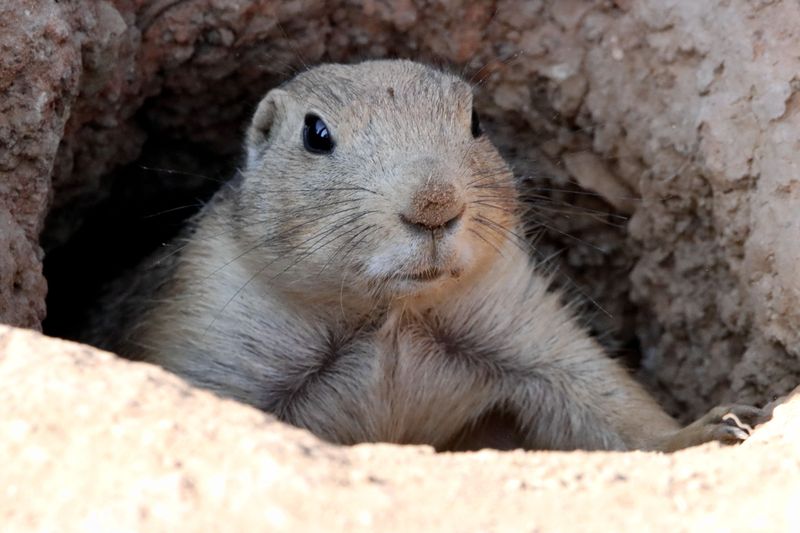
Grab a ruler and crouch down for a closer look. Hole size is one of the most reliable clues in figuring out who made the opening.
When a mole hole is visible, it’s often around one to two inches wide, though size can vary by soil type. Most of the time, though, moles seal their entrances with soil, so the mound itself is the clue you’ll spot, not an open hole.
Vole holes tend to be smaller and neater, often around one to one-and-a-half inches in diameter.
Size alone does not always settle the debate, but combined with other signs, it narrows things down fast. A coin placed next to the hole gives you an easy size comparison.
Mole openings sometimes look ragged or irregular because the animal is not concerned with keeping a tidy entrance. The goal is speed, not neatness.
Vole openings look almost intentional by comparison. The edges are smooth, and the hole goes straight down or at a slight angle into the ground.
Young vole holes can be surprisingly small, sometimes barely big enough to fit your pinky finger. Older, well-used openings are wider from constant traffic.
Mole holes versus vole holes become clearer once you start measuring. A consistent pattern of hole sizes across your Kansas yard tells you which animal has moved in. Checking hole width is a quick field test anyone can do without any special tools or training.
5. Search For Chewed Grass Runways
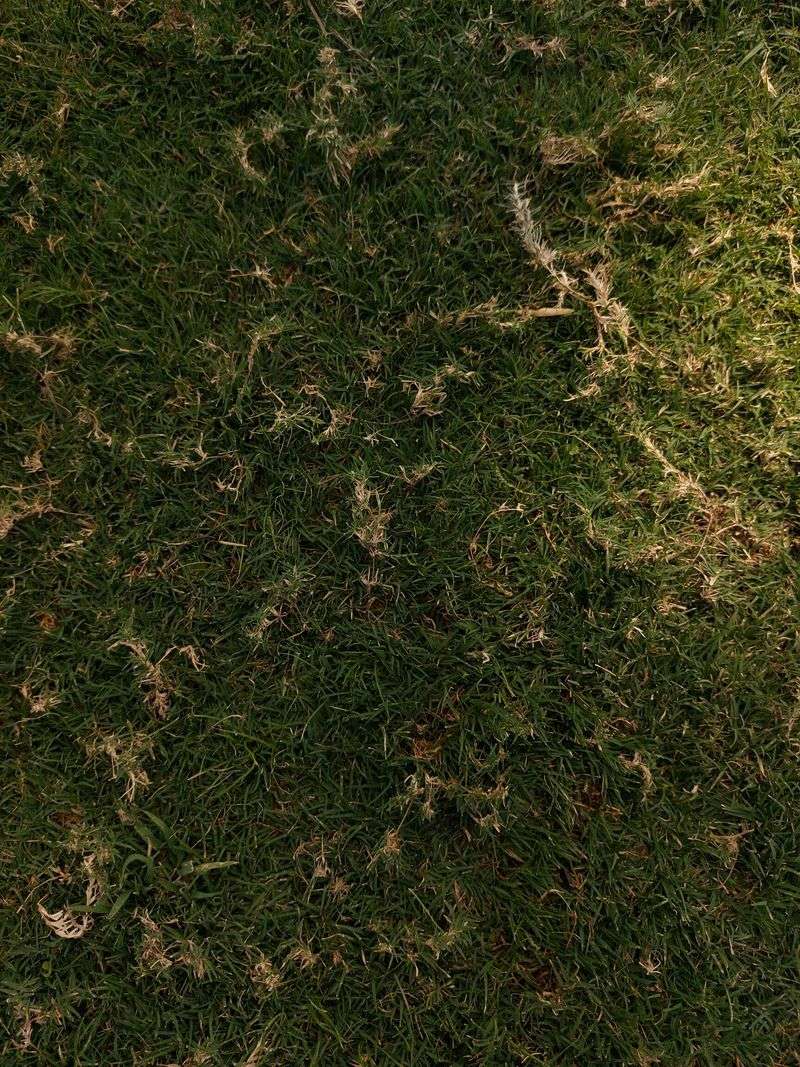
Thin paths of flattened, chewed-up grass cutting across your lawn are a vole signature. These surface runways look like tiny highways worn down by small, busy feet.
Voles travel the same routes over and over, clipping grass as they go. The repeated trips pack the soil beneath the path and leave the turf looking stripped.
Moles do not create surface runways like this. They stay underground and have no reason to forge visible paths across your lawn.
Vole runways are typically one to two inches wide and can stretch several feet. They often connect multiple hole openings in a loose, winding network.
The grass along these paths is usually chewed short or completely gone. You might also find small piles of clippings left behind near the openings.
In regions with winter snow cover, these runways often become most visible in late winter or early spring when snow melts away.
Moles create underground highways, but voles build theirs right on the surface for everyone to see. That contrast is one of the clearest separators between the two animals. If you spot runways connecting to flat openings, you have a vole situation on your hands.
Knowing that distinction between mole holes and vole holes helps you choose the right response. Follow a runway to its end and you will likely find a nest tucked under mulch or debris.
6. Spot Multiple Connected Openings
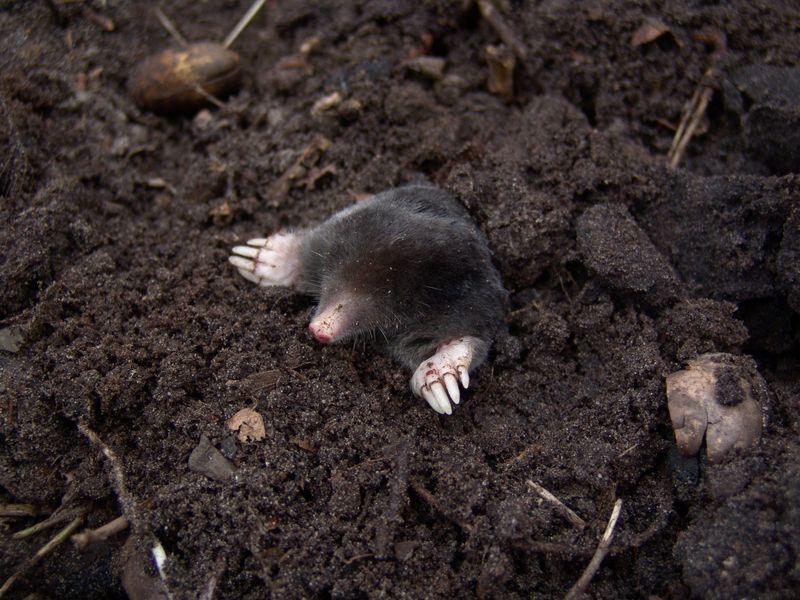
One hole could be anything. A cluster of connected openings tells a much more specific story about who is living beneath your lawn.
Voles build colonies with multiple entrances linked by tunnels and surface runways. Finding three or more openings within a few feet of each other strongly suggests vole activity.
Moles are mostly solitary and do not create clusters of connected surface openings. Their tunnel systems are extensive but not designed with multiple visible entry points close together.
A vole colony can sometimes have many openings spread across a garden bed or lawn section, depending on population size. Each hole serves a purpose, whether for entry, escape, or ventilation.
When you find one vole hole, mark it and search a three-foot radius for others. Connected openings often form a rough circle or oval pattern around a central nest area.
Moles occasionally have a single visible opening at the top of a mound, but they do not build the kind of dense, multi-hole networks that voles prefer.
Many vole species are social and build these interconnected systems. More animals mean more holes, more runways, and more damage to roots and grass.
Telling mole holes from vole holes becomes easier when you map out what you find. A connected cluster of openings almost always points to voles.
Sketching a quick map of hole locations helps you see the pattern and understand how far the colony has spread.
7. Watch For Fresh Soil After Rain
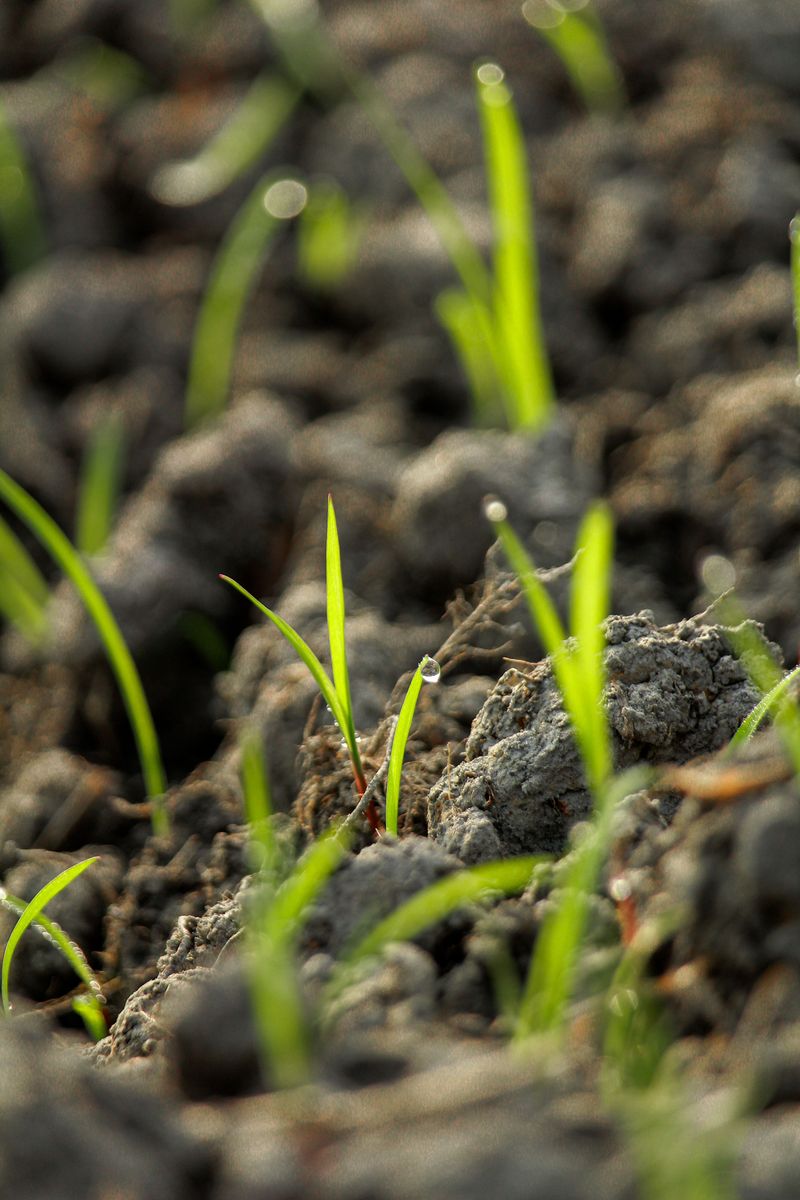
Rain brings moles to the surface in a predictable way. Fresh soil pushed up after a storm is one of the clearest signs of active mole tunneling nearby.
Moles hunt earthworms, which rise closer to the surface after rain soaks the ground. The moles follow, pushing up new mounds as they dig through wet soil.
Voles do not produce fresh mounds after rain. Their activity doesn’t follow that same rain-triggered pattern, though it can still shift with the seasons, and they leave no pushed-up soil behind.
Checking your Kansas yard the morning after a good rain is a smart strategy. Fresh dark mounds that were not there the night before point directly at moles.
The soil in a fresh mole mound is noticeably darker and wetter than the surrounding turf. It also crumbles easily because it was just displaced from several inches below.
Older mole mounds dry out and fade to match the lawn color over time. New ones stand out sharply against green grass after a rain event.
Vole openings after rain may look slightly washed out around the edges. The holes themselves remain, but no new soil piles appear nearby.
Using rain as a timing tool helps you track whether the animal is still active. Mole holes versus vole holes become obvious when you watch for fresh soil patterns.
A yard that sprouts new mounds after every rainfall likely has an active mole tunneling just below the surface.
8. Inspect The Entrance Shape
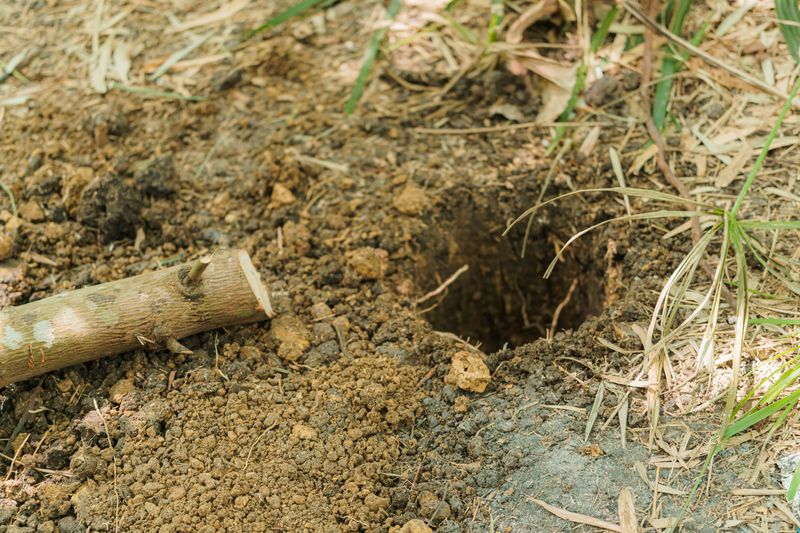
The shape of an entrance hole tells you more than you might expect. Crouching down for a close look at the opening itself reveals key differences between the two animals.
Vole holes have a clean, round shape with smooth edges. The entrance looks almost like it was bored out with a tool, neat and consistent in its curve.
Mole holes, when visible at the surface, tend to have rougher, more irregular edges. The soil around them is often disturbed and pushed outward in a messy ring.
A vole opening goes straight down or angles slightly, following the animal’s preferred travel path. The interior walls are often packed smooth from repeated use over weeks or months.
Mole openings at the surface are less common since moles prefer sealed tunnels. When a mole hole does appear, it sits at the top of a mound rather than flat in the ground.
Checking the entrance angle gives you another clue. Vole holes often angle toward a nearby food source like a garden bed or root system.
Mole holes angle downward steeply because the animal is heading deep underground. The tunnel below a mole opening drops away quickly into darkness.
Learning to read entrance shapes is a skill that pays off fast. Mole holes and vole holes each leave a distinct fingerprint at the surface.
Once you know what to look for, a single glance at an opening tells you exactly which animal you are dealing with.