How To Turn Brown Patches Into A Stronger Oklahoma Lawn Next Year
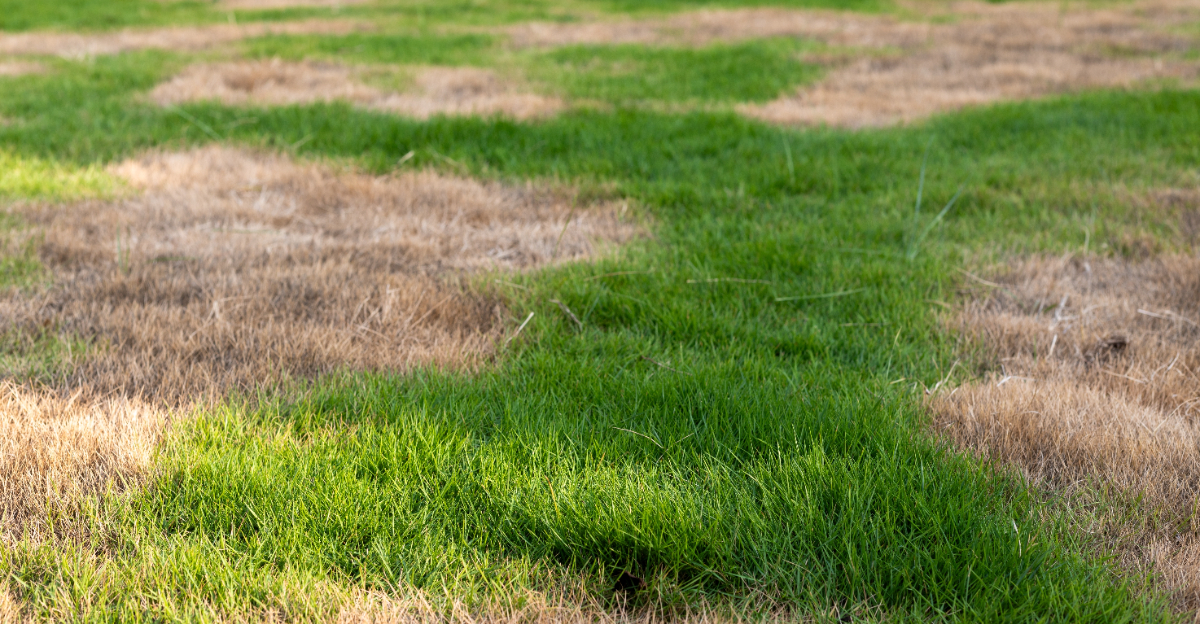
Patchy grass isn’t a personal failing. It’s a message written in dirt and heat. Oklahoma summers challenge lawns intensely, drying roots and depleting soil moisture. Brown spots spread fast once stress takes hold.
Weak turf invites weeds, pests, and disease into your yard within weeks. Every damaged patch you see always reveals a specific cause, compacted soil or shallow roots.
Nothing about this problem is random. Understanding that cause changes everything about how you fix it.
Fall offers Oklahoma homeowners a narrow, powerful window most people waste. Cool-season grass roots strengthen now while temperatures drop and rain returns.
Timing matters more than effort alone. Grass planted or repaired correctly this season builds resilience that lasts through next year’s heat.
Neglect compounds, but action multiplies. Your lawn’s future gets decided in the coming weeks, not next summer. Ignore this window, and you’ll be staring at the same brown patches all over again.
1. Clear Away Brown Grass And Debris
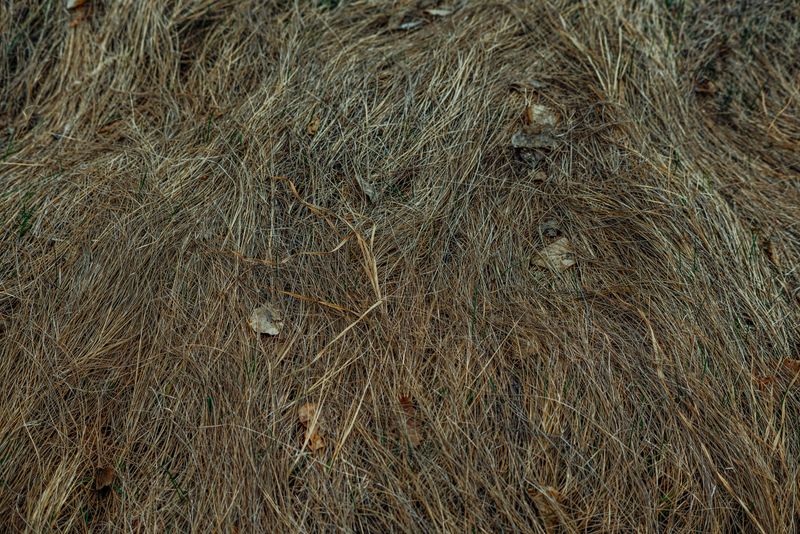
Brown, matted grass is not just unattractive. It is actively blocking your lawn’s recovery. When brown, matted grass sits on the soil, it creates a thick layer called thatch. That layer smothers new growth before it ever gets a chance.
Grab a stiff rake and get to work pulling up all that matted material. You want to expose the bare soil underneath so air and water can actually reach it.
Leaves, twigs, and clumped grass clippings all need to go too. They trap moisture in the wrong places and invite fungal problems that will make your brown patches worse.
Fill yard bags as you go and haul them away from the lawn entirely. Composting them is fine, but leaving them in a pile nearby just moves the problem a few feet.
Once the area is cleared, take a good look at what you are working with. Some patches may be just a few inches wide, while others could span several feet.
Knowing the size and shape of each damaged spot helps you plan how much seed, compost, and water you will need later. A stronger Oklahoma lawn starts with a clean, clear surface that is ready to accept new growth.
Skipping this step is like painting over a wall without sanding first. The results will never hold.
2. Test Soil For Compaction And Drainage
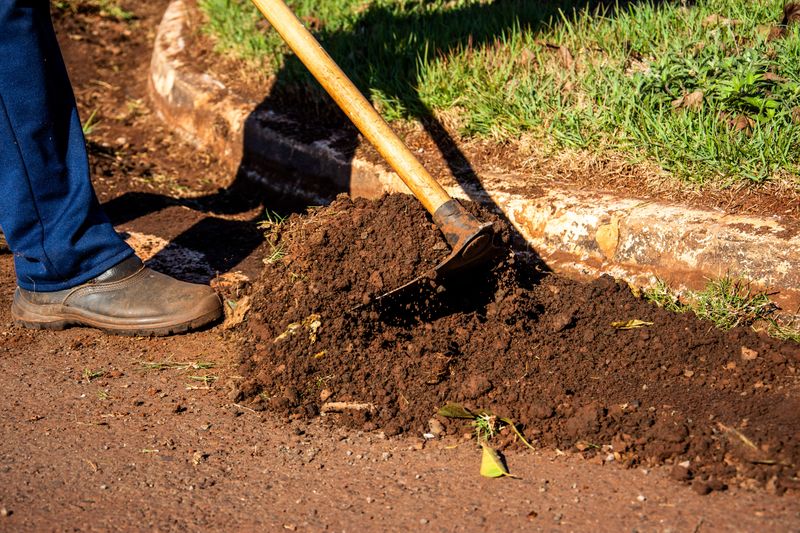
Hard soil is a common but overlooked obstacle to a healthy lawn. You might not see it, but your grass roots feel it every single day.
Compacted soil prevents water from soaking in properly. Instead of reaching the roots, rain just runs off the surface and takes your topsoil with it.
A simple test tells you a lot. Push a screwdriver or a pencil into the ground in your brown patch area.
If it sinks in easily, your drainage is likely fine. If you have to force it, your soil is compacted and needs serious attention.
You can also buy an inexpensive soil test kit at most garden centers. These kits check pH levels, nitrogen content, and other factors that affect how well grass grows.
Your Oklahoma Garden Changes Every Week. Your Plan Should Too.
Gardening in Oklahoma changes quickly throughout the season. Every Friday you’ll receive a simple weekly plan showing exactly what to plant, prune, fertilize, harvest, and protect so you never miss the right timing.
Oklahoma soils tend to be clay-heavy in many regions, which means they compact quickly under foot traffic and summer heat. That clay holds water on the surface but stays bone dry just a few inches down.
Sandy soils in parts of southern and south-central Oklahoma have the opposite issue. They drain too fast and leave grass thirsty even after a good rain.
Knowing your soil type helps you choose the right fix. Whether you need to loosen things up or improve water retention, the soil test points you in the right direction before you spend money on products that might not work.
3. Aerate The Lawn To Loosen Hardened Soil
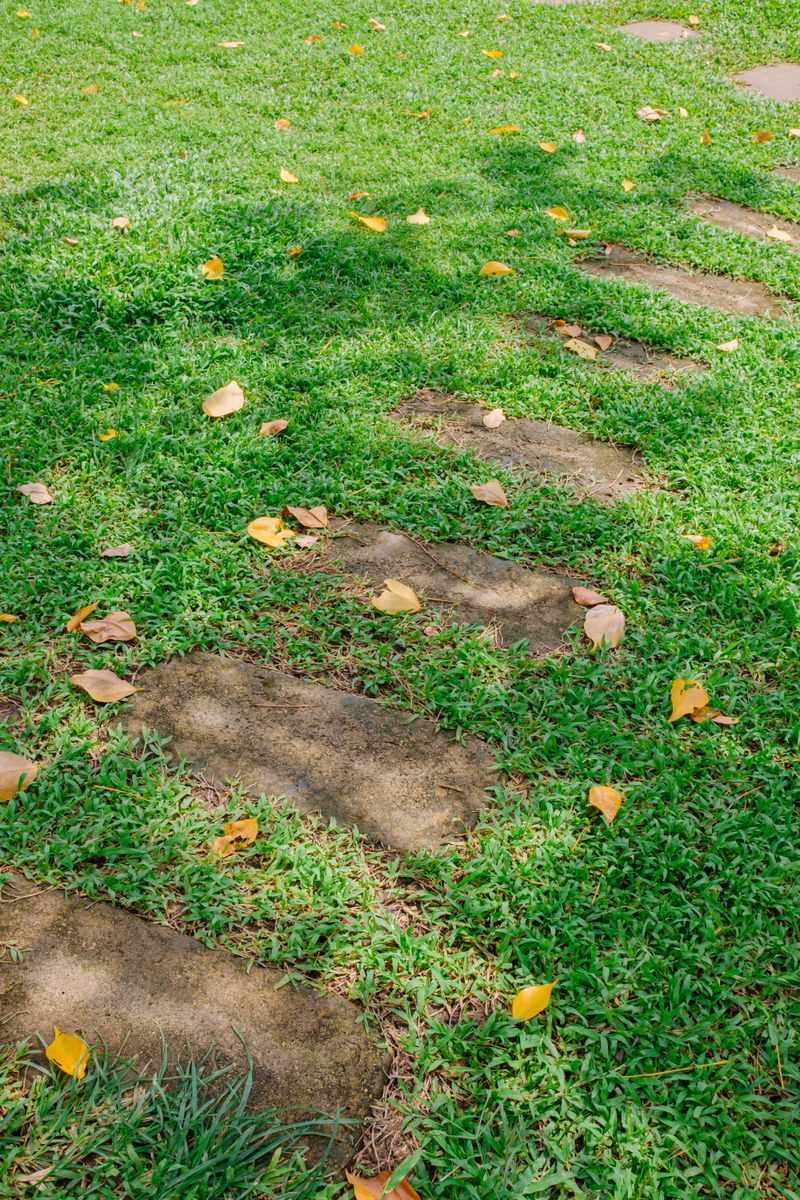
Punching holes in your lawn sounds counterintuitive. But aeration is one of the most powerful things you can do for struggling grass.
A core aerator pulls small plugs of soil out of the ground and leaves behind channels for air, water, and nutrients to travel deep into the root zone. Those channels change everything.
You can rent a walk-behind aerator from most home improvement stores for a reasonable daily fee. For smaller patches, a manual spike aerator or even a garden fork works just fine.
Focus extra attention on the brown areas and any spots that feel hard underfoot. High-traffic zones like paths between the house and driveway need the most help.
The best time to aerate depends on your grass type. For Bermuda, Zoysia, and Buffalo grass, aerate in late spring through mid-summer, while the grass is actively growing and can recover quickly.
For Tall Fescue, early fall is better, since soil is still warm but the grass is entering its main growth phase. Aerating at the wrong time stresses the lawn instead of helping it.
Leave the soil plugs on the surface after you finish. They break down naturally within a week or two and actually return organic matter back to the lawn.
Watering the day before you aerate makes the job much easier. Slightly moist soil allows the tines to penetrate deeper and pull cleaner plugs.
After aeration, your lawn absorbs water and nutrients more efficiently. Every drop of water and every nutrient you add from this point forward will go exactly where your grass needs it most.
4. Spread Compost Over Damaged Patches
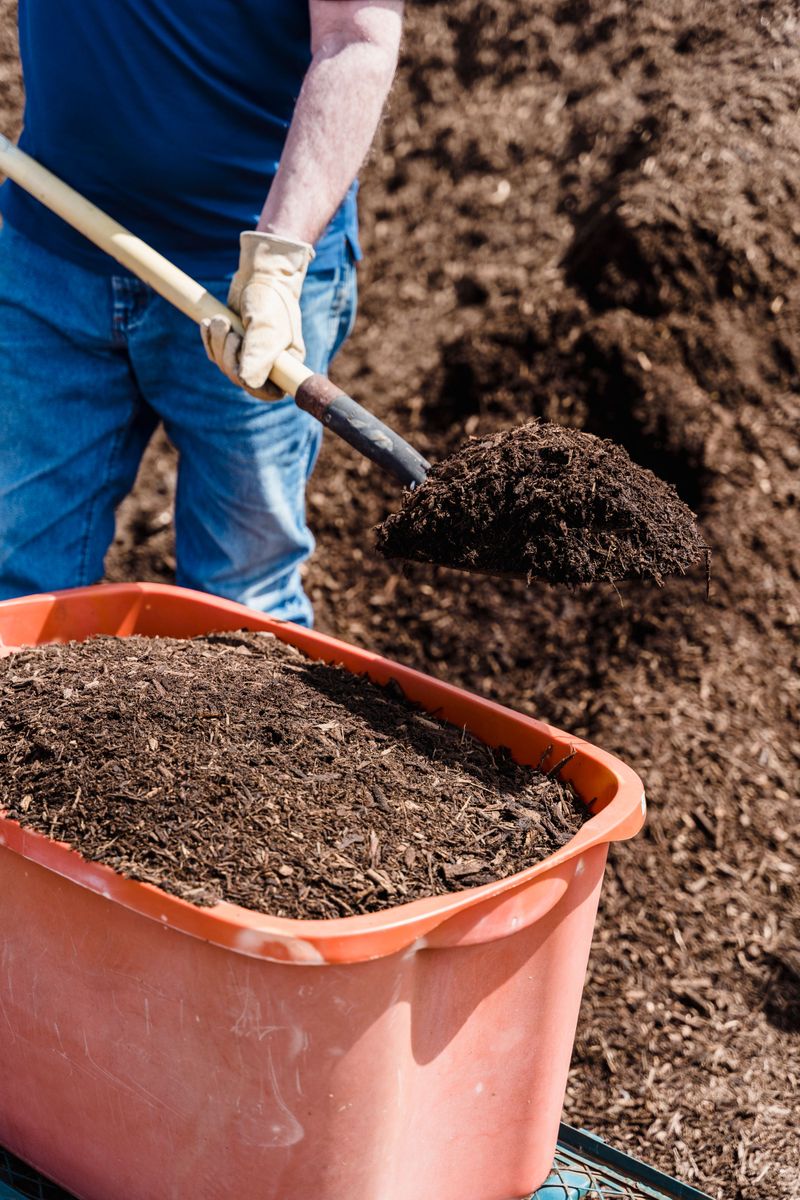
Compost feeds beneficial microbes and improves soil texture. It adds the organic matter your lawn’s recovery depends on.
After aerating, spread a half-inch layer of finished compost directly over your brown patches. Use the back of a rake to work it lightly into the aeration holes.
This step is especially powerful for Oklahoma clay soils. Compost loosens clay particles so water can move through more freely instead of pooling on the surface.
For sandy soils, compost does the opposite and helps hold moisture longer. It acts as a buffer between extremes, which is exactly what grass roots need to stay healthy.
You do not need to buy the most expensive bag on the shelf. Basic composted manure or leaf compost from a local garden center works beautifully for lawn repair.
Some municipalities offer free or low-cost compost through yard waste programs. Calling your local city office could save you money and reduce waste at the same time.
Avoid using fresh, unfinished compost on the lawn. It can introduce weed seeds and may actually pull nitrogen out of the soil as it continues breaking down.
Finished compost smells earthy and rich, not sour or ammonia-like. That pleasant smell is your signal that the material is stable and ready to feed your lawn.
Adding compost now sets the foundation for everything that comes next. A well-fed soil produces grass that bounces back faster and stays greener longer through tough conditions.
5. Overseed With Heat-Tolerant Grass Varieties
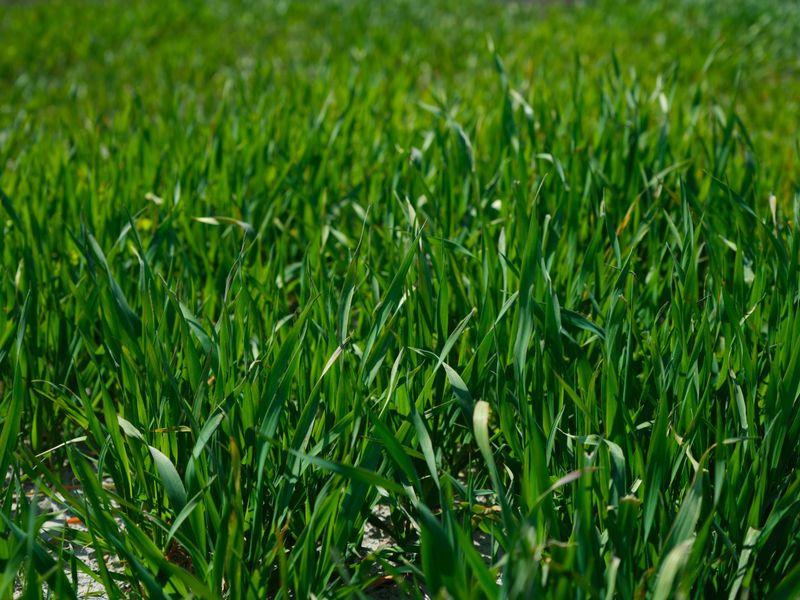
Bare soil in Oklahoma allows weeds to establish quickly. Overseeding fills those gaps with the kind of grass you actually want growing there.
Choose a grass variety suited to your lawn’s conditions and to the season you’re working in. Bermuda, Zoysia, and Buffalo grass handle Oklahoma heat well, but they establish best from late spring through mid-summer, not in fall.
If you’re repairing patches this fall, Tall Fescue is the stronger choice, especially for shaded areas or lawns in the northern part of the state.
Tall Fescue is a solid option for shaded areas or lawns in the northern part of the state where summers are slightly cooler. It stays greener longer into fall and spring.
Spread seed at the rate listed on the bag for overseeding, not for new lawn establishment. Overseeding rates are typically lower because existing grass is still present in surrounding areas.
After spreading, use the back of a rake to press the seed lightly into the compost and soil. Good seed-to-soil contact is the number one factor in successful germination.
Early fall is the sweet spot for overseeding Tall Fescue in Oklahoma. Soil is still warm from summer, but air temperatures are dropping, which reduces stress on new seedlings.
Mark your calendar for late spring if Bermuda, Zoysia, or Buffalo grass is what your lawn needs instead.
Keep foot traffic off the seeded areas as much as possible for the first three weeks. New roots are fragile and easily disrupted by pressure.
A light layer of straw mulch over the seeded spots helps retain moisture and protects seed from birds. Just a thin covering is enough, not a thick blanket.
Patience pays off here. Watching those first thin blades push through the soil is one of the most satisfying moments in lawn care.
6. Water Deeply But Less Frequently
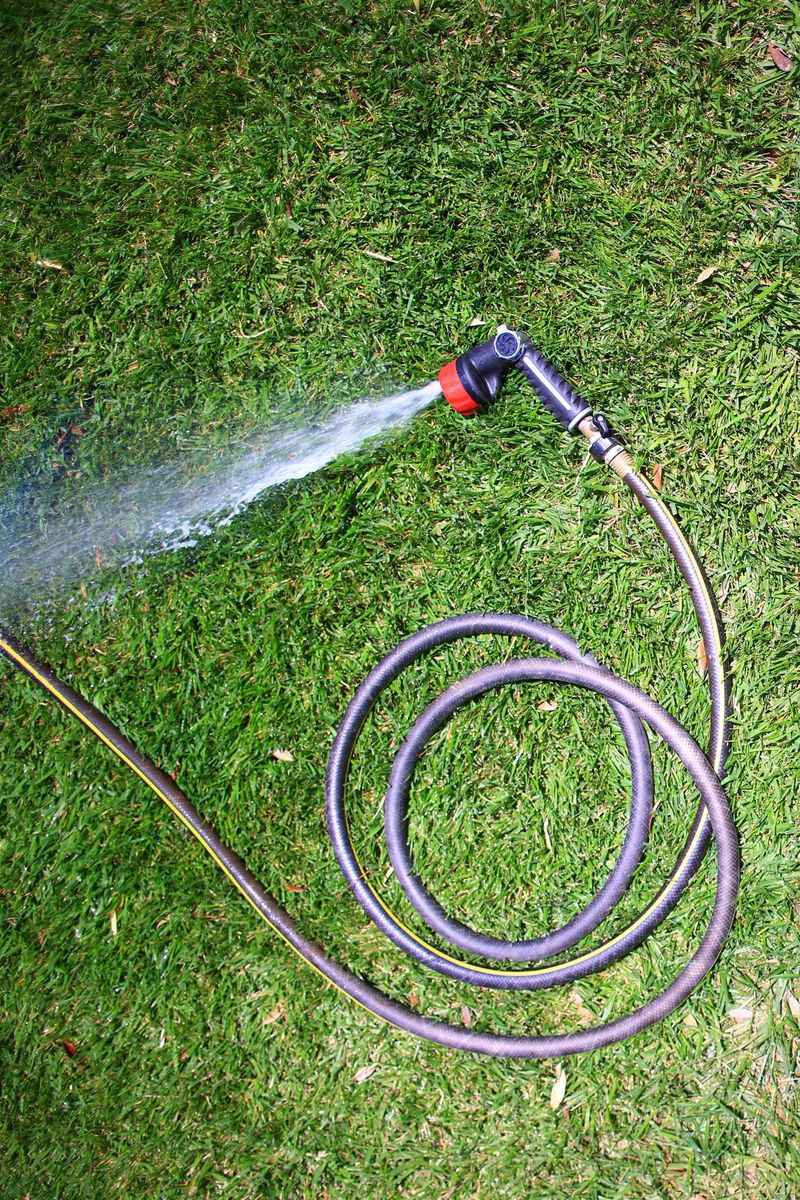
Most homeowners water their lawns too often and not deeply enough. That habit can cause roots to stay shallow, reducing drought tolerance.
Deep, infrequent watering encourages roots to grow downward in search of moisture. Deeper roots mean a lawn that survives heat and drought far better than one with shallow roots.
Aim to water your lawn about one inch per week after overseeding. You can measure this by placing a small container in the spray zone and checking how long it takes to collect an inch of water.
Water in the early morning when temperatures are cool and wind is calm. Morning watering allows the grass blades to dry out before evening, which reduces the risk of fungal disease.
Avoid watering at night if possible. Wet grass sitting through the dark hours creates the perfect environment for mold and mildew to take hold.
For newly seeded areas, the rules shift slightly. Seeds need consistent surface moisture to germinate, so light, frequent watering for the first two weeks is actually the right call.
Once the new grass reaches about an inch tall, begin transitioning to a deeper, less frequent schedule. The goal is to wean the seedlings off constant moisture and push their roots downward.
A smart irrigation timer takes the guesswork out of the process. Setting specific days and times keeps your watering consistent without requiring you to remember every morning.
Getting this one habit right makes every other step in the process work harder for you.
7. Apply Fertilizer Suited For Fall Growth

Fall fertilizing is an important but often underused step for cool-season grasses like Tall Fescue. Most people think spring is the time to feed grass, but for Fescue, fall is when roots do their most important growing.
As air temperatures drop, Fescue shifts its energy from blade growth to root development. Giving it the right nutrients at that moment builds a stronger plant for the following year.
If your lawn is Bermuda, Zoysia, or Buffalo grass, hold off on fertilizing now. Feed those varieties in late spring and summer instead, while they’re actively growing.
Add phosphorus or potassium only if a soil test shows a deficiency. Oklahoma soils are frequently already adequate in these nutrients, and applying more than your lawn needs is wasted product.
Avoid high-nitrogen fertilizers in late fall. Too much nitrogen pushes rapid top growth right before cold weather hits, leaving the grass vulnerable to frost damage.
A slow-release granular fertilizer is your best option for this time of year. It feeds the lawn steadily over several weeks instead of delivering one sharp surge.
Apply fertilizer with a broadcast spreader for even coverage across your repaired patches. Uneven application creates streaks of lush grass next to thin, pale areas.
Water lightly after spreading granular fertilizer to activate it. Just enough moisture to wet the granules and start moving nutrients into the soil is all you need.
Read the bag directions carefully before spreading. Over-fertilizing is a real problem and can scorch tender new grass seedlings that are just getting established.
A well-fed lawn going into winter comes out of dormancy faster in spring. That head start is exactly what turns a struggling Oklahoma lawn into a lush, full yard by summer.
8. Monitor New Growth Through Early Fall

New grass seedlings are fragile, and the first few weeks after overseeding are critical. Watching your lawn closely during this period lets you catch problems before they become setbacks.
Check the seeded areas every two to three days for signs of germination. Most heat-tolerant grass varieties sprout within seven to fourteen days under good conditions.
If you notice thin or patchy germination in certain spots, those areas may need a second round of seed. Uneven coverage is common and easy to fix early on.
Watch for signs of fungal disease, which can appear as gray or orange circular patterns on the grass blades. Catching these early allows you to treat them before they spread.
Keep a simple lawn journal during this period. Jotting down what you did and when helps you make smarter decisions next season without relying on memory.
Check soil moisture regularly by pressing a finger about an inch into the ground. If it feels dry at that depth, your new seedlings need water soon.
Mow for the first time when new grass reaches about three inches tall. Set your mower blade high so you are only cutting the top third of each blade.
Mowing too low too soon stresses young grass and can pull seedlings right out of the soil. Patience with mowing height pays off in thicker, more resilient turf.
Staying attentive through early fall is what separates a lawn that thrives from one that just survives. A stronger Oklahoma lawn is built one careful observation at a time.