How North Carolina Gardeners Use Lunar Cycles For Bigger Harvests
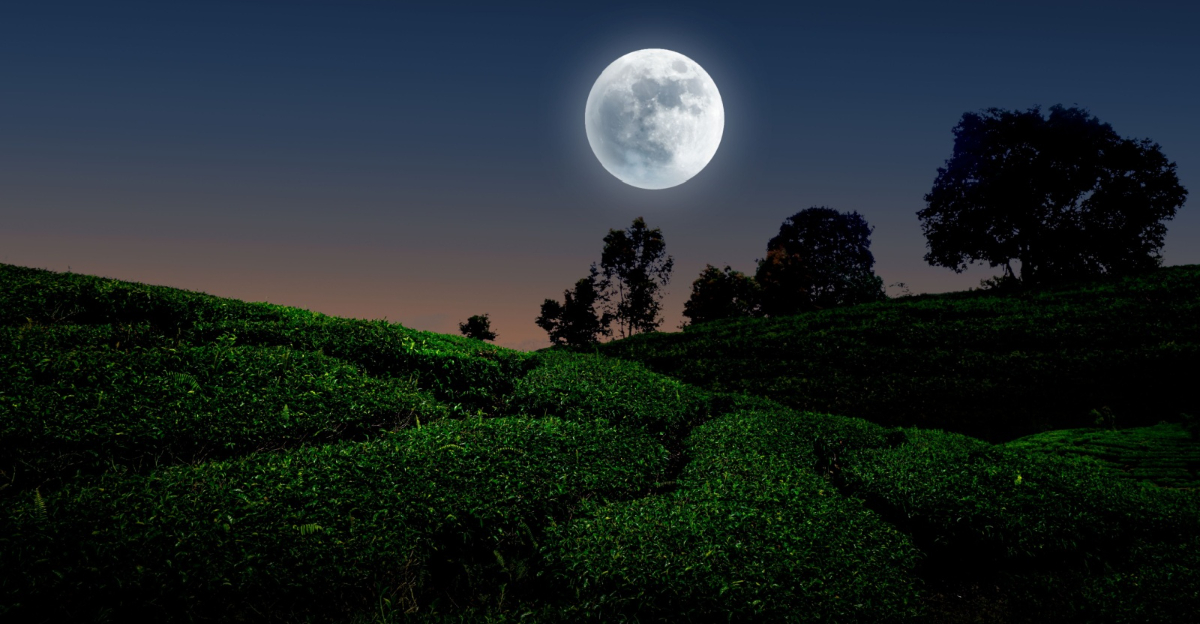
It might sound surprising, but some North Carolina gardeners still glance at the moon before deciding when to plant.
This long-standing practice, often called lunar gardening, has been passed down through generations in the Piedmont, mountains, and coastal areas. The idea is that the moon’s phases may influence soil moisture and plant growth patterns.
While North Carolina’s climate, soil, and seasonal timing play a much bigger role in garden success, many people use lunar cycles as an added layer of guidance.
For some, it is part tradition, part curiosity, and another way to stay in tune with the rhythms of the garden.
1. Lunar Gardening Is A Traditional Practice
Long before smartphones and weather apps, North Carolina farmers were already looking up at the sky for planting guidance.
Lunar gardening is one of the oldest agricultural traditions in the American South, with roots stretching back hundreds of years.
Many families in the Appalachian Mountains and the Piedmont region passed this knowledge from one generation to the next, treating it as a reliable seasonal rhythm rather than a superstition.
The practice is based on the belief that the moon’s gravitational pull affects moisture in the soil, much like it influences ocean tides.
When the moon tugs at surface water, some gardeners believe that soil moisture rises and falls in a similar way.
That shift, they argue, can make seeds more likely to absorb water and germinate more effectively.
North Carolina gardeners who follow lunar cycles often rely on printed almanacs or moon phase calendars to plan their gardens.
Some families have kept handwritten planting logs for decades, noting which lunar phases produced the best results for tomatoes, beans, or squash.
Whether or not science fully supports the practice, many experienced gardeners across North Carolina swear by it.
The tradition connects them to the land in a meaningful way and adds a thoughtful layer of intention to every planting decision they make throughout the growing season.
2. Waxing Moon Is Linked To Above-Ground Crops
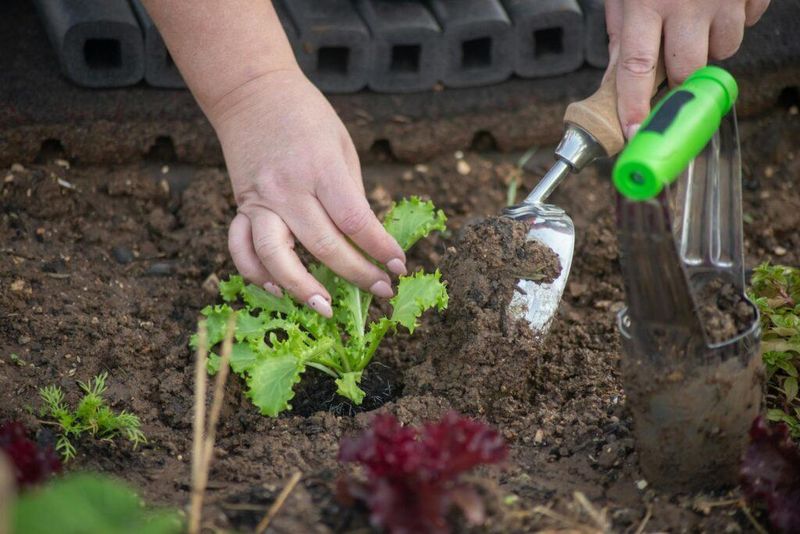
Gardeners who follow lunar cycles pay close attention to the waxing phase, which is the period between the new moon and the full moon when the moon appears to grow larger each night.
During this time, the belief is that moisture is drawn upward toward the soil’s surface, creating favorable conditions for seeds that need consistent surface hydration to sprout.
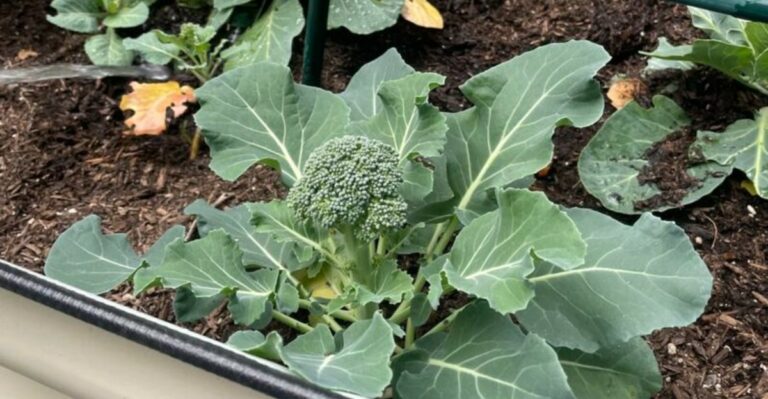
Above-ground crops such as lettuce, spinach, cabbage, broccoli, cauliflower, and cucumbers are traditionally planted during the waxing moon in North Carolina.
These vegetables rely on steady moisture near the surface to germinate and push tender shoots upward.
Many gardeners in the Piedmont and coastal regions time their spring plantings of leafy greens and brassicas to coincide with this phase, hoping to give seeds the best natural start possible.
North Carolina’s spring planting window is fairly short in some regions, so gardeners try to maximize every advantage they can.
Soil temperatures in the state typically become warm enough for most above-ground crops by mid-April in the central regions.
Your North Carolina Garden Changes Every Week. Your Plan Should Too.
Gardening in North Carolina changes quickly throughout the season. Every Friday you’ll receive a simple weekly plan showing exactly what to plant, prune, fertilize, harvest, and protect so you never miss the right timing.
Combining that knowledge with a waxing moon schedule is how many local gardeners approach their early-season planting.
It does not replace soil prep or proper watering, but it offers a structured rhythm that helps gardeners stay organized and intentional as they move through the busy spring planting season each year.
3. Waning Moon Is Linked To Root Crops
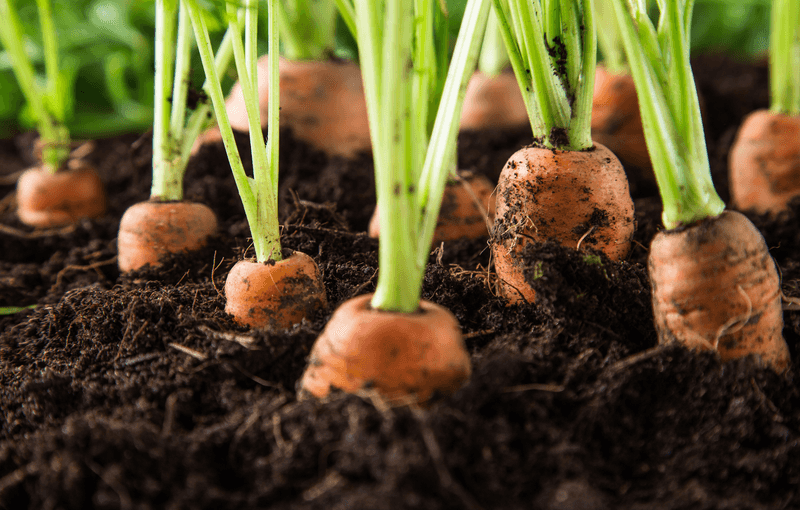
Once the full moon passes and the moon begins to shrink in appearance, the waning phase begins.
According to lunar gardening tradition, this is when moisture shifts downward deeper into the soil, making conditions more favorable for root development.
Many North Carolina gardeners treat the waning moon as the right window for planting crops that do most of their growing underground.
Root vegetables like carrots, beets, potatoes, turnips, onions, and radishes are the go-to crops for this phase.
The idea is that roots benefit from chasing moisture deeper into the soil, encouraging strong downward growth and denser, more flavorful produce.
In western North Carolina especially, where cool mountain temperatures support a longer root crop season, this approach has been a part of family gardening routines for generations.
Practical timing still matters just as much as the lunar phase.
Carrots planted in North Carolina do well when soil temperatures sit between 50 and 85 degrees Fahrenheit, which typically means late summer or early fall plantings in the mountain region.
Gardeners who blend lunar guidance with these temperature windows feel more confident about their timing.
The waning moon gives them a consistent, repeatable framework that helps structure planting decisions without requiring expensive tools or complicated calculations.
It is a straightforward, low-cost approach that fits naturally into the rhythms of seasonal gardening across North Carolina.
4. Full And New Moons Are Often Avoided
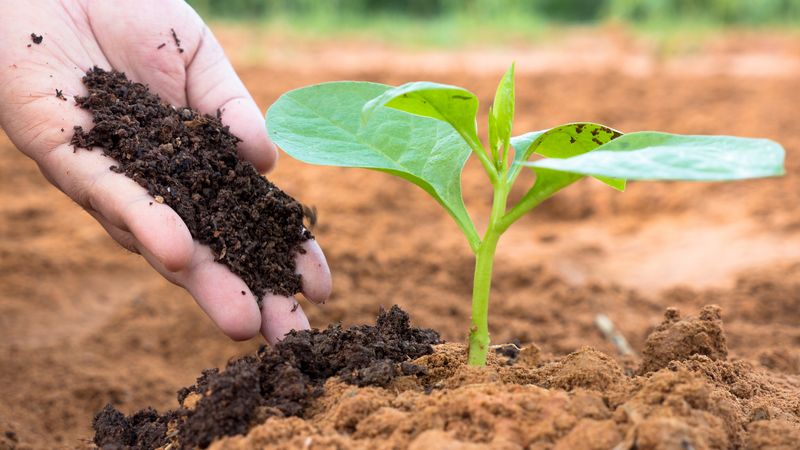
Not every lunar phase is considered ideal for planting.
Among gardeners who follow lunar cycles in North Carolina, the days surrounding the full moon and the new moon are frequently treated as rest periods rather than active planting times.
These transitional points mark a shift in the moon’s energy, and many traditional gardeners prefer to wait them out before putting seeds in the ground.
During the new moon, light is minimal and the moon’s gravitational pull is shifting from one direction to another.
Some gardeners use this time for soil preparation, weeding, composting, or simply planning the next planting phase.
The full moon, on the other hand, is sometimes considered a good time for harvesting rather than planting.
The belief is that plants are at their peak moisture content during the full moon, which can make fruits and vegetables taste juicier and more vibrant.
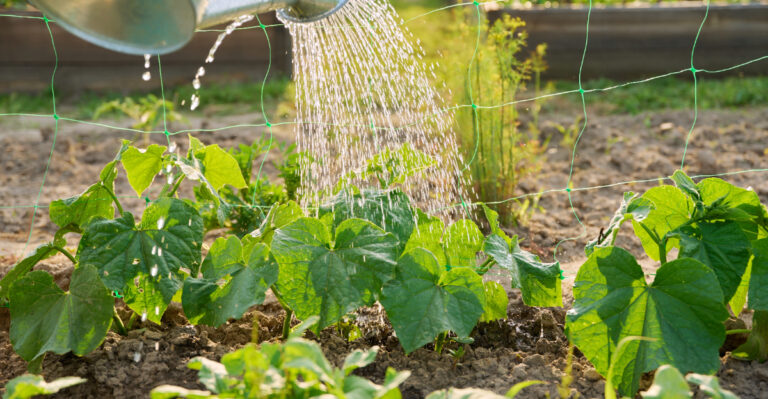
Harvesting during the full moon is a practice that several North Carolina gardeners mention when describing their routines, particularly those growing tomatoes, cucumbers, and summer squash.
While no broad scientific consensus confirms this, the observation has been repeated enough times across generations that it has become a trusted piece of folk wisdom in many communities.
Taking a short break from planting around these lunar transitions also gives gardeners a chance to step back, assess what is growing, and make thoughtful decisions before the next active planting window opens up again.
5. Soil And Temperature Still Matter Most
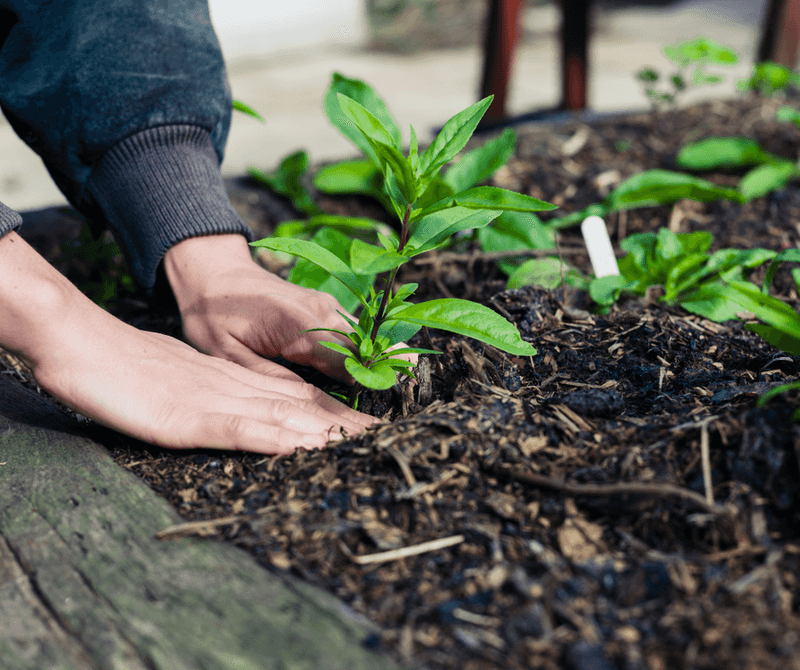
Experienced North Carolina gardeners will be quick to tell you that no lunar phase can make up for poor soil conditions or the wrong planting temperature.
The moon may offer a scheduling framework, but the physical state of the garden always takes priority.
Healthy, well-amended soil with the right nutrients and drainage is the foundation of any successful harvest, regardless of what the moon is doing.
Soil temperature is especially important in North Carolina, where the growing season varies significantly across the state’s three main regions: the mountains, the Piedmont, and the coastal plain.
Tomatoes, for example, need soil temperatures of at least 60 degrees Fahrenheit before transplanting.
Cool-season crops like kale and spinach can tolerate soil temperatures as low as 40 degrees.
Planting too early, no matter what the lunar phase suggests, can stunt growth or cause seeds to rot before they sprout.
North Carolina gardeners who use lunar cycles tend to treat them as a scheduling bonus rather than a substitute for good horticultural judgment.
They check soil temperatures first, confirm that frost risk has passed based on their county’s average last frost date, and then align those conditions with a favorable lunar phase when possible.
When the lunar phase and the soil conditions line up at the same time, many gardeners feel a quiet confidence that they have done everything within their control to set up a strong and productive growing season.
6. North Carolina Climate Guides Timing First
North Carolina stretches across three very different climate zones, and that geographic variety has a major influence on when gardeners plant, transplant, and harvest.
The coastal plain in the east experiences mild winters and early springs, while the mountain region in the west can see frost well into April or even early May.
The Piedmont sits somewhere in between, with moderate temperatures and a predictable growing season that many gardeners have learned to read instinctively over the years.
Average last frost dates shift significantly depending on where you are in the state.
Gardeners near Wilmington on the coast may be transplanting tomato seedlings in late March, while those in Boone or Asheville wait until late May to feel safe doing the same.
These regional differences mean that a single statewide planting calendar does not serve everyone equally.
Local knowledge and personal observation matter enormously in North Carolina gardening.
When lunar gardening is part of the routine, it gets layered on top of these climate realities rather than replacing them.
A gardener in the Yadkin Valley might note that the waxing moon falls in late April this year, check that the soil is above 50 degrees, confirm that the frost risk has passed, and then plant their beans with confidence.
That kind of layered decision-making, blending climate data with traditional timing methods, reflects how many thoughtful North Carolina gardeners approach their spring and summer planting seasons with care and experience.
7. Lunar Cycles Are Used As A Secondary Guide
Most North Carolina gardeners who follow lunar cycles will openly admit that the moon is not the main factor driving their planting decisions.
Climate, frost dates, soil readiness, and crop variety all come first.
The lunar calendar enters the picture as a secondary tool, a way to add structure and intention to a schedule that is already grounded in practical horticultural knowledge.
Think of it like choosing the best day within an already-acceptable window.
If a gardener knows that mid-April is a reasonable time to plant squash in the central Piedmont, they might look at that two-week window and choose the days that align with a waxing moon.
The lunar phase does not change the planting window, but it helps narrow it down in a way that feels purposeful and connected to natural rhythms.
For many families in North Carolina, this secondary use of lunar cycles is also about honoring a tradition that stretches back through their family history.
Grandparents who gardened by the moon passed that habit along, and younger gardeners carry it forward even if they cannot point to a scientific study confirming its benefits.
Whether the moon truly affects germination rates or not, the practice encourages gardeners to slow down, observe natural patterns, and stay closely attuned to the land.
That mindfulness alone tends to make for more careful, attentive, and ultimately more successful gardening throughout the North Carolina growing season.