These Ornamental Grasses Are No Longer Welcome In Oklahoma And Here’s Why
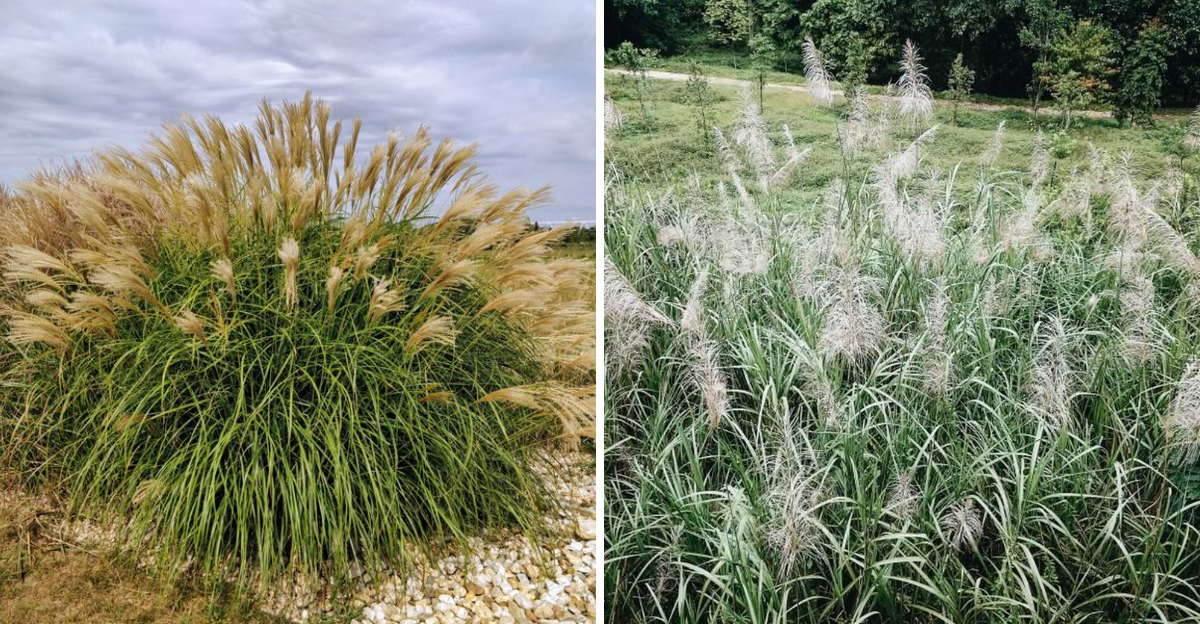
Your yard is hiding something. Somewhere between the flower beds and the back fence, ornamental grasses you planted on purpose are turning against you. Not slowly. Now.
What looks like a tidy clump of tall, feathery grass is quietly pushing seeds into your neighbor’s field, down the roadside, and deep into Oklahoma’s wild land where native plants have no foothold.
These are not background plants. Some of them are active fire hazards. Others crowd out the wildlife that depend on native species to flourish.
Could the prettiest thing in your Oklahoma yard be its most unwelcome tenant? Chances are, at least one of these grasses has already claimed space on your property.
Knowing which ones matters. This list might change what you see when you look out your window.
Old World Bluestems
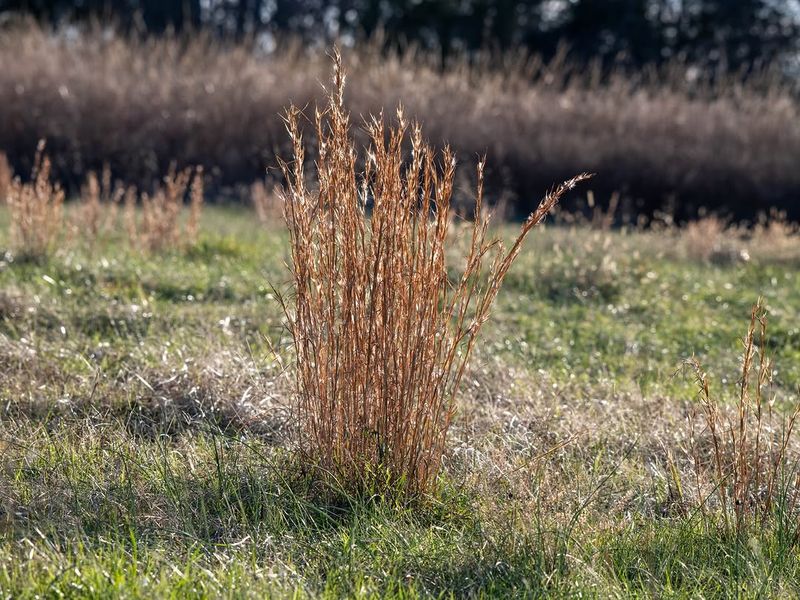
Old World Bluestem sounds almost poetic, but do not let the name fool you. This grass came from Asia and the Middle East, and it has made itself way too comfortable across the southern plains.
It spreads fast and crowds out native grasses that animals and insects depend on. Once it moves in, it fundamentally alters the local plant community, and not in a good way.
Ranchers across the state have watched it take over pastures, leaving behind land that cattle do not even want to graze.
The plant produces seeds that travel easily by wind, spreading far beyond where it was first planted.
It also changes the soil chemistry over time, making it harder for native species to bounce back. This is not just a cosmetic issue for your garden bed.
Old World Bluestem was actually promoted by the government in the mid-1900s as an erosion control tool. That decision is now widely regarded as one of the costliest conservation mistakes in the region.
Now it covers millions of acres across the Great Plains. Removing it requires repeated herbicide treatments and a whole lot of patience.
If you spot this in your yard, contact your local extension office right away. Letting it go one more season only makes the problem worse for your neighbors too.
Ravenna Grass
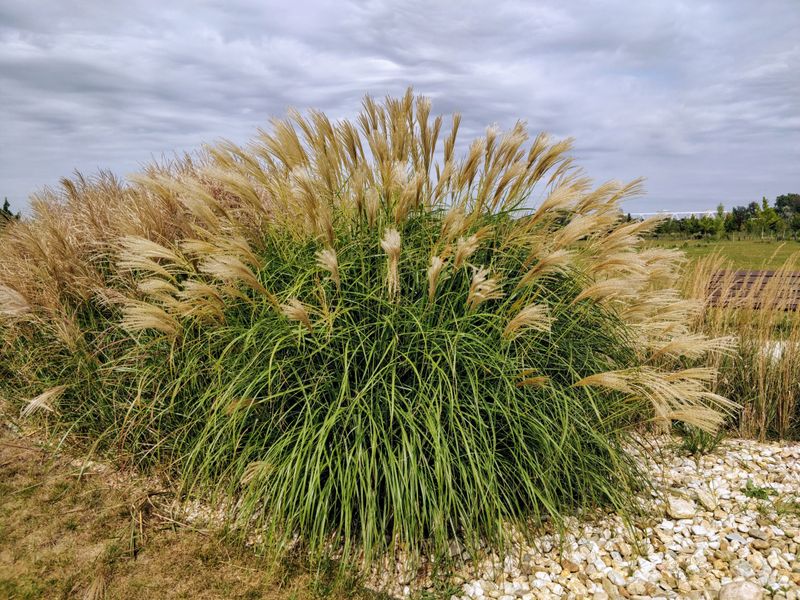
Standing up to fourteen feet tall, Ravenna Grass looks like something out of a fantasy movie set.
Gardeners love it for its dramatic plumes and bold structure, but those same qualities make it a serious threat outdoors.
Originally from southern Europe, western Asia, and North Africa, Ravenna Grass has no natural enemies in North America. That means nothing slows it down once it escapes the garden.
It spreads along roadsides, riverbanks, and open fields with alarming speed. Each plant can produce thousands of seeds, and those seeds do not stay close to home.
Ravenna Grass also creates incredibly dense stands that shade out everything growing underneath. Native wildflowers, grasses, and shrubs simply cannot compete with something this aggressive.
Beyond crowding out other plants, it becomes extremely dry in late summer and fall. That dried-out mass of plant material turns into a fire hazard that few homeowners think about when they plant it.
Your Oklahoma Garden Changes Every Week. Your Plan Should Too.
Gardening in Oklahoma changes quickly throughout the season. Every Friday you’ll receive a simple weekly plan showing exactly what to plant, prune, fertilize, harvest, and protect so you never miss the right timing.
Fire management experts have raised concerns about Ravenna Grass as a contributing factor in fast-moving grass fires. The connection between ornamental grasses and wildfire risk is real and growing.
Oklahoma’s fire season is already intense without adding extra fuel to the landscape. Swapping Ravenna Grass out for a native alternative like big bluestem is a smart and responsible move.
Your garden can still look dramatic and tall without putting your community at risk. Choose plants that work with Oklahoma’s ecosystem, not against it.
Giant Reed
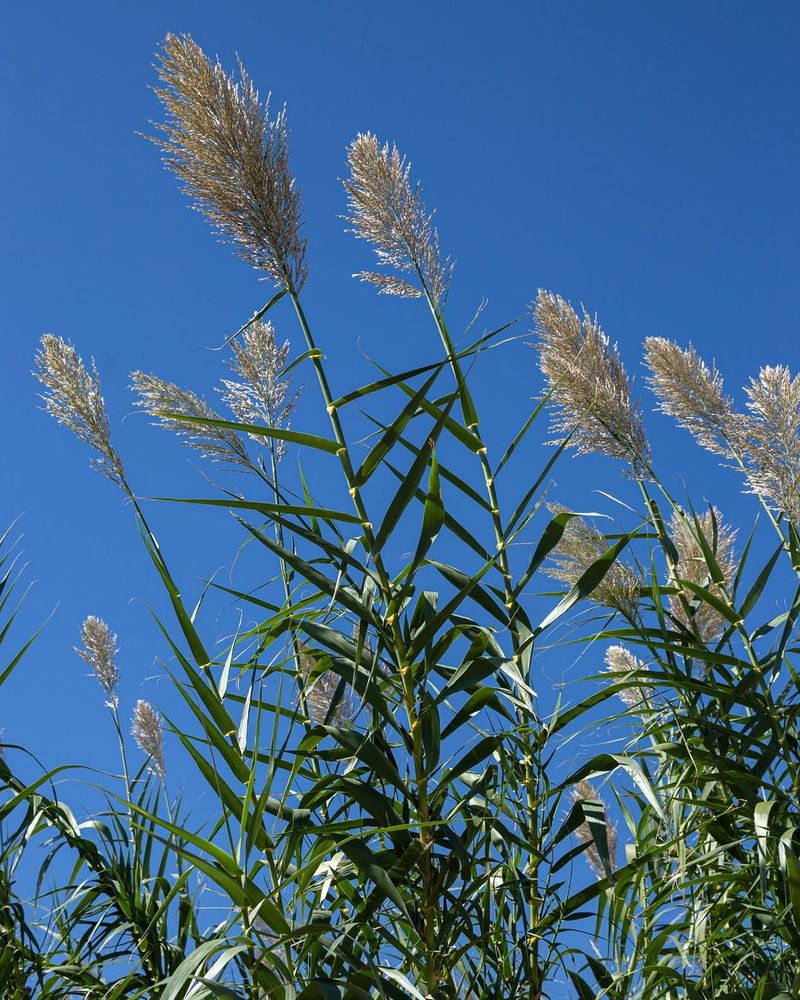
Giant Reed looks like bamboo’s wilder cousin, with no natural limits on its growth. This thick-stalked grass can grow up to thirty feet tall, and it spreads underground through a root system that is almost impossible to fully remove.
It loves water, which is why it tends to take over creek banks, drainage ditches, and river edges. Once it grabs hold of a waterway, it does not let go easily.
The problem goes beyond just appearance. Giant Reed physically blocks water flow, which can increase flooding risk during heavy rain events.
It also consumes enormous amounts of water, making it a threat in areas where water resources are already stretched thin. Streams that once supported fish and frogs become crowded with dense stands of stalks.
Wildlife that depends on open water corridors for movement gets cut off. Birds, turtles, and aquatic insects all lose habitat when Giant Reed moves in and takes over.
Removing it is a multi-year commitment. You have to cut it back, treat the roots, and monitor for regrowth season after season.
Some landowners have spent years fighting infestations that started from a single plant. The lesson here is that one innocent-looking clump can become a years-long challenge to remove.
If you spot Giant Reed along a stream near your home, report it to your county conservation district. Early action is the most effective way to keep the infestation from spreading further.
Chinese And Japanese Silver Grass
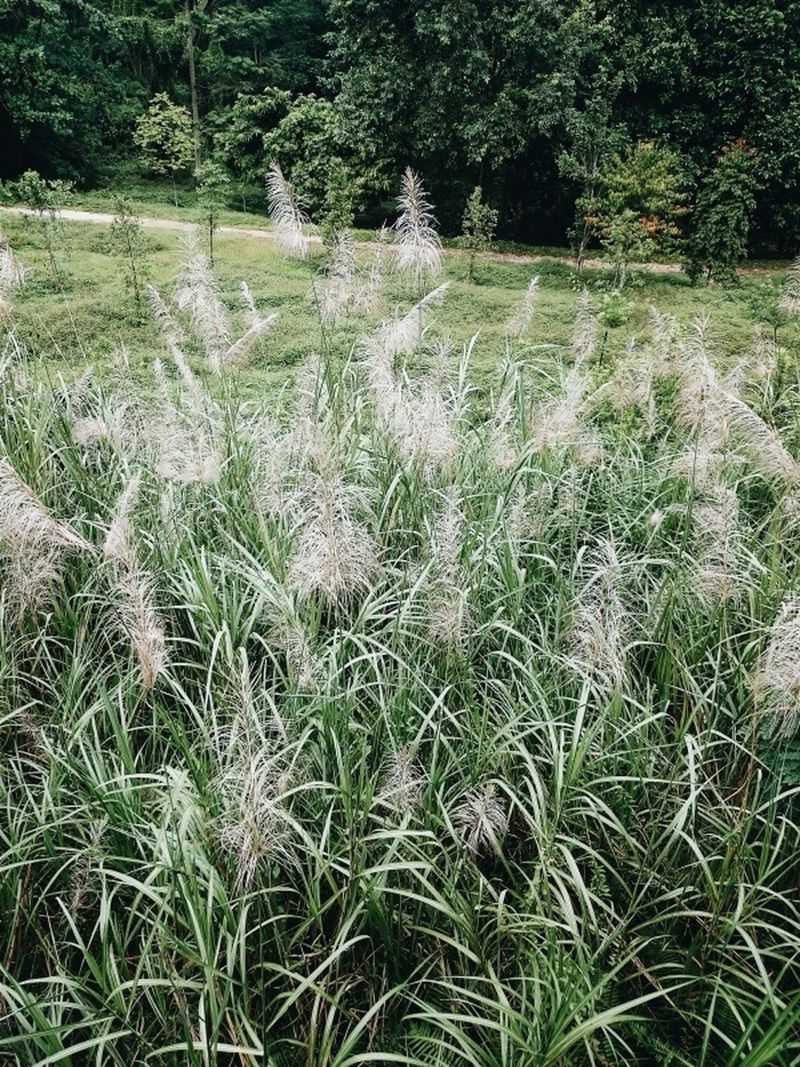
Walk through any garden center in autumn and you will spot Miscanthus immediately. Those silvery, flowing plumes catch the light beautifully, and that is exactly why this grass sold so well for so many years.
Chinese and Japanese Silver Grass, sold under the name Miscanthus, became a staple of American landscaping. It was affordable, low-maintenance, and undeniably gorgeous.
The trouble is that it does not stay where you plant it. Wind carries its feathery seeds into nearby fields, forests, and natural areas without any help from you.
Once it escapes, Miscanthus forms dense colonies that crowd out native plants. Those native plants support butterflies, bees, and birds that have lived in Oklahoma for thousands of years.
There is also a fire concern that most gardeners never consider. Miscanthus becomes extremely dry and brittle in winter, creating a large mass of flammable material right next to your home.
Several states have already added certain Miscanthus varieties to their invasive species lists. Oklahoma land managers have been raising alarms about its spread for years.
The irony is that it looks most dangerous when it looks most beautiful. Those waving plumes in October? Each one holds hundreds of seeds ready to travel.
Swapping it out for native switchgrass or little bluestem gives you that same graceful movement without the ecological baggage. Your garden can be both stunning and responsible at the same time.
Crimson Fountain Grass
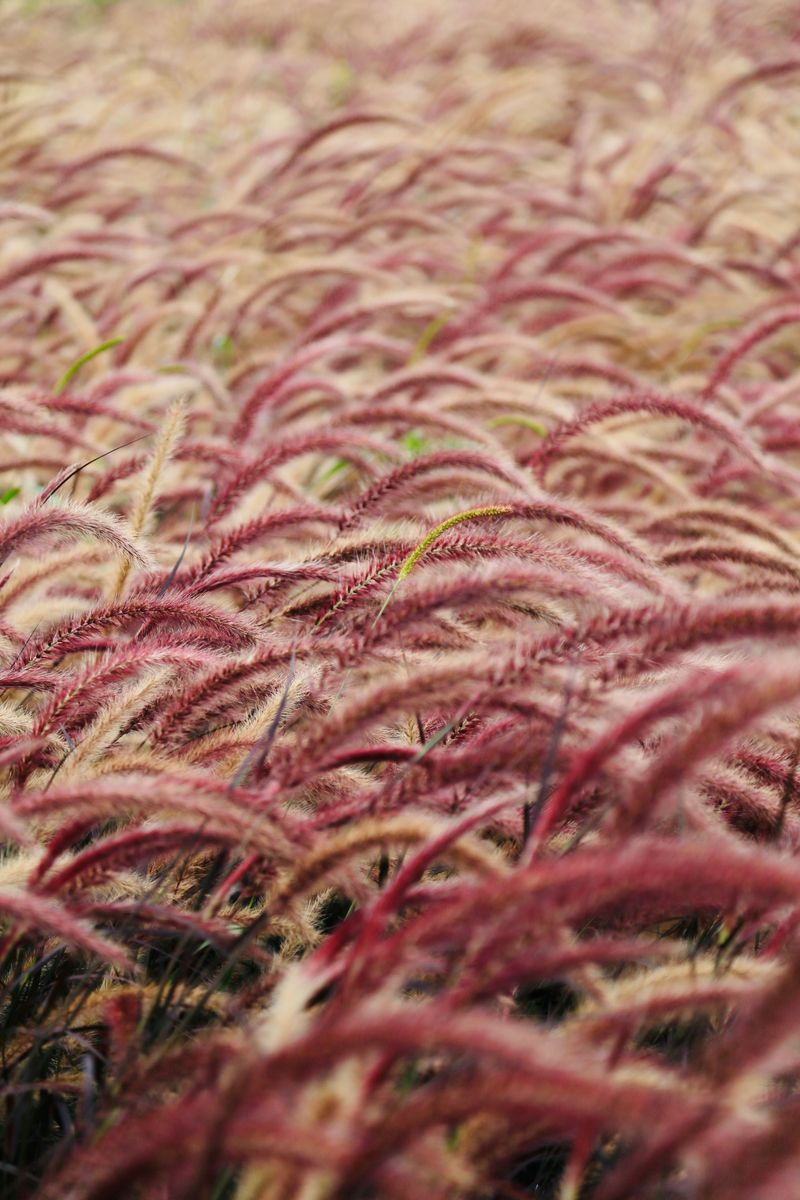
Few ornamental grasses turn heads quite like Crimson Fountain Grass. That deep burgundy color and graceful arching shape make it a showstopper in any garden bed or container planting.
It is easy to see why homeowners fell in love with it. The problem is that its seeds do not share the same loyalty to your garden borders.
Its scientific name is Pennisetum setaceum, also listed as Cenchrus setaceus in current taxonomy, and it is classified as invasive across a growing number of states in the South and Southwest.
It thrives in heat and drought, which makes Oklahoma a perfect target environment. When it escapes into natural areas, it forms thick mats that block sunlight from reaching smaller native plants.
Wildflowers and low-growing native grasses simply cannot survive in its shadow. It also reseeds itself aggressively, meaning one plant can produce multiple new colonies within a single growing season.
Gardeners who thought they were being careful have been surprised by how far it spreads. The burgundy color that makes it so attractive in the landscape actually makes it harder to spot when it blends into dried fall vegetation.
By the time you notice a new colony forming, it has already established roots. Some nurseries still sell it, which adds to the confusion for well-meaning gardeners.
Always check the current invasive species list for your region before buying any ornamental grass.
Native alternatives like purple lovegrass offer similar color and texture without the risks. Making the swap is easier than fighting an infestation down the road.
Native Grasslands And Wildlife Habitat Get Crowded Out
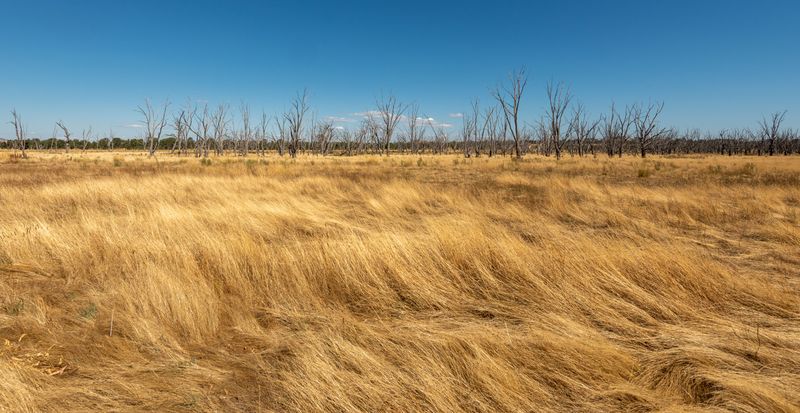
Oklahoma’s native grasslands are one of the most underappreciated ecosystems in the entire country.
These rolling prairies support hundreds of plant species, plus birds, pollinators, and mammals that depend on them for survival.
When invasive ornamental grasses move in, they do not just add to the mix. They replace it entirely, turning diverse habitats into single-species monocultures.
Monarch butterflies need native milkweed, which gets shaded out when invasive grasses take over an area. Bobwhite quail need open ground cover, and dense grass walls eliminate that completely.
Pollinators like native bees rely on a variety of flowering plants throughout the season. When invasive grasses crowd those plants out, entire pollinator communities decline steadily without much public attention.
Oklahoma sits along several major bird migration routes, making healthy native habitat especially critical. Grassland birds like dickcissels and meadowlarks are already declining due to habitat loss.
Invasive grasses accelerate that decline by replacing the native plants these birds need for nesting and feeding. It is a gradual but serious ecological shift that rarely makes headlines but is well documented.
Landowners who replace invasive species with native plantings often see wildlife return within just a few seasons. The land responds quickly when given the right plants to work with.
Conservation groups across the state offer free seeds, technical help, and even cost-share programs for restoration projects. You do not have to fight this battle alone or pay for it all yourself.
Wildfire Risk Increases Significantly
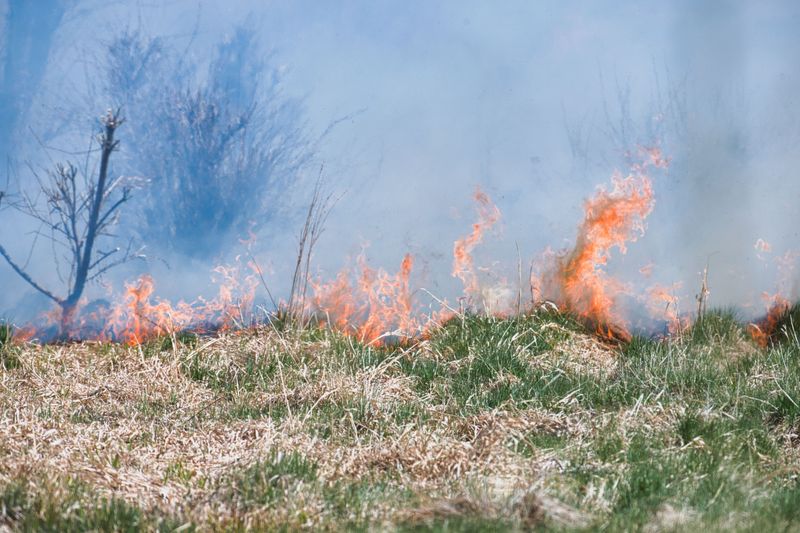
Grass fires in Oklahoma are nothing new, but invasive ornamental grasses are making them far more dangerous. These plants dry out completely in late summer and fall, creating massive amounts of highly flammable material.
Native grasses have evolved alongside fire, meaning they stay lower and break apart more easily. Invasive species like Ravenna Grass and Old World Bluestem grow tall and dense, which means more fuel per acre.
When a fire ignites in a field of invasive grass, it moves faster and burns hotter than a fire through native prairie. That difference in speed can mean the gap between a fire that is manageable and one that is not.
Homes on the edge of open land face real risk when invasive grasses grow close to structures. Fire can travel through that dry material and reach a house before a homeowner even has time to react.
Oklahoma’s wind patterns make the situation even more dangerous. Strong south winds in spring and fall can push a grass fire across a landscape with dangerous speed.
Land managers and fire departments have been asking homeowners to remove invasive grasses from around their properties for years. Creating a defensible space means choosing plants that do not become highly flammable every autumn.
Even a small patch of invasive grass near a fence line can act as a fire bridge between open land and a structure. Addressing it now is a practical safety decision, not just an environmental one.
Ornamental grasses that look beautiful in July can become serious hazards by October. Knowing which plants carry that risk is the first step toward protecting your home and your neighbors.
Water Systems Take A Silent Hit
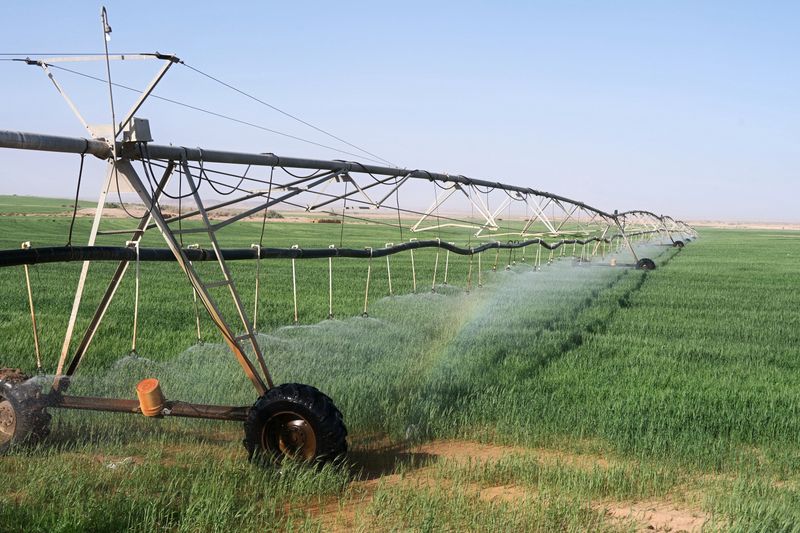
Oklahoma’s waterways are already under pressure from drought cycles and seasonal flooding, and invasive ornamental grasses are quietly making both problems worse.
What happens above the soil matters far less than what these plants are doing underneath it and along every bank they touch.
Many invasive grasses send out aggressive root systems that destabilize stream banks over time.
Without firm, native root structures holding soil in place, erosion accelerates and sediment pours into rivers, creeks, and reservoirs.
That sediment reduces water quality for communities depending on those sources for drinking water.
It also smothers the gravel beds where fish spawn, cutting off reproduction cycles that native species have relied on for centuries.
Invasive grasses that colonize wetland edges absorb and transpire far more water than the native plants they replace.
They pull moisture out of the ground before it can recharge local aquifers, and in a state where groundwater levels are already a serious concern, that extra demand adds up fast.
Dense stands also slow surface water flow during heavy rain. Instead of spreading naturally across a floodplain and soaking in, water backs up and floods areas that historically stayed dry.
Roads, bridges, and low-lying properties pay the price. Restoring native grasses and deep-rooted prairie plants to stream banks is one of the most effective ways to protect local water systems.
Native species work with Oklahoma’s hydrology instead of overriding it. Several state and federal programs offer funding to landowners willing to restore riparian buffers.
Protecting your waterway is one of the most lasting contributions any property owner can make.