8 Nighttime-Flowering Container Plants To Brighten Your Nevada Patio
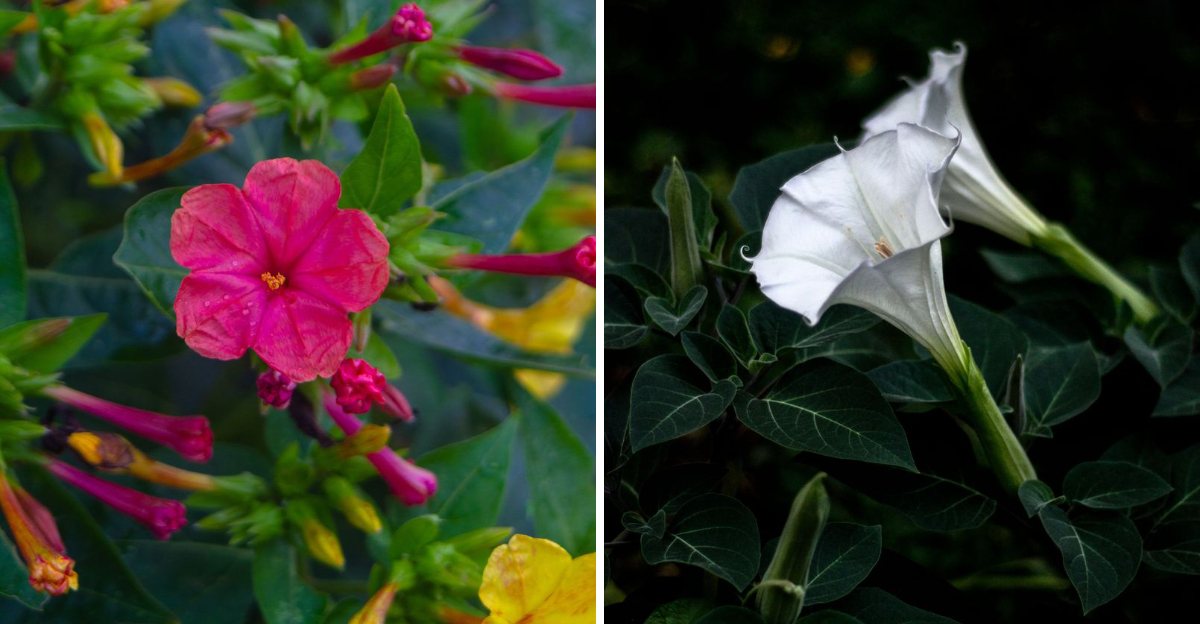
Darkness reveals a surprise your patio has been missing. Nevada evenings hold more charm than most people realize. Heat fades, but Nevada nights awaken something else entirely.
Fragrant blossoms unfurl slowly under starlight, releasing scent you adore. Desert air cools just enough for petals to stretch open. Light shifts while pale flowers glow softly against deep green leaves.
Containers make this transformation possible on any patio, porch, balcony. Local gardeners often overlook this hidden nightlife blooming right beside them. Warmth lingers, drawing moths, and pulling you outdoors longer.
Every pot becomes a stage for something quietly dramatic. Petals open, colors deepen, and perfume thickens as temperatures drop. Nothing about this feels ordinary or expected once you witness firsthand.
Calm settles in, eased only by rustling leaves and soft breezes. Your evening never has to end when night settles in. What waits beyond sunset will make you rethink this patio forever.
1. Moonflower
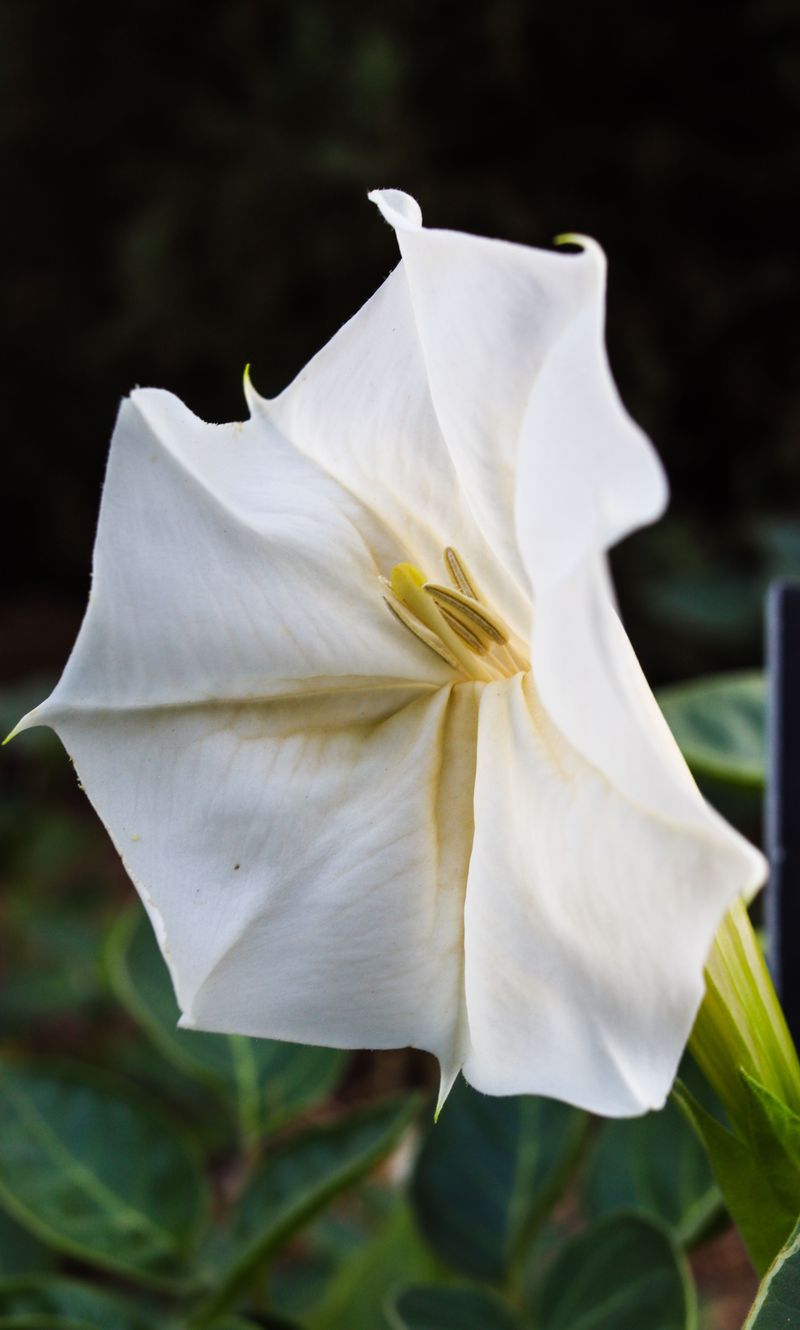
Picture this: the sun dips below the Spring Mountains, and giant white blooms several inches across unfurl right before your eyes.
Moonflower is one of the most dramatic nighttime-flowering container plants you can grow on a Nevada patio. The blooms open fast enough to actually watch, which makes evenings feel like a private nature show.
This fast-growing vine loves heat, and Nevada summers give it plenty. Plant it in a large pot with a trellis or obelisk for support, and it will climb eagerly.
The white trumpet-shaped flowers reflect moonlight beautifully, making your patio glow without any string lights.
Moonflower thrives in full sun during the day and rewards you at night. Water deeply but let the soil dry a bit between sessions, since soggy roots slow it down. Sandy, well-draining potting mix works perfectly for this plant.
The fragrance is something else entirely. It is sweet, rich, and a little heady, filling the warm night air within minutes of the blooms opening. Neighbors will start wandering over to ask what that incredible smell is.
Start seeds indoors about six weeks before your last frost date, or direct sow once temps stay above 60 degrees. Nick the seed coat with a nail file first to speed up germination.
Once it gets going, moonflower grows fast and needs almost no fussing. This plant is proof that the best garden moments happen after dark.
2. Night-Blooming Jasmine
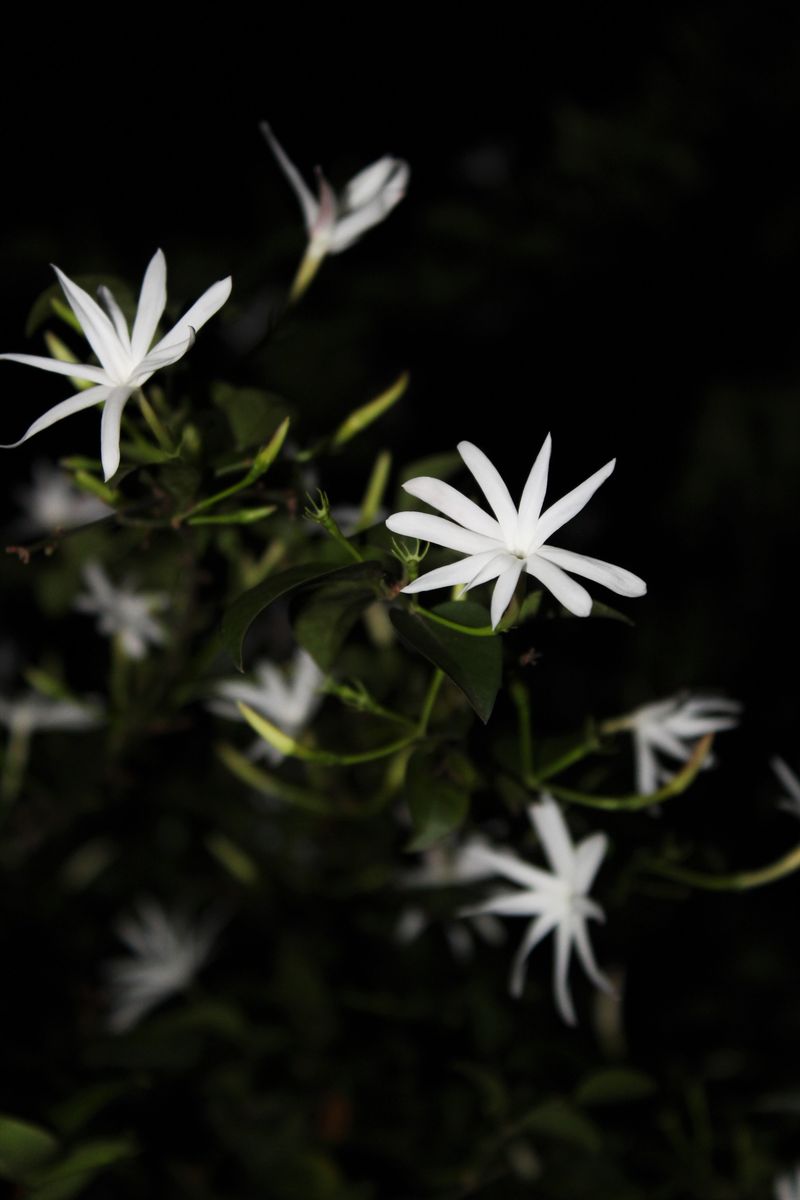
Few plants have a reputation as powerful as night-blooming jasmine. Garden lovers across warm climates have been obsessing over this shrub for centuries, and one sniff tells you exactly why.
The fragrance it releases after sunset is bold, sweet, and almost impossible to ignore. Night-blooming jasmine, also called Cestrum nocturnum, is not a true jasmine but acts like royalty anyway.
It produces clusters of small, tubular, creamy white flowers that stay modest-looking during the day. After dark, though, those same flowers pump out a scent so strong it can drift across an entire yard.
In Nevada, this plant does well in containers because you can move it to protect it from rare cold snaps. Use a large pot with excellent drainage and a rich, slightly acidic potting mix.
Your Nevada Garden Changes Every Week. Your Plan Should Too.
Gardening in Nevada changes quickly throughout the season. Every Friday you’ll receive a simple weekly plan showing exactly what to plant, prune, fertilize, harvest, and protect so you never miss the right timing.
Place it near a seating area so the evening fragrance wraps around you while you relax. Water consistently during the growing season but ease off in winter. Feed it with a balanced fertilizer every few weeks through spring and summer.
It grows two to five feet tall depending on the variety, making it a flexible option for layered container arrangements.
One fun fact: some people find the scent overwhelming up close. Position the pot a few feet away from where you sit for the perfect balance.
Night-blooming jasmine on a Nevada patio means every warm evening ends with a fragrant, unforgettable atmosphere that lingers long after you head inside.
3. Four O’Clocks
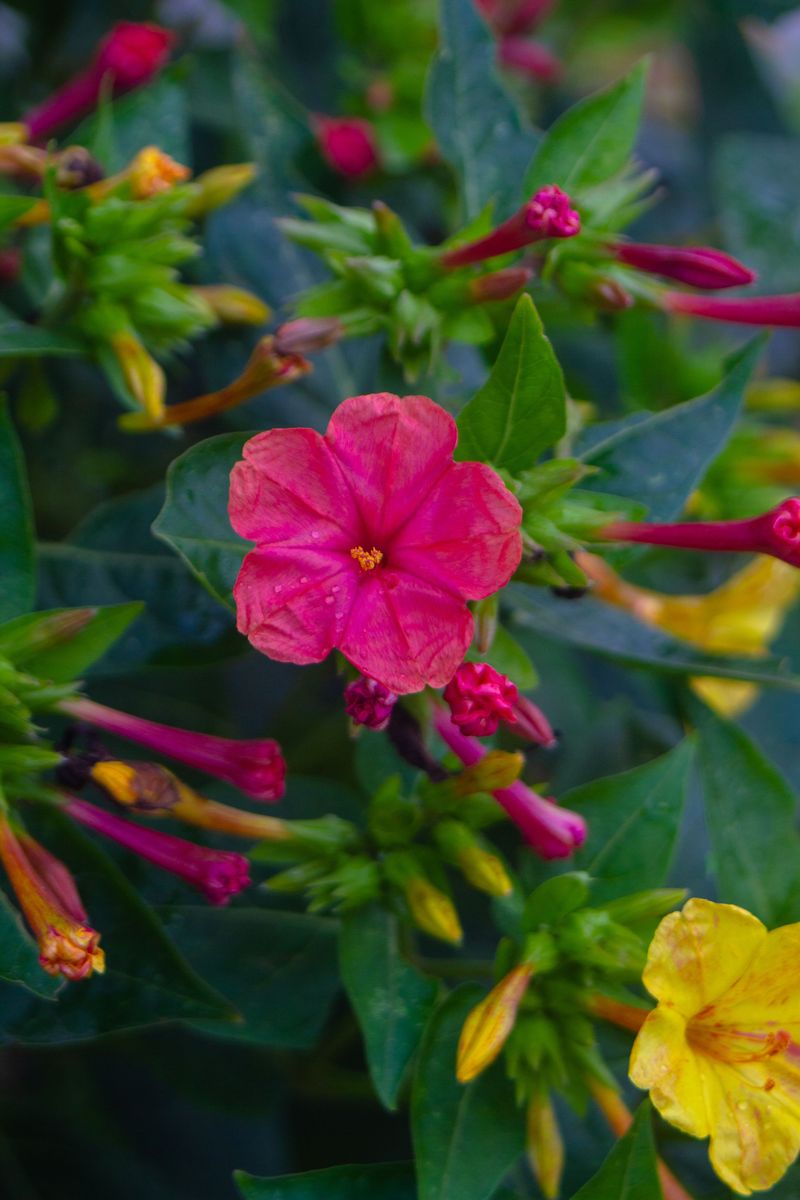
Punctual and cheerful, four o’clocks open their blooms like clockwork every afternoon around four o’clock.
That reliable timing makes them one of the most fun nighttime-flowering container plants to grow, especially for kids and curious gardeners. They stay open through the night and close again in the morning sun.
Mirabilis jalapa, their official name, comes in a wild mix of colors including magenta, yellow, white, pink, and even bicolor striped patterns.
One plant can actually produce multiple flower colors at once, which sounds impossible but is completely real. Planting a pot of four o’clocks feels like opening a surprise every single evening.
These plants handle Nevada heat without complaint. They prefer full sun during the day and well-draining soil in a medium to large container.
Once established, they are surprisingly drought-tolerant, making them a smart pick for the high desert climate.
Water them regularly when young, then back off once they settle in. They form thick, tuberous roots that store water and nutrients, similar to a dahlia.
Those roots also make them easy to overwinter indoors if you want to save your favorite color combination for next year.
Four o’clocks are also lightly fragrant, offering a soft, sweet scent that pollinators love. Hummingbirds and hawkmoths visit them regularly at dusk, turning your patio into a buzzing wildlife scene.
Growing four o’clocks means your outdoor space gets better as the afternoon fades into a warm Nevada night.
4. Evening Primrose
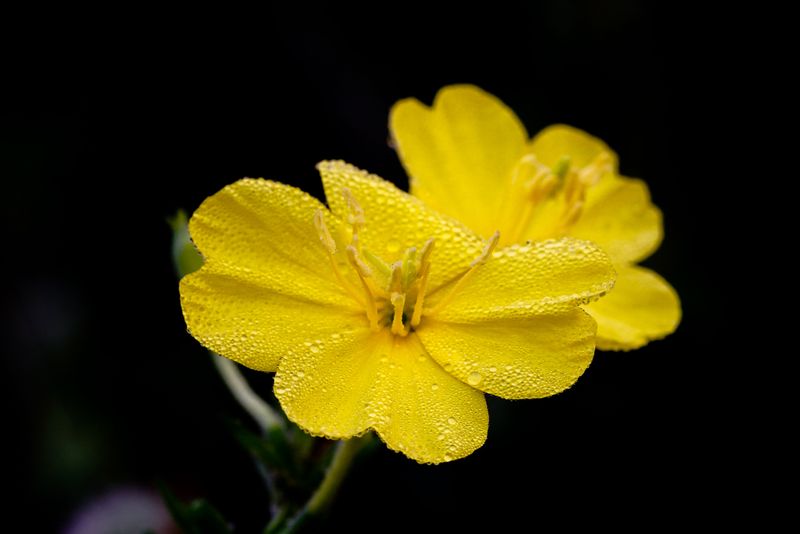
There is something almost cinematic about watching evening primrose open. The petals unfurl slowly at dusk, glowing a warm, buttery yellow that stands out beautifully against the fading desert sky. This plant was practically made for Nevada evenings.
Oenothera biennis and its relatives are native to North America, which means they already understand dry, sunny conditions.
They ask for very little and deliver a lot, making them a top choice for container gardeners who want reliable beauty without constant maintenance.
The blooms last one night each, but new flowers open every evening throughout the season. Plant evening primrose in a pot with sandy, fast-draining soil. They dislike sitting in wet roots, so make sure your container has drainage holes at the bottom.
Full sun placement during the day helps them build strong stems and generous flower production.
Water sparingly once established, since overwatering is the fastest way to stress this plant. A light feeding of low-nitrogen fertilizer in spring encourages blooming without pushing excessive leafy growth. These plants are naturally lean and do not need a lot of extra help.
Evening primrose has a gentle, lemony fragrance that attracts sphinx moths and other nighttime pollinators. Watching a sphinx moth hover over glowing yellow blooms on a Nevada patio is a moment worth staying outside for.
This plant proves that simple, native beauty hits differently when the stars come out and the desert finally breathes.
5. Nicotiana (Flowering Tobacco)
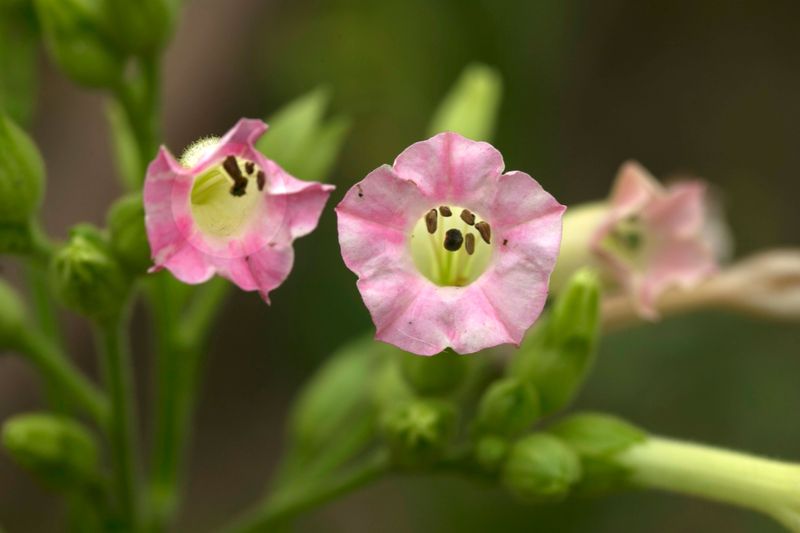
Nicotiana is often overlooked in the nighttime garden, though it deserves more attention. Most gardeners overlook it at the nursery, but those who bring it home quickly become devoted fans.
After dark, the star-shaped flowers open fully and release a jasmine-like sweetness that transforms a patio completely.
Flowering tobacco, or Nicotiana alata, comes in white, pink, red, and lime green shades. The white varieties are the most fragrant and the most magical under moonlight.
They almost seem to glow, which makes them a natural companion to other nighttime-flowering container plants on your Nevada patio.
This plant loves warmth and full sun during the day, then rewards you generously at night. Grow it in a deep container with rich, well-draining potting mix.
Regular watering keeps it happy, but let the top inch of soil dry out between waterings to avoid root problems.
Feed nicotiana every two weeks with a balanced liquid fertilizer through the growing season. Remove spent blooms to encourage continuous flowering from late spring through fall.
It grows to about two or three feet tall, making it a great mid-height option for layered container arrangements.
One quirky fact: nicotiana is related to commercial tobacco, but the garden varieties were bred purely for ornamental beauty. Hummingbirds adore the tubular flowers during the day, and moths take over pollination duties after sunset.
Growing nicotiana means your patio hosts a round-the-clock party of pollinators and fragrance.
6. Datura
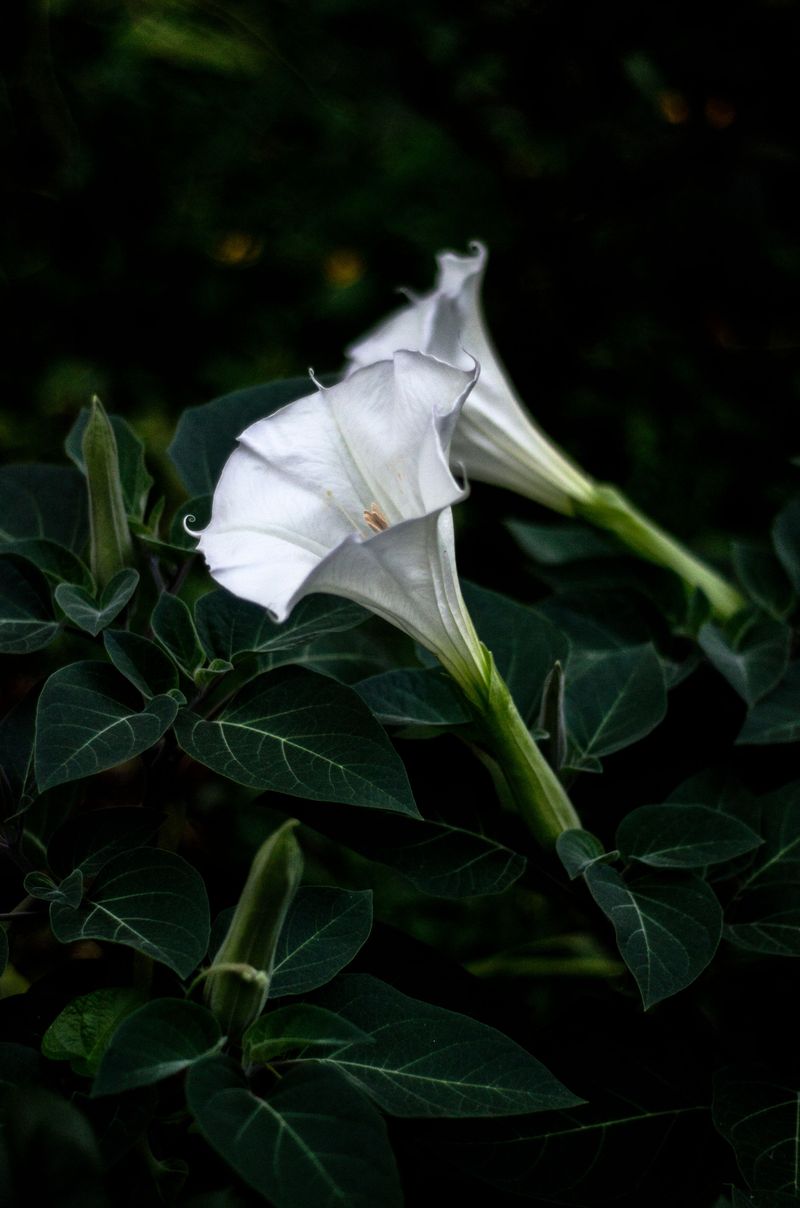
Datura is one of the more visually striking choices for the nighttime garden. Its enormous white trumpet blooms can stretch six inches long and twist into a spiral at the tip, creating one of the most striking silhouettes in any container arrangement.
When it opens at night, the effect is visually dramatic. Sometimes called jimsonweed, datura is a native desert plant that feels right at home in Nevada conditions. It handles intense heat, low humidity, and rocky soil without missing a beat.
In a container, it stays more manageable than it would in the ground, where it can spread aggressively.
Use a large, deep pot since datura develops a substantial root system. Well-draining, slightly sandy soil works best, and full sun placement keeps the plant strong and productive.
Water deeply but infrequently, mimicking the dry conditions it naturally thrives in across the Southwest.
The fragrance datura releases at night is heady and sweet, sometimes described as powdery or musky. Sphinx moths are its primary pollinators and arrive at dusk to feed from the long flower tubes.
Watching that interaction up close is one of the genuine thrills of growing this plant. One important note: every part of datura is toxic if ingested, so keep it away from children and pets. Handle it with gloves to avoid skin irritation.
With proper placement and respect, datura becomes one of the most conversation-starting nighttime-flowering container plants on your patio.
7. Brugmansia (Angel’s Trumpet)
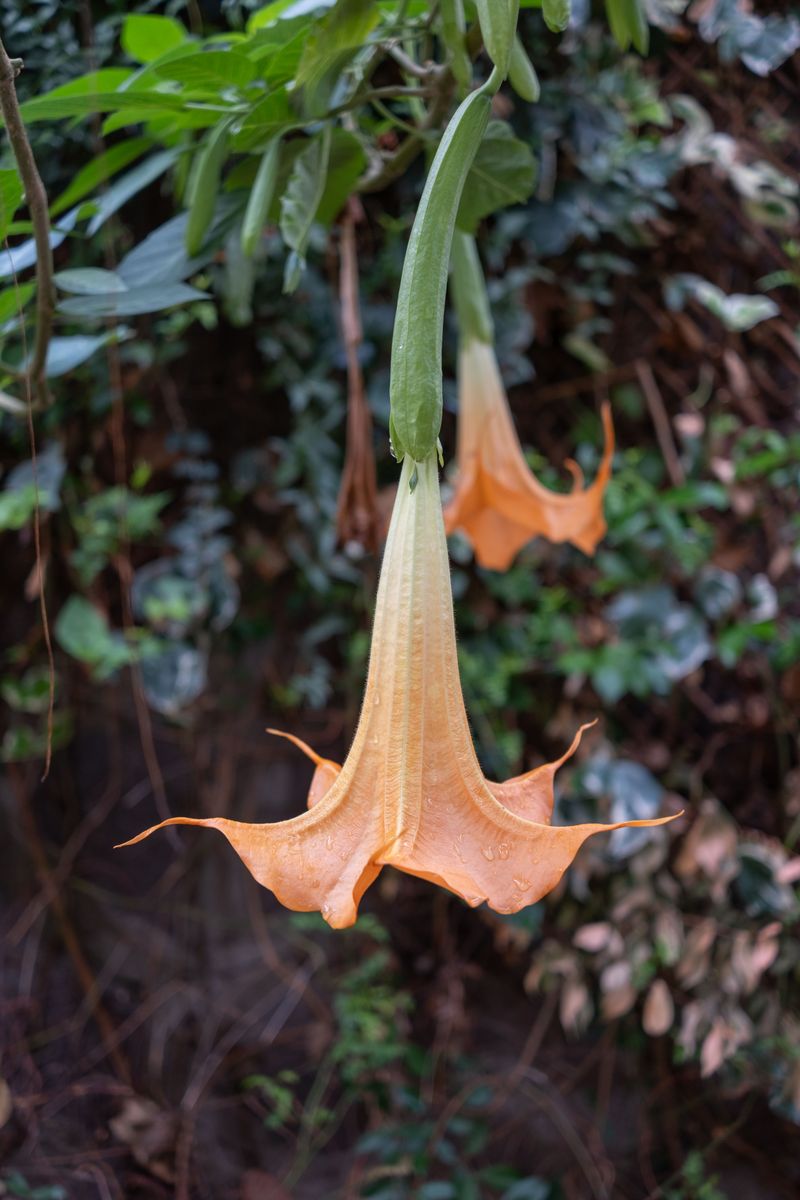
Brugmansia draws immediate attention. The enormous pendant blooms hang downward like elegant chandeliers, swaying gently in the evening breeze and releasing a fragrance that is rich, tropical, and completely unforgettable.
One plant in a pot can transform an ordinary patio into something that feels like a botanical garden.
Angel’s trumpet comes in shades of white, peach, yellow, pink, and orange, with some varieties producing double blooms that look almost too beautiful to be real.
Unlike its close cousin datura, brugmansia grows as a woody shrub or small tree rather than an annual herb. In Nevada containers, it can be brought indoors during cold winters and grown for years.
Plant brugmansia in a large, heavy container since mature plants get top-heavy with all those blooms. Rich, well-draining potting mix and consistent moisture keep it performing at its best.
Full sun or light afternoon shade in the hottest months prevents leaf scorch in Nevada’s intense summer heat.
Feed it generously with a high-phosphorus fertilizer to encourage maximum blooming. Water frequently during hot weather, checking the soil every day since containers dry out fast in desert conditions.
A thick layer of mulch on top of the soil helps retain moisture between waterings. Brugmansia is also toxic if ingested, so placement matters in households with kids or animals.
Grown responsibly, this plant is a standout addition to any nighttime-flowering container collection on a Nevada patio.
8. Tuberose
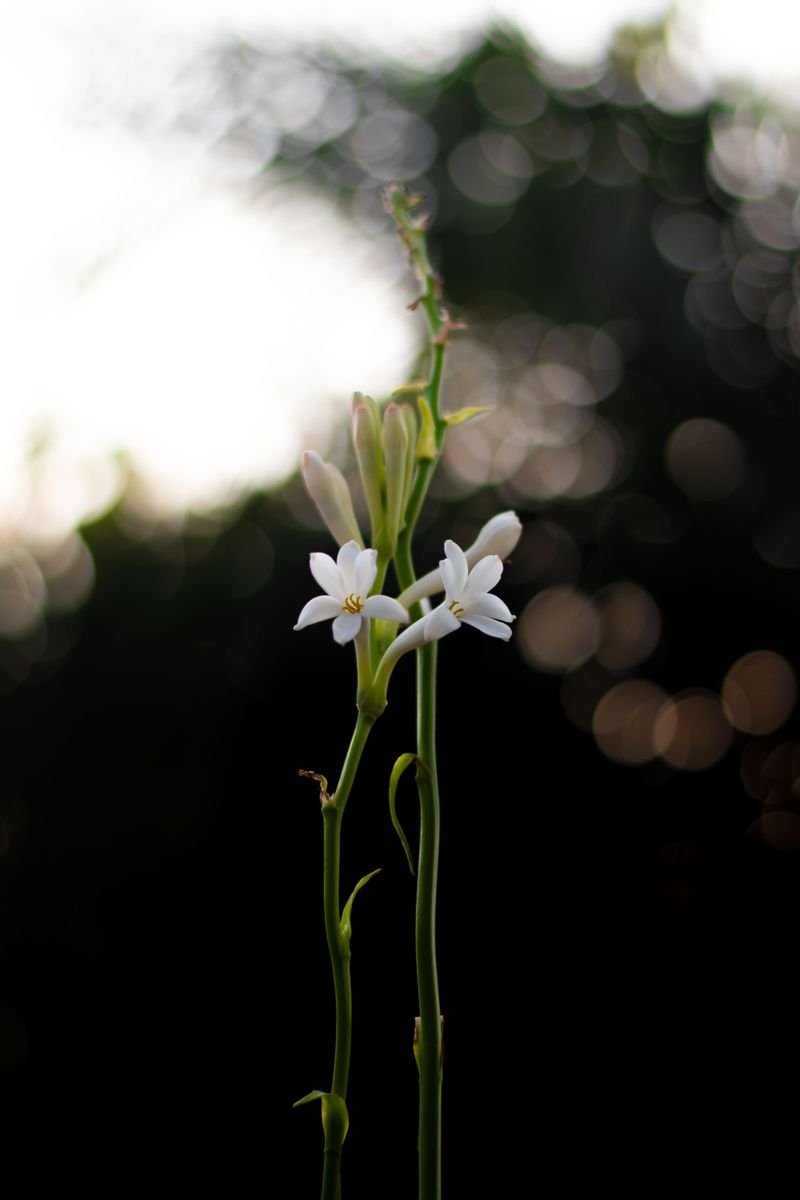
Tuberose has one of the most fragrant blooms grown in home gardens. A single blooming spike can scent an entire outdoor space.
Growing tuberose in a container on your Nevada patio means having that luxury fragrance available every summer evening.
Polianthes tuberosa produces tall, elegant spikes covered in waxy white flowers that open progressively from bottom to top.
The blooms are small but clustered thickly, and their fragrance intensifies after sundown when the air cools. Placing a pot near your seating area means the scent wraps around you all evening long.
Tuberose grows from bulbs, so plant them in spring once nighttime temps stay above 55 degrees. Use a deep container with rich, fertile potting mix and excellent drainage. Full sun is essential for strong spike development, so find the sunniest spot on your patio.
Water consistently and evenly through the growing season since tuberose does not tolerate drought as well as some other desert-friendly plants. A balanced fertilizer applied monthly keeps the leaves green and the spikes coming.
Each bulb typically produces one or two flower spikes per season, so plant several bulbs in one pot for a fuller display.
Tuberose pairs beautifully with moonflower and nicotiana in a mixed nighttime-flowering container plant arrangement. Together, they create a layered fragrance experience that makes staying on your Nevada patio after dark feel like the best decision you made all day.