These 8 Mojave Natives Are Worth Adding To Nevada Yards
Nevada’s sun doesn’t negotiate, and neither does its soil. Rock-hard clay, triple-digit afternoons, and rainfall that shows up like an uninvited guest have sent plenty of ornamental plants straight to the compost pile.
Yet a few miles outside any Nevada backyard, the Mojave Desert has been running its own decades-long experiment in what actually survives here.
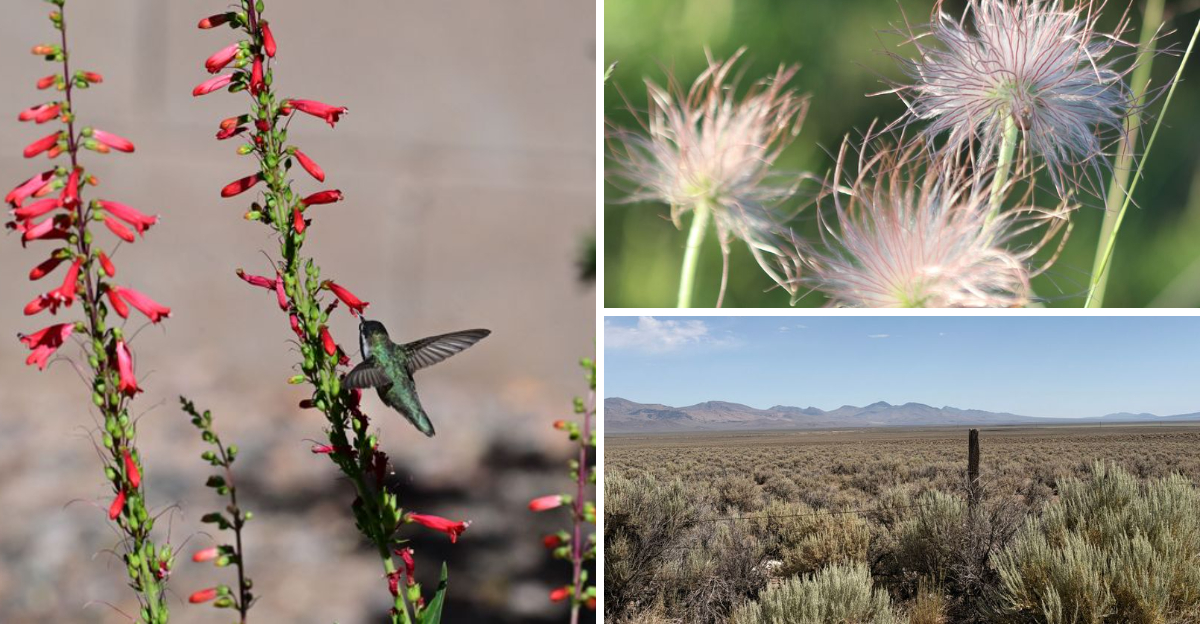
The results are hiding in plain sight: fire-orange blooms after one rainstorm, groundcovers that laugh at 110 degrees, perennials that draw hummingbirds without a drop of extra water.
The eight Mojave natives below turn a rock garden into a living landscape, feeding pollinators and holding their shape through the driest stretch of August. Your yard has been waiting for plants that finally understand the assignment.
1. Joshua Tree
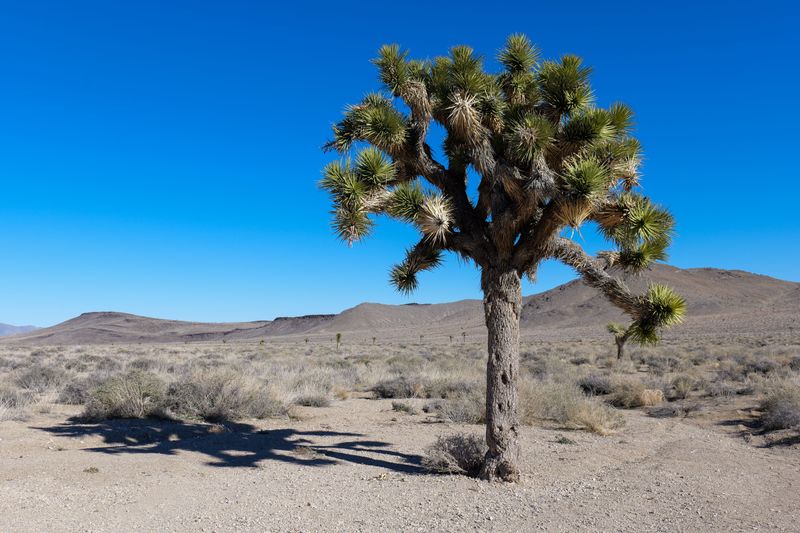
Nothing says the Mojave Desert quite like a Joshua tree standing alone against a blazing sky. These iconic plants look like something sketched by a surrealist illustrator, and that’s exactly what makes them unforgettable.
Joshua trees are slow growers, but they’re worth every year of patience. A mature specimen can reach 40 feet tall and live for hundreds of years, becoming a true landmark in your yard.
They thrive in full sun and well-drained, sandy soil, which makes them perfect for Nevada landscapes. Watering once or twice a month during the first year is plenty, and after that, rainfall usually handles everything.
Wildlife absolutely loves them. Owls nest in their branches, woodpeckers drill cavities, and the yucca moth has a fascinating relationship with the blooms that scientists still study today.
Planting one near a fence line or as a focal point creates instant drama. Just give it room to spread, since the branches fan out wide over time.
Frost tolerance is surprisingly good, making Joshua trees adaptable across most Nevada elevations. They handle cold snaps better than many people expect from a desert plant.
One practical note: buy from a licensed nursery and check local regulations before planting. Some areas protect wild-collected specimens, so sourcing matters.
Once established, a Joshua tree practically takes care of itself. Add one to your yard, and you’ll have a living sculpture that generations will admire.
2. Creosote Bush
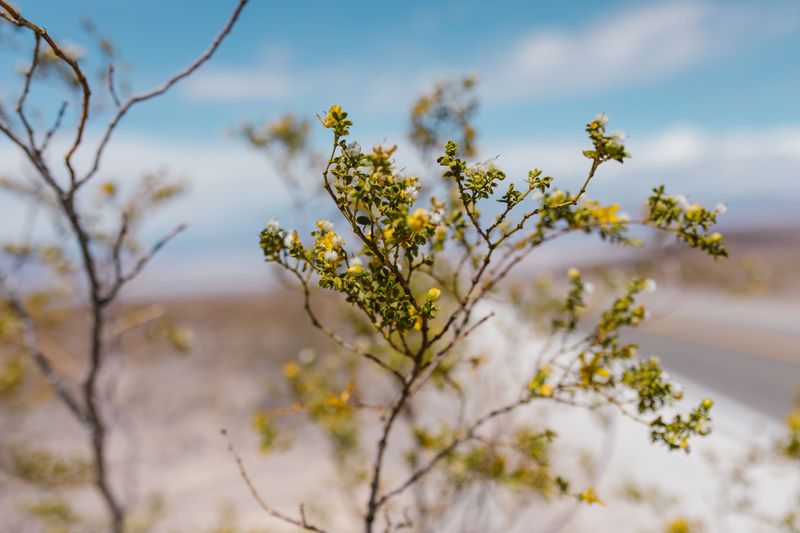
After a desert rainstorm, the air smells like magic. That earthy, almost medicinal scent comes from the creosote bush, and once you know it, you’ll never forget it.
Creosote is one of the oldest living plants on Earth. A single clone in the Mojave has been estimated at over 11,000 years old, which puts your garden in pretty impressive company.
In the yard, it grows into a graceful, open shrub reaching four to eight feet tall. Small yellow flowers pop up after rain events, drawing bees and butterflies with surprising enthusiasm.
This plant is nearly indestructible once settled in. It handles extreme heat, poor rocky soil, and long dry spells without complaint, making it a dream for low-maintenance Nevada gardens.
Spacing matters when planting creosote. Give each shrub about six feet of clearance, since they naturally self-space in the wild to avoid competing for limited moisture.
Your Nevada Garden Changes Every Week. Your Plan Should Too.
Gardening in Nevada changes quickly throughout the season. Every Friday you’ll receive a simple weekly plan showing exactly what to plant, prune, fertilize, harvest, and protect so you never miss the right timing.
Use it as a natural screen along property lines or as a backdrop for shorter flowering plants. The dark green foliage creates a rich contrast against pale desert soils and gravel mulch.
Traditional communities have used creosote for centuries as a medicinal plant. While you shouldn’t experiment with home remedies, knowing that history adds real depth to what’s growing in your yard.
Few plants offer this combination of history, resilience, and sensory beauty. Plant a creosote bush, and every rainy afternoon becomes a little more extraordinary.
3. Apache Plume
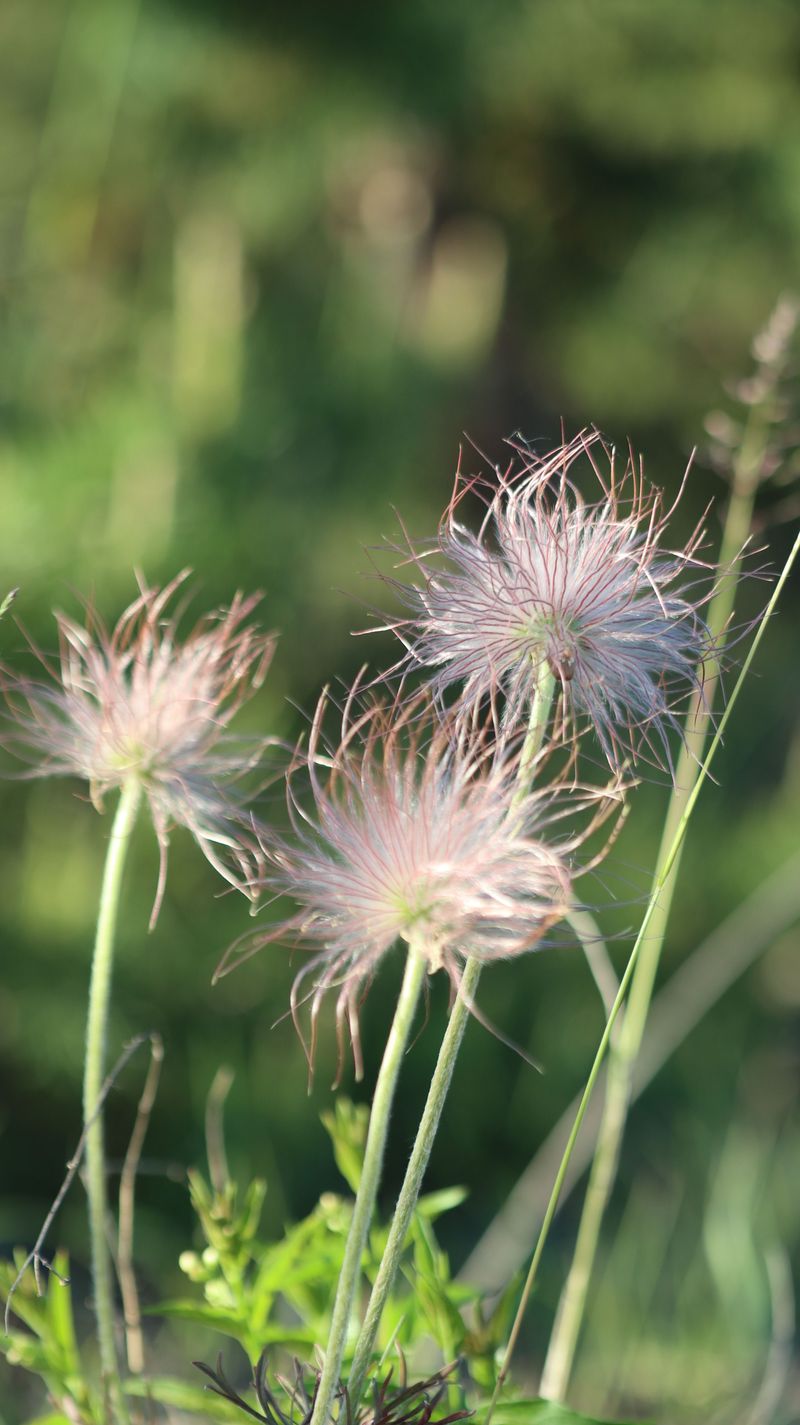
Feathery pink plumes catching the afternoon breeze is one of the most underrated sights in a desert garden. Apache plume delivers that show from spring all the way through fall, and most people can’t believe it’s a native plant.
The white flowers resemble wild roses, blooming in clusters that attract native bees and hummingbirds. After the petals drop, silky seed heads spiral outward in soft shades of pink and lavender.
Apache plume grows three to six feet tall and equally wide, forming a rounded, airy shrub. It fits beautifully along borders, near boulders, or as a loose hedge between garden zones.
This plant handles cold better than most Mojave natives, tolerating temperatures well below freezing. That adaptability makes it especially useful across Nevada’s varied elevation ranges.
Water it deeply once a week during its first summer, then pull back significantly. Established plants survive on natural rainfall in most parts of the state with minimal supplemental irrigation.
Sandy or rocky soil suits it perfectly. Apache plume actually struggles in heavy clay, so amend your planting area with coarse sand or gravel if needed.
Pruning is optional but can keep the shape tidy. A light trim after the main bloom cycle encourages fresh growth and another round of those spectacular seed plumes.
If you want a plant that earns its place in every season, Apache plume is a standout choice. The feathery texture alone makes it worth the space.
4. Desert Marigold
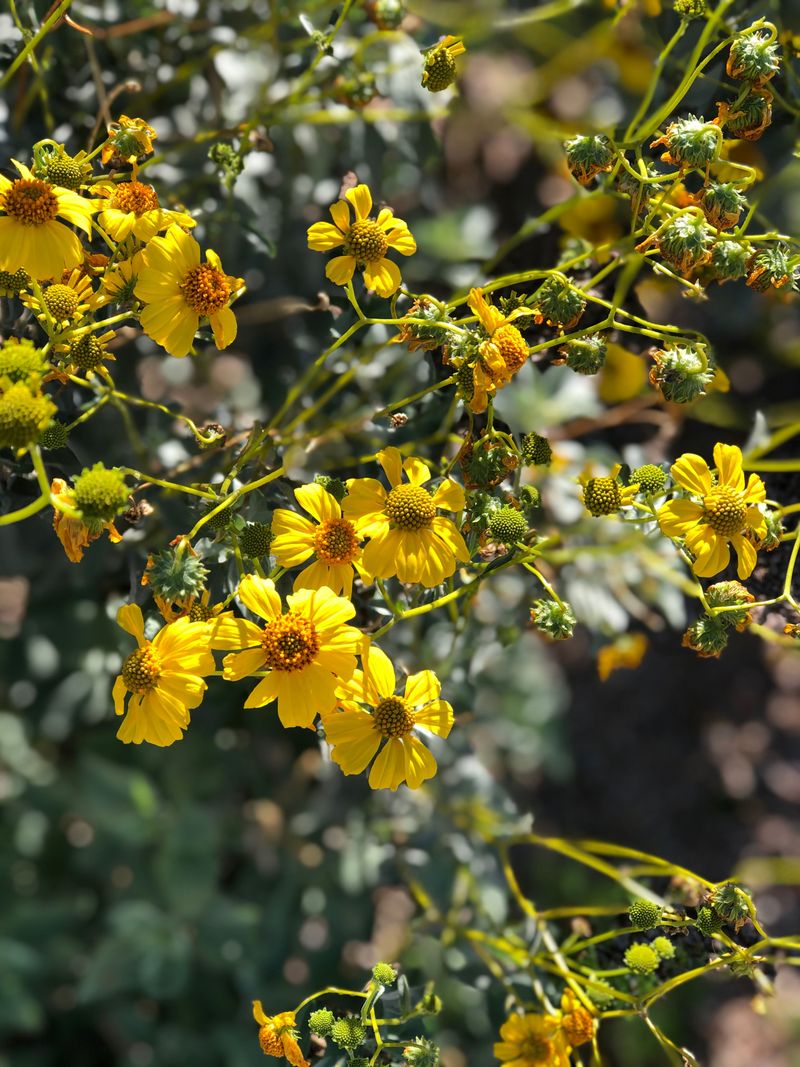
Sunshine in plant form exists, and it’s called desert marigold. These cheerful yellow blooms light up dry gardens from spring through fall, often without a single drop of extra water after the first season.
Desert marigold grows in low mounds about one to two feet tall. The daisy-like flowers sit on long stems above silvery-gray foliage, creating a two-tone effect that looks intentional and polished.
Butterflies treat this plant like a favorite diner. Painted ladies, skippers, and sulfurs visit constantly during bloom cycles, bringing movement and life to otherwise still garden spaces.
Full sun makes the biggest difference in performance. Partial shade leads to leggy stems and fewer blooms, so pick the hottest, brightest spot in your yard and plant it there.
One quirky fact: the foliage contains compounds that most grazing animals avoid. That natural deer resistance makes it a smart pick for yards near open desert or wildlife corridors.
Removing spent blooms extends the flowering season significantly. Snip off faded flowers every week or two, and the plant responds by pushing out fresh buds almost immediately.
Desert marigold self-seeds readily in loose soil. Over a few seasons, a single plant can spread into a soft golden colony that fills bare spots with almost no effort from you.
Few plants offer this much color with this little fuss. For a Nevada yard that needs a reliable pop of gold, desert marigold rarely disappoints.
5. Red Yucca
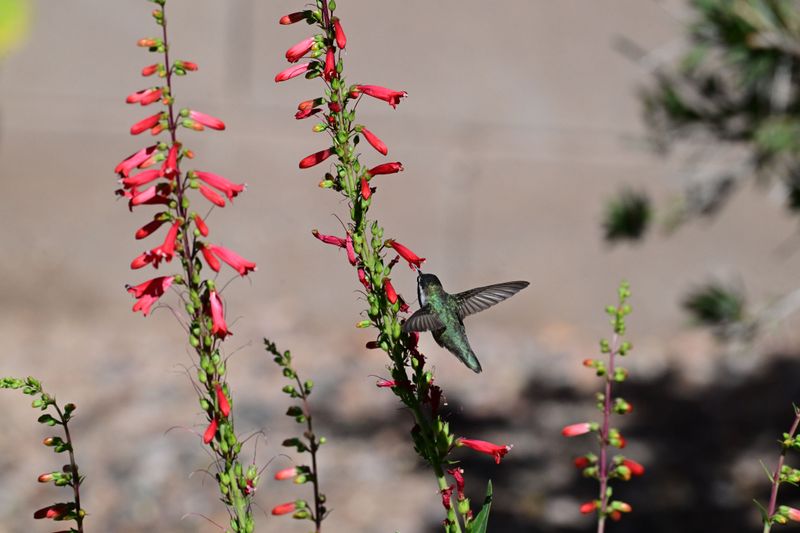
Hummingbirds flock to red yucca, and once you see why, you’ll want several in your yard. The tall flower spikes glow in shades of coral and pink, rising four to five feet above the base like living torches.
Despite the name, red yucca isn’t a true yucca. It belongs to the agave family, which explains its strap-like leaves and impressive drought tolerance once established in the ground.
Bloom season runs from late spring through summer, giving you weeks of color during the hottest months. That timing fills a gap when many other plants are struggling or going dormant.
The foliage stays green and attractive year-round. Clumps of arching leaves create a fountain-like shape that adds structure to borders, rock gardens, and container arrangements.
Plant red yucca in full sun with excellent drainage. Soggy roots are its one weakness, so raised beds or sloped areas work especially well in yards with heavier soils.
It spreads slowly through offsets at the base, forming tidy clusters over time. You can divide these pups every few years to multiply your plants or share them with neighbors.
Red yucca pairs beautifully with purple sage and desert marigold. The color contrast between coral spikes and yellow or purple blooms creates a layered palette that feels designed, not accidental.
Low maintenance, hummingbird-approved, and stunning all season long, red yucca earns its spot in any Nevada yard without ever demanding much in return.
6. Purple Sage
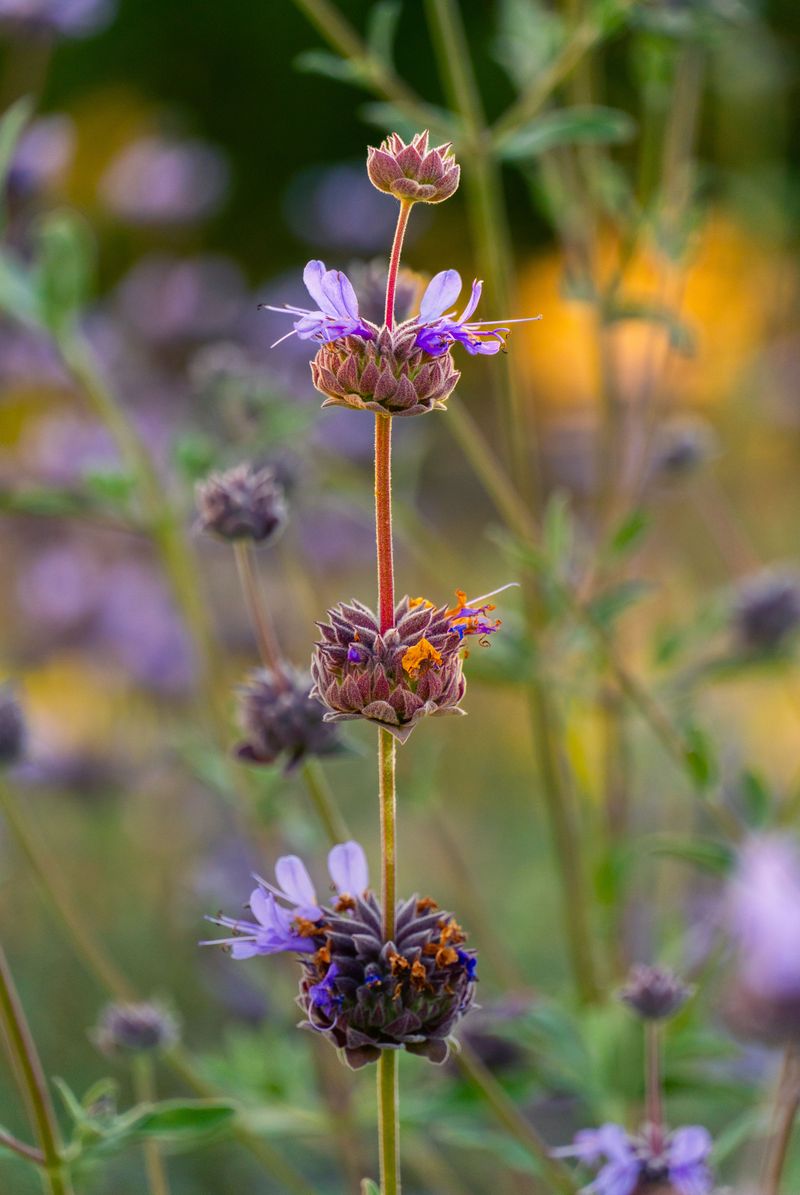
Walk past purple sage on a warm afternoon and the fragrance stops you cold. It’s sharp, herbal, and deeply familiar, like the desert itself bottled into a single plant.
Purple sage, also called desert sage or Salvia dorrii, grows as a compact silvery shrub. It tops out around two feet tall and spreads about three feet wide, fitting neatly into most garden layouts.
Blooms arrive in spring, covering the plant in vivid violet-blue spikes that pollinators can’t resist. Bees, hummingbirds, and butterflies cluster around it during peak bloom, turning your yard into a mini wildlife refuge.
The silver-gray foliage is the real showstopper between bloom cycles. It reflects harsh sunlight beautifully and creates a cool, calming contrast against warm-toned rocks and gravel mulch.
Purple sage thrives in poor, rocky soil with excellent drainage. Avoid fertilizing heavily, since rich soil encourages floppy growth and reduces the silvery color intensity that makes this plant special.
Water deeply but infrequently once established. Twice a month during summer is usually enough, and in cooler months, natural rainfall handles the rest without any help from the hose.
Prune lightly after flowering to maintain a tidy shape. Hard pruning isn’t recommended, since the plant recovers slowly from aggressive cuts, so think of trimming as a gentle haircut, not a renovation.
Purple sage is one of those plants that makes every nearby plant look better. Add it to any border, and the whole garden gains a quiet, aromatic elegance.
7. Nevada Sagebrush
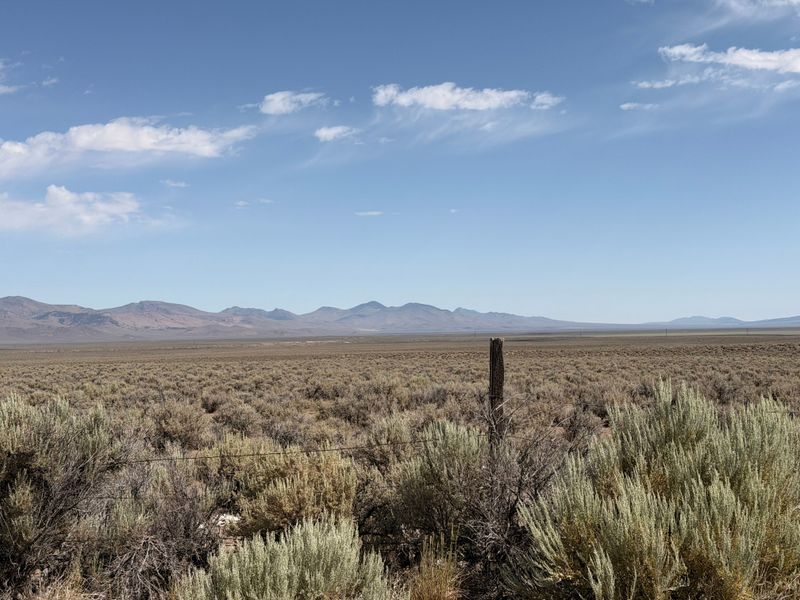
If the American West had a signature scent, Nevada sagebrush would own the copyright. That sharp, clean fragrance after a rain is the smell of wide open spaces, and you can bring it right to your backyard.
Artemisia tridentata, the big sagebrush, is the dominant shrub across millions of acres of the Great Basin. Planting it connects your yard to something ancient and genuinely wild.
It grows three to seven feet tall depending on water availability and soil depth. The silvery foliage shimmers in sunlight and holds its color through winter, giving the garden structure when other plants go bare.
Wildlife dependency on sagebrush is remarkable. Sage grouse, mule deer, pronghorn, and dozens of songbird species rely on it for food and shelter throughout the year.
Establishment takes patience. Water weekly for the first season, then taper off dramatically once roots are settled. Overwatering after establishment is actually more harmful than underwatering.
Full sun and well-drained soil are essential. Sandy loam or gravelly mixes mimic its natural habitat and help the plant stay compact and healthy rather than stretching toward light.
One underrated benefit: sagebrush provides year-round privacy screening. Dense mature shrubs block sightlines naturally and require no fencing, staining, or maintenance beyond occasional shaping.
Planting Nevada sagebrush is a small act of ecological restoration. Every clump you grow supports the broader web of life that makes this region extraordinary and worth protecting.
8. Ocotillo
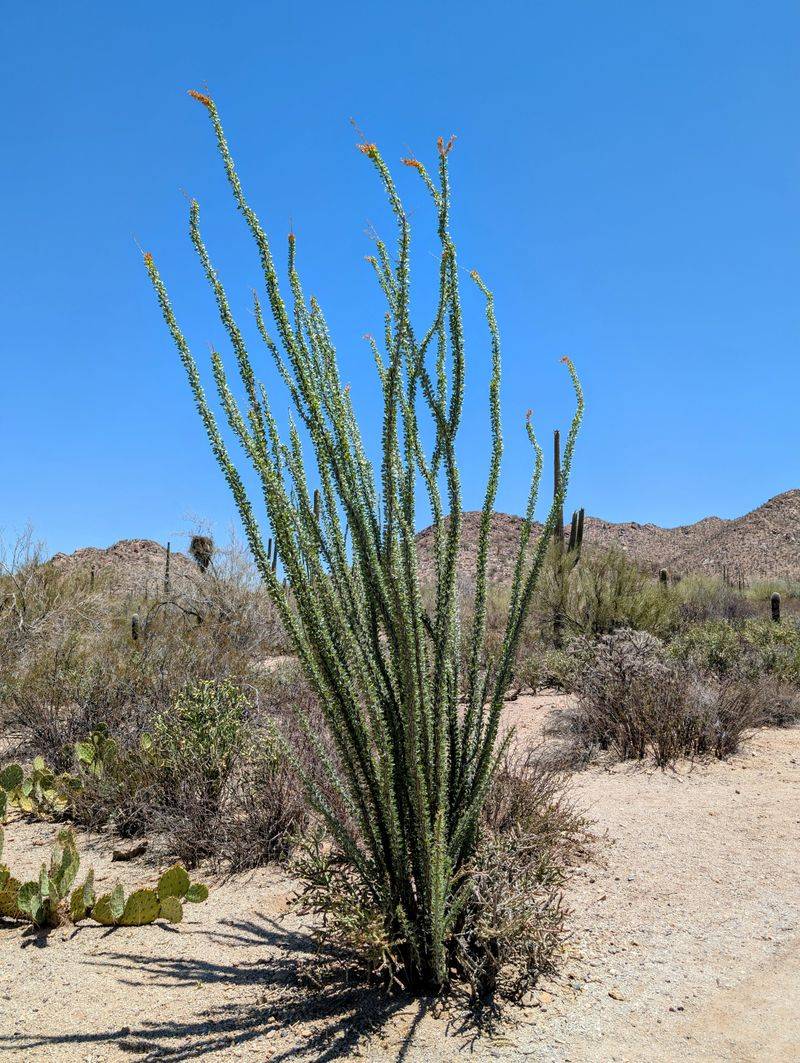
Ocotillo looks like a plant that came from another planet, and that’s exactly why it belongs in a Nevada yard. Tall, whip-like canes rise eight to twenty feet, tipped with clusters of flame-red flowers that hummingbirds track down from miles away.
This plant has a clever survival trick. It drops its leaves during dry periods to conserve moisture, then leafs out again within days of rainfall, sometimes multiple times in a single year.
Ocotillo works beautifully as a living fence. Plant canes close together in a row, and they’ll root and form an impenetrable barrier that’s far more interesting than any wooden fence you’d buy at the hardware store.
Bloom time typically runs March through June, but plants can rebloom after summer monsoons. That flexibility means you might catch two full flower shows in a single growing season.
Full sun and fast-draining soil make the biggest difference. Ocotillo planted in wet or compacted ground will struggle, so raised beds or sloped terrain gives it the best possible start.
Patience is required after planting. Ocotillo may look bare and dormant for several months before leafing out, which alarms new gardeners, but that dormancy is normal and not a sign of failure.
The silhouette alone justifies planting one. Against a sunset sky, those arching canes with glowing tips create a scene that no ornamental grass or flowering shrub can replicate.
Among all the Mojave natives worth adding to Nevada yards, ocotillo may be the most visually dramatic choice on this list.