What Georgia Gardenias Need In August For Better Blooms Next Year
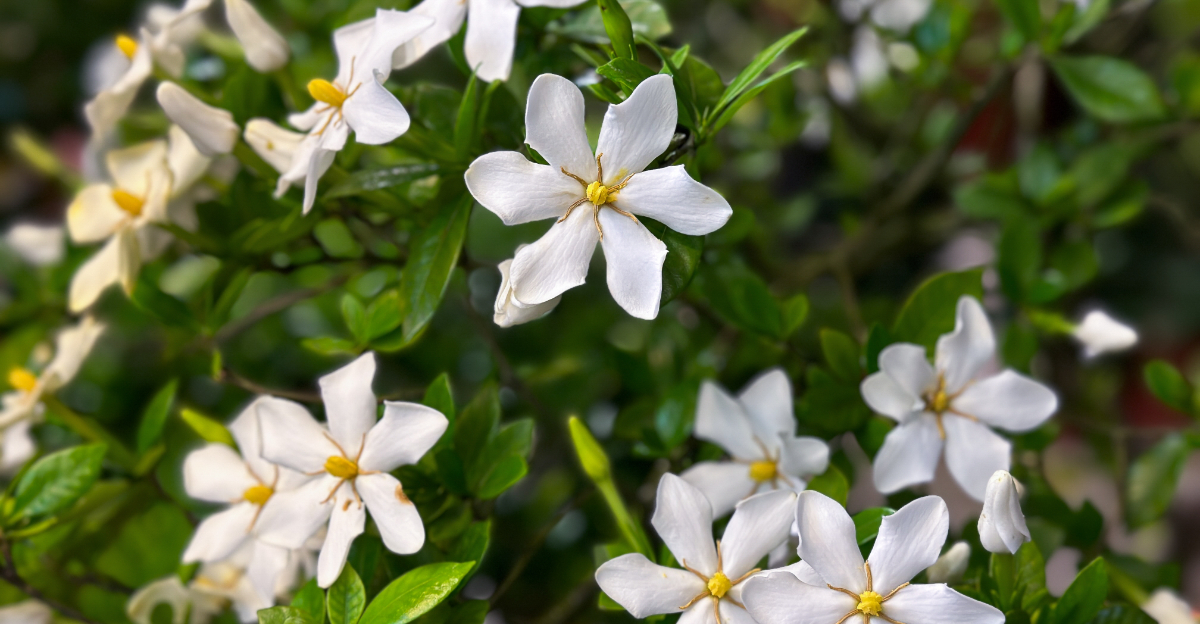
Gardenias may have finished blooming, but they are far from finished for the year. What happens during August can shape the flowers you see next season.
It is easy to stop thinking about the plant once the blossoms disappear. That is often when the most important care begins.
Strong blooms next year depend on choices made long before spring arrives. Small changes now can have a lasting effect without adding much extra work.
August is an important month for gardenias in Georgia. Giving them the attention they need now helps them prepare for the season ahead.
Healthy blooms start with good timing.
The care you give your gardenias today can make next year’s flowering display far more rewarding than you might expect.
1. Keep Soil Moist During Hot Weather
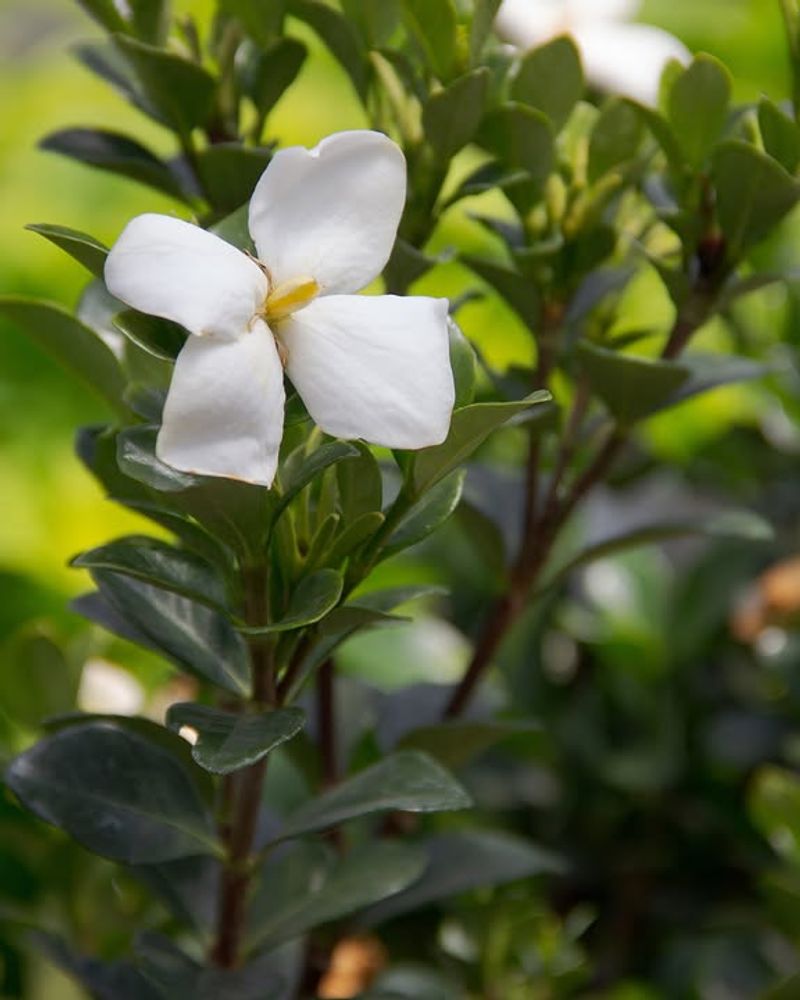
August heat can pull moisture out of soil faster than most gardeners expect. Gardenias have shallow roots, and dry soil stresses them quickly.
Once a plant gets stressed from drought, bud development slows down or stops.
Water deeply at the base of the plant, not from overhead. Wet foliage in summer heat can encourage fungal problems.
Aim for slow, steady watering that soaks down several inches into the root zone.
Sandy soil drains fast, while clay holds water longer but can suffocate roots if overwatered. Know your soil type before setting a watering schedule.
A simple squeeze test can tell you if the soil is dry enough to water again.
Morning watering tends to work better than evening. It gives leaves time to dry and keeps the root zone hydrated through the hottest part of the day.
Skipping watering even once during a heat wave can set back bud formation noticeably.
Check soil moisture two to three inches down before watering. If it feels dry at that depth, water thoroughly.
Consistency matters more than volume when it comes to keeping gardenias healthy through summer.
2. Avoid Late Season Pruning That Removes Buds
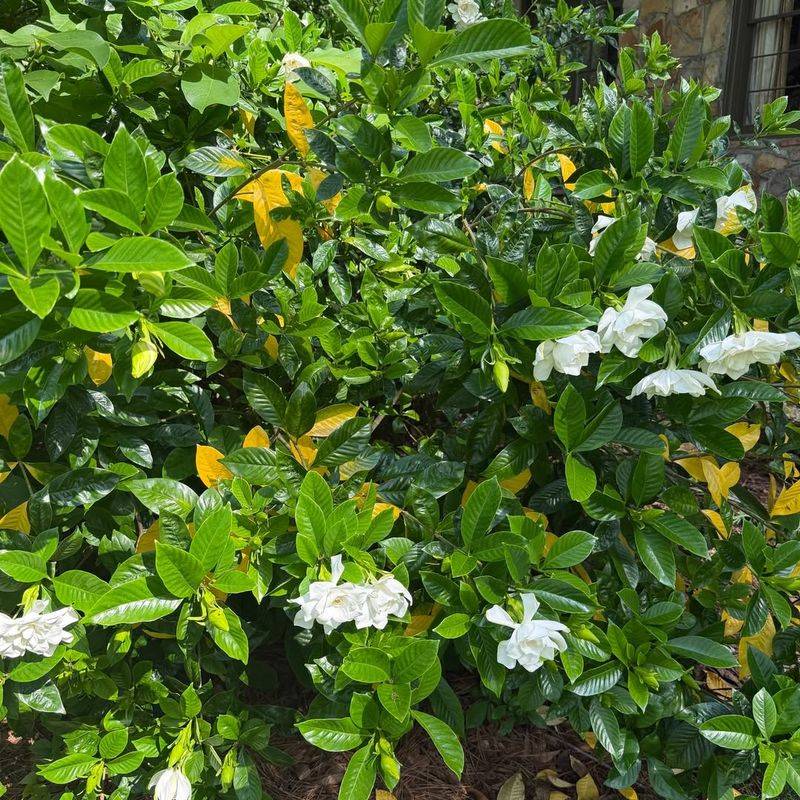
Picking up the pruning shears in August feels tempting, especially when gardenias look a little ragged after summer. Resist that urge.
Gardenias set next year’s flower buds in late summer, and cutting branches now removes those buds before they ever get a chance to open.
Pruning too late in the season is one of the most common reasons gardeners end up with sparse blooms the following spring. You might not even notice the buds yet since they are small and green at this stage.
But they are there, and they matter.
Light shaping right after the main bloom period in early summer is fine. That window closes by mid to late July in most parts of the South.
Once August arrives, put the shears away and leave the plant alone.
If a branch looks damaged or broken, removing just that specific section is generally safe. Avoid any major shaping or size reduction until late winter or very early spring.
Timing your pruning correctly is one of the simplest ways to protect next year’s flower production.
Patience pays off here. A slightly overgrown gardenia with a full flush of blooms next May is far more rewarding than a neatly trimmed plant with almost nothing to show for it.
Your Georgia Garden Changes Every Week. Your Plan Should Too.
Gardening in Georgia changes quickly throughout the season. Every Friday you’ll receive a simple weekly plan showing exactly what to plant, prune, fertilize, harvest, and protect so you never miss the right timing.
3. Add Mulch Around The Root Area
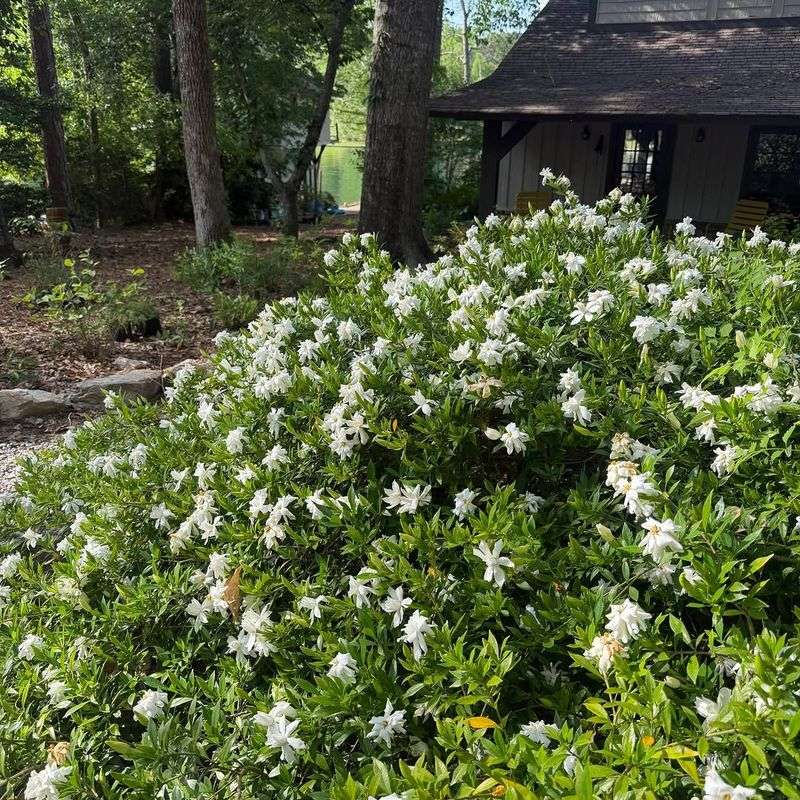
Bare soil around gardenias in August bakes under the sun. Ground temperatures can climb high enough to stress shallow roots even when air temperatures seem manageable.
A proper layer of mulch acts like insulation, keeping the root zone noticeably cooler.
Pine straw is a popular choice across Georgia and much of the South. It breaks down slowly, looks natural in garden beds, and adds a slight acidity to the soil as it decomposes.
That mild pH shift actually benefits gardenias, which prefer acidic conditions.
Spread mulch two to three inches thick around the base of the plant. Keep it a few inches away from the main stem to avoid moisture buildup against the bark.
Piling mulch directly against the stem can invite rot and pest problems over time.
Mulch also slows water evaporation from the soil surface. That means less frequent watering and more consistent moisture levels between rain events.
Both of those things matter a lot for bud development in late summer.
Shredded bark or wood chips work well too if pine straw is not available. Avoid using rubber mulch or gravel near gardenias since those materials can trap heat rather than reduce it.
Organic mulches are the better option for plants that need cool, moist root conditions to thrive.
4. Maintain Proper Soil Acidity Levels
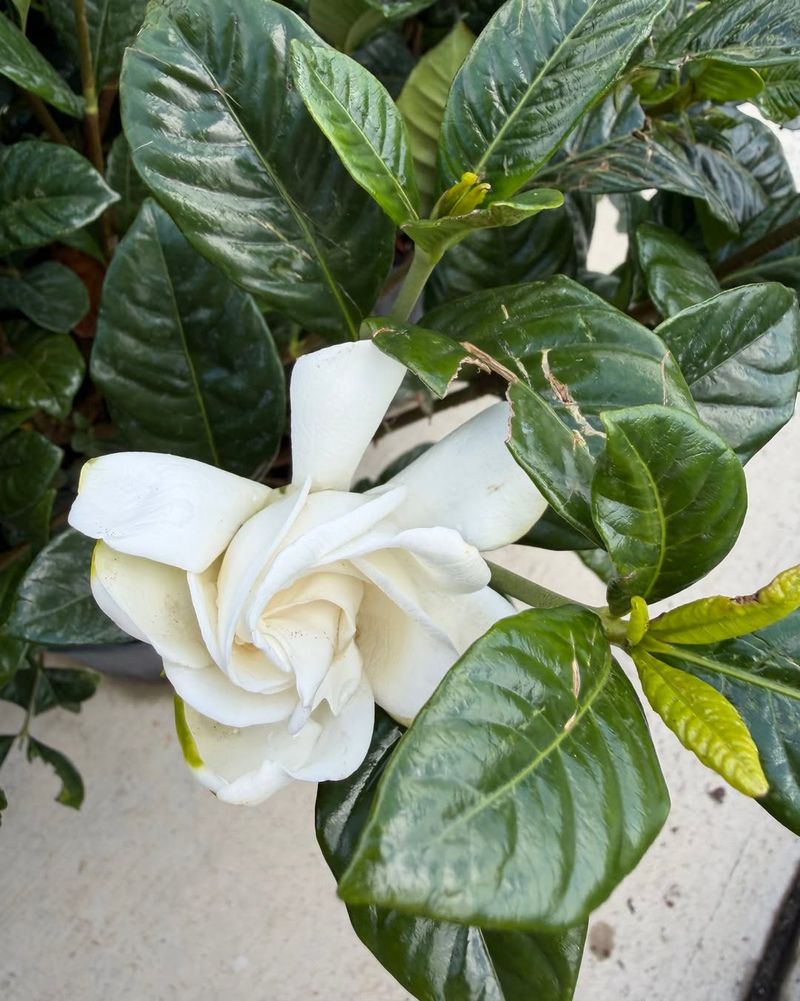
Gardenias are particular about soil pH. They perform best in acidic soil, typically somewhere between 5.0 and 6.0 on the pH scale.
When soil drifts above that range, gardenias struggle to absorb nutrients properly even if those nutrients are present.
August is a good time to test your soil if you have not done it recently. A basic soil pH test kit from a garden center works fine for most home gardeners.
County extension offices in Georgia also offer affordable soil testing with detailed recommendations.
If pH is too high, sulfur-based soil acidifiers can help bring it down gradually. These products work slowly, so patience is necessary.
Applying them in late summer gives the soil time to adjust before the next growing season begins.
Avoid using lime near gardenias. Lime raises pH and is commonly used for lawns, but it can seriously interfere with gardenia health if it drifts into garden beds.
Be mindful of what products are applied nearby.
Coffee grounds are sometimes suggested as a natural acidifier. They can be worked lightly into the soil surface, but they are not a substitute for proper pH management.
Think of them as a small supplement rather than a solution. Consistent pH monitoring is the most reliable way to keep gardenias in good shape year after year.
5. Watch For Yellow Leaves And Nutrient Issues
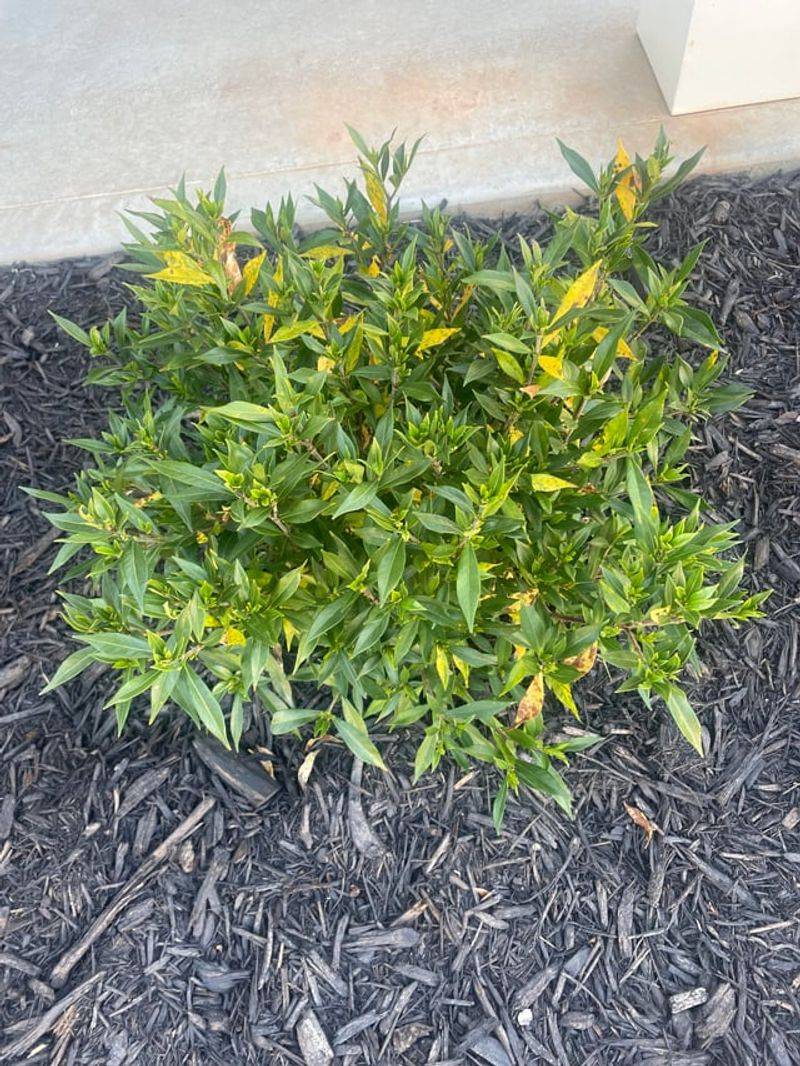
Yellow leaves on gardenias in August are not unusual, but they are worth paying attention to. The pattern of yellowing can tell you a lot about what is actually going on with the plant.
Not all yellow leaves mean the same thing.
Iron chlorosis is a frequent issue. Leaves turn yellow while the veins stay green.
It usually points to high soil pH blocking iron uptake rather than a lack of iron in the soil itself. Correcting pH often resolves this without adding more iron.
Nitrogen deficiency shows up differently. Leaves turn uniformly pale yellow, starting with older growth near the base of the plant.
A balanced, acid-forming fertilizer applied in early August can help, but avoid feeding too late in the season. Late fertilization can push tender new growth that may not handle cooler fall temperatures well.
Overwatering and underwatering can both cause yellowing, which makes diagnosis tricky. Check soil moisture before assuming nutrients are the problem.
Sometimes the fix is simpler than it looks.
Pest pressure from whiteflies or spider mites can also stress leaves into yellowing. Flip a few leaves over and look for tiny insects or webbing.
Catching pest problems early makes them much easier to manage without resorting to heavy treatments that could harm beneficial insects nearby.
6. Provide Afternoon Protection From Harsh Sun
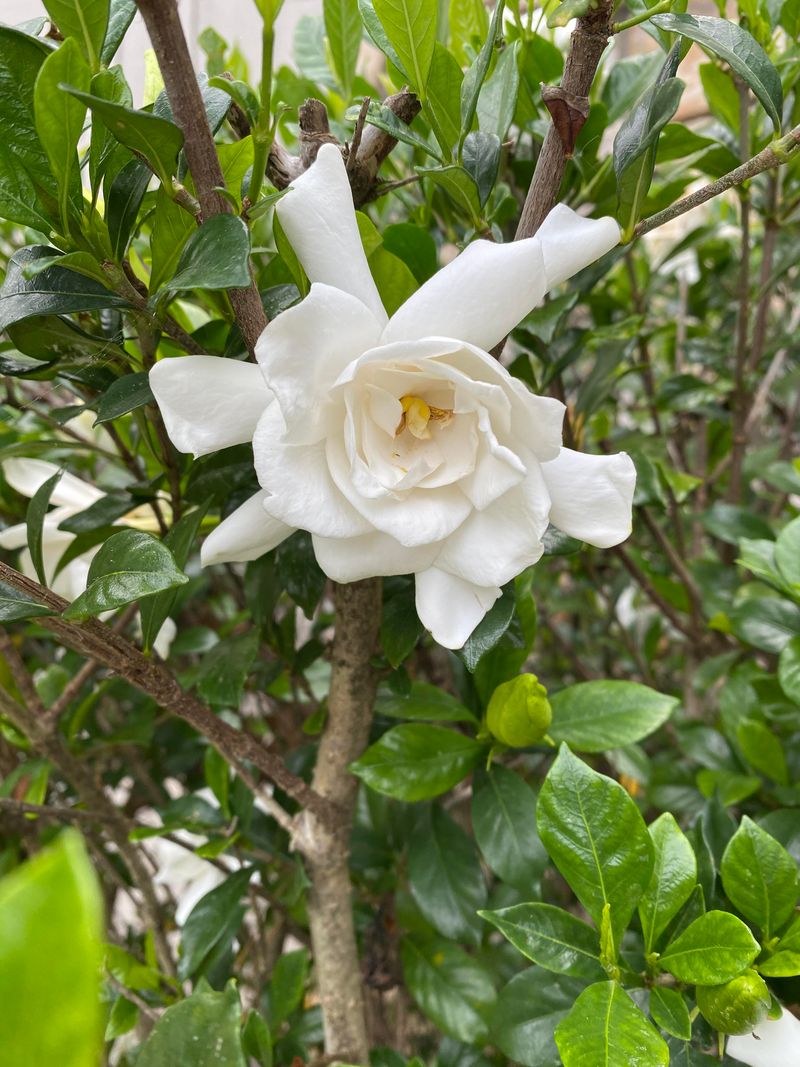
Full sun in August feels different than full sun in April. By mid-afternoon, direct sunlight in the South can scorch gardenia leaves and stress the plant significantly.
Wilting, leaf scorch, and bud drop are all possible when plants get too much intense afternoon exposure.
Gardenias grow well with morning sun and afternoon shade. That combination gives them the light they need for photosynthesis without the punishing heat that comes later in the day.
East-facing spots or locations near taller plants or structures that cast afternoon shade tend to work well.
If your gardenia is already planted in a full-sun spot and struggling, shade cloth can offer temporary relief during the hottest weeks. A 30 to 40 percent shade cloth draped loosely over the plant can reduce leaf stress without cutting out too much light.
Remove it once temperatures drop in September.
Relocating an established gardenia is a significant undertaking and can stress the plant considerably. Adjusting its environment with shade cloth or nearby plantings is often a more practical short-term approach.
Larger shrubs or small trees planted to the west can create natural afternoon shade over time.
Stressed plants put energy into survival rather than bud development. Reducing heat stress in August keeps the plant focused on building the flower buds that will open next year.
7. Support Strong Flower Bud Development
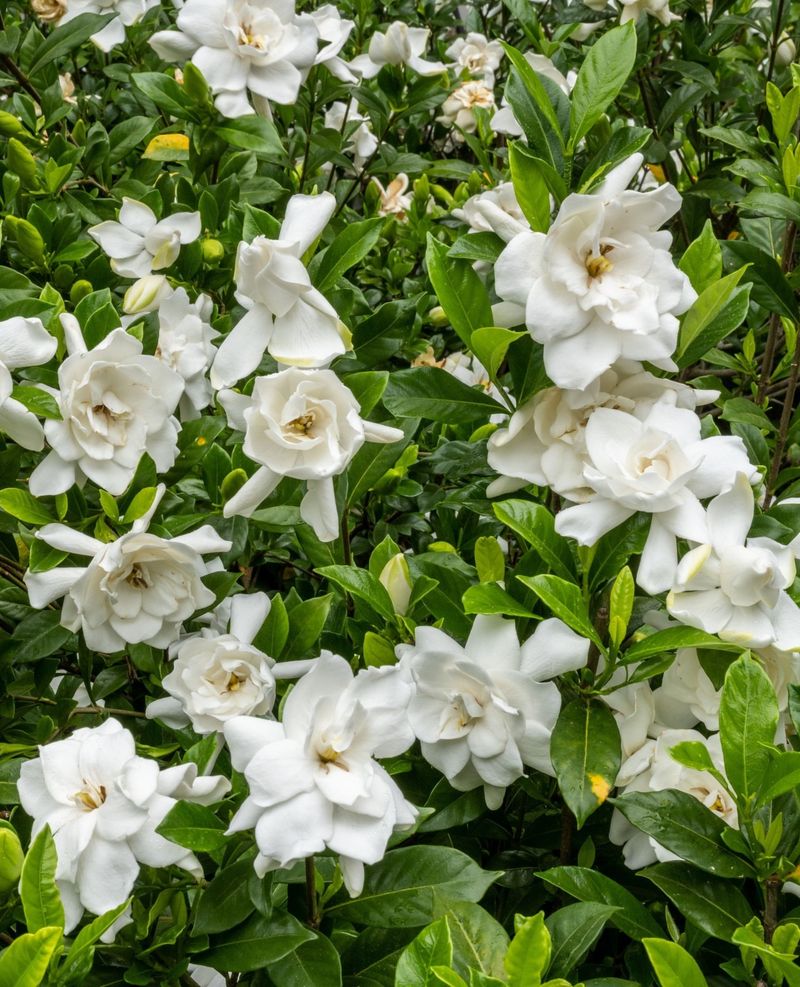
Flower buds on gardenias begin forming in late summer. What the plant experiences right now, in terms of water, nutrients, temperature, and stress, directly influences how many buds set and how well they develop over the coming months.
Phosphorus plays a role in flower bud formation. A fertilizer with a higher middle number, like a 5-10-5 blend, can support bud development when applied carefully in early August.
Avoid fertilizing after mid-August in most Southern growing zones since late feeding can disrupt the plant’s natural slowdown before winter.
Consistent moisture is probably the single biggest factor at this stage. Dry spells during bud set can cause buds to drop before they ever open.
Keeping the root zone evenly moist through August gives developing buds the best chance of staying on the plant.
Stress from pests, disease, or environmental factors diverts the plant’s energy away from reproduction. Healthy, low-stress gardenias tend to set more buds than plants that spend the summer fighting problems.
Prevention is far more effective than correction at this point in the season.
Avoid moving or repotting container gardenias during this period. Disrupting roots while buds are forming often causes significant bud drop.
Let the plant settle and focus on what it is already working on. Stability now translates directly into better blooms when spring finally arrives.