The Easiest Citrus Variety California Gardeners Aren’t Growing Yet
Some citrus trees seem determined to test your patience with fussy watering, cold sensitivity, or fruit that takes forever to ripen.
One compact variety is much easier to live with, yet it still gets overlooked in California yards.
It handles heat well, fits into smaller spaces, and produces fruit without demanding the kind of constant attention many larger citrus trees need.
The tree also works nicely in containers, which makes it appealing for patios and tighter urban gardens.
Its fruit is unusual enough to feel special but practical enough to use straight from the tree. Even better, the plant stays ornamental for much of the year, so it earns its space long after harvest ends.
For anyone who wants citrus without turning backyard care into a second job, this underused option deserves a closer look.
1. The Tiny Citrus Tree That Handles Almost Anything
Not every citrus tree can shrug off neglect and still produce a beautiful harvest. The Nagami kumquat is one of the rare ones that actually can.
It is a slow-growing, compact tree that reaches about eight to twelve feet tall at most, making it a great fit for yards of almost any size.
What makes this tree so tough is its natural ability to adapt. It handles dry spells better than a navel orange.
It bounces back from a missed watering or two without dropping all its fruit. Gardeners who travel or get busy during the season appreciate how forgiving it is.
The tree also does well in a wide range of soil types. Sandy soil, clay-heavy soil, or loamy garden beds all work reasonably well as long as drainage is decent.
You do not need to amend your soil heavily before planting one.
Full sun is its one real requirement. At least six to eight hours of direct sunlight each day keeps the tree healthy and productive.
A south-facing spot in your yard or along a sunny wall works perfectly.
Pruning is minimal. You mostly just remove withered branches or shape the canopy a little each year.
For beginners who want a fruit tree without a complicated maintenance schedule, the Nagami kumquat is hard to beat.
2. Why Nagami Kumquat Fits Smaller California Yards
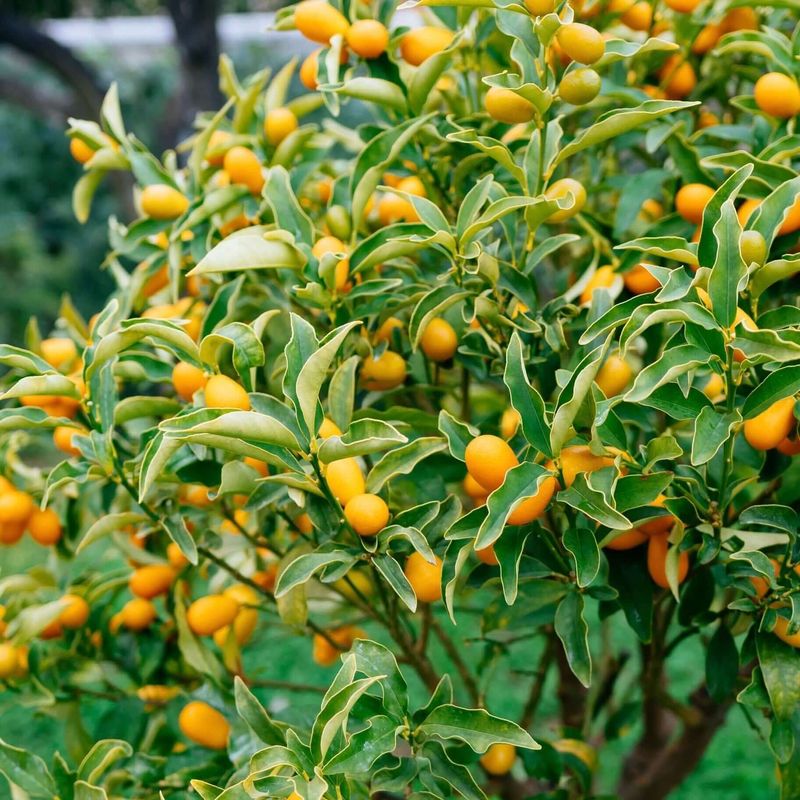
Space is something a lot of California gardeners do not have in unlimited supply. Especially in cities like Los Angeles, San Jose, or San Diego, backyards can be pretty small.
That is where the Nagami kumquat really shines compared to other citrus options.
A standard lemon or orange tree can grow twenty feet tall or more. That kind of size takes over a small yard fast.
The kumquat stays manageable. Most trees top out between eight and twelve feet, and with light pruning, you can keep them even shorter.
The canopy stays neat and rounded on its own. You do not need to spend weekends fighting overgrown branches.
The tree naturally holds a tidy shape, which makes it a nice fit next to a fence, along a wall, or in a corner of a small patio garden.
Your California Garden Changes Every Week. Your Plan Should Too.
Gardening in California changes quickly throughout the season. Every Friday you’ll receive a simple weekly plan showing exactly what to plant, prune, fertilize, harvest, and protect so you never miss the right timing.
Its root system is also less aggressive than larger citrus trees. That means you can plant it closer to walkways or garden borders without worrying about roots cracking concrete or crowding out nearby plants.
Northern regions of California, where frost is a seasonal concern, benefit from the tree’s smaller size too. A compact tree is much easier to cover with frost cloth when temperatures drop.
Smaller size really does mean less work and more flexibility for busy home gardeners everywhere.
3. Cold Snaps Bothering It Less Than Other Citrus
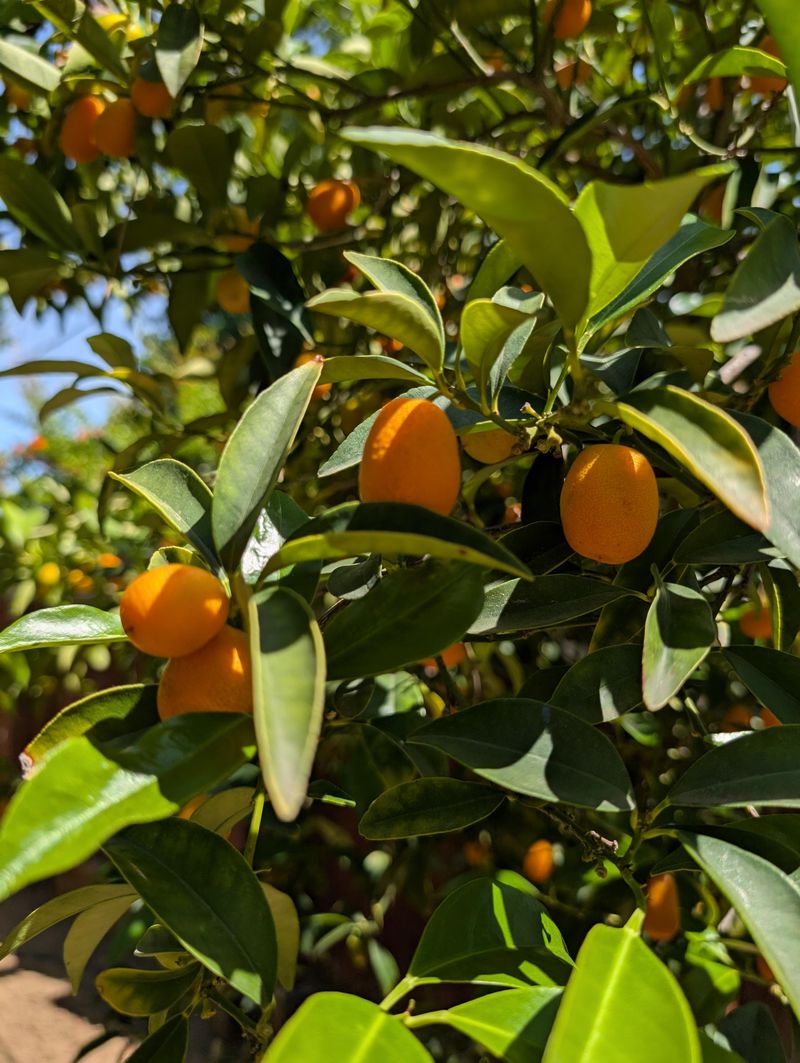
Here is something that surprises a lot of gardeners the first time they hear it. Kumquats are among the most cold-hardy citrus trees you can grow.
While a lemon tree might struggle when temperatures drop below 28 degrees Fahrenheit, the Nagami kumquat can often handle temps down to 18 or even 15 degrees with minimal damage.
That level of cold tolerance opens up a lot of growing options in California. Gardeners in the Sierra foothills, Sacramento Valley, and higher parts of Southern California can grow kumquats where other citrus may not survive winter.
The tree goes into a semi-dormant state during the coldest months. This actually helps it.
It slows down, conserves energy, and wakes back up in spring ready to bloom again. That natural rest period also tends to produce sweeter, more flavorful fruit the following season.
Even in coastal areas where frost is rare, the kumquat’s cold tolerance means you never have to stress about an unexpected cold night. A light frost cloth tossed over the canopy on the coldest nights is usually all the protection it ever needs.
Compared to limes and some orange varieties that need constant warm temperatures, the Nagami kumquat is much more relaxed about weather. That peace of mind alone makes it worth planting.
4. Containers Giving This Compact Tree Plenty Of Room
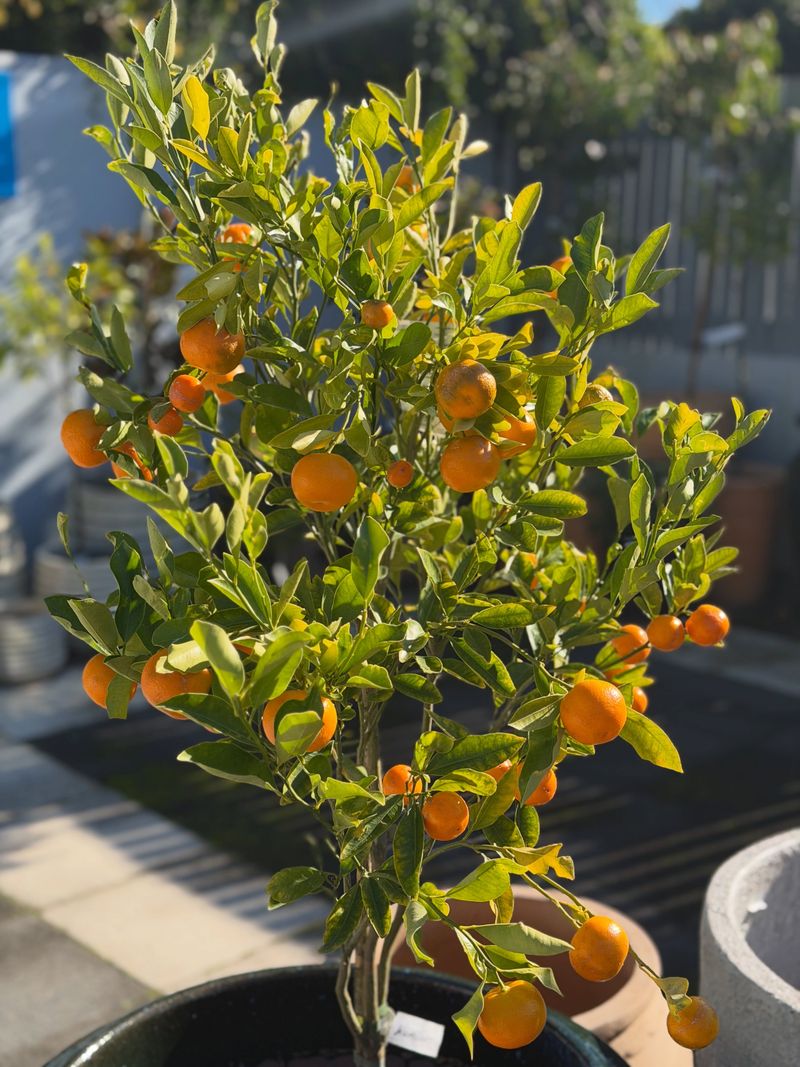
Growing citrus in a container used to feel like a compromise. But with kumquats, it actually works beautifully.
The Nagami kumquat is one of the best citrus trees for container growing, and many gardeners say their potted tree performs just as well as one planted in the ground.
A large container, around fifteen to twenty gallons, gives the roots enough space to spread and the tree enough stability to hold its fruit-heavy branches upright. Use a well-draining potting mix made for citrus or palms, and the tree will settle in quickly.
Containers also give you flexibility that in-ground planting does not. You can move the tree to follow the sun in different seasons.
You can bring it indoors or into a garage during an unusually hard freeze. You can rearrange your patio whenever you feel like it.
Watering a container tree does require a little more attention than an in-ground tree. Pots dry out faster, especially during hot summer months.
Checking the soil every few days and watering when the top inch feels dry keeps the tree happy without overdoing it.
Fertilizing three to four times a year with a citrus-specific fertilizer keeps container-grown kumquats producing well.
A slow-release granular formula works great and takes the guesswork out of feeding schedules for gardeners who prefer a low-effort routine.
5. Sweet Peels Hiding A Surprisingly Tart Center
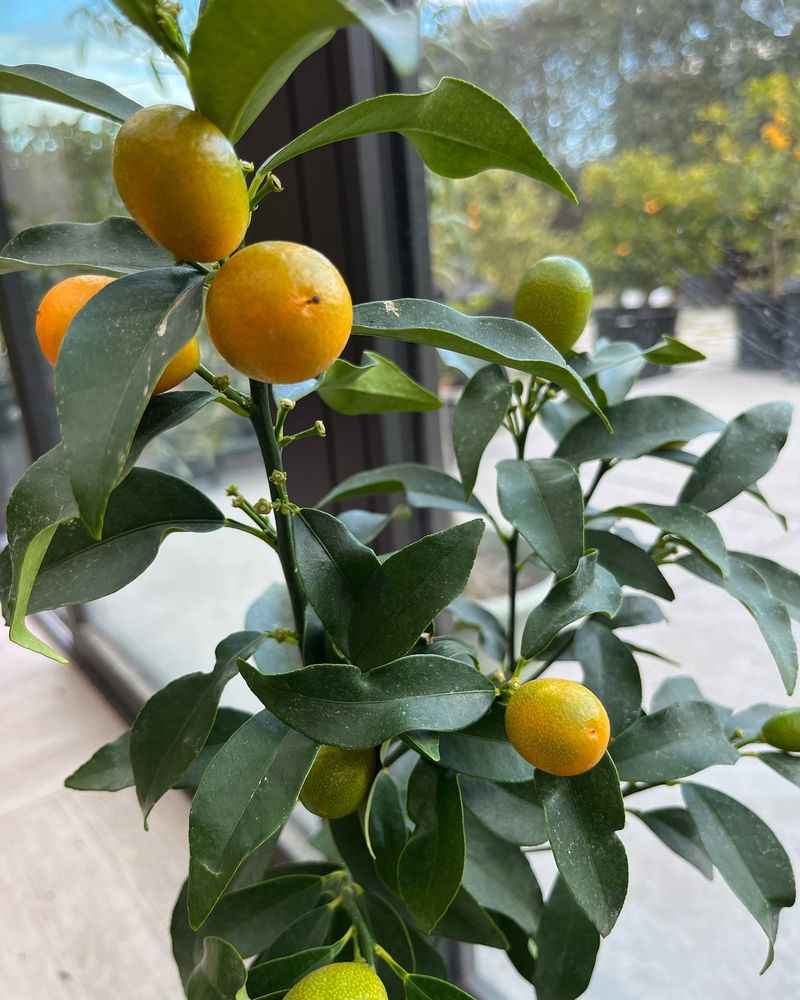
Most people expect citrus to work a certain way. You peel off the outside and eat the sweet fruit inside.
Kumquats flip that idea completely on its head, and that is part of what makes them so fun to discover for the first time.
With a Nagami kumquat, the peel is the sweet part. It has a bright, fragrant, almost candy-like flavor with just a hint of spice.
The essential oils in the skin give it a bold citrus aroma that fills the air the moment you bite into one.
The inside, by contrast, is quite tart. It has a sharp, sour punch similar to a lemon or a sour mandarin.
Together, the sweet peel and tart center create a flavor combination that is bold, complex, and completely unique in the citrus world.
Kids often love them for the novelty factor alone. Adults tend to appreciate how well they pair with cheese boards, cocktails, salads, and savory dishes.
Chefs at farm-to-table restaurants have been using kumquats for years because of this flavor contrast.
You can also cook with them easily. Sliced kumquats make a gorgeous marmalade, a tangy glaze for roasted chicken, or a sweet topping for yogurt and oatmeal.
The flavor holds up well under heat, which makes them incredibly versatile in the kitchen.
6. Fruit You Can Pick And Eat Without Peeling
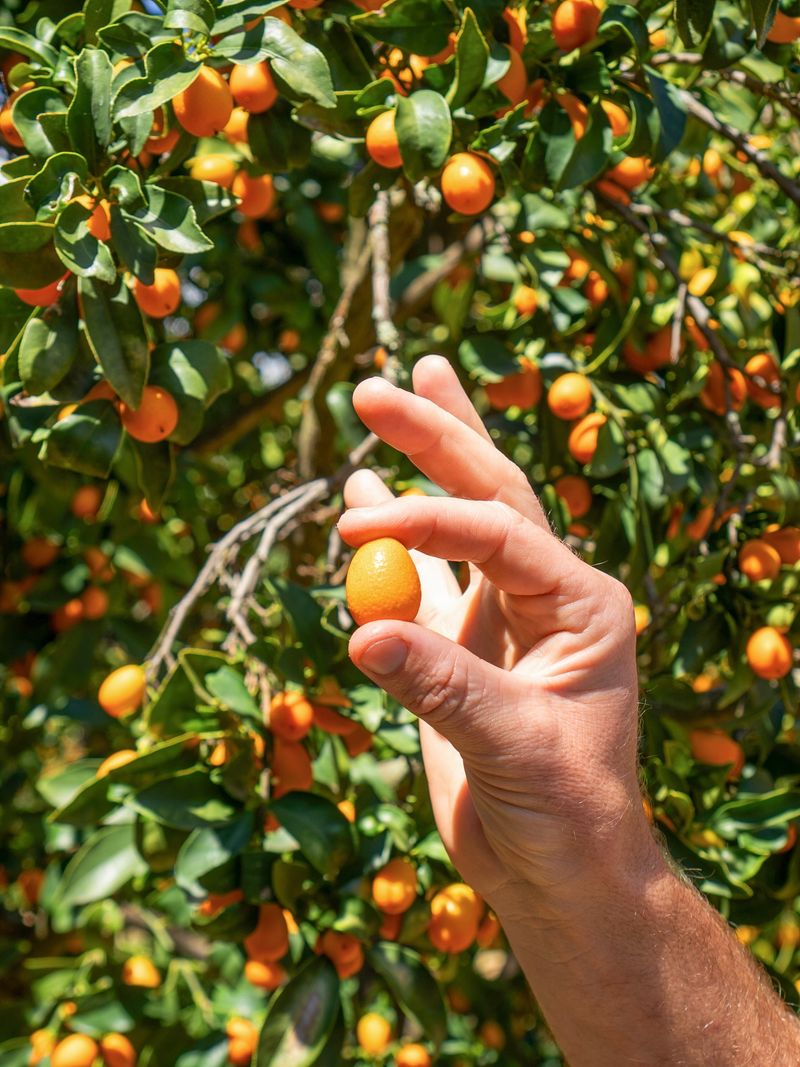
Convenience is underrated when it comes to backyard fruit. Most citrus requires peeling, sectioning, or juicing before you can enjoy it.
The kumquat skips all of that. You just grab one off the branch, give it a quick rinse, and pop the whole thing in your mouth.
Eating it whole is not just allowed, it is actually the recommended way to enjoy a Nagami kumquat. The combination of the sweet skin and the tart flesh is best experienced in a single bite.
Eating just the inside or just the peel misses the whole point.
This makes kumquats an incredible snack option for kids. No mess, no tools, no prep time.
A bowl of freshly picked kumquats on the kitchen counter disappears fast, especially when children discover how fun the flavor burst is.
For adults who like to snack while gardening or working outside, kumquats are ideal. You can grab a handful straight from the tree, eat them on the spot, and get back to what you were doing.
No plates, no napkins, no cleanup needed.
They are also a great addition to a charcuterie board for the same reason. Guests can pick them up easily and eat them whole without any awkward peeling or dripping juice.
That simplicity and ease of eating is one of the top reasons gardeners are starting to fall in love with this little tree.
7. Heavy Harvests From One Seriously Small Tree
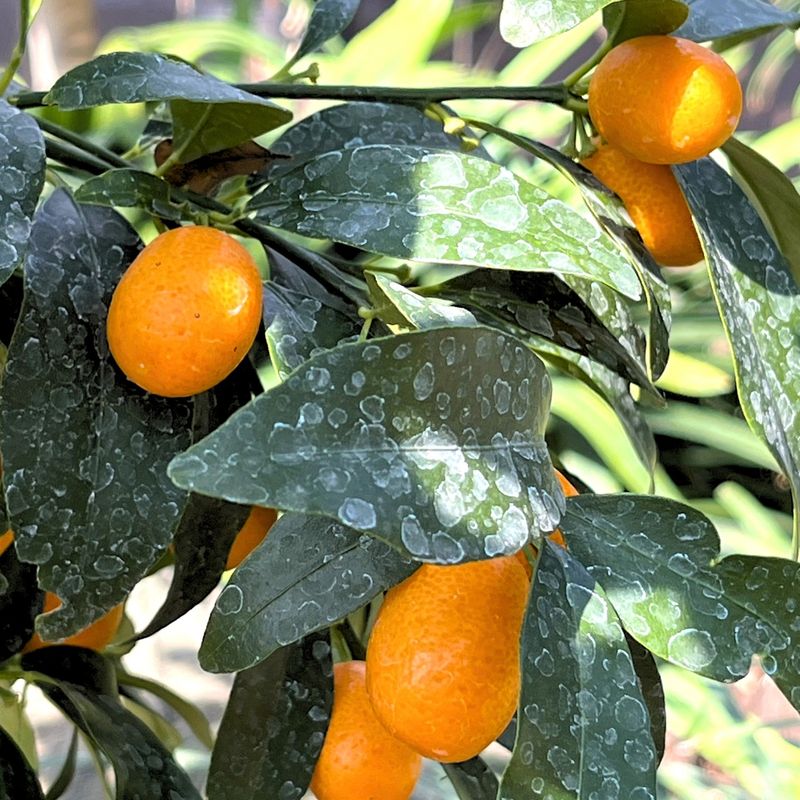
Size can be deceiving with the Nagami kumquat. From a distance, it looks like a modest little ornamental shrub.
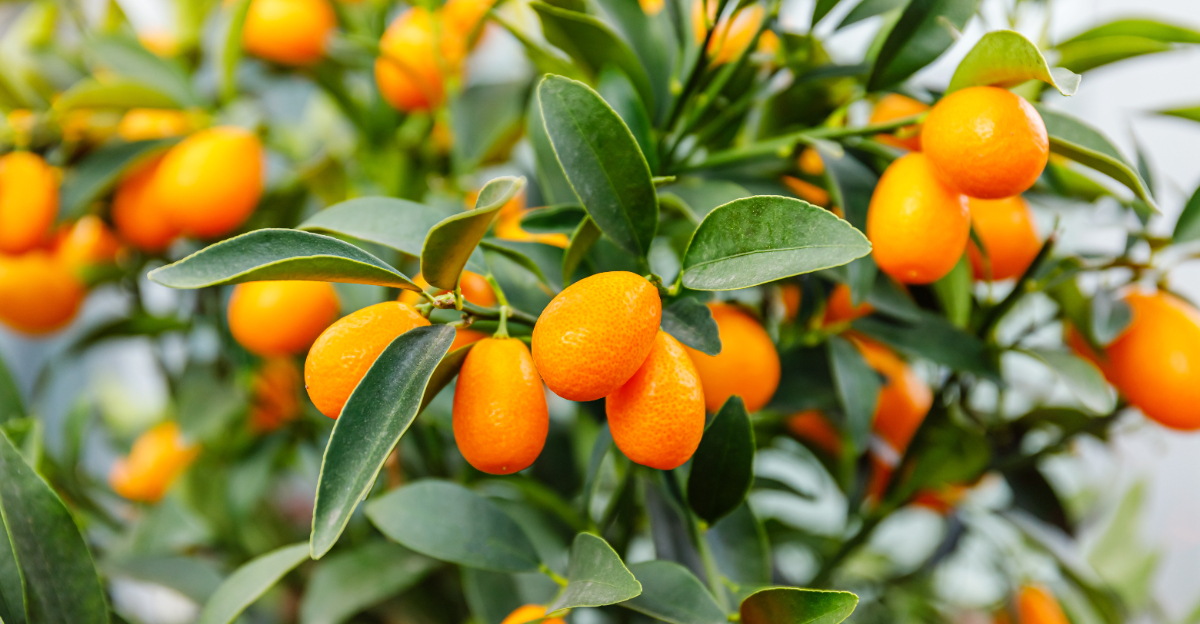
Get closer, and you will see that every branch is practically dripping with small, oval, bright orange fruits packed tightly together.
A mature kumquat tree can produce hundreds of fruits per season. Some well-established trees in California push out over a thousand individual fruits in a single year.
For a tree that rarely grows taller than ten feet, that kind of output is genuinely impressive.
The fruiting season runs from late fall through early spring, which is perfect timing. Most other backyard fruit trees are dormant or winding down by November.
The kumquat picks up the slack and gives you fresh fruit right through the winter months when the garden feels quiet.
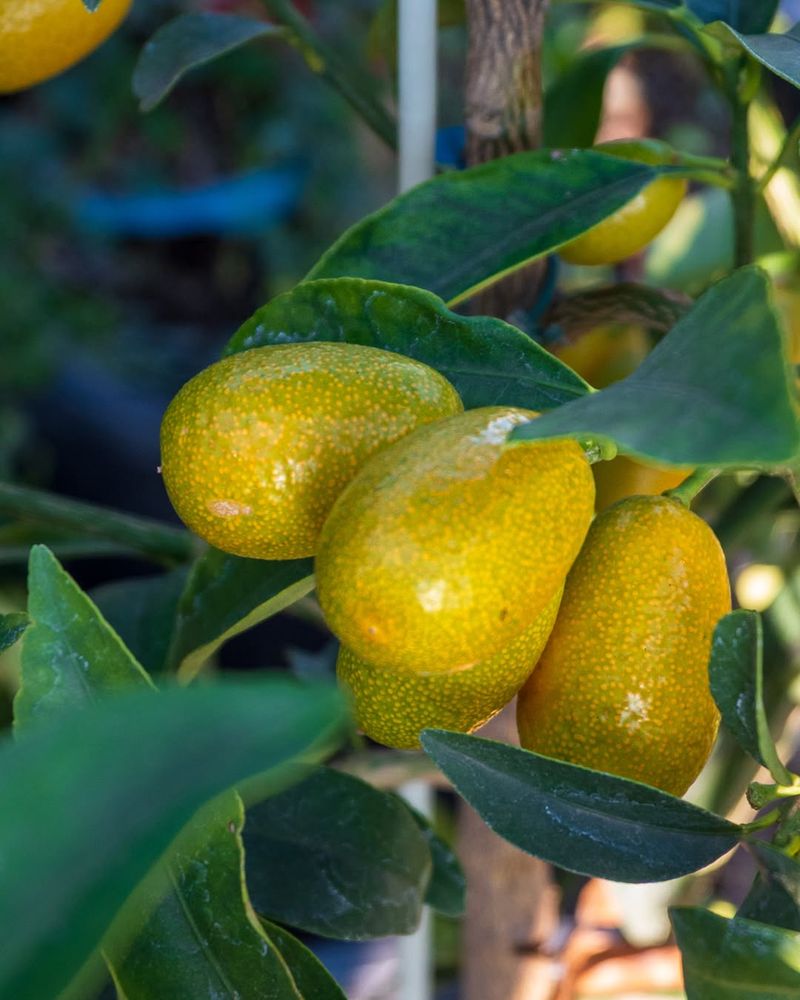
Harvest is simple. Ripe kumquats turn a deep, glossy orange and feel slightly firm with just a little give when you squeeze them gently.
They do not fall off the tree on their own, so you pick them when you are ready. They also hold on the tree for weeks without going bad, which takes the pressure off harvesting on a tight schedule.
Storing extra fruit is easy too. Kumquats keep well in the refrigerator for two to three weeks.
You can also freeze them whole or make preserves to enjoy the harvest long after the season ends.
8. Glossy Leaves Keeping Patios Green Year-Round
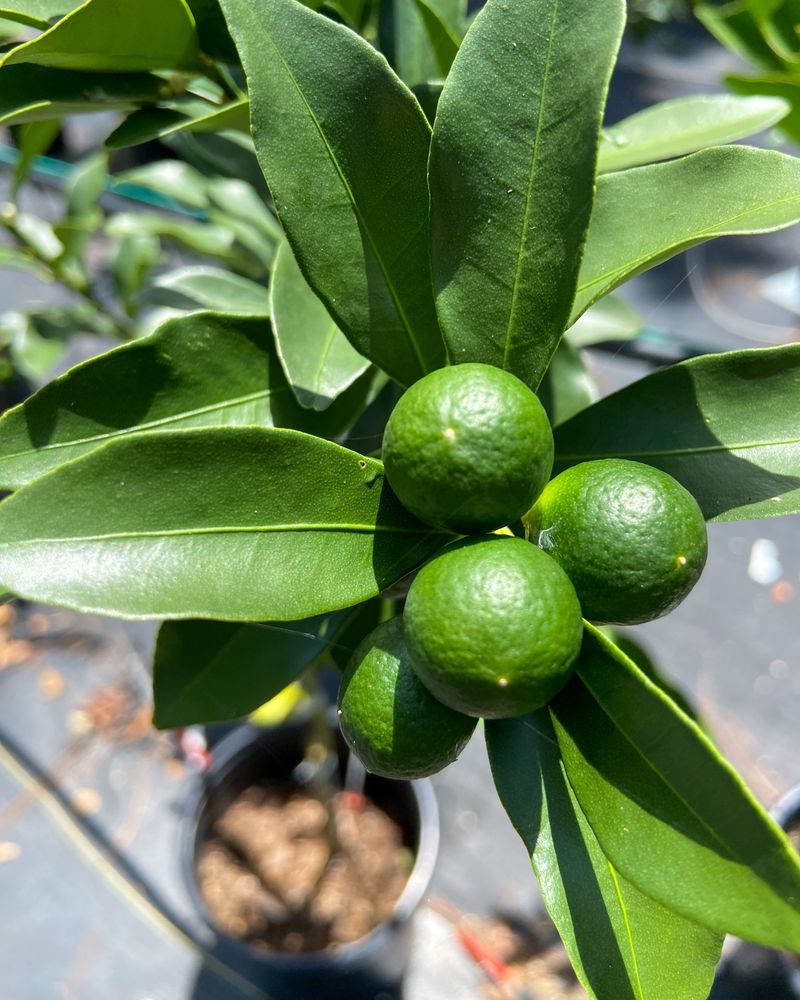
A fruit tree that looks good even when it is not fruiting is a rare and valuable thing. The Nagami kumquat earns its place in the garden all year long, not just during harvest season.
Its leaves are one of the most attractive features of the tree.
Each leaf is deep green, smooth, and has a natural shine that catches the light beautifully. The canopy stays dense and full even in winter, which means your patio or garden corner never looks bare or sad between fruiting cycles.
The tree also blooms with small, fragrant white flowers in spring. Those blossoms have a sweet, clean scent that drifts across a patio or garden on warm afternoons.
Many gardeners say the bloom period is their favorite time of year with this tree, even more than harvest time.
During fall and winter, the contrast between those dark green leaves and the bright orange fruits is genuinely stunning. It has the look of a decorative holiday plant, but it is completely functional and edible.
Garden visitors almost always stop to admire it.
If you want a patio tree that earns its space every single month of the year, the Nagami kumquat delivers. It is beautiful, it smells wonderful during bloom, and it produces food.
Very few trees check all three of those boxes with so little effort required from the gardener.
9. Why Beginners Have Better Luck With Kumquats
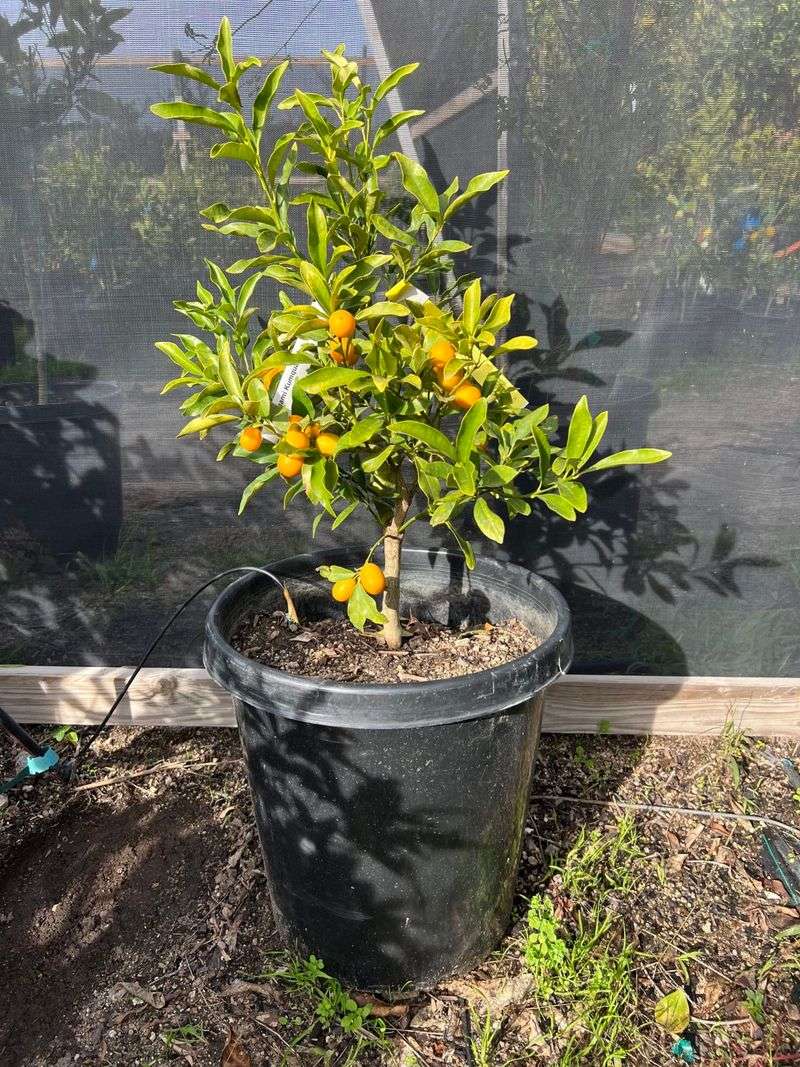
Starting with citrus can feel intimidating. Lemon trees need careful watering schedules.
Oranges want specific soil conditions. Grapefruits take years to produce well.
But the Nagami kumquat has a reputation for being patient with new gardeners, and that reputation is well-earned.
First-time growers often report that their kumquat tree thrived even when they made beginner mistakes. Missed a watering? The tree usually recovers. Forgot to fertilize one season?
It still produced fruit. That kind of forgiving behavior builds confidence fast and keeps new gardeners motivated.
Pest pressure is also lower with kumquats than with many other citrus varieties. Aphids and scale insects can show up occasionally, but the tree is generally less attractive to pests than a Meyer lemon or a navel orange.
A quick spray of neem oil solution handles most issues without a lot of fuss.
Pruning knowledge is not required at the beginner level either. You can let the tree grow naturally for the first couple of years and simply remove any crossing or damaged branches when you notice them.
No complicated shaping is needed to keep the tree healthy and productive.
Nurseries in California carry Nagami kumquats regularly, and the trees are usually affordable.
Starting with a one- or two-gallon nursery tree gets you fruit within one to two seasons. For anyone ready to grow their first citrus tree, this is the one to start with.