These Indoor Plants Actually Thrive In Texas Summer Heat Near Windows And These Absolutely Do Not
A sunny window in a Texas home during summer is not the same growing environment as a sunny window anywhere else.
The intensity of the light, the heat radiating through the glass, and the temperature differential between the cooled interior and the superheated air near the window create conditions that catch a lot of indoor plant owners completely off guard.
Plants that perform beautifully near south and west-facing windows in spring can start showing serious stress by July, with scorched leaves, wilting despite recent watering, or a sudden decline that does not have an obvious cause. The reverse is also true.
Some indoor plants that seem like they should struggle near a hot Texas window actually respond to the warmth and bright light by thriving in a way they never quite manage in lower light conditions.
Knowing which category your plants fall into before summer peaks is considerably more useful than figuring it out after the damage has already happened.
1. Spider Plant
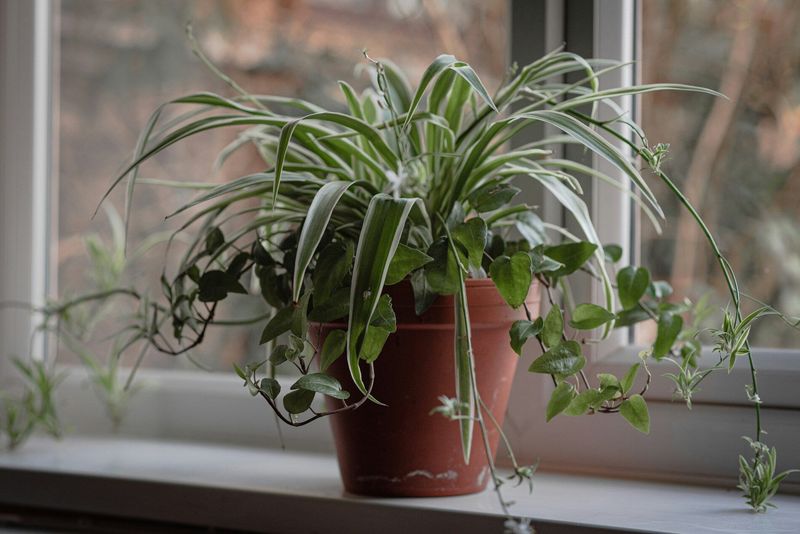
Few houseplants have earned their reputation quite like the Spider Plant. Gardeners have been passing these cheerful, striped beauties from home to home for generations, and there is a very good reason for that.
They are remarkably tough, surprisingly adaptable, and they actually seem to enjoy the kind of bright, warm conditions that a Texas summer window delivers.
Spider Plants do best in bright, indirect sunlight. Place them a few feet back from a south or west-facing window and they will reward you with fast, lush growth.
They can handle occasional heat spikes without much fuss, making them a reliable choice when temperatures outside push past 100 degrees.
One of the coolest things about Spider Plants is how they reproduce. As the plant matures, it sends out long, arching stems with tiny baby plants called “pups” dangling at the ends.
You can snip those pups off and root them in water or soil to grow brand new plants for free. It is one of the easiest forms of plant propagation out there. Watering is simple too. Let the soil dry out a bit between waterings during the summer.
Overwatering is actually a bigger risk than underwatering with this plant. If the leaf tips turn brown, that usually means the water you are using has too much fluoride. Switching to filtered or distilled water can fix that quickly.
Spider Plants also help clean indoor air by filtering out common household pollutants. For a low-effort, high-reward plant that genuinely thrives near Texas windows in summer, the Spider Plant is hard to beat.
2. Snake Plant
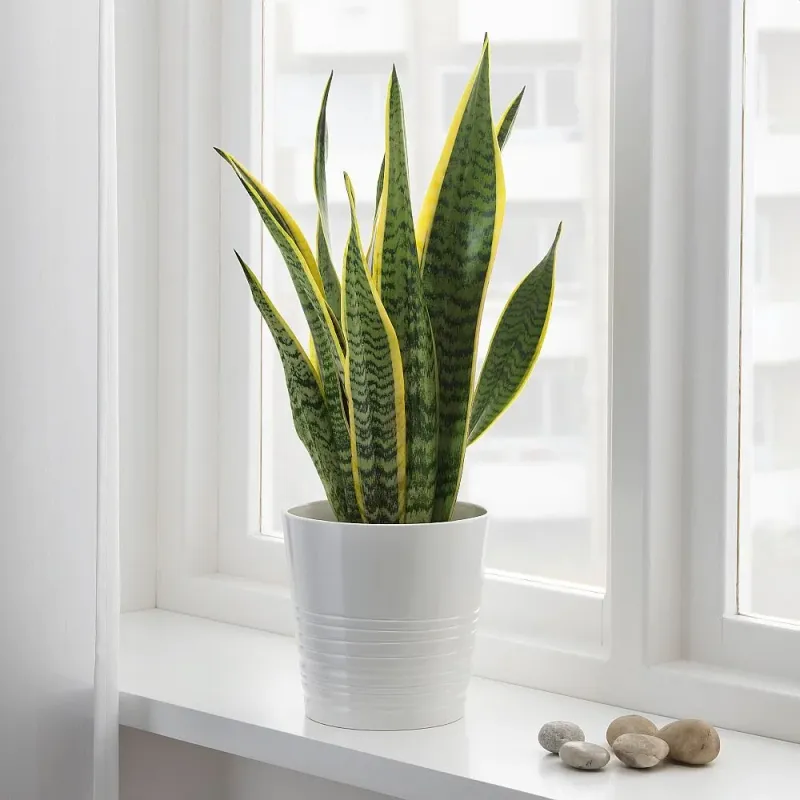
If there were a trophy for the most heat-tolerant indoor plant, the Snake Plant would probably have a whole shelf full of them.
This plant is practically legendary among houseplant lovers for its ability to survive conditions that would stress out almost any other green thing in your home. Hot, dry air near a Texas window? Not a problem for this one.
Snake Plants thrive in direct or bright indirect sunlight, making them one of the few indoor plants you can actually place right next to a sun-blasted window without worry. The thick, waxy leaves store moisture efficiently, which means the plant handles drought conditions like a champ.
Your Texas Garden Changes Every Week. Your Plan Should Too.
Gardening in Texas changes quickly throughout the season. Every Friday you’ll receive a simple weekly plan showing exactly what to plant, prune, fertilize, harvest, and protect so you never miss the right timing.
You can go one to two weeks between waterings during summer and the plant will be just fine.
Did you know NASA once studied the Snake Plant as part of research into air-purifying houseplants? It filters out toxins like formaldehyde and benzene, which are commonly found in household products.
That means you get a tough, heat-loving plant that also helps improve your indoor air quality at the same time.
Care is about as simple as it gets. Use well-draining soil, a pot with drainage holes, and avoid letting water sit in the bottom of the saucer.
Root rot from overwatering is the main issue to watch for. Other than that, the Snake Plant pretty much takes care of itself.
Whether you are a beginner or a busy plant parent who forgets to water regularly, the Snake Plant belongs near your sunniest Texas window all summer long. It is genuinely one of the best choices you can make.
3. ZZ Plant
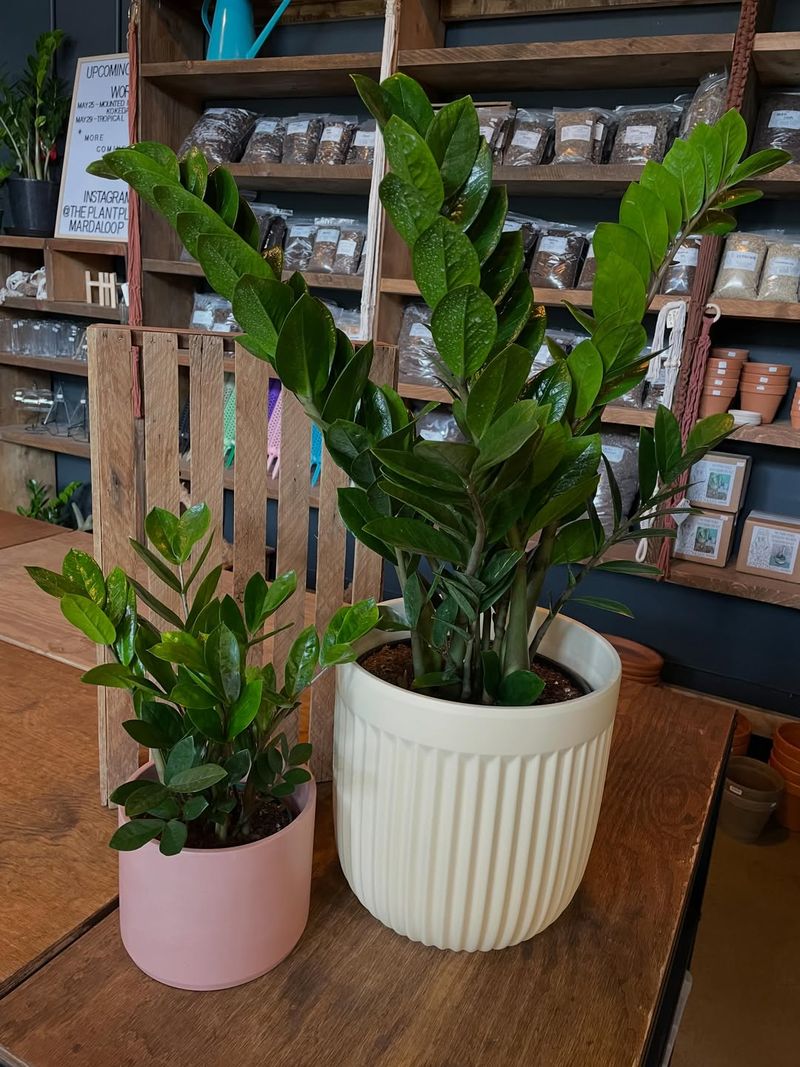
Walk into almost any plant shop and you will find a ZZ Plant sitting confidently under the lights, looking polished and unbothered. That easygoing quality is not just for show.
The ZZ Plant is genuinely one of the most drought-resistant, heat-tolerant houseplants available, and it handles Texas summer conditions near windows better than most people expect.
The secret is in its roots. ZZ Plants grow from thick, potato-like rhizomes underground that store water and nutrients.
Even if you forget to water for two or three weeks during a hot Texas summer, the plant draws from those underground reserves and keeps going. The deep green, waxy leaves also help reflect light and reduce moisture loss, which is a smart natural adaptation for a hot environment.
Lighting flexibility is another big win for this plant. ZZ Plants tolerate everything from bright indirect light to lower light conditions, which means you have options when it comes to window placement.
A spot near an east-facing window or a few feet back from a south-facing one works beautifully. Avoid blasting the leaves with hours of direct harsh afternoon sun, as that can cause some fading over time.
Fertilizing once a month during summer with a balanced liquid fertilizer gives the plant an extra boost. But even without fertilizing, ZZ Plants maintain their good looks through the hottest months.
For anyone looking for a sleek, modern-looking plant that genuinely holds its own through a brutal Texas summer near window sills, the ZZ Plant is an outstanding pick. Reliable, good-looking, and refreshingly low-maintenance.
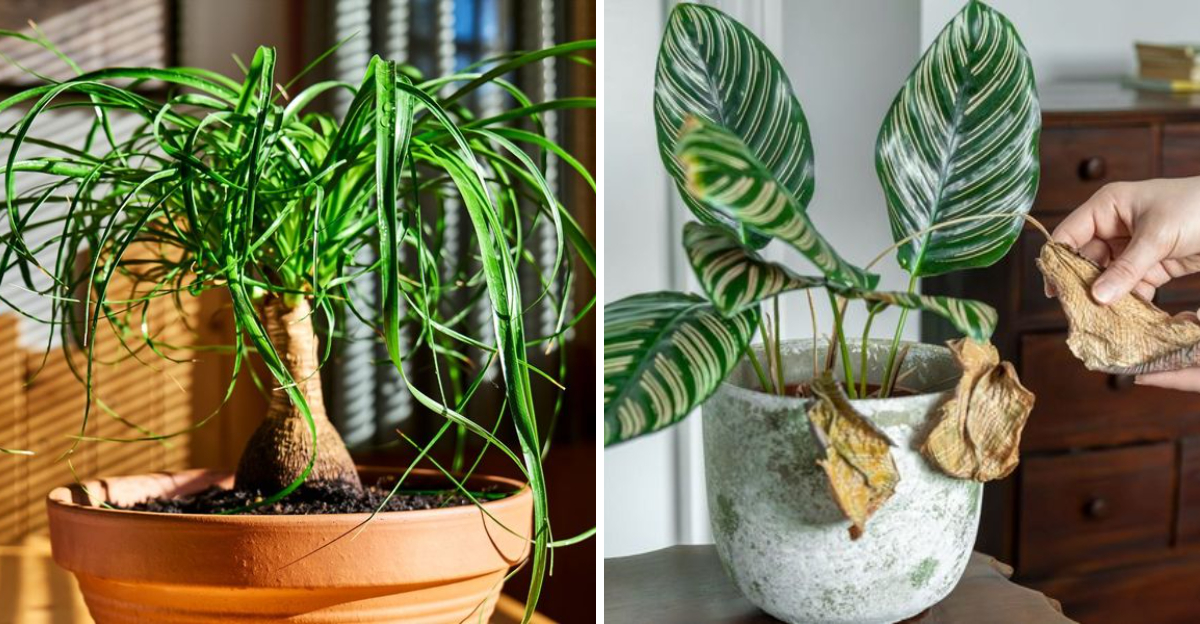
4. Ponytail Palm
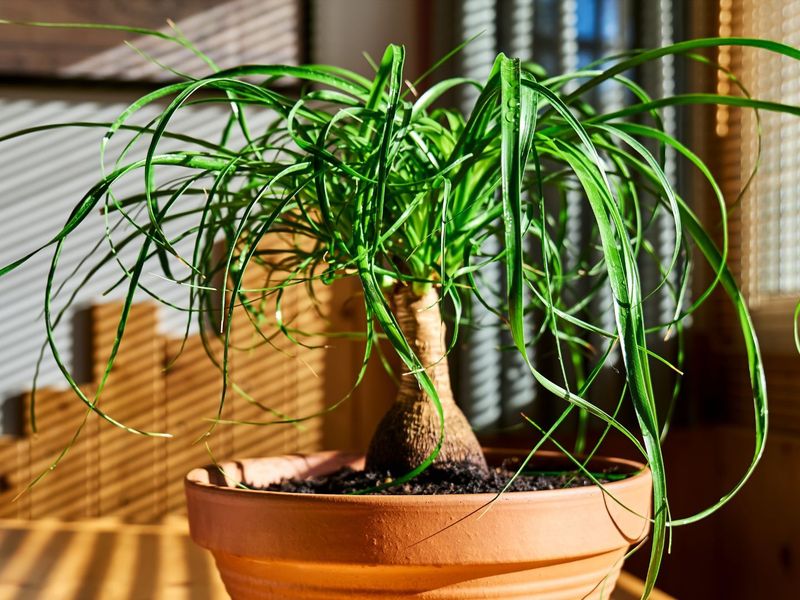
One look at a Ponytail Palm and you already know this plant means business. That swollen, bulbous base at the bottom of the trunk is not just for looks.
It is actually a water storage system that the plant uses to survive long dry spells and intense heat. In other words, the Ponytail Palm was practically designed for Texas summers.
Native to the semi-arid regions of Mexico, this plant evolved to handle scorching sun, minimal rainfall, and dry air. Put it near a bright, sunny window in your Texas home and it will absolutely flourish.
South or west-facing windows that get hours of direct sun are ideal spots for this plant. The more light it gets, the happier it tends to be.
Watering is refreshingly simple. During summer, water thoroughly and then let the soil dry out completely before watering again.
Because of the water stored in that thick trunk, the Ponytail Palm can go two to three weeks without a drink and show zero signs of stress. Overwatering is a much bigger concern than underwatering, so err on the dry side.
The long, curling leaves that cascade from the top give the plant a playful, sculptural look that stands out in any room.
It grows slowly, so you do not need to worry about it outgrowing its spot quickly. Repotting every two to three years is usually enough.
If you want a conversation-starting plant that thrives in the harshest corner of your home near a blazing Texas window, the Ponytail Palm is an absolute winner. Unique, resilient, and genuinely fun to own.
5. Fiddle Leaf Fig
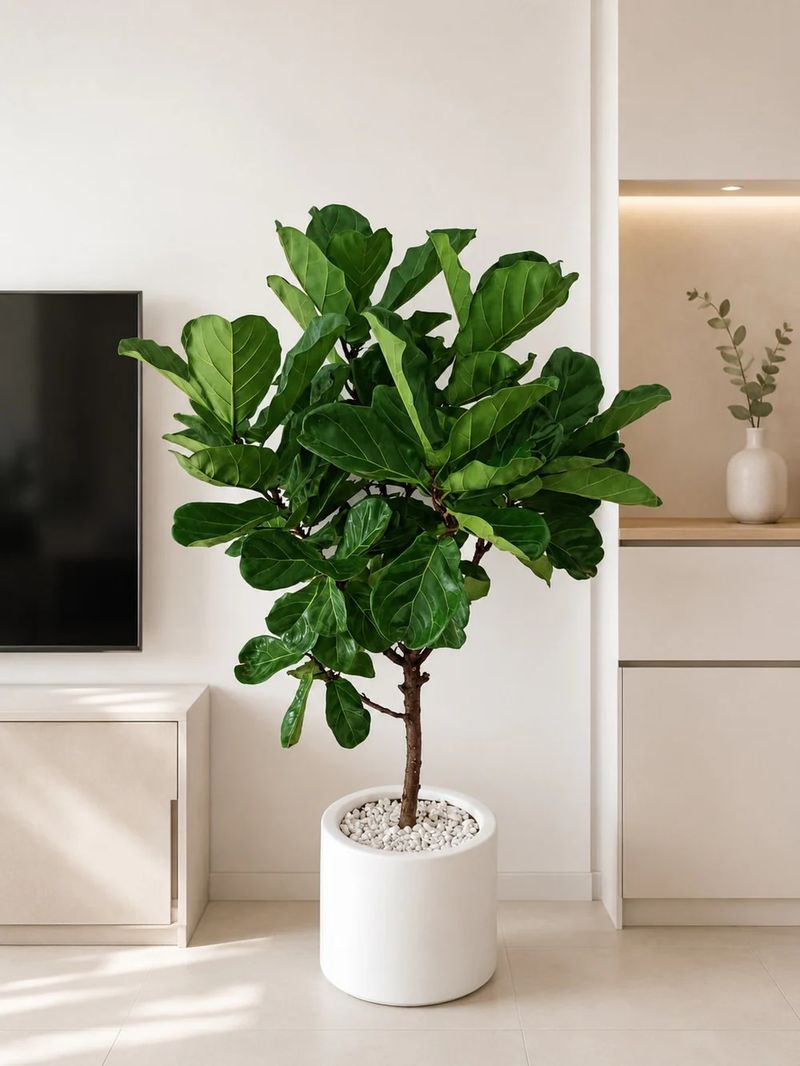
Gorgeous, dramatic, and endlessly photographed on home decor blogs, the Fiddle Leaf Fig has become one of the most popular houseplants of the past decade.
But here is the honest truth: this plant is one of the most sensitive, temperamental houseplants you can own, and placing it near a Texas summer window is practically asking for trouble.
Fiddle Leaf Figs crave consistent conditions. They want stable temperatures, filtered light, and steady humidity.
A Texas window in July delivers the exact opposite of that. Intense afternoon sun burns the large, dramatic leaves quickly, leaving brown crispy patches that do not recover. Even the heat radiating off the glass can stress the plant significantly.
Direct sun exposure for more than an hour or two causes leaf scorch in most cases. The big, broad leaves have a large surface area, which means they absorb heat fast and lose moisture rapidly.
Once those brown spots appear, no amount of care will reverse the damage on that leaf. The plant will eventually drop the affected leaves entirely.
Temperature swings are another issue. Near a window, the air can shift dramatically between the cool blast of your AC and the blazing heat coming through the glass.
Fiddle Leaf Figs react to those swings by dropping leaves suddenly, which can be really discouraging for plant parents who put in real effort to care for them.
Move your Fiddle Leaf Fig to a bright spot away from direct window heat this summer. A room with filtered light and steady temperature suits it far better than a sun-drenched Texas windowsill. Your plant will genuinely thank you for it.
6. Calathea
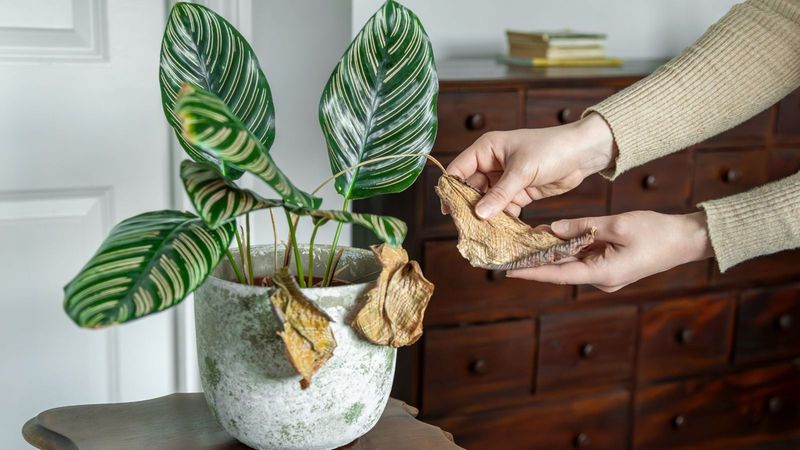
Calatheas are some of the most visually stunning houseplants around. The patterned leaves, rich colors, and the way the leaves fold upward at night like hands in prayer make them genuinely fascinating to watch.
But stunning looks come with a catch: Calatheas are extremely demanding about their environment, and a hot Texas window in summer is basically their worst nightmare.
These plants are native to tropical rainforest floors, where they grow under a thick canopy of trees. That means they are accustomed to high humidity, gentle filtered light, and consistently warm but not scorching temperatures.
A sun-drenched window in Texas during July is the complete opposite of a rainforest floor. Direct hot sun hits Calathea leaves hard and fast. The edges start turning brown and crispy within days of exposure.
Then the leaves begin to curl inward, trying to reduce their surface area and protect themselves from moisture loss. It is a visible stress response that happens quickly and is frustrating to watch after you have worked hard to keep the plant healthy.
Humidity is another major factor. Texas summers may be hot, but indoor air conditioning creates a very dry environment.
Calatheas need humidity levels above 50 percent to look their best. Without it, even indirect bright light can cause browning and curling when combined with the dry air.
Keep your Calathea away from windows entirely during summer. A spot in a bathroom or kitchen with natural but filtered light and higher humidity is a much smarter placement.
Add a small humidifier nearby and you will see a big improvement in leaf health almost immediately.
7. Ferns
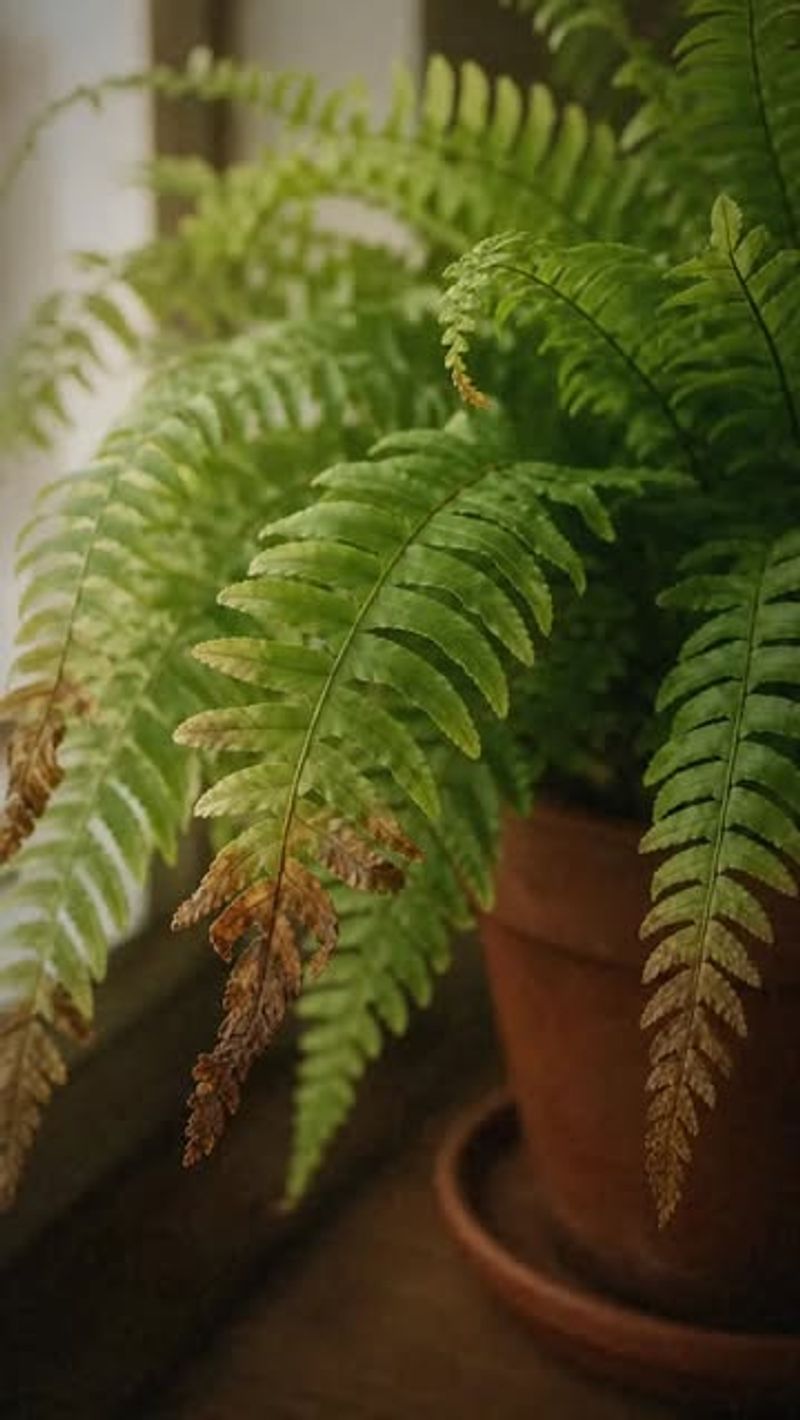
Ferns have been decorating homes and porches across the South for generations, and they can look absolutely lush when conditions are right. But right conditions for a fern means cool, moist, and shaded.
A bright Texas window in the middle of summer is about as far from those conditions as you can get, and ferns make their unhappiness very clear, very fast.
Boston Ferns and Maidenhair Ferns are both popular choices for indoor decor, but both are notoriously sensitive to heat and dry air.
Maidenhair Ferns are especially delicate, with thin, papery fronds that begin to crisp up almost immediately when exposed to direct sun or low humidity. Boston Ferns are slightly tougher but still struggle near hot windows.
What ferns need most is consistent moisture in both the soil and the surrounding air. Texas summers, especially indoors with air conditioning running constantly, create dry air that pulls moisture out of fern fronds rapidly.
Near a hot window, this process speeds up even more. The fronds turn yellow, then brown, then start dropping off in clumps. Growth slows down or stops entirely as the plant redirects energy just to stay stable.
Direct sunlight also bleaches the delicate fronds, causing them to fade from rich green to a washed-out yellowish color. Once frond damage sets in, recovery is slow and the plant rarely returns to its former fullness without a significant change in environment.
Move your ferns to a cool, shaded bathroom or a north-facing room with no direct sun. Mist them regularly or place them on a pebble tray with water to boost humidity. That simple change can completely turn their health around during summer.