The Native North Carolina Shrub That Screens Trash Cans Without Turning Into A Maintenance Project
The trash cans may be necessary, but nobody asked them to become the star of the side yard.
Most screens solve that problem and hand you another one. A clipped hedge wants constant attention. A fence can feel bulky. Lattice looks tidy until weather starts to collect its rent.
One North Carolina native takes a quieter route.
It grows with a layered shape, fills space without much fuss, and brings more to the yard than camouflage. Spring adds flowers. Fall adds color and fruit. Winter keeps enough structure to soften the view.
The catch sits in the first few decisions.
Space it badly, and future you inherits extra work. Prune it like a formal hedge, and much of its charm disappears. Give it the right room, though, and the whole setup starts to feel surprisingly easy.
So what makes this shrub such a screen for an awkward utility corner?
The answer starts with patience, a tape measure, and one plant that does not need weekly supervision to look intentional away.
Choose Rusty Blackhaw For A Natural Screen
Some screens hide the trash cans and then demand more attention than the trash cans ever did.
Rusty blackhaw viburnum takes a calmer approach.
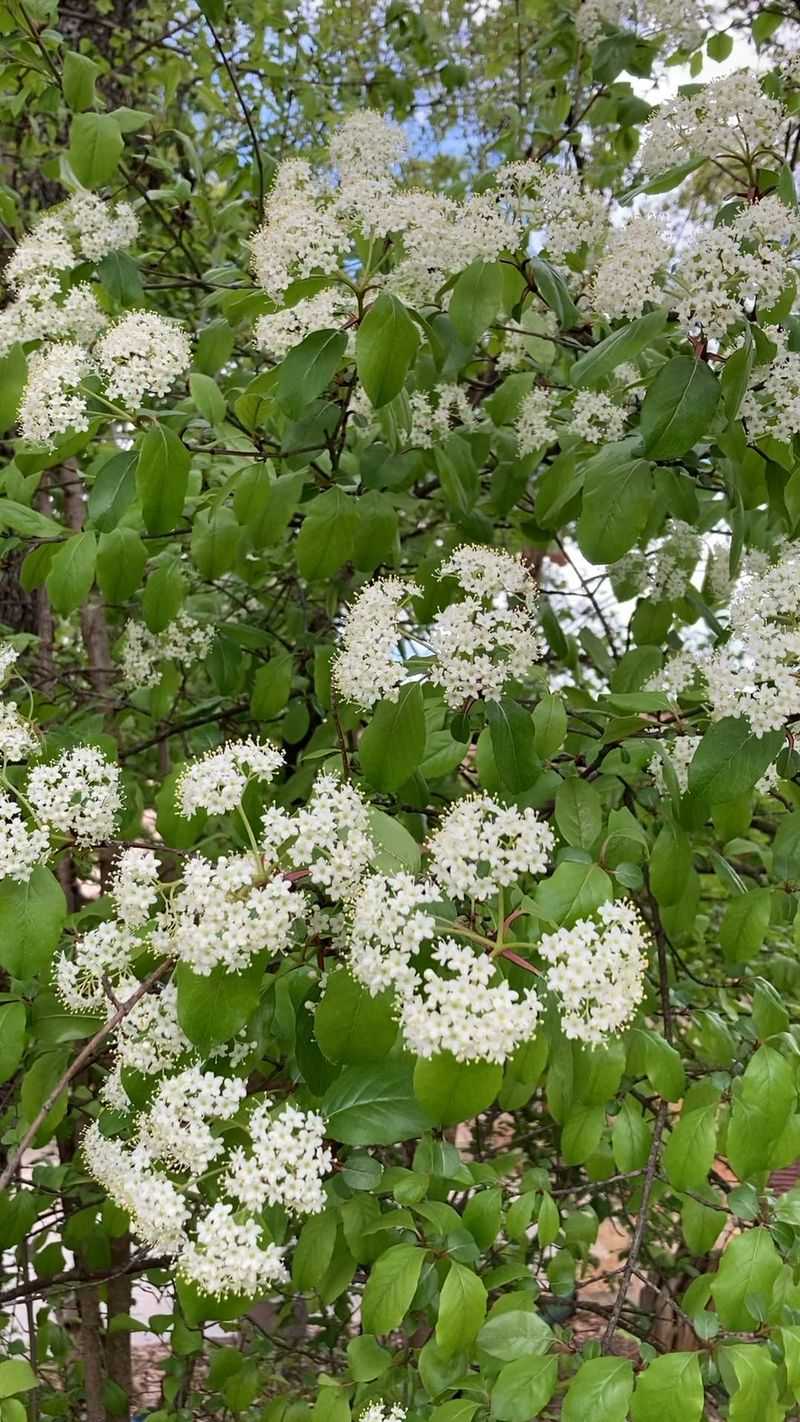
This North Carolina native sits somewhere between a large shrub and a small tree. Its stiff, layered branches build a useful visual barrier without becoming a flat green wall.
That natural form is the real advantage.
You do not need to shear it every few weeks. The branches fill in slowly, hold their shape, and still leave enough openness for air to move through nearby utility areas.
That matters around HVAC equipment, fences, and narrow side yards where a dense hedge can trap heat or crowd access.
Winter changes the look, but not the whole job.
Rusty blackhaw drops its leaves, yet the branch pattern still breaks up sightlines. The zigzag structure has enough presence to keep bins from sitting fully exposed.
Rust-colored buds add another small detail during the colder months.
Plan for mature size from day one. A full plant can reach about 10 to 20 feet tall and 8 to 15 feet wide.
That gives you serious privacy, but it needs space.
The growth rate stays fairly slow, so instant privacy is not part of the deal.
Your reward comes later. You get a sturdy native screen that looks like part of the landscape, not a green rectangle with a recurring salon appointment.
Use Dense Branching Around Utility Areas
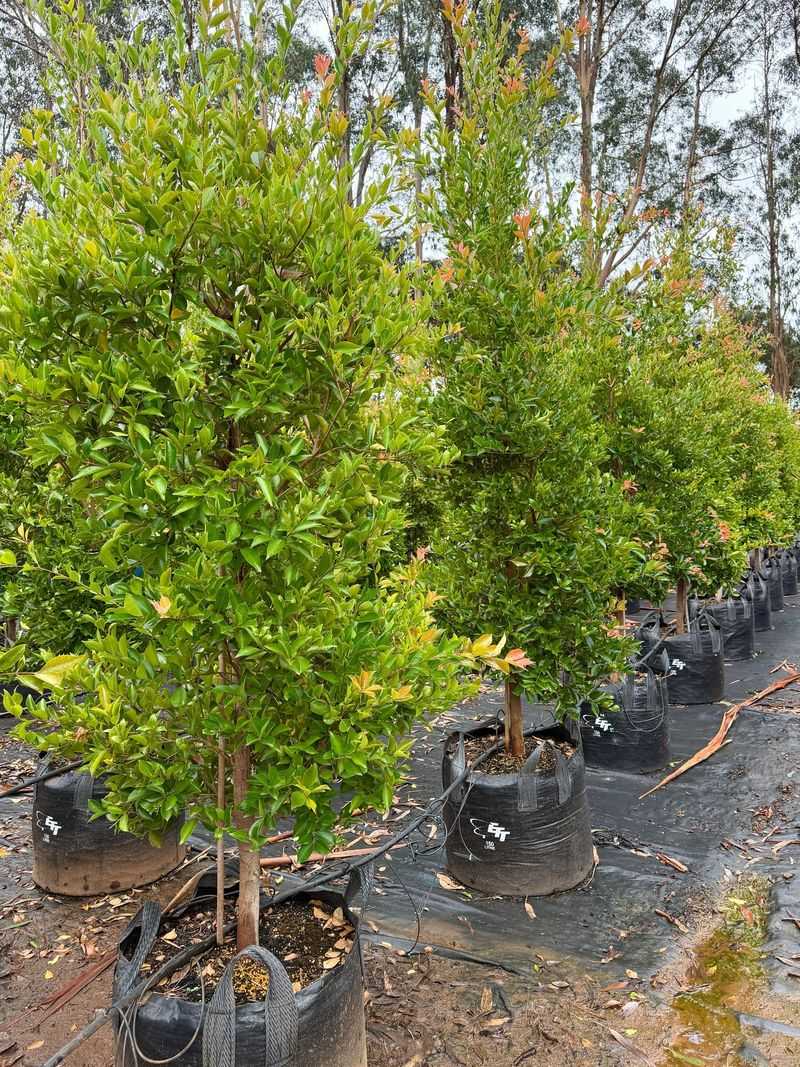
The smartest screen leaves room for the thing it hides.
Trash bins still need to roll out. Lids still need to open. Collection day still needs a clear path.
That makes placement more important than pruning.
Set rusty blackhaw too close, and the branches can crowd the cans as the shrub matures. Give it a wider berth, and the screen can hide the view without turning every Tuesday into a wrestling match.
A practical starting point is about 3 to 4 feet between the back of the cans and the nearest stems at first.
Your North Carolina Garden Changes Every Week. Your Plan Should Too.
Gardening in North Carolina changes quickly throughout the season. Every Friday you’ll receive a simple weekly plan showing exactly what to plant, prune, fertilize, harvest, and protect so you never miss the right timing.
That gap gives you room to move the bins as the shrub gradually fills the background.
An angled or U-shaped layout can work especially well. Keep the front open for access and let the plant block the view from the street or next-door property.
HVAC units need even more care.
Branches should stay clear of intake panels and service areas. About 4 to 5 feet can serve as a useful first distance, though the equipment manual should guide the final choice.
Property lines deserve attention too.
A shrub that can reach 15 feet across may cross a boundary long before you expect it.
Measure first. Plant once.
That tiny bit of forethought can save years of corrective cuts later.
Rusty blackhaw can become a large, graceful screen. Your job is simply to spare it a geometry problem around three trash cans and an air conditioner.
Plant Two For A Better Fruit Display
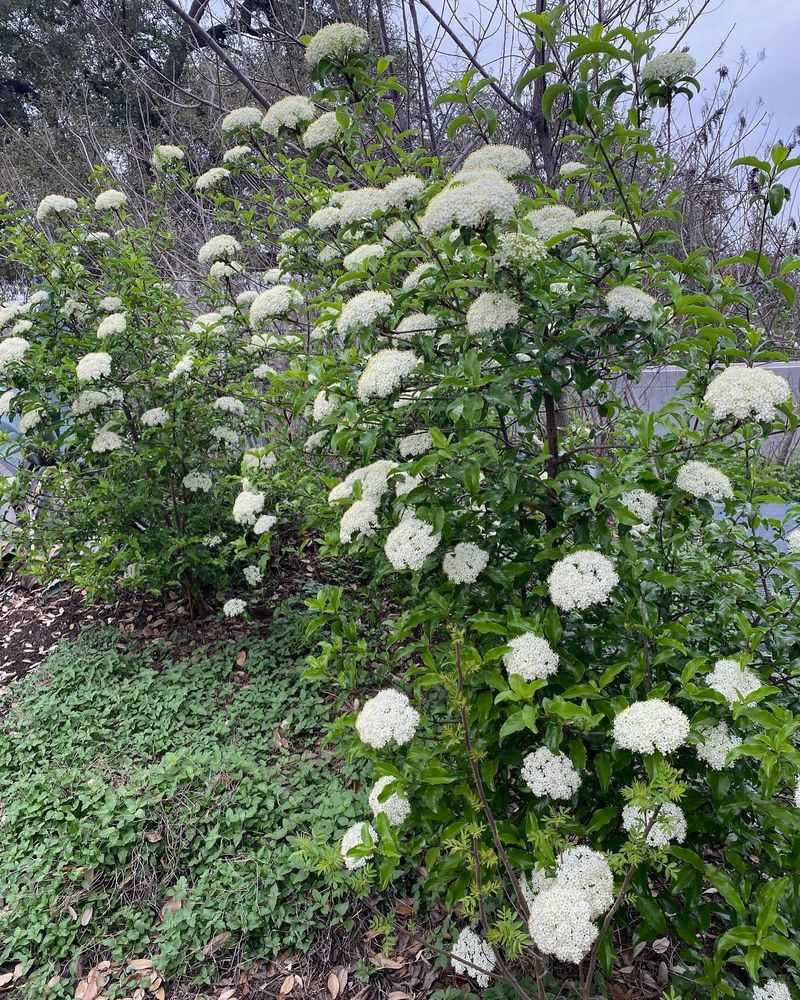
Spring gives this practical screen a surprisingly fancy side.
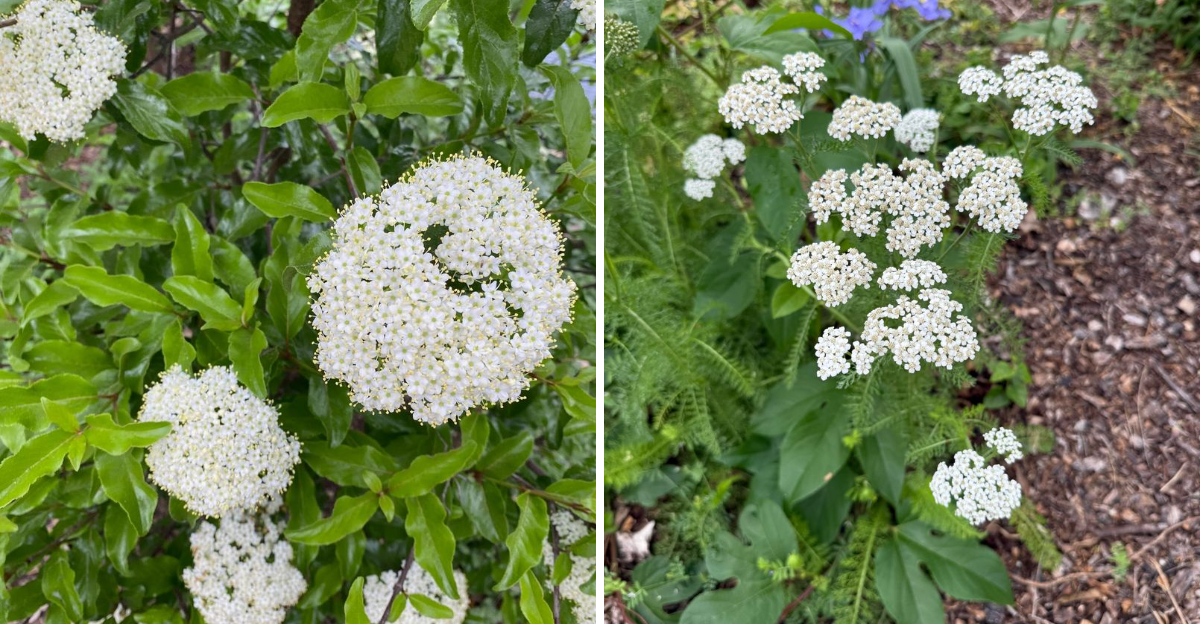
Flat clusters of white flowers appear across the branches in April and May. Each cluster can stretch roughly 2 to 4 inches across, so a mature shrub can look far more ornamental than its utility job suggests.
Then the second act starts.
Those flowers can lead to fruit that shifts from green to red and finally to deep blue-black as late summer and fall arrive.
Birds tend to notice quickly.
Cedar waxwings, mockingbirds, and other visitors may work through the clusters as the fruit ripens. That can turn a plain side-yard screen into one of the busiest wildlife corners around the house.
Two plants can improve the show.
Rusty blackhaw often produces a better fruit crop when a genetically different plant grows nearby. Two shrubs from separate seed sources can provide a stronger chance of cross-pollination than two clones from the same parent.
Ask the nursery about propagation source when fruit matters to you.
A pair also fills a wider screen area faster.
Space the shrubs about 8 to 12 feet apart so each one has room to develop without crowding its partner.
That distance also helps light and air reach both plants.
You get privacy, spring flowers, fall fruit, and more bird traffic from the same patch.
Not bad for a shrub whose official assignment was basically, “Please make the garbage cans less obvious.”
Give It Sun Or Partial Shade
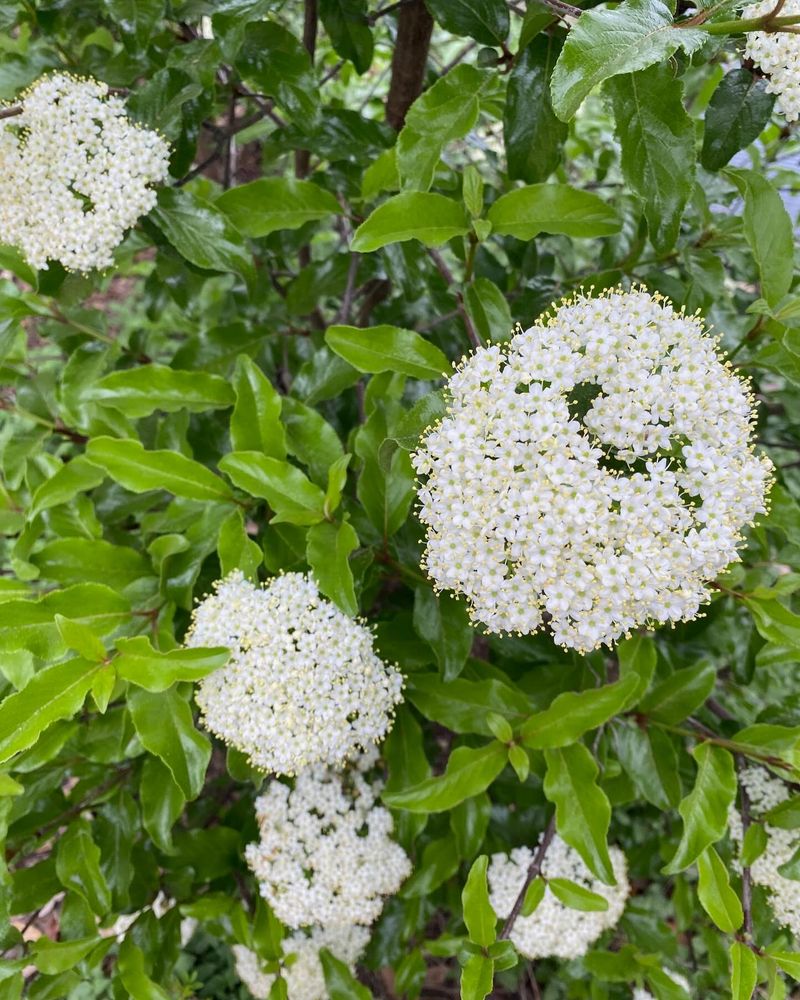
A west-facing utility corner can feel brutal by late afternoon.
Rusty blackhaw handles strong sun better than many shrubs, but light still changes the way it grows.
Six or more hours of direct sun usually produces a denser canopy and a stronger flower display.
That fuller form works especially well for privacy.
A hot wall can raise the difficulty, though.
New shrubs need steady moisture through their first couple of seasons. Strong sun plus dry soil can place too much stress on a young root system before it settles in.
Deep water through dry stretches helps bridge that gap.
Partial shade works too.
Three to six hours of direct sun can suit rusty blackhaw well, especially near woodland edges or on the east side of a house.
The branch structure may stay a little more open, and flower production may drop somewhat, but the plant can still serve as an attractive screen.
Deep shade creates a weaker setup.
Too little light can lead to thin growth that reaches toward brighter areas. That does not help much when the goal is a full visual barrier.
Match sunlight with soil moisture.
A bright site with decent moisture during establishment can work beautifully. A slightly shadier spot with reliable summer moisture can also earn high marks.
The shrub has options. It just does not enjoy a dark corner followed by expectations that it perform like a privacy fence.
Let Established Roots Handle Drier Soil
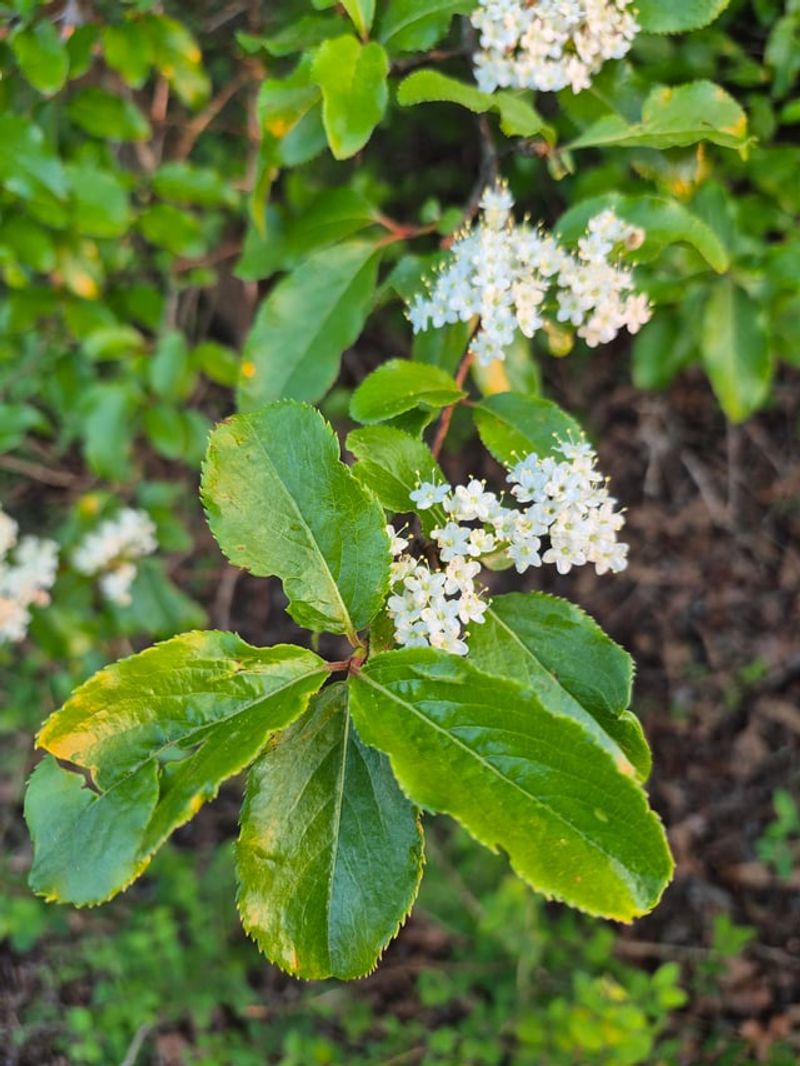
Low maintenance starts underground long before the shrub earns that label above ground.
A new rusty blackhaw still needs regular water.
During the first season, deep irrigation once or twice a week can help through dry stretches. Let the water soak through the root zone instead of a quick splash across the surface.
That deeper soak helps roots move farther into the soil.
The second season usually needs less attention, but long dry periods still deserve a moisture check.
This is the part many gardeners rush.
A shrub can look established from the driveway while the root system still has work to do below the mulch.
Give it time.
A 2 to 3 inch layer of wood chips or shredded leaves can make the transition easier. Mulch helps hold moisture, moderates soil temperature, and reduces competition from grass and weeds.
Keep that mulch a few inches away from the stems.
A neat mulch volcano belongs nowhere near the base.
After a couple of solid seasons, rusty blackhaw becomes much more comfortable with dry spells. Its root system and regional adaptation help it cope with clay and loam soils across much of North Carolina.
At that stage, constant shallow irrigation can work against you by encouraging surface roots.
Deep and occasional makes more sense.
The funny part is that less work later depends on proper care early. Consider it a small down payment on future laziness, which is excellent garden economics.
Keep Spring Flowers For Pollinators
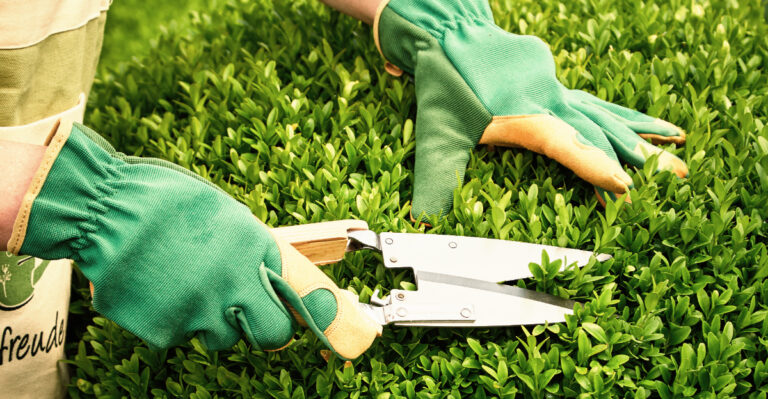
The hedge trimmer may be the worst tool for this job.
Rusty blackhaw forms flower buds on older wood from the previous season. A broad late-winter trim can remove much of the spring display before a single flower opens.
That means timing matters.
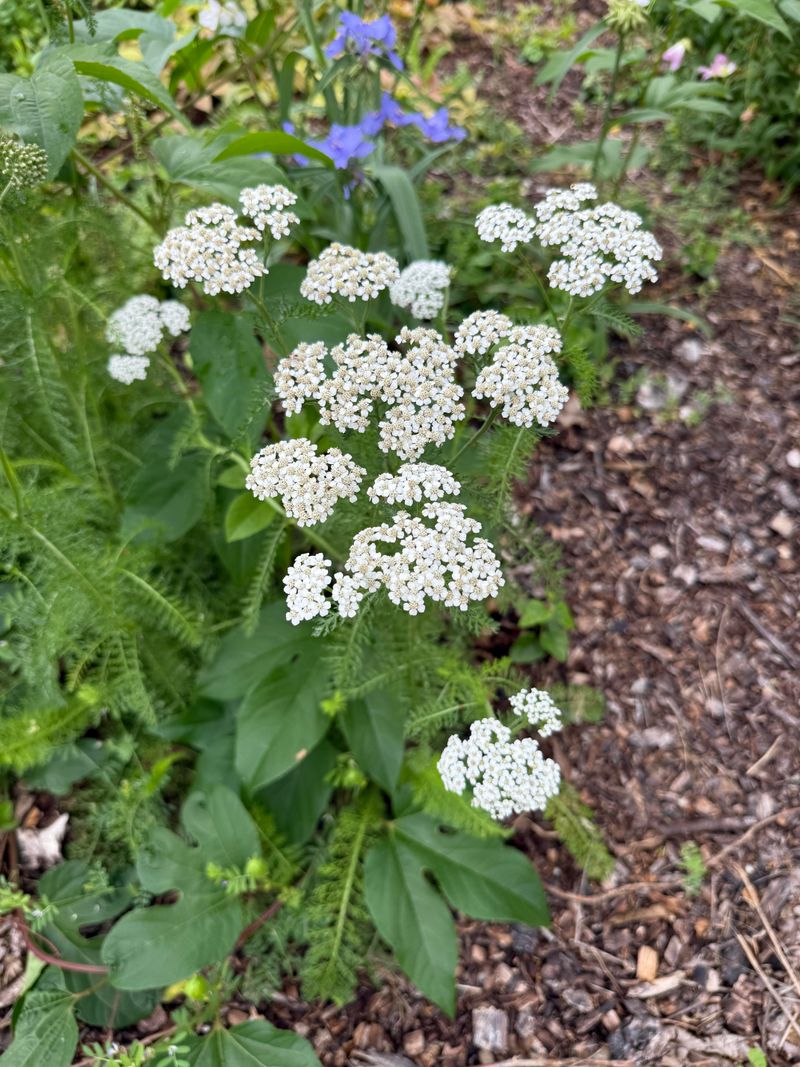
The white clusters show up in April and May and attract native bees, small beetles, flies, and other early-season visitors.
Those flowers add much more than decoration to a trash-can screen.
They give the side yard a brief pollinator rush at a time when other blooms may still be limited.
Keep the shears quiet through late winter and early spring.
For light shape work, wait until the flowers finish and petals fall. Late May or early June often gives you a useful window.
Then make selective cuts.
Remove a stem that rubs another. Shorten one branch that pushes toward the bins. Take out a piece that interrupts the natural outline.
Stop there.
Rusty blackhaw looks best with its layered structure intact. Constant hedge cuts turn that graceful form into a dense outer shell and can reduce the flowers you wanted in the first place.
This works more like a careful paragraph edit than a full rewrite.
A few precise cuts keep the shape clear without erasing its personality.
Your screen should hide the trash cans, not look like a hedge trimmer put it into witness protection.