Why Hoverflies Hover Over North Carolina Herb Flowers Before Aphids Disappear
There’s a strange choreography playing out in North Carolina herb beds this month, one most people walk right past without noticing. Something small hovers above the basil and fennel flowers with a precision that looks almost mechanical.
Gardeners glance up, assume it’s a pest, and move on with their watering can. That instinct is wrong, and it’s costing them a hidden ally that works faster than any spray bottle.
Watch closely enough and a pattern emerges. These visitors arrive in waves just as aphid colonies start climbing, and then something happens to those colonies that seems almost too convenient to be coincidence.
The connection between a striped little flier and a collapsing pest population isn’t luck. It’s a relationship built over millions of years, and once you understand it, your whole approach to garden pests starts to shift.
Noticing A Pattern In The Herb Garden
Something clicks the moment you spot it. A striped insect hovers perfectly still above your dill, then zips sideways without warning.
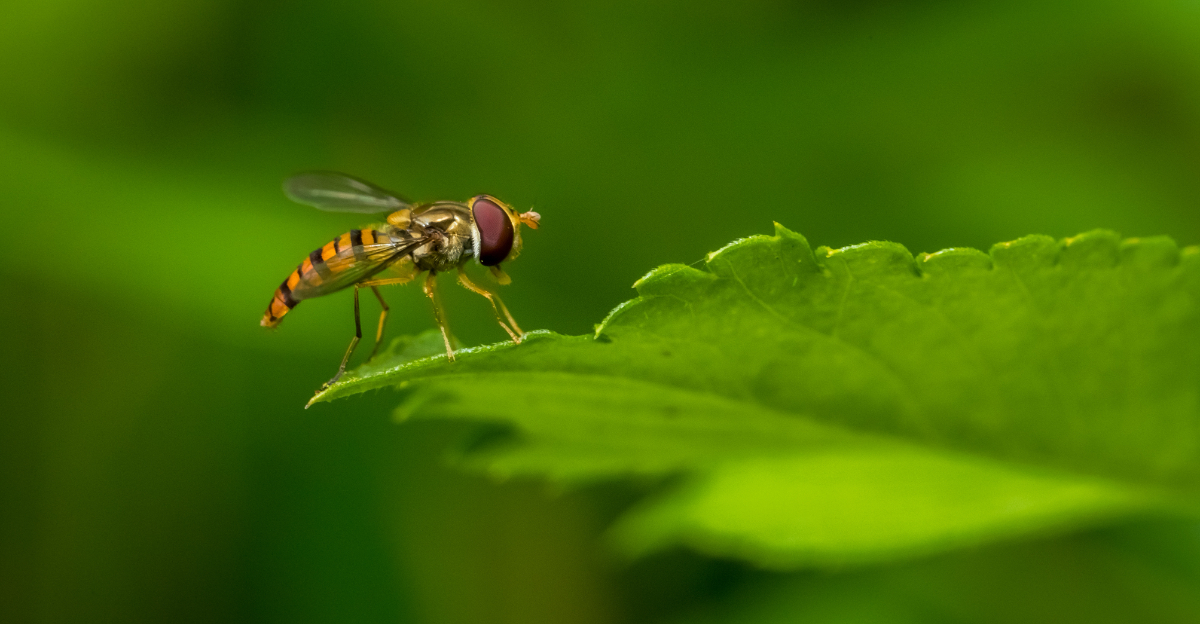
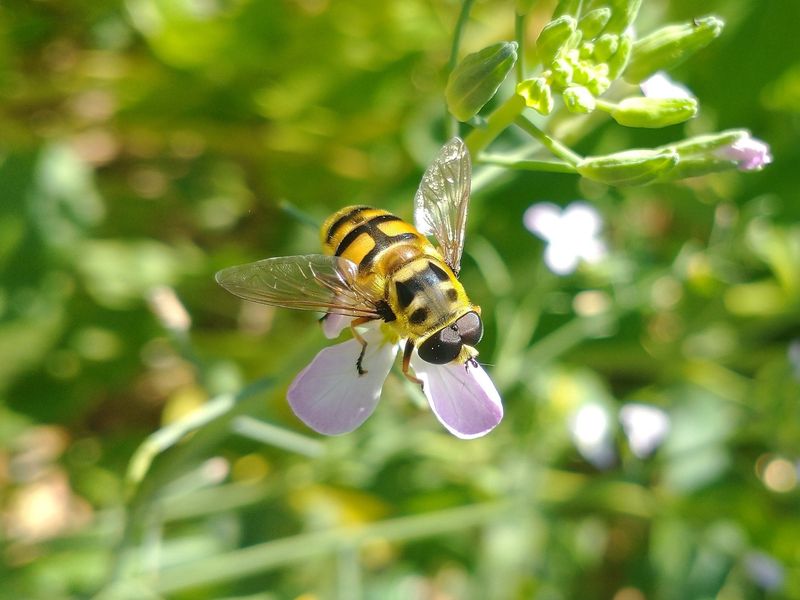
Most people assume it is a bee or a wasp and back away fast. Hoverflies are actually harmless flies wearing convincing yellow-and-black costumes.
They belong to the family Syrphidae, and their hovering is precise, almost mechanical. Watching one up close feels like watching a tiny drone with wings.
Herb gardens across the Carolinas see these visitors every summer without fail. The pattern is always the same: hoverflies appear first, then aphids start disappearing soon after.
Gardeners who notice this connection hold a real advantage. You are not just watching insects, you are watching a natural pest-control system activate right before your eyes.
The timing is not random at all. Those blooms are broadcasting a signal these insects are wired to detect.
Nectar fuels adult hoverflies so they can reproduce. Without those herb flowers, the whole cycle would stall before it even started.
Paying attention to this pattern is the first step toward working with nature instead of against it. Once you see it clearly, you will never look at your herb garden the same way again.
The Flowers That Draw Them In First
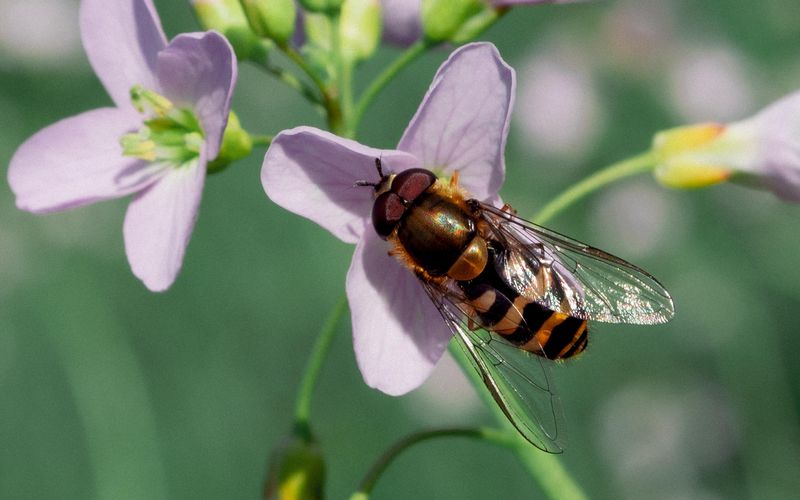
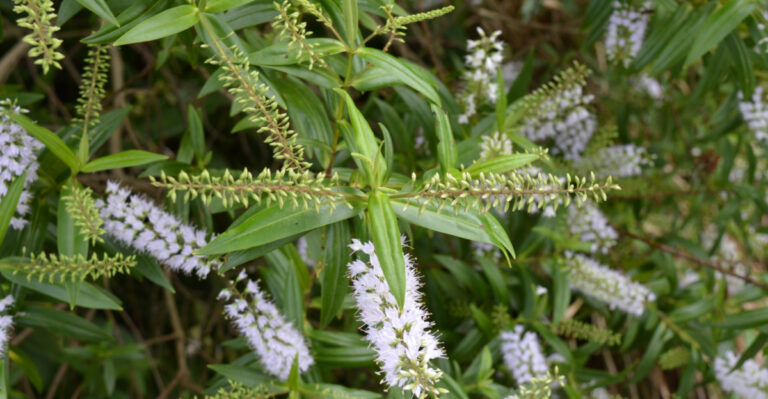
Flat, open flowers are basically a welcome mat for hoverflies. Dill, fennel, cilantro, and parsley all bloom in wide, accessible clusters that short-tongued insects can reach easily.
Hoverflies cannot push through deep, tubular blossoms the way bumblebees can. Shallow flower heads are their ideal feeding station.
Herb gardens in North Carolina bloom at a sweet spot in the growing season. That timing lines up almost perfectly with peak aphid activity on nearby plants.
Adult hoverflies need pollen and nectar to survive and produce eggs. Without a reliable food source, females cannot develop enough eggs to lay.
Dill is especially attractive because it produces enormous umbrella-shaped flower heads loaded with nectar. A single dill plant in full bloom can support dozens of visiting hoverflies in one afternoon.
Fennel works the same way, and it stays in bloom longer than most herbs. Gardeners who let their fennel bolt are accidentally running a hoverfly hotel.
Your North Carolina Garden Changes Every Week. Your Plan Should Too.
Gardening in North Carolina changes quickly throughout the season. Every Friday you’ll receive a simple weekly plan showing exactly what to plant, prune, fertilize, harvest, and protect so you never miss the right timing.
Cilantro bolts quickly in summer heat, sending up tall stalks covered in tiny white flowers. Those flowers disappear fast, so they create a short but intense burst of hoverfly activity.
Planting a mix of these herbs extends the window of available food. More food means more adult hoverflies sticking around long enough to lay eggs near aphid colonies.
The flowers that draw hoverflies in first are doing double duty. They feed the adults and set up the next generation to handle your pest problem naturally.
What Happens Once Eggs Are Laid Nearby
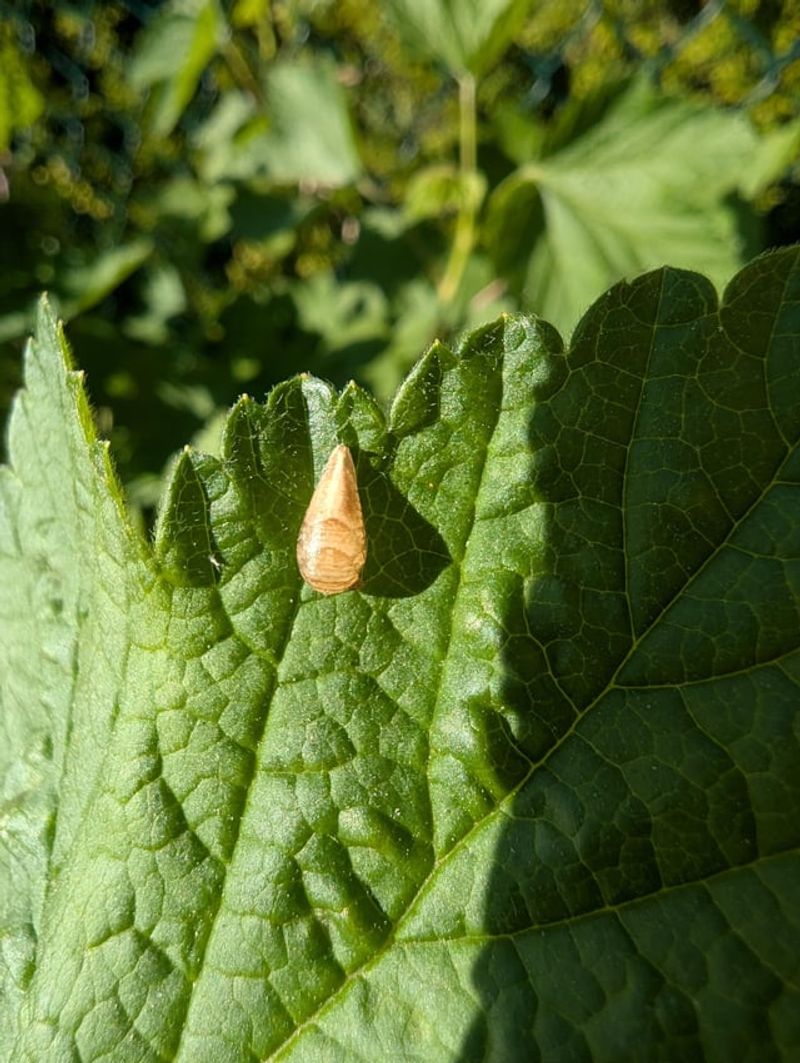
After fueling up on nectar, a female hoverfly gets to work fast. She scouts nearby stems and leaves for clusters of soft-bodied insects to lay her eggs beside.
Aphid colonies are the jackpot she is searching for. A single female can lay hundreds of tiny, pale eggs over her short lifetime.
The eggs are so small that most gardeners walk right past them without ever noticing. They look like tiny grains of white rice tucked against a stem.
Placement is deliberate and strategic. The female positions each egg as close to an aphid group as possible so the hatching larva does not have to travel far.
Temperature plays a big role in how fast the eggs develop. In warm Carolina summers, eggs can hatch in as little as two to three days.
Once the egg hatches, a tiny, legless larva emerges ready to eat. It does not wander far, because its first meal is already waiting right next door.
Gardeners who spot small, pale specks near aphid colonies should leave them alone. Those specks represent the next wave of natural pest control arriving on schedule.
Disturbing the eggs by spraying or wiping down stems can undo weeks of natural balance. Even well-meaning garden cleanup can accidentally remove this hidden generation before it hatches.
Knowing that eggs are laid near aphid clusters changes how you approach garden maintenance. A little patience at this stage pays off with a big reduction in pests later.
A Hungry Stage Most Gardeners Never See
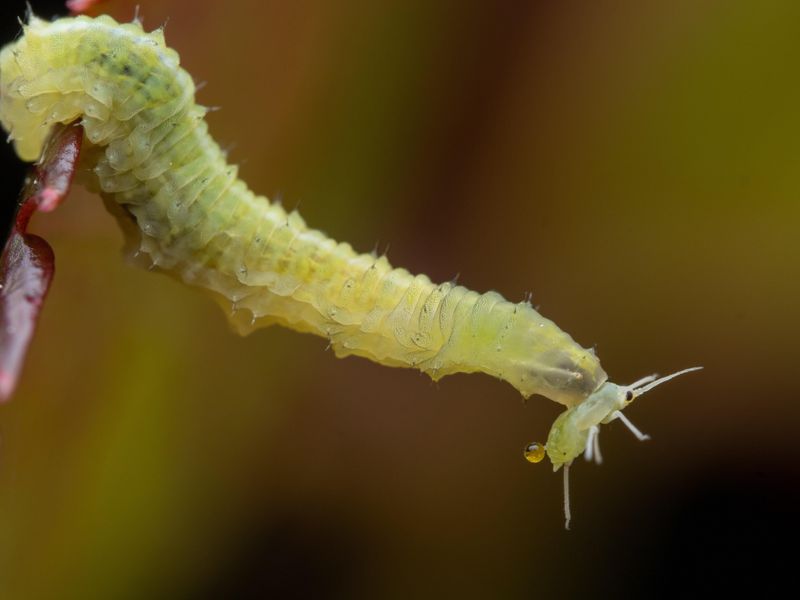
Hoverfly larvae look nothing like their parents. They are small, pale, slug-like creatures that inch along stems without any legs to speak of.
Most gardeners rarely identify them correctly because they do not look like anything recognizable. They get mistaken for caterpillars, mold, or just ignored entirely.
Each larva is a dedicated eating machine from the moment it hatches. A single larva can consume hundreds of aphids before it finishes growing.
The feeding style is surprisingly efficient. The larva grabs an aphid, drains it, and tosses the empty shell aside before grabbing the next one.
Aphid colonies rarely notice the threat until significant damage is already done. The larva moves slowly but works continuously, making steady progress through a dense colony.
Larvae go through several growth stages called instars before they are ready to pupate. Each stage brings a bigger appetite and faster feeding speed.
In a garden with lots of herb flowers nearby, multiple larvae can be working the same plant at once. The combined effect adds up quickly over just a few days.
Gardeners who avoid broad-spectrum pesticides give these larvae the best chance to finish their work. One spray can undo an entire generation before it reaches peak feeding.
Recognizing this hidden stage shifts how you manage a herb garden naturally. The larvae you rarely see are quietly solving the pest problem you have been worrying about all season.
Aphid Colonies Start Shrinking Fast
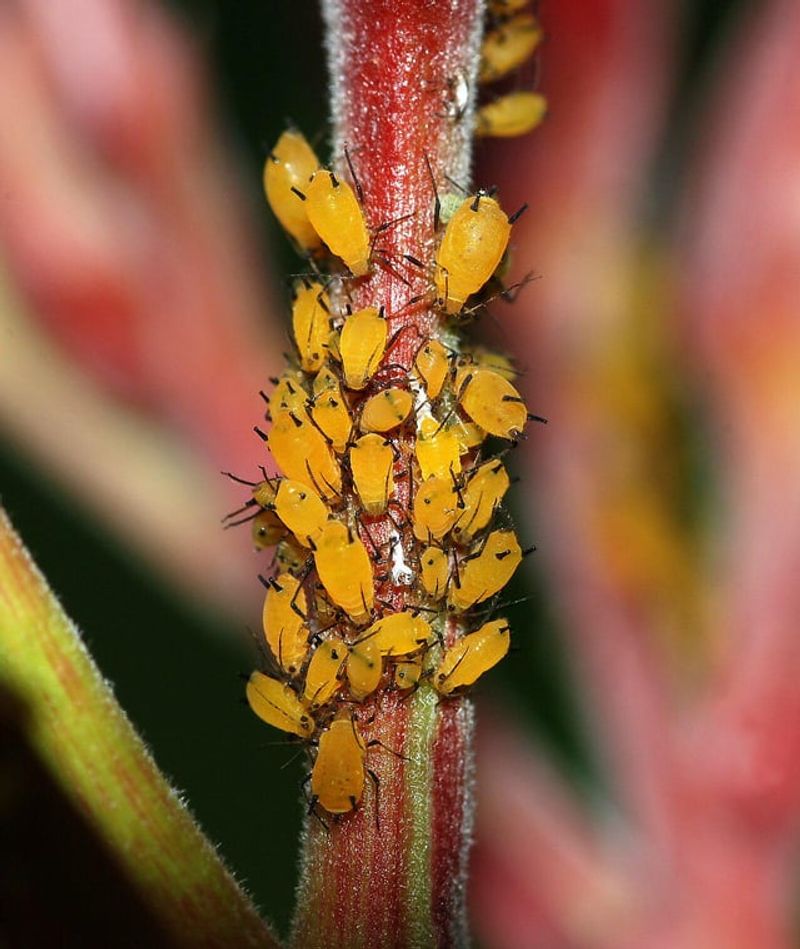
One morning you notice something odd on your basil. The sticky, crowded mass of aphids that showed up last week looks noticeably thinner today.
You did not spray anything. You did not bring in ladybugs from a bag. Something in the garden handled it without your help.
Hoverfly larvae work at night as well as during the day. By the time you check your plants in the morning, several rounds of feeding have already happened.
Aphid populations can double in just a few days under the right conditions. Hoverfly larvae apply enough pressure to reverse that growth curve before it spirals out of control.
The shrinking happens unevenly at first. You might see one stem cleared while the next stem still looks crowded, because larvae work patch by patch.
As each larva grows larger, it clears colonies faster. The last instar, which is the biggest growth stage, does the most dramatic visible damage to aphid numbers.
Gardeners sometimes add extra herb plantings mid-season to keep adult hoverflies fed. More adult visitors mean more eggs laid, which means more larvae working on the problem simultaneously.
Sticky honeydew residue left by aphids starts to dry up as colonies shrink. Ants that were farming the aphids begin to disappear too, since their food source is collapsing.
Watching aphid colonies shrink without lifting a finger feels almost like magic. This is exactly the outcome those hovering visitors were working toward all season.
Keeping The Balance Going Into Fall
Late summer is not the end of the hoverfly story. As temperatures begin to cool, a new round of adult hoverflies emerges from pupae formed earlier in the season.
These late-season adults still need nectar and pollen to survive. Keeping some herbs in bloom through September gives them a fighting chance.
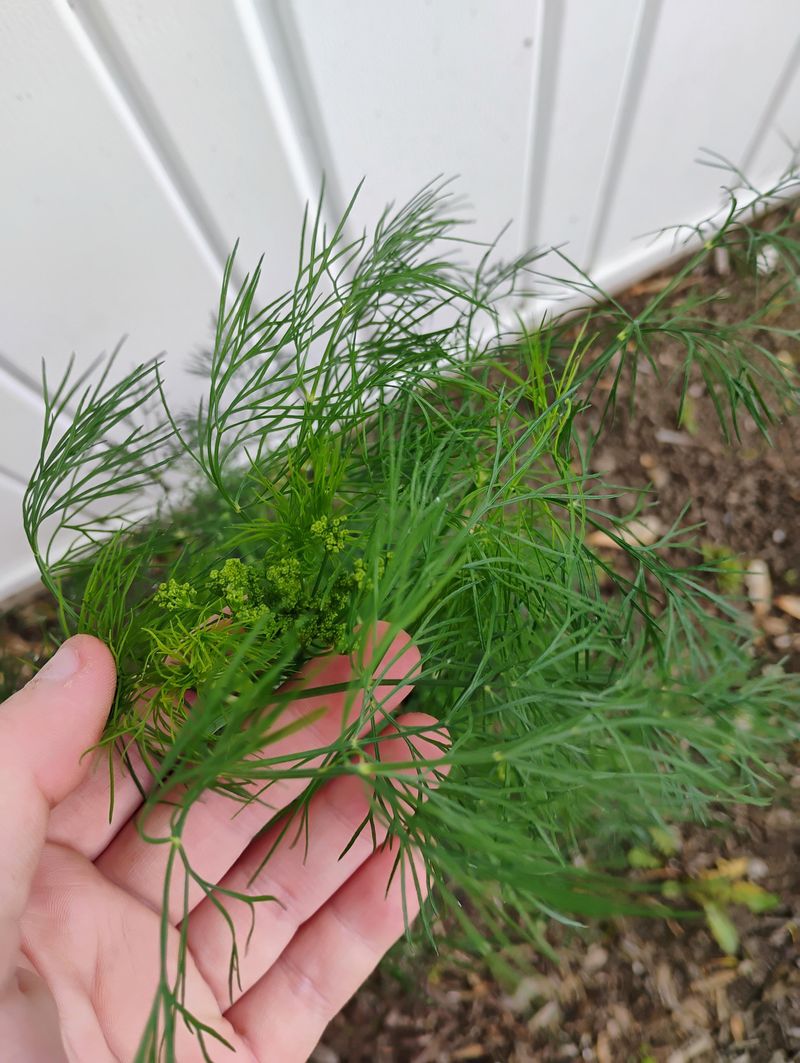
Letting dill or fennel go to seed instead of cutting it back supports this fall generation. A little messiness in the garden pays real biological dividends.
Aphid pressure often spikes again in early fall as temperatures drop and ant activity increases. Having a fresh wave of hoverflies present helps manage that second surge naturally.
Gardeners who plant late-blooming herbs like parsley alongside summer herbs extend the feeding season. Overlapping bloom times create a continuous food chain that supports multiple hoverfly generations.
Avoiding pesticide applications in August and September protects the pupae developing in the soil. Those pupae are next season’s first wave of natural pest control, already in place before spring arrives.
Leaving some leaf litter and garden debris over winter gives pupae a layer of insulation. A little restraint during fall cleanup can mean a much stronger start to biological control next year.
Hoverflies are not random visitors passing through on their way somewhere else. They return to gardens that feed and shelter them, building a reliable presence season after season.
The pattern behind it all is simple: these insects are following a chain of survival that your garden can either support or break.