8 Crucial August Dahlia Tasks To Keep Blooms Going Into Fall In Vermont
A quiet threat is draining your dahlias’ brilliance right now. Vermont light feels generous, yet it hides a shrinking window. Blooms that dazzled in July fade faster than you expect.
Petals drop overnight when you assume summer will simply hold. Warmth tricks you into believing time will slow down again. Stems soften and buds pause when your attention slips briefly.
Neglect a small task and color drains from your bed. Growers who track timing keep your garden electric and alive. Success in Vermont rewards precision more than luck or intentions.
Every choice you make now shapes what September will look like. Sunlight alone cannot rescue your struggling dahlia patch right now. Attention beats intensity when deciding which of your blooms flourish.
Momentum matters more than any frantic fix could offer you. Each of your gardens either keeps advancing or falls behind. You cannot afford to look away from this moment.
1. Water Deeply During Dry Stretches
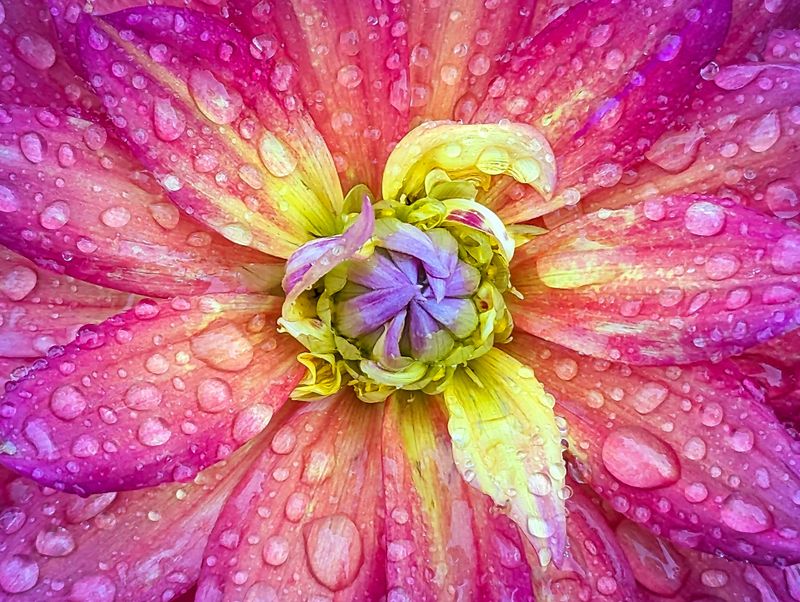
Dry soil is one of the biggest stress factors for dahlias in August. Vermont summers can surprise you with sudden dry spells that stress plants fast.
Dahlias need about one inch of water per week during the growing season. Shallow watering only wets the top layer, leaving deep roots thirsty and struggling.
Deep watering encourages roots to grow downward. Strong, deep roots help plants survive heat stress and produce more flowers.
Water at the base of the plant, not on the leaves. Wet foliage invites fungal problems, especially during humid Vermont evenings.
Early morning is the best time to water your dahlias. Soil absorbs moisture better before afternoon heat kicks in.
Check soil moisture by pressing your finger two inches into the ground. If it feels dry at that depth, it is time to water again.
A slow, steady soak, generally around 20 to 30 minutes depending on soil type, works better than a quick splash. Consistent moisture helps August dahlia care stay on track.
Skip watering on days when rain is heavy and consistent. Overwatering can cause root rot, which is just as damaging as drought stress.
A soaker hose is a fantastic tool for deep, efficient watering. Set it and let it run while you enjoy your morning coffee.
Healthy hydration now means your dahlias will reward you with non-stop blooms all the way through fall in Vermont.
2. Snip Spent Blooms Off
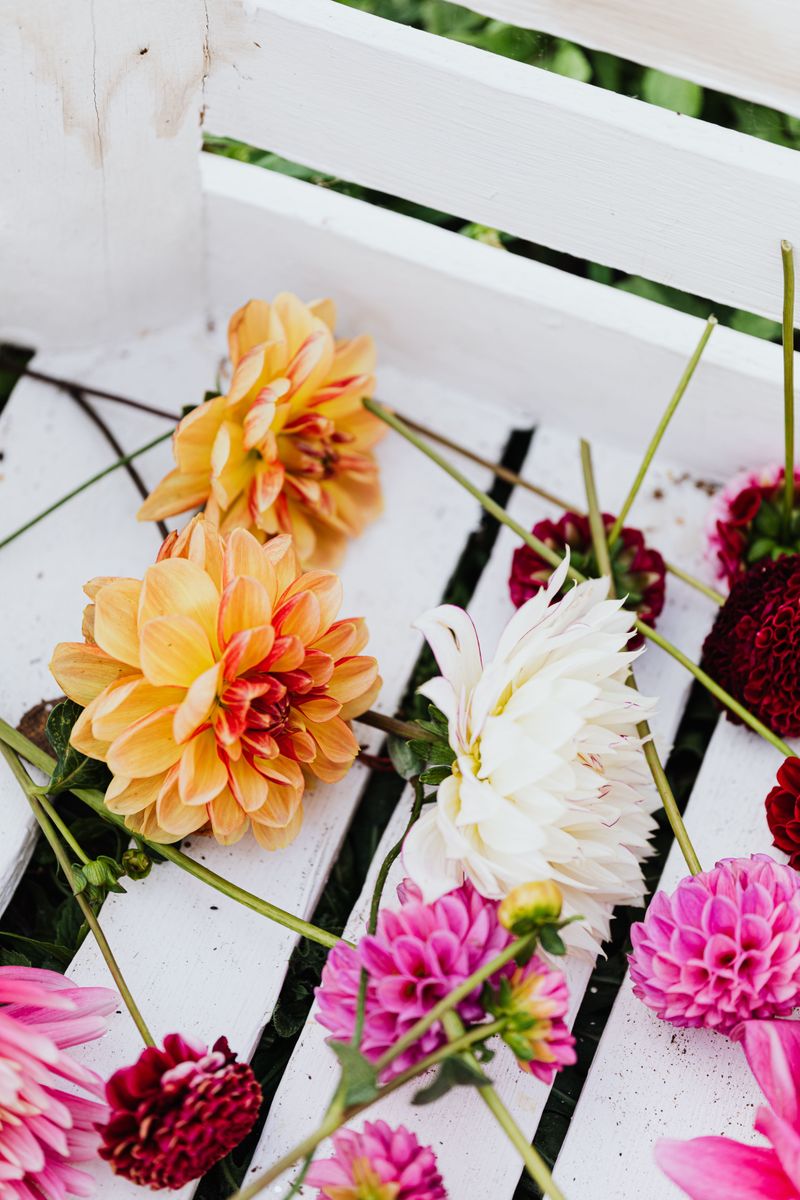
Trimming is one of the simplest and most powerful things you can do for your dahlias right now. Removing spent blooms signals the plant to produce more flowers instead of forming seeds.
A dahlia that is allowed to go to seed slows down fast. The plant puts its energy into seed production rather than making new blooms.
Snipping spent flowers every few days keeps the cycle going strong. Consistent trimming is a cornerstone of great August dahlia care in any Vermont garden.
Look for blooms that are fading, browning at the edges, or drooping downward. Those are the ones that need to come off right away.
Cut the stem back to the nearest set of leaves or a side bud. This clean cut encourages a new flower stem to emerge quickly.
Use sharp, clean scissors or pruning shears for every cut you make. Dull or dirty tools can introduce bacteria and slow the plant’s recovery.
Discard spent flowers away from the garden bed. Leaving rotting petals on the soil can attract pests and spread fungal spores.
Some gardeners find trimming meditative and even enjoyable. A quick walk through the garden each morning with scissors in hand becomes a satisfying ritual.
You will notice a real difference within a week of consistent trimming. New buds will appear faster, and the overall plant will look tidier and more lush. Keep snipping and your dahlias will keep giving through the whole fall season.
3. Feed With Low-Nitrogen Fertilizer
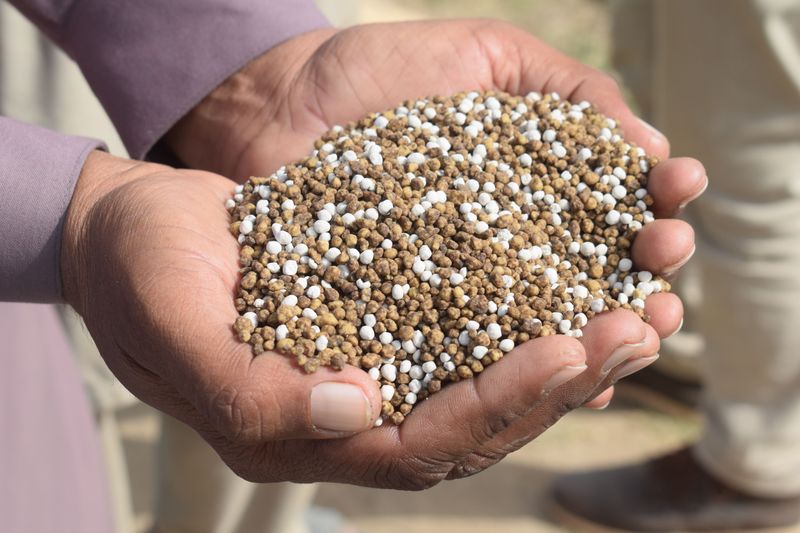
Feeding your dahlias the wrong fertilizer in August can slow their blooming. High-nitrogen formulas push leafy green growth instead of the flowers you are after.
Switch to a low-nitrogen, high-phosphorus fertilizer this month. Phosphorus encourages strong root development and abundant blooming during late summer.
Look for a fertilizer labeled with numbers like 5-10-10 or 0-10-10 on the bag. Those ratios tell you exactly what the plant is getting with each feeding.
Potassium also plays a big role in flower quality and stem strength. A balanced bloom-booster fertilizer covers all three of those key nutrients at once.
Apply fertilizer every two to three weeks through August and into early September. Consistent feeding keeps energy levels high for continuous bloom production.
Granular fertilizers work well when worked lightly into the soil around the base. Liquid fertilizers are absorbed faster and show results within just a few days.
Avoid getting fertilizer directly on the leaves or crown of the plant. Direct contact can cause chemical burns that damage tender tissue.
Water the garden after applying granular fertilizer to help it break down. Moisture activates the nutrients and carries them down to the root zone.
Organic options like bone meal and kelp meal are excellent low-nitrogen choices. They feed slowly and improve overall soil health at the same time.
Smart feeding now is one of the best August dahlia care investments you can make for a spectacular fall display.
4. Stake Tall Varieties For Support
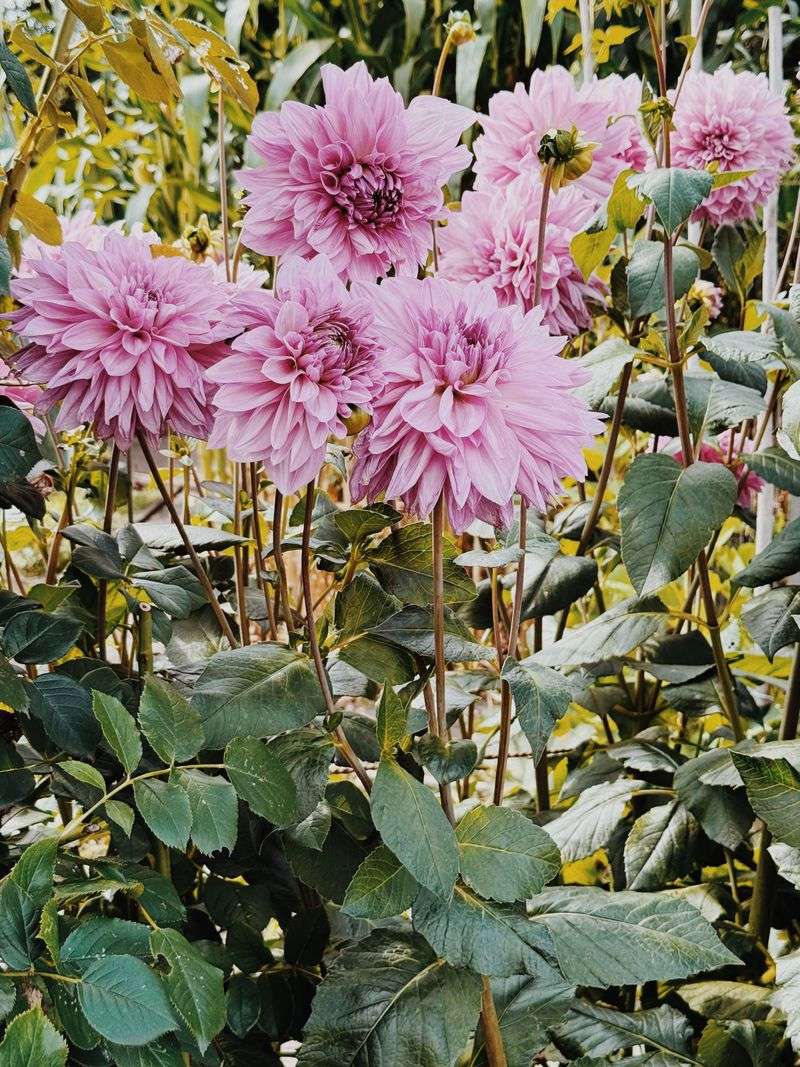
August in Vermont can bring gusty winds and heavy rainstorms out of nowhere. Without proper support, tall dahlia varieties will topple over and snap under that pressure.
Staking is not just about storm protection, though. Supported stems grow straighter and hold blooms upright where you can actually enjoy them.
Wooden stakes, bamboo poles, and metal garden cages all work well for dahlias. Choose a support method that matches the height and weight of your specific variety.
Dinner-plate dahlias can grow four to six feet tall with heavy blooms. Those giants absolutely need strong, sturdy staking to stay upright through fall.
Drive your stake into the ground at least a foot deep for stability. A shallow stake will wobble and fail when the first strong wind comes through.
Tie stems loosely to the stake using soft garden twine or stretchy plant tape. Tight ties can cut into the stem and restrict water flow.
Check your ties every couple of weeks as the plant continues to grow. Stems thicken over time and loose ties can become too tight without warning.
Add a second tie higher up the stem as new growth extends upward. Multiple anchor points spread the load and reduce the chance of snapping.
A well-staked dahlia looks polished and intentional in the garden. It also produces better blooms because the stem is not wasting energy recovering from bending or breaking. Good August dahlia care always includes checking your stakes before a storm rolls in.
5. Pinch Side Shoots For Bigger Blooms
Want blooms the size of dinner plates? Pinching side shoots is the secret most gardeners overlook once summer gets busy.
Side shoots, also called lateral shoots, grow out from the main stem between the leaf joints. Left alone, they pull energy away from the central flower bud.
Removing those side shoots redirects the plant’s resources into producing fewer but much larger blooms. Fewer flowers, but each one will genuinely take your breath away.
This technique is called disbudding, and it is a classic move among serious dahlia growers. Flower show competitors swear by it for producing jaw-dropping exhibition-quality blooms.
Use your fingers to snap off side shoots when they are still small and tender. Small shoots come off cleanly without leaving a wound that could get infected.
Focus on the shoots that appear just below the main terminal bud at the top. Those are the biggest competitors for the plant’s energy and attention.
You do not have to disbud every single stem on the plant. Choose a few key stems for the biggest blooms and let others develop naturally for a fuller look.
Check plants every few days because new side shoots appear quickly in warm August weather. Staying on top of it makes the whole process much easier to manage.
This is one of those August dahlia care tasks that feels small but makes a noticeable difference. You may notice your blooms outshining others nearby. Big, bold blooms are just a pinch away from becoming reality in your garden.
6. Mulch To Retain Soil Moisture
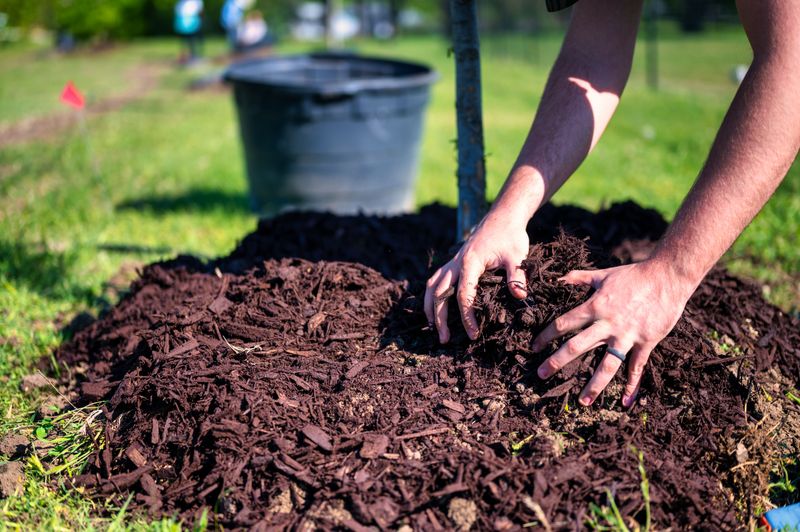
Bare soil bakes in the August sun and loses moisture fast. A good layer of mulch acts like a blanket that keeps the ground cool and damp underneath.
Mulching is one of the most underrated steps in August dahlia care. It does a lot of work for very little effort on your part.
Spread two to three inches of mulch around the base of each plant. Keep the mulch a few inches away from the main stem to prevent rot.
Straw, shredded leaves, and wood chips are all excellent mulch choices for dahlia beds. Each option breaks down slowly and adds organic matter back into the soil over time.
Consistent soil moisture means more consistent blooming throughout the season. Fluctuating wet and dry cycles stress the plant and can cause buds to abort before opening.
Mulch also suppresses weeds that compete with dahlias for water and nutrients. Fewer weeds mean less work for you and more resources for the flowers.
In Vermont, late August nights can get surprisingly cool. A layer of mulch helps insulate the soil and protects tubers from early temperature swings.
Refresh your mulch layer if it has thinned out since you applied it in spring. A fresh top-up takes about five minutes and makes a noticeable difference immediately.
Mulching also reduces how often you need to water, which saves both time and effort. Pair it with deep watering sessions for the best possible results.
Your dahlias will stay happier and healthier all the way through fall with this one simple step.
7. Watch For Pests Like Earwigs
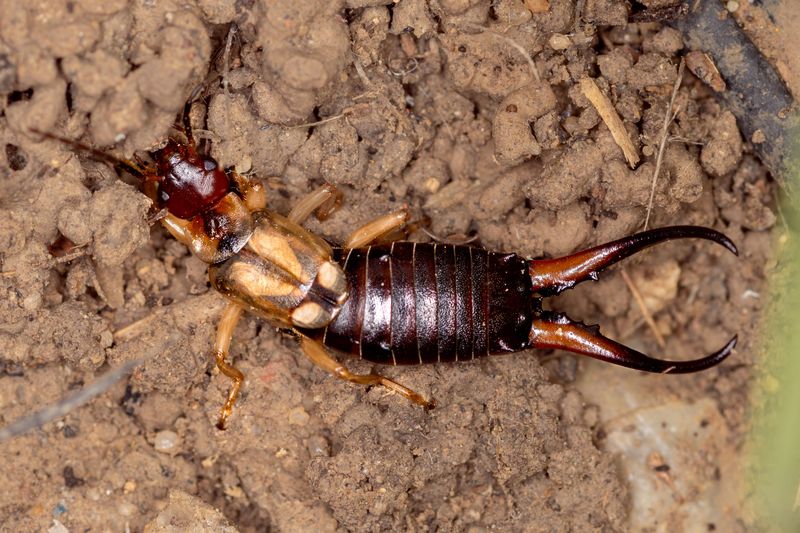
August is peak pest season, and earwigs are drawn to dahlias. These nocturnal insects feed at night and hide during the day, making them easy to miss.
Earwig damage looks like ragged, irregular holes chewed through petals and leaves. If your blooms suddenly look tattered overnight, earwigs are the likely culprits.
Check for them by going out to the garden after dark with a flashlight. You will often find them feeding right on the open flowers in the evening hours.
During the day, earwigs hide in cool, damp spots like under mulch or inside curled leaves. Rolled-up damp newspaper placed near plants makes an easy trap overnight.
In the morning, collect the newspaper traps and drop them into a bucket of soapy water. This old-school method is surprisingly effective and completely chemical-free.
Diatomaceous earth sprinkled around plant bases creates a barrier that earwigs struggle to cross. Reapply after rain since moisture breaks it down quickly.
Japanese beetles and aphids are two other pests to watch for in August. Aphids cluster on tender new growth and can spread quickly across the whole garden bed.
A strong spray of water from the hose dislodges aphids without any chemicals needed. Repeat every few days until the population drops to a manageable level.
Staying attentive to pests is an important part of good August dahlia care. Catching problems early makes them easier to manage.
Healthy, pest-free plants bloom better, longer, and more beautifully all the way into autumn.
8. Cut Flowers Often To Encourage Rebloom
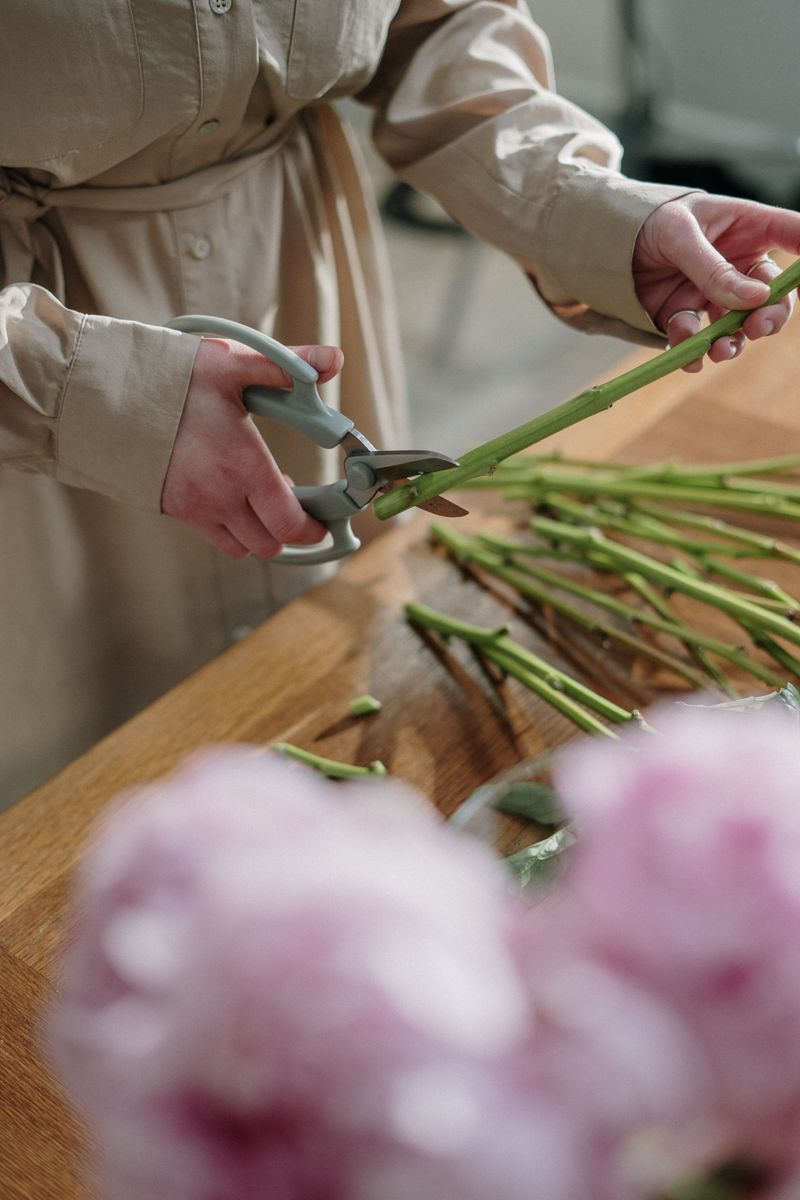
Cutting fresh dahlias for indoor bouquets is not just a treat for your home. It is actually one of the best things you can do for the plant itself.
Every time you cut a flower stem, the plant responds by sending up new growth. More cuts equal more blooms, and that cycle continues all the way into fall.
Cut stems in the early morning when temperatures are cool and stems are fully hydrated. Flowers cut in the heat of the afternoon tend to wilt faster in the vase.
Use sharp, clean shears and cut the stem at a 45-degree angle. This traditional technique is believed to help with water uptake and may extend vase life.
Cut stems long, going all the way back to a leaf node or side bud. Longer cuts encourage stronger new growth from lower on the plant.
Place cut stems immediately into a bucket of cool water as you harvest. Do not let them sit in the air for even a few minutes before hydrating them.
Change the water in your vase every two days to keep blooms fresh longer. A clean vase and fresh water prevent bacterial buildup that shortens flower life.
Cutting flowers is one of the most rewarding parts of growing dahlias all season long. You get a beautiful home filled with blooms and a garden that keeps producing more.
This simple habit is the heart of great August dahlia care and a joy all its own. Keep cutting, keep enjoying, and your garden will keep delivering through every crisp Vermont fall day.