The Tiny Water Feature Turning Montana Yards Into Wildlife Hotspots
Water changes everything the moment it hits your soil. Dragonflies arrive before you even notice the water shimmering. Frogs follow next, croaking loudly from puddles smaller than a plate.
Montana yards, however tiny, can hold this entire transformation. Birds swoop in for a quick drink, then linger near your open door. Nothing about a micropond feels small once it starts working.
Insects multiply, pollinators circle, and your air hums differently. Space stops being your excuse the moment results appear. Gardeners across Montana are quietly trading sprawling ponds for compact power.
Containers now replace excavators, buckets replace shovels, and momentum builds fast. Every drop of water pulls new life toward your door. Movement never really stops once your ecosystem quietly takes hold.
Curiosity turns into obsession within days of setup. Your entire yard becomes a stage the moment water enters it. You will not walk past this idea without wanting it.
What Exactly Is A Micropond
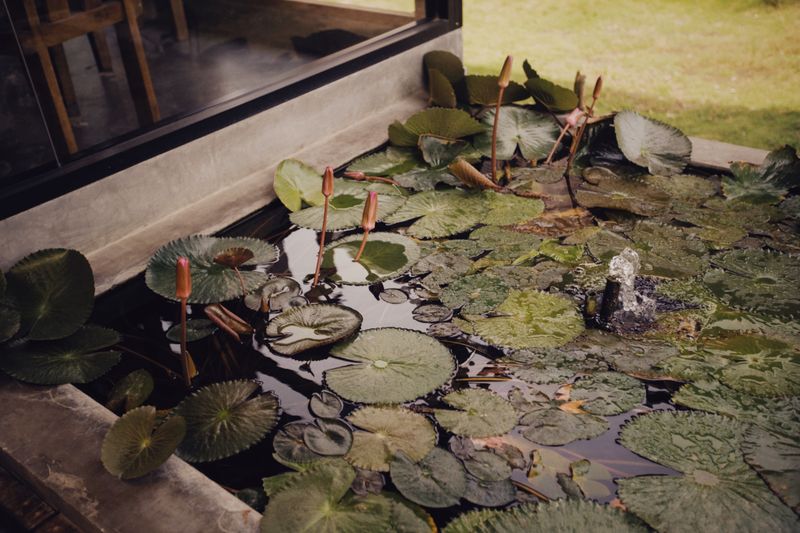
Picture a birdbath, but better. A micropond is a small, self-contained water feature that can fit almost anywhere in your yard.
Unlike a full-sized pond, a micropond requires no heavy excavation or expensive equipment. You can build one in an afternoon using a container you probably already own.
The idea is simple: fill a watertight vessel with water, add a few aquatic plants, and let nature do the rest. Homeowners across the country are catching on fast, and Montana residents have plenty of reasons to join in.
A micropond can be as small as a half-barrel planter or as large as a stock tank. The size you choose depends on your space, your budget, and how much wildlife you want to attract.
Shallow water warms up quickly in the sun, which is perfect for early-season insects. That warmth signals to local wildlife that a safe water source is nearby.
Dragonflies, native bees, songbirds, and even small frogs will find your micropond within days. You do not need a sprawling property or a green thumb to make this work.
The beauty of a micropond is its accessibility. Renters, apartment dwellers with patios, and homeowners with compact yards can all enjoy one.
Once you understand what a micropond is, the next step is understanding why the local wildlife around you will absolutely love it. The answer might surprise you.
Why Montana Wildlife Loves Small Water Features
Water is life, and in Montana, finding a clean, reliable water source can be a challenge for small creatures. A micropond fills that gap in a powerful way.
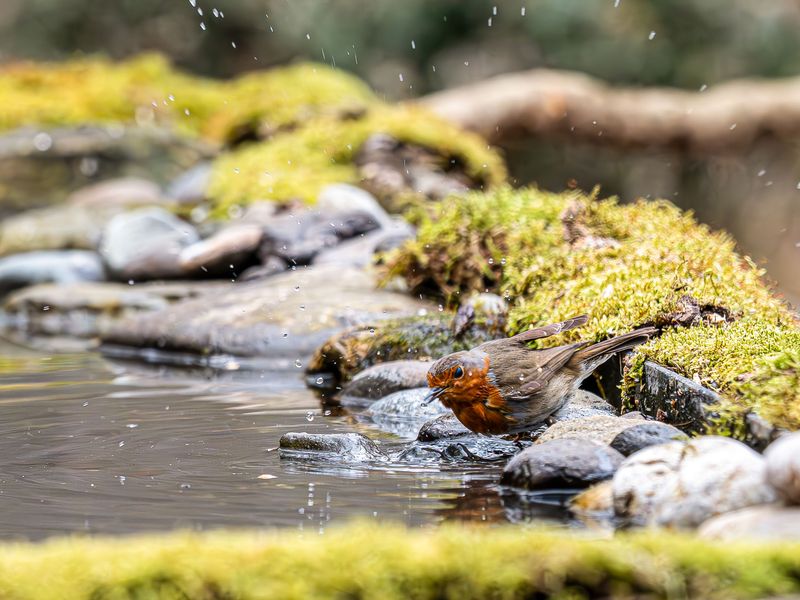
Songbirds like robins and chickadees need shallow water for drinking and bathing. A micropond gives them exactly that, right in your garden.
Pollinators such as native bees and butterflies are drawn to water edges where moisture collects. Even a tiny pool can become a buzzing hub of activity within a week.
Dragonflies and damselflies need standing water to complete their life cycles. Your micropond becomes a breeding ground for these natural mosquito hunters.
Montana is home to more than a dozen native amphibian species, including tree frogs and chorus frogs. A small water feature gives them a cool, shaded spot to rest and hydrate.
In more rural or open areas, mule deer and other larger animals may occasionally visit your yard if they detect water nearby. Placing your micropond near a fence or shrub gives shy animals a sense of cover.
The local ecosystem benefits too. When more insects thrive, more birds follow, creating a chain reaction of biodiversity right outside your window.
Water features also reduce stress for wildlife during hot, dry summers. Montana summers can bring extended dry spells, and natural water sources may dry up quickly during peak heat.
Your micropond becomes a lifeline for creatures big and small. Choosing the right container and location is the key to making that lifeline as effective as possible.
Choosing The Right Container And Location
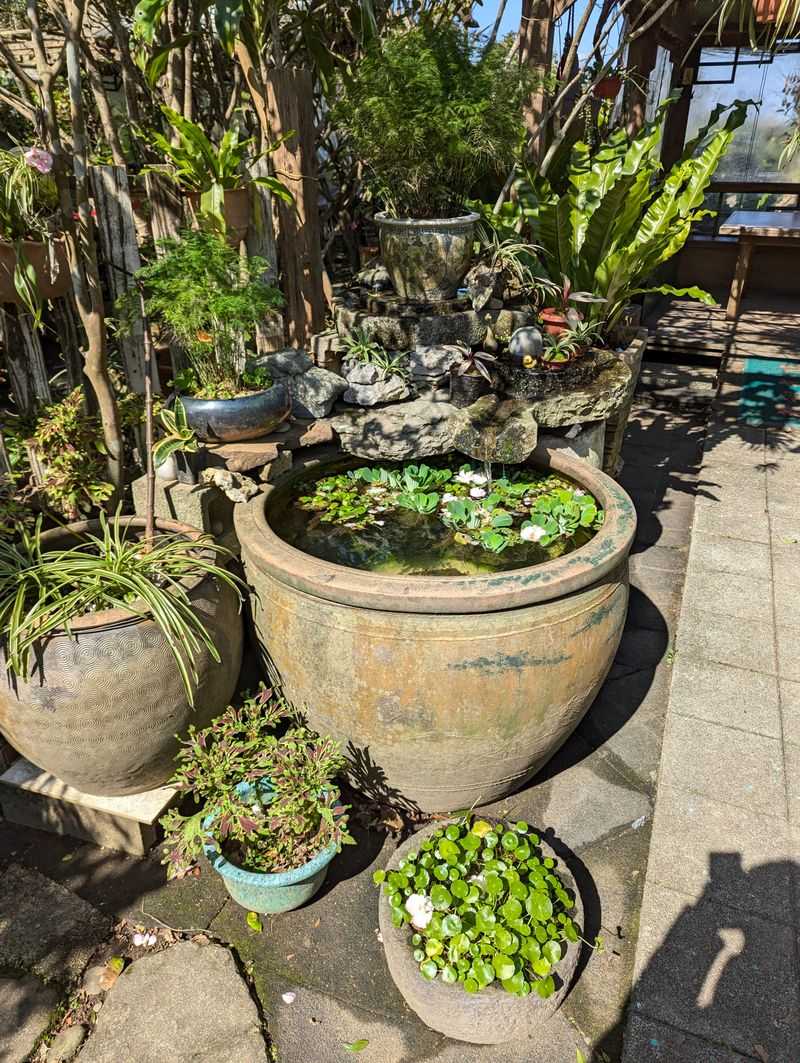
Not every container works as a micropond, but you have more options than you might think. The key is finding something watertight and at least 12 inches deep.
Stock tanks, half-barrel planters, ceramic pots with sealed drainage holes, and even old bathtubs all make excellent choices. Each one brings a different look and feel to your outdoor space.
Dark-colored containers absorb more heat, which helps aquatic plants grow faster in cooler Montana climates. Lighter containers keep water cooler, which is better for fish if you plan to add them later.
Avoid containers made from treated wood or galvanized metal without a liner. Chemicals can leach into the water and harm the wildlife you are trying to attract.
Location matters just as much as container choice. Aim for a spot that gets four to six hours of sunlight daily.
Too much direct sun causes algae to bloom out of control. Too little sun keeps plants from thriving and makes the water stagnant.
Placing your micropond near native shrubs or ornamental grasses gives visiting wildlife a safe landing zone. Animals feel more confident approaching water when cover is close by.
Keep it within view of a window so you can enjoy the show from inside. There is nothing quite like watching a hummingbird dip its beak into your little pond on a crisp Montana morning.
Once your container is set and your spot is chosen, filling it with the right plants makes all the difference. The plant selection process is more fun than you expect.
Plants That Thrive In A Micropond
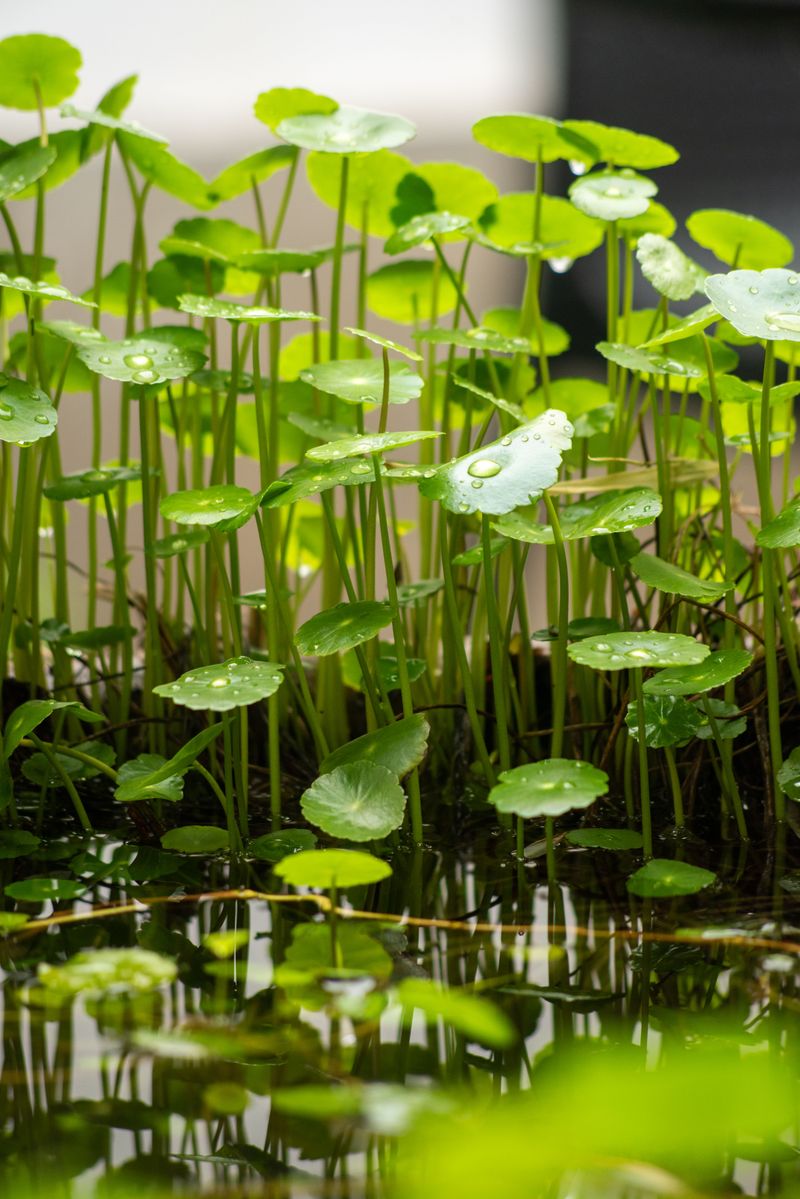
Plants are the heart of any healthy micropond. They filter the water, provide oxygen, and give wildlife a place to land, hide, and feed.
Water iris is one of the best choices for Montana microponds. It tolerates cold temperatures well and produces stunning purple blooms in late spring.
Pickerelweed is another cold-hardy option that pollinators absolutely love. Its tall blue flower spikes attract bees and butterflies from surprising distances.
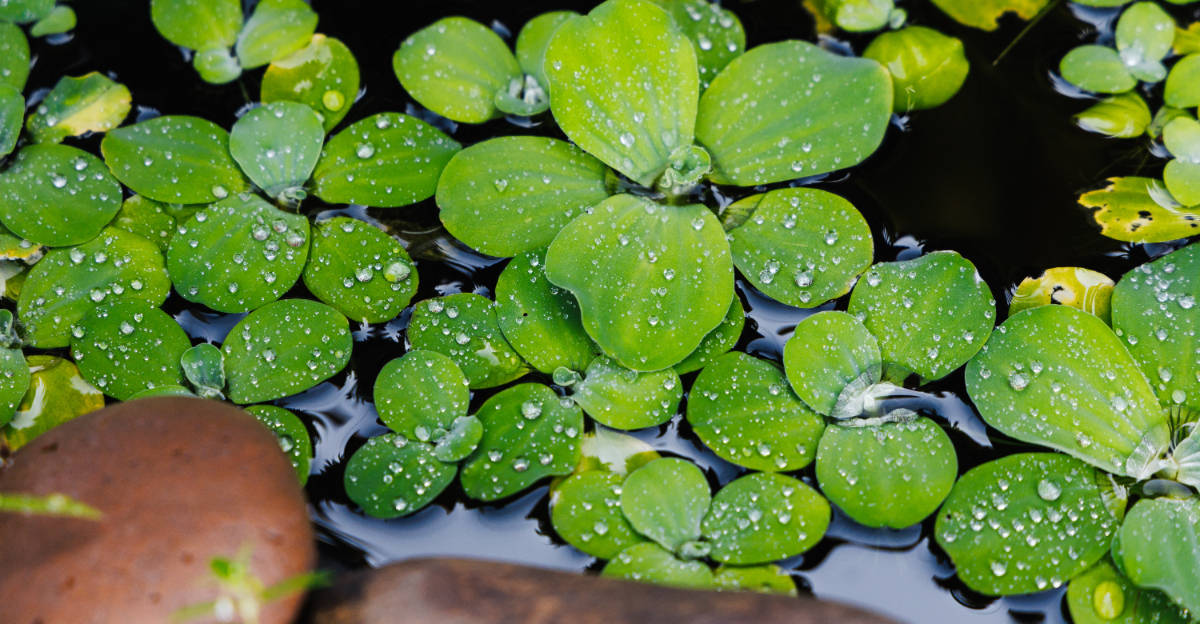
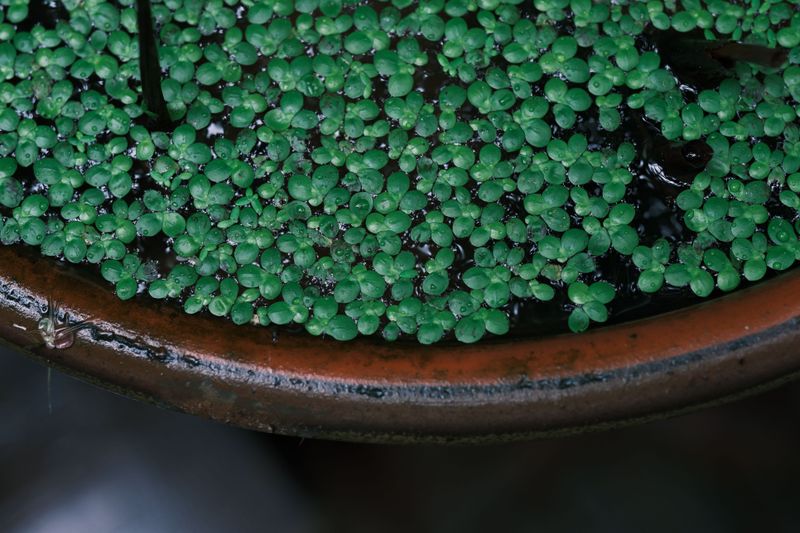
Floating plants like water lettuce help shade the surface. Check your state’s regulations before adding water hyacinth, since it is restricted or banned in several states due to its invasive potential.
That shade keeps algae growth in check without any extra effort from you. Submerged plants such as hornwort and anacharis work underwater to oxygenate the pond. They also provide shelter for insects and small aquatic creatures near the bottom.
Native sedges and rushes planted around the edge of your container add a natural, layered look. They also give frogs and dragonflies a sturdy place to perch and rest.
Avoid invasive aquatic plants like parrot feather or yellow flag iris in outdoor settings. These species can escape into local waterways and cause serious ecological damage.
Stick to native or non-invasive species whenever possible to protect Montana waterways. Your local nursery can help you identify safe choices for your region.
A good mix of floating, submerged, and marginal plants creates a balanced mini-ecosystem. Once your plant selection is sorted, setting up the whole thing is surprisingly straightforward and satisfying.
Simple Steps To Set Up Your Micropond
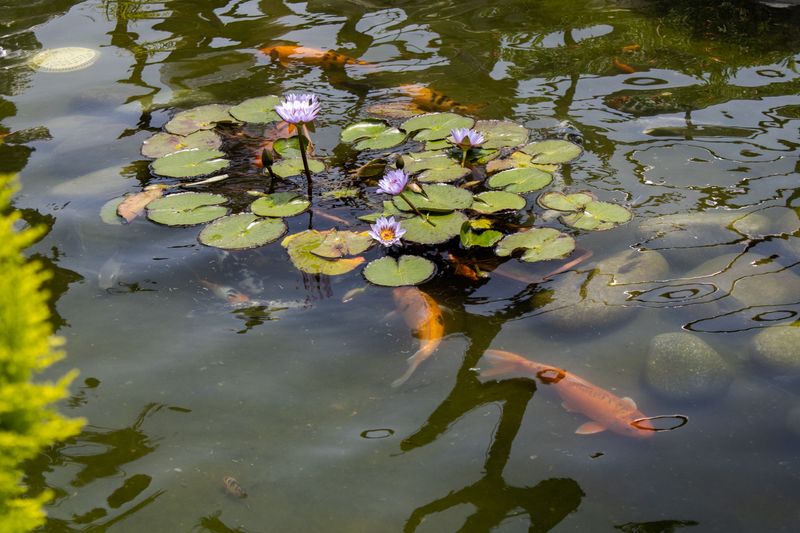
Setting up a micropond is quicker than most people expect. Depending on container size and plant sourcing, the whole project can often be finished in a single afternoon.
Start by cleaning your container thoroughly with plain water, no soap or bleach. Residue from cleaning products can harm aquatic life and plants.
Place your container in its chosen location before filling it with water. Moving a full container is difficult, so it’s best to fill it only after it’s in its final spot.
Add a layer of aquatic planting soil or gravel to the bottom if you plan to pot plants directly inside. This gives roots something to anchor into as they grow.
Fill the container with tap water, then let it sit for 24 to 48 hours before adding plants or creatures. This allows chlorine to evaporate naturally from the water in most cases, though water treated with chloramine may need a dechlorinating product instead.
Arrange your plants thoughtfully, placing taller marginal plants near the back or edges. Floating plants can go anywhere on the surface where they will catch sunlight.
“Add a few flat stones near the edge so small animals can climb in and out safely. Bees can occasionally struggle in open water without an escape route, and a simple stone ramp prevents this.
If you want to add a small solar-powered pump for gentle water movement, now is the time. Moving water discourages mosquitoes from laying eggs on the surface.
Step back, take a photo, and wait. Within days, your micropond will start drawing in the wildlife that makes this whole project so rewarding.
Maintenance Tips To Keep It Thriving Year-Round
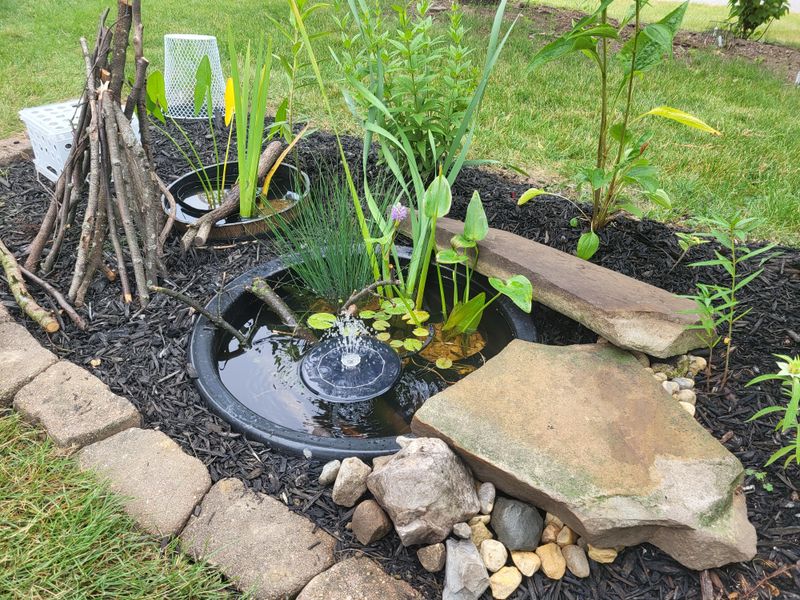
A micropond is low-maintenance, but it is not no-maintenance. A few simple habits will keep your water feature healthy through every season.
Top off the water level every week during summer, since evaporation happens fast in warm Montana sunshine. Keeping the level consistent protects the roots of your aquatic plants.
Remove fallen leaves and debris promptly, especially in autumn. Decomposing organic matter releases gases that can harm aquatic life if left to build up.
Trim back overgrown plants every few weeks to prevent one species from taking over the surface. A balanced mix of plant types keeps the water chemistry stable.
If algae becomes a problem, add more floating plants to increase shade coverage. Resist the urge to use chemical algae treatments, which can hurt the wildlife you worked hard to attract.
Montana winters are cold, and a frozen micropond needs some attention. Move container ponds into an unheated garage or shed before temperatures drop below freezing.
If your container is too large to move, float a small ball or piece of foam on the surface. This prevents the ice from sealing completely and allows gas exchange to continue.
Divide and repot overgrown plants each spring to keep them healthy and productive. Spring is also a great time to refresh the water and check for any container damage.
Consistent care keeps your micropond beautiful and full of life all year long. A well-tended micropond truly brings the wild side of Montana straight to your doorstep.
How A Micropond Connects You To Montana’s Ecosystem
There is something quietly powerful about watching a wild creature choose your yard as a safe place. A micropond makes that happen more often than you would expect.
When you create a water source, you are not just decorating your garden. You are plugging into the local web of life in a real, meaningful way.
Dragonflies that breed in your pond eat mosquito larvae before they ever become a nuisance. That is free pest control without any added chemicals.
Birds that stop for a drink often stick around to hunt insects in your garden beds. Your vegetable patch will thank you for the extra help.
Native bees that hydrate at your micropond are the same ones pollinating your flowers and food plants. Supporting them is one of the most practical things a home gardener can do.
Children who grow up watching wildlife at a backyard water feature develop a natural curiosity about the environment. That sense of wonder is worth more than any screen time.
Neighbors who see your setup often want to build their own. A single micropond on a block can spark a neighborhood-wide habitat corridor for local wildlife.
Montana’s wide open spaces are beautiful, but wildlife needs help in suburban and urban areas too. A small water feature bridges that gap in a surprisingly effective way.
A micropond is a tiny garden trend with a meaningful impact. Once you build one, you may find it hard to imagine your yard without it.