Why Are Vermont’s Maples Changing Color In The Middle Of Summer
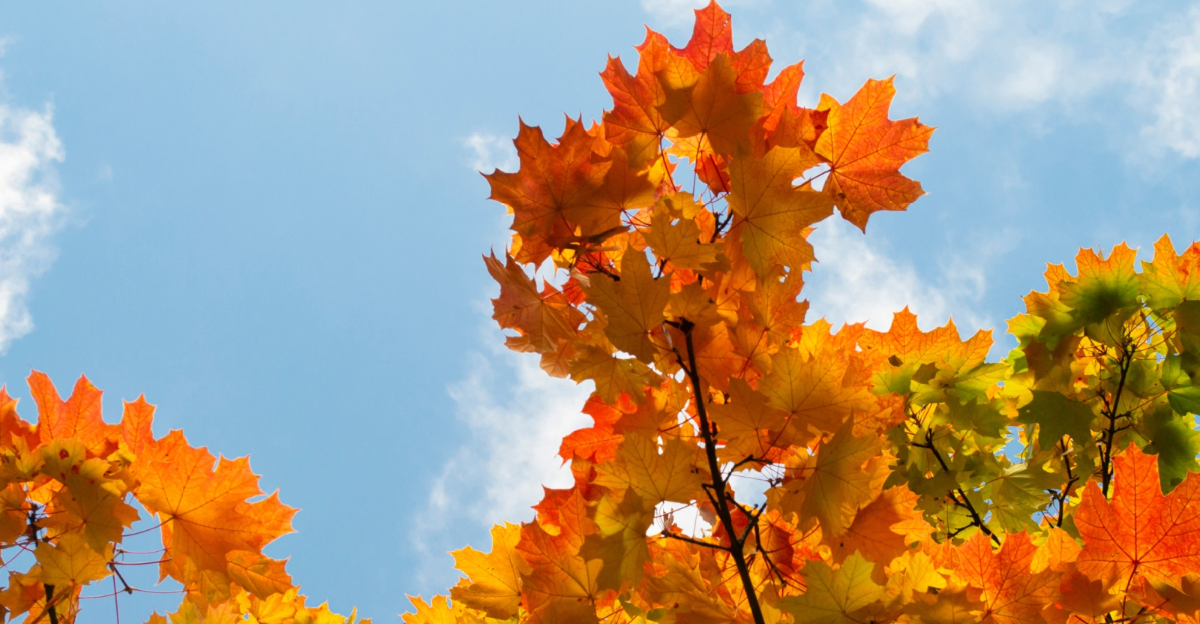
When maple trees start changing color in the middle of summer, it usually means something’s wrong.
Sugar maples that should be soaking up July sunshine are flashing crimson and gold instead. It looks like October arrived weeks early.
If you’ve spotted patches of orange showing through the green canopy on a back road or in your own yard, you’re seeing a real and increasingly common phenomenon.
The explanation isn’t simple, but it makes sense once you know it. When a maple shows its fall colors in the middle of summer, the tree is usually under real pressure.
Drought, disease, root damage, or insects can all play a part. Sometimes more than one hits at once. Think of it as the tree sending a warning sign. Ignore it, and you could lose the maple within a season or two.
Catch it early, though, and there’s often still time to help it recover. Here’s what’s really driving this early color change, and what you can do before it’s too late.
1. Drought Triggers Early Leaf Shutdown
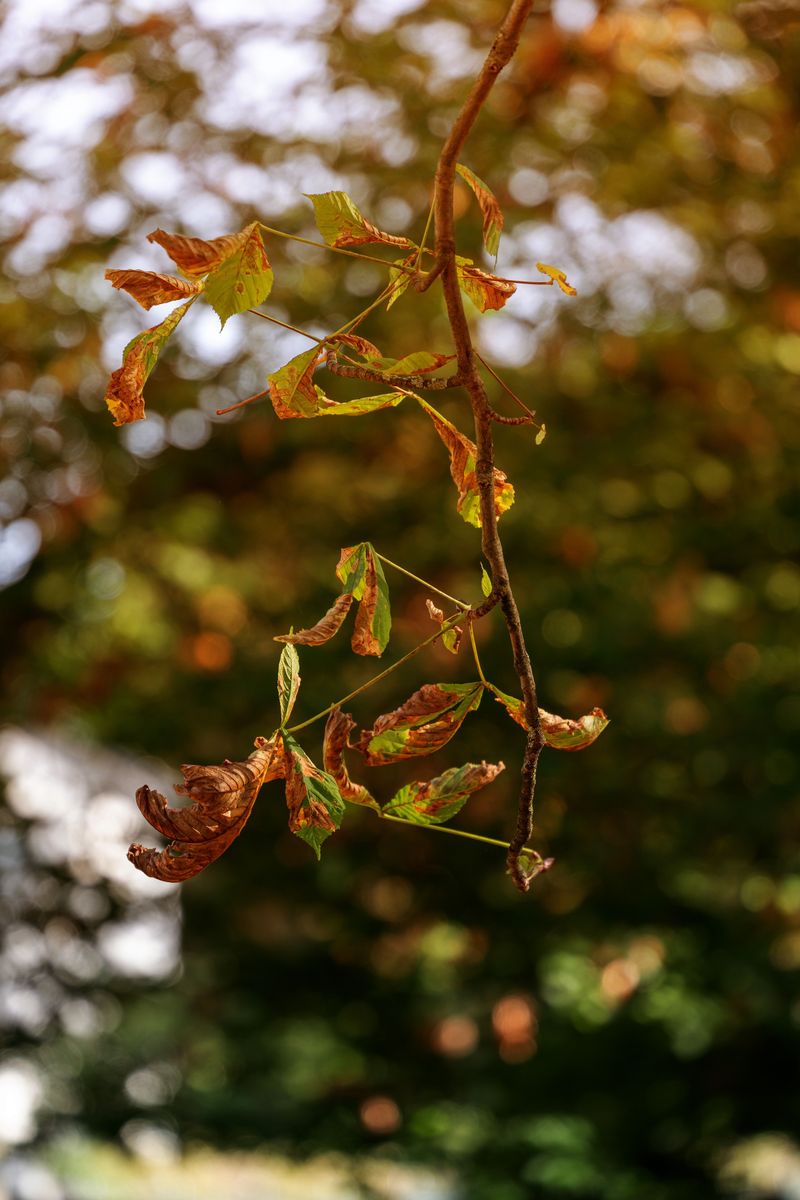
Maple trees are shutting down early, and drought is often the first culprit. When rainfall drops below normal for weeks at a time, trees make a drastic decision.
They stop investing energy in their leaves. Leaves are expensive for a tree to maintain. They require water, nutrients, and constant chemical activity.
When water gets scarce, the tree pulls back resources and triggers early dormancy signals.
This process is called stress-induced senescence. It looks exactly like fall color, but it happens months too soon. The tree is not celebrating autumn. It is shifting into a protective, resource-saving state.
Chlorophyll breaks down first, which is the green pigment that hides the reds and yellows underneath. As green fades, those hidden colors burst through.
That is why a drought-stressed maple can look almost festive while actually struggling. The color change often starts at the tips of branches. It spreads inward as more leaves give up.
By the time a whole branch turns, the tree has already made a serious physiological decision. Drought stress in summer is becoming more common across New England.
Weather patterns across the Northeast have grown more variable in recent years, with some dry stretches lasting longer than they historically have. Older maples with shallower roots feel this first.
If your tree is turning early, check the soil six to twelve inches down, where most feeder roots are concentrated. Dry, powdery soil is a red flag.
Deep, slow watering once or twice a week can help slow the shutdown before it becomes permanent damage.
2. Heat Speeds Up The Seasonal Clock
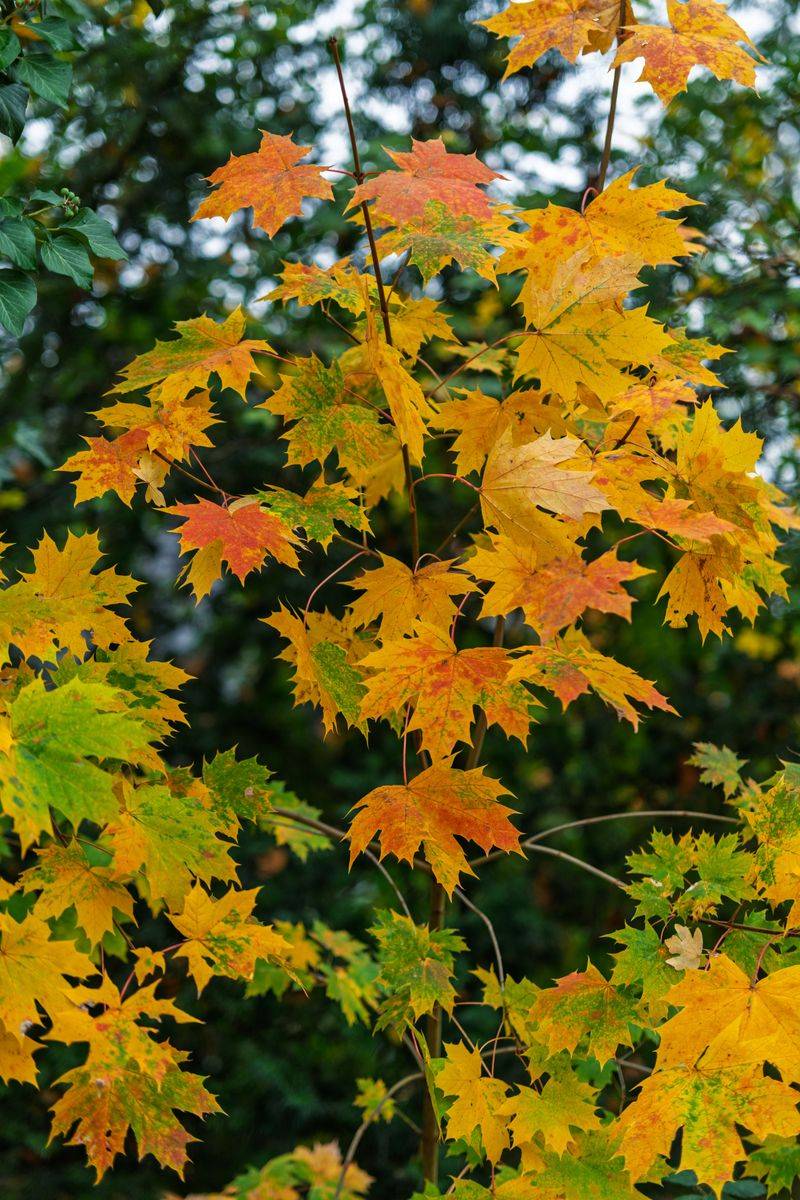
Intense summer heat does something sneaky to maple trees. It tricks them into thinking fall has arrived.
Trees track temperature patterns over time to decide when to change color. A long hot stretch scrambles that internal clock.
When temperatures stay above 90 degrees for days in a row, leaf chemistry shifts. Sugar production and processing inside the leaf can fall out of balance, which may contribute to earlier pigment changes.
Maples are especially sensitive to heat spikes because they evolved in cool, temperate climates.
A tree that thrives at 70 degrees does not have great tools for handling 95-degree afternoons. Its metabolic systems start misfiring under that kind of pressure.
One visible sign of heat stress is scorched leaf edges. The margins of leaves turn brown and crispy before the rest of the leaf changes color.
This is called leaf scorch, and it often precedes full early color change. Heat also increases the rate at which leaves lose water through tiny pores called stomata.
When those pores close to conserve moisture, photosynthesis slows dramatically. A leaf that cannot photosynthesize is a leaf the tree will soon abandon.
Mulching around the base of your maple can reduce soil temperature by several degrees. A thick layer of wood chips helps hold moisture and insulate roots from the worst of the summer heat.
That small act can buy your tree meaningful relief during a difficult stretch. Vermont’s maples changing color in summer often trace back to this one overlooked factor: heat stress working silently underground and overhead at once.
3. Dry Spells Cut Off Water To Leaves
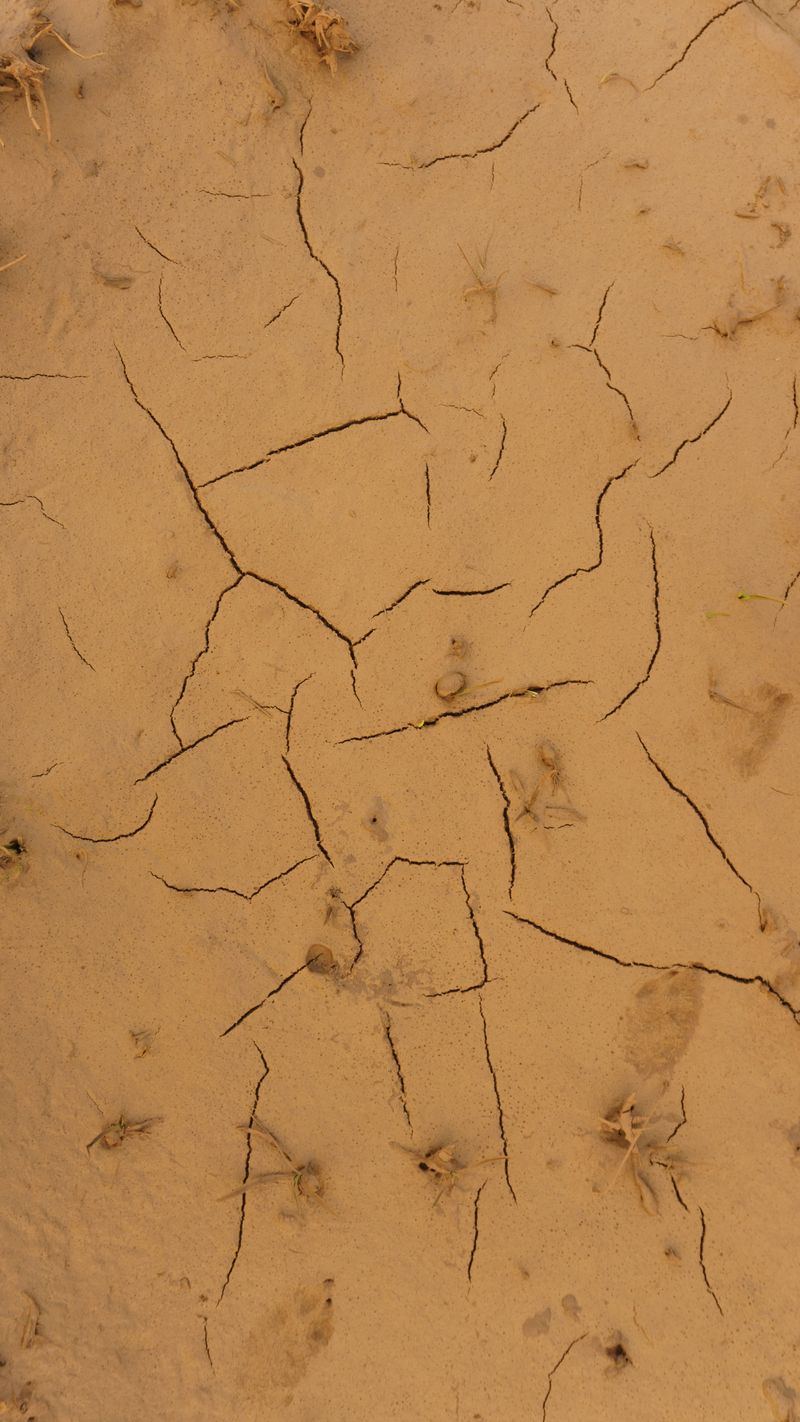
Picture a straw that stops delivering water halfway through a meal. That is essentially what happens inside a maple during a dry spell.
Water moves from roots up through the trunk and out into leaves constantly. When the ground dries out, that pipeline loses pressure.
Leaves at the top of the tree feel it first. They are the farthest from the water source and the most exposed to wind and sun.
When supply drops, those upper leaves begin to shut down their own chemistry. A leaf that is not getting enough water cannot run its normal processes. Photosynthesis requires water as a basic ingredient.
Without it, the whole system slows, and the leaf becomes a liability instead of an asset. Trees respond by forming a special layer of cells at the base of each leaf stem called the abscission layer.
This layer slowly cuts off the connection between the leaf and the branch. Color change is a side effect of that disconnection process. Extended dry spells do not have to be record-breaking to cause damage.
Even a few weeks without meaningful rain during peak summer growth can push a maple toward early shutdown, especially in shallow or sandy soil. Young trees and recently transplanted ones are especially vulnerable.
Watering deeply and infrequently is more effective than light daily watering. Deep watering encourages roots to grow downward toward more stable moisture.
Shallow watering keeps roots near the surface where they dry out fastest. Check your local rainfall totals against average expectations for the month.
A noticeable rainfall deficit over the growing season can contribute to early color change, though the exact impact depends on soil type, tree age, and root depth.
4. Pests Weaken Leaf Function Early
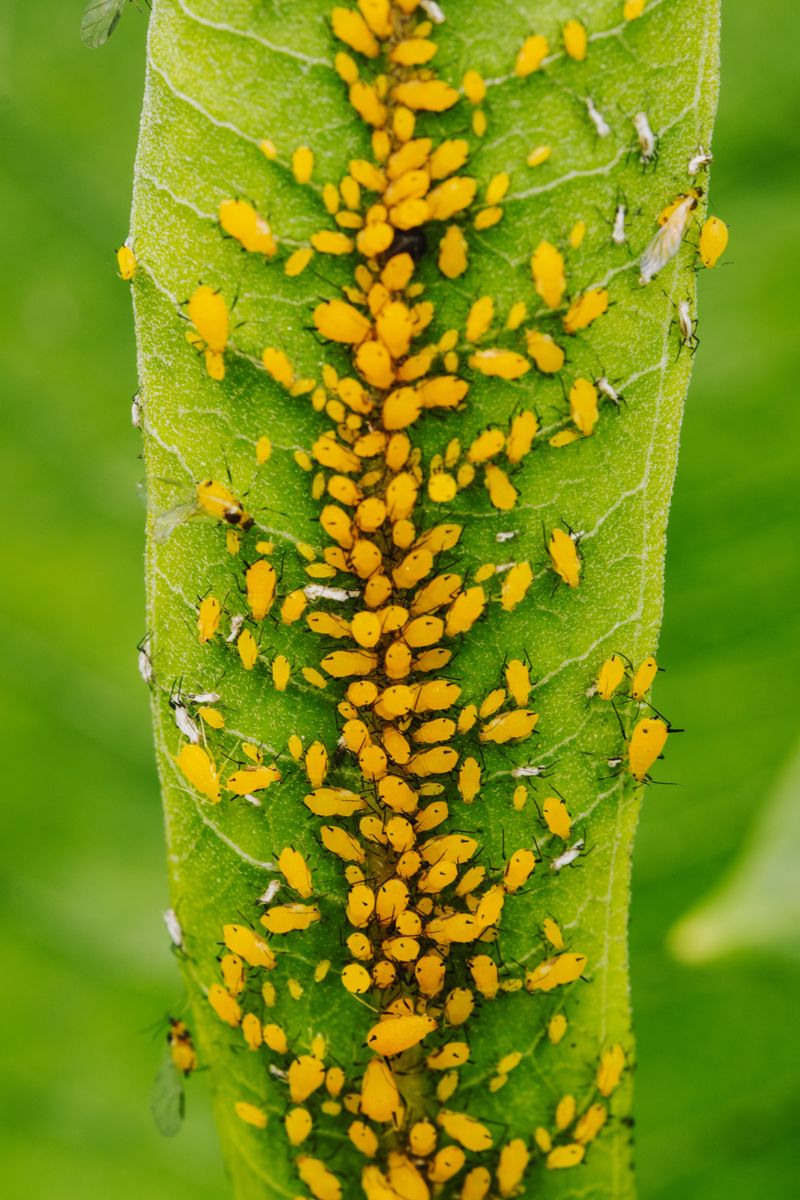
Insects aren’t always the obvious cause, but they can play a real role. Certain insects affect maple leaves in ways that mimic drought stress and trigger early color change.
The damage happens quietly, and by the time you notice the color, the infestation may already be widespread.
Aphids are one of the most common offenders. They cluster on the undersides of leaves and suck out the sugary sap that the leaf needs to function.
A heavily infested leaf turns yellow, then falls early, sometimes weeks ahead of schedule. Maple bladder gall mites cause small red or green bumps to form on leaf surfaces.
These bumps are cosmetic and rarely affect the tree’s overall health, even in heavier infestations. The mites themselves are microscopic, but the damage they leave behind is easy to spot.
Scale insects attach to branches and feed continuously through the summer. They weaken the tree slowly, reducing its ability to push nutrients into leaves.
A tree affected by a scale infestation often shows early color change as a sign of that ongoing drain.
The forest tent caterpillar is another serious threat. It feeds in large groups and can strip a maple of most of its leaves in a short period.
A defoliated tree pushes out new leaves, but those secondary leaves are weaker and more prone to early shutdown.
Inspect the undersides of leaves if you notice unusual early color. Use a magnifying glass to look for insects, webbing, or tiny bumps. Catching an infestation early gives you far better options for treatment and recovery.
5. Soil Moisture Loss Forces Early Dormancy
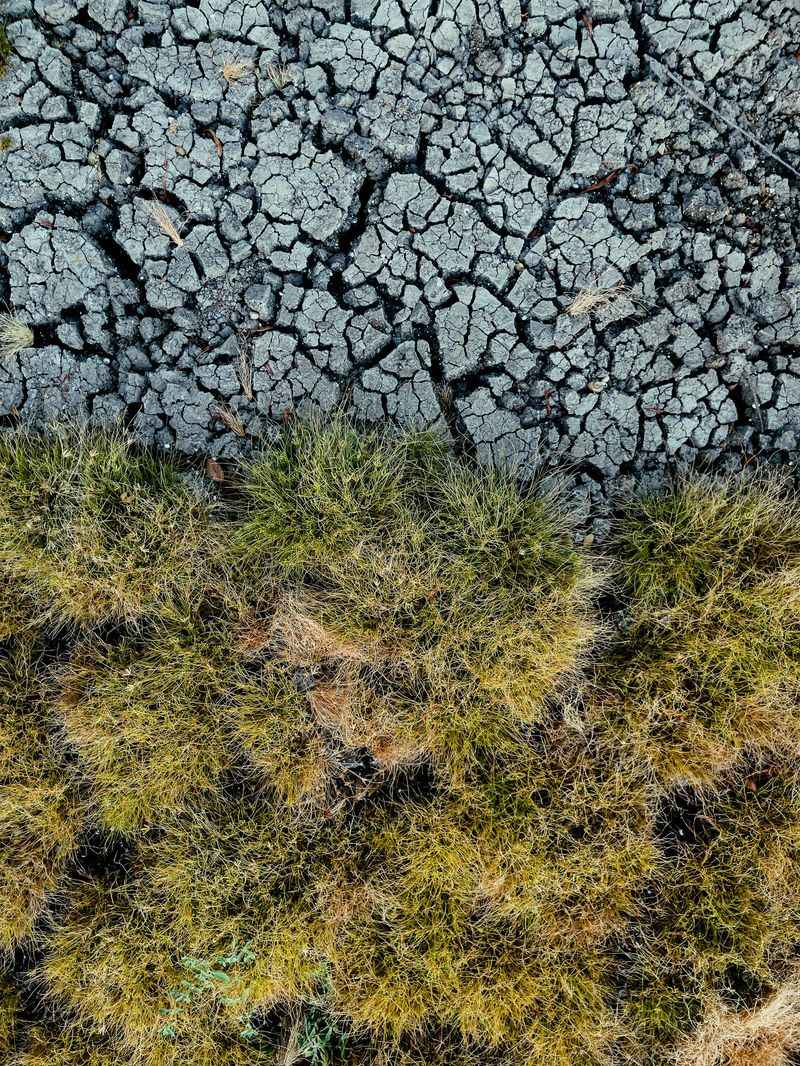
Soil is not just dirt. It is a living system that stores water, nutrients, and air for tree roots. When soil moisture drops sharply, the whole system that supports a maple begins to fail. Early dormancy is the tree’s emergency response to that failure.
Sandy soils drain too fast and hold almost no water reserve. Clay soils can crack and become nearly impermeable when dry. Both extremes leave maple roots scrambling for moisture during hot, rainless stretches.
Roots cannot absorb water that is not there. When the top two feet of soil dries out, shallow-rooted trees lose access to most of their water supply.
Maples have both deep and shallow roots, but the shallow ones do the most work during summer.
Soil moisture loss also affects nutrient uptake. Nutrients like nitrogen and magnesium move through the soil dissolved in water.
A dry soil cannot deliver those nutrients to roots, and leaves quickly show signs of deficiency, including early color change.
Organic matter in soil acts like a sponge. Compost, leaf litter, and decomposed wood hold water far longer than bare mineral soil.
Adding a two-inch layer of compost around your maple each spring significantly improves the soil’s ability to retain moisture through dry spells.
Avoid tilling or disturbing the soil near maple roots. Root damage combined with moisture stress is a double blow that pushes trees toward early dormancy faster.
Gentle care above ground starts with protecting what is happening below it. Vermont’s maples changing color mid-summer often signal that the soil beneath them has already crossed a critical threshold of moisture loss.
6. Fungal Infections Speed Up Decline
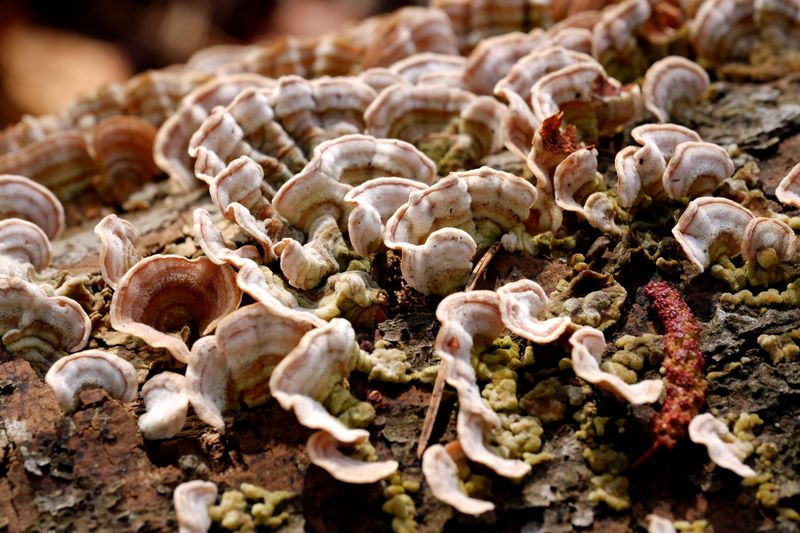
Not every color change is about weather. Sometimes a fungus is quietly working through the leaf tissue, breaking down its structure from the inside out.
Fungal infections in maples are more common than most people realize, and summer humidity creates perfect conditions for them to spread.
Tar spot is one of the most recognizable maple diseases. It creates large black spots on leaves that look almost like someone dripped tar on them.
The surrounding tissue turns yellow, and affected leaves often drop weeks early. Anthracnose is another fungal disease that affects maple leaves during wet, warm summers.
It causes brown, irregular patches that spread along the veins of the leaf. A badly infected leaf cannot photosynthesize effectively and is eventually abandoned by the tree.
Verticillium wilt is a soil-borne fungus that enters through the roots and moves into the water-conducting tissue of the tree.
Leaves on affected branches wilt, turn yellow or orange, and fall early. The disease can cause individual branches, or eventually the entire tree, to decline over several seasons.
Powdery mildew appears as a white, chalky coating on leaf surfaces. It blocks sunlight from reaching the cells that power photosynthesis.
An infected leaf produces less energy and becomes a burden the tree eventually sheds. Improving air circulation around your maple helps reduce fungal pressure.
Pruning crowded branches allows wind to move through the canopy and dry out wet foliage faster.
Raking and removing fallen leaves in autumn also removes fungal spores before they overwinter and reinfect the tree next season.
7. Compacted Soil Limits Water Uptake
Compacted soil is one of those invisible problems that causes very visible damage. When soil particles are pressed tightly together, air pockets disappear.
Roots need air just as much as they need water, and compacted soil starves them of both. Foot traffic is a major cause of soil compaction around trees.
A maple in a backyard where kids play, dogs run, or mowers circle regularly is dealing with serious root-zone pressure. Over time, that pressure reduces the soil’s ability to absorb and hold water.
Construction activity is another big contributor. Parking equipment near trees, grading soil, or even running heavy foot traffic during a renovation project can compact the root zone permanently.
Damage from a single construction season can affect a tree for decades. When roots cannot access water or oxygen, they stop functioning at full capacity. The tree receives fewer resources and begins rationing.
Leaves get cut off first because they are the most expendable part of the tree’s system. An aeration tool can help break up compacted soil without damaging roots.
Core aeration removes small plugs of soil and creates channels for air and water to re-enter the root zone.
Even a single aeration session can produce noticeable improvement in tree health over the following season.
Mulching over the root zone after aeration locks in the benefits. A wide ring of mulch extending out to the drip line of the canopy protects the soil from recompaction and holds moisture longer.
Keeping foot traffic away from that mulched zone makes a lasting difference for tree recovery.
8. Years Of Stress Catch Up To Older Trees
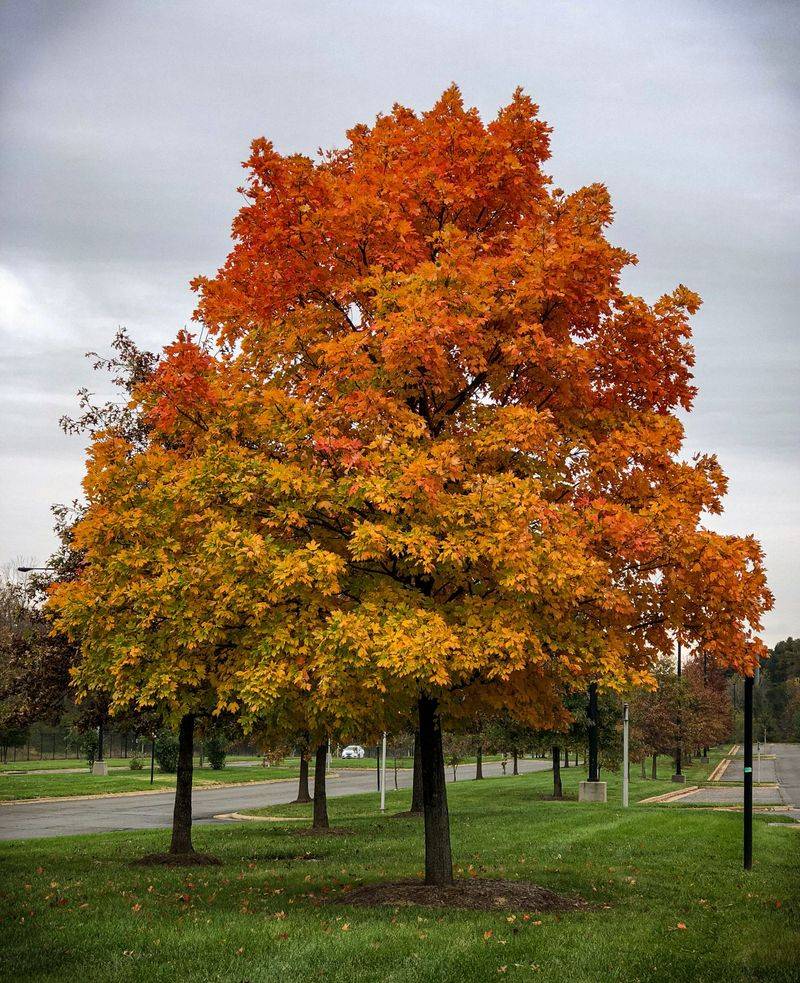
Older trees carry decades of accumulated stress in their wood and roots. A maple that has weathered decades of drought, pest pressure, pollution, and soil changes has taken on a lot of damage.
One difficult summer can be enough to trigger early color change. Stress is cumulative in trees. Each difficult season adds a small deficit to the tree’s overall health budget.
A young, vigorous maple can absorb several bad years without showing obvious symptoms. An older tree has less reserve to draw from.
Root systems in older maples often show decades of wear. Roots that were cut by utility work, damaged by construction, or girdled by soil compaction never fully recover.
Each lost root represents a portion of the tree’s water and nutrient supply that is permanently gone.
Trunk wounds are another form of accumulated stress. Old pruning cuts, storm damage, and bark injuries create entry points for disease and insects.
A tree managing multiple infections simultaneously has little energy left for maintaining healthy foliage through summer.
Older maples also face changing soil chemistry. Decades of lawn fertilizer, road salt runoff, and acid rain alter the pH and nutrient balance of the soil around them.
What once supported the tree perfectly may now be working against it. Pay close attention to large, older maples on your property. Early color change in a mature tree is a serious signal that should not be ignored.
A certified arborist can assess the tree’s structural health and recommend targeted treatments before the situation becomes irreversible.
Vermont’s maples changing color in summer remind us that even the strongest trees need care, attention, and a little human help to keep standing tall.