Why Wildflower Seed Mixes Aren’t Worth It In Minnesota, And What To Plant Instead
You tear open that colorful seed packet chasing a buzzing pollinator paradise. Instead, you get a tangled mess crowding out every bloom you wanted.
Minnesota winters are harsh, and most wildflower mixes are designed for a vague, generic American garden. Fast-spreading plants quickly claim your soil, your sunlight, and your space.
Clay-heavy ground and deep freezes reject those cheap store-bought seed mixes. Nothing generic thrives under what Minnesota’s climate demands from a plant.
Native species, though, evolved precisely for this unpredictable terrain. They always handle drought, flooding, and freezing temperatures without struggling.
Choosing them gives you deeper roots, stronger blooms, and faster results. Every wrong plant wastes your time, money, and precious space. Your yard shouldn’t struggle against the climate; it should work alongside it.
Early frost won’t ever slow what you plant correctly here. Real transformation starts the exact moment you plant according to place. You’re about to discover exactly which native plants guarantee lasting blooms.
Mixes Contain Aggressive Non-Native Species
That cheerful seed packet is hiding a secret. Many wildflower mixes sold nationwide contain species that are aggressive growers outside their home regions.
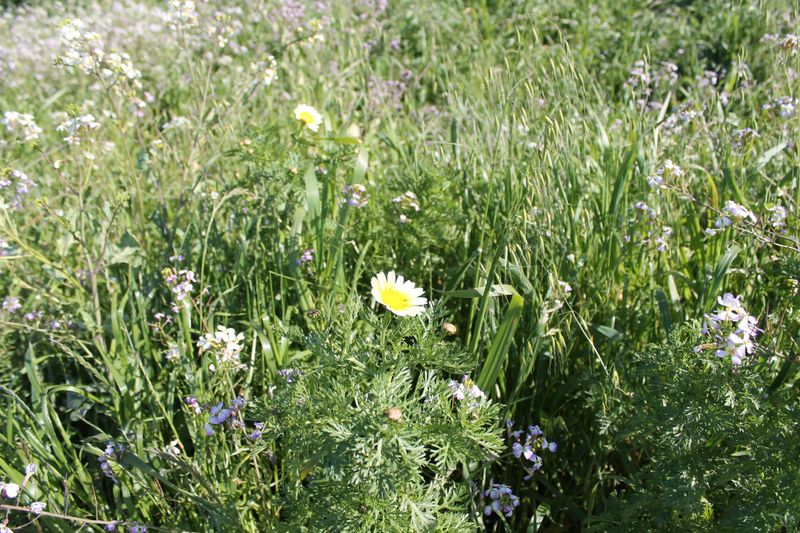
Plants like ox-eye daisy and baby’s breath look harmless on the label. Once they root in your garden, they spread fast and crowd everything else out.
These species were never meant to grow in the upper Midwest. They don’t have natural predators or competitors here to keep them in check.
Without those checks, they spread beyond your yard. They creep into natural areas, roadsides, and prairies where they don’t belong.
The problem isn’t just visual clutter. Aggressive non-natives reduce biodiversity by taking up space that native plants and insects desperately need.
Minnesota gardeners often don’t realize this until the damage is done. By then, the mix has already reseeded itself for next season.
Removing established non-native spreaders is a real chore. Some require years of pulling, digging, and monitoring before you see results.
Starting with the wrong seeds costs you time, money, and garden space. Choosing plants that belong here from the start saves all three.
Wildflower seed mixes often work against your landscape when the contents don’t match Minnesota’s conditions. The prettier choice is always the one that fits the place.
Packets Often Include Invasive Plants
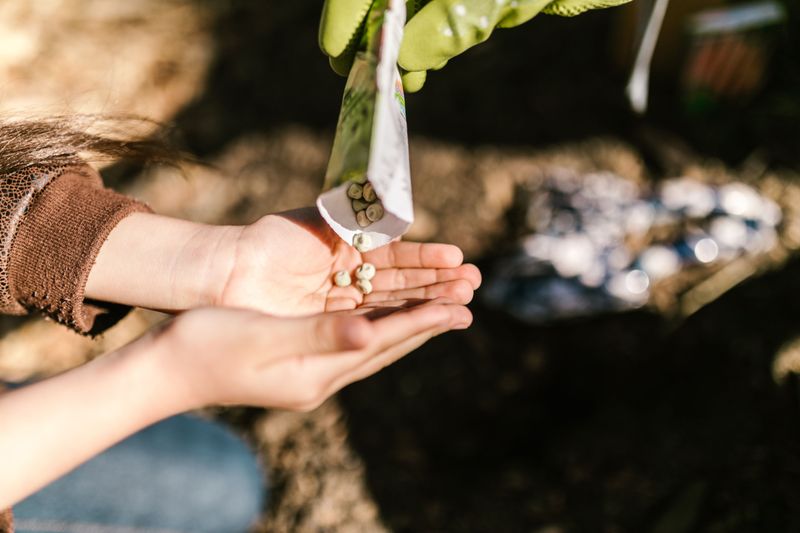
Some plants in those packets aren’t just aggressive. They’re officially classified as invasive in Minnesota.
Purple loosestrife is one of the most common offenders. It looks stunning in photos but chokes out native wetland plants across the state.
Dame’s rocket is another frequent seed-mix intruder. Many people mistake it for native phlox, but it spreads aggressively through woodlands and disturbed soils.
The Minnesota Department of Natural Resources maintains a regularly updated list of invasive plants that threaten local ecosystems. Several of them have shown up in commercially sold wildflower packets.
Seed companies aren’t always transparent about every species in a blend. The ingredient list on the back of a packet can be vague or incomplete.
Your Minnesota Garden Changes Every Week. Your Plan Should Too.
Gardening in Minnesota changes quickly throughout the season. Every Friday you’ll receive a simple weekly plan showing exactly what to plant, prune, fertilize, harvest, and protect so you never miss the right timing.
Buying a mix without researching each species can lead to unwanted surprises. You might be planting something that’s actively harmful to your region without knowing it.
Invasive plants don’t just stay in your yard. Birds, wind, and water carry their seeds into natural areas where they disrupt native plant communities.
Once an invasive takes hold in the wild, removal can take years of sustained effort and significant public funding. Your backyard garden can contribute to that problem or help prevent it.
Checking the Minnesota DNR’s invasive species list before planting anything new is a smart habit. Wildflower seed mixes aren’t worth it in Minnesota when the packet contains plants that cause real ecological harm.
Blends Ignore Local Climate Zones
Most wildflower mixes are built for a vague, generic American garden that doesn’t match Minnesota’s winters. That garden doesn’t exist here.
The state spans roughly USDA hardiness zones 3b through 5a, with small pockets reaching slightly higher in the southeast. Many seed blends are formulated for zones 6 and above, where winters are milder.
Plants that thrive in Virginia or California simply don’t survive a Minnesota January. Buying a national brand mix often means buying seeds that won’t make it through the cold.
Even spring timing is tricky here. Minnesota’s last frost date varies significantly from the southern Twin Cities to the northern Iron Range.
Generic mixes don’t account for that range. Seeds that germinate too early get wiped out by a late frost, and the packet gives you no warning about that risk.
Summer heat also plays a role. Minnesota can swing from cold, wet springs to hot, dry July stretches that stress plants adapted to more consistent climates.
A blend made for the Pacific Northwest might shrivel in a Minnesota heat wave. One designed for the Southwest might rot in a wet Minnesota spring.
Local nurseries and native plant societies understand these conditions because they live here too. They stock plants that are built for exactly this climate.
Skipping the national seed rack and buying regionally is one of the smartest gardening moves you can make. Wildflower seed mixes aren’t worth it when they’re blind to your actual growing conditions.
Seeds Outcompete Native Plants
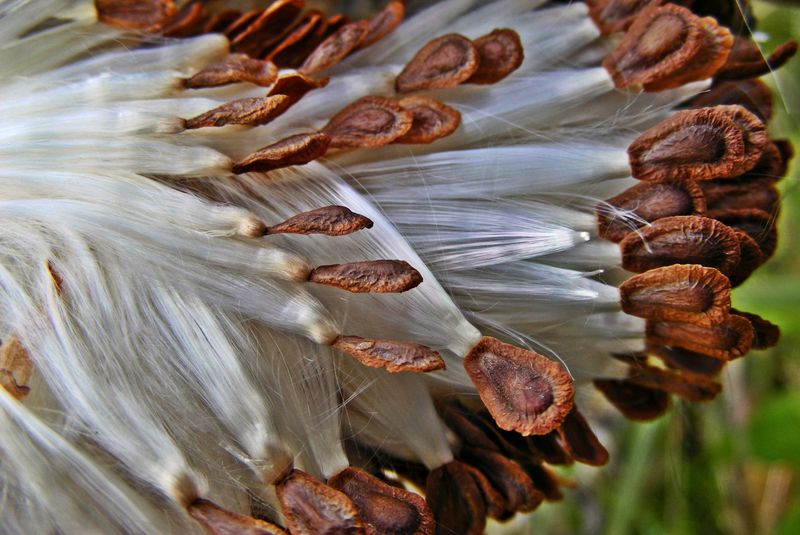
Here’s something seed companies don’t put on the label: many blend species are chosen for fast germination and vigorous growth. That sounds great until you realize what it means for everything else.
Fast-growing non-natives establish quickly and shade out slower-germinating native species. The natives lose before they even get started.
Native plants like wild bergamot or prairie dropseed take time to establish. They put energy into deep root systems before they put on much visible growth above ground.
A mix full of fast movers gives those natives no room to compete. Within a season or two, the slower but more valuable plants disappear entirely.
This matters because native plants are the foundation of local food webs. Native bees, butterflies, and other insects depend on specific native plant species to survive.
A garden full of non-native blooms might look pretty to you. To a native bee that needs a specific pollen source, it offers little to no usable food.
Broader ecological research supports this pattern: native plantings tend to support noticeably more insect diversity than comparable non-native flower gardens.
The seed mix promises a wildlife-friendly garden but often delivers the opposite. You end up with flowers that look alive but offer little real habitat value.
Choosing plants that belong here creates real habitat, not just the appearance of one. That’s a difference worth understanding before you ever open a packet.
Choose Native Black-Eyed Susan
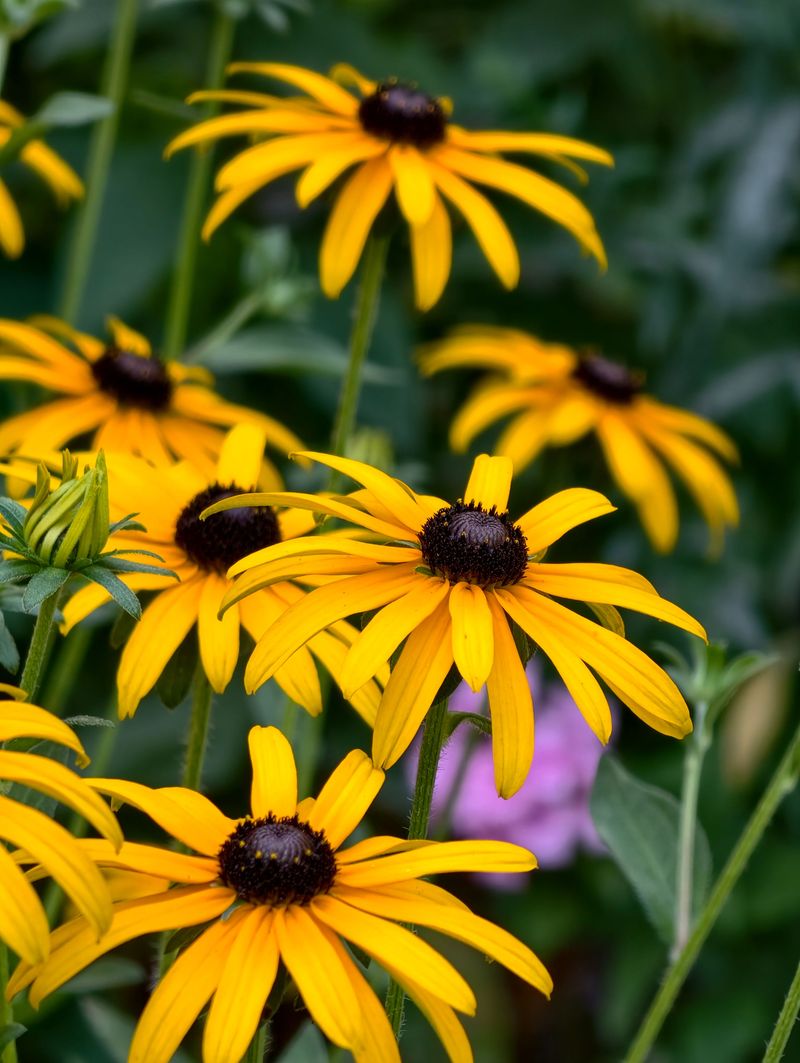
Few flowers feel more like summer than a Black-Eyed Susan in full bloom. Its golden petals and dark chocolate centers are practically iconic in the upper Midwest.
Rudbeckia hirta is the botanical name, and this plant is genuinely native to Minnesota. It evolved here, and it shows in how effortlessly it grows once established.
Black-Eyed Susan tolerates poor soil, dry spells, and even partial shade. It asks very little while giving back enormous amounts in color and wildlife value.
Bees, butterflies, and beetles flock to its blooms from July through September. The seeds that follow feed goldfinches and other small birds through fall and into winter.
Starting from transplants gives you a head start, though direct seeding in fall also works well. Scatter seeds before the ground freezes and let the cold stratify them naturally.
This plant spreads politely by self-seeding. Unlike the aggressive species found in generic mixes, it fills space gradually without taking over your entire yard.
Mixing Black-Eyed Susan with other natives creates a layered, naturalistic look that feels intentional rather than wild. It pairs especially well with grasses and taller prairie perennials.
A single plant can produce dozens of blooms in its second year. By year three, you’ll have a colony that looks like it’s always been there.
Wildflower seed mixes aren’t worth it when a single native species delivers this much beauty and function. Black-Eyed Susan is the smarter, better-looking choice every time.
Plant Purple Coneflower For Pollinators
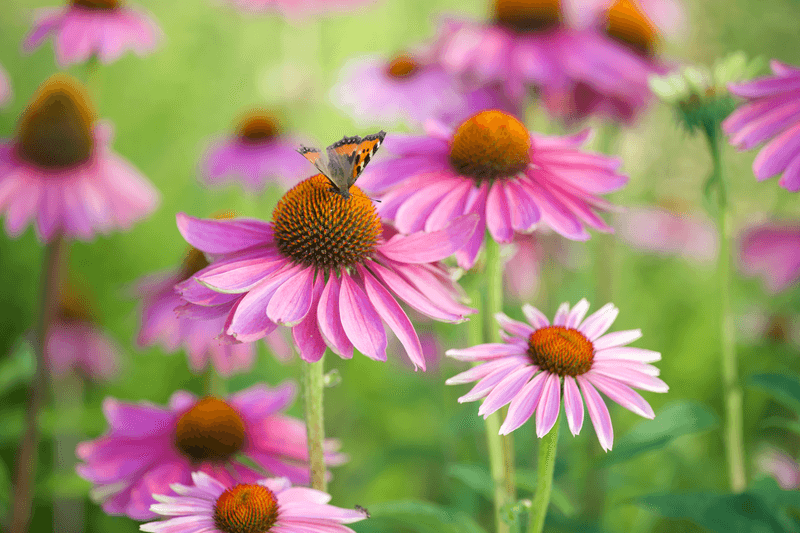
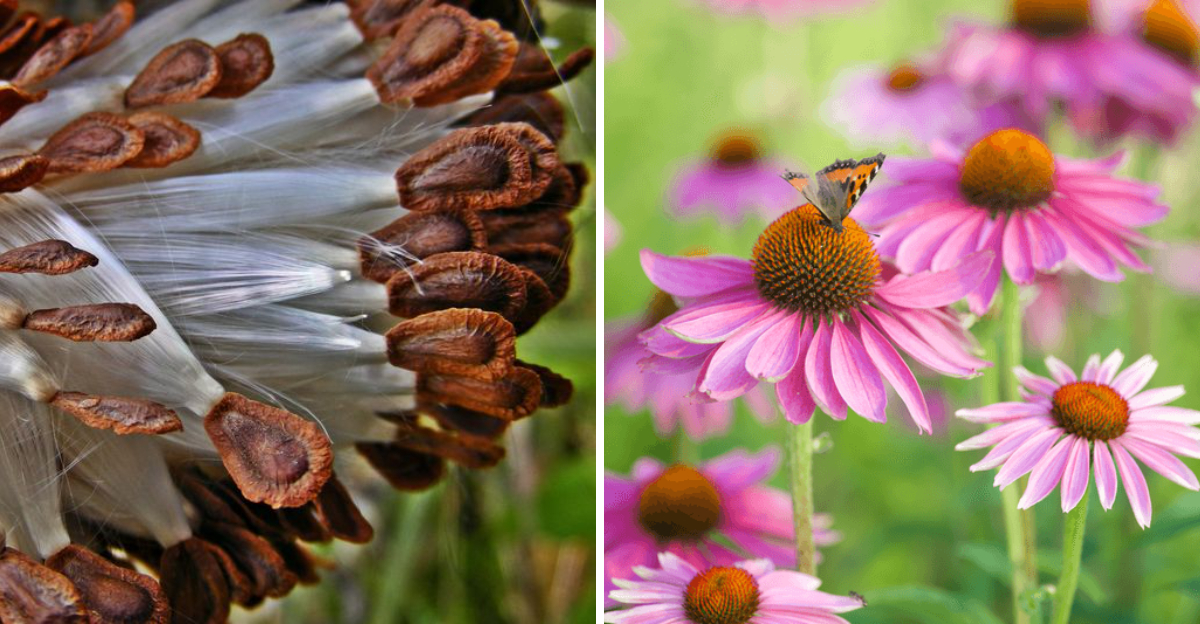
Purple coneflower has a fan club, and the members include monarch butterflies, native bees, and goldfinches. It’s one of the hardest-working plants you can put in a Minnesota garden.
Echinacea purpurea is native to the central and eastern US and has long been part of prairie plantings across Minnesota. It thrives across a wide range of hardiness zones, making it well suited to Minnesota’s varied climate.
The blooms arrive in July and last well into August. Each flower head is a landing pad for pollinators, offering both nectar and pollen in generous supply.
After the petals drop, the spiky seed heads remain standing through fall and winter. Birds pick at them for seeds while the structure adds visual interest to a sleeping garden.
Planting coneflower in full sun gives you the best blooms. It tolerates clay soil and occasional drought once established, which makes it ideal for Minnesota’s unpredictable summers.
Starting from nursery transplants is the easiest approach for most home gardeners. Seed-grown plants take two years to bloom, but they tend to be more robust once they hit their stride.
Coneflowers spread slowly by both seed and root division. Splitting clumps every few years keeps them vigorous and gives you free plants to share or expand your patch.
Pairing purple coneflower with Black-Eyed Susan and wild bergamot creates a pollinator corridor that hums with activity all season. Your yard becomes a genuine refuge, not just a pretty backdrop.
Add Wild Bergamot For Bees
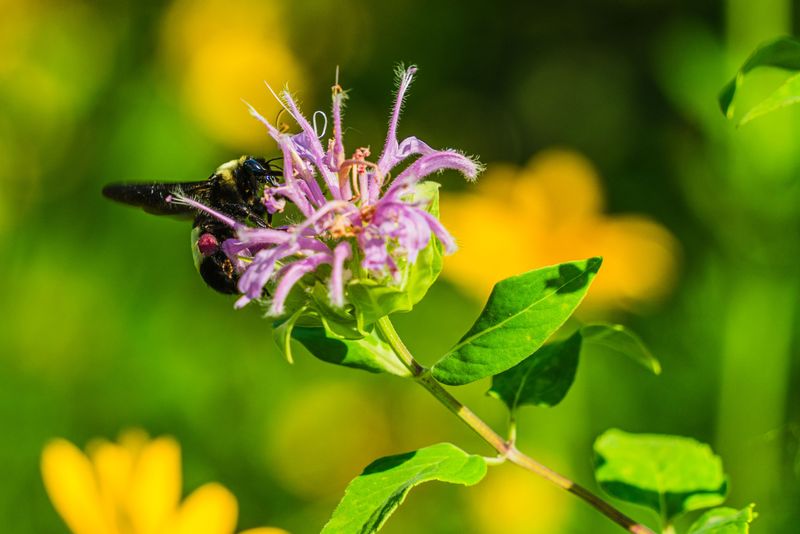
Wild bergamot smells like a cross between oregano and mint, and bees absolutely lose their minds over it. If you want to hear your garden buzzing, this is your plant.
Monarda fistulosa is native to Minnesota prairies and open woodlands. It has been growing here for thousands of years, long before anyone thought to put it in a garden.
The lavender-pink flower clusters bloom from late June through August. During peak bloom, a single plant can host dozens of native bee species at once.
Bumblebees are especially fond of bergamot because the tubular flowers match their body shape perfectly. Hummingbird moths, those gorgeous daytime visitors, also stop by regularly.
This plant grows two to four feet tall and spreads steadily by underground rhizomes. Giving it room to roam pays off in a lush, fragrant colony within a few seasons.
Wild bergamot handles dry, sandy soil better than most flowering perennials. It actually prefers lean conditions over rich, amended beds, which makes it low-maintenance by nature.
Some gardeners worry about powdery mildew on bergamot leaves in humid years. Planting in full sun with good air circulation keeps that issue minimal without any spraying needed.
The dried seed heads hold their shape through winter, giving birds food and adding structure to a dormant garden. Few plants offer this much value across all four seasons.
Adding wild bergamot to a native planting transforms a garden into a living, breathing ecosystem. The bees will find it faster than you expect.
Include Blazing Star For Height
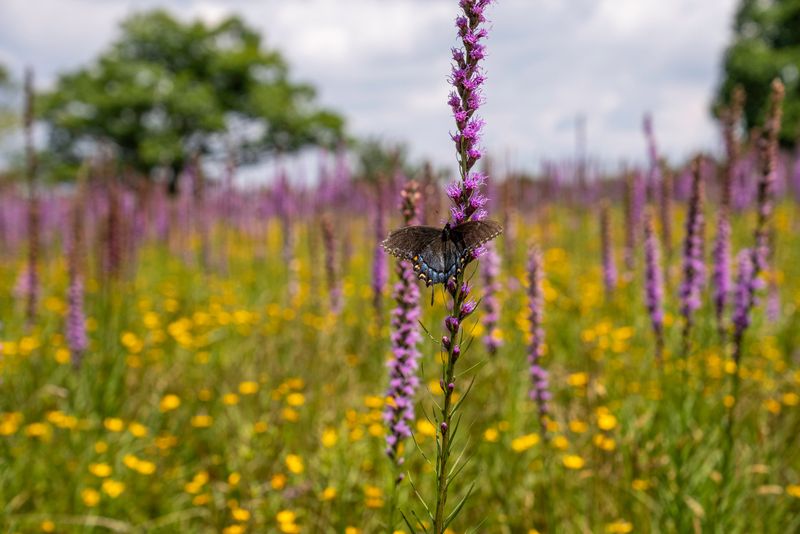
Blazing star is the exclamation point your native garden has been missing. Its tall, torchlike spikes of purple bloom from the top down, which is the opposite of most flowers.
Liatris spicata, also called spike blazing star, is native to the eastern and central US, while related species like Liatris aspera are more commonly cited as native to Minnesota prairies specifically.
Monarch butterflies treat blazing star like a fuel stop on their fall migration. Planting it near other nectar sources creates a layered buffet that supports butterflies across their entire journey south.
The blooms arrive in late July and carry through September. That late-season timing fills a gap when many other native plants have already finished flowering.
Blazing star grows from a corm, which is a small bulb-like structure you plant in spring. It establishes slowly in year one but rewards patience with increasingly dramatic displays each season after.
Full sun and well-drained soil are its main requirements. It handles clay if drainage is reasonable, and it laughs off dry stretches once the roots are established.
Deer tend to browse it less than many other perennials, which is a genuine bonus for Minnesota gardeners near wooded edges. That relative resistance makes it a solid choice even in areas with heavy wildlife pressure.
Blazing star planted alongside coneflower, bergamot, and Black-Eyed Susan completes a native garden that blooms from June through September. Wildflower seed mixes aren’t worth it when this kind of intentional, layered beauty is within easy reach.