What Is The Fast-Spreading Vine Taking Over Minnesota Yards, And How To Stop It
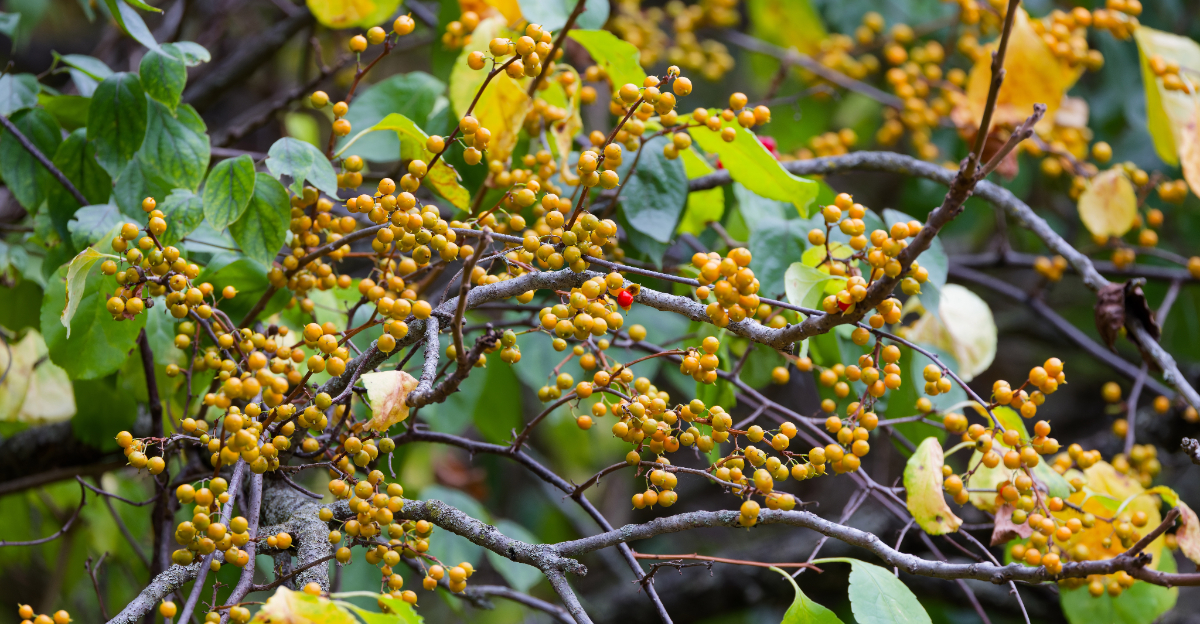
Something is climbing through Minnesota backyards right now, and most homeowners have no idea what it is. It starts small, a thin vine curling around a fence post or creeping up a shrub.
By the time it reaches your trees, it has already taken over. This woody, fast-growing vine can hit 66 feet in length and wrap so tightly around a trunk that it cuts into the bark.
Left alone, it brings down branches. It smothers everything beneath it. And it spreads faster than most people expect, thanks to birds carrying its seeds across the yard and beyond.
It is classified as a Prohibited Noxious Weed in Minnesota, meaning it is illegal to sell, transport, or plant it. If it is growing in your yard, it needs to go. Here is what you need to know.
The Invasive Vine Showing Up In Minnesota Yards This Summer
Your shrubs did not shrink. The vine ate them.
Round leaf bittersweet is the fast-spreading vine taking over Minnesota yards right now. It arrived from Asia decades ago and has since escaped gardens across the eastern and central United States.
This vine is a climber and a strangler. It wraps tightly around tree trunks, fence posts, and garden shrubs, cutting off their ability to grow.
Left alone, it can pull down small trees by sheer weight. Mature vines can grow several inches thick, almost like a woody rope.
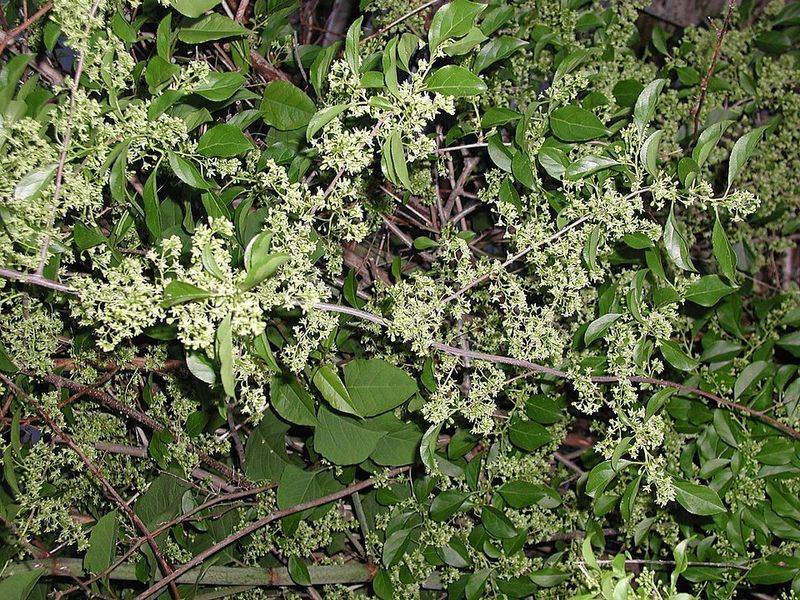
You might first notice it along fence lines or wood edges. It loves disturbed soil, which makes yards, roadsides, and forest borders its favorite hangouts.
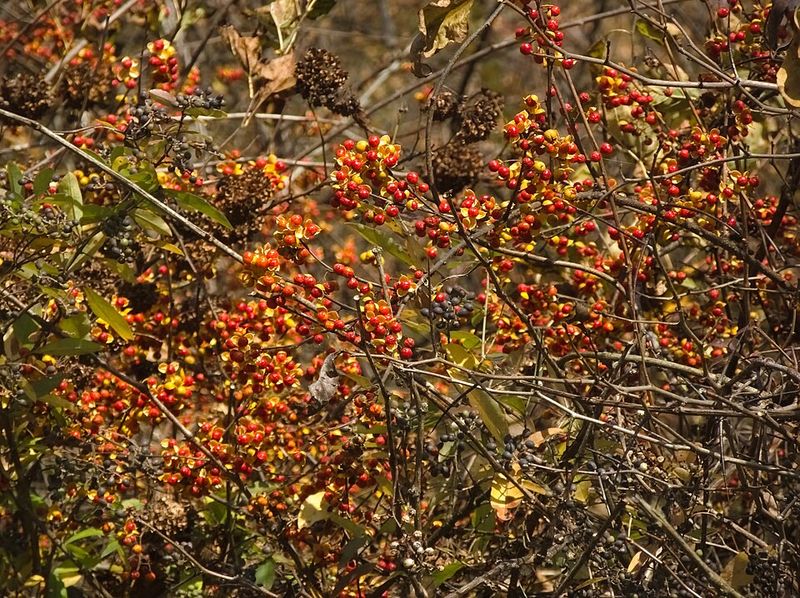
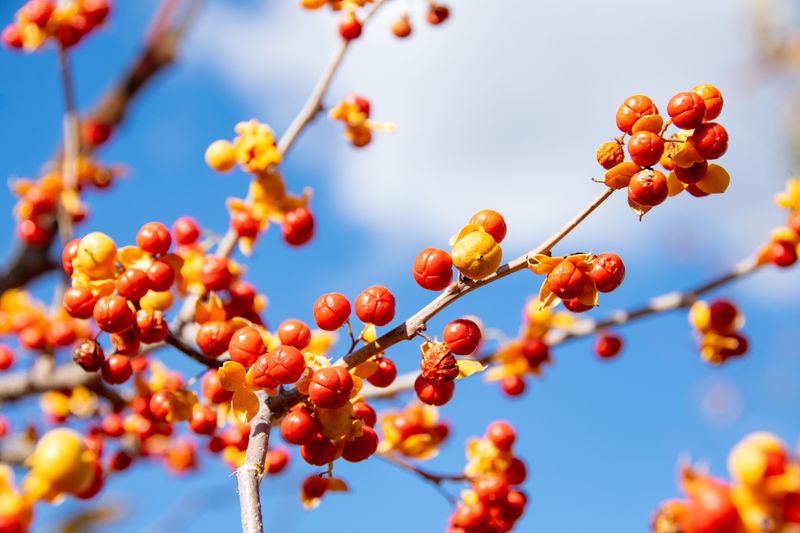
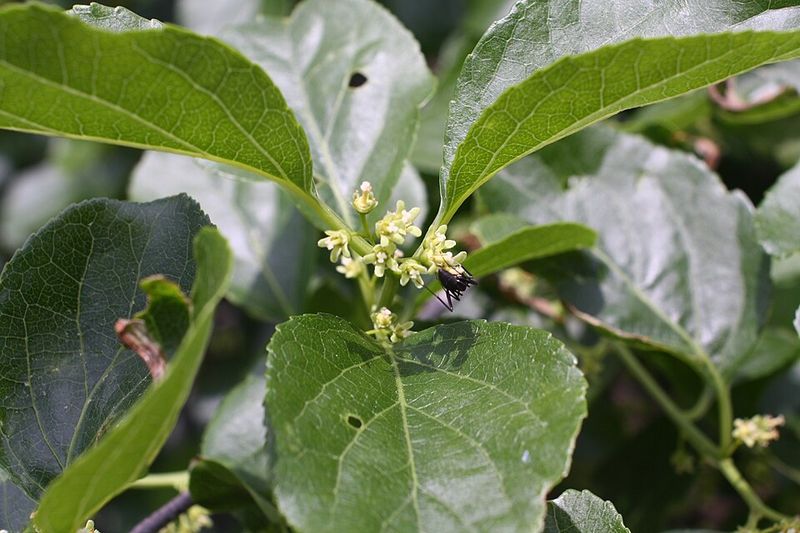
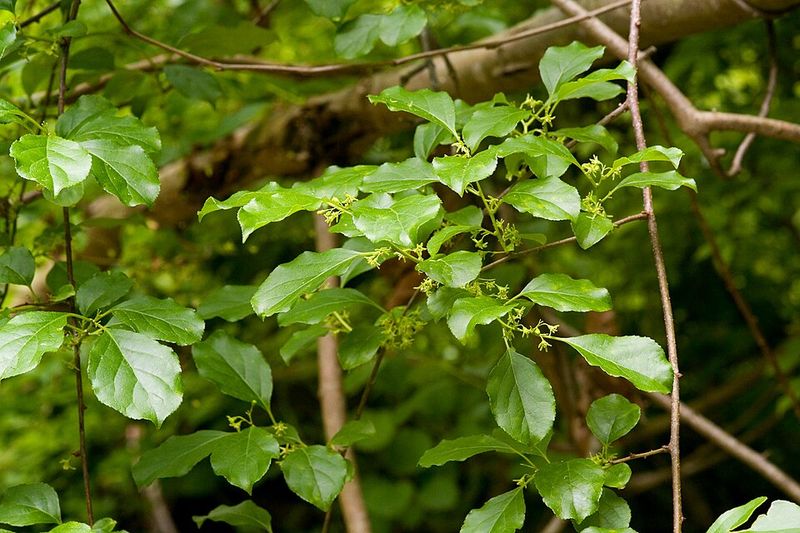
The leaves are round and slightly toothed, which gives the plant its common name. In fall, it produces bright red berries enclosed in yellow capsules, making it easy to spot once you know what to look for.
Those berries are the problem. Birds eat them eagerly and spread seeds far and wide. One plant can turn into dozens within just a couple of seasons.
Homeowners often mistake it for a harmless native plant. By the time they realize what it is, the vine has already rooted deeply and spread aggressively.
Spotting it early makes a huge difference. The sooner you identify this invader, the easier your battle will be.
Round Leaf Bittersweet Vs American Bittersweet
Not every bittersweet is a bad guy. American bittersweet is actually a native plant worth protecting.
Telling them apart is easier than you think once you know what to look for. The berries are your biggest clue.
On Round leaf bittersweet, berries appear all along the stem. On American bittersweet, they cluster only at the tips of branches.
Leaf shape alone is not a reliable way to tell them apart, since both species show considerable variation.
The invasive species also tends to grow faster and produce more berries. That fruit production is what makes it such a relentless spreader in yards and wild areas.
American bittersweet is actually listed as a species of concern in some states. Its native habitat shrinks as the invasive version crowds it out and occasionally hybridizes with it.
Your Minnesota Garden Changes Every Week. Your Plan Should Too.
Gardening in Minnesota changes quickly throughout the season. Every Friday you’ll receive a simple weekly plan showing exactly what to plant, prune, fertilize, harvest, and protect so you never miss the right timing.
If you find American bittersweet on your property, protect it. Remove the invasive lookalike growing nearby to give the native plant room to thrive.
Misidentification is common and costly. Pulling the wrong vine means losing a native plant while the invasive one continues to spread unchecked.
When in doubt, contact your local extension office. They can help you confirm which species you are dealing with before you take action.
Knowing the difference is not just a curiosity. It is the first step toward making smart, effective choices in your yard.
The Reason It Spreads So Quickly
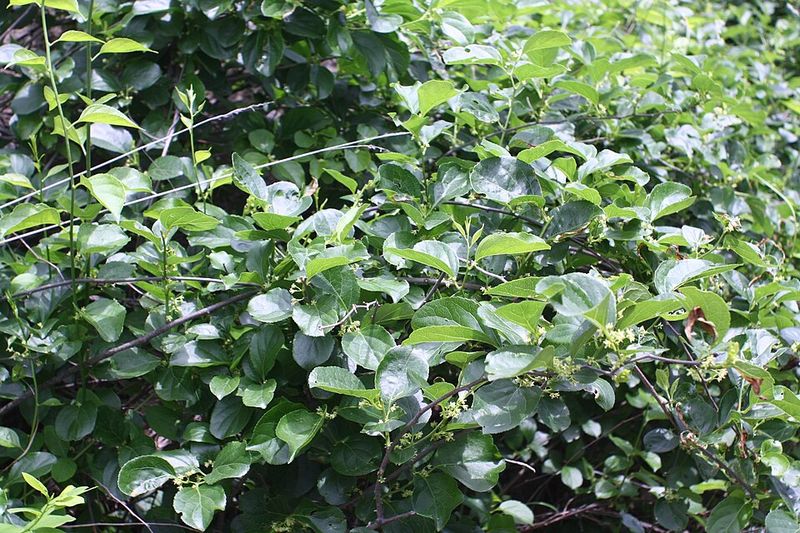
Speed is this plant’s superpower. Round leaf bittersweet does not just grow fast, it multiplies through multiple pathways at once.
Birds are the primary culprits in spreading it so widely. A single bird can eat dozens of berries and deposit seeds miles away from the original plant.
Each berry contains a viable seed. One mature vine can produce hundreds of berries in a single season, meaning the math works heavily in the plant’s favor.
Underground roots add another layer of trouble. When you cut the vine above ground, the root system often sends up new shoots within weeks.
Those roots can spread laterally several feet from the main stem. Digging up one plant can accidentally sever roots that then sprout as separate new plants.
Soil disturbance actually helps it thrive. Construction zones, tilled gardens, and mowed roadsides give it exactly the loose, open ground it prefers for germination.
It also leafs out earlier in spring than many native plants. That head start gives it a competitive edge before other vegetation can shade it out.
Sunlight fuels its growth dramatically. In full sun, it puts on aggressive growth through the season, smothering slower-growing natives beneath it.
Understanding how it spreads changes how you fight it. Cutting stems without addressing roots or seeds is like bailing a sinking boat with a teaspoon.
Getting Rid Of It Without Herbicide
Bare hands and persistence are a powerful combination. Manual removal works best on young plants before roots grow deep and wide.
Pull seedlings by hand in early spring when soil is moist. Wet ground releases roots more completely, which reduces the chance of regrowth.
For established vines, use loppers or pruning shears to cut stems at the base. Removing the top growth prevents the plant from photosynthesizing and building energy reserves.
Cut stems repeatedly throughout the growing season. Each time new shoots emerge, cut them back immediately to slowly starve the root system below ground.
Digging out roots is effective but labor-intensive. Use a mattock or garden fork to loosen soil and extract as much of the root mass as possible.
Even small root fragments left behind can resprout. Check the area weekly during summer and remove any new growth before it has a chance to establish.
Bag all removed plant material and dispose of it in the trash, not your compost pile. Berries especially can remain viable and sprout in compost.
Pulling in fall after berries form is risky. Disturbing the plant at that stage can scatter seeds, making next year’s problem even larger.
Timing matters more than effort. Consistent removal over two to three growing seasons can significantly reduce even a well-established infestation without a single drop of chemical.
Using Herbicide On Round Leaf Bittersweet
Sometimes manual removal is not enough. Dense infestations or deeply rooted vines often need chemical help to truly knock them back.
Triclopyr-based herbicides are the most effective option for this plant. Products containing triclopyr are widely available at garden centers and home improvement stores.
The cut-stump method is the most targeted approach. Cut the vine at the base and immediately paint the exposed stump with concentrated herbicide using a small brush.
Doing this as soon as possible after cutting is important. The plant begins sealing the wound almost immediately, blocking absorption of the chemical you apply.
Foliar spraying works on younger plants with lots of leafy growth. Spray the leaves directly during the growing season until they are thoroughly coated but not dripping.
Avoid spraying on windy days or near water sources. Herbicide drift can harm nearby native plants and create environmental problems you did not intend.
Fall is actually an ideal time for foliar treatment. The plant pulls nutrients down into its roots before winter, carrying herbicide along with it for deeper impact.
Glyphosate is another option but works best on actively growing plants. Triclopyr tends to be more selective, reducing damage to surrounding grasses and non-target vegetation.
Always read the label fully before applying any product. Protective gloves and eyewear are non-negotiable when working with concentrated herbicide formulas.
One treatment rarely solves the problem completely. Plan for follow-up applications the next season to address any regrowth from surviving root tissue.
Preventing The Next Infestation
Winning the battle is one thing. Keeping the win is where most homeowners fall short.
Prevention starts with monitoring. Walk your property edges two or three times each season specifically looking for new bittersweet seedlings.
Birds will keep depositing seeds no matter what you do. Your job is to catch those seedlings before they establish a root system.
Replacing bare or disturbed soil with dense native plantings is one of the smartest moves you can make. Thick ground cover leaves no open space for invasive seeds to germinate.
Native options like wild ginger, native sedges, or Pennsylvania sedge work well as ground cover. They crowd out weeds naturally while supporting local wildlife and pollinators.
Mulching heavily around garden beds also helps. A thick layer of wood chip mulch suppresses germination and makes pulling any stray seedlings much easier.
Check along fence lines and woodland edges closely. Those transition zones are where the fast-spreading vine tends to sneak back in first.
Do not move soil or plant material from infested areas to clean parts of your yard. Roots and seeds travel easily in contaminated dirt.
Sharing what you know with neighbors matters more than you might think. If nearby yards are full of this invasive vine, your property will always face pressure from seeds blowing in.
Stopping the fast-spreading vine from returning is a long game, but a winnable one with steady attention each season.