The Best Backyard Privacy Plants That Thrive In Oregon’s Dry Late Summers
Privacy planting gets trickier once Oregon’s summer rains disappear and the yard starts drying out.
A screen that looked lush in May can begin thinning just when patios and windows are getting the most use.
The better choices are plants that hold their shape through late-season heat without demanding nonstop irrigation.
Some work as dense evergreen barriers, while others offer a looser screen that feels more natural around decks and property lines.
Mature size matters just as much as drought tolerance, since the wrong plant can quickly become a pruning problem or crowd nearby structures. Good placement also helps roots stay cooler and stretch farther for moisture.
With a little planning, it is possible to create backyard privacy that still looks intentional after weeks of dry weather, instead of turning into a stressed row of shrubs by August.
1. Silk Tassel Bush Making A Soft Evergreen Screen
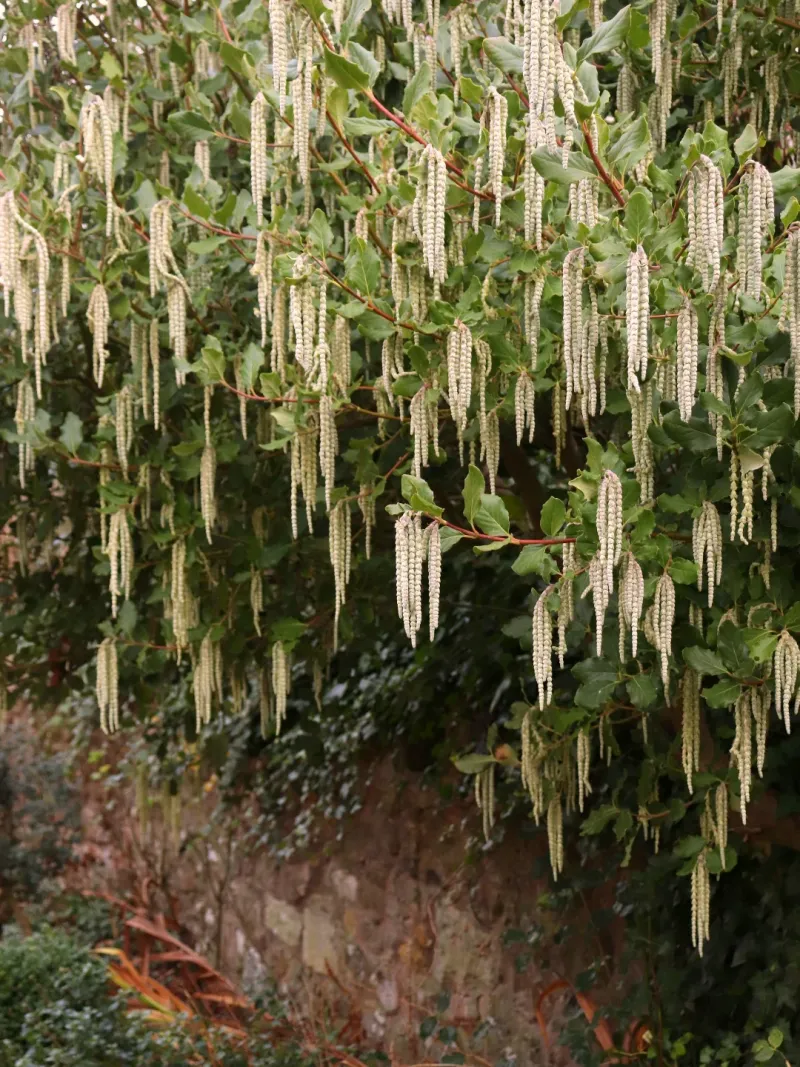
Few plants pull off the combination of toughness and elegance quite like the Silk Tassel Bush. Native to coastal areas of the West, it brings a soft, layered look to any fence line or property edge.
The long, silky catkins that hang from its branches in winter are a real showstopper, but even in late summer, the glossy dark leaves stay full and rich.
This shrub handles dry conditions surprisingly well once it gets settled in. After the first year or two, it rarely needs extra watering during those hot August stretches.
It can grow eight to twelve feet tall, making it a solid choice for blocking views from neighbors or passing traffic.
Planting it against a fence or wall gives it a little extra warmth and shelter, which it appreciates. Full sun to partial shade both work well.
The key is good drainage, since soggy soil is the one thing it really dislikes. Pruning after the catkins fade keeps the shape tidy without sacrificing next season’s display.
Gardeners who want privacy without a rigid, boxy hedge will love how naturally full this plant grows. It fills in steadily over a few seasons and rewards patience with a genuinely beautiful screen that looks good every single month of the year.
2. Mexican Orange Blossom Filling Out With Fragrant Leaves
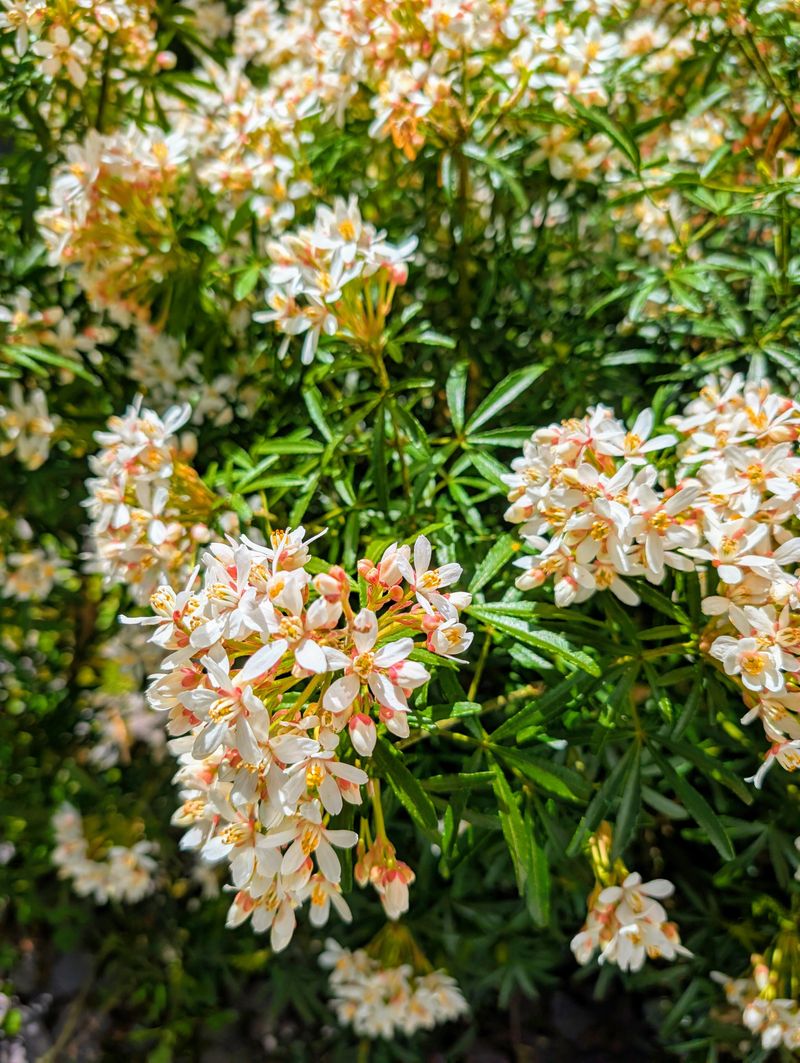
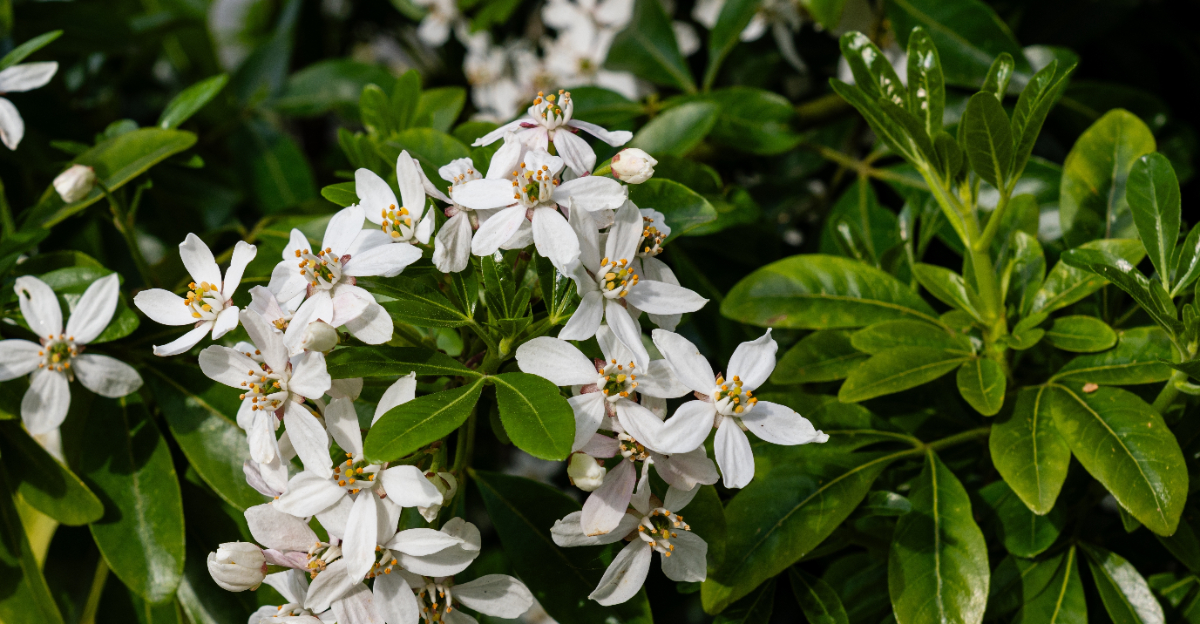
There is something almost unfair about how good Mexican Orange Blossom smells. Brush past the leaves on a warm afternoon and you get a fresh, citrusy scent that makes the whole yard feel more alive.
The small white flowers that appear in spring and sometimes again in fall only add to the appeal.
Beyond the fragrance, this evergreen shrub is genuinely tough. Once established, it holds up well through the dry stretches that hit our state in July and August.
It does not drop its leaves or look stressed the way some softer plants do. The glossy foliage stays bright and full, giving you a reliable screen that does not take summers off.
It typically grows five to eight feet tall and equally wide, so it fills out a fence line nicely without needing constant trimming.
Your Oregon Garden Changes Every Week. Your Plan Should Too.
Gardening in Oregon changes quickly throughout the season. Every Friday you’ll receive a simple weekly plan showing exactly what to plant, prune, fertilize, harvest, and protect so you never miss the right timing.
A spot with morning sun and afternoon shade suits it best in warmer areas, but full sun works fine with occasional deep watering during the driest weeks.
One thing to know is that it prefers well-drained soil and does not love heavy clay without some amendment. Mix in compost at planting time and it will reward you with fast, full growth.
For homeowners who want a hedge that engages multiple senses, this fragrant, lush shrub is hard to beat.
3. Pacific Ninebark Growing Into A Tough Natural Hedge
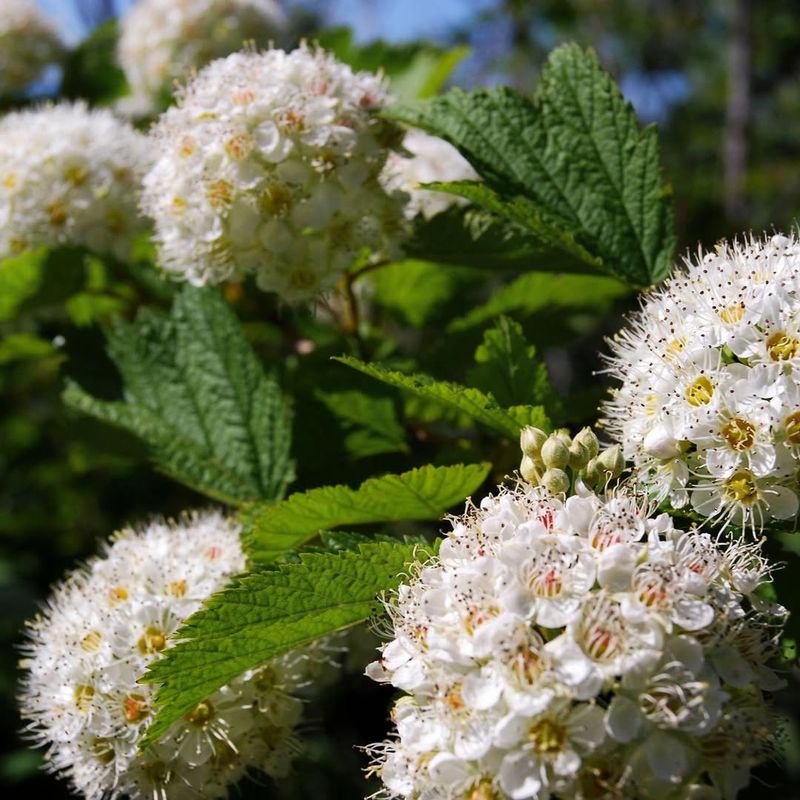
Peeling bark, clusters of white flowers, and fiery fall color make Pacific Ninebark one of the most underrated native shrubs available to home gardeners in this region. It is not just pretty, though.
This plant is genuinely rugged, handling drought, heavy soil, and neglect with a calm indifference that most ornamental shrubs cannot match.
During dry late summers, it slows its growth but stays full and leafy without extra irrigation once it is a couple of years old.
The dense branching habit means it fills in quickly along fence lines, creating a natural-looking barrier that feels more like a woodland edge than a formal hedge.
Heights of six to ten feet are common in garden settings. Wildlife love it too. Birds use the dense branches for nesting, and the flower clusters attract pollinators through late spring.
If you want a yard that feels connected to the local ecosystem while still giving you real privacy, this shrub delivers on both fronts without much effort from you.
Pruning right after flowering keeps the shape manageable and encourages fresh new growth. Avoid heavy pruning in late summer, since that can reduce next year’s flower display.
Plant it in a row with about four feet between each shrub and within two to three seasons you will have a solid, natural-looking screen that handles whatever the weather throws at it.
4. Pineapple Guava Handling Dry Summers With Silver Foliage
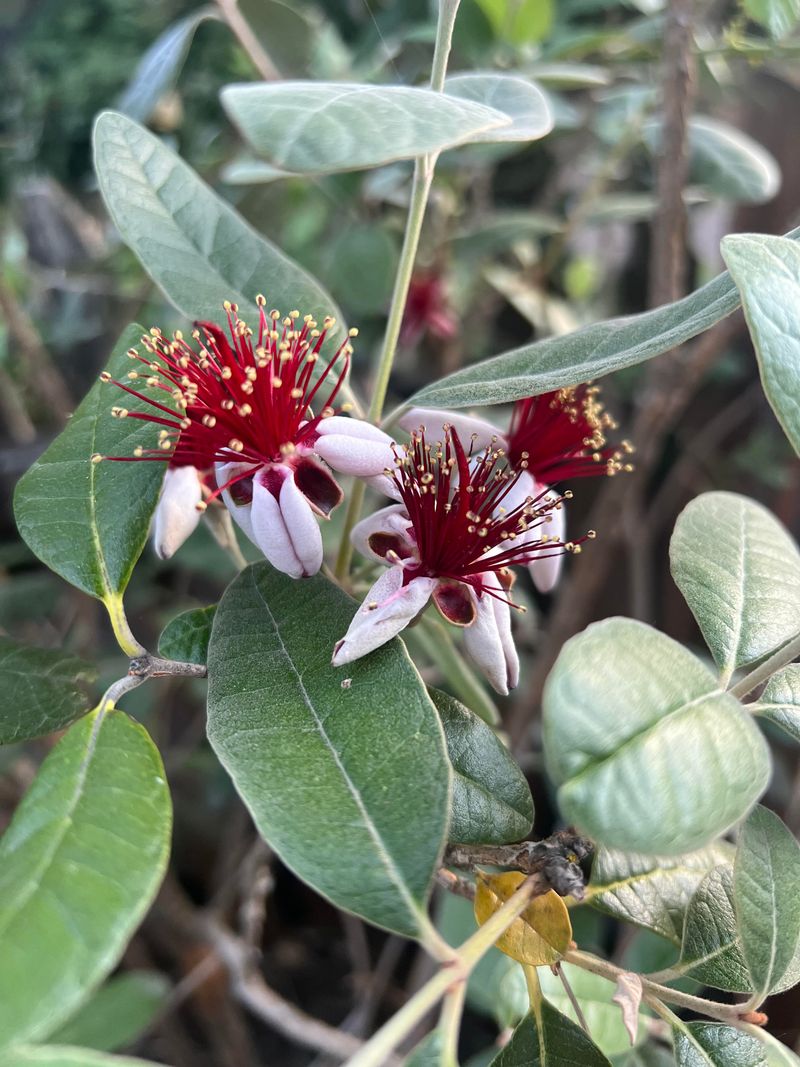
With silver-green leaves that shimmer in the summer sun, Pineapple Guava brings an almost tropical feel to a Pacific Northwest backyard without needing tropical amounts of water.
The contrast between the soft, dusty-colored foliage and the bold red and white flowers that appear in early summer is genuinely striking.
It looks exotic but acts like a tough Mediterranean shrub.
Dry summers are no problem for this plant once it has settled in. Its thick, leathery leaves are built to hold moisture and resist heat.
Even in August, when other shrubs start to look tired, Pineapple Guava stays dense and full. That consistency makes it a reliable choice for anyone who wants a screen that does not falter mid-season.
It grows slowly at first, but patience pays off. Over several years it can reach eight to fifteen feet tall, forming a thick, rounded mass of foliage that blocks views effectively from nearly any angle.
Pruning is optional since it naturally takes a full, bushy shape on its own.
As a bonus, the edible fruits that follow the flowers have a flavor somewhere between guava and peppermint, which makes harvesting them a fun late-summer activity. Plant it in full sun with good drainage for the best results.
It tolerates light frost well, making it suitable for most lower-elevation areas.
5. Pacific Wax Myrtle Making A Naturally Dense Screen
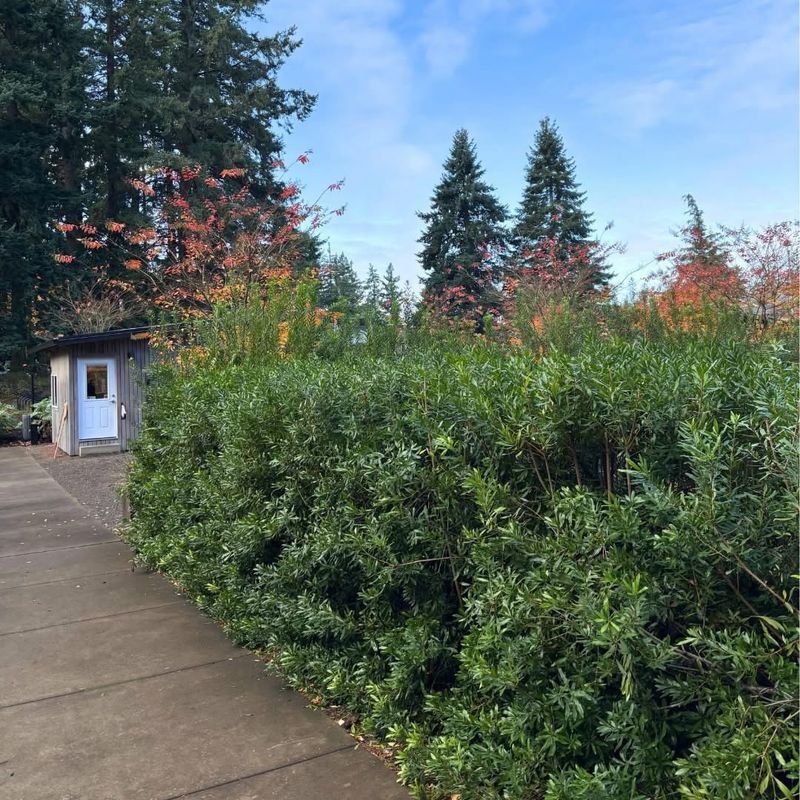
Speed and density are two things gardeners always want from a privacy plant, and Pacific Wax Myrtle delivers both. This fast-growing native evergreen can put on several feet of growth per year when conditions are right.
Within a few seasons, a row of these shrubs becomes a solid green wall that blocks wind, noise, and prying eyes all at once.
The glossy, aromatic leaves stay on year-round, which means your privacy does not disappear in fall the way it does with deciduous options.
The foliage has a pleasant, slightly spicy scent when brushed, and the dark blue-gray berries that follow small spring flowers add seasonal interest through late summer and fall.
Dry summers are handled well once the plant is established, though a deep watering every couple of weeks during the hottest stretches will keep it looking its best.
It naturally grows ten to twenty feet tall, so it works well as a tall screen or can be pruned into a more formal hedge shape without any complaints.
One of its best qualities is its flexibility. It handles wet winters and dry summers, which is exactly the pattern our state tends to follow.
Plant it in full sun to partial shade, give it a little compost at planting time, and let it do its thing. Few plants reward low-maintenance gardeners as reliably as this one does.
6. California Lilac Thriving Once The Watering Slows Down
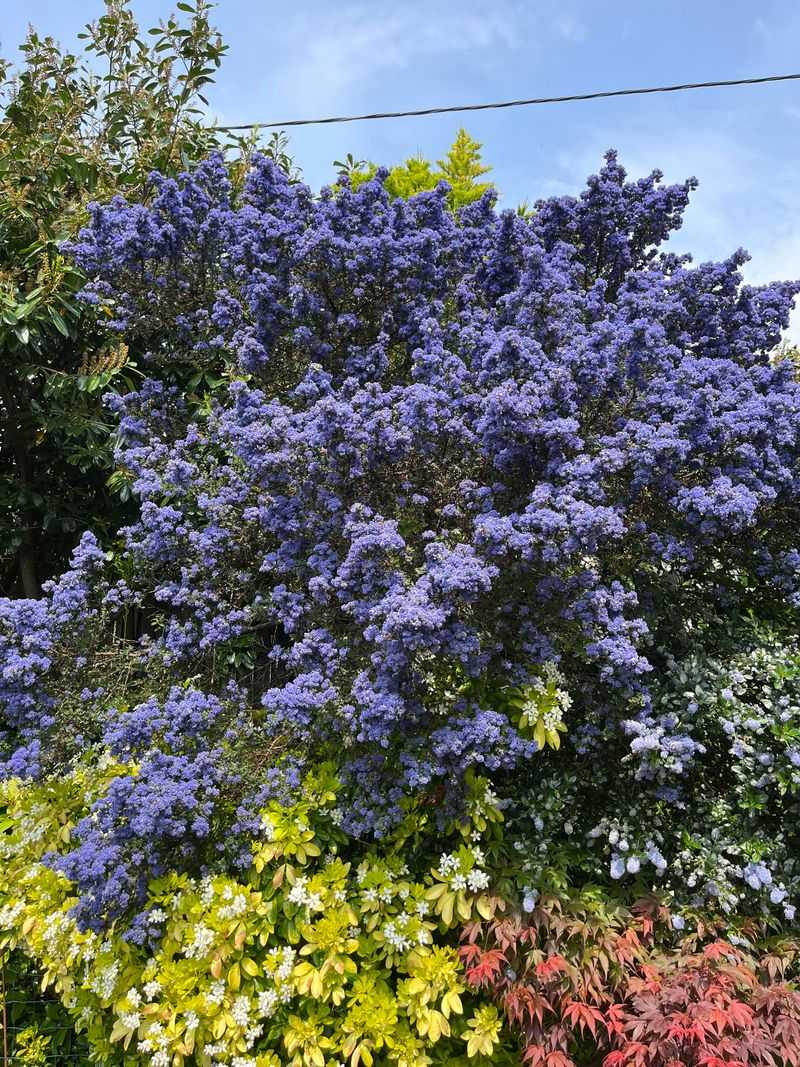
Most shrubs struggle when the hose gets put away in late July. California Lilac does the opposite.
Once the summer dry spell settles in, this plant seems to wake up and show off. The vivid blue or purple flower clusters that blanket the branches in spring give way to dense, dark green foliage that holds steady through even the hottest weeks without complaint.
Native to California but perfectly at home in the drier parts of Oregon, this shrub has adapted over thousands of years to thrive with minimal summer water. In fact, overwatering is one of the few things that can cause problems.
Once established, it actually prefers to be left alone during the dry season, making it ideal for gardeners who want beauty without babysitting.
Depending on the variety, it can grow anywhere from three feet to over ten feet tall. Taller varieties like Ceanothus arboreus work well as screens along fence lines.
Compact varieties suit smaller yards or can be used as a low border in front of taller plants.
The flowers are also a magnet for bees and butterflies, turning your privacy hedge into a buzzing, colorful wildlife corridor in spring. Prune lightly right after flowering to keep the shape full.
Avoid heavy pruning into old wood, since new growth tends to sprout from younger branches. Plant it in full sun with excellent drainage for the best long-term results.
7. Dwarf Strawberry Tree Staying Neat And Evergreen
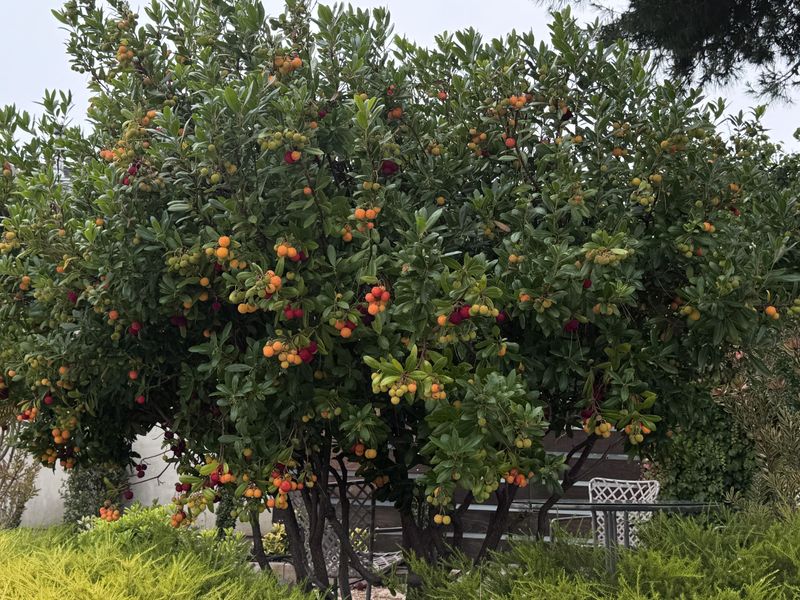
Compact, tidy, and full of personality, the Dwarf Strawberry Tree is the kind of plant that earns compliments from neighbors even as it blocks their view.
The combination of peeling cinnamon-red bark, dark glossy leaves, dangling white bell-shaped flowers, and round red-orange fruits often appears all at once in fall, creating a display that feels almost theatrical.
For a smaller yard or a spot where a full-sized tree would be too much, this shrub fits perfectly.
It typically tops out at six to eight feet tall with a similar spread, forming a naturally rounded shape that needs very little pruning to stay presentable.
The evergreen foliage means it earns its place in the garden every single month.
Dry summers are handled with ease. Once settled in, the Dwarf Strawberry Tree is quite drought-tolerant, relying on its tough, leathery leaves to conserve moisture during hot spells.
A deep watering once every two to three weeks in peak summer is usually enough to keep it healthy and full.
Full sun to partial shade both work well, and it tolerates coastal conditions, urban pollution, and poor soils better than many ornamental shrubs. The fruits, while edible, are quite bland on their own but are beloved by birds.
Planting a couple of these in a row creates a tidy, formal-looking screen that holds up beautifully through every season without demanding much in return.
8. Tall Oregon Grape Staying Green Through Summer
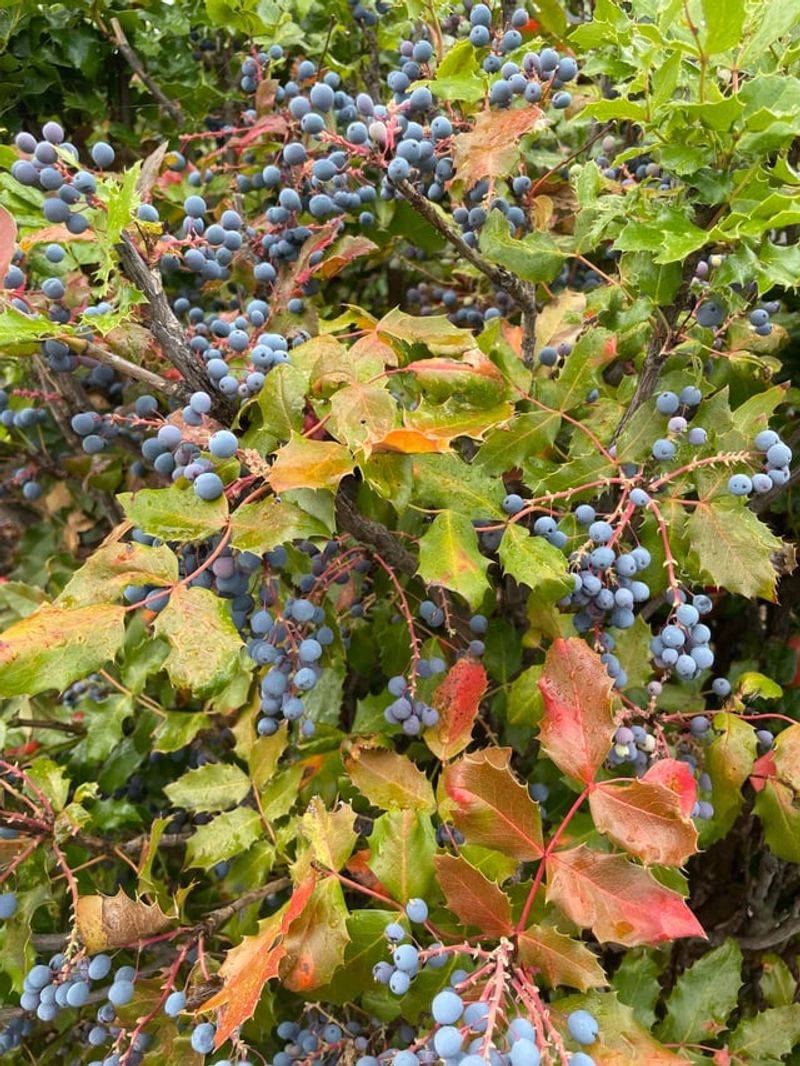
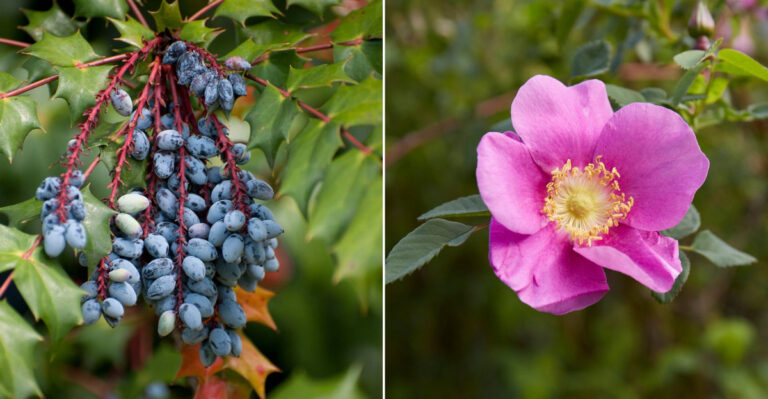
Bold, spiny, and absolutely unfazed by summer heat, Tall Oregon Grape is one of the most reliable native plants available for backyard privacy in our state. The stiff, holly-like leaves stay deep green through dry spells that would stress most other shrubs.
No wilting, no leaf drop, no drama. Just steady, dependable coverage right through the hottest weeks of the year.
Bright yellow flower clusters appear in early spring, filling the yard with a cheerful splash of color before most other plants have woken up.
Those flowers then turn into clusters of blue-purple berries that ripen through summer, attracting birds and adding visual interest to what could otherwise be a plain green wall.
Height-wise, it can reach six to eight feet tall, sometimes taller in shaded spots with rich soil. The upright, architectural form means it works well as a natural screen along fence lines or property edges.
Space plants about three to four feet apart for a dense hedge effect within a few growing seasons.
One of its best traits is shade tolerance. While many drought-tolerant shrubs need full sun to thrive, Tall Oregon Grape handles dappled shade and even fairly deep shade without losing its density or color.
That makes it especially useful along north-facing fences or beneath the canopy of taller trees.
Pruning old canes to the ground every few years keeps the plant vigorous and encourages fresh, full growth from the base.